Why Croatia is a Serious Dive Destination
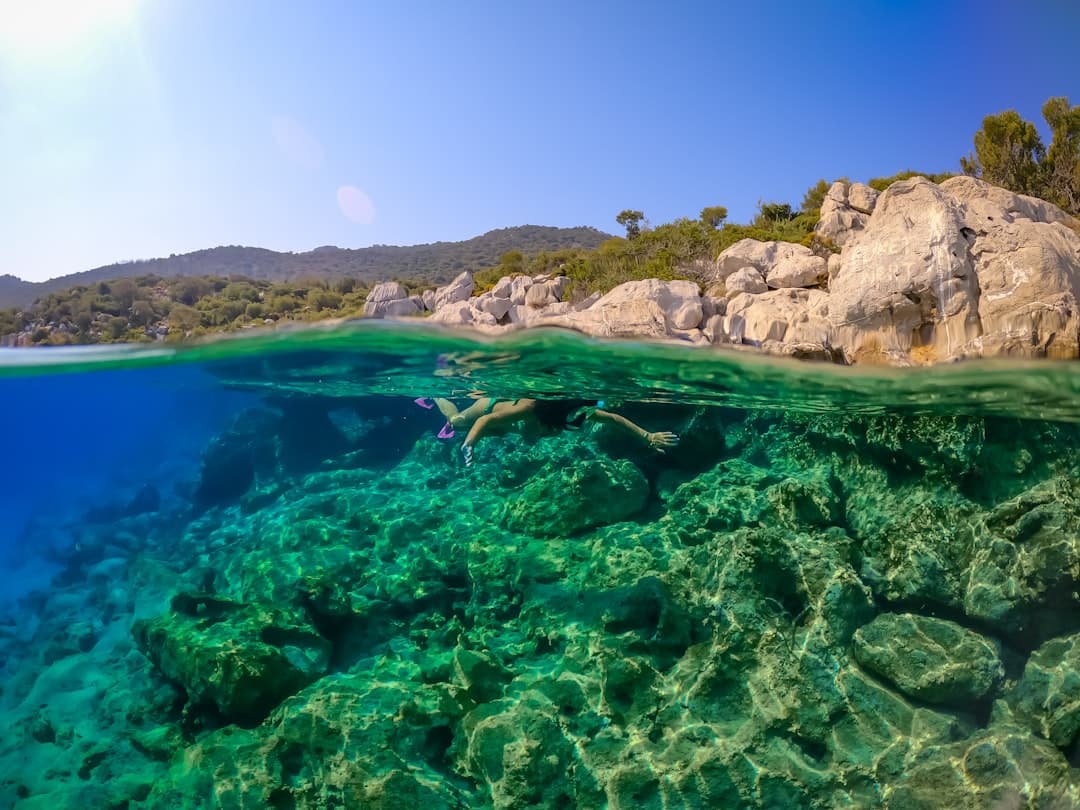
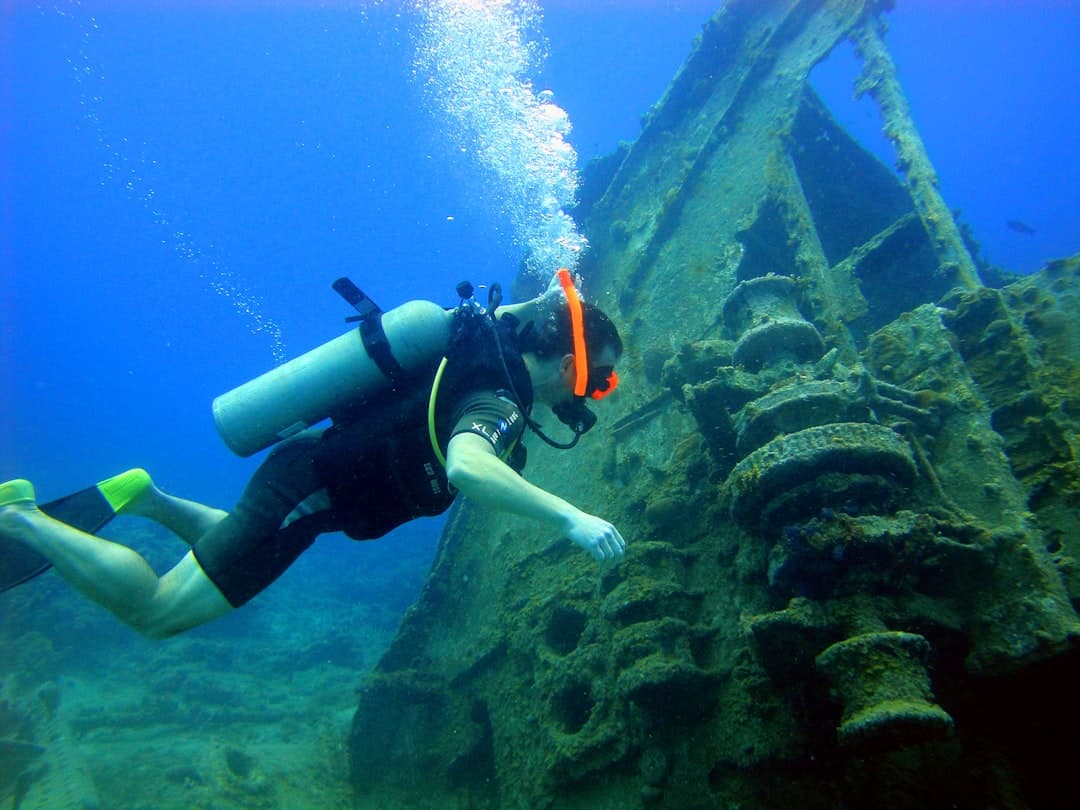
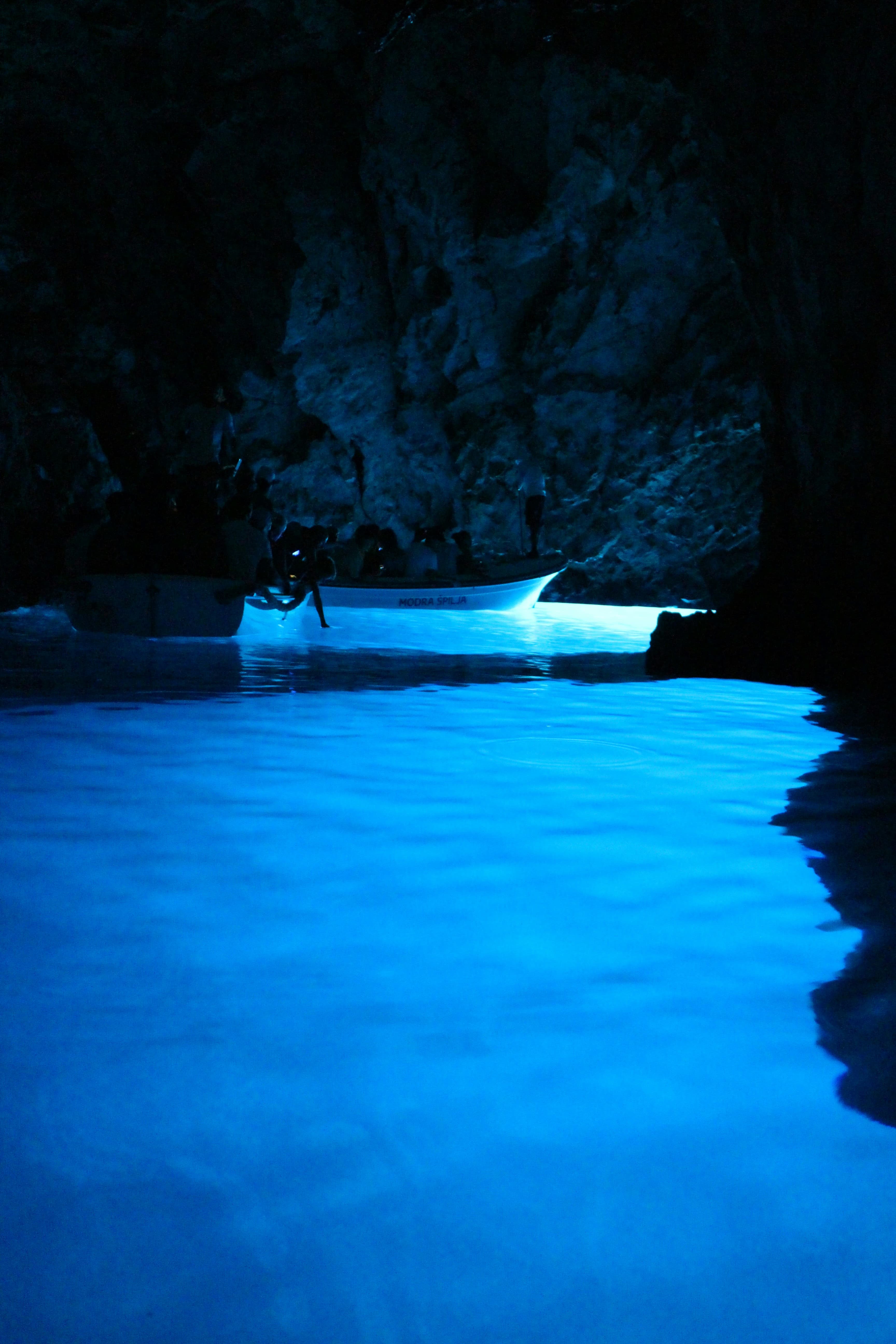
The Adriatic does not shout about itself. Visibility regularly hits 30 metres in summer, the rock geology is dramatic karst — vertical walls, swim-throughs and limestone caves carved over millennia — and the seabed holds one of the densest concentrations of intact 20th-century wrecks in Europe. Add a coastline of more than 1,200 islands and you have dive sites a short boat ride from almost any harbour town.
The country has roughly 130 registered dive centres along its coast, most of them small, family-run operations affiliated with PADI, SSI or CMAS. They tend to operate from local harbours with daily two-tank trips between May and the end of October. Outside that window many simply close, though a handful of year-round centres in Pula, Split and Dubrovnik will run dives if conditions allow.
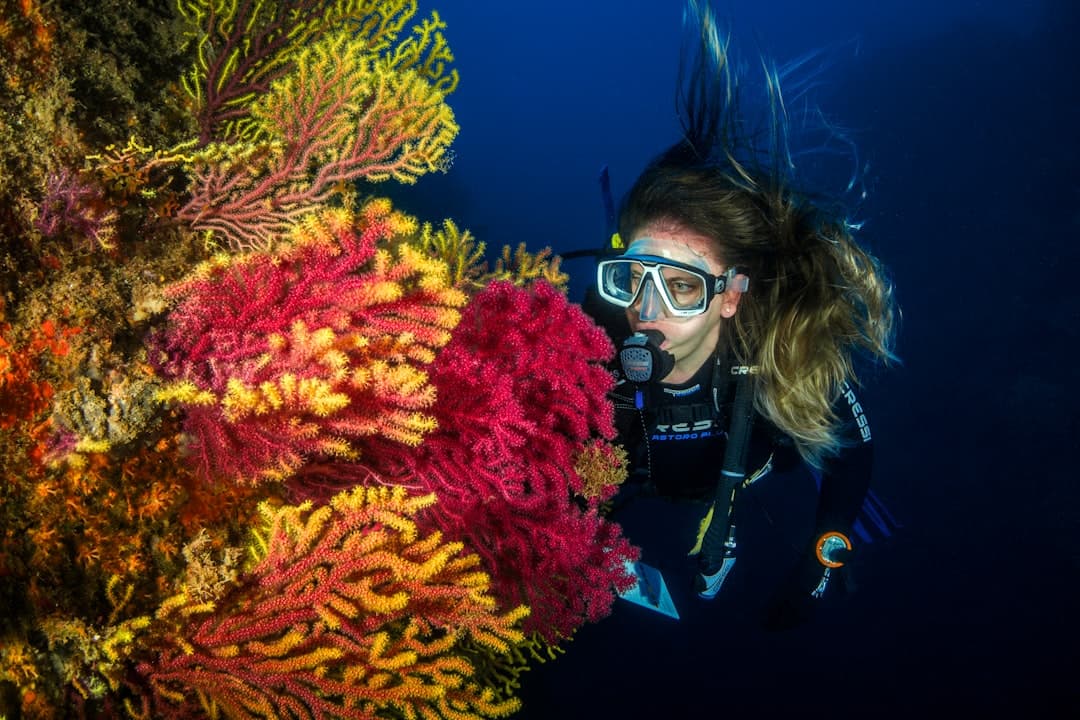
The marine life is more subtle than tropical seas — expect groupers, octopuses, conger eels, scorpionfish, cardinalfish, lobsters and the occasional tuna or amberjack — but the headline draws are the wrecks and caves. The sites described below are the ones experienced Adriatic divers return to.
Quick Facts
Best season
May to October. Visibility peaks at 20–30 metres in summer; September and October stay warm with thinner crowds.
Water temperature
22–25°C in July and August at the surface; 16–18°C below the thermocline. A 5mm wetsuit suits high summer; bring a 7mm or hood for spring and autumn.
What you need
A recognised certification (PADI, SSI, CMAS, SDI) plus a Croatian Diving Federation tourist card — €15, issued by your dive centre on presentation of passport and brevet, valid one year.
Recreational depth limit
40 metres. Anything deeper requires technical training and additional permits.
Typical price
Single guided dive with full kit hire from around €50–€70; two-tank boat dives €90–€120; Discover Scuba intros from €70.
Closest airports
Pula and Rijeka (Istria/Kvarner), Zadar and Split (central Dalmatia), Dubrovnik (south).