Rovinj
A Mediterranean harbour town with colourful houses, cobbled streets and long sunsets over the Adriatic
About Rovinj
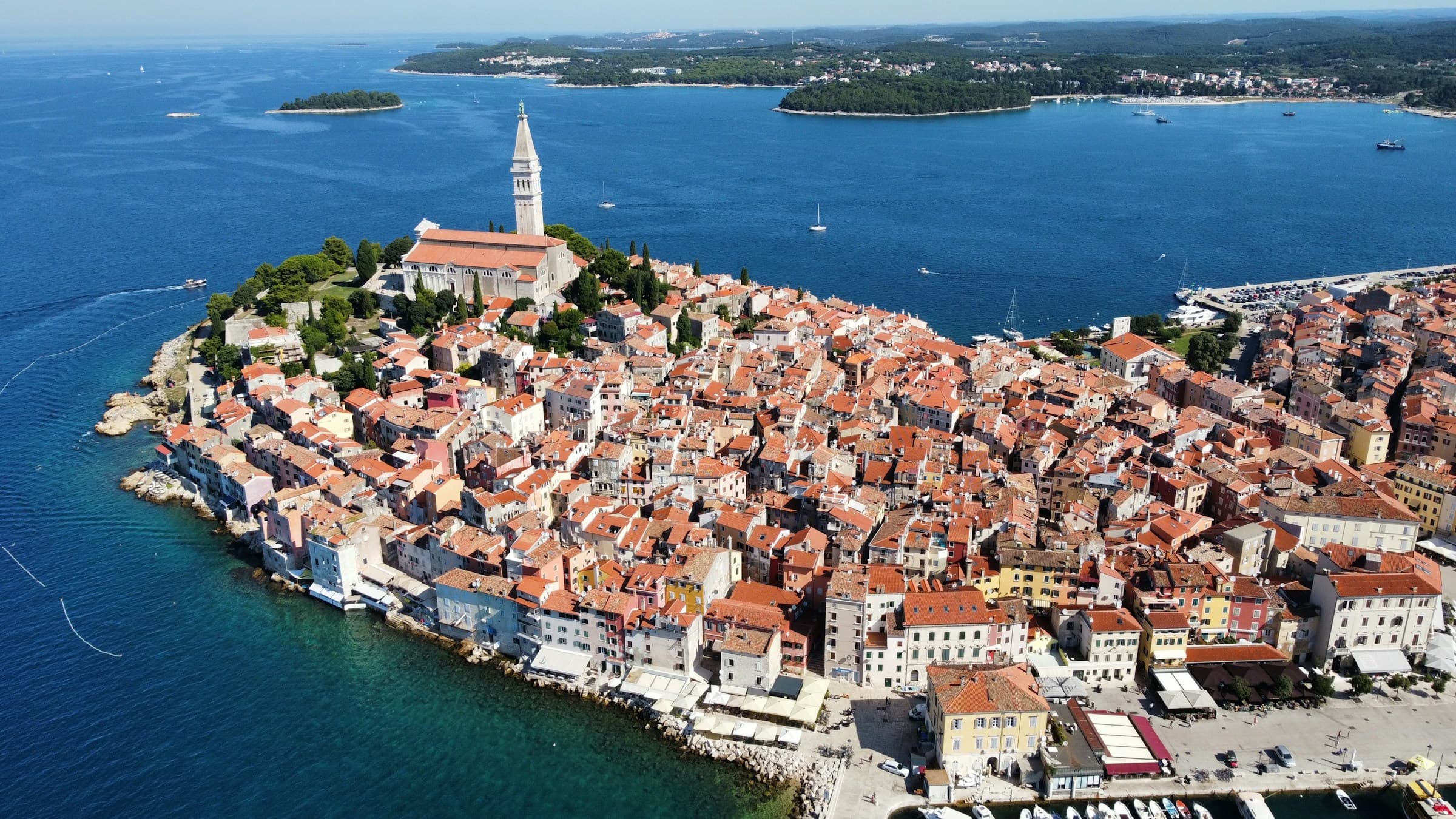
Rovinj is one of Croatia's most photographed coastal towns, perched on the western coast of the Istrian peninsula. Its colourful houses rise directly from the sea, forming a compact Old Town shaped by centuries of Venetian influence.
Once a fishing village, Rovinj has grown into a refined Adriatic destination known for its art studios, Istrian cuisine and relaxed pace. A maze of narrow alleys and stone staircases leads up to the Church of St. Euphemia, whose bell tower dominates the skyline and looks out over the sea and the nearby islands.
Romance on the Adriatic
With its sea-facing sunsets, stone streets and strong artistic tradition, Rovinj is one of the most atmospheric towns on the Croatian coast.
Why Visit Rovinj?
Romantic Old Town
One of the most romantic coastal towns on the Adriatic.
Medieval Core
A well-preserved medieval Old Town on a former island.
Beaches & Islands
Forest-shaded coves and 14 islands offshore.
Art & Cuisine
A strong art scene paired with Istrian food and wine.
Ideal for Slow Travel
Perfect for couples, photography and unhurried days.
Rovinj suits travellers who appreciate beauty, history and a relaxed Mediterranean rhythm.
A Glimpse into Rovinj's History
From island settlement to cultural port
Rovinj's history reaches back to Roman times, when it began as a fortified settlement on a small island. Over the centuries it developed under Byzantine and later Venetian rule, which shaped its architecture, dialect and maritime traditions.
In the 18th century the island was connected to the mainland, which allowed the town to expand while keeping its dense medieval core intact. Rovinj has long lived from fishing, shipbuilding and trade, and today it is equally known for its galleries, festivals and cultural life.
Top Things to See
The Old Town, landmark churches and cultural sites
Rovinj Old Town
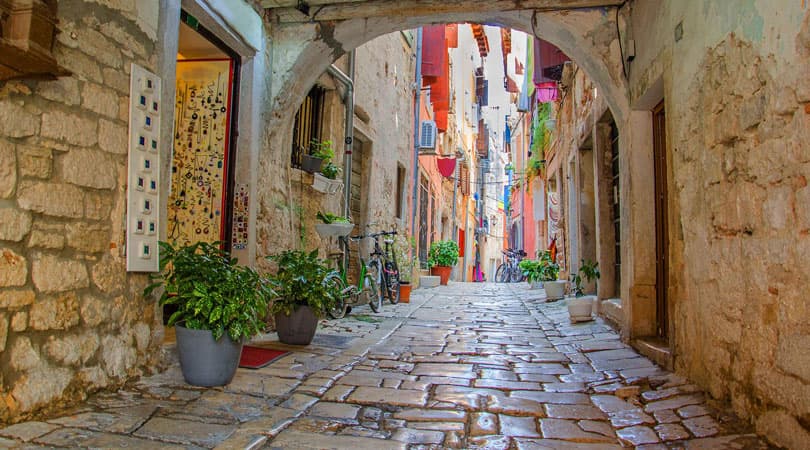
A tightly packed historic core with steep cobbled streets, painted façades, small squares and cafés tucked into narrow lanes.
Church of St. Euphemia
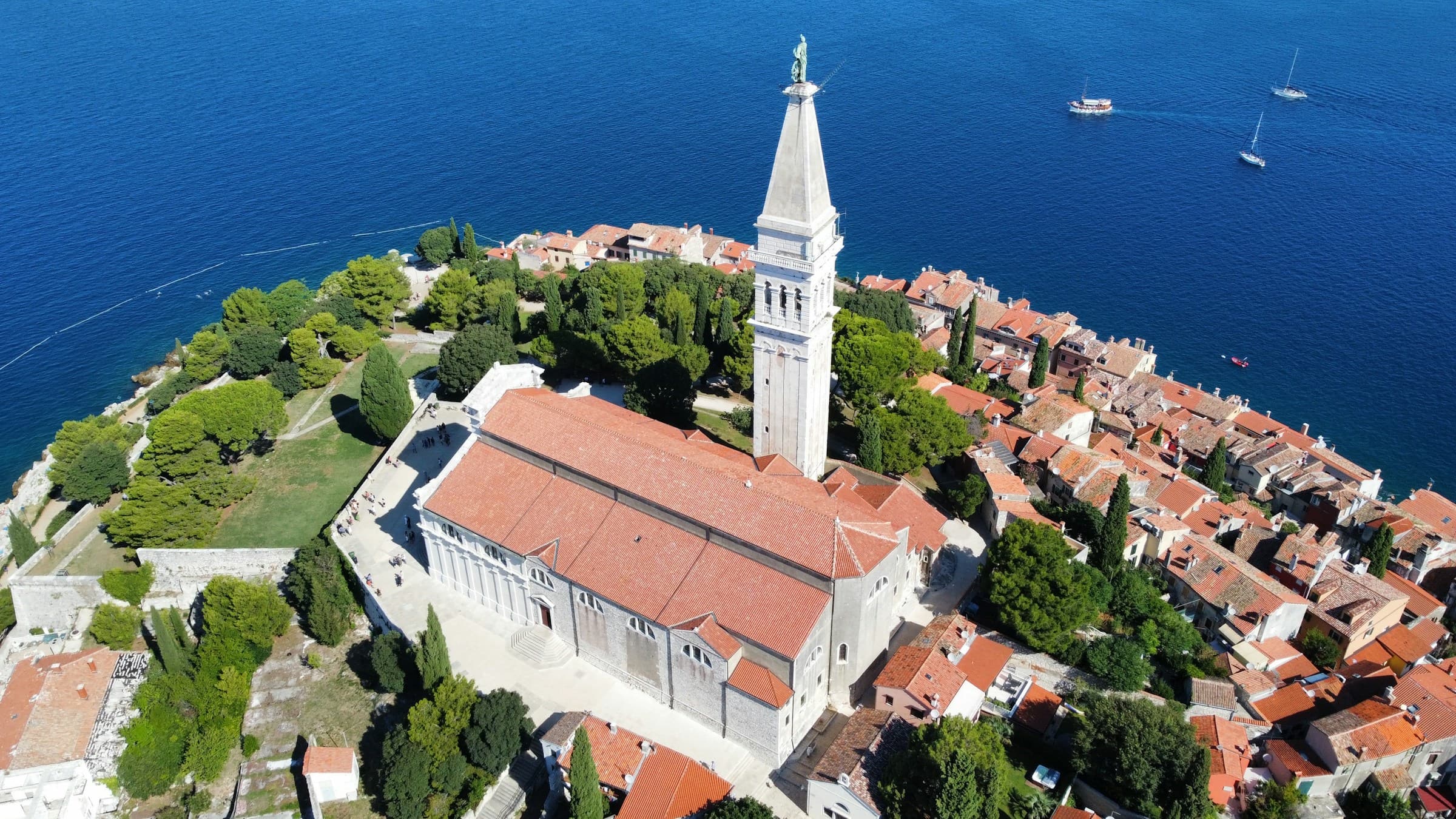
The town's main landmark, at the highest point of the Old Town. Climb the bell tower for panoramic views over Rovinj and the Adriatic.
Balbi's Arch
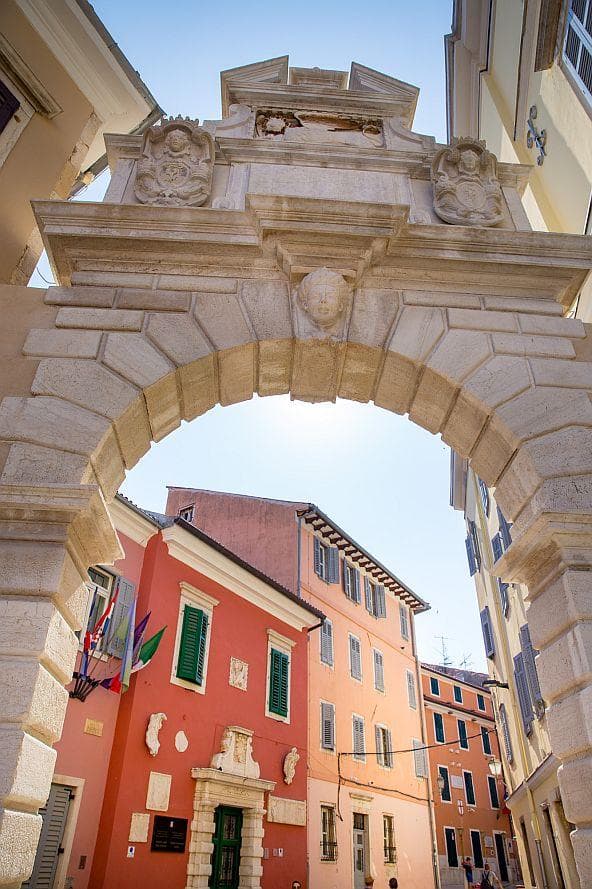
An ornate Venetian arch marking the main entrance to the Old Town.
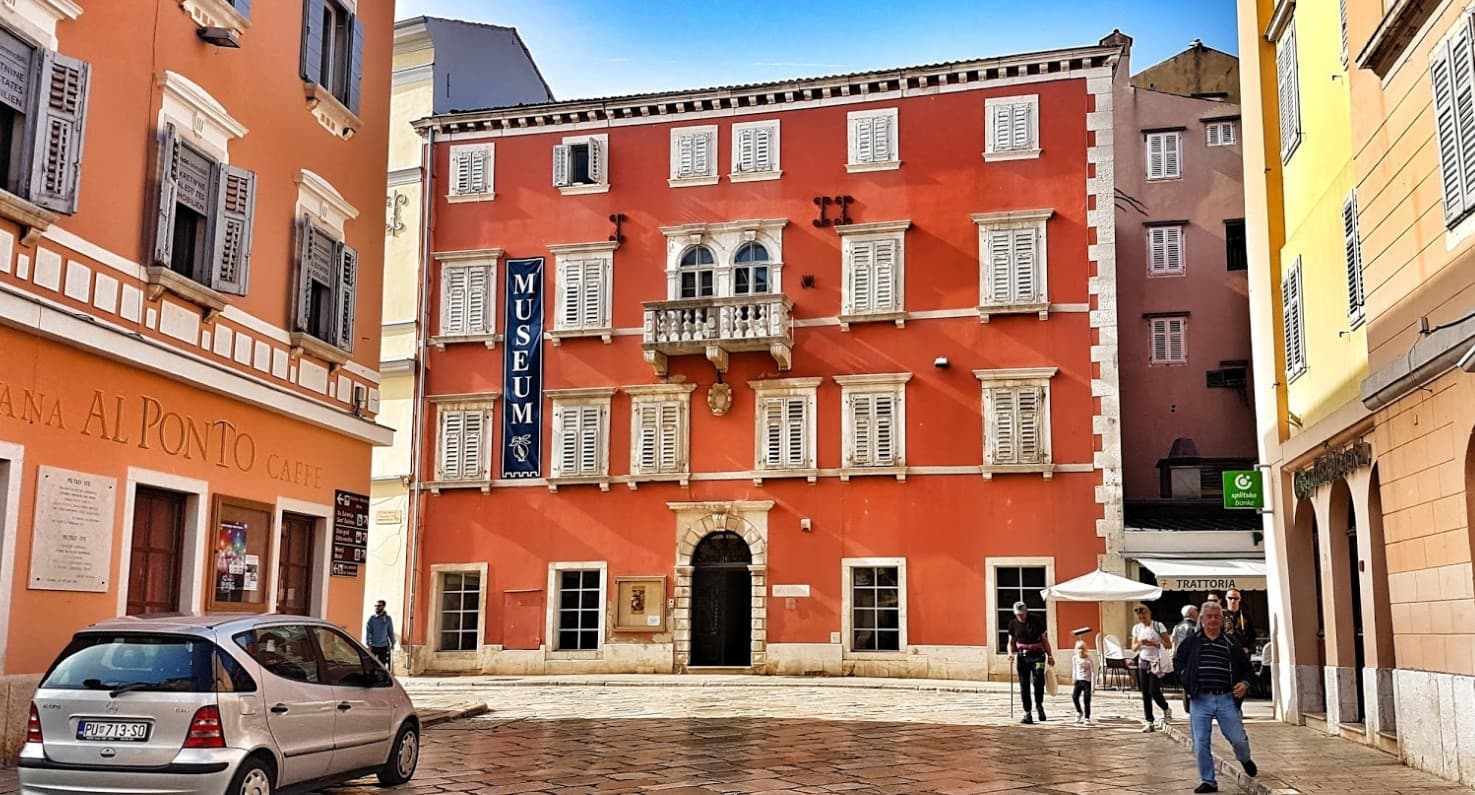
Rovinj Heritage Museum
Housed in a former palace, the museum covers Rovinj's history from Roman times to the present.
Book Guided Tours & Experiences in Rovinj
Explore Rovinj's Old Town and the Istrian coast with local guides.
Beaches & Nature
Forest parks, quiet coves and nearby islands
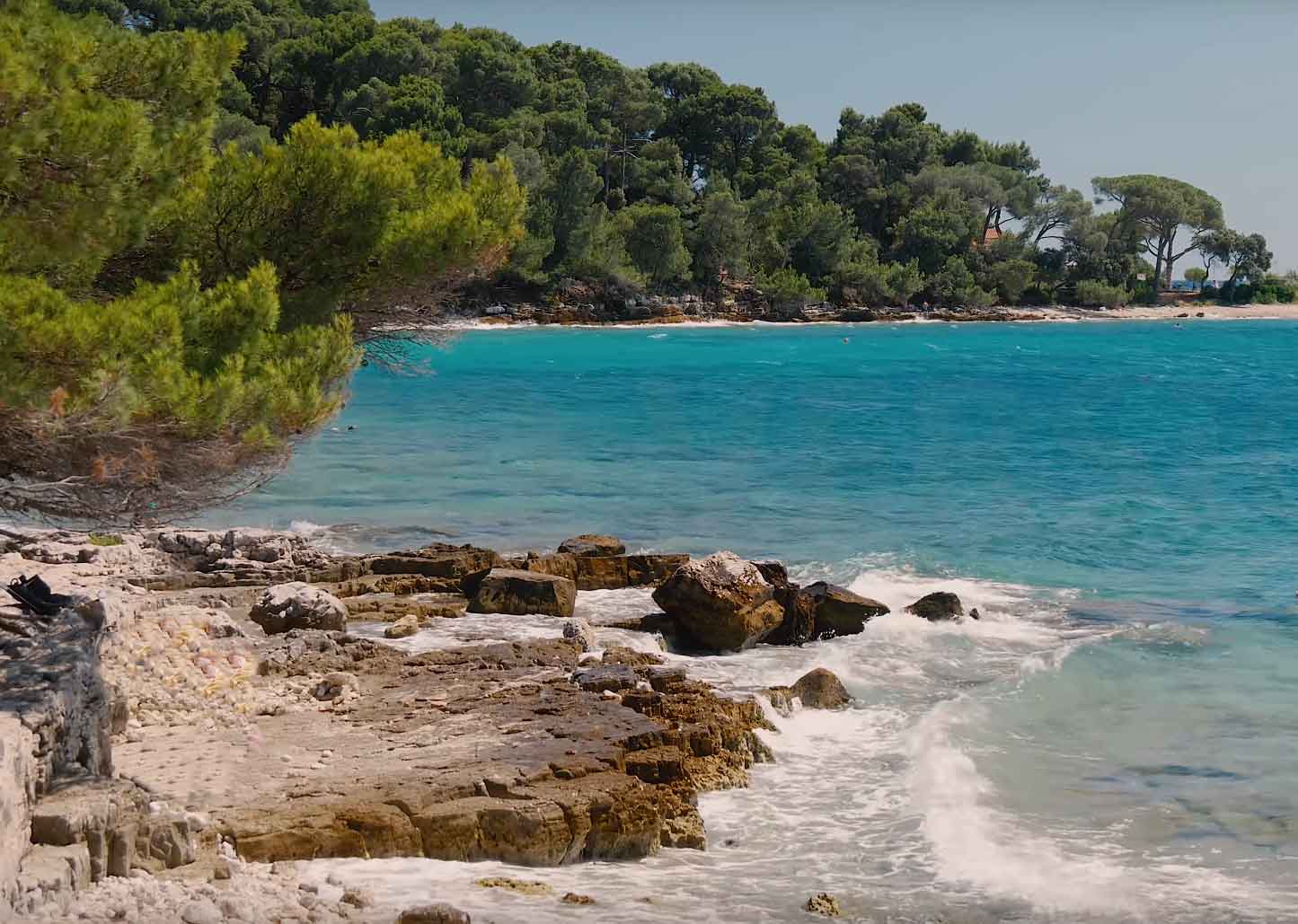
Golden Cape (Zlatni Rt)
A forest park with rocky coves, clear water and shaded paths — good for swimming, cycling and easy walks.
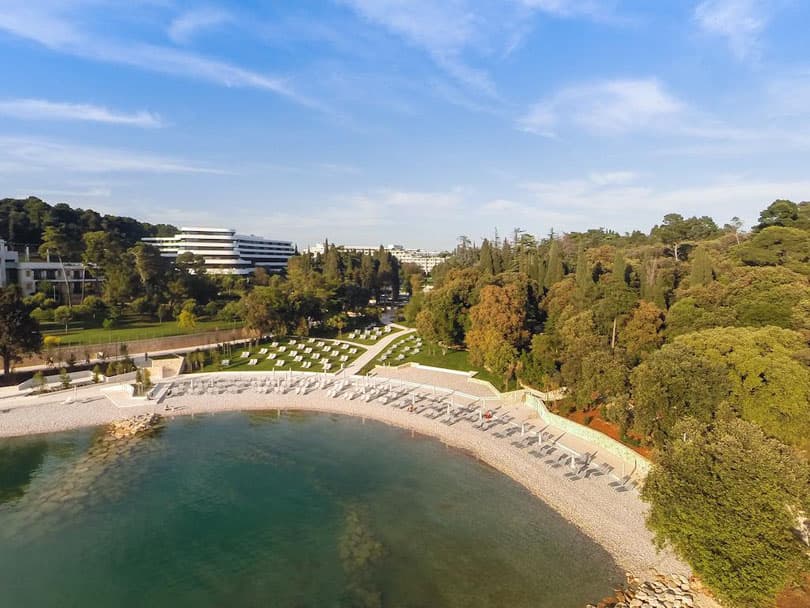
Lone Bay
A quiet pebble beach set in a protected bay, well suited for swimming and calm seaside afternoons.
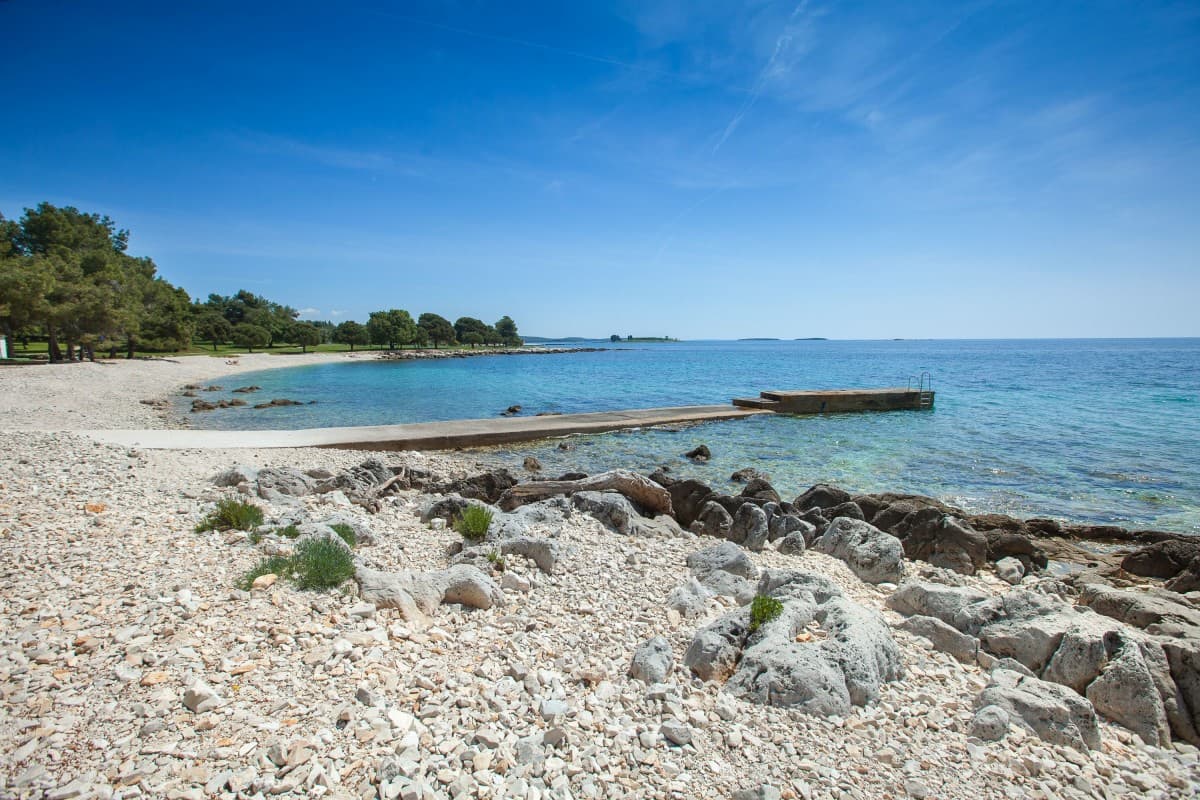
Cuvi Beach
A family-friendly beach with facilities and easy access, just south of the town centre.
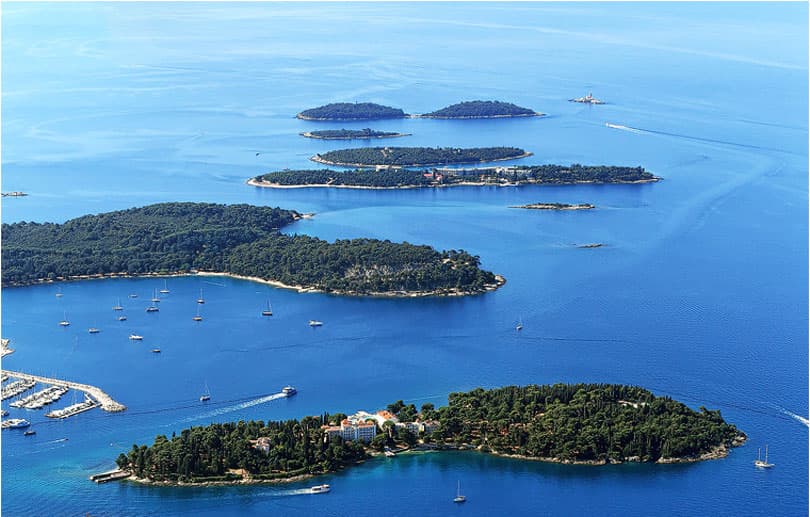
Rovinj Archipelago
A group of 14 small islands just offshore, reached by short boat trips.
Top Things to Do
Explore the Old Town on foot
Walk the narrow streets, stop in local art galleries and find cafés tucked into hidden corners.
Island hopping
Take a boat trip to nearby islands such as St. Catherine or Red Island for swimming and short walks.
Sunset by the harbour
Rovinj's waterfront offers one of the most photographed sunsets on the Adriatic.
Events, Culture & Nightlife
Festivals, Istrian cuisine and long evenings on the waterfront
Rovinj Summer Festival (July–August)
A cultural programme of music, theatre and open-air performances across the Old Town.
Rovinj Photodays (May)
An international photography festival with exhibitions and workshops.
Rovinj Jazz Festival (June)
A relaxed summer festival bringing international jazz artists to the town's squares and venues.
Fishermen's Night (August)
A celebration of Rovinj's maritime heritage with seafood, live music and dancing on the harbour.
Best Bars & Cafés
Evenings in Rovinj are slow, warm and atmospheric.
Harbour cafés
Good for sunset drinks with a view over the Old Town and the sea.
Old Town wine bars
Small venues serving Istrian wines — Malvazija and Teran — in historic settings.
Seaside lounges
Casual bars along the coast for evening cocktails and light background music.
Live Music & Nightlife
Nightlife in Rovinj is refined rather than loud.
Summer open-air music
Live performances in the Old Town squares and courtyards during the high season.
Relaxed evening bars
Places for conversation, wine and the town's quiet romantic atmosphere.
Top Restaurants
Rovinj sits at the heart of Istria's food tradition.
Traditional konobas
Seafood, handmade pasta (fuži), Istrian olive oil and seasonal ingredients.
Seafront restaurants
Mediterranean cooking with views over the harbour and the islands.
Modern Istrian bistros
Contemporary takes on regional dishes, often paired with local wines.
When to Visit Rovinj
A mild Mediterranean climate with long summers and green shoulder seasons
Spring
April–June
Pleasant weather, fewer visitors and ideal conditions for walking the Old Town and the coast.
- Comfortable temperatures for sightseeing
- Fewer crowds than peak season
- Old Town walks without pressure
- Wildflowers along the coastal paths
Summer
July–August
Warm sea, long evenings, festivals — the liveliest and busiest time of year.
- Warm Adriatic swimming
- Evening dining and bars in full swing
- Art, music and open-air festivals
- Golden-hour sunsets on the harbour
Autumn
September–October
Warm sea, softer light and a calmer pace — the sweet spot for many travellers.
- Sea still warm enough to swim
- Truffle season in Istria
- Wine harvest events in the region
- Quieter streets and restaurants
Winter
November–March
A quiet, authentic Rovinj with mild Mediterranean winters and mostly local visitors.
- Low-season local atmosphere
- Lower accommodation prices
- Mild climate, rarely freezing
- Small trattorias and cafés open year-round
Getting to Rovinj
Several practical options by road, air and sea
By Car
About 40 minutes from Pula by road; well connected to the rest of Istria.
By Bus
Regular coach connections from Pula, Zagreb and across Istria.
By Air
The nearest airport is Pula (PUY); Trieste and Venice are also within reasonable driving distance.
By Boat
Seasonal ferry and catamaran links to other Istrian and Italian coastal towns in summer.
Rovinj In-Depth Guides
Go deeper into Rovinj with these detailed guides.
Where to Stay
Where to stay in Rovinj — from the Old Town to the beachside and resort areas.
Things to Do
Top activities — from St. Euphemia to truffle hunting in the Istrian hills.
Beaches
The best beaches and swimming spots in and around Rovinj.
Restaurants
Where to eat — Istrian cuisine, seafood, truffles and fine dining.
Day Trips
Pula, Brijuni, Motovun, Poreč and the Istrian wine roads.
Frequently Asked Questions about Rovinj
One to two days is enough for Rovinj. A full day covers the Old Town, the Church of St. Euphemia, the harbour and a beach visit. With a second day you can explore the Zlatni Rt (Golden Cape) forest park, take a boat trip to the nearby islands or add an Istrian wine and truffle excursion. Rovinj also works well as a half-day stop on an Istria road trip.
Rovinj is widely considered Croatia's most romantic and most photogenic coastal town. It is known for its colourful Italian-influenced Old Town on a peninsula, the Church of St. Euphemia with its bell tower, a strong art scene with galleries on every corner, excellent Istrian cuisine (seafood, truffles, olive oil), and the Zlatni Rt (Golden Cape) nature park.
May–June and September–October offer warm weather (20–27°C), a swimmable sea and far fewer visitors than peak summer. July and August are hot and busy, with accommodation prices at their highest. Spring (April) is pleasant and very quiet, with green countryside and wildflowers around the town.
They are quite different. Rovinj is smaller and more intimate, with a strong Italian-Istrian character and excellent food (truffles, olive oil, seafood). Dubrovnik is grander, with its famous city walls and larger-scale sights. Rovinj is generally less crowded and more affordable. Many travellers visit both — Rovinj for the relaxed charm, Dubrovnik for the dramatic setting and history.
Rovinj sits in Istria, Croatia's culinary heartland. Signature dishes include fuži with truffles, fresh Adriatic scampi, Istrian boškarin beef and manestra (a bean and corn stew). Istrian olive oil is excellent, and the local wines to try are Malvazija (white) and Teran (red). The daily fish market on the harbour is worth a stop.
Book Tours & Experiences in Rovinj
Explore Rovinj's Old Town, Istrian cuisine and nearby islands with guided tours and local experiences.
Explore More Destinations in Croatia
Pula
Istria's largest city, with a remarkably preserved Roman amphitheatre.
Poreč
Home to the UNESCO-listed Euphrasian Basilica and a walkable coastal core.
Opatija
An elegant seaside resort with Habsburg-era villas and coastal gardens.
Brijuni
A national park archipelago with Roman ruins and exotic wildlife.