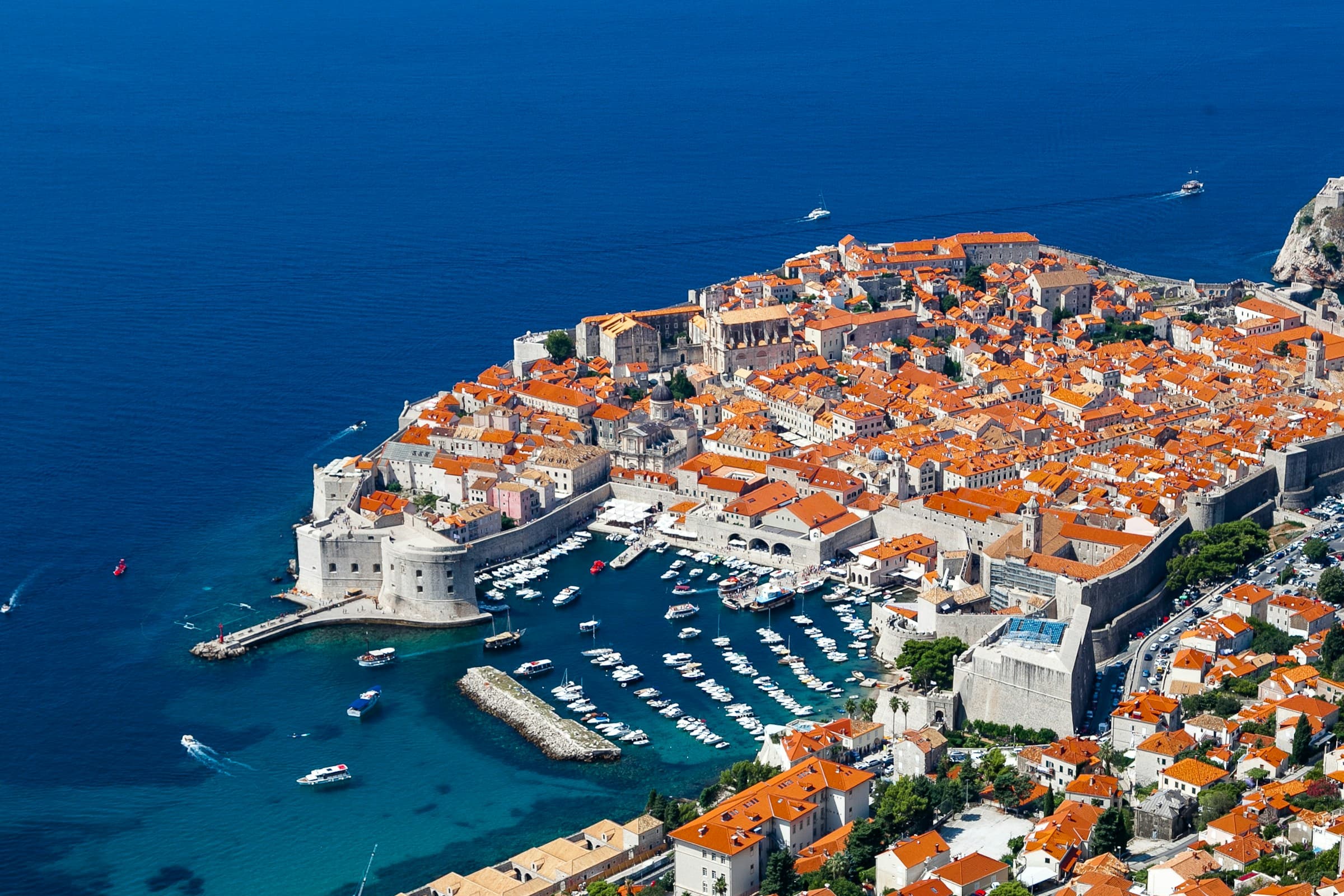
Dubrovnik
Pearl of the Adriatic — A UNESCO World Heritage site with medieval walls and stunning coastal views
About Dubrovnik
Dubrovnik, often called the “Pearl of the Adriatic,” is one of Croatia's most iconic destinations and a UNESCO World Heritage Site. Renowned for its perfectly preserved medieval Old Town, dramatic city walls, and breathtaking coastal views, Dubrovnik blends history, culture, and natural beauty like few places in Europe.
Once a powerful maritime republic, the city is rich in architectural masterpieces, elegant palaces, and stone-paved streets that reflect centuries of prosperity and independence. From walking along the ancient walls to dining by the sea or exploring nearby islands, Dubrovnik offers a timeless experience on Croatia's southern Adriatic coast.
The Republic of Ragusa
From the 14th to the 19th century, Dubrovnik thrived as the independent Republic of Ragusa. Built on diplomacy, trade, and maritime skill, it rivalled larger powers while preserving remarkable freedom and autonomy for such a small city-state.
A Glimpse into Dubrovnik's History
Dubrovnik's story stretches back to the 7th century, when refugees from the nearby Roman city of Epidaurum (today's Cavtat) founded a new settlement. Over time, it evolved into the Republic of Ragusa, a proud maritime republic that flourished between the 14th and 19th centuries.
Skilled in both trade and diplomacy, Ragusa maintained independence by carefully balancing alliances with powerful neighbours such as Venice and the Ottoman Empire. The city's formidable stone walls, expanded over centuries, protected its freedom and prosperity.
Despite facing earthquakes, fires, and sieges, Dubrovnik rebuilt itself time and again, preserving a legacy of resilience that continues to define its character today.
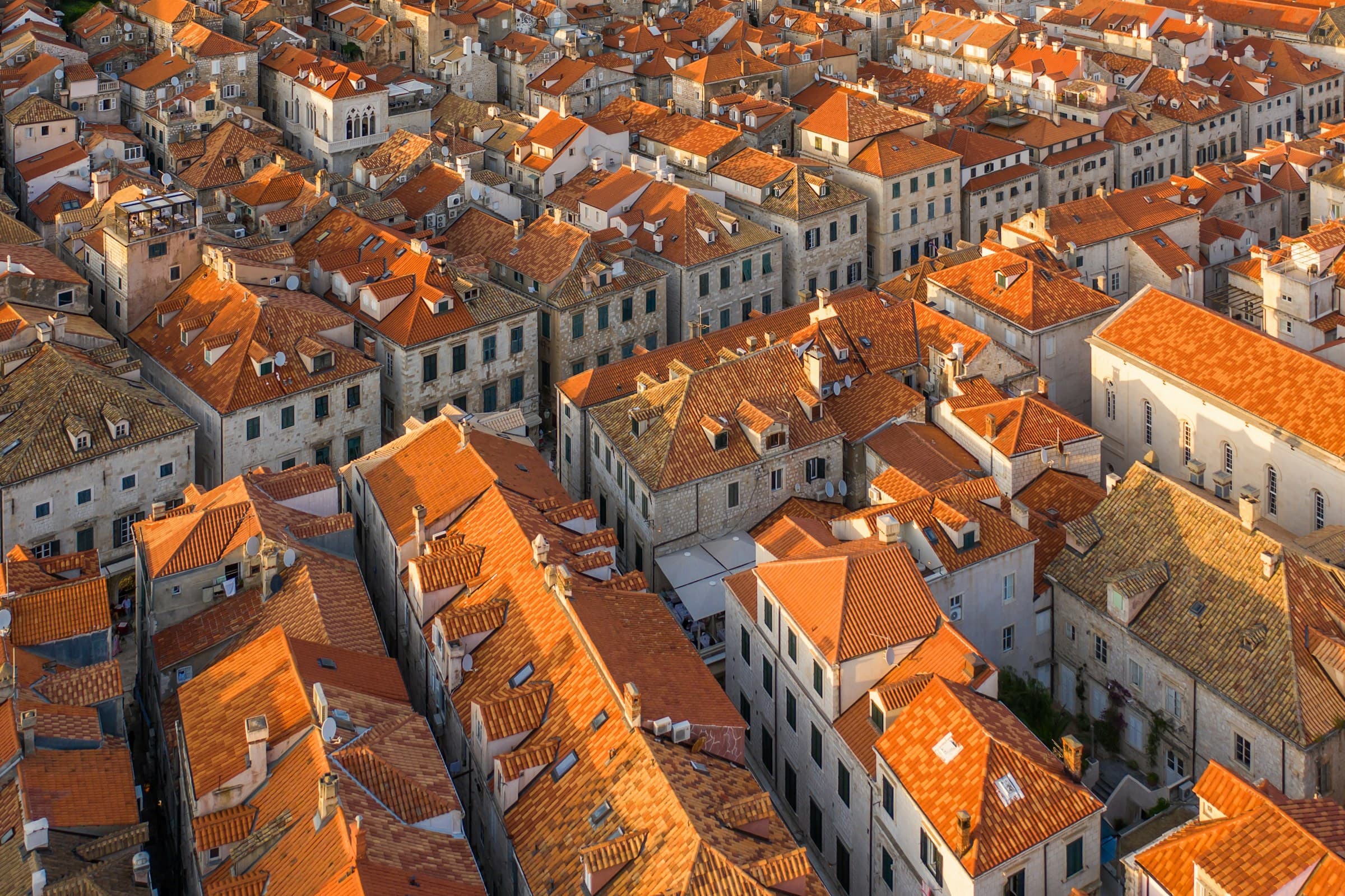
Top Things to See
City Walls of Dubrovnik
Walk the 1,940-metre-long medieval walls with breathtaking views of the sea and Old Town.
UNESCO Old Town
Explore historic squares, palaces, and churches at the heart of Dubrovnik's heritage.
Rector's Palace
A Gothic-Renaissance masterpiece, now a museum showcasing the city's history.
Sponza Palace
A beautifully preserved Gothic and Renaissance building with elegant arcades.
Church of St. Blaise
Dedicated to Dubrovnik's patron saint, featuring a treasured silver statue.
Lovrijenac Fortress
Known as the “Gibraltar of Dubrovnik,” offering spectacular coastal panoramas.
Franciscan Monastery
Home to one of Europe's oldest pharmacies, in continuous operation since 1317.
War Photo Limited Museum
A powerful gallery of photojournalism from conflicts around the world.
Lokrum Island
A peaceful nature reserve with hidden beaches, botanical gardens, and monastery ruins.
Book Guided Tours & Experiences in Dubrovnik
Skip the line and explore Dubrovnik with expert local guides — from walking tours to Game of Thrones locations.
Best Beaches
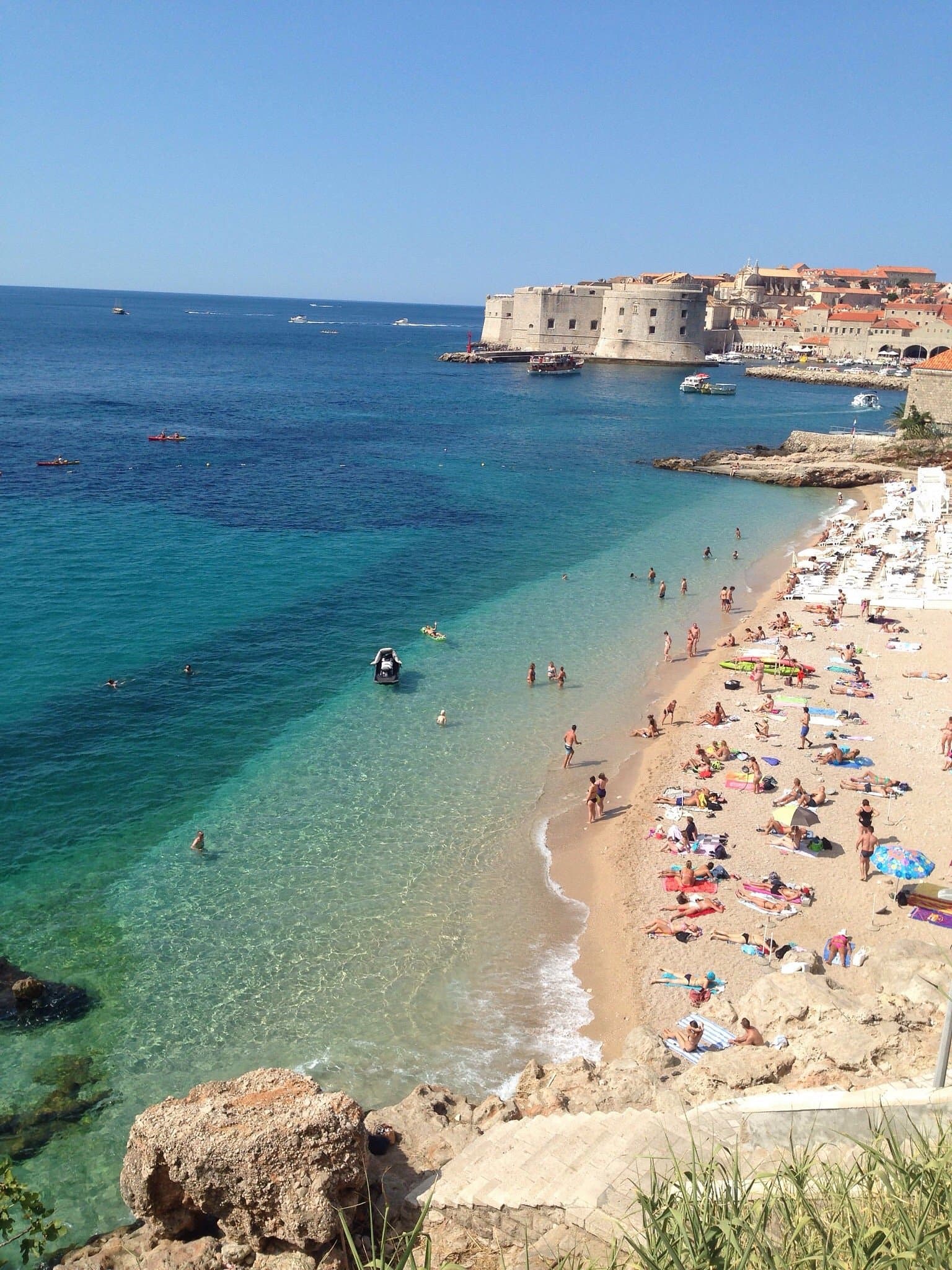
Banje Beach
The city's most famous beach, just outside the Old Town walls, with views of Lokrum Island.
Read the complete Dubrovnik beach guide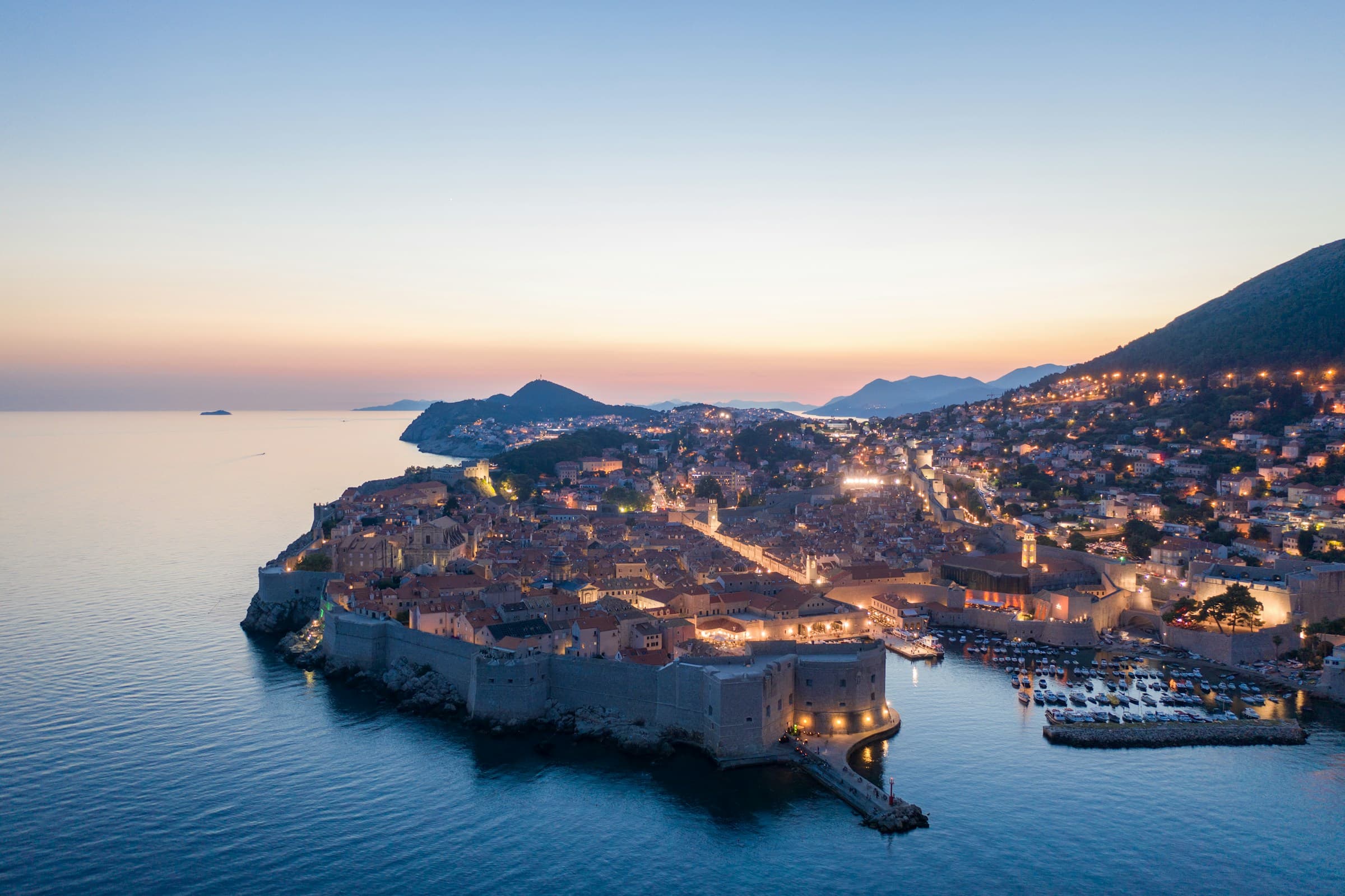
"From elegant wine bars to beachside clubs, Dubrovnik comes alive after dark."
Nightlife and Events in Dubrovnik
Rooftop Bars
Sip cocktails with panoramic views over the Old Town and the Adriatic.
Cave Bars
Unique sea-facing bars built into Dubrovnik's cliffs.
Dubrovnik Summer Festival (July–August)
A world-renowned festival featuring concerts, theatre, and dance in historic venues.
Festa of St. Blaise (February)
Traditional parades and ceremonies honouring Dubrovnik's patron saint.
Jazz & Wine Bars
Intimate venues in the Old Town offering live music and local wines.
Nightclubs
Dance until dawn at seaside clubs and open-air venues.
Open-Air Cinema (Summer)
Watch films under the stars in atmospheric courtyards.
New Year's Eve on Stradun
Live music, fireworks, and open-air celebrations on Dubrovnik's main street.
Food and Restaurants
Seafood Taverns
Fresh Adriatic catch served in traditional konobas with authentic local flavours.
Fine Dining
Michelin-starred restaurants and elegant venues offering modern twists on Dalmatian cuisine.
Local Specialities
Do not miss black risotto, octopus salad, and šporki makaruli, Dubrovnik's festive meat pasta.
Wine & Olive Oil Tastings
Discover the flavours of the Dalmatian coast and the nearby Pelješac Peninsula.
Street Food & Cafes
From quick bites on Stradun to gelato shops and cosy coffee spots.
Dubrovnik In-Depth Guides
Dive deeper into everything Dubrovnik has to offer with our detailed guides.
Mali Ston Oyster Tours
Compare oyster farm boat trips and restaurant tastings for a visit to Mali Ston Bay.
Events & Festivals
Plan around Croatia's recurring festivals and check official calendars for your travel dates.
Things to Do
Top activities, tours, and experiences — from city walls to sea kayaking.
Where to Stay
Best areas to stay in Dubrovnik, from the Old Town to seaside Lapad and Babin Kuk.
Beaches
The best beaches and swimming spots in and around Dubrovnik.
Restaurants
Where to eat — seafood konobas, fine dining, wine bars, and local dishes.
Day Trips
Elaphiti Islands, Pelješac wines, Mostar, Montenegro, and more.
When to Visit Dubrovnik
Dubrovnik enjoys a warm Mediterranean climate year-round, with each season offering a different way to experience the Pearl of the Adriatic.
Spring
April–June
Mild weather and fewer crowds, perfect for sightseeing and exploring the Old Town at a relaxed pace.
- Comfortable sightseeing weather
- Fewer crowds on the city walls
- Blooming gardens and parks
- Lower accommodation prices
Summer
July–August
Peak season with festivals, vibrant nightlife, and warm Adriatic waters for swimming.
- Dubrovnik Summer Festival
- Warm sea for beach days
- Vibrant nightlife and dining
- Island-hopping excursions
Autumn
September–October
Warm weather continues with thinning crowds, ideal for walking the walls and day trips to nearby islands.
- Warm sea temperatures linger
- Crowds thin significantly
- Golden light for photography
- Great for Elaphiti island trips
Winter
November–March
A quieter time with festive charm, cosy cafes, and far fewer tourists to share the Old Town with.
- Dubrovnik Winter Festival
- Cosy cafes and restaurants
- Lowest prices of the year
- Atmospheric Old Town strolls
Getting to Dubrovnik
By Air
Dubrovnik Airport (DBV) connects the city with major European hubs; shuttle buses link the airport to the city centre.
By Car
Drivers from northern Croatia can use the A1 motorway; the Pelješac Bridge shortens travel time by bypassing border crossings.
By Bus
Frequent intercity and international buses arrive at Gruž Bus Station near the port.
By Ferry
Regular ferries connect Dubrovnik with Split, Hvar, Korčula, and the Elaphiti Islands.
Frequently Asked Questions about Dubrovnik
The walls are run by the Society of Friends of Dubrovnik Antiquities, and tickets can be bought in advance through their official webshop at citywallsdubrovnik.hr as well as at the entrances. In July and August the Pile entrance queues badly from mid-morning, so buying ahead and starting at the Ploce entrance shortly after opening is the practical move. The city has also announced plans for a mandatory reservation system for wall visits, which was not yet reflected on the operator's own booking pages at the time of writing — confirm the rules, prices and seasonal opening hours for your travel dates before you go.
Most visitors find 2 to 3 full days ideal for Dubrovnik. This gives you time to walk the city walls, explore the Old Town, visit Lokrum Island, and enjoy a day trip to the Elaphiti Islands or Pelješac Peninsula. If you want to include excursions to Montenegro or Mostar, consider adding an extra day or two.
Dubrovnik is one of Croatia's pricier destinations, especially in peak season (July–August). Restaurants and accommodation in the Old Town carry a premium. However, you can save by visiting in shoulder season (May–June, September–October), eating at konobas outside the walls in Gruž or Lapad, and using public transport instead of taxis.
The top sights include walking the medieval city walls, exploring the UNESCO-listed Old Town and Stradun, visiting Fort Lovrijenac and the Rector's Palace, taking the cable car to Mount Srđ for panoramic views, and catching a ferry to Lokrum Island. Game of Thrones fans will recognise many filming locations throughout the city.
The best time is May–June or September–October, when the weather is warm (20–27°C), the sea is swimmable, and crowds are significantly smaller than in peak summer. July and August offer the Dubrovnik Summer Festival and warmest seas, but also the highest prices and most visitors. Winter is quiet and atmospheric, with fewer tourists and mild temperatures around 10–15°C.
Dubrovnik is one of Europe's most beautifully preserved medieval cities and a UNESCO World Heritage Site. The combination of dramatic city walls rising above the turquoise Adriatic, rich cultural heritage, excellent food and wine, and easy access to islands and national parks makes it a rewarding destination. It is best appreciated with at least 2–3 days to go beyond the main attractions.
Book Guided Tours & Experiences in Dubrovnik
Skip the line and explore Dubrovnik with expert local guides — from walking tours to Game of Thrones locations.
Explore More Destinations in Croatia
Korčula
Medieval walled island town and the alleged birthplace of Marco Polo.
Hvar
Sun-drenched island famous for lavender fields, nightlife and pristine beaches.
Split
Dalmatia's largest city built around a Roman emperor's palace.
Mljet
Lush national park island with saltwater lakes and a Benedictine monastery.