Korčula
Medieval charm and Marco Polo's legendary birthplace — where history meets island tranquility
About Korčula
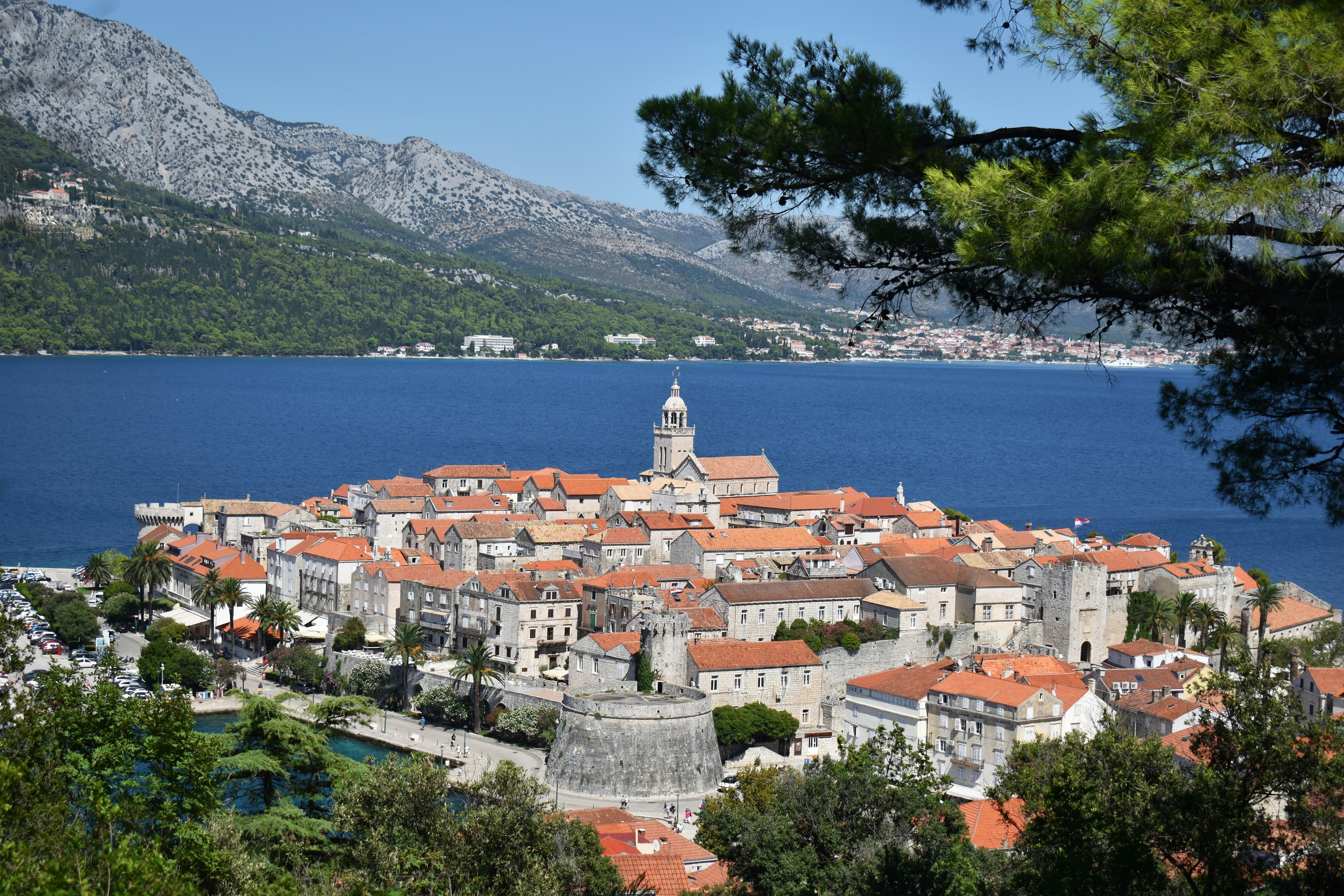
Set in southern Dalmatia, Korčula is one of Croatia's most atmospheric islands, known for its beautifully preserved medieval old town, dense pine forests, and long tradition of wine-making. Often nicknamed "Little Dubrovnik" due to its fortified walls and stone towers, Korčula blends rich history with a relaxed island rhythm.
The island is traditionally linked to Marco Polo, who according to local tradition was born here in the 13th century. Beyond its historic core, Korčula offers quiet coves, clear turquoise waters, vineyards, olive groves, and small villages that feel largely untouched by mass tourism. Compact yet diverse, Korčula is ideal for travellers seeking culture, nature, food, and slow island living in one destination.
Little Dubrovnik
Korčula Old Town is traditionally believed to be the birthplace of Marco Polo, the famed 13th-century explorer. Built on a small peninsula, the medieval town developed behind fortified walls, with narrow stone streets arranged in a distinctive herringbone pattern that still defines the heart of Korčula today.
History of Korčula
From ancient Greek settlement to Venetian jewel
From Greek Settlement to Venetian Rule
Korčula's history dates back to ancient times, with early Greek settlers founding a colony known as Korkyra Melaina ("Black Corfu"), named after the island's dense forests. Over the centuries, the island passed through Roman, Byzantine, and Slavic hands.
From the late Middle Ages until the fall of the Venetian Republic in 1797, Korčula was under Venetian rule, which left a strong architectural and cultural imprint still visible today in its palaces, loggias, and fortifications.
Marco Polo & Later Periods
Local tradition holds that Marco Polo, the famous explorer, was born in Korčula in 1254. While historians debate this claim, it remains an important part of the town's identity.
After Venice, Korčula came under Austrian, French, and later Austro-Hungarian rule, before becoming part of Yugoslavia and finally modern Croatia. Each era added layers to the island's cultural and architectural heritage.
Explore Korčula Old Town
Discover the medieval heart with its herringbone streets and Venetian architecture
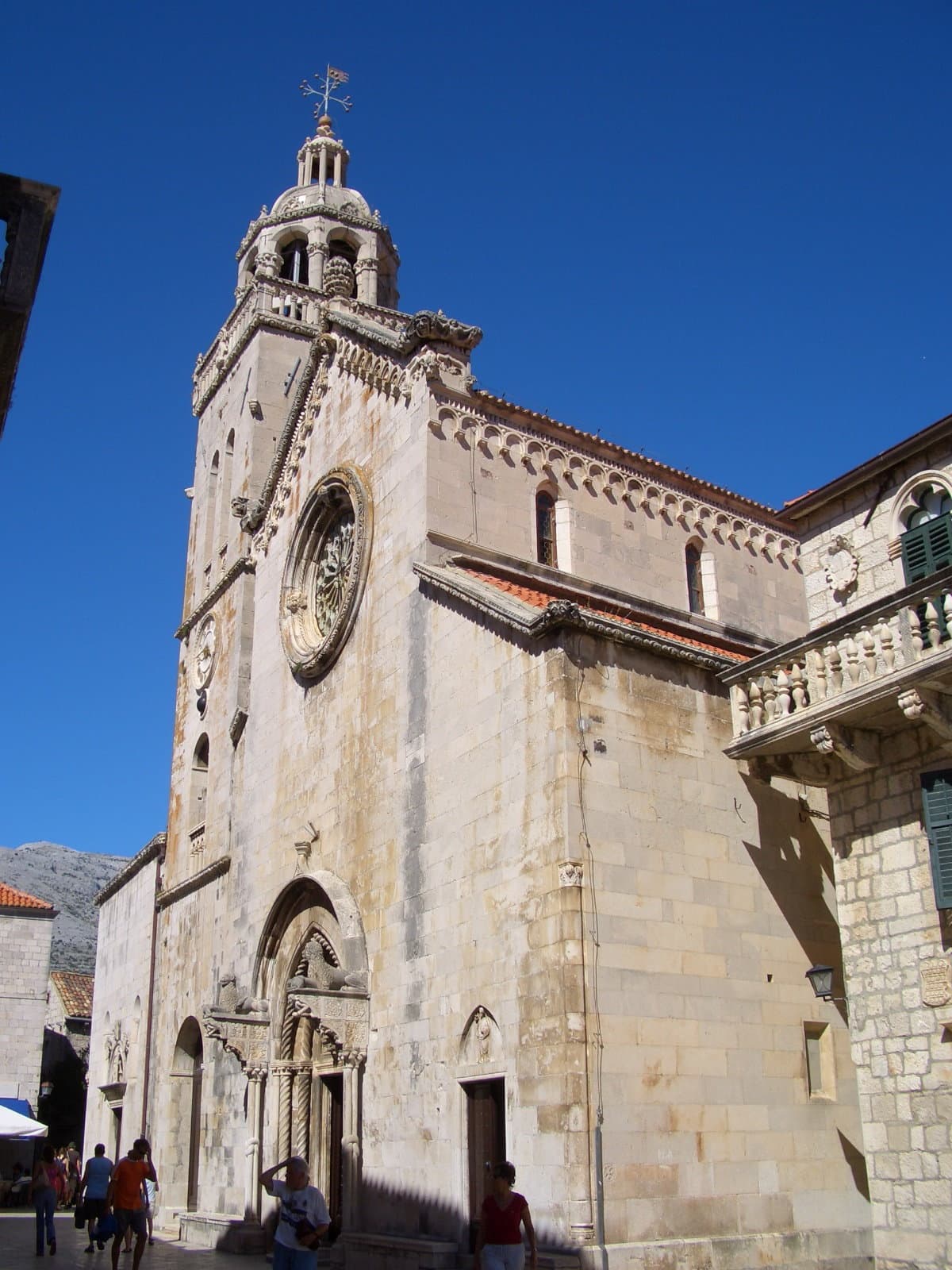
St. Mark's Cathedral
The town's most prominent landmark, built from local limestone with Gothic and Renaissance elements, dominating the central square.
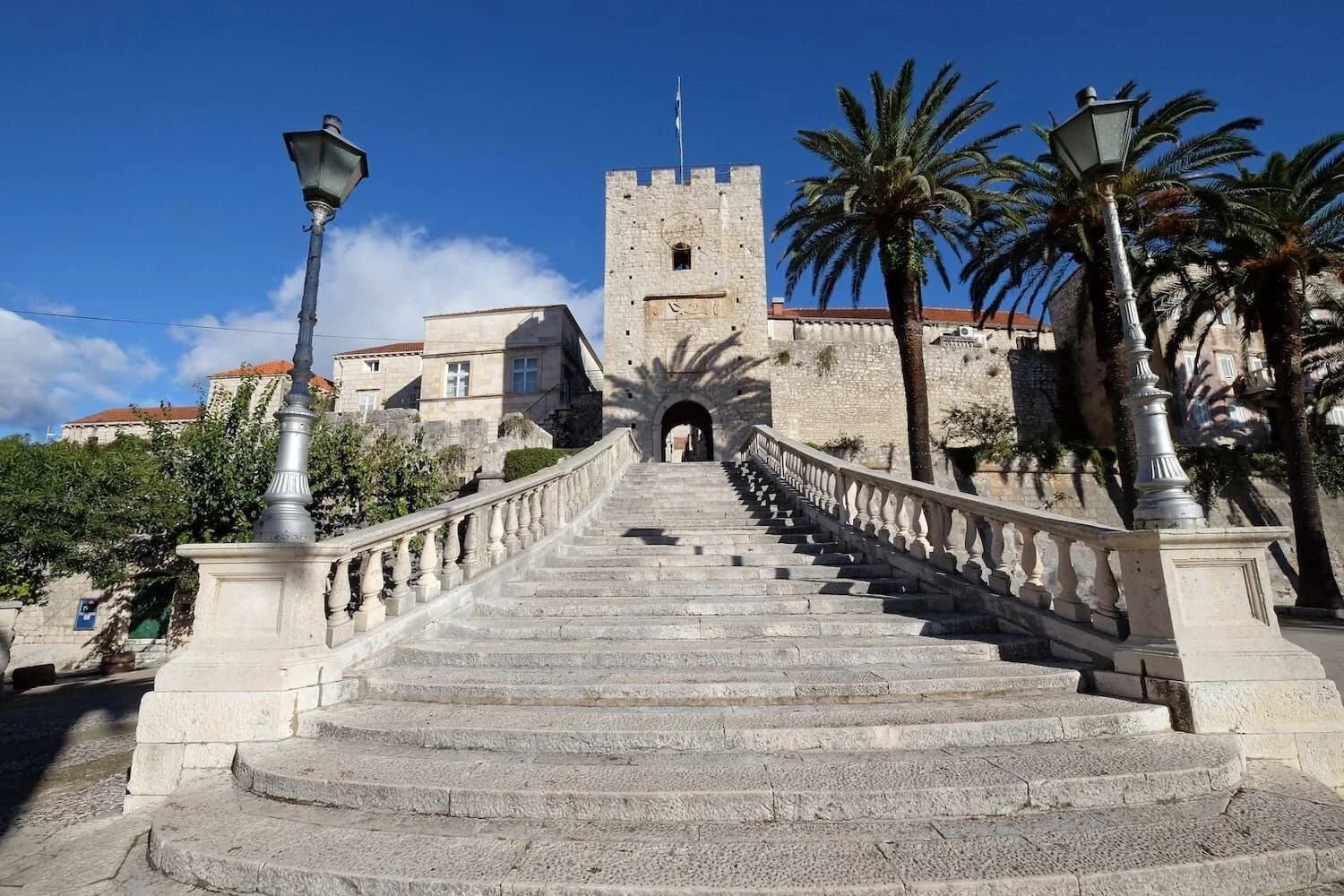
Land Gate & Sea Gate
Historic entrances into the old town, once vital for defence and trade, now welcoming visitors to step back in time.
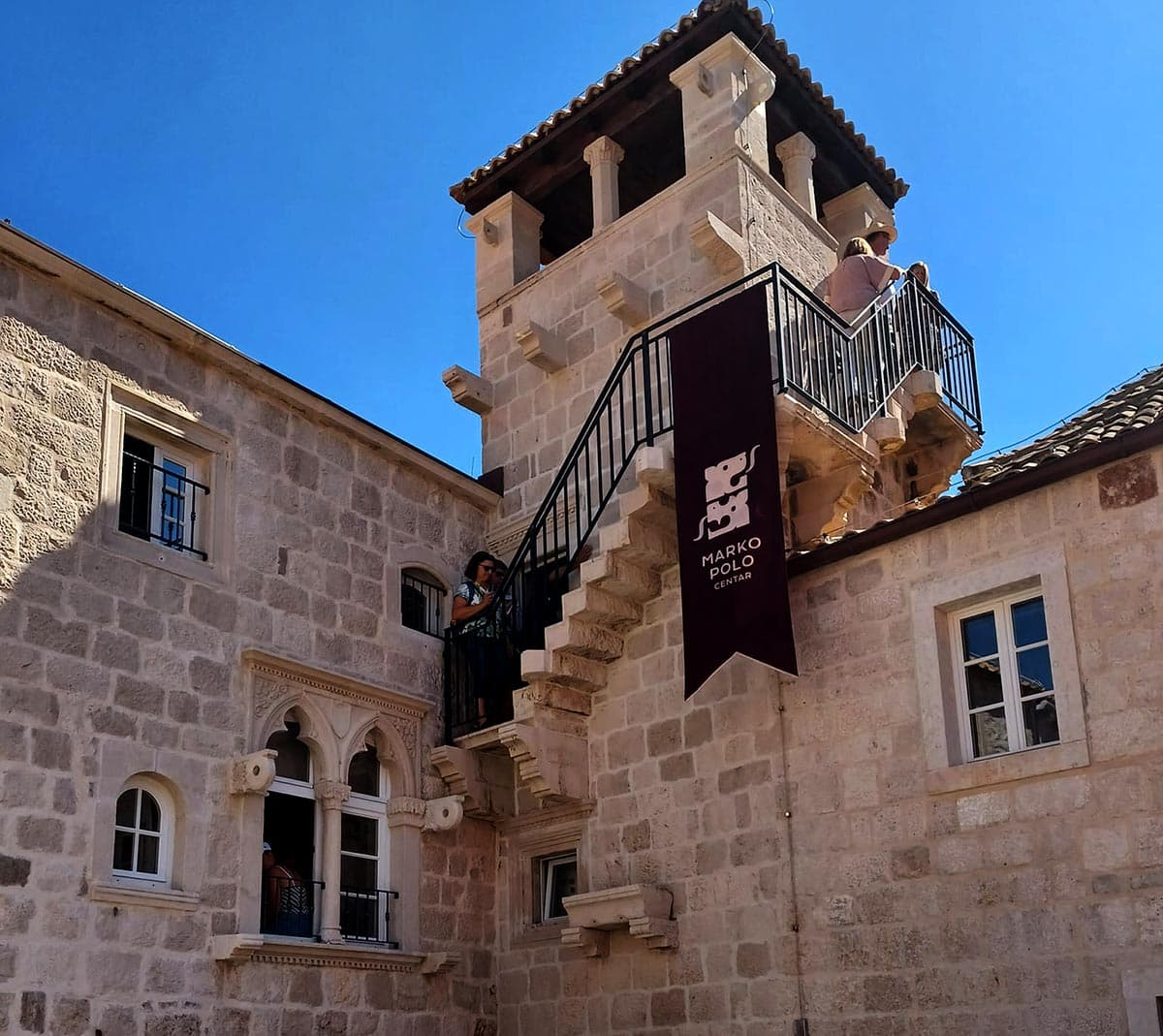
Marco Polo House
A traditional stone house believed to be linked to Marco Polo's family, now home to exhibitions about his life and travels.
Old Town & Beyond
Discover charming villages, museums, and scenic attractions across the island
Lumbarda Village
A charming village east of Korčula Town, known for sandy beaches and vineyards producing the local Grk white wine.
Žrnovo & Pupnat
Traditional inland villages offering a glimpse into rural island life, stone houses, and local taverns.
Korčula Town Museum
Housed in a Gothic-Renaissance palace, presenting the island's history from prehistoric times to the modern era.
Moreška Sword Dance
A traditional knightly dance unique to Korčula, performed regularly during summer, telling a dramatic story of conflict and reconciliation.
Pelješac Channel
Ideal for kayaking, sailing, and boat trips, with stunning views across to the Pelješac Peninsula. The narrow channel creates perfect conditions for water sports and offers some of the most scenic coastal views in Dalmatia.
Book Guided Tours & Experiences in Korčula
Explore Marco Polo's birthplace and Korčula's old town with guided walks.
Beaches & Nature
Pebble beaches, rocky coves, and sandy bays surrounded by pine forests
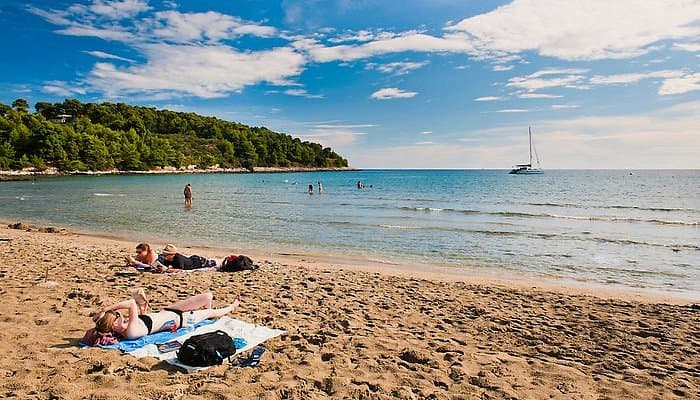
Vela Pržina
One of the rare sandy beaches in southern Dalmatia, located in Lumbarda. Popular but scenic, ideal for families.
Sandy Beach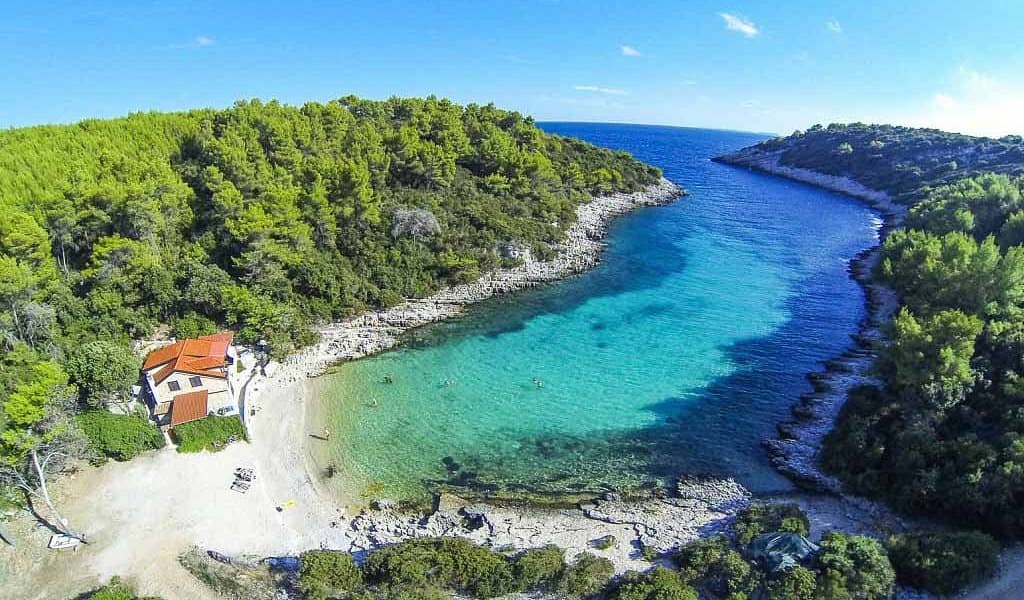
Pupnatska Luka
A sheltered bay with clear water and dramatic surroundings, perfect for swimming and snorkelling.
Secluded Bay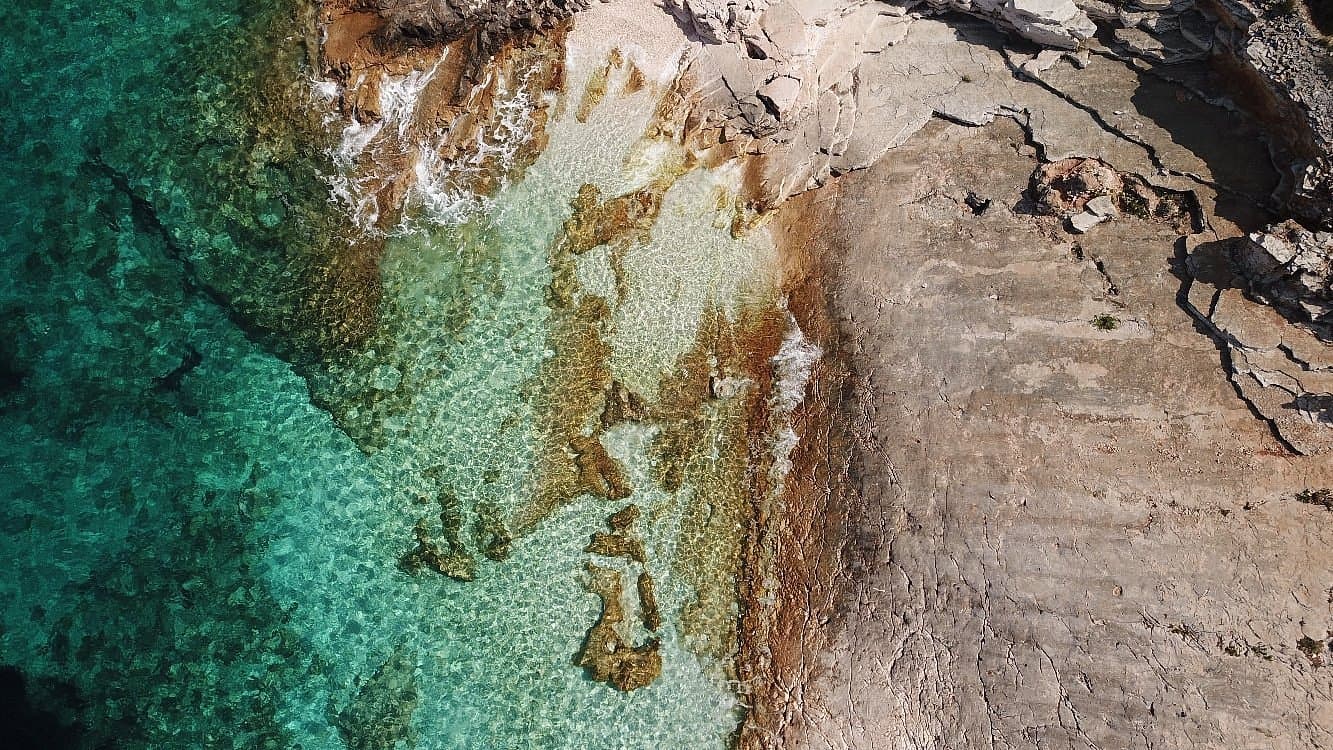
Bilin Žal & Proizd
Easily reached by boat, known for exceptionally clear water and white stone beaches. A paradise for snorkelling.
Island BeachPine Forest Coastline
Korčula offers a mix of pebble beaches, rocky coves, and a few sandy bays, often surrounded by dense pine forests. The island's name comes from its ancient Greek name meaning "Black Corfu", referring to these dark, verdant woodlands that reach down to the turquoise sea.
Food, Wine & Local Life
A strong culinary identity rooted in seafood, olive oil, and renowned local wines
Wine Tradition
Korčula has a strong culinary identity rooted in seafood, olive oil, herbs, and local produce. The island is particularly known for Grk and Pošip wines, produced in small vineyards around Lumbarda and inland villages.
Island Dining
Evenings are relaxed and social, centred around waterfront dining, local wine bars, and slow walks along the old town walls — a perfect reflection of island life.
Events & Festivals
Moreška Performances
Summer
Regular sword dance shows in Korčula Town, a unique cultural experience.
Marco Polo Festival
July–August
Celebrating the island's maritime heritage with parades and performances.
Wine & Harvest Events
September
Local celebrations in villages like Lumbarda, centred around Grk wine and grape harvest.
Why Visit Korčula?
Korčula combines a beautifully preserved medieval old town with relaxed island life, clear Adriatic waters, and a strong local food and wine culture. It's an ideal destination for travellers seeking history, nature, and authenticity without the crowds of larger Dalmatian hotspots.
Medieval Old Town
Well-preserved walled old town with unique herringbone street layout and Venetian architecture
Crystal-Clear Waters
Beautiful beaches, secluded coves, and pristine Adriatic coastline surrounded by pine forests
Wine Tradition
Strong wine tradition, especially renowned for Grk and Pošip wines from local vineyards
Key Highlights
How to Get to Korčula
Multiple ferry and road connections from Split, Dubrovnik, and the Pelješac Peninsula
By Ferry
Regular ferries and catamarans connect Korčula with Split and Dubrovnik, with more frequent services during summer. Ferries dock directly in Korčula Town.
By Car + Ferry
Drive to Orebić on the Pelješac Peninsula, then take a short car ferry to Dominče (near Korčula Town). This is the quickest route if coming by car.
By Bus
Long-distance buses from major Croatian cities connect via Orebić and the ferry crossing. Journey times vary depending on departure city.
By Boat
Korčula Town has a marina and harbour for private boats and yachts. The harbour offers mooring facilities and is well-connected to other Adriatic destinations.
Travel Tip
During peak summer season (July–August), it's recommended to book ferry tickets in advance, especially if travelling with a vehicle. The Orebić–Dominče car ferry operates frequently and the crossing takes only 15 minutes.
When to Visit Korčula
Korčula enjoys a mild Mediterranean climate, making it suitable for much of the year
Spring
April–June
Pleasant temperatures, fewer visitors, ideal for sightseeing and hiking. Nature is in full bloom.
- Mild weather for exploring Old Town
- Blooming Mediterranean landscapes
- Fewer crowds at key attractions
- Great conditions for hiking trails
Summer
July–August
Warm sea, lively atmosphere, festivals, and peak ferry connections. Most popular time to visit.
- Warm sea temperatures for swimming
- Moreška sword dance performances
- Peak ferry connections to the island
- Vibrant nightlife and dining scene
Autumn
September–October
Warm sea, quieter pace, and wine harvest season. Perfect for experiencing local culture.
- Wine harvest and local tastings
- Still-warm sea for swimming
- Quieter, more authentic atmosphere
- Beautiful golden light for photos
Winter
November–March
Calm and authentic, with limited services but true local island life. Not for swimming.
- Authentic local island experience
- Mild Mediterranean winter climate
- Lowest prices for accommodation
- Peaceful Old Town exploration
Korčula In-Depth Guides
Dive deeper into everything Korčula has to offer with our detailed guides.
Where to Stay
Best places to stay on Korčula, from the old town to Lumbarda and quieter coastal villages.
Things to Do
Top activities and experiences — from Marco Polo's Tower to the Moreška dance.
Beaches
The best beaches and swimming spots on and around Korčula island.
Restaurants
Where to eat — seafood, Grk wine, Dalmatian cuisine, and fine dining.
Day Trips
Pelješac, Hvar, Mljet, Dubrovnik, and island-hopping adventures.
Frequently Asked Questions about Korčula
One to two days is sufficient for Korcula. A full day covers the walled Old Town, the Marco Polo Tower, and a swim at one of the nearby beaches. With a second day, you can explore the island's wine villages, take a boat trip to the Peljesac Peninsula for wine and oyster tasting, or kayak around the island's coastline.
The most common route is by catamaran from Split (approximately 2.5 hours) or Dubrovnik (2 hours via Krilo catamaran). There is also a short car ferry from Orebic on the Peljesac Peninsula (just 15 minutes). In summer, connections are frequent. If driving, take the Peljesac Bridge from the mainland and catch the ferry from Orebic to Domince harbour.
Korcula is famous as the alleged birthplace of Marco Polo, its beautifully preserved medieval walled Old Town with a distinctive herringbone street layout designed to reduce wind, the traditional Moreska sword dance performed in summer, and its excellent white wine — Grk, a grape unique to the village of Lumbarda. The island also has some of Croatia's loveliest secluded beaches.
June and September are ideal — warm weather, warm sea, and the town is lively but not overcrowded. July and August are peak season with the Moreska sword dance performances (Thursdays in summer) and the most vibrant atmosphere, but also the biggest crowds. May and October are pleasantly quiet with good weather for exploring, though some restaurants may have limited hours.
Yes. Korcula is one of the Adriatic's most charming island towns, offering the feel of a mini-Dubrovnik without the crowds. The walled Old Town is atmospheric, the beaches on the south side are beautiful, and the food and wine scene (especially Grk wine and fresh seafood) is excellent. It combines well with visits to Hvar and Peljesac as part of an island-hopping itinerary.
Book Tours & Experiences in Korčula
Explore Marco Polo's birthplace, medieval old town and Pelješac wine country with guided tours and kayaking adventures.
Explore More Destinations in Croatia
Hvar
Croatia's sunniest island with glamorous nightlife and the Pakleni Islands.
Dubrovnik
The Pearl of the Adriatic with iconic city walls and medieval Old Town.
Pelješac
Wine peninsula famous for Dingač red wine and fresh oysters from Ston.
Mljet
Lush national park island with saltwater lakes and a Benedictine monastery.