Pula
Istria's largest city — where Roman monuments meet Mediterranean lifestyle and crystal-clear Adriatic waters
About Pula
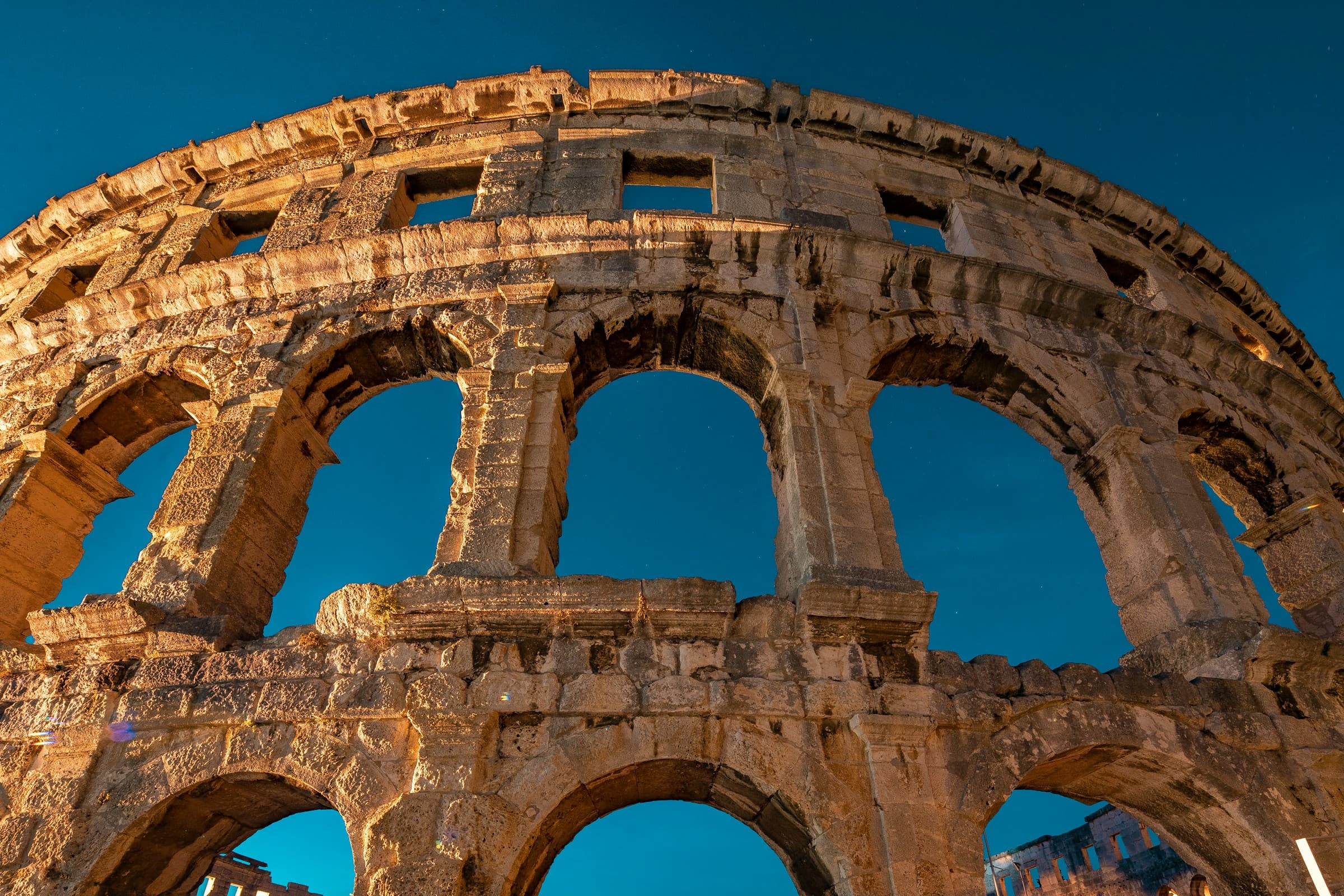
Pula is the largest city in Istria and one of Croatia's most historically rich destinations. Set at the southern tip of the Istrian peninsula, Pula is best known for its remarkably preserved Roman monuments, crystal-clear waters and relaxed Mediterranean atmosphere.
The city's most famous landmark, the Roman amphitheatre, dominates the skyline and serves as a powerful reminder of Pula's ancient past. At the same time, Pula feels youthful and laid-back, with lively cafés, beaches and a strong cultural scene. Combining history, sea and modern lifestyle, Pula offers a travel experience that blends the ancient with the contemporary.
A Living Roman City
Few cities in Europe allow you to walk among Roman temples, gates and arenas as naturally as in Pula. The city's Roman heritage is woven into daily life, with ancient monuments standing alongside modern cafés and shops.
Why Visit Pula?
An ideal destination for travellers who want history, sea, culture and relaxed Mediterranean living all in one place
Roman Heritage
One of Europe's best-preserved Roman cities, with iconic monuments at its heart.
City & Sea
Beaches within minutes of the historic centre, easily reached by bike or bus.
Cultural Life
Film festivals, concerts inside the Arena and a lively summer nightlife.
Istrian Gateway
A practical base for exploring Istria and the Brijuni National Park.
Key Highlights
A Glimpse into Pula's History
From Roman colony to modern Istrian hub
Pula's history reaches back more than 3,000 years, but the city flourished during Roman times when it became an important colony. Many of its most impressive landmarks — the amphitheatre, temples and city gates — originate from this period and remain exceptionally well preserved.
Over the centuries, Pula came under Venetian, Austro-Hungarian, Italian and Yugoslav rule, each leaving architectural and cultural traces. During the Austro-Hungarian era, Pula developed into a major naval port, shaping its urban layout and multicultural character.
Today, Pula is a coastal city where history and everyday life coexist seamlessly.
Roman Era
The amphitheatre, temples and city gates from the Roman period remain exceptionally well preserved and define the city's character.
Venetian & Austrian Rule
Centuries of Venetian and Austro-Hungarian influence shaped Pula's architecture and multicultural identity.
Naval Port Legacy
Pula's development as a major Austro-Hungarian naval port created its modern urban layout and diverse character.
Top Things to See
Exceptional Roman monuments and historic landmarks
Pula Arena (Amphitheatre)
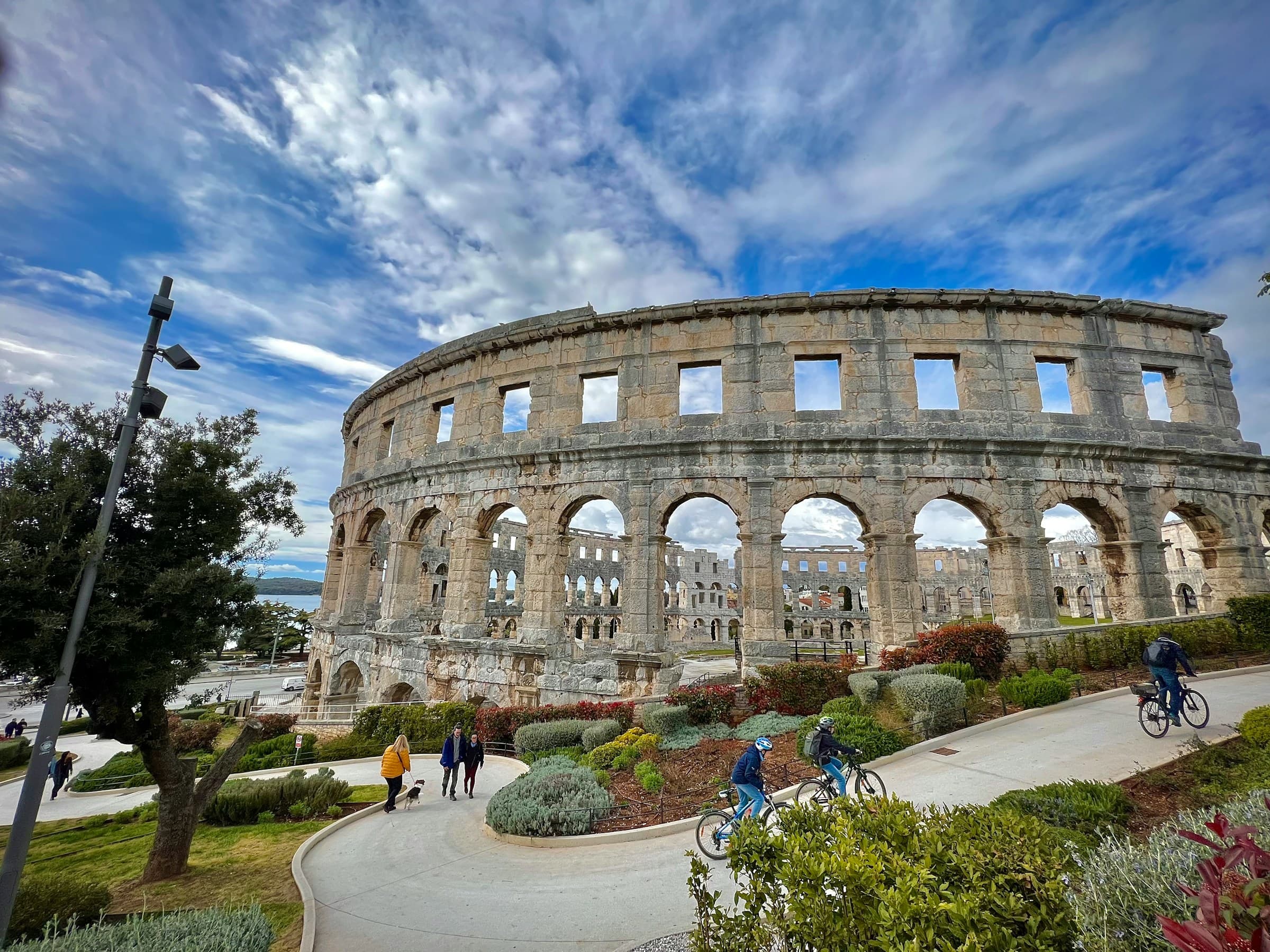
One of the best-preserved Roman amphitheatres in the world, still used today for concerts, festivals and events. This 1st-century structure dominates Pula's skyline and can accommodate thousands of visitors. Walking through its ancient corridors and standing in the arena is an unforgettable experience.
Temple of Augustus
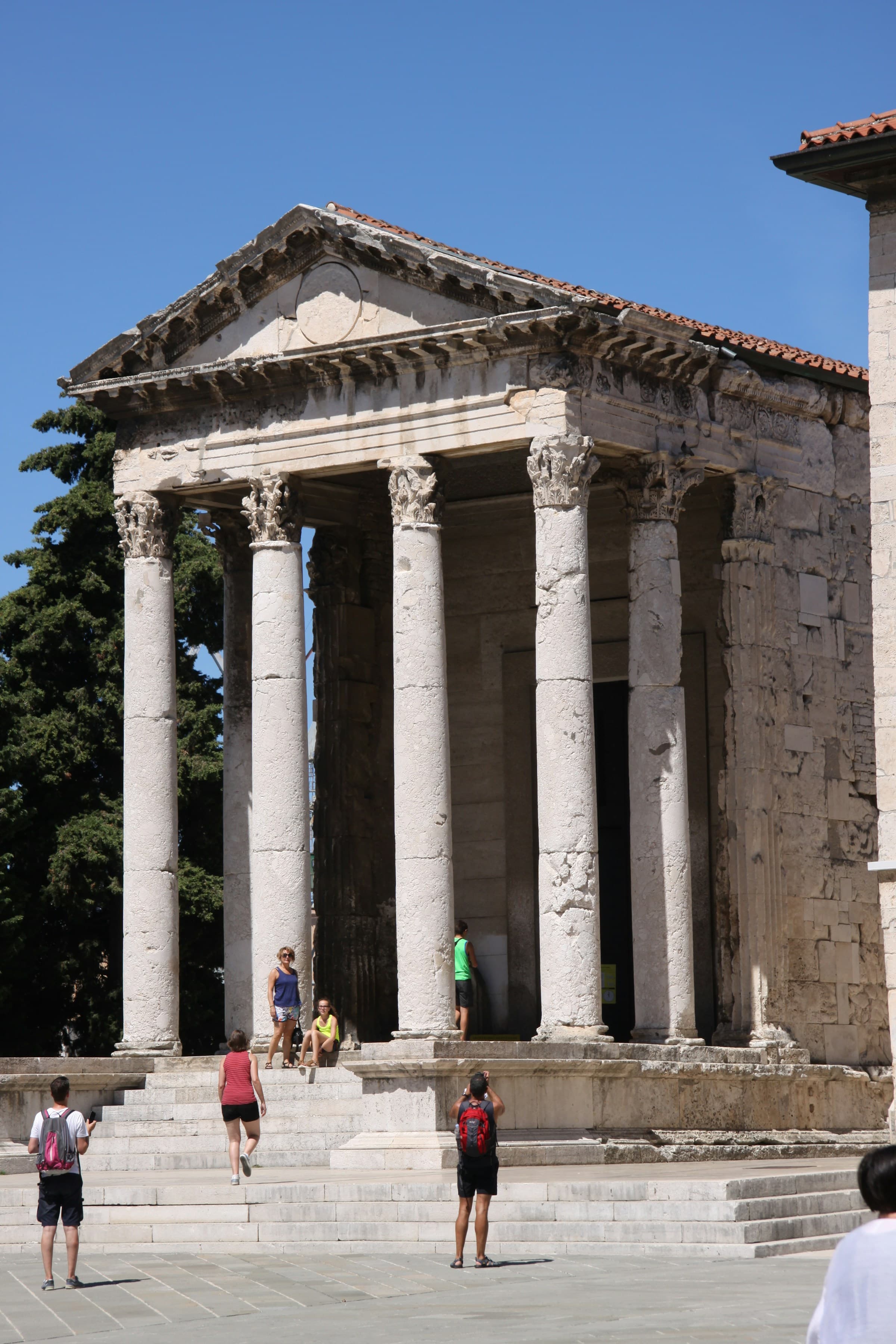
A beautifully preserved Roman temple on the main square, dedicated to Emperor Augustus. This 1st-century monument showcases classical Roman architecture.
Arch of the Sergii
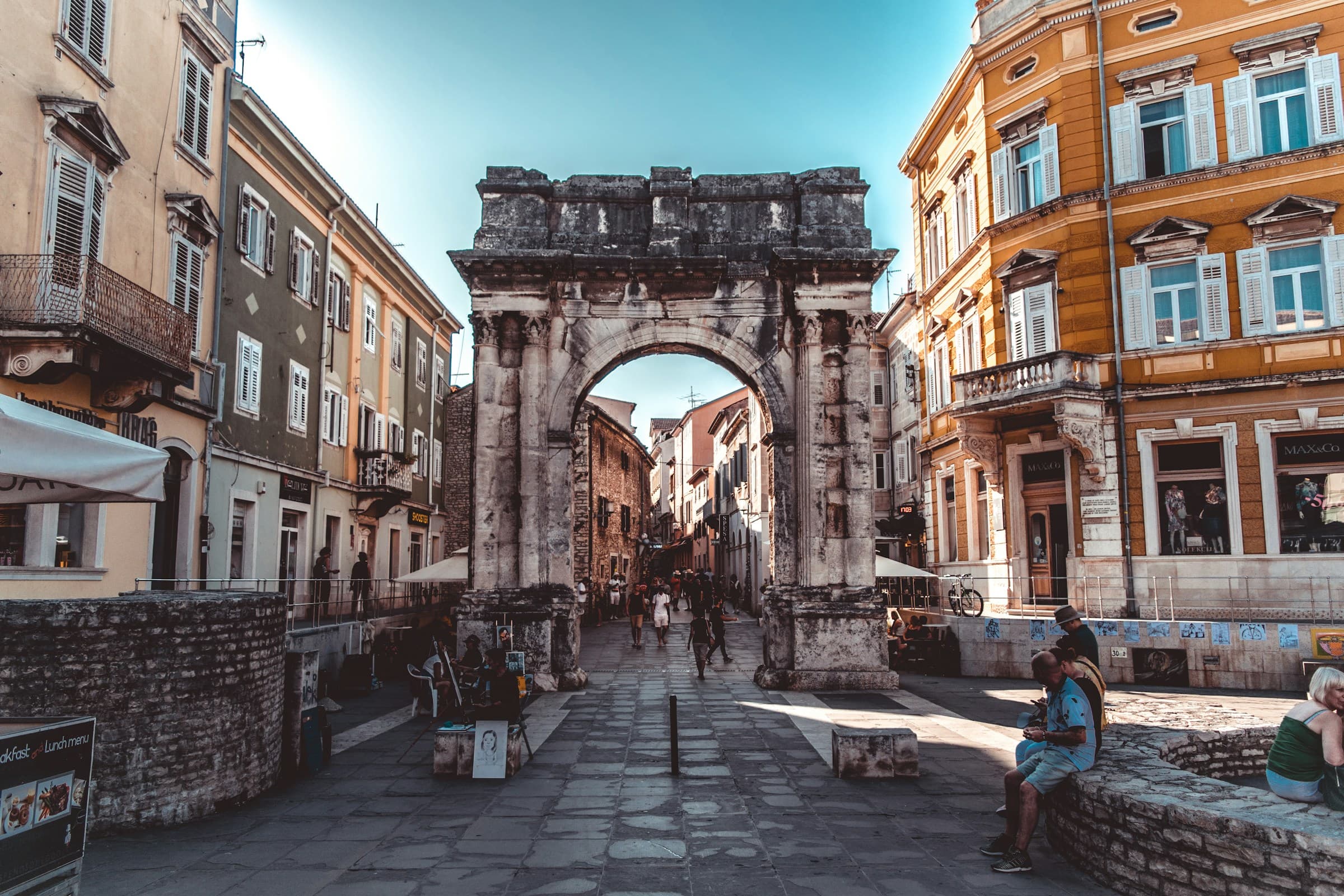
A triumphal arch built in the 1st century BC, marking the entrance to the ancient city and one of Pula's most elegant Roman monuments.
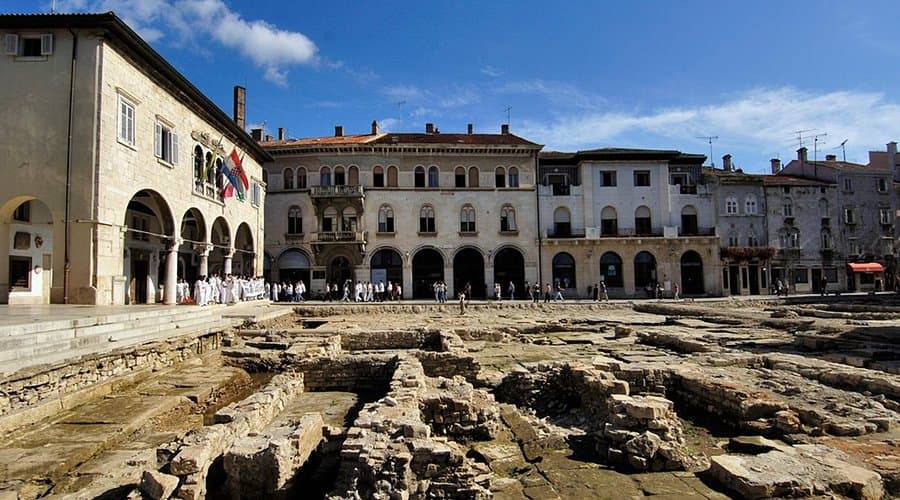
Forum Square
The historic heart of Roman Pula, surrounded by classical buildings and lively cafés — a good place to feel the city's everyday rhythm.
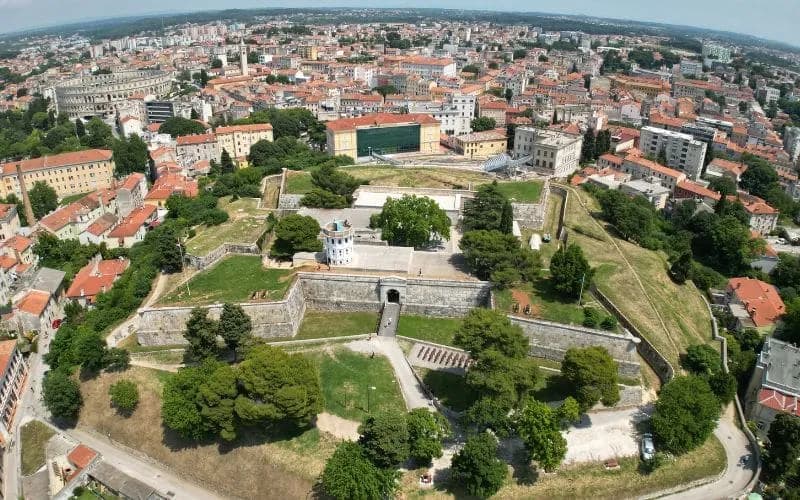
Pula Fortress (Kaštel)
A hilltop fortress offering panoramic views over the city and the harbour. The fortress houses a historical museum and is a favourite spot at sunset.
Book Guided Tours & Experiences in Pula
Explore Pula's Roman amphitheatre and Istrian heritage with guided tours.
Beaches & Nature
Clear waters, rocky coves and a nearby island national park
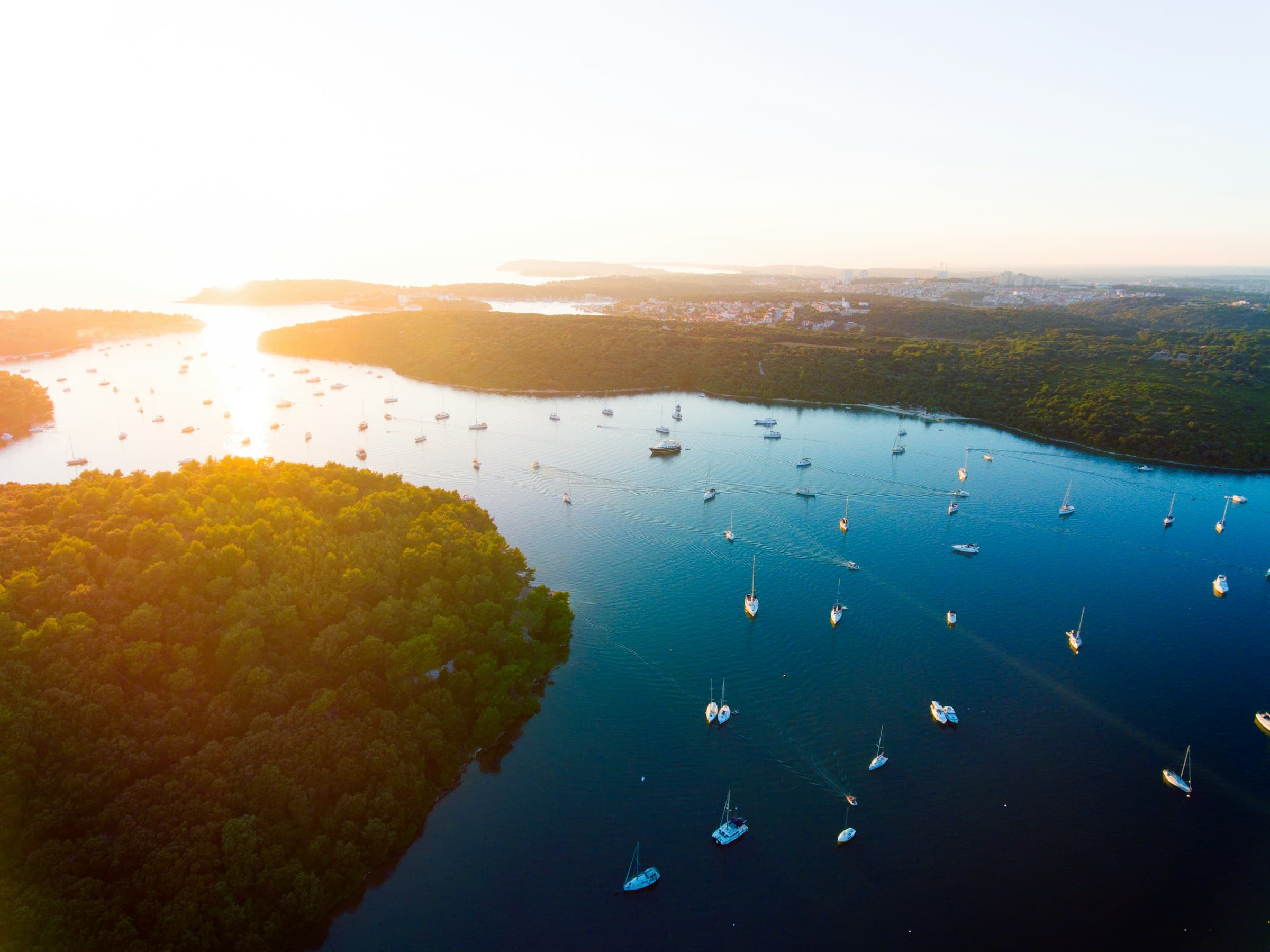
Verudela Peninsula
A popular beach area with rocky coves, pebbled beaches and excellent swimming spots, with several beaches to choose from.
Popular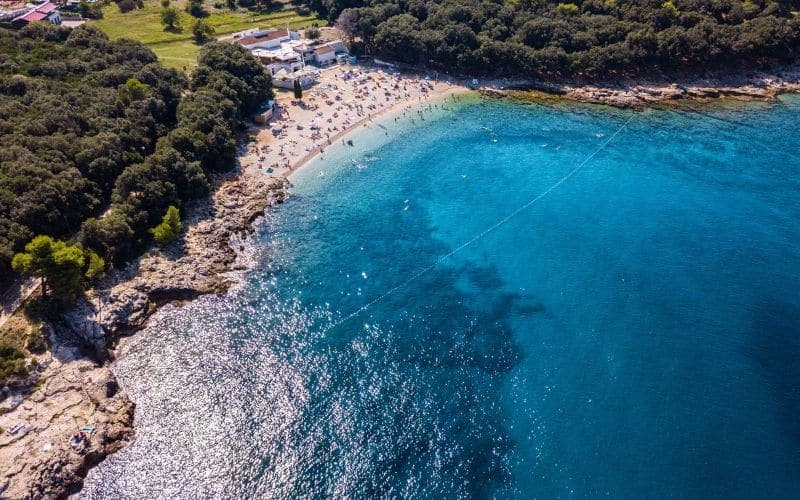
Ambrela Beach
A family-friendly beach with clear water and facilities, well suited to a full day by the sea.
Family-Friendly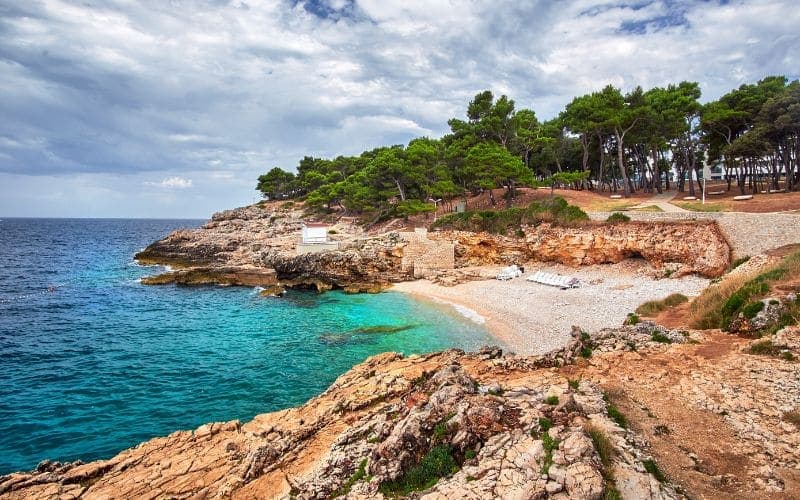
Hawaiian Beach
Known for turquoise water and dramatic rocks, popular with swimmers and cliff jumpers.
Adventure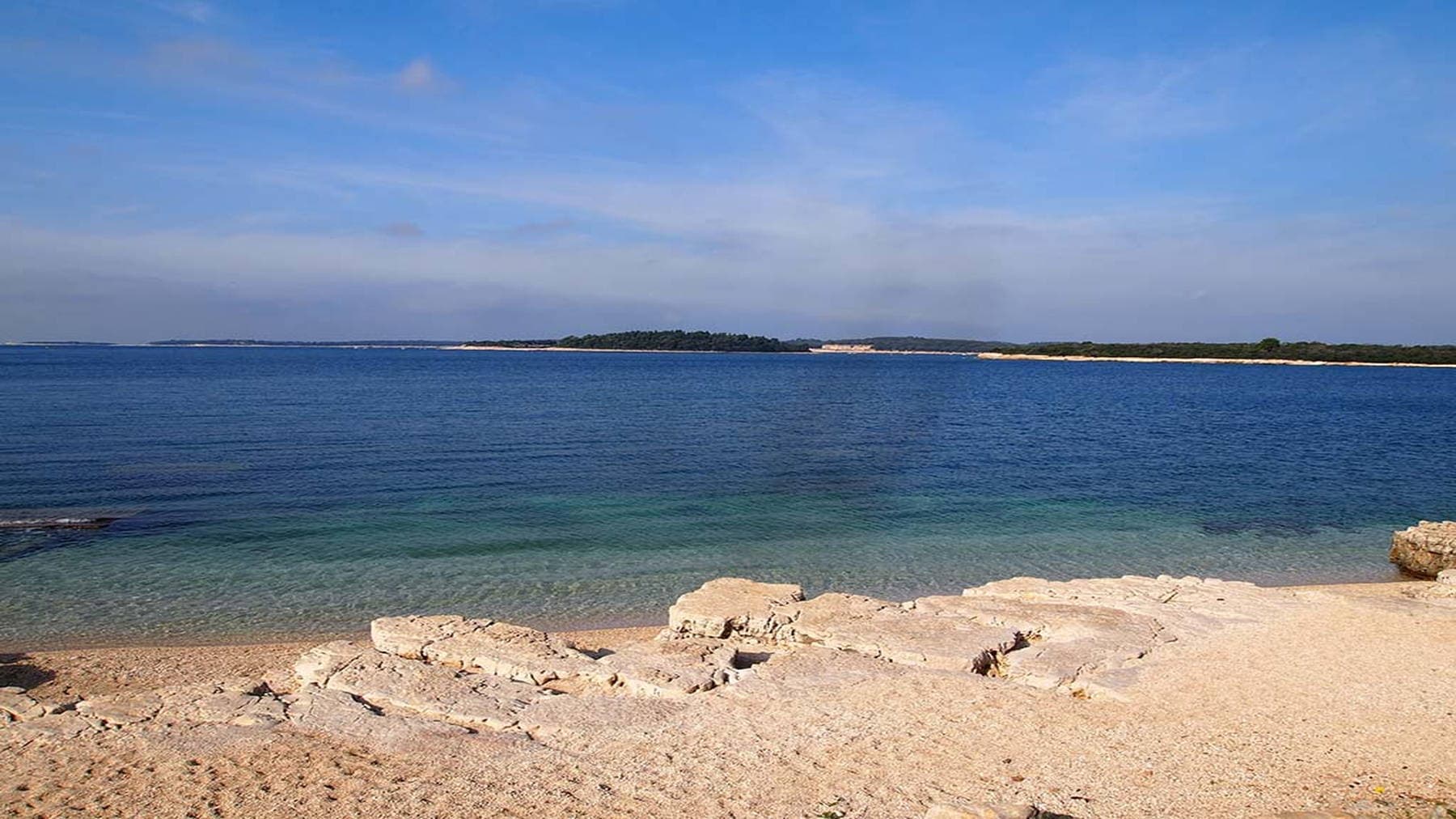
Štinjan & Valbandon
Calmer beach areas north of the city, ideal for relaxed seaside days away from the crowds.
Peaceful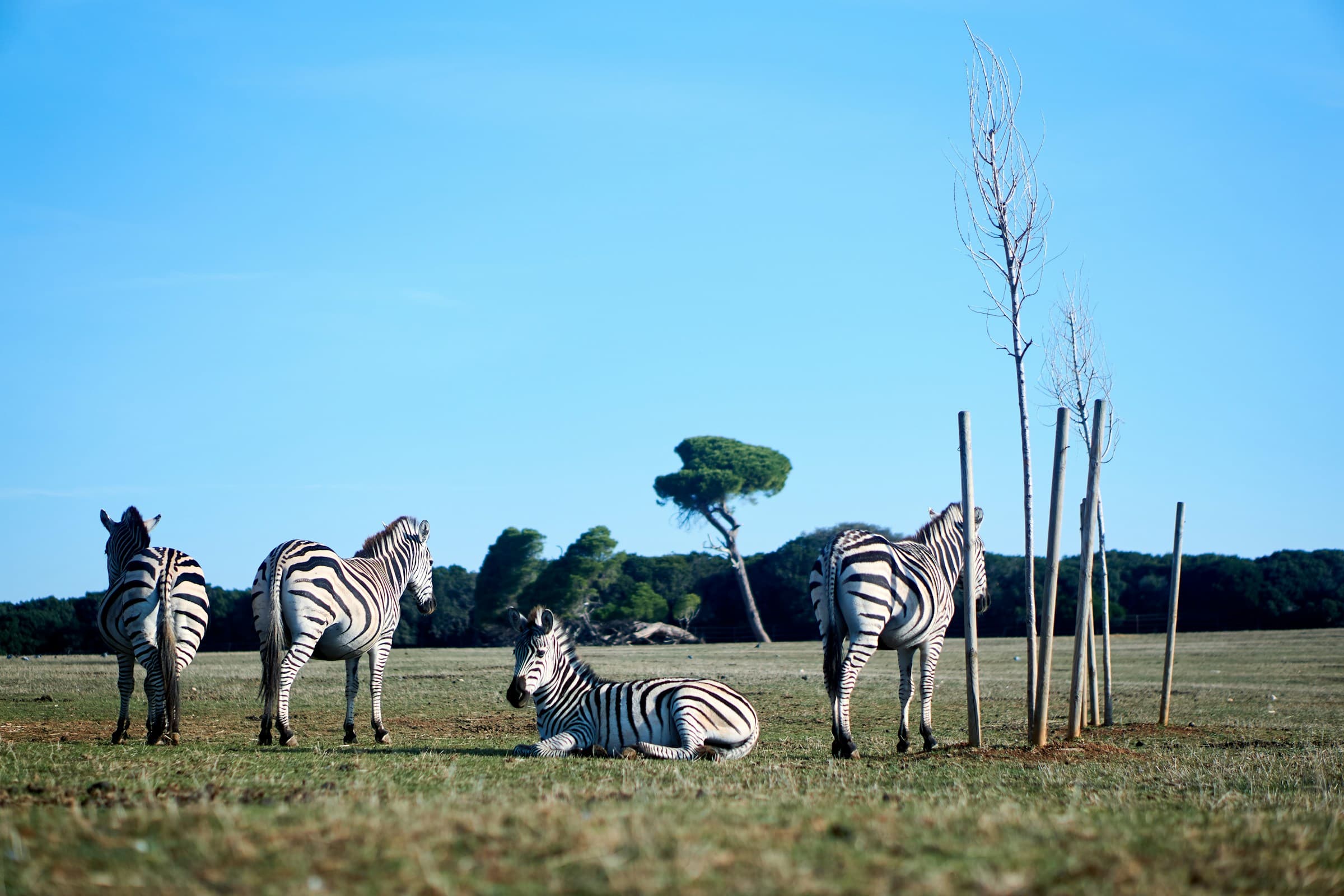
Brijuni National Park
A nearby island national park reached by boat, known for pristine nature, Roman ruins and scenic landscapes. A standard day trip from Pula, with organised tours and boat transfers from Fažana.
Day TripBeaches Within Minutes
One of Pula's best features is having good beaches within minutes of the city centre. You can explore Roman monuments in the morning and swim in clear Adriatic waters by afternoon. Most beaches are easily reached by bike, bus or a short drive.
Food, Nightlife & Culture
Istrian gastronomy, lively bars and a strong festival programme
Top Restaurants
Konoba Batelina (near Pula)
One of Croatia's most acclaimed seafood restaurants, known for inventive fish dishes.
Restaurant Farabuto
A local favourite offering modern Istrian cuisine with fresh ingredients.
Vodnjanka Tavern
Known for traditional Istrian recipes and authentic flavours.
Bistro Alighieri
A lively spot near the Arena, popular for casual dining and people-watching.
Best Bars
Shipyard Pub
A popular local pub with craft beers and a relaxed atmosphere.
Ulysses Bar
A stylish bar near the Arena, good for pre-dinner drinks.
Jupiter Café Bar
Located near the Temple of Augustus — coffee by day, drinks by night.
Live Music & Nightlife
Pula's nightlife is lively but laid-back, reflecting its student population and cultural energy.
Cargo Club
A well-known club hosting DJ nights and live performances.
Pietas Julia
A central venue for concerts and cultural events.
Beach Bars (Summer)
Seasonal beach bars around Verudela and Stoja offer music, cocktails and sunset views.
Pula Film Festival
July
Held inside the Roman Arena, this is Croatia's most prestigious film festival and a unique cinematic experience.
Outlook & Dimensions Festivals
September
International music festivals dedicated to electronic and bass music, drawing visitors from across Europe.
Pula Summer Programme
Summer
A series of concerts, theatre performances and cultural events across the city.
When to Visit Pula
Roman monuments and a mild Mediterranean climate year-round, with peak season bringing festivals and beach life
Spring
April–June
Ideal for sightseeing, with mild temperatures and fewer visitors — perfect for exploring Roman monuments without the summer heat.
- Roman monuments in comfortable weather
- Mild temperatures for walking tours
- Fewer crowds at the Arena
- Pleasant coastal cycling conditions
Summer
July–August
Warm sea, festivals and a lively atmosphere — with the Pula Film Festival inside the Arena as a clear highlight.
- Pula Film Festival in the Arena
- Beach season at its peak
- Lively nightlife and dining
- Warm Adriatic swimming
Autumn
September–October
Pleasant weather, excellent food and a calmer pace, with music festivals and harvest season bringing their own atmosphere.
- Music festivals and cultural events
- Harvest season dining experiences
- Quieter pace and fewer tourists
- Comfortable weather for exploration
Winter
November–March
Mild Mediterranean winters make Pula's Roman monuments accessible year-round. A quieter city, closer to local life.
- Roman monuments without crowds
- Mild coastal winter climate
- Authentic local dining scene
- Off-season accommodation rates
Getting to Pula
Several practical options for reaching Istria's largest city
By Air
Pula Airport (PUY)
Pula Airport offers seasonal international flights from major European cities, especially in summer.
Transfer: The airport is about 6 km from the city centre. Taxis, shuttle buses and car rentals are available.
By Car
Well Connected
Well connected to the rest of Istria and mainland Croatia via motorway. The Istrian Y motorway provides fast access.
From Zagreb: Approximately 3.5–4 hours by road
By Bus
Frequent Connections
Frequent coach connections from Zagreb, Rijeka and other major Croatian cities. The bus station is centrally located and within walking distance of the old town.
By Boat
Seasonal Ferries
Seasonal ferry and catamaran connections to nearby islands and coastal towns. Boats to Brijuni National Park leave regularly from Fažana (about 7 km from Pula).
Travel Tips
- •Airport: Summer flights book up quickly — reserve in advance for peak-season travel.
- •Getting Around: Pula's compact old town is easily walkable. Beaches are reachable by bike, local buses or a short drive.
- •Parking: Parking is available near the Arena and throughout the city — consider parking zones outside the centre.
- •Exploring Istria: Pula is a practical base for exploring the entire Istrian peninsula, from coastal towns to inland hilltop villages.
Pula In-Depth Guides
Go deeper into Pula with these detailed guides.
Where to Stay
The best areas to stay in Pula, from the city centre to Verudela and the southern coast.
Things to Do
Top activities and experiences — from the Roman Arena to Cape Kamenjak.
Beaches
The best beaches and swimming spots in and around Pula.
Restaurants
Where to eat — Istrian cuisine, seafood, truffles and local wines.
Day Trips
Cape Kamenjak, Brijuni, Rovinj, Motovun and the Istrian wine roads.
Frequently Asked Questions about Pula
One to two days covers Pula's main attractions. A full day is enough for the Roman Arena, the Temple of Augustus, the Arch of the Sergii and the old town. With a second day, you can visit the Cape Kamenjak nature park for swimming and cliff jumping, explore the Brijuni National Park or take a food and wine tour through the Istrian countryside.
Pula is best known for its remarkably preserved Roman amphitheatre, one of the best-preserved in the world and the sixth largest ever built. Dating from the 1st century AD, it still hosts concerts and the Pula Film Festival each summer. The city also has other Roman monuments including the Temple of Augustus and the Arch of the Sergii, plus Istrian cuisine and nearby beaches.
May–June and September offer the best balance of warm weather, swimmable sea and manageable visitor numbers. July and August are hottest and busiest, but also when the Pula Film Festival and Arena concerts take place — seeing a performance inside a Roman amphitheatre is a rare experience. Spring (April–May) is pleasant for sightseeing without the summer heat.
Pula is an excellent base for exploring Istria. It has the region's best transport connections, including an international airport. From Pula you can easily reach Rovinj (40 min), the hilltop towns of Motovun and Grožnjan (1 hr), Cape Kamenjak (30 min), Brijuni National Park (boat from Fažana, 15 min) and the wine and truffle country of central Istria.
Pula has several good beaches. The most popular is Ambrela Beach in the Verudela area, a well-equipped pebble beach south of the centre. For a more dramatic coastline, Cape Kamenjak at Istria's southern tip (20 minutes south) has wild rocks, hidden coves and cliff jumping spots. Hawaii Beach on Kamenjak is particularly popular in summer.
Book Tours & Experiences in Pula
Explore Pula's Roman amphitheatre, hidden beaches and Istrian cuisine with expert-led tours and local experiences.
Explore More Destinations in Croatia
Rovinj
Croatia's most romantic coastal town with Italian-Istrian character.
Brijuni
A national park archipelago with Roman ruins and exotic wildlife.
Opatija
An elegant seaside resort with Habsburg-era villas and coastal gardens.
Istria Wine Region
Explore Istria's renowned wine and truffle country in the green interior.