Zadar
Where ancient history meets modern creativity on the edge of the Adriatic
About Zadar
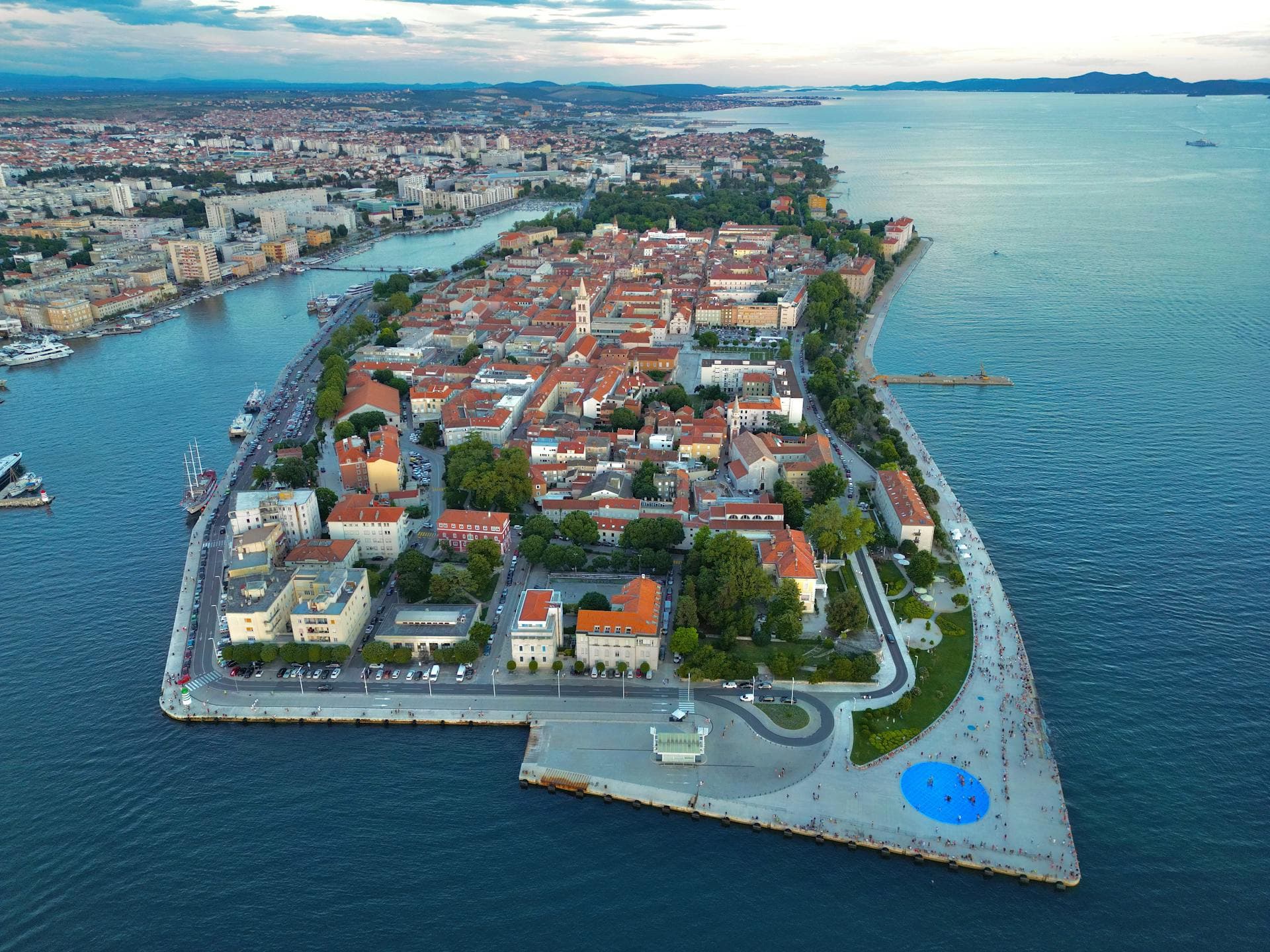
Set on a historic peninsula along Croatia's central Adriatic coast, Zadar is a city where ancient layers of history blend seamlessly with bold modern design. With roots stretching back over 3,000 years, Zadar has been shaped by Romans, Byzantines, Venetians, and Austro-Hungarians — each leaving their mark in stone, art, and urban life.
Today, Zadar is known for its atmospheric old town, relaxed Mediterranean lifestyle, and innovative waterfront installations. Roman ruins stand beside medieval churches, while contemporary art and architecture interact with the sea itself — creating a city that feels both timeless and refreshingly modern.
A City Shaped by the Sea
The Adriatic Sea is central to Zadar's identity. Waves create music, sunlight powers art, and sunsets turn the waterfront into a daily ritual. Alfred Hitchcock famously claimed that Zadar has the most beautiful sunset in the world — a reputation the city proudly lives up to.
Old Town Peninsula
3,000 years of layered history
A Journey Through Time
Roman Colony
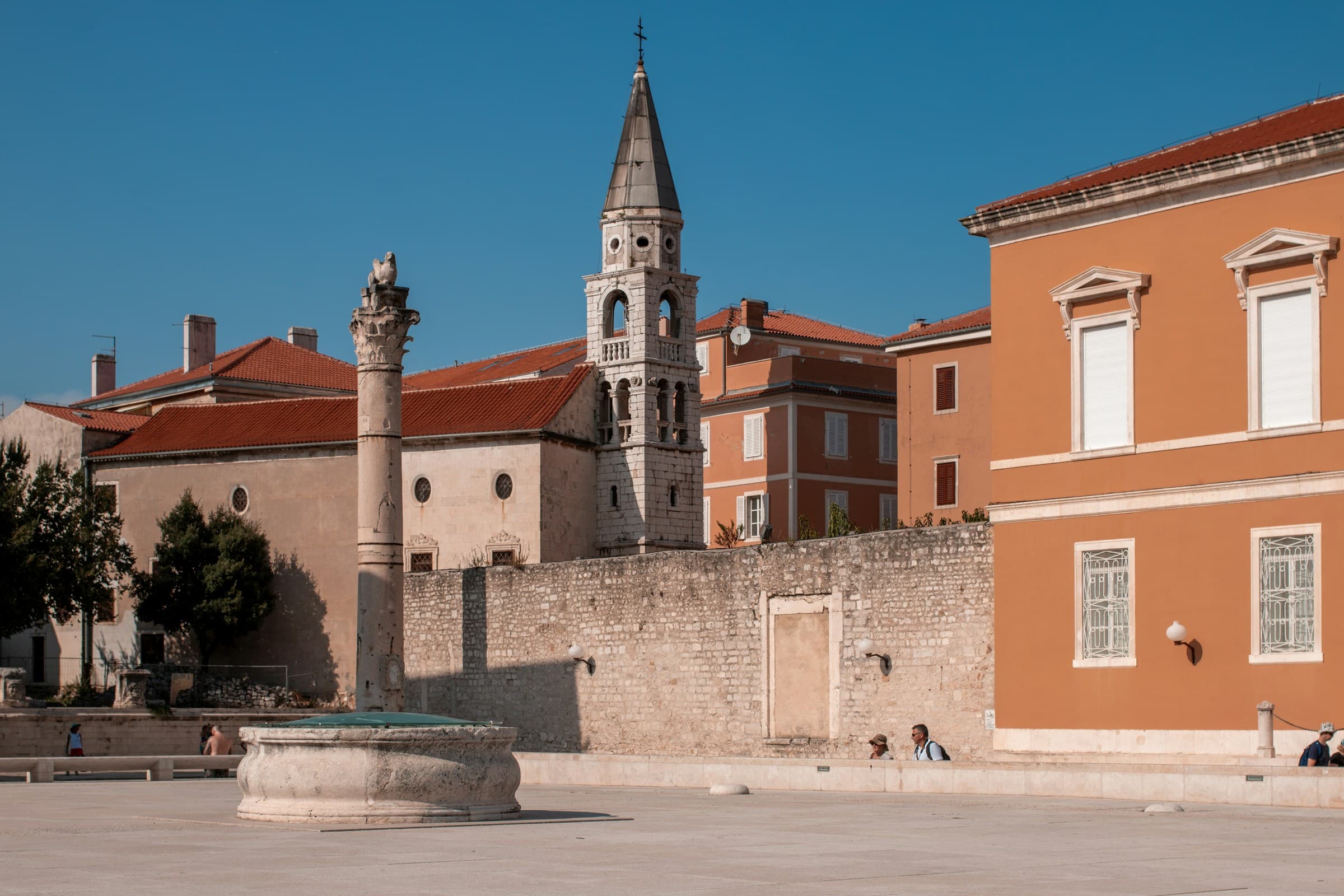
Zadar's history begins as the Roman colony of Iader, whose forum, streets, and infrastructure still form the backbone of the old town. Over the centuries, the city became one of the most important urban and maritime centres on the eastern Adriatic.
Venetian Stronghold
During Venetian rule (1409–1797), Zadar flourished as a fortified coastal capital. Massive city walls, gates, and bastions were constructed — many of which are now part of a UNESCO-listed defence system.
Resilience & Culture
Despite destruction during World War II, Zadar carefully restored its heritage while embracing contemporary creativity. The result is a rare balance: a living historic city that is forward-looking, artistic, and deeply connected to its surroundings.
Top Things to See
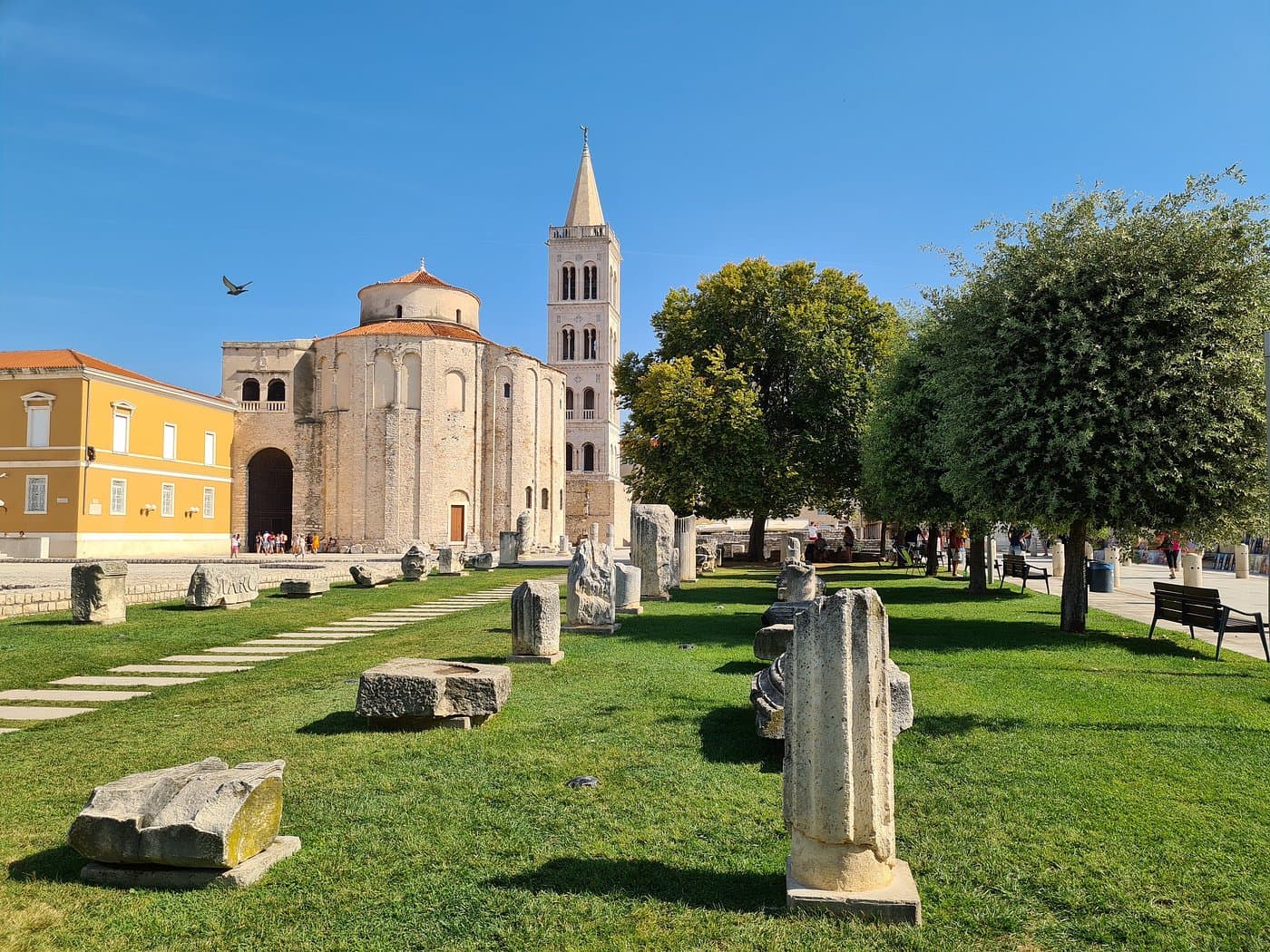
Roman Forum
The remains of an ancient public square dating back to the 1st century BC, located beside the city's most important churches. This archaeological site forms the heart of Zadar's historic identity, showcasing the city's Roman origins.
The forum was once the centre of public life in the Roman city of Iader, featuring temples, administrative buildings, and public spaces. Today, visitors can walk among the ancient columns and foundations, imagining the bustling Roman marketplace that once thrived here.
Roman Forum
The remains of an ancient public square dating back to the 1st century BC, located beside the city's most important churches.
Church of St. Donatus
A distinctive 9th-century pre-Romanesque church and one of Croatia's most recognisable landmarks.
St. Anastasia's Cathedral
The largest cathedral in Dalmatia, offering panoramic views from its bell tower.
Venetian City Walls
UNESCO-listed fortifications ideal for scenic walks around the peninsula.
Kalelarga
Zadar's main pedestrian street, lined with cafés, shops, and everyday city life.
Book Guided Tours & Experiences in Zadar
Discover Zadar's Roman ruins, Sea Organ and stunning sunsets with guided walking tours.
Icons by the Sea
Contemporary installations that celebrate the relationship between architecture, nature, and the Adriatic
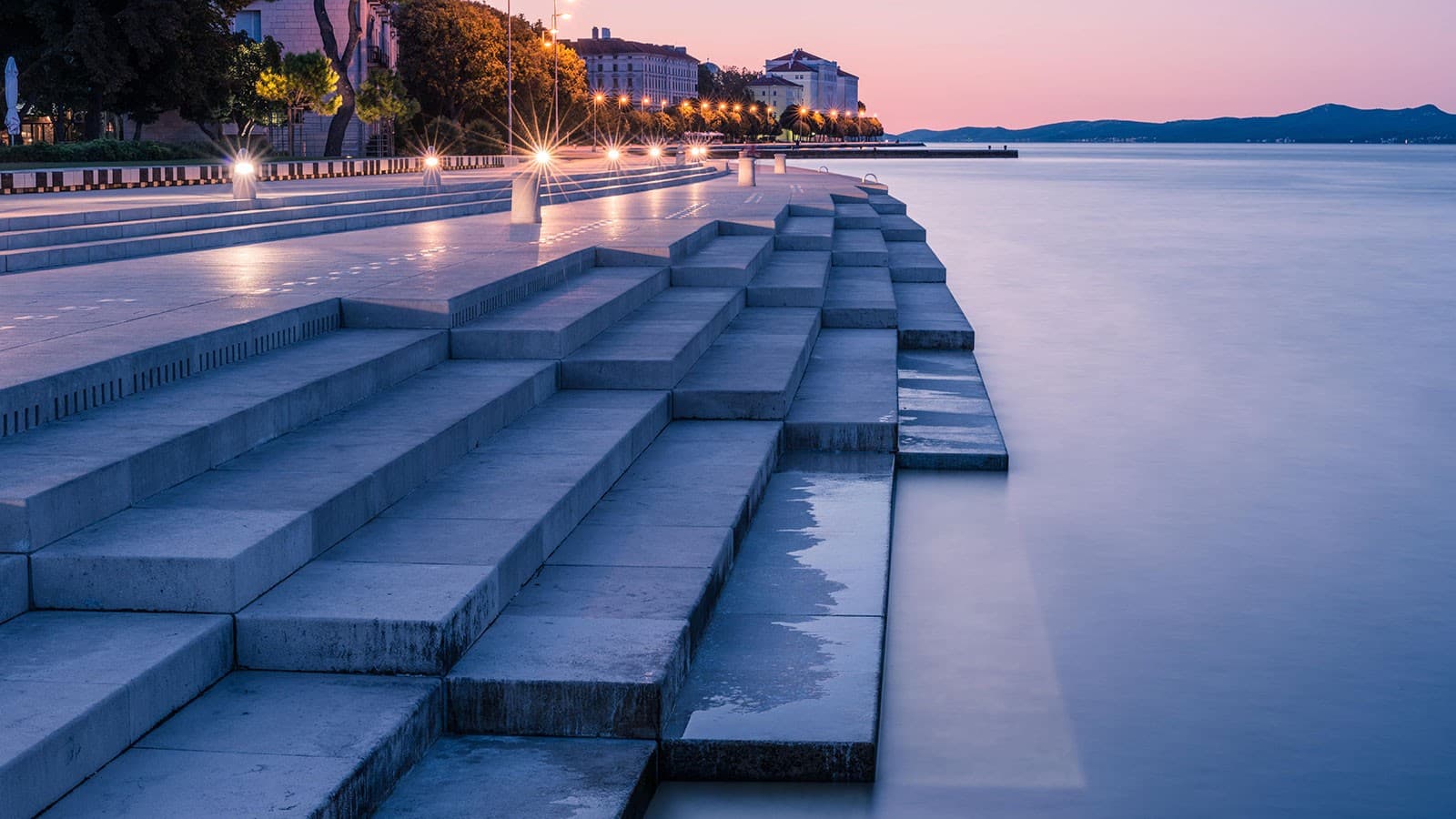
Sea Organ
An architectural sound installation where waves create natural music through underwater pipes. Designed by architect Nikola Bašić, this unique waterfront artwork transforms the movement of the sea into haunting melodies.
The organ consists of 35 tubes of different lengths, diameters, and tilts, carved into the waterfront steps. As waves push air through the pipes, they create ever-changing harmonies — a meditative soundtrack to Zadar's famous sunsets.
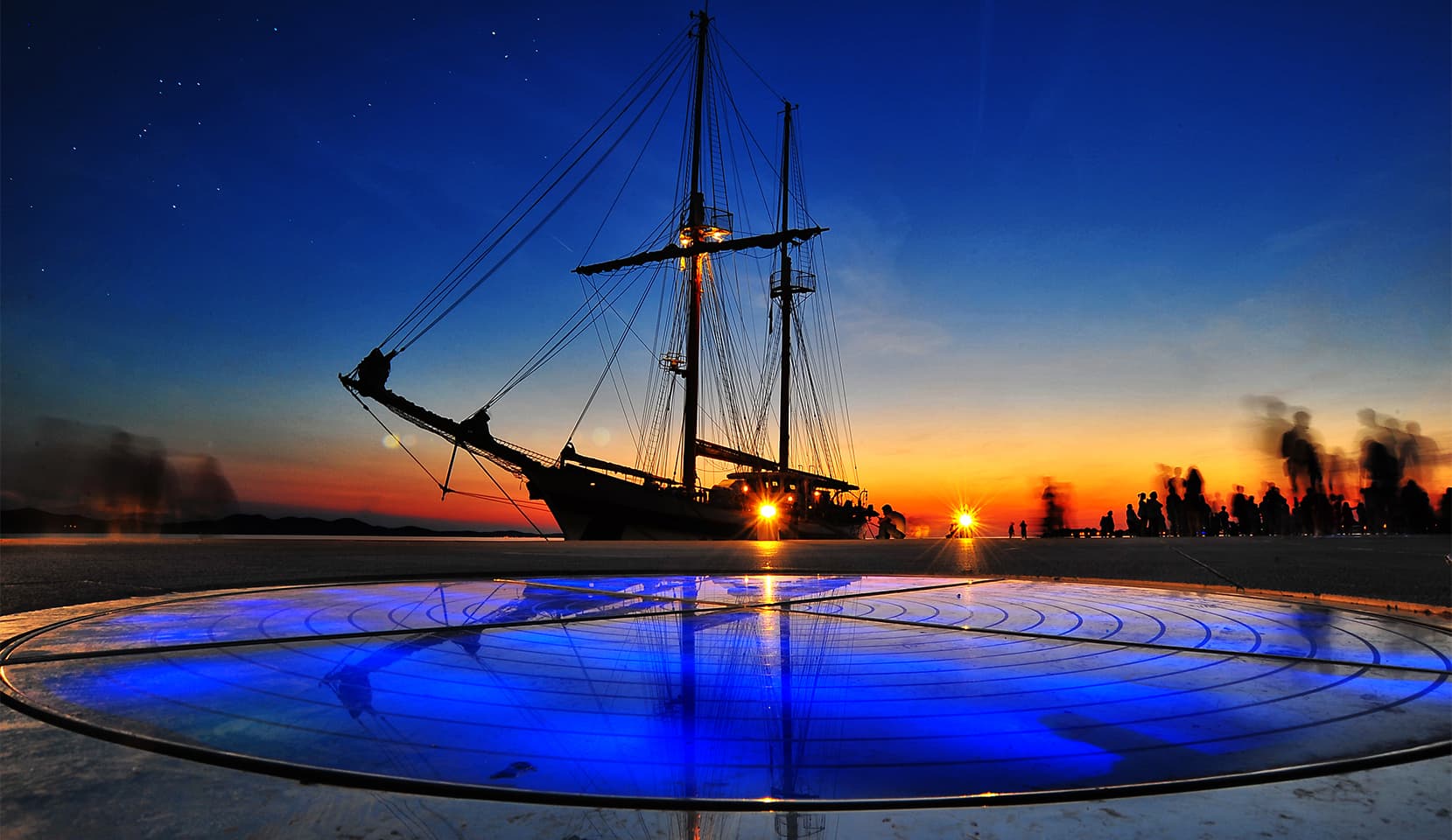
Greeting to the Sun
A solar-powered light installation that comes alive after sunset, celebrating energy, light, and nature. Also designed by Nikola Bašić, this 22-metre circle of glass plates creates a stunning light show on the waterfront.
During the day, 300 multi-layered glass plates absorb solar energy. After sunset, they transform into a mesmerising display of coloured light that pulses with the rhythm of the waves and tide, creating a magical atmosphere for evening strolls.
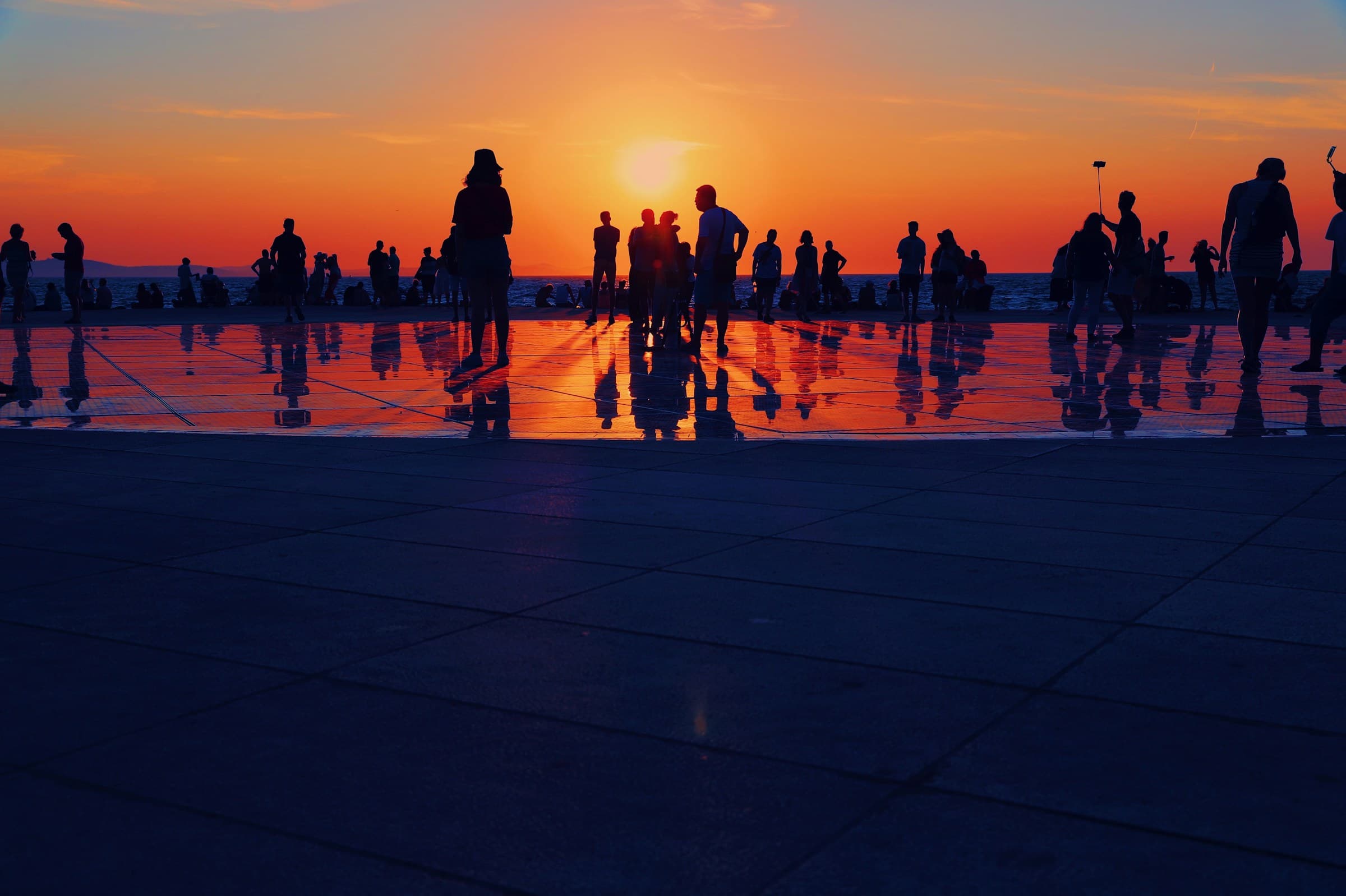
The World's Most Beautiful Sunset
Alfred Hitchcock famously claimed that Zadar has the most beautiful sunset in the world. Every evening, locals and visitors gather along the waterfront to witness the sun dip into the Adriatic, painting the sky in brilliant oranges, pinks, and purples — all while the Sea Organ provides a natural soundtrack.Alfred Hitchcock claimed Zadar has the world's most beautiful sunset. Every evening, visitors gather to witness the sun paint the sky in brilliant colours — all while the Sea Organ provides a natural soundtrack.
Beyond the City Walls
Island-dotted horizons, national parks, and quiet coastal villages reveal Zadar as one of Dalmatia's most versatile destinations
Zadar Archipelago
Over 300 islands and islets dot the sea around Zadar, creating a stunning mosaic of blue and green. Perfect for boat trips, swimming, and quiet escapes from the city.
The archipelago offers everything from uninhabited islets to charming island villages with centuries of maritime tradition. Many islands are accessible by regular ferry services, making day trips and island hopping easy to organise.
Popular islands include Dugi Otok, Ugljan, Pašman, and Silba — each with its own character and natural beauty
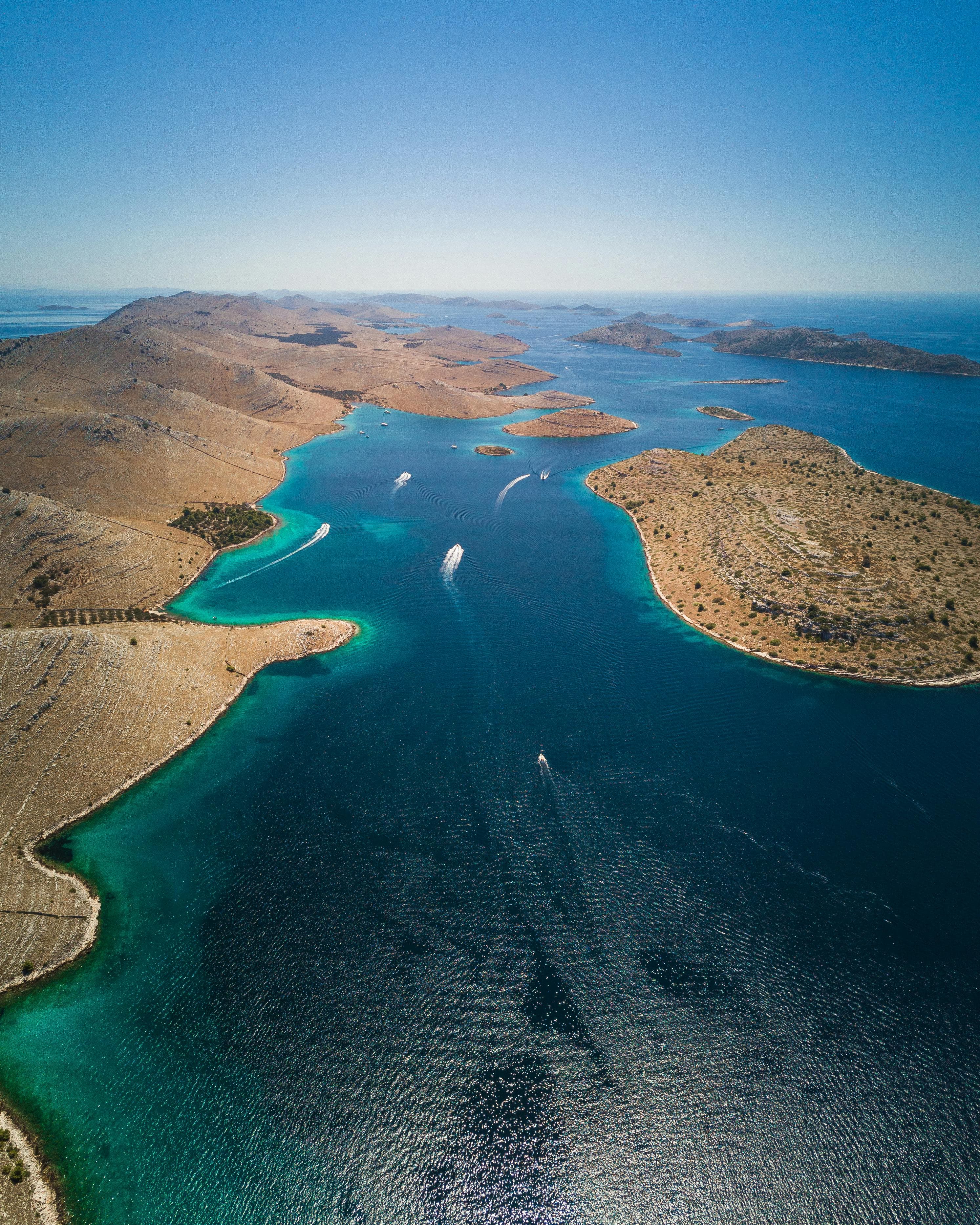
Island Paradise
300+ islands perfect for exploration
Kornati National Park
A dramatic maritime landscape of bare limestone islands and crystal-clear waters
Learn more →Telašćica Nature Park
Cliffs, salt lake, and open-sea views on nearby Dugi Otok
Paklenica National Park
Just inland, offering hiking, climbing, and mountain scenery
Culture, Food & Daily Rhythms
Local Cuisine
Enjoy Dalmatian classics such as grilled seafood, black risotto, and pašticada, paired with regional wines.
Zadar's cuisine reflects its maritime heritage and Mediterranean position, with an emphasis on fresh fish, olive oil, and locally grown vegetables. Don't miss the famous Zadar maraschino liqueur, produced here since the 16th century.
Markets & Taverns
Zadar's green market and traditional konobas offer a glimpse into authentic local life.
The morning fish market near the harbour is a sensory experience, where local fishermen sell their catch directly. In the evening, family-run taverns serve home-cooked Dalmatian dishes in atmospheric stone-walled settings.
Festivals & Events
Summer brings open-air concerts, cultural festivals, and performances throughout the old town.
From classical music concerts in medieval churches to contemporary art exhibitions in historic fortresses, Zadar's cultural calendar is rich and diverse. The Musical Evenings in St. Donatus church are particularly renowned.
Why Visit Zadar?
Zadar is a city that listens to the sea, honours its past, and looks confidently toward the future — a place where history, nature, and creativity meet on the edge of the Adriatic.
When to Visit Zadar
Zadar enjoys a mild Mediterranean climate, suitable year-round
Spring
April–June
Ideal for sightseeing, island hopping, and nature excursions
- Pleasant temperatures
- Fewer crowds
- Nature in bloom
- Perfect for hiking
Summer
July–August
Warm, lively, and full of festivals and beach life
- Peak season
- Festivals & concerts
- Beach weather
- Long sunny days
Autumn
September–October
Pleasant temperatures, warm sea, fewer crowds
- Comfortable weather
- Warm Adriatic
- Harvest season
- Lower prices
Winter
November–March
Quiet, authentic, and atmospheric — perfect for slow travel
- Authentic experience
- No crowds
- Local atmosphere
- Mild climate
How to Get to Zadar
By Air
Zadar International Airport offers direct connections to many European cities
- •Airport located 8 km from city centre
- •Regular bus service to town
- •Taxi takes 15–20 minutes
By Car
Easily accessible via the A1 motorway from Zagreb and other regions
- •3–4 hours from Zagreb
- •Well-connected motorway system
- •Parking available in the city
By Bus
Frequent long-distance connections from major Croatian cities
- •Regular services from Zagreb
- •Connections to Split and Dubrovnik
- •Modern bus station near old town
By Ferry & Catamaran
Regular services to nearby islands and coastal towns
- •Ferry terminal in city centre
- •Island connections daily
- •Seasonal catamaran routes
Pro Tip: Central Location
Zadar's central position on the Dalmatian coast makes it an excellent hub for exploring the region. You are within easy reach of Plitvice Lakes National Park, Krka National Park, the Kornati Islands, and coastal cities like Split and Šibenik.
Zadar In-Depth Guides
Dive deeper into everything Zadar has to offer with our detailed guides.
Where to Stay
Best areas to stay in Zadar, from the historic peninsula to Borik and Puntamika.
Things to Do
Top activities and experiences — from the Sea Organ to the Roman Forum.
Beaches
The best beaches and swimming spots in and around Zadar.
Restaurants
Where to eat — Dalmatian seafood, fine dining, and local specialities.
Day Trips
Kornati Islands, Krka Falls, Paklenica, Nin, and more.
Frequently Asked Questions about Zadar
One to two days is ideal for Zadar. A full day covers the Old Town, Roman Forum, Sea Organ, Sun Salutation, and the best sunset on the Adriatic. A second day allows for a day trip to Kornati National Park, Paklenica for hiking, or the nearby islands of Ugljan and Pasman. Zadar also works well as a base for exploring northern Dalmatia.
Zadar is famous for the Sea Organ — a unique architectural sound installation that creates music from the movement of the sea — and the Sun Salutation, a solar-powered light installation. Alfred Hitchcock reportedly called Zadar's sunset the most beautiful in the world. The city also has 3,000 years of history with Roman ruins, medieval churches, and Venetian fortifications.
May–June and September–October are the best months — warm weather (22–28°C), the sea is swimmable, and the city is lively without being overcrowded. Summer (July–August) brings the highest temperatures and most tourists. The sunset viewing at the Sea Organ is spectacular year-round, but the evening atmosphere is best in the warmer months.
Zadar offers a more relaxed, less touristy experience than Split or Dubrovnik while still having excellent history, food, and a beautiful Old Town. It is also a better base for visiting Kornati Islands, Paklenica National Park, and the Zadar Archipelago. Many travellers prefer Zadar precisely because it feels more authentic and local. It pairs well with the larger cities on a Dalmatian itinerary.
Zadar has its own international airport with seasonal flights from across Europe, making it easy to fly in directly. By car, it sits on the A1 motorway — 3 hours from Zagreb and 1.5 hours from Split. Regular buses connect Zadar to all major Croatian cities. Ferries also run to the nearby islands of Ugljan, Pasman, and Dugi Otok from the Zadar harbour.
Book Tours & Experiences in Zadar
From ancient Roman ruins to stunning sunsets, explore Zadar with guided tours, island excursions and outdoor adventures.
Explore More Destinations in Croatia
Šibenik
Historic city with the UNESCO Cathedral of St. James and Krka access.
Split
Dalmatia's vibrant city built around Diocletian's Roman palace.
Kornati
Dramatic archipelago of 89 islands perfect for sailing and day trips.
Plitvice Lakes
Croatia's most famous national park with 16 cascading turquoise lakes.