Zagreb
Where medieval towers meet Art Nouveau palaces, and quiet courtyards open just steps from bustling squares
Croatia's Lively Capital
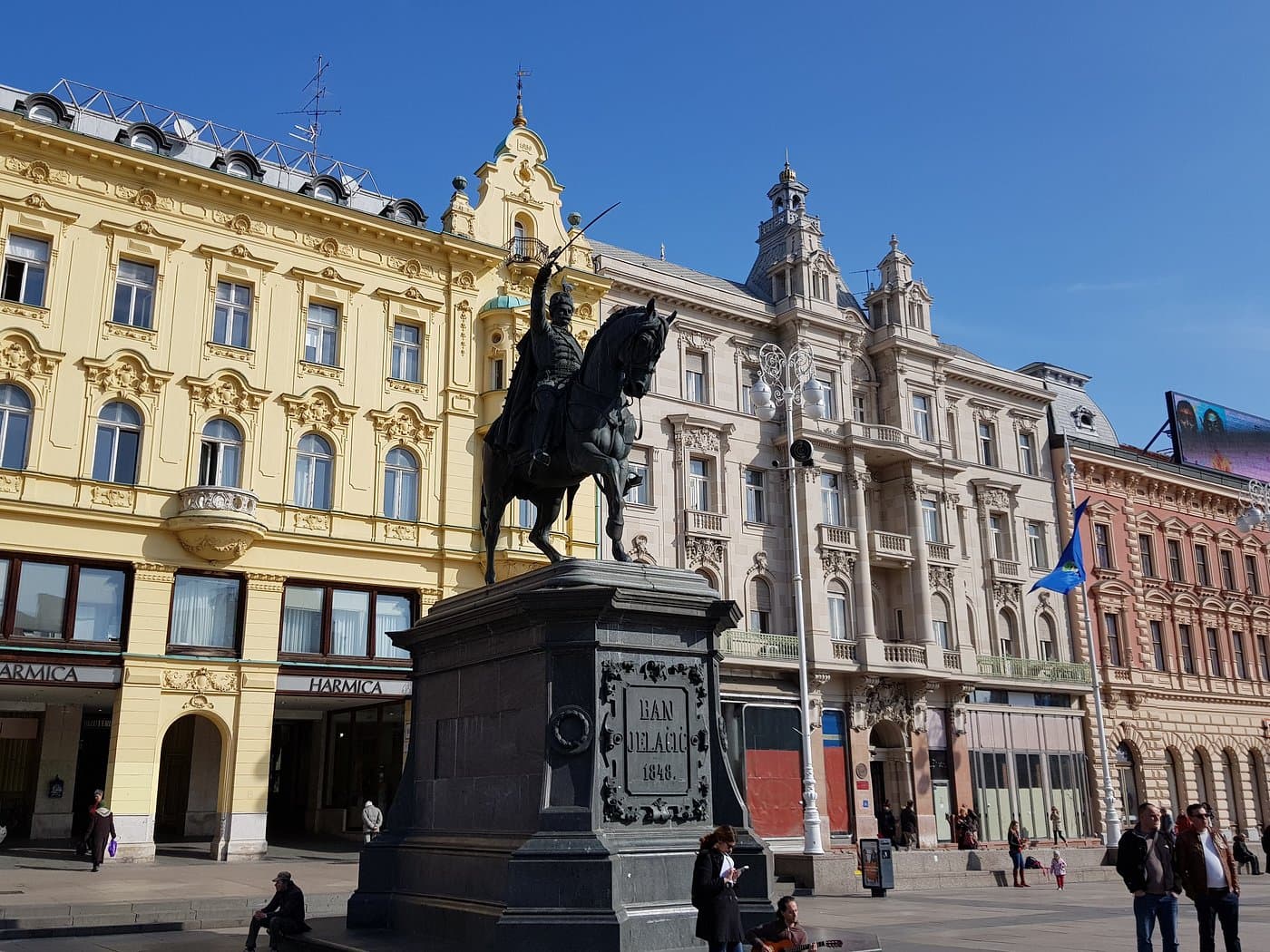
Nestled between the southern slopes of Mount Medvednica and the banks of the Sava River, Zagreb is Croatia's lively capital and largest city. With roots reaching back to the Middle Ages, it blends centuries of history with the energy of a modern European metropolis.
Cobblestone streets, grand Austro-Hungarian architecture, leafy parks, and café terraces give the city its distinct charm, while its museums, galleries, and theaters reflect a vibrant cultural scene that embodies Croatian culture.
Zagreb is also a city of contrasts: medieval towers stand near Art Nouveau palaces, bustling markets like the famous Dolac Market sit below Gothic spires, and quiet courtyards open just steps away from busy squares.
Gradec and Kaptol
Zagreb was born from two medieval settlements: Gradec, a fortified royal town, and Kaptol, the seat of the Church. Over time their rivalry gave way to unity, forming the historic Upper Town that remains the heart of the city today.
At its core lies the Upper Town (Gornji Grad), where the twin medieval settlements grew side by side before eventually merging into one city. Exploring their narrow lanes, historic landmarks, and lively markets offers the best insight into Zagreb's past — and its enduring spirit.
Two Medieval Settlements, One City
Gradec
From Fortified Town to Cultural Landmark
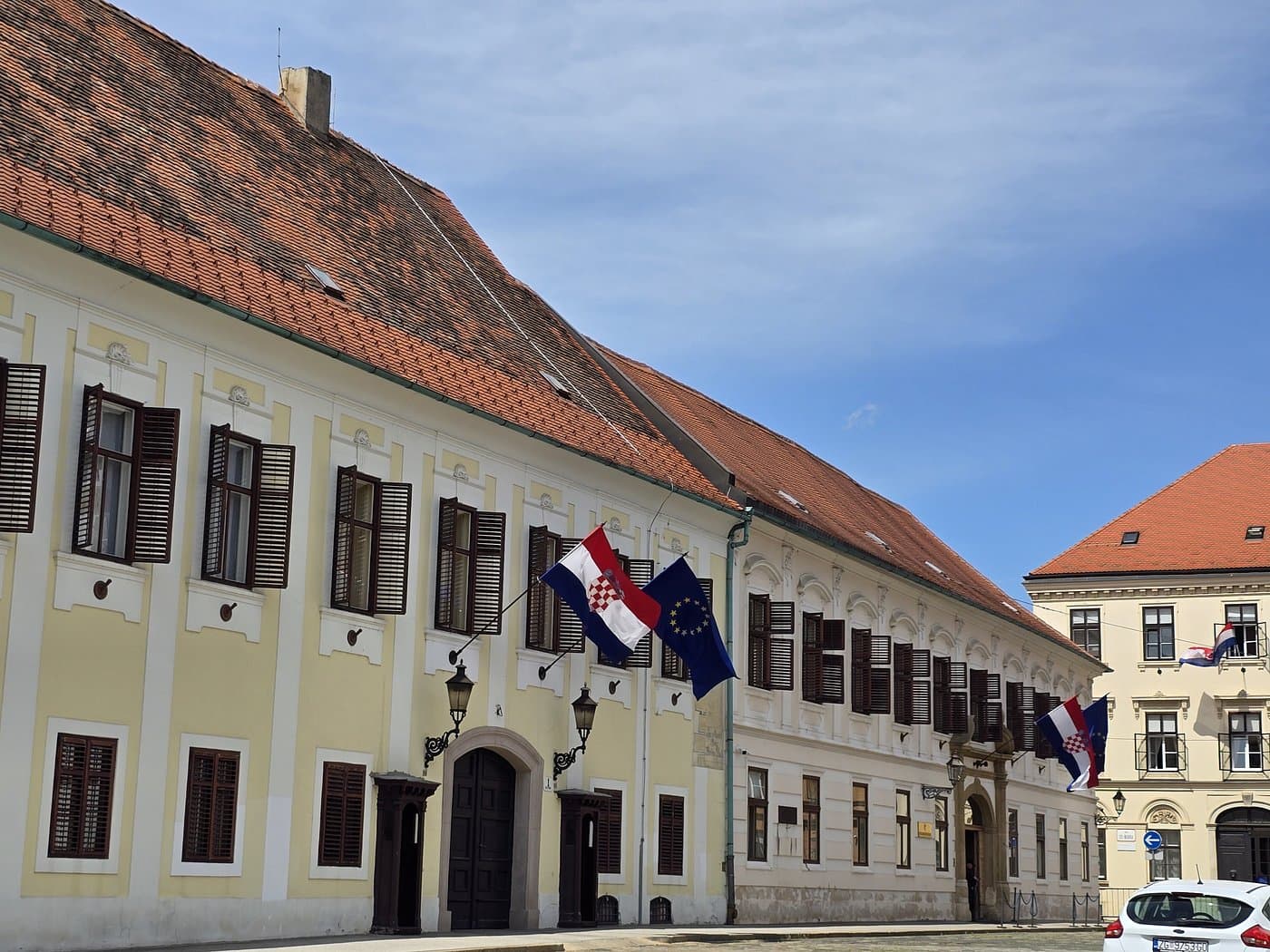
Gradec, one of the two medieval settlements that shaped today's historic Upper Town (alongside Kaptol), was proclaimed a free royal city in 1242 by King Béla IV following the Mongol invasion. Enclosed by sturdy walls and guarded gates, it evolved into a vibrant community characterized by Gothic, Baroque, and later Neoclassical architecture, reflecting elements of Croatian culture.
A notable feature is the Stone Gate (Kamenita vrata), the only preserved entrance from the original fortifications. Inside, a small chapel houses a painting of the Virgin Mary that, according to tradition, miraculously survived the great fire of 1731. To this day, both locals and visitors flock to this site to light candles and make wishes, transforming the Stone Gate into a spiritual shrine and a living symbol of Zagreb's rich heritage.
Kaptol
The Spiritual Heart of Zagreb
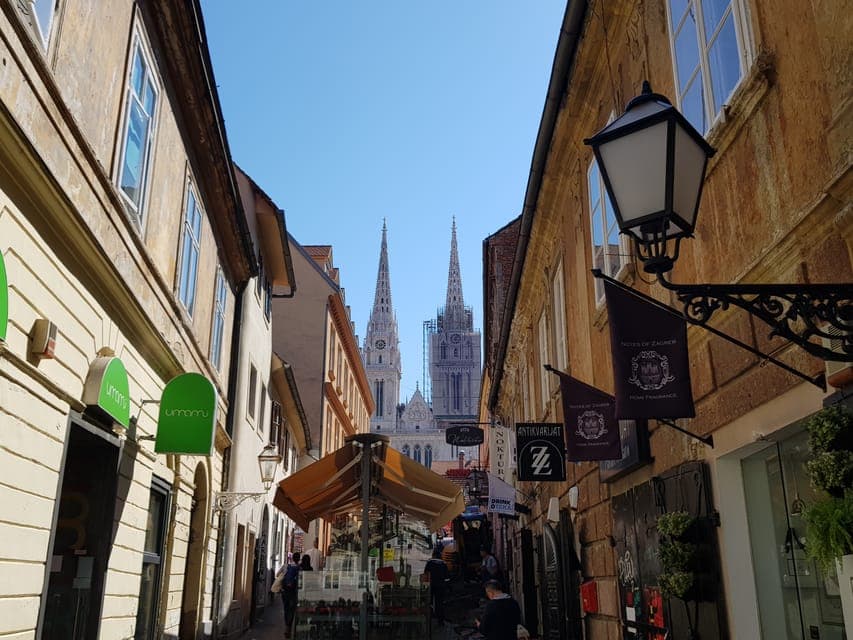
Directly across from Gradec lies Kaptol, the religious center of Zagreb and the seat of the Church since medieval times. In contrast to the fortified, civic-minded Gradec, Kaptol developed around the Cathedral of the Assumption of the Blessed Virgin Mary, which stands as Croatia's tallest and most iconic Gothic structure.
The cathedral has undergone numerous restorations due to invasions, fires, and earthquakes, yet it remains a powerful emblem of resilience and faith. Historically, Kaptol was home to the canons (church clergy), with residences and ecclesiastical buildings surrounding the cathedral.
The area also hosted lively markets, a tradition that continues just below at the Dolac Market, where locals shop for fresh produce every morning. Together, the sacred architecture of Kaptol and the vibrant market life at Dolac create a vivid contrast to Gradec's political and defensive character, reflecting the dual foundations of Zagreb's identity.
Gornji Grad
Wander through Gornji Grad, the historic Upper Town of Zagreb, which is known as the city's oldest district. Here, cobbled streets lead to some of the most iconic Zagreb attractions.
Don't forget to visit the nearby Dolac Market, where you can immerse yourself in the vibrant atmosphere of local life.
St. Mark's Church
Must-See Zagreb
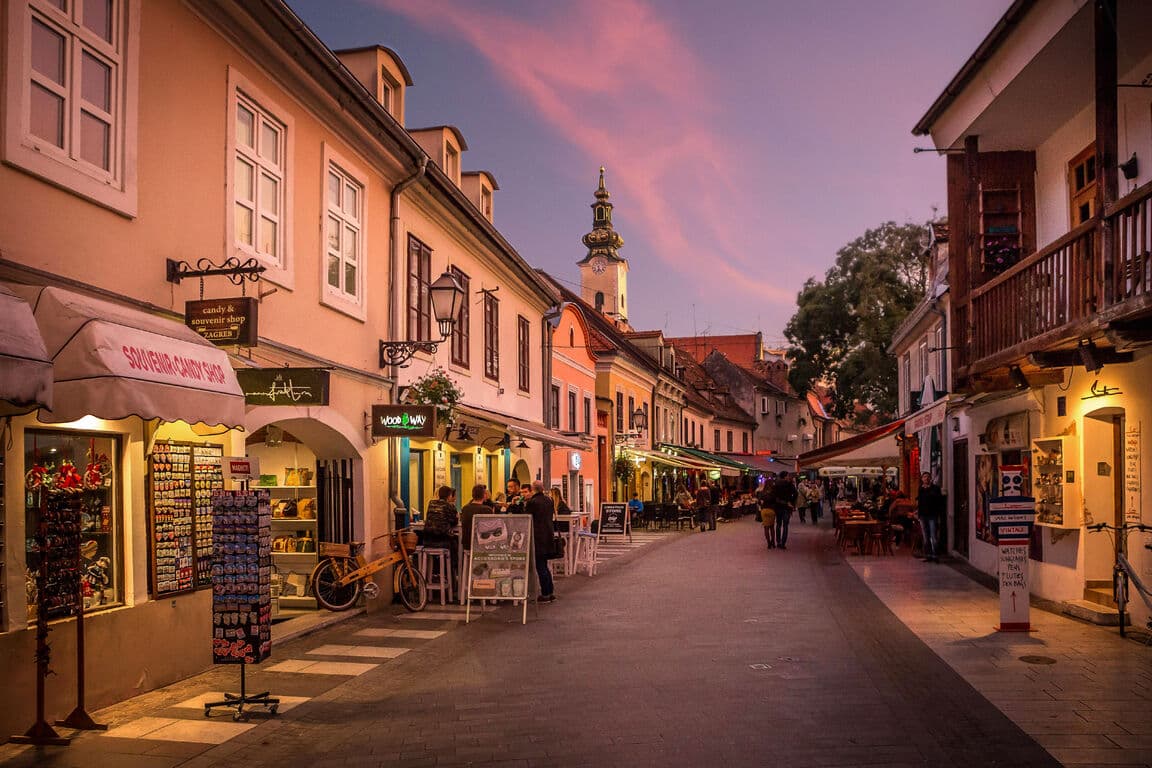
Tkalčićeva Street
Zagreb's bustling café and nightlife hub
Dolac Market
The best place to experience local flavors and fresh produce, making it a must-visit spot for anyone wanting to immerse themselves in Croatian culture.
Tkalčićeva Street
Zagreb's bustling café and nightlife hub, perfect for enjoying the vibrant atmosphere of the city.
Zagreb Botanical Garden
A peaceful retreat offering a serene escape with exotic plant species, ideal for nature lovers.
Mirogoj Cemetery
A stunning architectural masterpiece, often referred to as an "open-air museum," reflecting the rich history of Zagreb.
Strossmayer Promenade
The most scenic viewpoint in Zagreb, where visitors can admire the beauty of the Upper Town.
Book Guided Tours & Experiences in Zagreb
Explore Zagreb's museums, parks and vibrant street culture with expert local guides.
Some of Europe's Most Unique Museums
Zagreb is home to some of the most unique museums in Europe, reflecting rich Croatian culture.
Museum of Illusions Zagreb
A playful world where nothing is as it seems. With upside-down rooms, vortex tunnels, and gravity-defying spaces, this museum blends fun and education, making you question your senses while enjoying a truly unique experience.
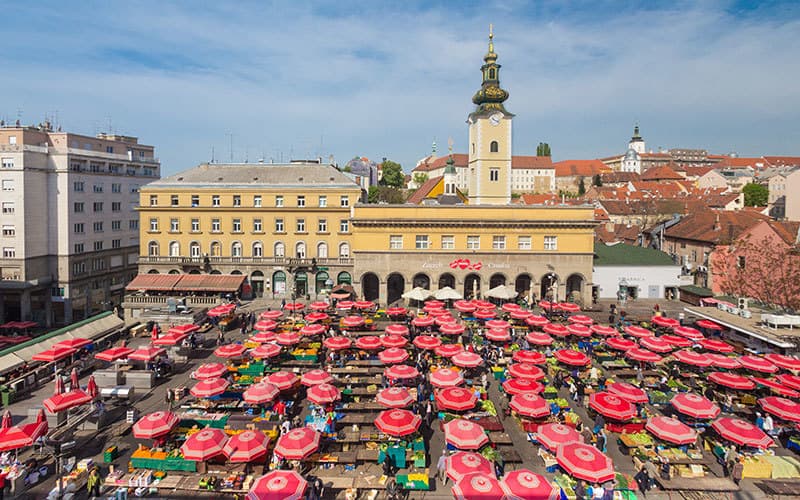
Dolac Market
Known as "the belly of Zagreb," Dolac Market is one of the most famous attractions in the city, where locals shop daily for fresh produce. It's the perfect spot to immerse yourself in Croatian culture and experience the culinary delights of the Upper Town.
Seasonal Produce
Seasonal fruits and vegetables from nearby farms
Artisanal Goods
Artisanal cheeses, honey, and homemade jams
Local Specialties
Kulen (spicy sausage), štrukli (cheese pastry), and pag cheese
Fresh Seafood
Fresh fish and seafood from the Adriatic coast
A Break from the Hustle
Need a break from the hustle of Zagreb's attractions? The city's parks and lakes offer a refreshing escape into nature.
Maksimir Park
Zagreb's oldest park, featuring serene lakes, lush trails, and even the Zagreb Zoo, showcasing elements of Croatian culture.
Zrinjevac Park
This central green space is perfect for a relaxing stroll, allowing you to unwind amidst the beauty of the city.
Jarun & Bundek Lakes
Ideal for cycling, swimming, or enjoying a lakeside café, these spots are popular among locals and tourists alike.
Medvednica Mountain & Sljeme
Just outside the city, these areas are perfect for hiking in warmer months and skiing in winter, providing an escape from the urban environment while still being close to the Upper Town.
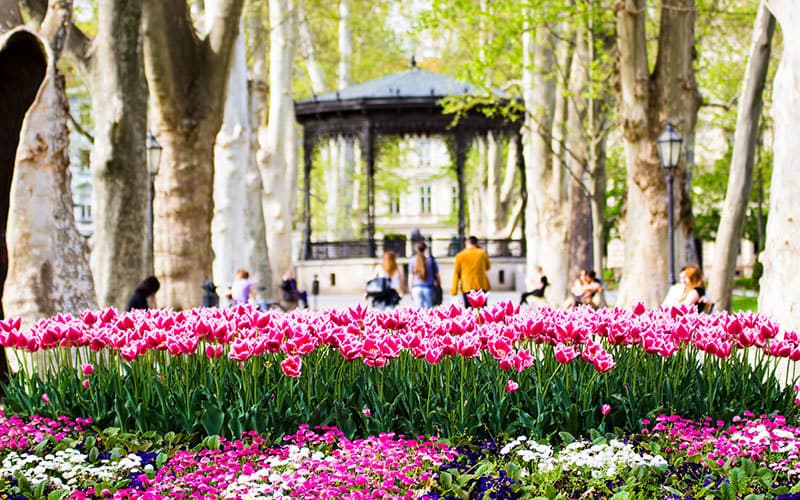
Zrinjevac Park
A beautiful green oasis in the heart of Zagreb
Celebrating Croatian Culture Year Round
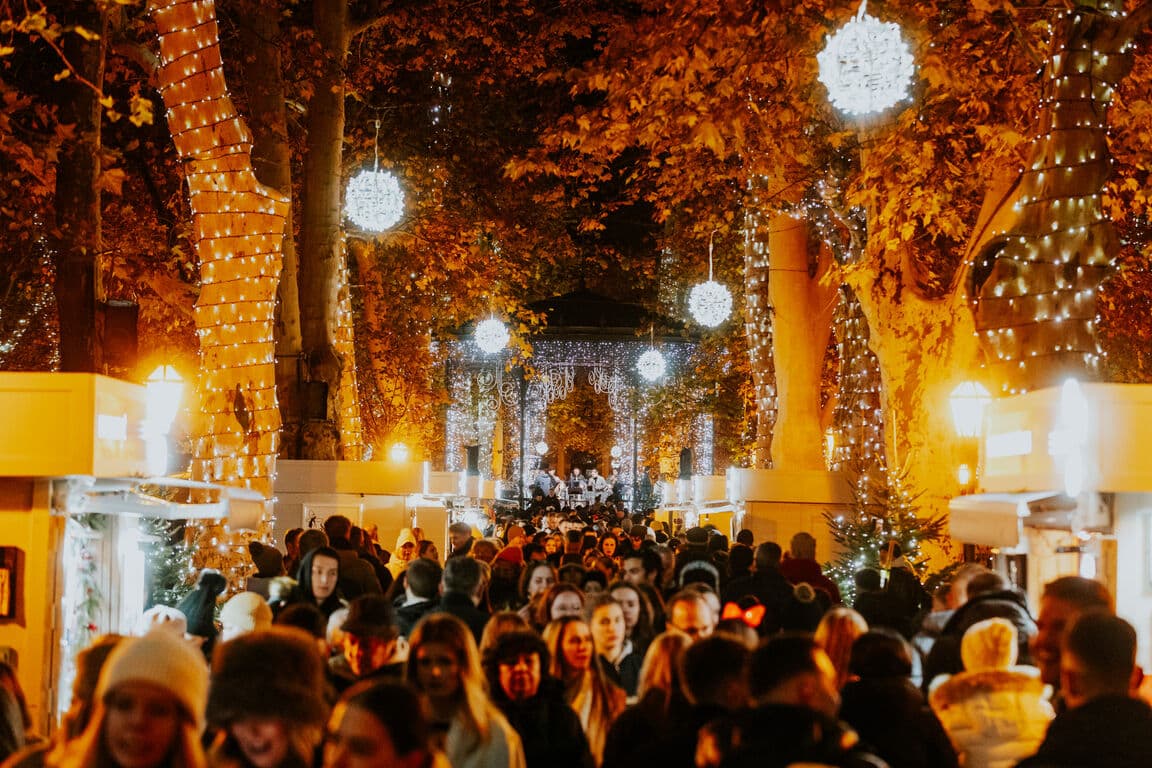
Voted one of Europe's best Christmas markets, making it a must-visit among Zagreb attractions, especially around Dolac Market.
A City Rich in Charm and Unforgettable Experiences
Whether you're wandering through its historic streets in the Upper Town, sipping coffee in its charming cafés, or exploring local flavors at the bustling Dolac Market, Croatia's capital is eager to be discovered.
- Rich history with influences from medieval times and the Austro-Hungarian era
- Thriving café culture and vibrant nightlife
- Top-notch museums and galleries showcasing world-class art and history
- Delicious food and lively market scene
- Scenic parks and nearby outdoor escapes
- Charming cobblestone streets in the historic Upper Town
Croatia's Capital Awaits
Zagreb is a city rich in Croatian culture, charm, and unforgettable experiences. From medieval towers to modern galleries, from bustling markets to tranquil parks, there's something for every traveler in this vibrant capital city.
When to Visit Zagreb
Zagreb showcases a unique charm in every season. The best time to explore depends on your preference for warm-weather adventures or winter festivities.
Spring
April–June
Mild weather and fewer crowds make spring ideal for exploring the Upper Town and outdoor attractions. The Festival of Lights in March is a magical highlight.
- Festival of Lights
- Blooming parks
- Mild weather
- Fewer crowds
Summer
July–August
Lively summer festivals celebrate Croatian culture with outdoor concerts, open-air cinema, and vibrant street life. Perfect for enjoying the city's parks and café terraces.
- INmusic Festival
- Outdoor dining
- Park activities
- Open-air cinema
Autumn
September–October
Comfortable temperatures return as the cultural season picks up. Explore museums, galleries, and the vibrant café scene without summer crowds.
- Cultural season events
- Comfortable temperatures
- Vibrant café scene
- Fewer tourists
Winter
November–March
Enchanting Christmas markets transform the city into a winter wonderland. Advent in Zagreb has been voted one of Europe's best, making it a must-visit for holiday magic.
- Advent markets
- Christmas lights
- Mulled wine
- Dolac Market visits
Your Journey Starts Here
By Air
Zagreb Airport (ZAG) offers flights from major European cities, making it easy to explore Zagreb and its vibrant Croatian culture.
By Train
Direct trains run from Vienna, Budapest, and Ljubljana, providing a convenient way to reach Zagreb attractions like the famous Dolac Market.
By Bus
Extensive domestic and international bus services connect you to the heart of the city, where you can discover the charm of the Upper Town.
By Car
Zagreb is well-connected by highways from all major Croatian regions, allowing easy access to experience the rich culture and attractions of the area.
Wine and Inland Day Trips from Zagreb
Zagreb is not only a city break base. It is also the easiest starting point for several inland Croatia day trips, including Samobor, Žumberak, and the Plešivica wine region near Jastrebarsko.
Plešivica is the strongest choice for wine lovers, especially if you are interested in sparkling wines, small family wineries, and a slower food-and-wine day outside the city. Samobor works well for an easy town visit, while Žumberak is better for nature, viewpoints, and a quieter inland route.
If you want to use Zagreb as a base for wine, inland towns, Plitvice, and the coast without overloading the route, you can request a custom Croatia itinerary.
Zagreb In-Depth Guides
Dive deeper into everything Zagreb has to offer with our detailed guides.
Where to Stay
Best areas to stay in Zagreb, from the Lower Town to Upper Town and quieter local neighborhoods.
Things to Do
Top activities and attractions — from the Upper Town to Dolac Market.
Restaurants
Where to eat — traditional Croatian, bistros, street food, and craft beer.
Day Trips
Plitvice Lakes, Samobor, Varazdin, castles, and wine roads.
Museums
The best museums in Zagreb — from Broken Relationships to contemporary art.
Frequently Asked Questions about Zagreb
Two days is enough to see Zagreb's main highlights — the Upper Town, Dolac Market, the Museum of Broken Relationships, and the cafe culture along Tkalciceva Street. Three days allows you to explore the parks, visit more museums, and take a day trip to Plitvice Lakes, Samobor, or the Zagorje castles.
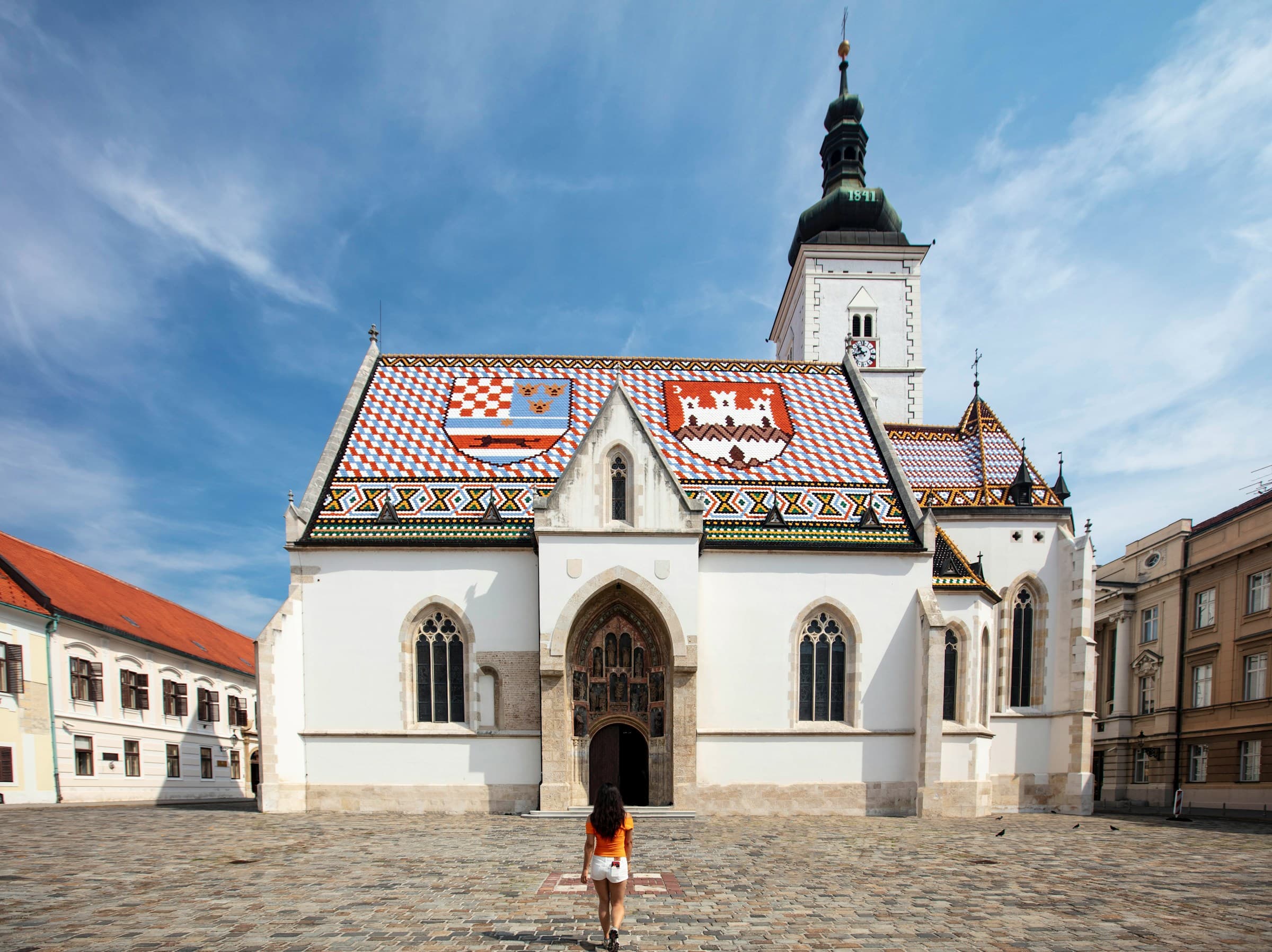
Zagreb is known for its charming Upper Town (Gornji Grad) with cobblestone streets and the iconic St. Mark's Church, a thriving cafe culture, world-class museums including the Museum of Broken Relationships and the Croatian Museum of Naive Art, and the bustling Dolac Market. The city also hosts one of Europe's best Advent Christmas markets each December.
Spring (April-June) and autumn (September-October) offer the most pleasant weather with temperatures around 15-25°C and fewer crowds. Summer can be hot (30°C+) and many locals leave for the coast. December is magical thanks to the Advent in Zagreb Christmas market, consistently rated one of Europe's best. Winter is cold (0-5°C) but atmospheric.
Zagreb is absolutely worth visiting. It offers a completely different experience from the coastal cities — Central European architecture, excellent museums, a vibrant food and coffee scene, and a more authentic local atmosphere with fewer tourists. Many visitors spend 1-2 days in Zagreb at the start or end of a coastal trip, often combining it with a day trip to Plitvice Lakes.
Zagreb's cuisine has Central European roots. Try strukli (baked cheese pastry), purica s mlincima (turkey with baked flatbread), sarma (cabbage rolls), and cremeschnitte (custard cream cake). Visit Dolac Market for fresh produce, and explore the restaurants along Tkalciceva Street and in the Upper Town for traditional dishes.
Book Tours & Experiences in Zagreb
Explore Croatia's vibrant capital with guided walking tours, food experiences and day trips to the surrounding countryside.