Why the Floodplain Is the Real Attraction
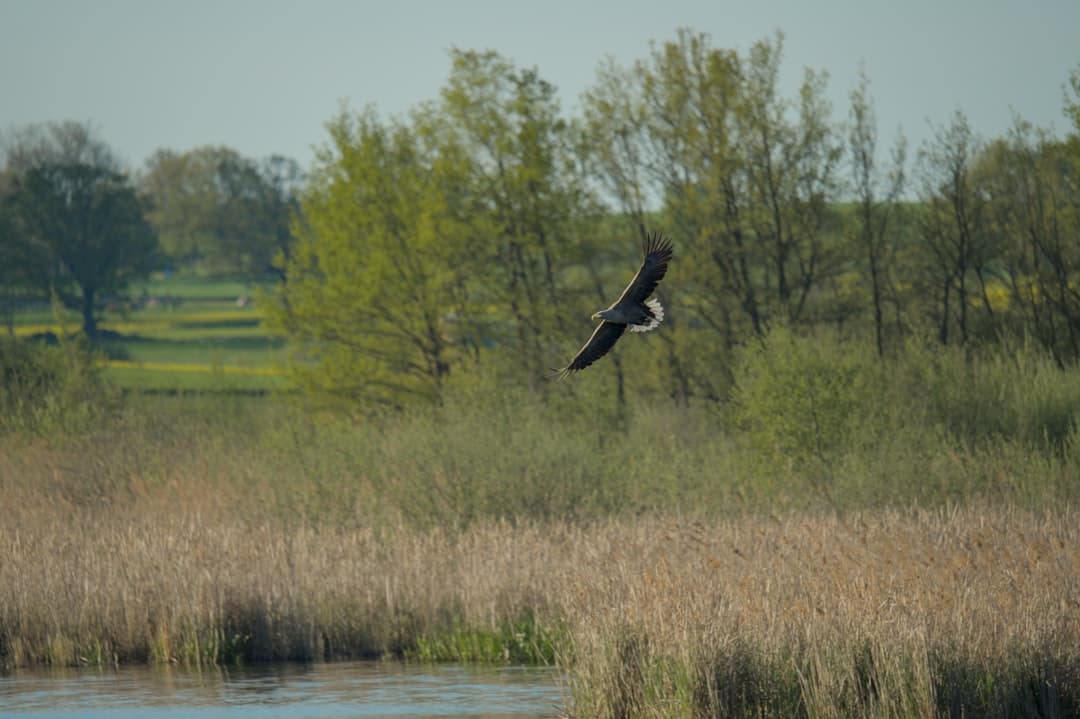
Kopački Rit owes everything to the rivers that surround it. When snowmelt from the Alps swells the Danube and Drava in spring, the water spills sideways into a vast network of channels, oxbow lakes and inundated forest. That seasonal flood pulse is what keeps the wetland alive — it deposits nutrients, refreshes the spawning grounds and turns ordinary meadows into shallow lakes where storks and herons feed.
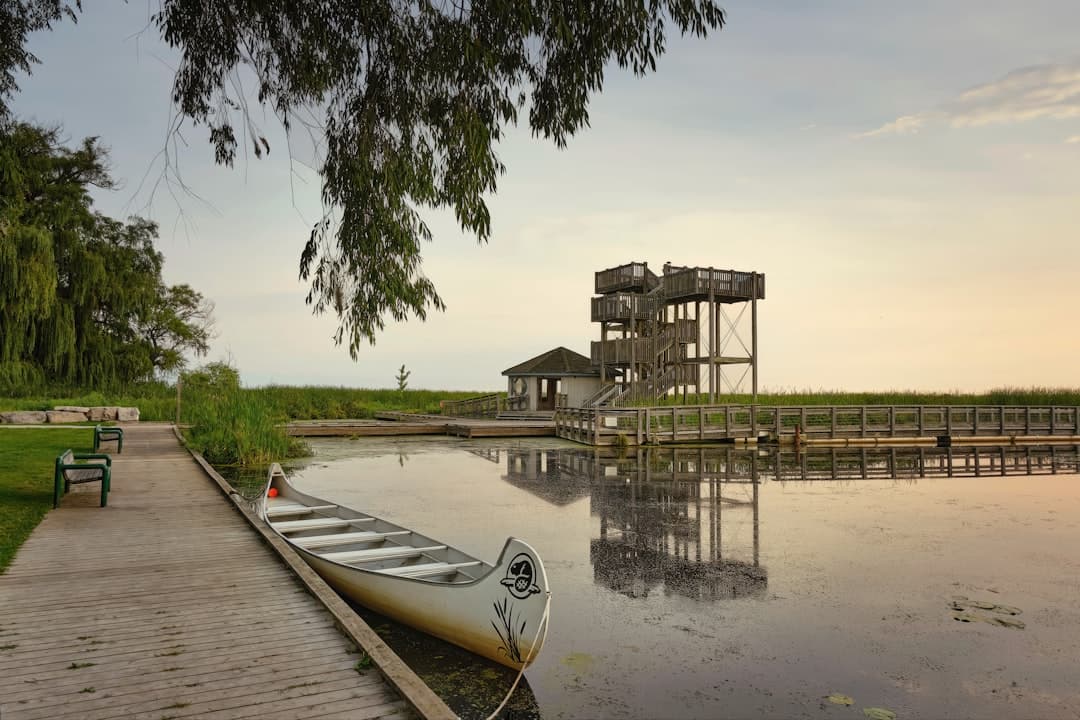
The result is one of the largest intact floodplains left in Europe and the only sizeable wetland in Croatia where the Danube still behaves as it did before regulation. Around 290 bird species have been recorded inside the park, and the mammal list runs to 55 species — roughly half of every mammal that lives in Croatia. You will see the landscape change month to month: in May you may need a boat to reach trails that are dry and walkable in October.
Quick Facts
Where it is
Baranja region, eastern Croatia, 12 km north-east of Osijek at the confluence of the Drava and Danube rivers.
Protected status
Nature park since 1999, plus a UNESCO Man and Biosphere Reserve as part of the five-country Mura-Drava-Danube transboundary reserve. Core protected zone covers around 177 km².
How to get there
Fly into Osijek (OSI) or Zagreb (ZAG, then a 3-hour drive). From Osijek bus station, Panturist coaches on the Osijek–Batina and Osijek–Beli Manastir lines stop in Kopačevo village.
Entrance fee
Basic park ticket €3. Sakadaš combo (entry plus a 1-hour boat tour) is €15 per adult; the 1.5-hour small-boat tour is €30 per person.
Best time to visit
Spring (April–June) for floodwaters and breeding birds, September–October for the deer rut and autumn migration, winter for visible mammals against bare trees.
Visitor centre
Mali Sakadaš 1 in Kopačevo, with interactive exhibits, a souvenir shop and the Didin Konak restaurant nearby.