Why Lonjsko Polje Matters
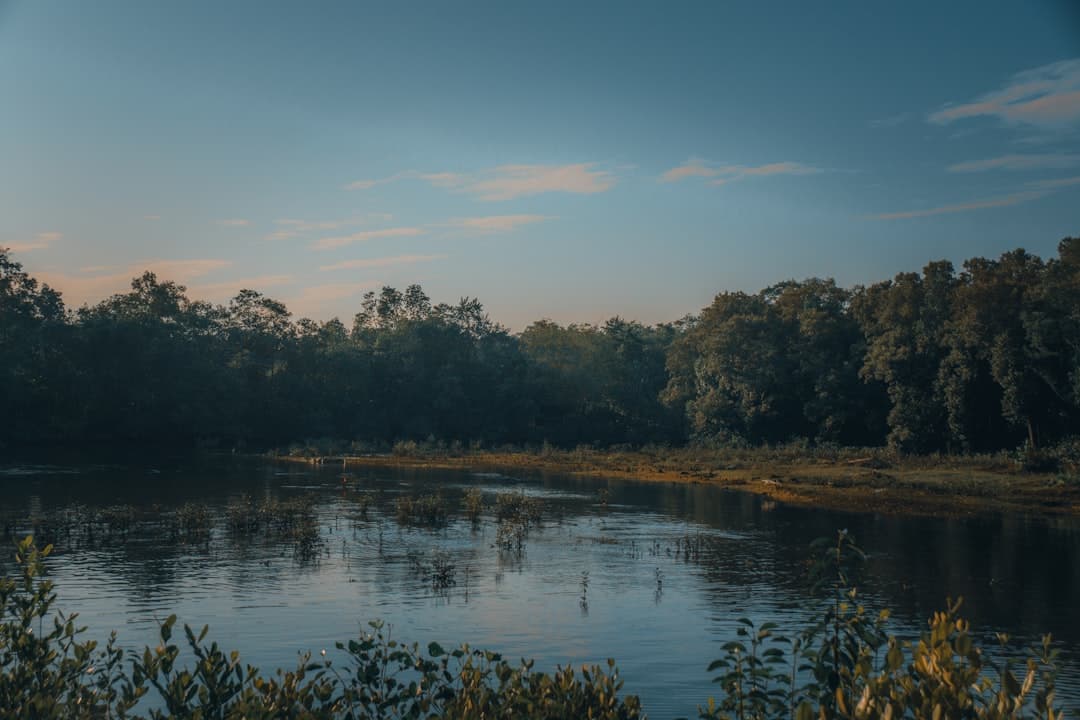
Lonjsko Polje is what most of Central Europe's river plains looked like before they were drained. The Sava floods this 506 sq km bowl every spring, and the slow seasonal pulse of water has shaped a landscape of oak forests, reedbeds and open pasture that supports about 250 bird species. It sits on Croatia's UNESCO tentative list, which gives a sense of its ecological weight without the crowds of a fully inscribed site.
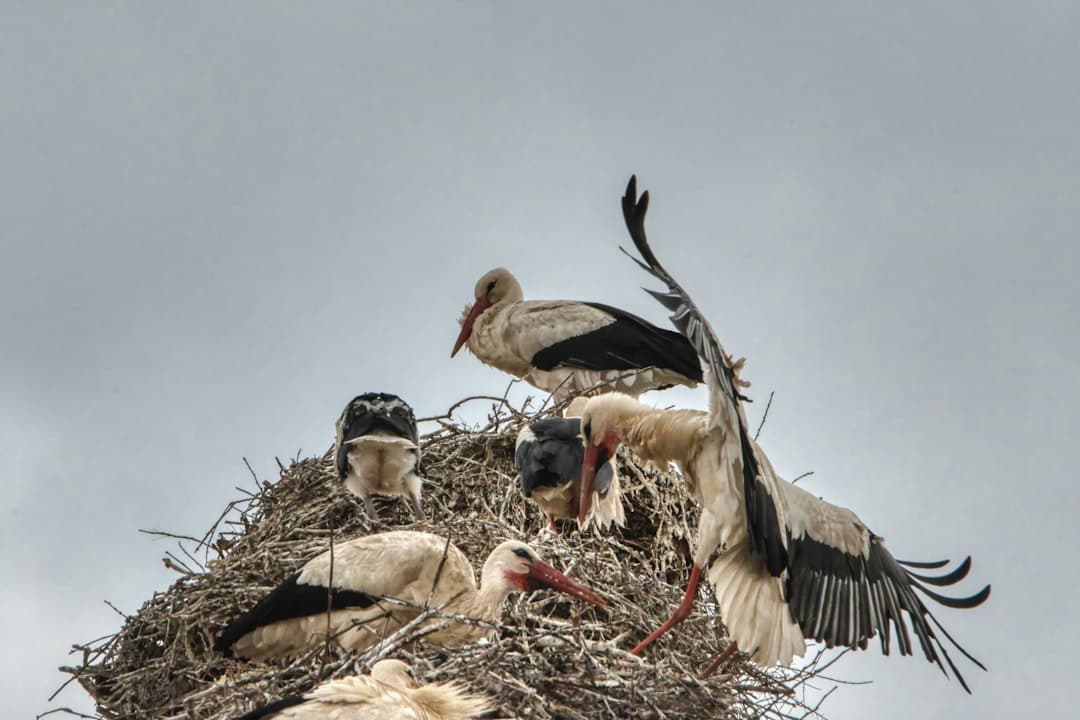
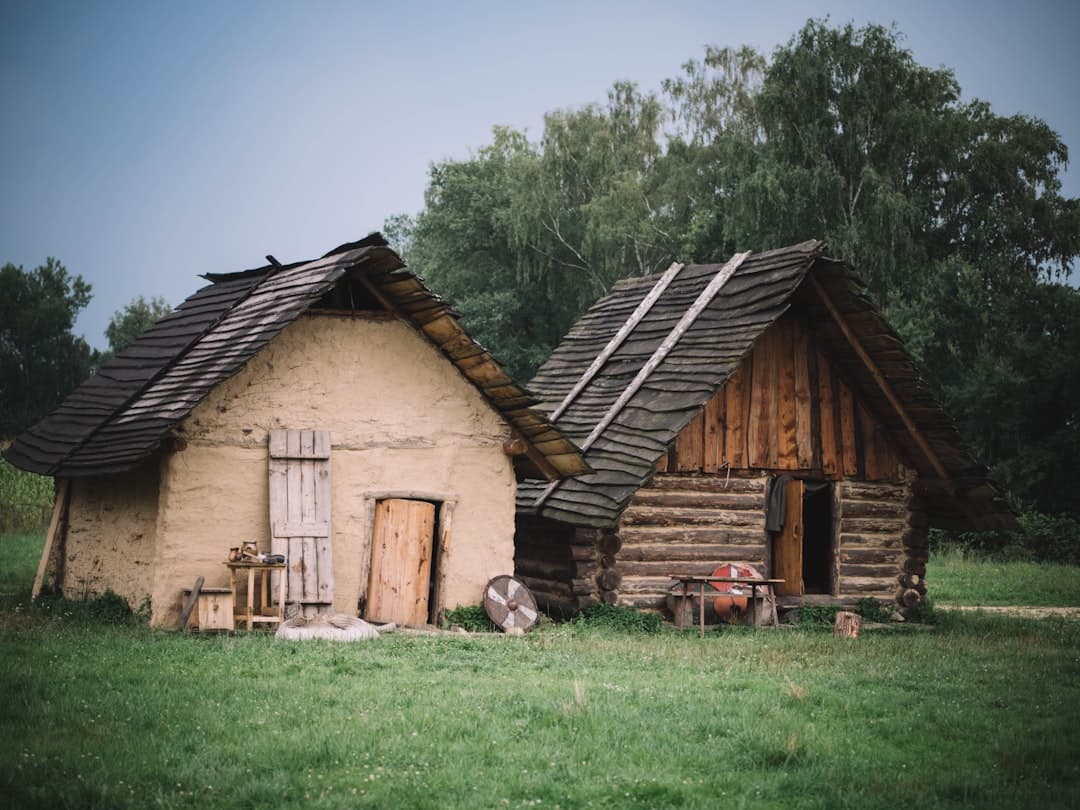
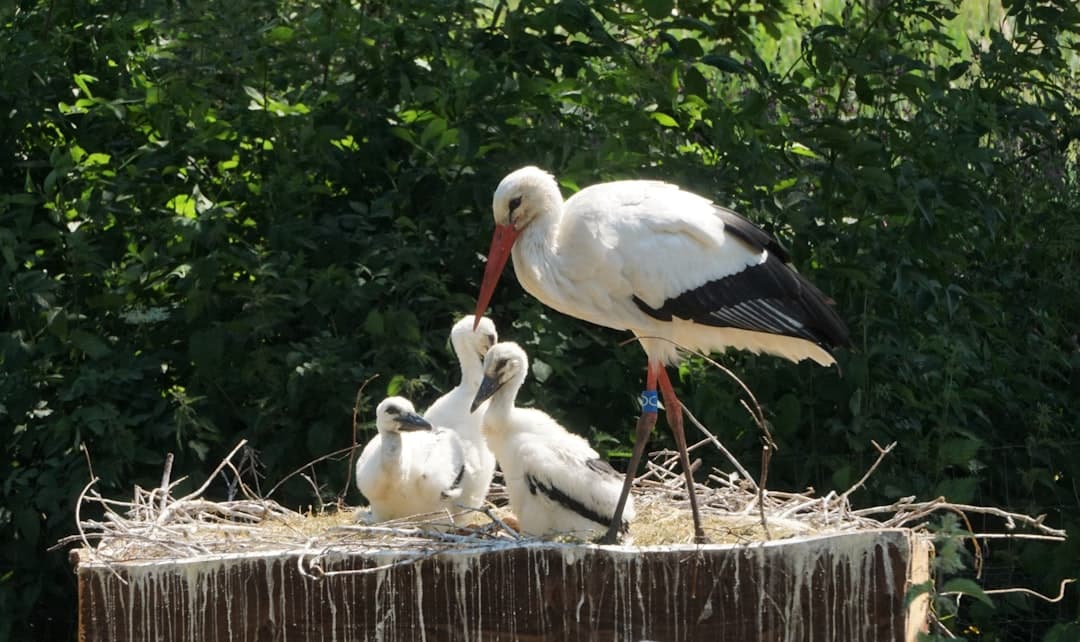
The park is also a working cultural landscape, not a museum diorama. Villagers still graze native breeds on the common meadows, and the wooden houses lining the Sava embankment are lived in rather than reconstructed. You will see laundry on the line and chickens in the courtyards, often with a stork's nest balanced on the roof above.
If you have already done Plitvice and Krka, Lonjsko Polje offers something the coastal parks do not — flat horizons, slow water, and an inland Slavonia-Posavina culture that sees a fraction of the annual visitors.
Quick Facts
Size
506 sq km (about 50,600 hectares), the largest protected wetland in the Danube basin.
Where
The Posavina region between the Sava River and Mount Moslavačka Gora, from Sisak in the west to Nova Gradiška in the east.
From Zagreb
Roughly 70 km / 1–1.5 hours by car via the A3 motorway, exit Popovača, then onward to the Repušnica reception centre.
Best time to visit
Late April to August, when white storks are nesting and the floodplain meadows are at their greenest.
Entry
A modest park ticket (around €3) covers access to Čigoć and Krapje; visitor centres open 8am–4pm daily, March to November.
Native species
White storks, Posavina horses, Podolian cattle, and the rare Turopolje pig.