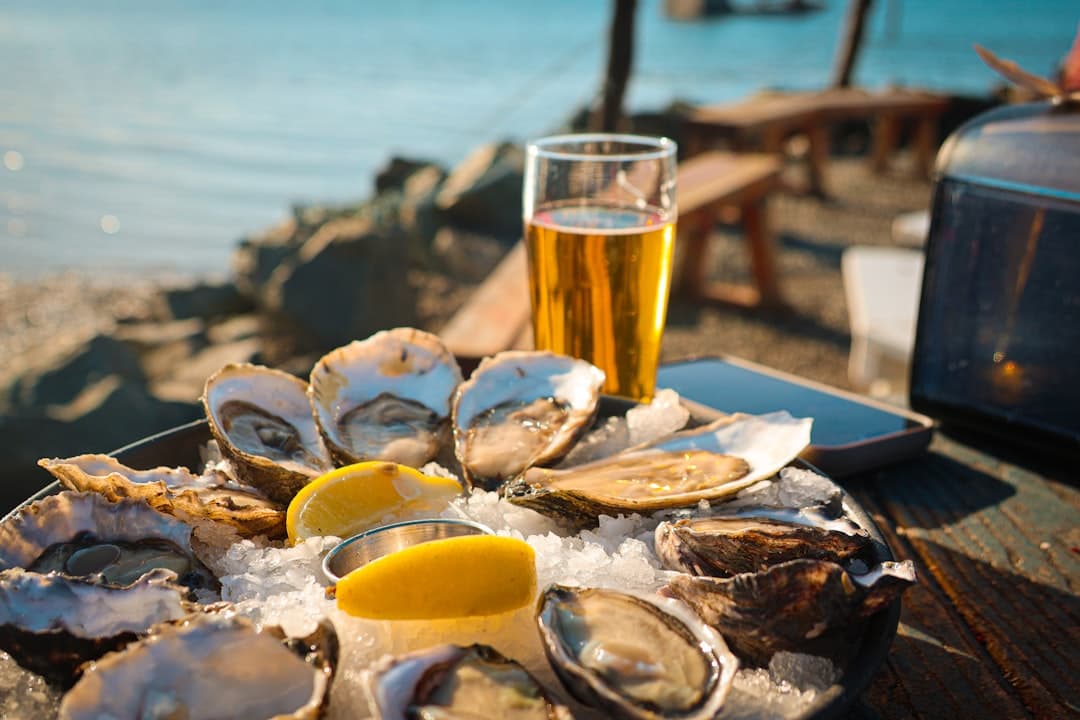
Fresh European flat oysters opened on ice with lemon wedges, served beside the water.
Back to Get Inspired
GastronomyPelješac

Mali Ston Oysters: A Guide to Croatia's Protected Adriatic Delicacy

How a sheltered bay on the Pelješac peninsula became the only EU-protected source of farmed Ostrea edulis — and how to taste them at the source.

Pelješac, Croatia

Why Mali Ston Bay Produces a Different Oyster

Mali Ston Bay is a 28-kilometre inlet enclosed by the Pelješac peninsula and the mainland, shallow and largely shielded from open Adriatic swell. Freshwater from the Neretva basin and karst springs lowers the salinity, while the warm, plankton-rich water gives oysters a longer feeding window than colder Atlantic farms. The result is a flat oyster with thicker meat, a metallic finish and a sweetness that French growers travel here to study.

The bay produces around 90% of Croatia's farmed oysters and roughly two million flat oysters a year — modest by global standards, since Ostrea edulis is slower-growing than the Pacific oyster that dominates supermarket shelves. It is also one of the few European waters where farms still collect spat directly from the wild rather than from a hatchery, because natural reproduction in the bay is unusually reliable. In 2020 the European Union granted Mali Ston oysters Protected Designation of Origin, the first time a farmed flat oyster received that mark.

The first written record of organised oyster gathering here dates to 1573, under the Republic of Ragusa, but archaeological evidence of shellfish farming in the bay reaches back to Roman times. You are tasting roughly two thousand years of continuous practice rather than a recent gourmet revival.

Quick Facts

What you're eating

Ostrea edulis, the European flat oyster, harvested from ropes suspended in Mali Ston Bay.

Where it is

Mali Ston, on the northern shore of the Pelješac peninsula in southern Dalmatia.

How to get there

54 km north of Dubrovnik on the D8 coastal road, about a 55-minute drive; twice-daily public bus from Dubrovnik takes the same time.

Best time to visit

March, when oysters are at their fullest, especially the Festival of the Mali Ston Oyster on 19–22 March.

Tour format

A 2-hour boat trip from Mali Ston harbour onto a working farm, including three opened oysters and a glass of Pelješac wine.

Status

Granted EU Protected Designation of Origin in 2020 — the first farmed European flat oyster to receive the mark.
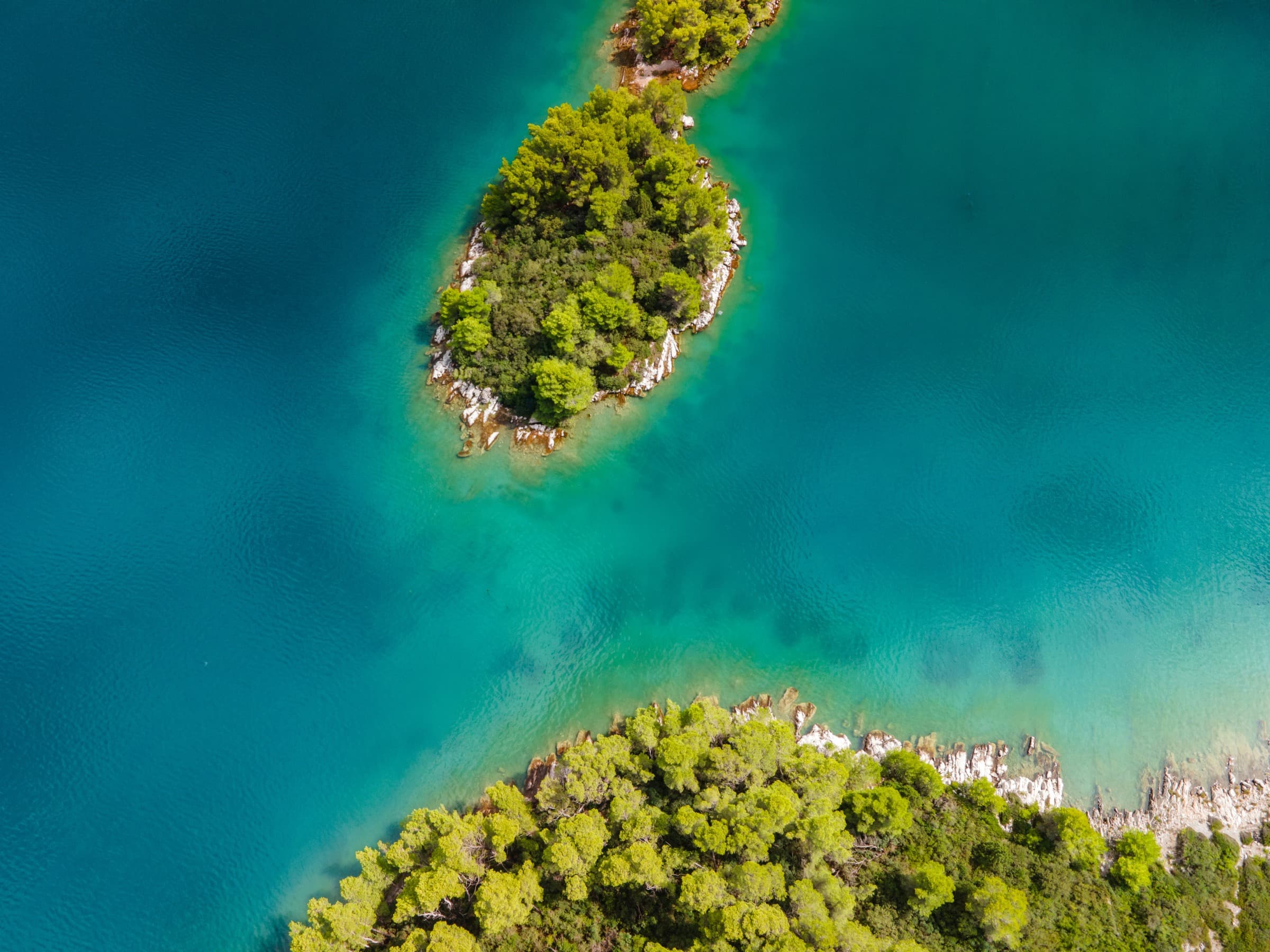
Aerial view of two small forested islands in the turquoise waters of the Croatian Adriatic.
Visit a Farm

Visiting a Working Oyster Farm

Two operators in Mali Ston run boat tours that go directly to the farm rafts you can see from the village quay. Mali Ston Oyster, the Bjelić family's farm, runs a 90-minute to 2-hour visit that pulls a rope of oysters from the water, opens them on board and pairs them with local Plavac Mali; the basic tour comes with three opened oysters, with optional winery and seafood-lunch add-ons. Bota Šare's "Exclusive Oyster Experience" begins with rakija and biscuits at the restaurant before a 15-minute boat ride to its own concession, where the host pulls up shellfish ropes and shucks oysters and mussels at the rail.

You will be given an oyster knife and a chance to open one yourself, which is harder than it looks because flat oysters have a flatter hinge than the rock oysters most visitors have practised on. Eat them as the farmers do — a few drops of lemon, no horseradish or sauce — so the mineral finish comes through. Most boats hand back the empty shells, which the farms drop into the bay to seed new spat collectors.

Tours run year-round, but the best months for taste and weather are March, April and October. Peak summer water is warmer and oysters spawn from late May into July, when the texture turns milky and the flavour softens; locals consider winter and early spring oysters the only ones worth eating cold.

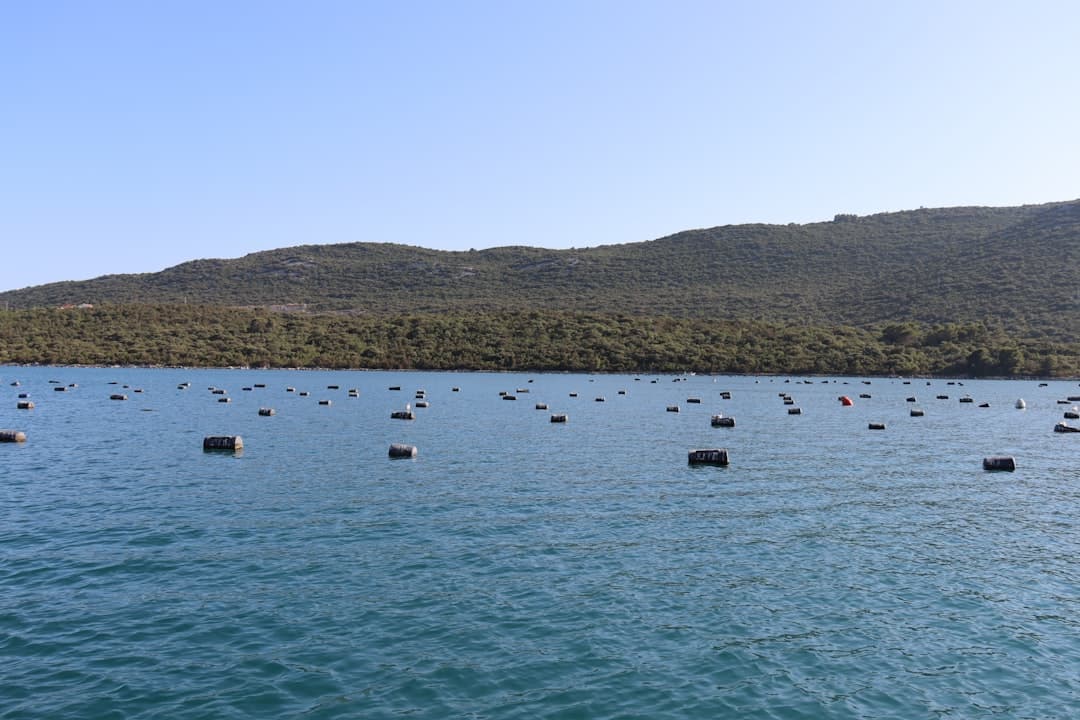
White floating buoys marking oyster lines in the calm blue waters of Mali Ston Bay, with forested hills behind.
When to Come

The Oyster Festival and St Joseph's Day

The Festival of the Mali Ston Oyster runs annually around 19 March, the feast of St Joseph, patron saint of Croatia and the date locals believe the oysters are at their fullest. In 2026 the festival ran 19–22 March across Ston, Mali Ston and the village of Brijesta, with farm tours, opening competitions, concerts on the harbour, school workshops and a market where farmers sell straight from the boat. Plan ahead next year if you want to attend: the village has only a few hundred residents and a handful of guesthouses, so the festival weekend books out months in advance.

If you cannot make St Joseph's Day, Ston also hosts a Salt Festival in late August and early September that pulls in the same gastronomic crowd around a different local product. The two festivals bracket the visiting season and give you a reason to come outside the July–August coastal rush.

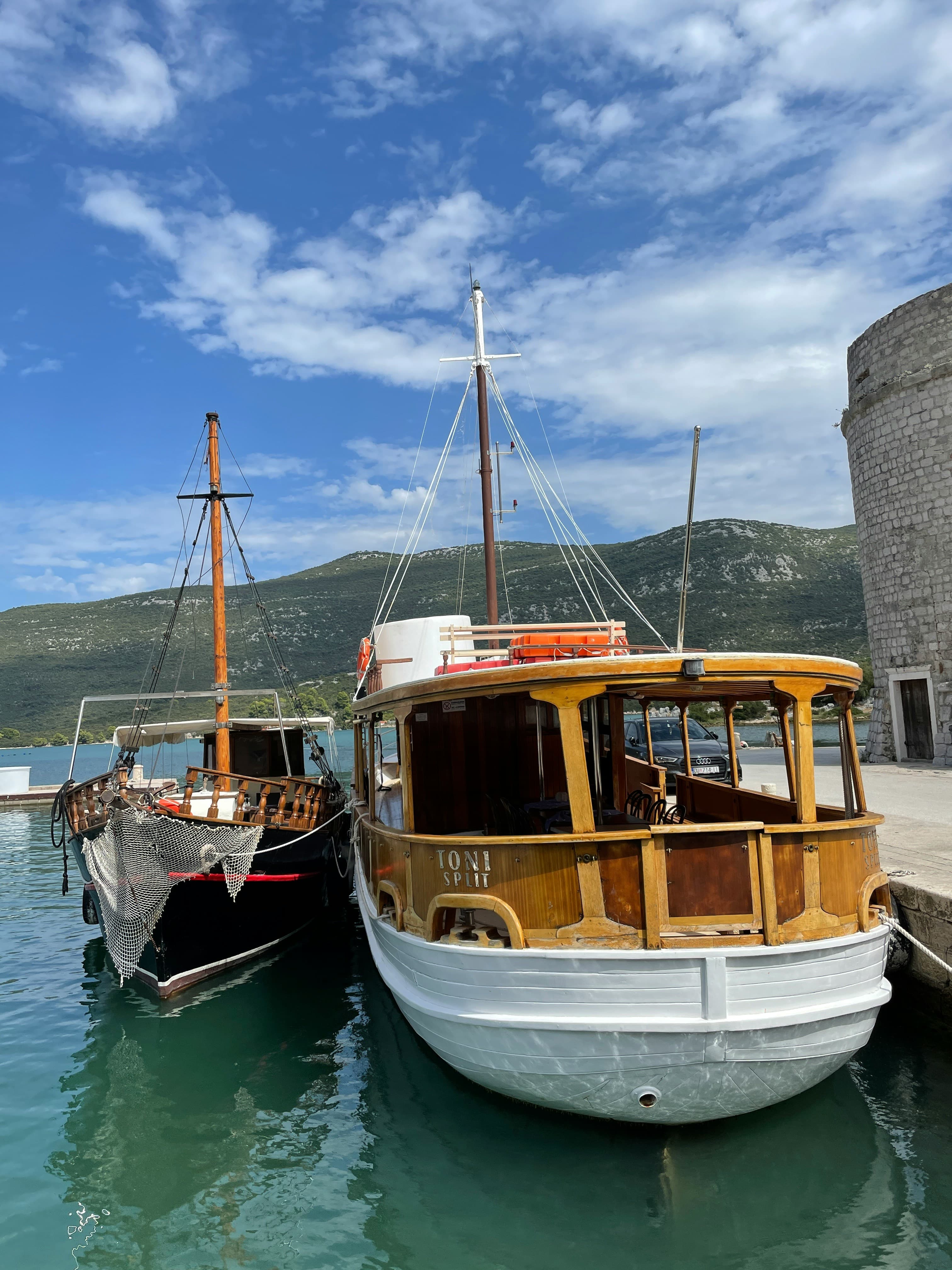
Two wooden boats moored at Mali Ston harbour with a round stone tower of the Ston walls visible on the right.
Beyond the Bay

Pairing the Oysters with Ston Itself

You should not leave the bay after only the boat trip. The walls of Ston, built between 1334 and the late fifteenth century by the Republic of Ragusa to protect the salt pans, run for 5.5 kilometres over the ridge between Ston and Mali Ston and are the longest preserved fortification system in Europe after Hadrian's Wall. The full walk takes about an hour and a half and climbs 224 metres at its highest point, with tickets sold at the gate in Ston town. Wear proper shoes — the steps are steep and uneven.

Below the walls lie the Ston salt pans, in continuous operation since at least the time of the Romans and the oldest active saltworks in Europe. Salt funded the wall-building in the first place: at its peak, salt from these pans contributed roughly a third of the income of the Republic of Ragusa. You can tour the basins on a self-guided walk and, in summer, pay to help rake salt with the workers — an unusually direct way to engage with a heritage industry.

For the second half of the day, drive ten minutes onto the Pelješac peninsula proper and stop at one of the wineries in Potomje or Trstenik. The Plavac Mali grape grown on the Dingač and Postup slopes produces the dense red wine that Mali Ston restaurants pour with cooked oysters and black risotto, and a tasting at a small producer like Saints Hills or Miloš will round out the food day without an extra hour of driving.

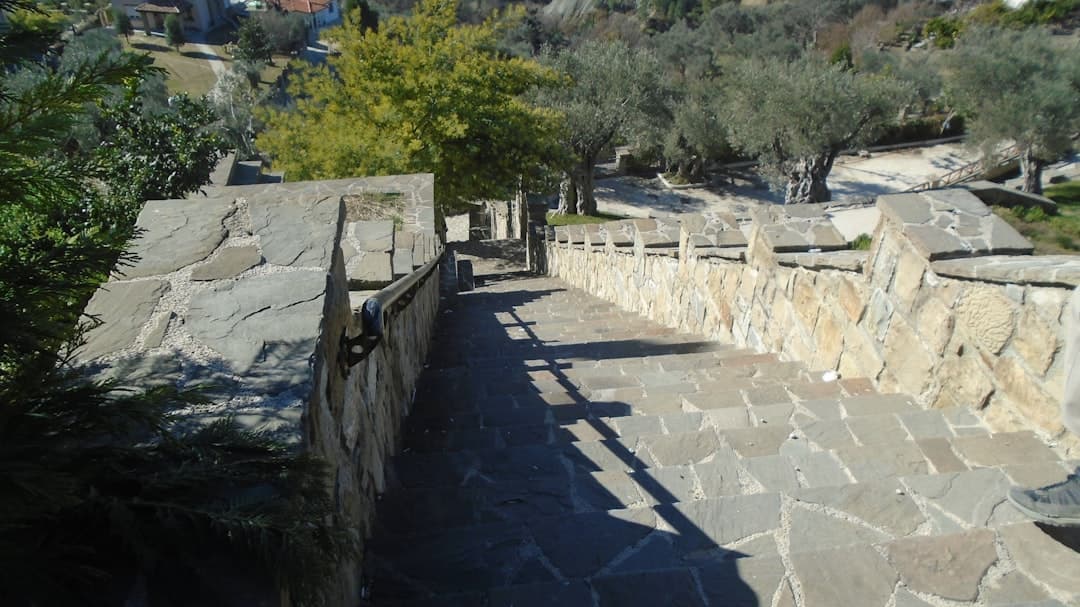
Stone walkway along the medieval walls of Ston, the longest preserved fortification in Europe after Hadrian's Wall.
Where to Eat

Where to Eat in the Village

Two restaurants in Mali Ston specialise in the local product and sit on the same short waterfront. Bota Šare occupies a 14th-century arched salt warehouse — "bota" is the old Dubrovnik word for that vaulted ceiling — and serves oysters raw, baked with breadcrumbs, and "buzara" style with white wine and garlic. Kapetanova Kuća sits on the harbour two doors down and is known for its black cuttlefish risotto and oyster soup.

If you want simpler eating, the family-run shacks along the bay sell a half-dozen oysters with bread and a glass of wine — this is how locals eat, standing at a wooden bar with the rafts visible across the water. Bring cash; not every place takes cards.

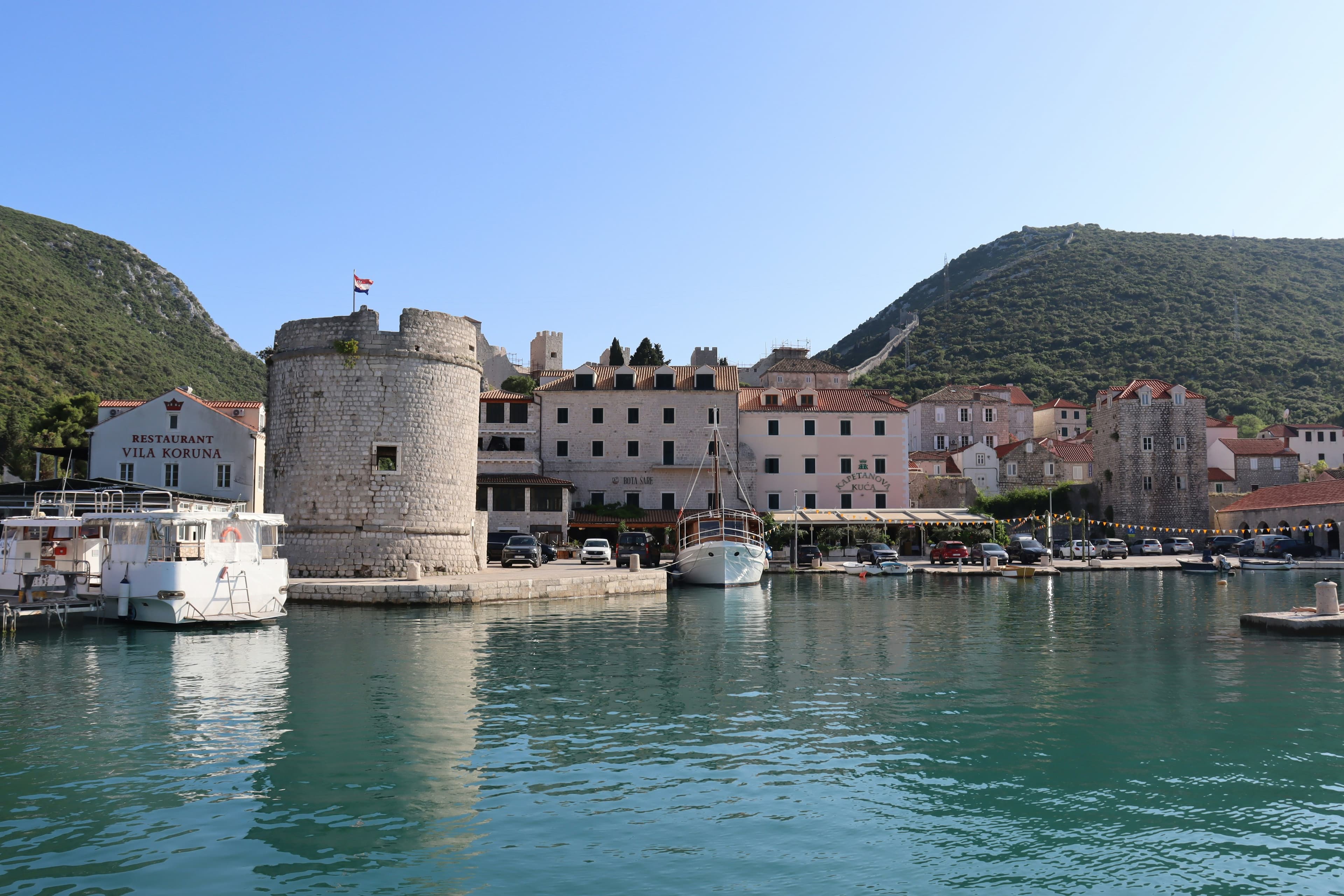
Mali Ston village waterfront with the round watchtower, the Bota Šare and Kapetanova Kuća restaurants and harbour-front buildings reflected in the still water.
FAQ

Common Questions About Mali Ston Oysters

Almost never. Annual production is around two million oysters and almost the entire harvest is sold within Croatia, mostly at the bay itself or in Dubrovnik and Split restaurants. Limited quantities reach high-end Italian and Slovenian markets, but you will not find them on a supermarket counter abroad.

In summer and around the March festival, yes. Both Mali Ston Oyster and Bota Šare take direct bookings online and tours fill at least 48 hours ahead in July and August. Outside peak season you can usually walk in at the harbour and find a boat going within an hour.

Comfortably. The drive is 54 km on the D8 coastal road and takes 55 minutes each way, so a 9 a.m. departure puts you in time for a mid-morning farm tour, lunch at Bota Šare or Kapetanova Kuća, an afternoon walk on the Ston walls and a return to Dubrovnik by sunset. Several Dubrovnik operators run combined Ston, Mali Ston and Pelješac wine day tours if you would rather not drive.

Mali Ston Bay water quality is monitored by the Institute of Oceanography and Fisheries in Split, and the farms hold export-grade hygiene certification. Reactions to raw oysters are nearly always tied to individual sensitivity rather than the bay itself; if you have never tried flat oysters before, ask the host to grill or bake one alongside the raw plate.

Locals pour Pošip, the dry white grown on Korčula and along the Pelješac coast, with raw oysters; with cooked oysters and seafood risotto they switch to Plavac Mali, the dense red from the Dingač slopes ten kilometres up the peninsula. Both wines are made within an hour's drive of the table and most Mali Ston restaurants pour them by the glass.

Explore More of Croatia

Discover more stories, hidden gems, and travel inspiration to help you plan your perfect Croatian adventure.