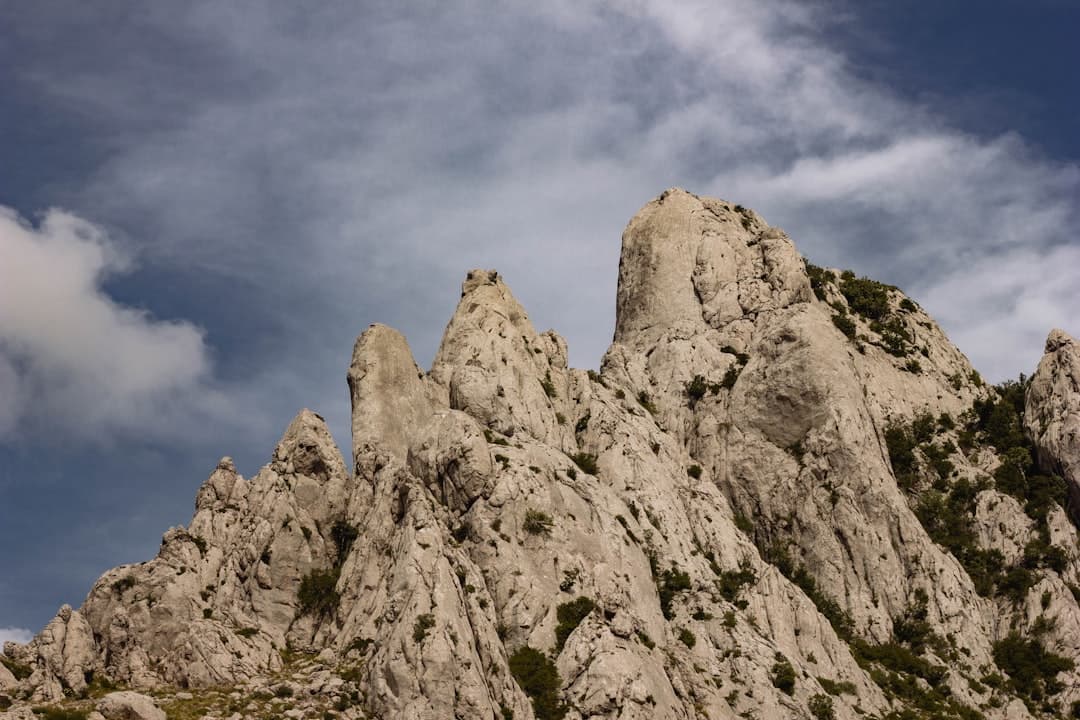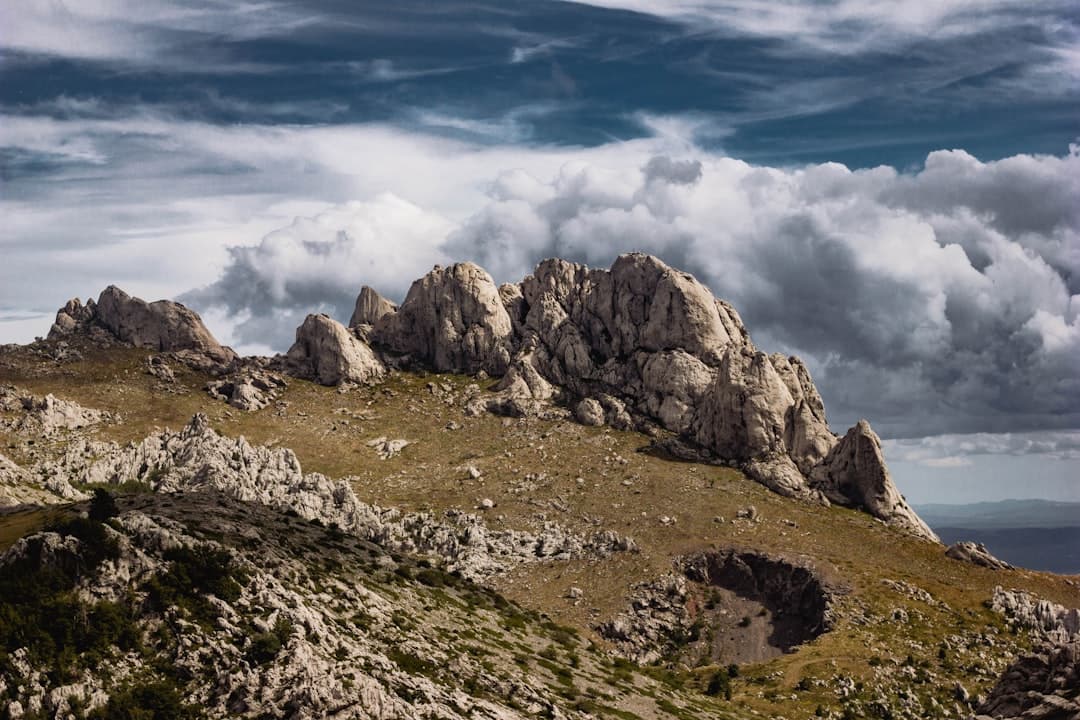
Jagged limestone peaks of the southern Velebit massif under banked cloud — the high country above Paklenica's canyons.
Back to Get Inspired
NatureSouthern Velebit

Paklenica National Park: A Complete Guide to Croatia's Climbing and Hiking Capital

Twin canyons cut through the southern Velebit, drawing hikers, climbers and cavers to one of Croatia's most rewarding inland parks.

Southern Velebit, North Dalmatia, Croatia

Why Paklenica Stands Apart from Croatia's Other Parks

Most visitors come to Croatia for islands and coastline, then discover that the country's interior pulls just as hard. Paklenica is the clearest example. The park covers two parallel canyons — Velika (Great) and Mala (Small) Paklenica — that slice the southern Velebit straight down to the Adriatic, so you can drink coffee at sea level in Starigrad and stand on a 1,700-metre summit by lunch the next day.

The walls of Velika Paklenica rise more than 700 metres on either side of the river bed, and the limestone is steep, featured and shaded for much of the day. That combination is why Paklenica became the climbing centre of southeast Europe, and why the park hosts the International Climbers' Meeting every spring around the May Day weekend. The 26th edition runs from 1 May 2026 with the Big Wall Speed Climbing race up Anića Kuk, a children's competition, the dawn-to-dusk climbing marathon and the Paklenica Film Festival.

If you don't climb, the park still earns the trip. You'll find roughly 150 to 200 kilometres of marked paths, a show cave, a working mountain hut at altitude, the half-buried command tunnels of Yugoslavia's Cold War leadership and one of the few places in Croatia where lynx, brown bear and chamois share the same forest.

Quick Facts

Location

Southern slopes of the Velebit massif, with the entrance at Starigrad-Paklenica on the Adriatic coast.

From Zadar

40 km north on the D8 coastal road, around 45 minutes by car.

From Zagreb / Split

260 km / 170 km via the A1 motorway, Maslenica exit. Around 2.5 hours from either city.

Highest peak

Vaganski vrh at 1,757 m — the highest point of the entire Velebit range.

Climbing routes

Around 590 marked sport and trad lines, grades 3 to 9a, on walls up to 350 m.

Entry fee (2026)

From about €6 in the off-season to €10 in July and August; under-14s pay half.

Best time to visit

April to early June and September to October — cooler walls, dry trails and clear skies.
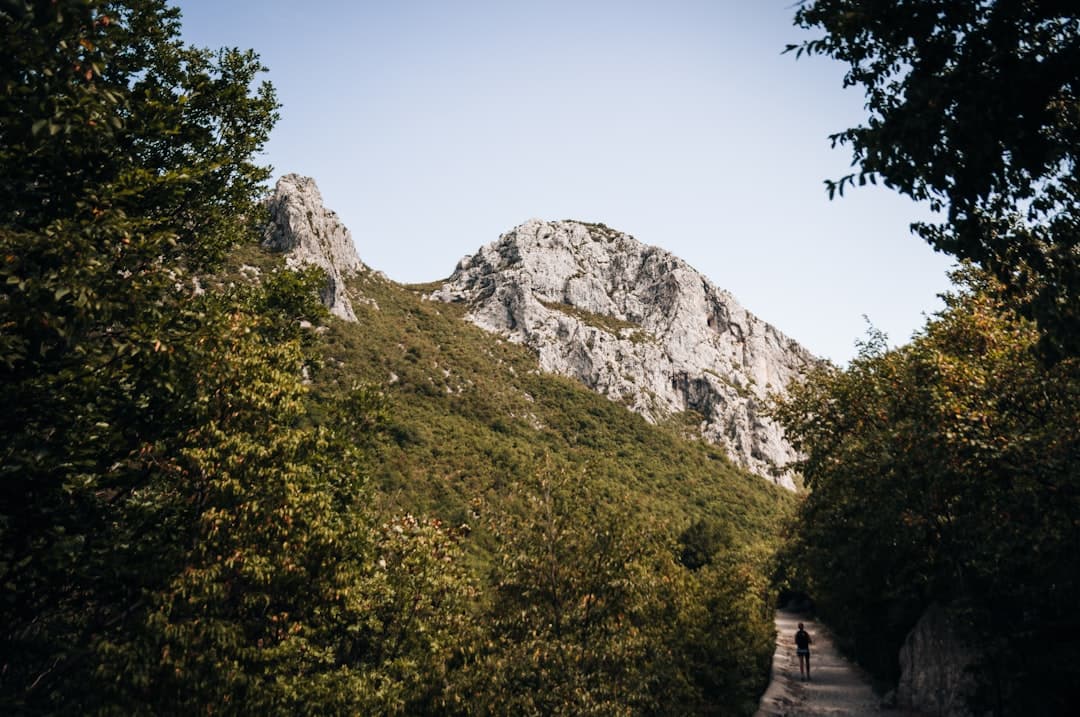
A walker on the wooded approach path to Paklenica with the limestone wall of the Velebit rising ahead.
Anića Kuk

The Climbing on Anića Kuk

Anića Kuk is the centrepiece — a 350-metre wall of compact karst that sits about thirty minutes' walk from the main car park. Multi-pitch lines run from old aid routes first opened in the 1970s up to modern sport pitches in the 8th and 9th grades, and the approach from Velika Paklenica means most climbers can be on the wall before mid-morning. "Mosoraški" and "Velebitaški" are the two best-known classics, both around 250 metres in the 5th and lower 6th grade, and both stay readable when other walls are baking.

Shorter sport routes cluster around Klanci, the narrows at the start of the canyon. The crag is a few minutes from the road, the rock is bullet hard, and the lines are well bolted, which is why local climbers bring their children here on weekends. Grades start in the 3rd and run into the upper 7th, so beginners and pros use the same parking spot. For longer trad outings, look at Debeli kuk, Veliki ćuk and Kuk od Skradelin further inside the canyon — they see fewer people but reward the walk in.

The climbing season runs roughly from April to early November. July and August can be too hot for serious days on the south-facing walls, so most visiting climbers stick to spring and autumn. The park sells a discounted multi-day climbing ticket at the entrance; pick it up before you walk in rather than at the crag.

Vertical limestone spires rising above scrubland on the Velebit — the rock type that draws climbers to Anića Kuk and the Paklenica walls.
On Foot

Hikes Worth the Day

For a first visit, the walk from the main car park to Manita Peć cave is the natural choice. The trail follows the canyon floor, then climbs steeply through pine forest to the cave entrance at 570 metres above sea level. It's about 90 minutes up and the same back, and the cave is the only one in the park open to the public. Guided tours run from 10:00 to 13:00 — Saturdays only in April, three days a week in May, June and October, and every day in July, August and September. The chambers are draped with stalactites and the temperature stays around 9°C inside, so bring a jacket even in summer.

Beyond Manita Peć, the canyon path continues to Lugarnica forest house and on to Planinarski dom Paklenica, the mountain hut at 480 metres where you can buy a meal and a bed for the night. From there, fit walkers push on to Vaganski vrh, the 1,757-metre roof of Velebit, in another four to five hours one way. Most people split the climb across two days and overnight at the hut. The summit pays out a sea-and-mountain panorama that takes in the Kornati islands, Pag and the long curve of the Velebit Channel.

If you want a shorter introduction, the Marasovići viewpoint loop above the eastern rim takes around two hours and gives you the best photograph of the canyon mouth without committing to a full day in the park. Mala Paklenica, the southern canyon, is wilder and unsignposted in places — leave it for return visits with a map and good footwear.

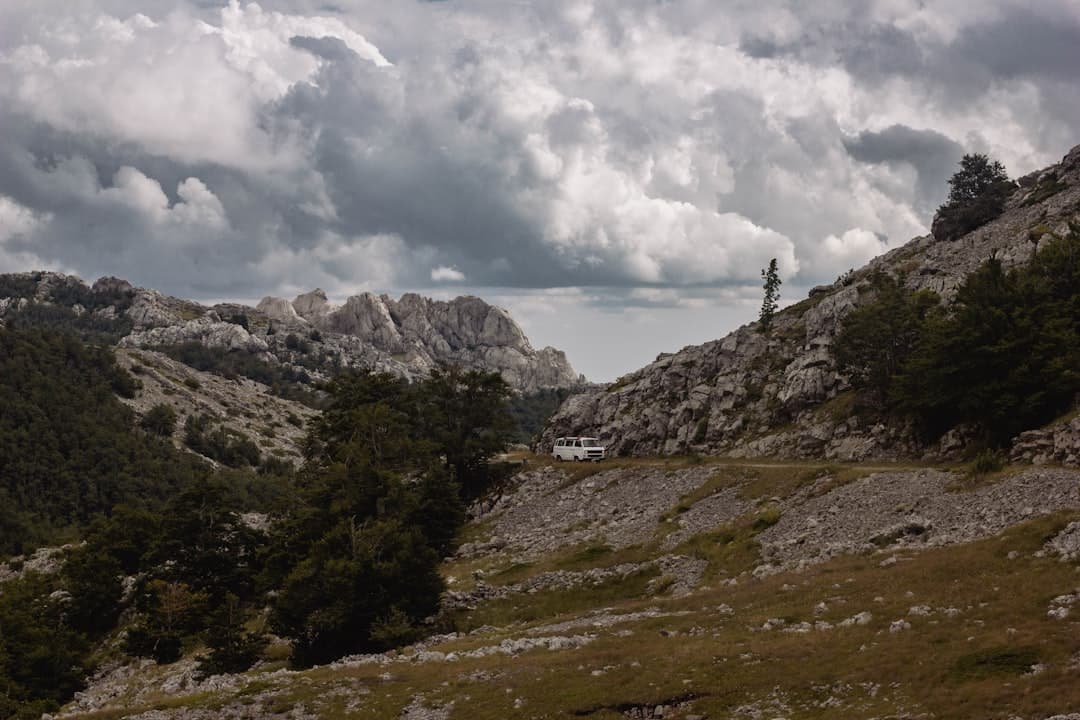
A walker on a stony Velebit trail with pine forest below and bare ridges above — the mid-altitude scenery on the way to Vaganski vrh.
Hidden History

The Tito Tunnels and the Park's Quieter History

Carved into the live rock at Klanci is a 175-metre tunnel system built in the early 1950s as a wartime command bunker for Josip Broz Tito and the Yugoslav general staff. The tunnels stayed secret until the 1990s and now operate as a small interpretation centre with a multimedia exhibition on the geology, climate and wildlife of the park. Entry is included with your park ticket and the cool stone corridors make a useful refuge on hot afternoons. There's a café set into the rock at the entrance and a small bouldering wall inside the tunnel network that climbers use as a warm-up.

The park's cultural layer doesn't stop with Tito. Above the canyons, you can still find dry-stone shepherds' settlements at Veliki Vaganac and Ramići, with mirila — engraved memorial stones marking where coffins were rested on the long carry from the mountain to the coast for burial. Velebit was a working pastoral landscape into living memory, and the trails you walk on were once stock routes between summer and winter pasture.

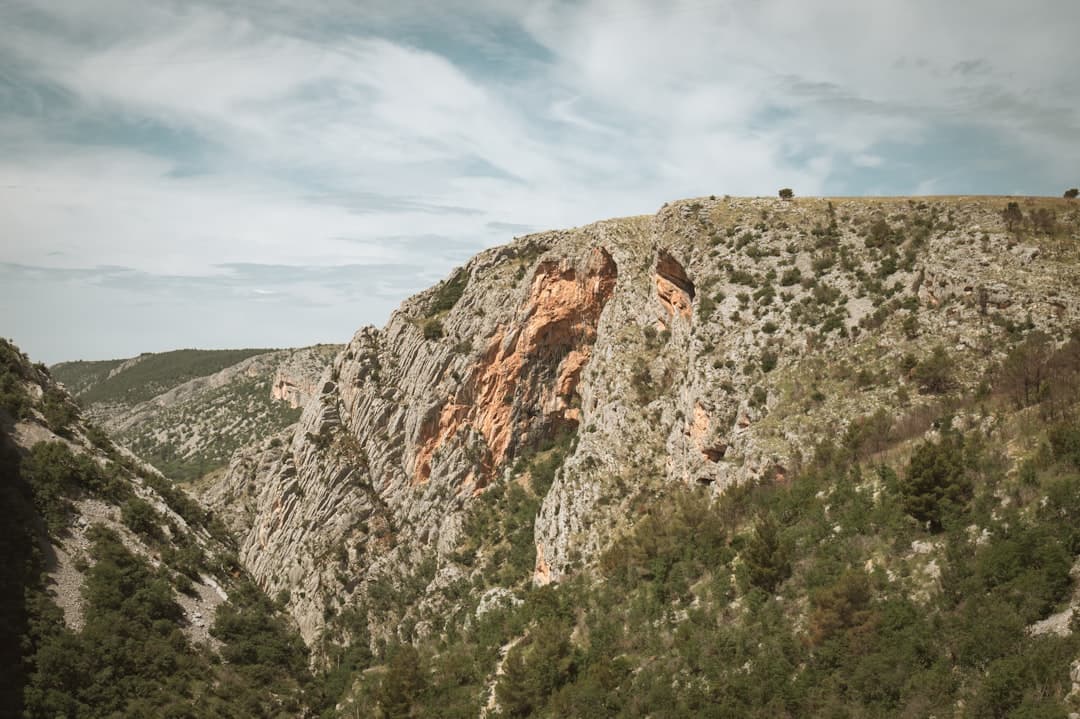
A sheer rock face flanked by pine forest above the canyon floor, evoking the cliffs at Klanci where the Tito tunnels are cut into the wall.
Practical Info

How to Plan Your Visit

Base yourself in Starigrad-Paklenica or the neighbouring village of Seline, both strung along the D8 within ten minutes of the entrance. Apartments and small family hotels dominate; book ahead for the May climbing meet and for August. Zadar makes a workable base too if you want city dinners and museums in the evening — it's a 45-minute drive each way.

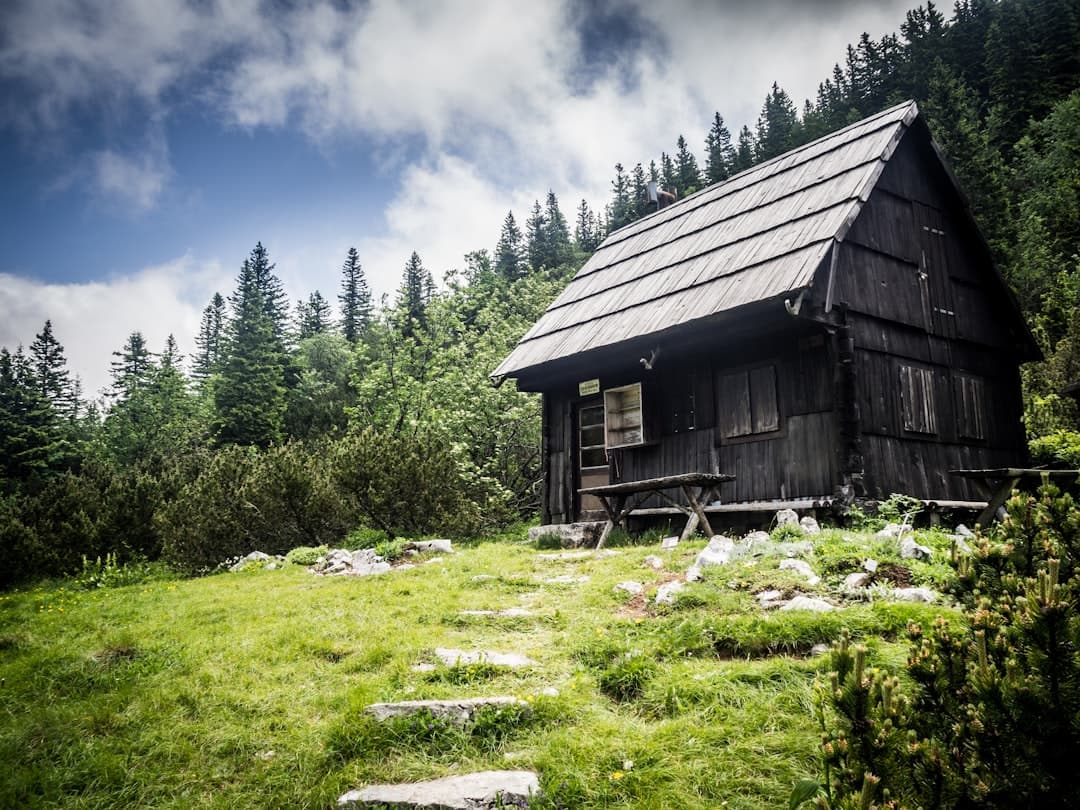
A traditional dark-timber mountain hut among pines on a stone meadow — the kind of base used by walkers staying inside the Velebit.

Where to base yourself

Starigrad-Paklenica and Seline put you within ten minutes of the canyon entrance and dominate the local apartment and small-hotel scene. Zadar (45 minutes by car) works if you prefer city dinners and museums in the evening. The mountain hut Planinarski dom Paklenica, at 480 metres in the canyon, offers dorm beds and meals from spring to autumn — book ahead in peak weeks.

Getting to and around the park

You'll need a car. Public buses run Zadar–Starigrad several times a day, but the park entrance is still a 1.5-kilometre walk inland from the village and there is no shuttle inside the canyon. Park at the official lot at the canyon mouth (charged separately from your entry ticket), then continue on foot.

On the trail

Drone use is forbidden inside park boundaries, mobile coverage drops off after the first kilometre of the canyon, and there is no drinking water along the trails beyond Lugarnica, so carry at least two litres per person in summer. Bring sturdy walking shoes even for the cave hike — the path turns to loose scree above the canyon floor.

For climbers

Bolts in Paklenica are well maintained but the routes were originally trad, so a small rack of cams and nuts is still useful on older lines. Pick up the discounted multi-day ticket at the entrance rather than at the crag, and consider renting a topo from the park office — they are worth the few euros for the full route inventory.

FAQ

Common Questions About Paklenica

No. Walkers, families and photographers make up most of the visitors. The path along the Velika Paklenica canyon floor is wide and gentle for the first kilometre, and the Manita Peć cave tour is suitable for any reasonably fit adult or older child. Climbing is what makes Paklenica famous internationally, but it accounts for a small share of the people you'll see.

Late April, May, September and early October give you the most reliable mix of cool walls, dry trails and open services. The cave is fully open from July through September if seeing it matters to you. Avoid mid-summer afternoons for hard climbing or summit pushes — the south-facing rock holds heat, and storms build over Velebit on hot days.

From Zadar, yes — you can reach the entrance by 9:00, walk to Manita Peć or up the canyon to Lugarnica and be back in the city for dinner. From Split, the round trip on the A1 motorway is closer to seven hours of driving plus park time, so plan to overnight in Starigrad rather than commute. Tour operators in both cities run guided day trips during the season.

The lower canyon and the Klanci sport-climbing crags are popular with families. Children under 14 pay half the entry fee. The Manita Peć trail involves about 400 metres of ascent and shouldn't be attempted with very young children unless they are used to mountain walking. Strollers and prams cannot go beyond the first kilometre of the canyon floor.

The mountain hut Planinarski dom Paklenica, at 480 metres in the canyon, offers dorm beds and meals from spring to autumn — booking ahead is essential in peak weeks. Higher up, the Struge bivouac and the Velebit Premužić trail huts give you options for multi-day traverses across the range. Wild camping inside national park boundaries is not permitted.

They are short, free with your park ticket, and they sit right at the canyon entrance, so there's no reason to skip them. The exhibition takes about thirty minutes to walk through and gives useful context on the park's geology and the surrounding region. Combining the tunnels with the cave hike makes a satisfying full day even if you never leave the lower canyon.

Explore More of Croatia

Discover more stories, hidden gems, and travel inspiration to help you plan your perfect Croatian adventure.