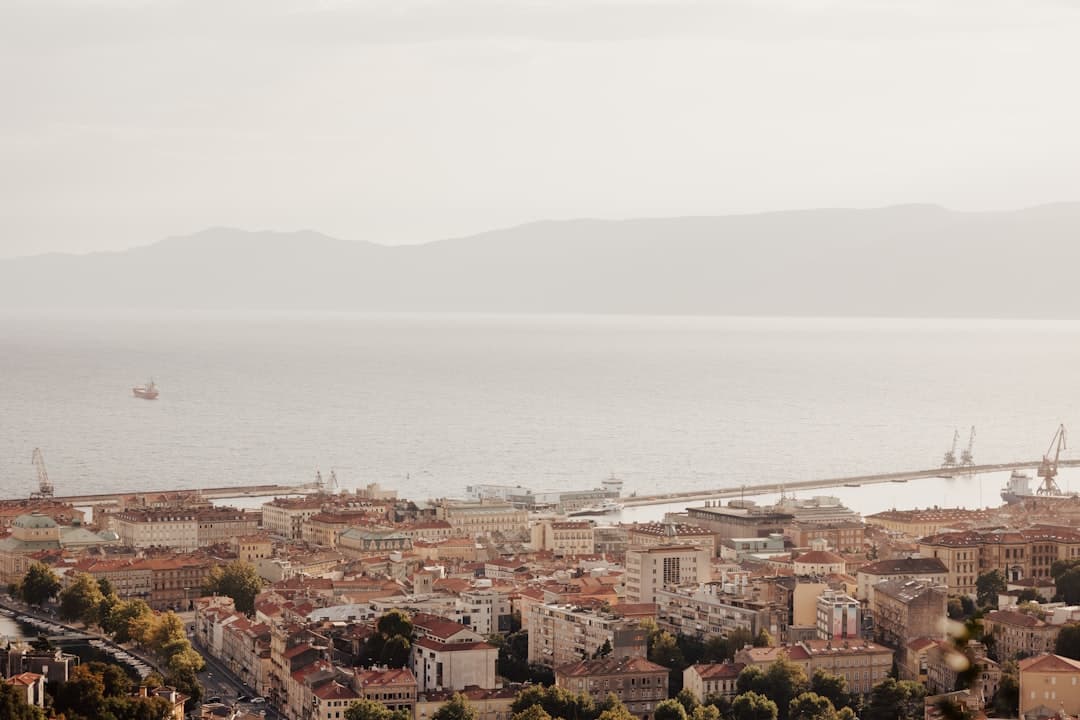
Why Rijeka Throws the Biggest Party in Croatia
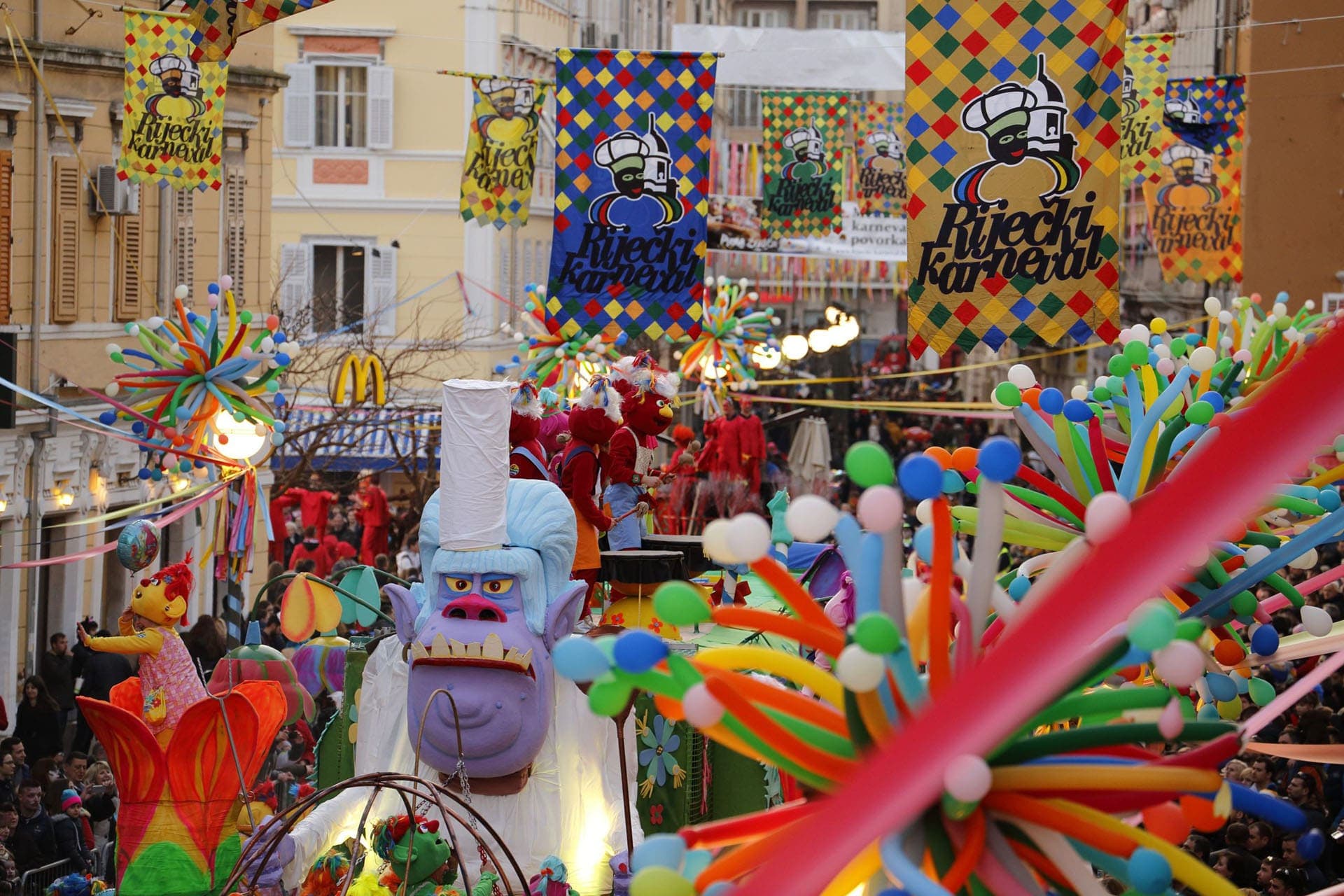
Rijeka's carnival has medieval roots and a 19th-century glow-up. When Kvarner sat inside the Austro-Hungarian Empire, the city's masked balls drew minor European royalty, and the tradition only quietened during the 20th century's various political upheavals. The modern festival was relaunched in 1982 by three masked groups — the Halubje Bell Ringers, Pehlin's Party People, and the “No Problem” group — with backing from the local tourist board, and has grown almost every year since.
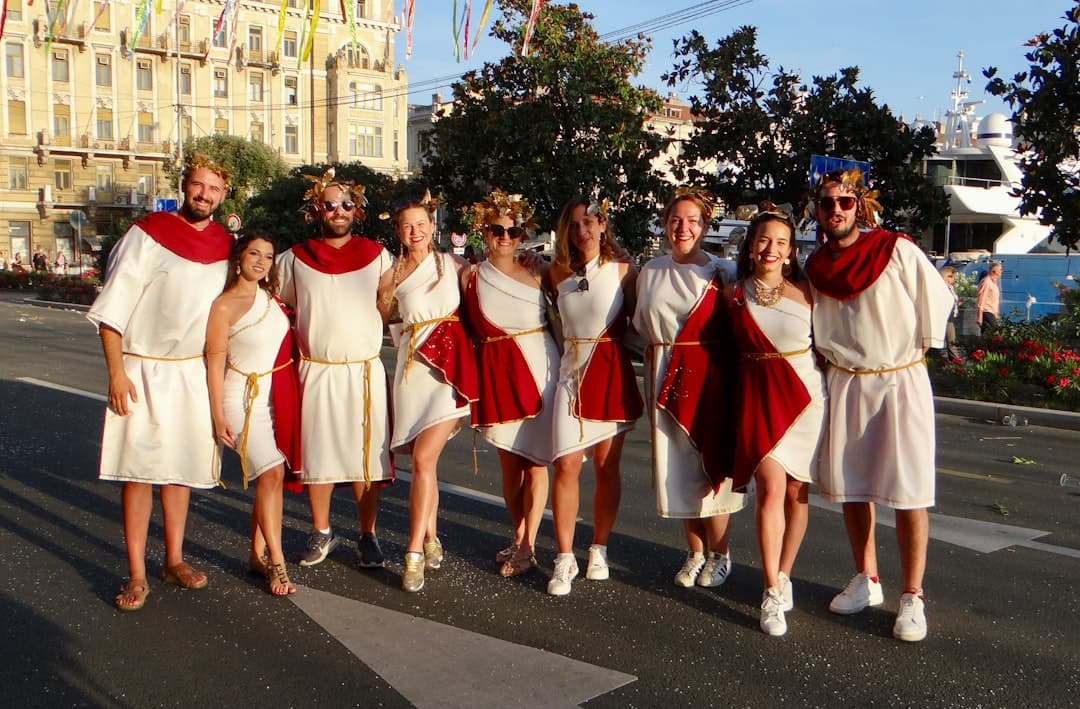
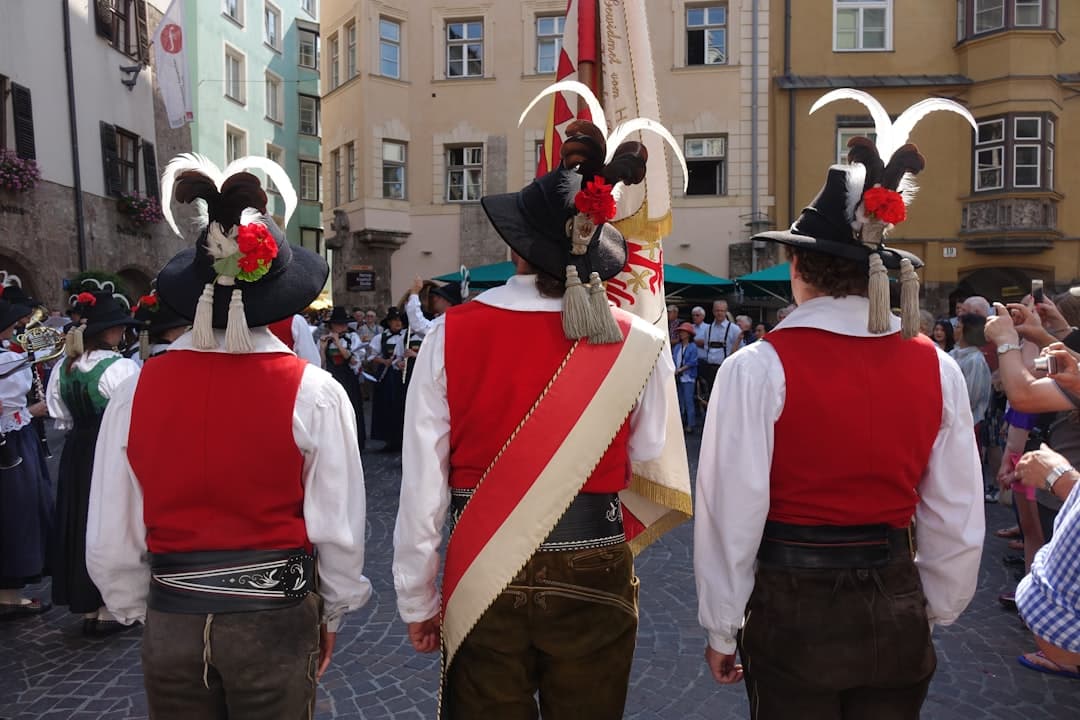
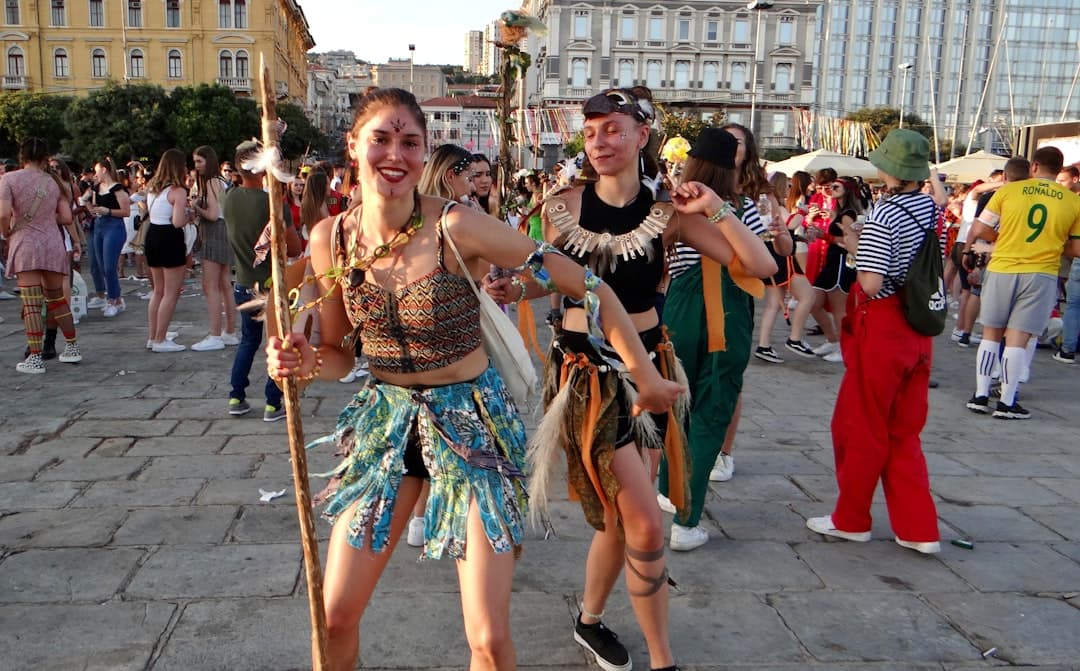
The result is a carnival that feels both deeply local and unmistakably international. You will hear samba schools from Brazil and pipe bands from northern Italy in the same parade as villages from the Kvarner hinterland whose costumes have not changed in centuries. Locals call the carnival period the “fifth season”, and for those weeks the city genuinely operates on a different rhythm: school timetables shift, shop windows fill with masks, and the Korzo — Rijeka's pedestrianised main artery — is given over to the festivities.
Quick Facts
What it is
Croatia's biggest carnival and one of the largest in Europe, running annually from late January to mid-February.
Where
Rijeka, on the Kvarner coast roughly 130 km south of Ljubljana and 165 km south-west of Zagreb.
2026 dates
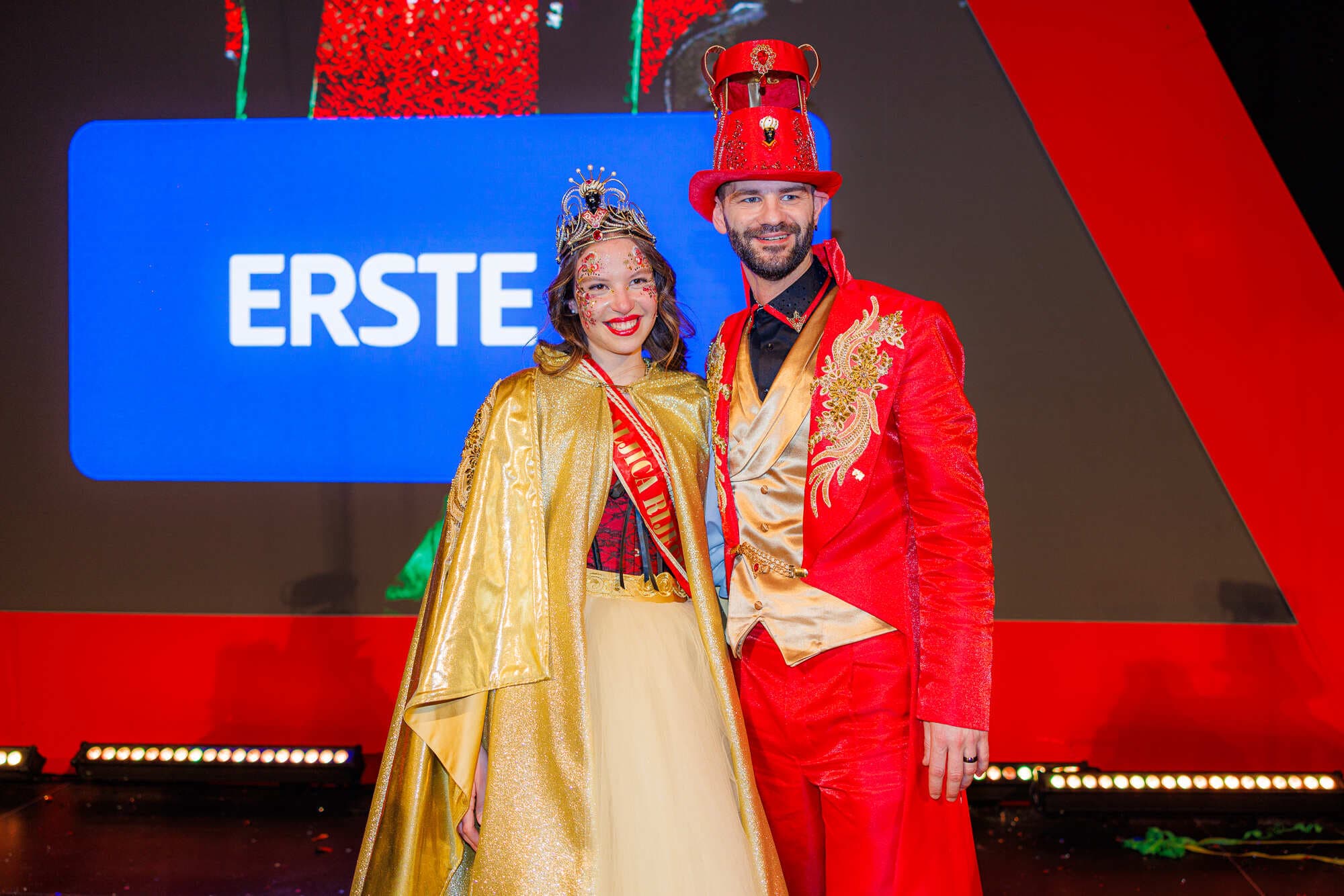
Queen Pageant on 23 January, Children's Parade on 31 January, International Carnival Parade on Sunday 15 February (starts 12:00).
Scale
More than 10,000 masqueraders in over 100 groups parade along the Korzo on the main day.
UNESCO link
The sheepskin-clad Zvončari (bell ringers) of the Kastav region were inscribed on UNESCO's Intangible Cultural Heritage list in 2009.
Getting there
Rijeka has its own airport on Krk island (RJK), but most international visitors fly into Zagreb or Pula and continue by bus or car (about 2 hours from either).