The medieval hilltop town of Motovun rising above terraced vineyards and oak forests — the heart of Istria's truffle country.
Back to Get Inspired
GastronomyIstria

Truffle Hunting in Istria: How to Join a Real Hunt in the Motovun Forest

Inside the damp oak woods around Motovun and Buzet, trained dogs unearth white and black truffles that supply some of Europe's most demanding kitchens. You can join the hunt yourself.

Istria, Croatia

Why Istria Is the Truffle Capital of Croatia

The grey, clay-heavy soil of inland Istria, kept damp year-round by the Mirna river, is one of the few places in the world where the prized white truffle (Tuber magnatum pico) grows in commercial quantities. The forests around Motovun, Livade and Buzet share their geology and climate with Italy's Alba region across the Adriatic, and the truffles produced here trade at the same prices on European markets.

The Istrian truffle industry is also young in a way that helps visitors. Hunting only became a recognised local livelihood in the mid-twentieth century, and most of today's operators are still family businesses on second or third generations of dogs and woodlands. That means you book directly with the people doing the hunting, not through a layered tourism chain, and the experience tends to be unhurried.

The single fact most often repeated in Istria is that on 2 November 1999 a hunter named Giancarlo Zigante and his dog Diana pulled a 1.31-kilogram white truffle out of the soil near Buje. It went into the Guinness World Records as the largest truffle ever found, and the Zigante name has since grown into the region's biggest commercial brand. The cast of a smaller version sits behind glass in the Zigante shop in Livade if you want to see what a record looks like.

Quick Facts

Where

Motovun Forest and the villages around Buzet and Livade, central-northern Istria.

Closest airport

Pula (about a 75-minute drive); Trieste in Italy is roughly the same distance.

Season

White truffle harvest runs October to December; black truffle is found from June to March.

Tour length

Hunt only is around 60 minutes; hunt plus tasting runs about 2.5 hours.

Typical price

From €45 for a hunt-only experience; €70–€90 with a sit-down tasting.

Best base

Motovun, Livade, Buzet or Grožnjan for hilltop atmosphere; Rovinj or Poreč if you want the coast nearby.
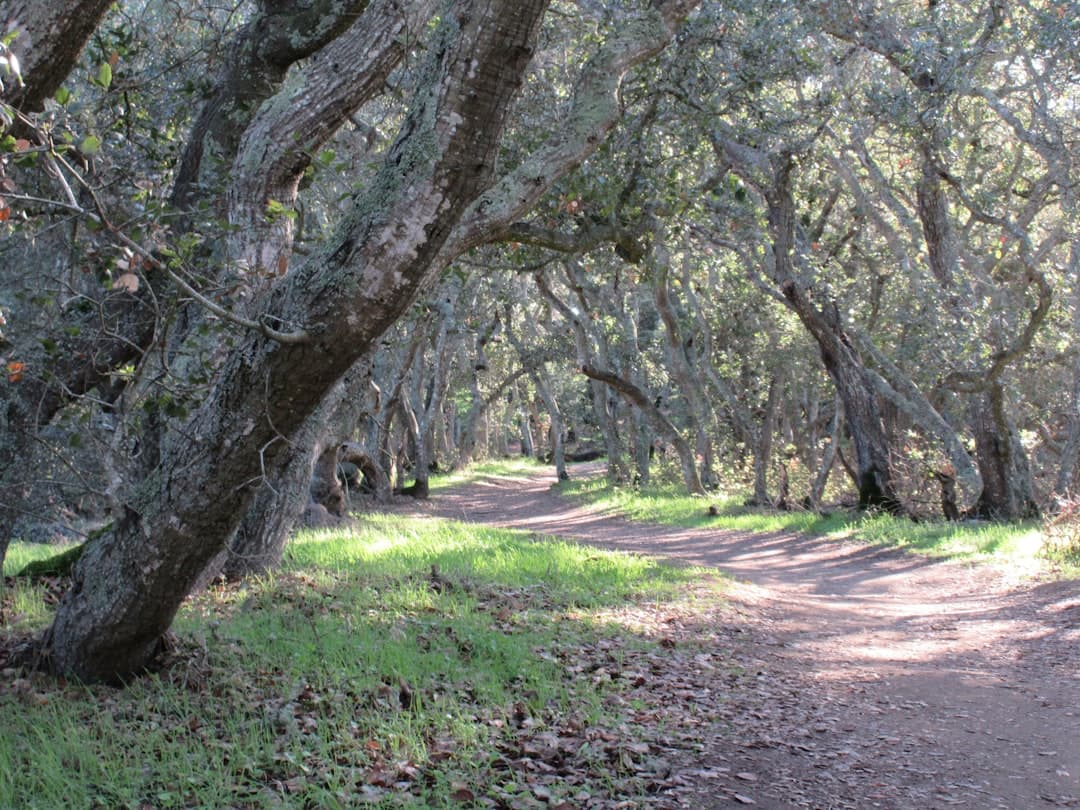
A winding dirt path through old oak trees — the kind of damp inland forest where Istrian truffle dogs work the slopes.
On the Hunt

How a Hunt Actually Works

A typical morning starts at a farmhouse or barn near the forest, where you meet the hunter, the dogs and a small group of other guests. You'll sip a glass of biska (a herb-flavoured grappa from local mistletoe) while the host explains how truffles grow on the roots of oak, hazel and poplar, and why dogs replaced pigs across Europe in the nineteenth century. Sows tended to eat the prize before the hunter could intervene.

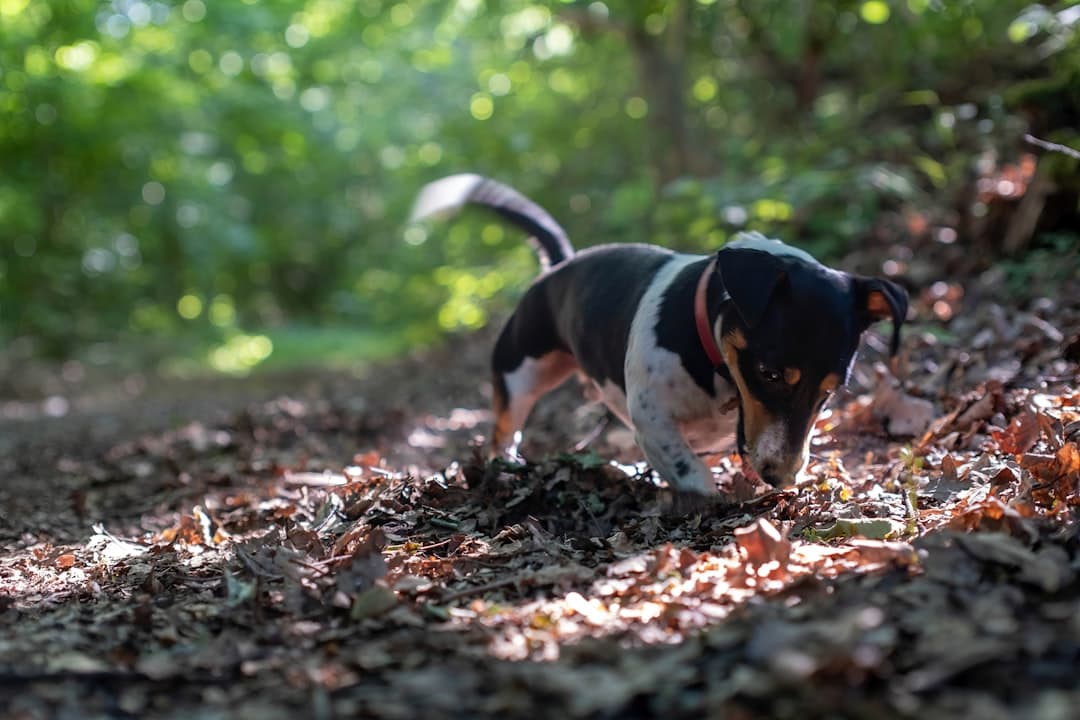
Once in the woods, the dogs do the work. Lagotto Romagnolos and crossbreeds quarter the slope ahead of the hunter, freeze when they catch a scent and then dig with their front paws until the hunter eases them back and uses a small steel tool to lift the truffle out of the earth intact. You'll be invited to smell each find directly, which is the only honest way to learn the difference between a young white and a deep-aged black.

After the hunt, the group returns to the farmhouse for a tasting. Expect fuži pasta with shaved truffle, a soft-cooked egg under shavings, sheep's cheese with truffle honey, and Istrian Malvazija to drink. The tasting is the part of the day that justifies the price; the hunt itself rarely lasts longer than an hour because the dogs tire quickly and good ground is closely guarded.

A trained truffle dog sniffs the leaf-littered floor of an oak forest — the working partnership at the heart of every Istrian hunt.
Who to Book

Where to Book — The Operators That Matter

The Karlić family in the village of Paladini, just outside Buzet, run one of the most popular small-scale operations and have been hunting commercially for three generations. They take small groups into their own forest plots and finish with a tasting in their cellar. Prices start around €45 for the hunting-only option and climb toward €90 when you add the full lunch.

Tarandek, also near Buzet, is a smaller and slightly more remote alternative that focuses on the dogs and the technical side of hunting rather than the meal. Maistra, the Rovinj-based hospitality group, runs polished private hunts paired with their hotel restaurants if you'd rather start from the coast and have everything organised through one booking. Several other family operators advertise from Motovun, and the tourist office on the main square of Buzet keeps a current list with prices in season.

Book at least a week ahead in October and November — the hunters cap their groups at six to eight people and the best slots are taken by tour operators well in advance. Outside the white-truffle peak you can usually walk in with two days' notice.

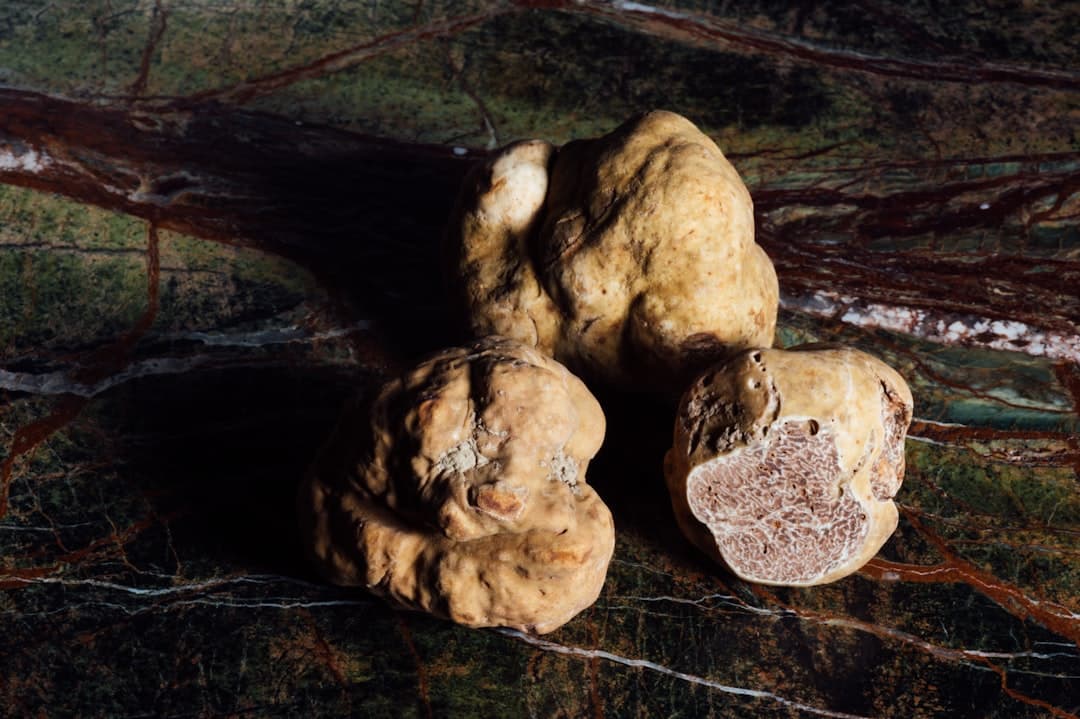
Whole white truffles on a dark wooden surface — the prized harvest that small Istrian family operators bring up from their forests.
Festivals

Subotina, Tuberfest and Truffle Days

Two events in particular are worth planning a trip around. Subotina, held on the second Saturday of September in Buzet, opens the white-truffle season with a daylong street fair, traditional music and a giant truffle omelette cooked in a custom-made pan more than two metres across. Recent editions used over 2,000 eggs and ten kilograms of black truffle, and the cooks hand out portions free until the pan is empty.

Tuberfest takes over the tiny village of Livade across three weekends in October. This is the more food-focused festival: dozens of stalls cook with truffle, restaurants put on tasting menus and the village's own producers (Zigante and Karlić both have premises here) open their cellars. Truffle Days, organised by the regional tourist board, refers to the broader programme of cooking demonstrations, hunts and dinners that runs through the whole autumn across multiple Istrian towns.

If you can only catch one event, Tuberfest gives you the deepest immersion; Subotina is the bigger party. Hotels in Motovun, Livade and Buzet sell out months in advance for both, so if you're flexible on dates a self-catering apartment in Grožnjan or Oprtalj is a better Plan B than a coastal hotel and a long drive.

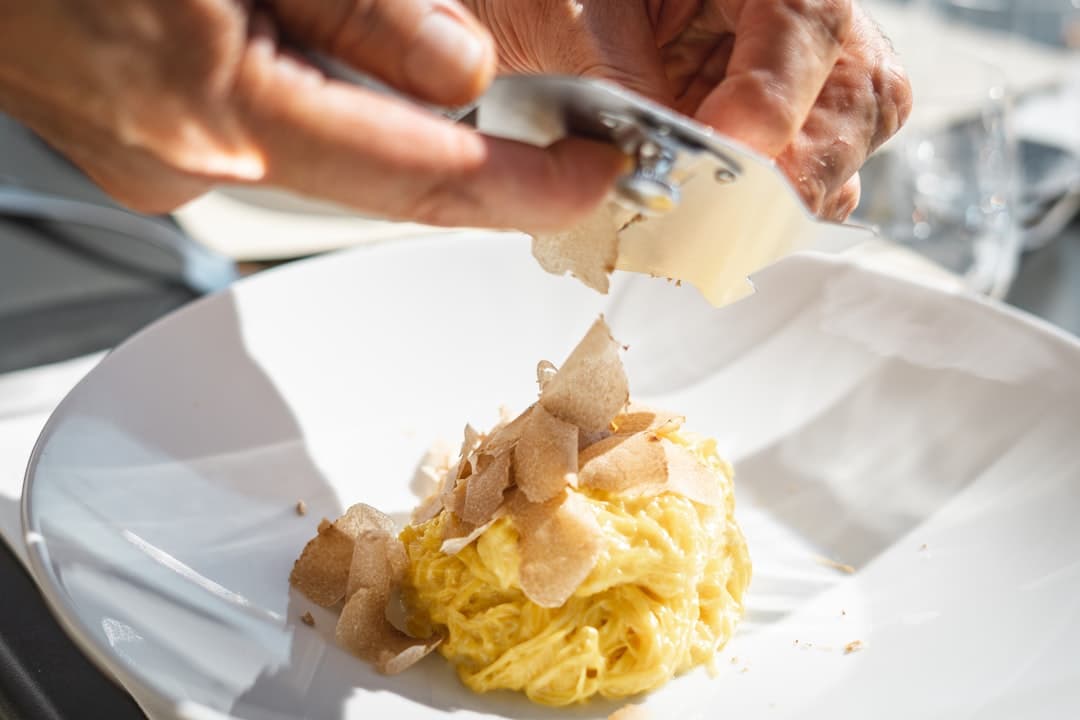
Fresh white truffle being shaved by hand over a plate of egg-yolk tagliatelle — the centrepiece course at every Istrian truffle festival.
Practical Info

Practical Logistics

You really do need a car. The truffle villages sit fifteen to twenty kilometres apart on minor roads, none are on a useful bus route and the hunts start in forest car parks that no taxi will know. The driving time from the coast inland is shorter than the map suggests — Rovinj to Motovun is forty minutes, Pula to Buzet is just over an hour, and even Opatija on the Kvarner Gulf is within ninety minutes.

By car

Hire from Pula or Rijeka airport, or pick up over the border in Trieste if you're flying into northern Italy and combining Istria with a few days in Friuli. Phones lose signal under the canopy, so download an offline map of the area before you set off — the forest car parks where hunts begin are not always tagged in standard navigation apps.

Pickup from the coast

Several operators offer pickups from coastal hotels in Rovinj, Poreč and Pula for a supplement of €40 to €80, which is worth it if you plan to drink at lunch. Confirm the pickup window when you book; minivans typically run morning hunts only and a single delay can knock the whole group off schedule.

When to book

In October and November, book at least a week ahead — the hunters cap their groups at six to eight people and the best slots go to tour operators in advance. Outside the white-truffle peak, two days' notice is usually enough; in midsummer you can sometimes walk in on the day if a tasting is already scheduled.

What to bring

Closed walking shoes, a waterproof layer and trousers you don't mind getting muddy. The hunts go ahead in light rain — wet ground actually helps the dogs — and the forest floor is uneven oak leaf mulch with deadfall and roots. Bring binoculars only if you also plan to birdwatch; the dogs work too quickly for them to be useful on the hunt itself.

FAQ

Common Questions About Truffle Hunting in Istria

For white truffle, October and November are the peak weeks: the harvest is in full swing, the festivals are running and tour operators are at their most active. June and July are quieter and warmer if you'd rather pair a hunt with beach days, but you'll only see black truffle in those months — the white doesn't appear until autumn.

Almost none. Hunters do not give away their finds, because a single white truffle the size of a walnut can sell for €50 to €150. Most tours include shavings on your tasting plate and the option to buy preserved or fresh truffle from the operator at the end. Budget €30 to €60 for a small jar of truffle salt, oil or paste worth bringing back.

Yes, and most operators welcome them — the dogs and the digging tend to hold a child's attention for the full hour. Note that the tasting almost always pairs food with local wine and grappa, so check ahead if you'd like a non-alcoholic alternative for younger guests. Pushchairs do not work on the forest tracks; very small children will need to be carried.

Reputable operators run real hunts on their own land, and what the dogs find is what comes out of the ground that morning. On busy festival weekends some larger tours seed pieces of truffle to guarantee a result for big groups, which is one reason small family operations like Karlić and Tarandek tend to come more highly recommended than coach-tour hunts.

Konoba Toklarija in Sovinjak, Restaurant Zigante in Livade and Konoba Mondo in Motovun are the three names that come up most often. All three serve fresh white truffle in season at prices that are high by Croatian standards but a third of what the same dish costs in northern Italy. Book ahead — these places fill fast in October.

No. Istria is genuinely bilingual (Croatian and Italian both appear on road signs), and the family operators conduct tours in fluent English by default. A few words of dobar dan (good day) and hvala (thank you) will be appreciated, but they are not required to follow a hunt.

Powered by GetYourGuide

Book a Truffle Hunt in Istria

Day tours departing from Rovinj, Poreč, Motovun, and other Istrian towns — plus full-day options from Zagreb. Find the hunt that fits your base.

Explore More of Croatia

Discover more stories, hidden gems, and travel inspiration to help you plan your perfect Croatian adventure.