Vodnjan
A quiet Istrian town with an extraordinary secret — Croatia's largest collection of mummified saints and one of the region's strangest historical attractions
About Vodnjan
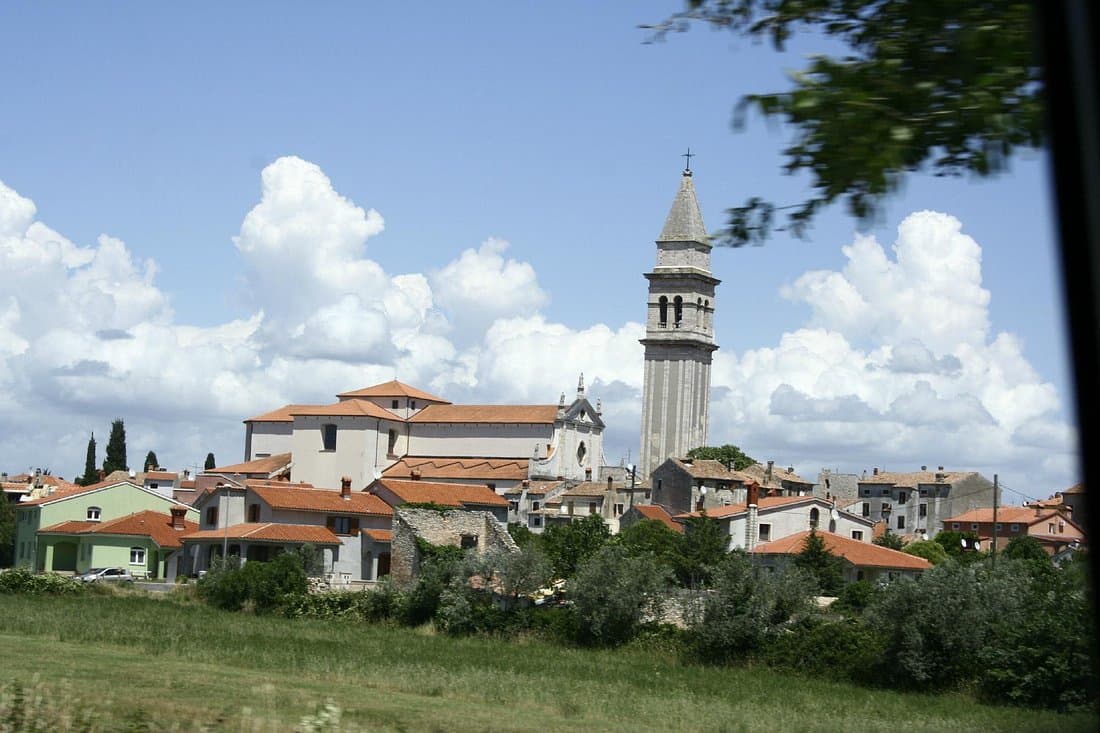
Vodnjan sits on a low hill in the agricultural hinterland of southern Istria, about 10 km north of Pula. The Italian name, Dignano, reflects centuries of Venetian and later Austro-Hungarian administration. The old town has the relaxed, slightly faded atmosphere common to inland Istrian towns that largely escaped large-scale tourism.
Most visitors come for one reason: the Church of St Blaise, which contains the largest collection of mummified and preserved saints in Croatia and one of the most significant collections of relics in Europe. Inside the sacristy treasury are three fully preserved saints displayed in glass cases, along with relics, robes, and religious artefacts accumulated over centuries. It sounds unusual because it is unusual — and it is also genuinely worth seeing.
What to See and Do in Vodnjan
Church of St Blaise and the Sacristy Treasury
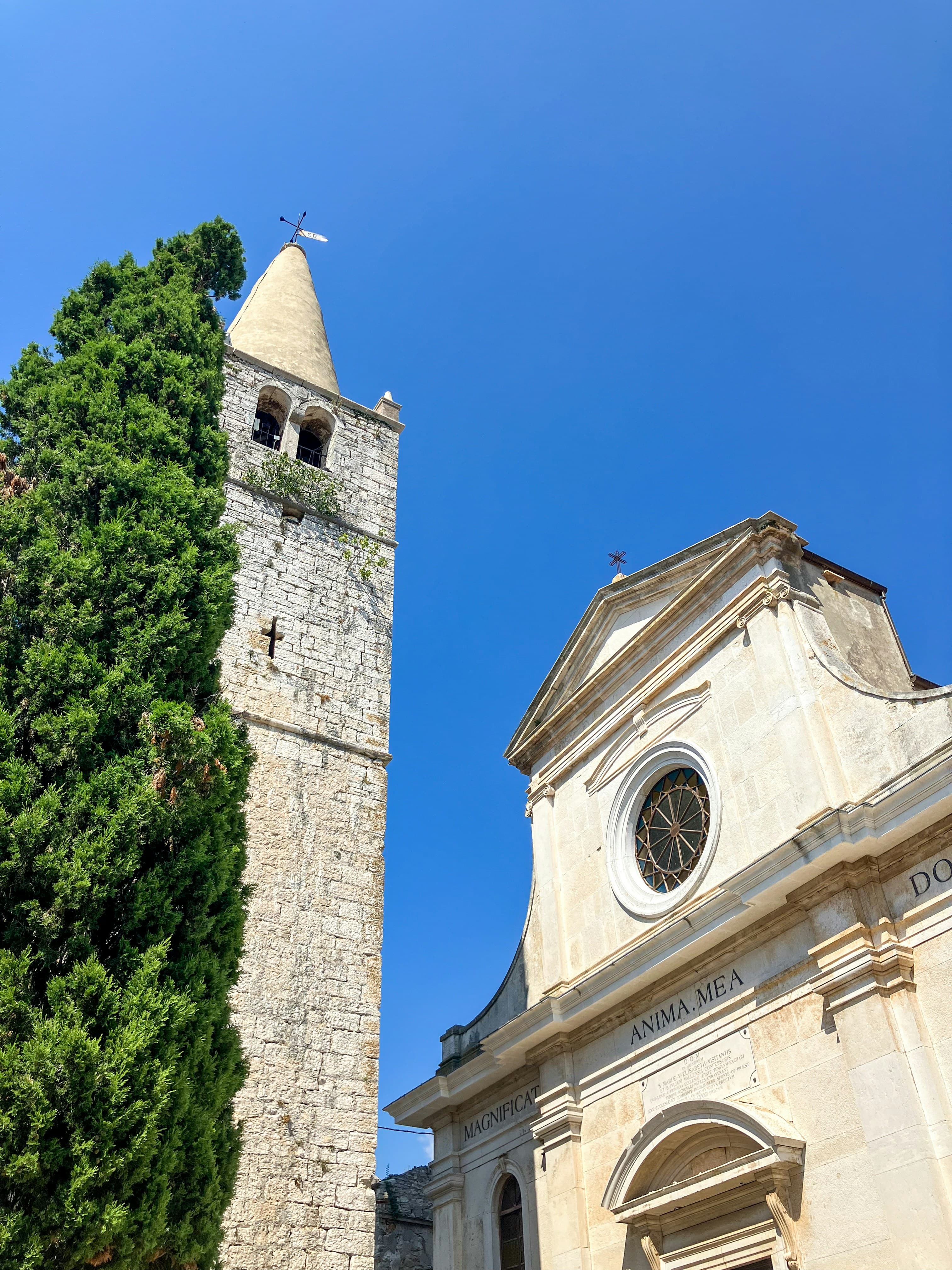
The Church of St Blaise is a large 18th-century Baroque church notable for having the tallest bell tower in Istria. The main attraction lies behind the altar in the sacristy treasury, where the mummified remains of saints including St Leon Bembo, St Giovanni Olini, and St Nicolosa Bursa are displayed. The collection is carefully arranged and explained, balancing religious significance with historical presentation.
Town Centre and Venetian Loggia
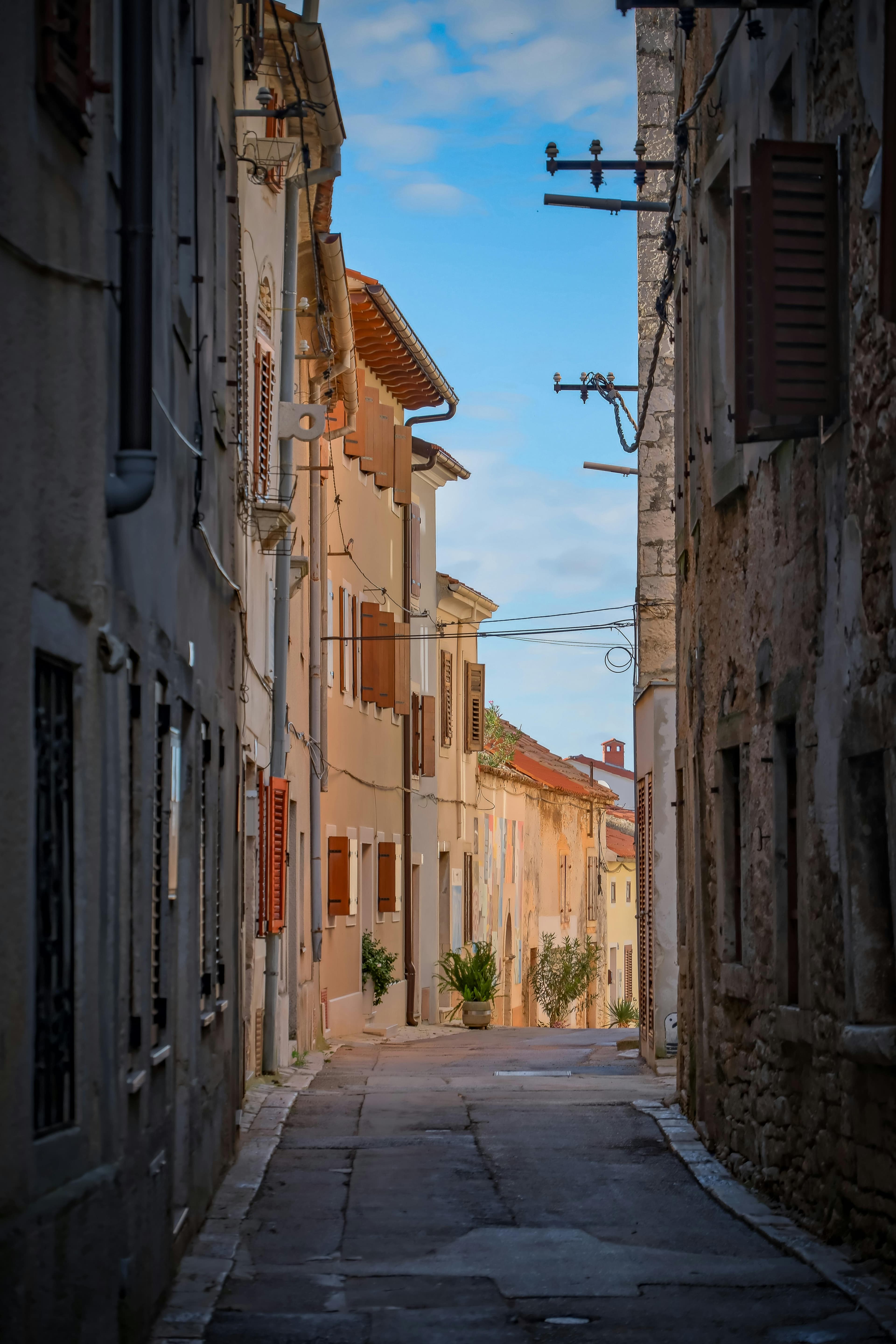
Vodnjan's main square, stone streets, and Venetian loggia are worth a slow 20–30 minute walk. The atmosphere is quiet and local rather than polished for tourism. Morning is the best time to visit, when cafés and the small produce market are active.
Local Olive Oil and Wine
Vodnjan is known for olive oil production, and several producers around town sell directly to visitors. Local shops also stock Istrian wine, olive oils, and regional food products.
When to Visit
Vodnjan can be visited year-round. Summer brings longer opening hours at the Church of St Blaise, while spring and autumn are quieter and more comfortable for walking through town.
Morning visits are recommended, particularly for the church interior, when natural light through the windows is at its best. Vodnjan combines easily with Pula, Bale, or the southern Istrian coast on the same day.
How to Get to Vodnjan
Vodnjan is best treated as a two-hour stop from Pula rather than an overnight destination.
From Pula
Approximately 10 km, around 12–15 minutes.
From Rovinj
Approximately 30 km, around 30 minutes.
From Poreč
Approximately 60 km, around 55–60 minutes.
Public Transport
Regular bus connections operate between Pula and Vodnjan, though frequencies vary throughout the year. A car makes it easier to combine with other southern Istrian stops.