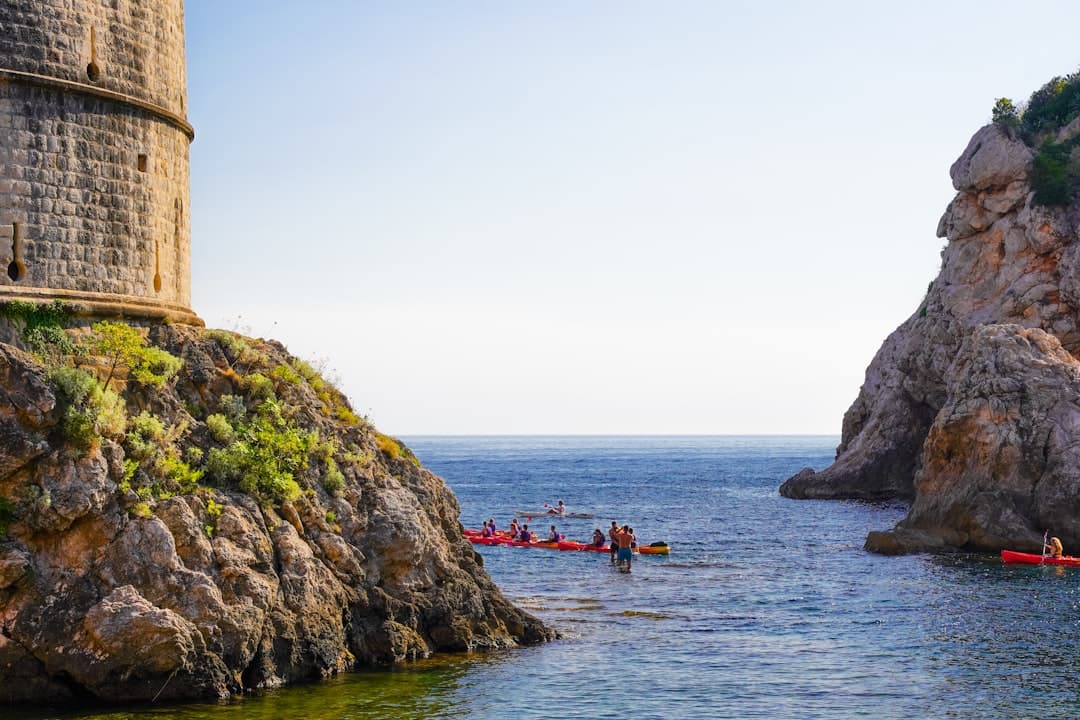
Sea kayakers paddling along the limestone cliffs beneath Dubrovnik's medieval city walls.
Back to Get Inspired
Adventure & ActivitiesAdriatic Coast

Sea Kayaking in Croatia: A Complete Guide to the Adriatic by Paddle

From the foot of Dubrovnik's medieval walls to the 89 uninhabited islets of the Kornati archipelago, Croatia's coast is one of Europe's great sea kayaking destinations.

Adriatic Coast, Croatia

Why Croatia Works So Well for Sea Kayaking

The Croatian Adriatic is a rare combination: warm, salty, almost tideless water, more than a thousand islands within paddling distance of the mainland, and a coast that is sheltered enough for novices but wild enough to keep experienced paddlers busy for weeks. You can launch from a city beach, glide for fifteen minutes and find yourself under sea cliffs that no road has ever reached.

The coastline runs roughly 1,800 km north to south, but if you trace every island and inlet, the figure climbs to more than 6,000 km. That fractal geography is what makes kayaking here feel different from, say, paddling a Greek island. There is almost always a sheltered channel between you and the open sea, which means you can keep moving even when the afternoon wind picks up.

Visibility in the water typically sits between 15 and 30 metres, and most of the coast is rocky rather than sandy, so the sea stays clear even in summer. You will see sea urchins, bream, and the occasional octopus on the seafloor below your bow. In the protected national parks — Mljet, Kornati and Brijuni — fishing is restricted, so the marine life noticeably picks up.

What This Guide Covers

Five routes worth flying for, the practical logistics of multi-day expeditions, what the weather actually does between May and October, and how to combine a kayak with a charter sailing week if you want both. The aim is to give you enough information to book the right trip, not just to admire the photos.

Quick Facts

Best months

Late May to early October. June and September are the sweet spot — warm sea, calmer mornings, fewer crowds than peak August.

Half-day tour price

Around €40–€60 per person for a guided 2.5–3 hour trip from Dubrovnik or Hvar, including kayak, paddle, dry bag and snorkelling gear.

Multi-day expeditions

A 5–7 day guided trip through Hvar and the Pakleni Islands or the Kornati National Park typically covers 80–120 km of paddling and costs €900–€1,500 with accommodation and most meals.

Skill required

None for guided half-day routes. Multi-day expeditions assume you can paddle 15–25 km a day in open water.

Best entry points

Pile Gate Beach (Dubrovnik), Hvar Town harbour, Lopud village, Murter or Zadar (for Kornati) and Polače on Mljet.

What to pack

Reef shoes, a long-sleeve rash top, reef-safe sunscreen, a refillable bottle and a waterproof phone pouch. Quick-drying shorts beat swim trunks for sitting in a kayak all morning.
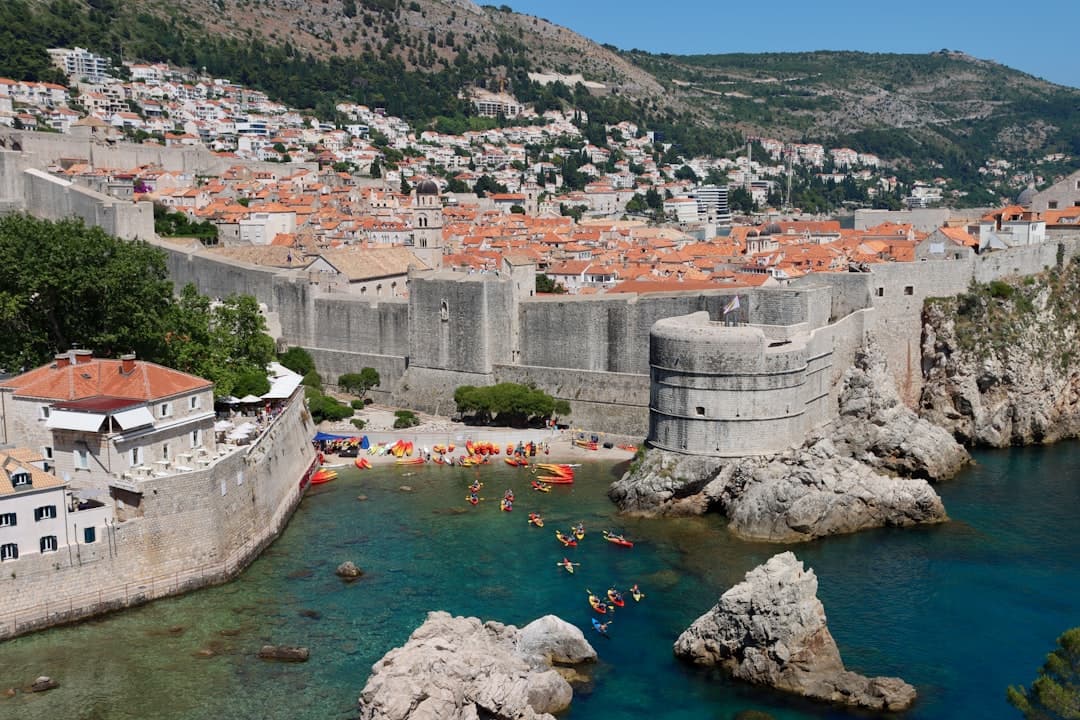
Wide view of Dubrovnik's Old Town walls and red-tiled roofs above the Adriatic, the launching point for the city's most photographed kayak route.
Where to Paddle

Five Routes Worth the Flight

Five regions cover the spectrum, from a half-day route past the walls of Dubrovnik to a week-long expedition through the most remote archipelago in the Mediterranean. The right choice depends on how much paddling you actually want to do.

Dubrovnik and Lokrum

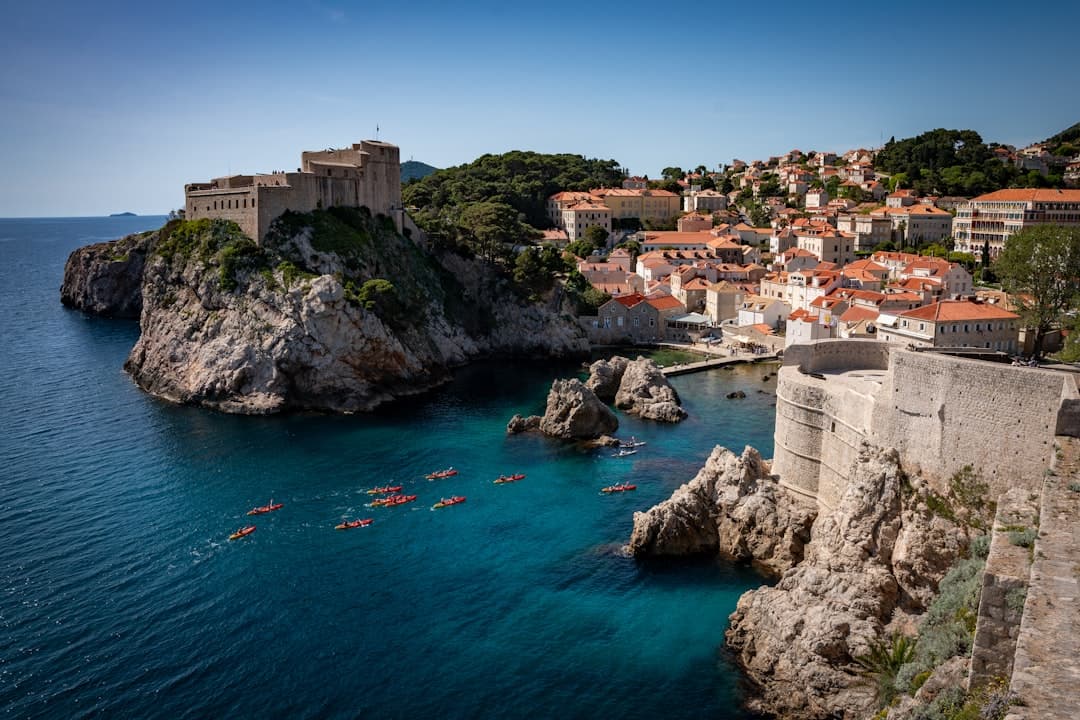
The most photographed kayaking trip in Croatia leaves from Pile Gate beach, slips through the gap between the city walls and Lokrum Island, and follows the limestone cliffs to Betina Cave — a small grotto with a hidden pebble beach reachable only from the water. The standard route is around 4.5 km and runs three hours; sunset versions add a glass of Croatian wine on the rocks at the turnaround.

Expect 12–20 kayaks in your group during July and August, and far fewer in shoulder season. Adventure Dubrovnik, Du Kayak Tour and X-Adventure all run several departures a day from May through October.

Kayakers passing beneath Lovrijenac fortress in Dubrovnik, on the standard route from Pile Gate to Lokrum island.

The Elafiti Islands

A short ferry ride north of Dubrovnik, the Elafiti chain has thirteen islands but only three are inhabited: Koločep, Lopud and Šipan. The longest-running specialist on this route is Adriatic Kayak Tours, which bases multi-day trips on Lopud itself. Lopud has no cars, a wide sandy bay at Šunj, and a row of family-run pensions — which makes it the natural base for a two- or three-day kayaking holiday.

A typical day's paddle of 8–10 km loops the inner side of Lopud, crosses the channel to Šipan, and returns past the cliffs of Ruda. This is the friendliest stretch of water in southern Dalmatia for paddlers who want easy distances and a real island stay rather than a hotel back on the mainland.

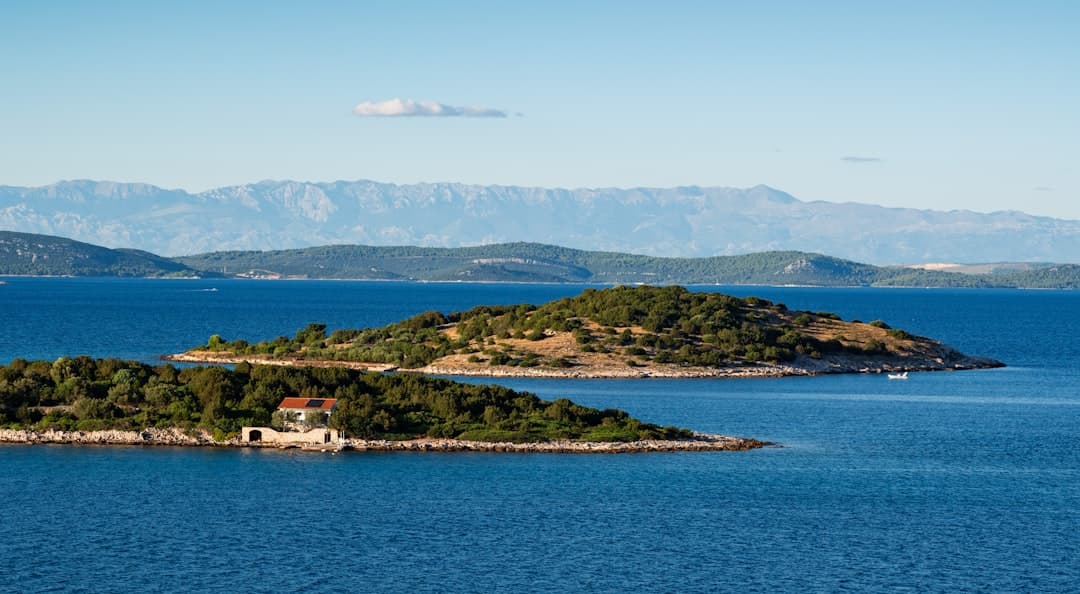
Two pine-covered islets in calm Adriatic water — the kind of sheltered channel that makes the Elafiti chain near Dubrovnik so paddler-friendly.

Hvar and the Pakleni Islands

The Pakleni are a string of eleven low, pine-covered islets running parallel to Hvar Town. The longest, Sveti Klement, hides Roman ruins and the cult lunch spot Toto's at Palmižana. Half-day kayak tours from Hvar typically paddle 6–8 km, stop to snorkel at Vlaka or Stipanska, and return for a swim at Mlini.

For something more ambitious, Sea Kayak Hvar and Korčula Outdoor run 5-day Hvar circumnavigations — roughly 109 km in total, with overnights in Jelsa, Vrboska, Stari Grad and Zaraće, available between May and October. Hvar gets around 2,724 sunshine hours a year, more than any other Croatian island, which is one reason the multi-day operators schedule trips here even outside the high season.

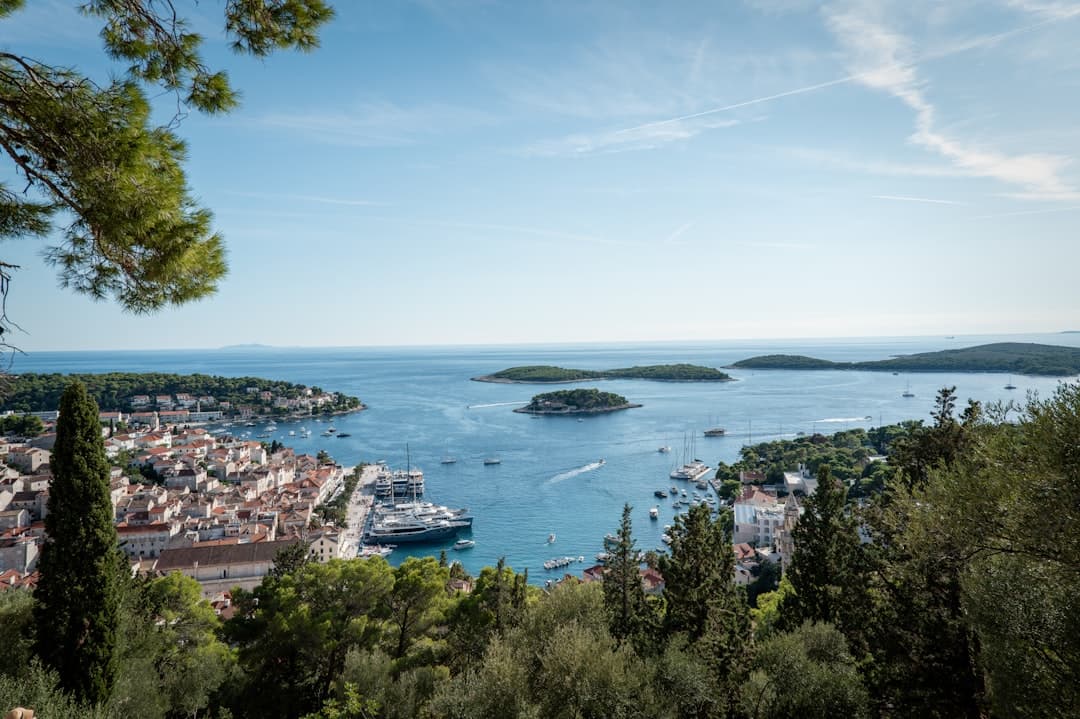
Hvar Town harbour with the Pakleni Islands strung out across the channel — the launch point for half-day and multi-day kayaking trips.

Kornati National Park

The Kornati archipelago, north of Šibenik, is the densest island cluster in the Mediterranean: 89 uninhabited islands, islets and reefs packed into roughly 220 square kilometres. The eastern side of the chain — facing the open Adriatic — drops in vertical cliffs that reach 180 metres, the so-called krune or “crowns”. This is the most dramatic paddling in Croatia and the least suitable for beginners.

Multi-day trips run by GarmaExpeditions, Sea Kayak Croatia and Frontier Adriatic typically last 5–7 days, base out of a stone house on Levrnaka or a tent camp in a sheltered cove, and combine 15–25 km paddling days with snorkelling stops at Stiniva and a climb up Metlina viewpoint. Bring cash — there are no shops or ATMs on the islands.

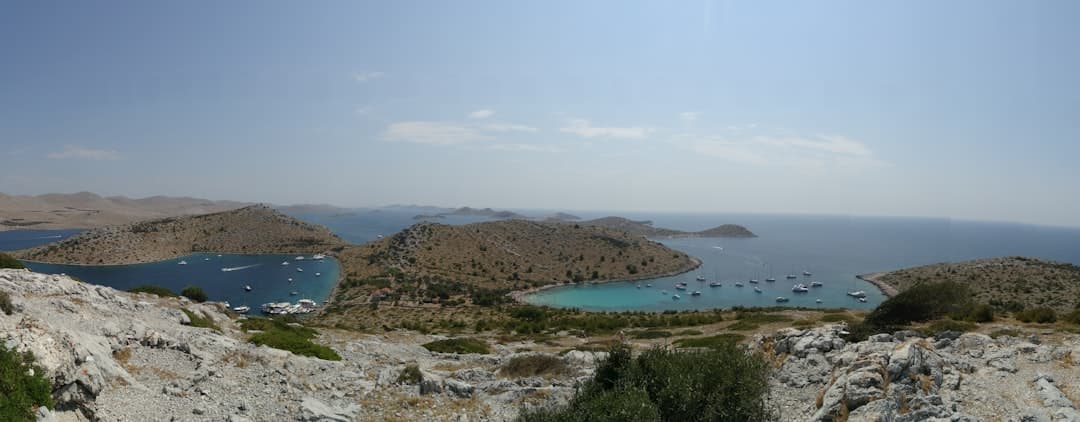
Panoramic view across the Kornati archipelago — 89 uninhabited islands, islets and reefs packed into 220 square kilometres north of Šibenik.

Mljet

Mljet is the greenest island on the Adriatic — about 80 percent pine forest — and its western third is a national park built around two interconnected saltwater lakes, Veliko and Malo Jezero. Kayaking on the lakes is sheltered, almost current-free, and finishes at the tiny Benedictine monastery on St Mary's Island in the middle of Veliko Jezero.

The sea-kayaking option, less common but more rewarding, follows the south coast from Sobra to Saplunara through caves and unmarked coves. Day-trippers from Dubrovnik rarely venture beyond the lake shore, which leaves the coastal route surprisingly empty.

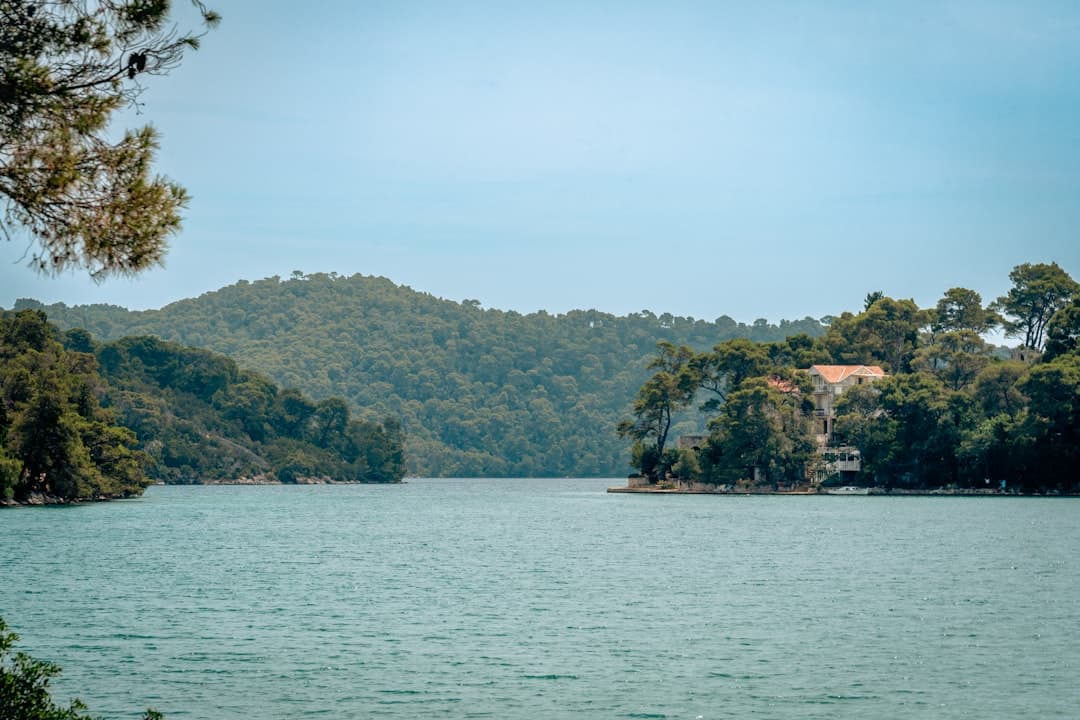
Veliko Jezero, the larger of Mljet's two saltwater lakes, surrounded by pine forest in the heart of Mljet National Park.
Planning

How to Plan a Trip: Logistics, Skill and Cost

You do not need any previous kayaking experience to book a half-day tour. Operators provide a 15-minute land briefing, sit-on-top or stable touring kayaks, buoyancy aids and dry bags. The standard 4–8 km route is well within the reach of anyone who can swim. Ask whether the tour uses single or double kayaks before you book — singles give you more freedom, doubles are easier if you are paddling with a child or a less-fit partner.

Multi-day trips assume a baseline of fitness rather than technique. If you can paddle 20 km in a day on a flat lake at home, you will cope with a Croatian expedition. Most outfitters cap groups at 12 and run a guide-to-paddler ratio of around 1:6, with a support boat carrying luggage. Trips with full board, guide, kayak, accommodation and luggage transfer usually run €150–€250 per person per day in 2026.

The biggest planning variable is wind. The maestral — a thermal sea breeze — typically rises around 11 a.m. and blows onshore at 10–20 knots until late afternoon. Experienced operators schedule paddling for 8 a.m. to 11 a.m. and again after 4 p.m., with a long swim-and-lunch stop in between. The bura — a cold north-easterly that gusts down off the Velebit mountains in autumn and winter — is the wind you actually need to respect. It can reach 50 knots in minutes, especially in the channel between Pag and the mainland, and is the main reason expedition season ends in October.

If you want to bring your own kayak, ferries run by Jadrolinija accept folding kayaks as luggage at no charge and rigid kayaks for a small fee. The car ferry to Mljet (Prapratno–Sobra), to Hvar (Drvenik–Sućuraj) and to Vis (Split–Vis) all take roof-mounted kayaks. Save the ferry timetable as a PDF before you travel; cellular coverage is patchy on the smaller islands.

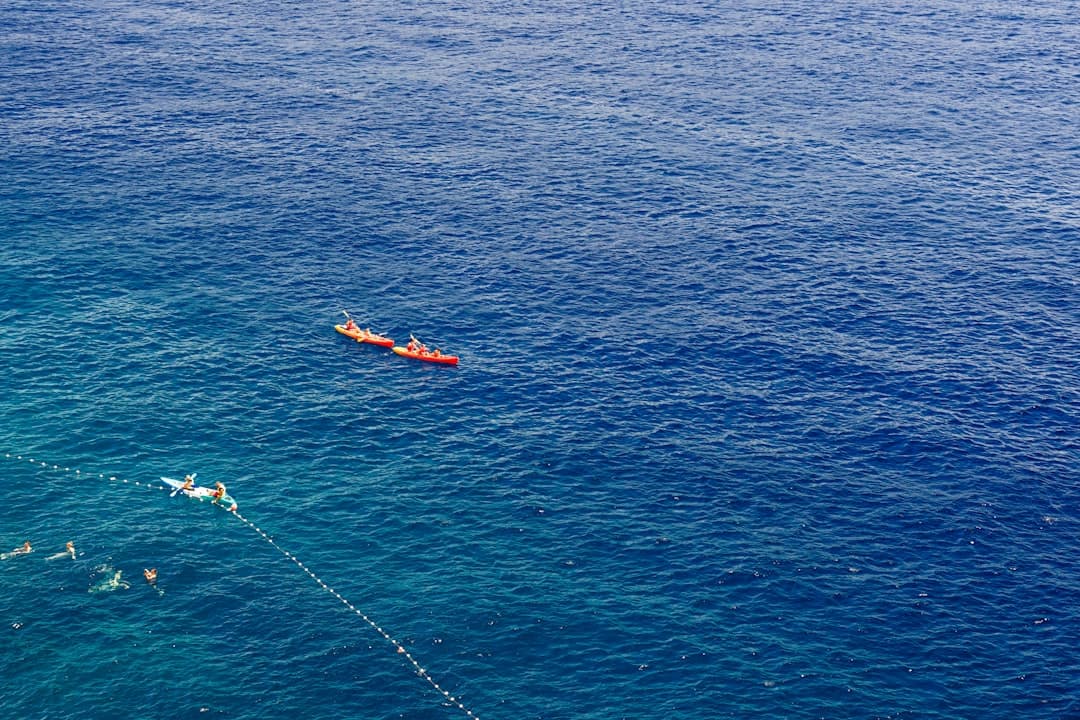
Solo kayaker shot from above on calm, deep-blue Adriatic water — the kind of conditions that experienced operators schedule for the early-morning window.
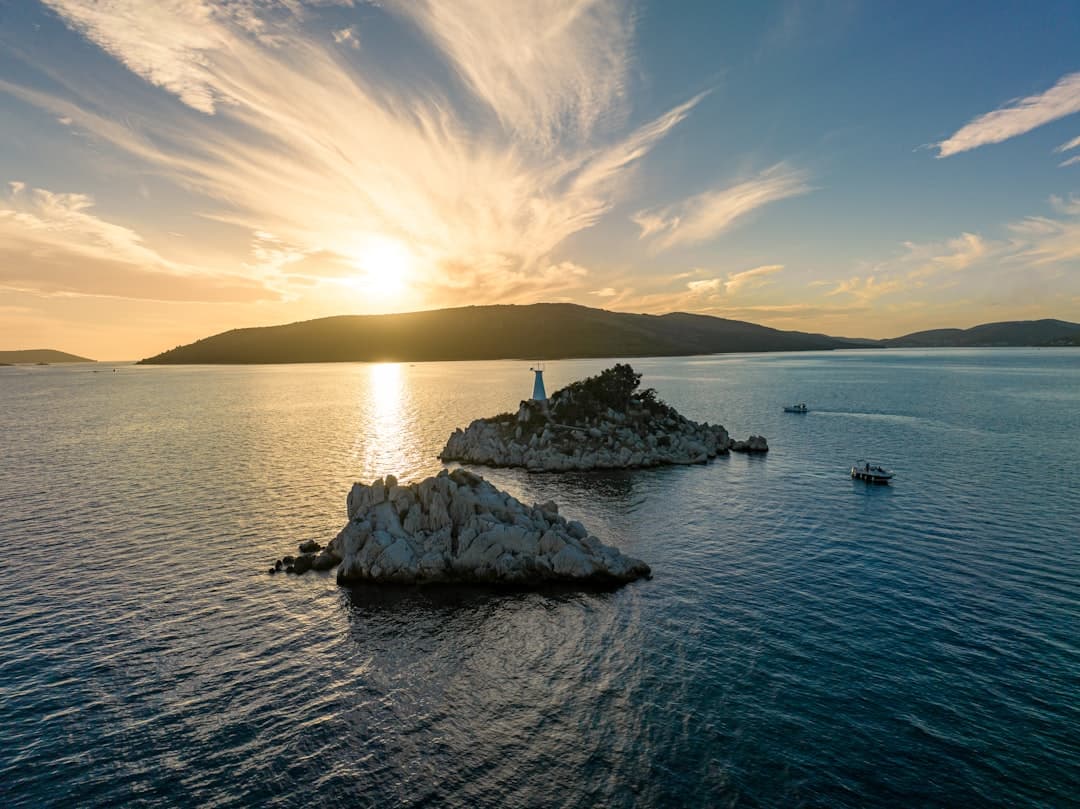
Sunset over a small island in the Adriatic — the post-paddle window when the maestral has dropped and the sea flattens.

What to Expect on the Water

The sea is salty enough that you will float a little higher than you are used to, which makes capsizing less alarming and self-rescue easier. Water temperatures climb from around 16°C in May to 25°C by August, and stay swimmable into mid-October. Most multi-day trips schedule at least one swim per paddling hour — partly to cool down, partly because the snorkelling at sites like Stiniva, Sakarun and Galešnjak is the kind of thing you do not want to skip.

Sun protection matters more than weather protection. The reflected glare off white limestone and clear water will burn you faster than you expect; long sleeves, a wide-brimmed hat and zinc on the nose are not vanity items. Reef shoes are also essential — the rocky entry points have sea urchins, and stepping on one will end your day before it starts.

You will share the water, particularly in July and August, with charter sailing boats, ferries and tour catamarans. Stick close to the cliffs, cross channels in groups, and assume larger vessels cannot see you. The skipper of a 50-foot yacht under sail genuinely cannot spot a kayak from the cockpit at 200 metres; treat any approaching mast as something you need to actively avoid.

Powered by GetYourGuide

Book Sea Kayaking Tours in Croatia

Half-day tours from Dubrovnik and Hvar, multi-day Kornati expeditions and self-guided rentals — bookable through GetYourGuide with free cancellation on most listings.

FAQ

Frequently Asked Questions about Sea Kayaking in Croatia

Yes, for half-day guided tours. The standard Dubrovnik or Hvar routes use stable sit-on-top kayaks, stay within 100 metres of the shore for most of the trip, and include a short briefing on land before launch. If you can swim and you are reasonably fit, you will be fine. Multi-day expeditions are a different matter and assume you can sustain 15–25 km a day in open water.

You do not need a licence for a personal kayak under 2.5 metres, which covers most touring boats. National park entry fees apply if you paddle in Mljet (around €18 per person in summer), Kornati (around €25 per person) or Brijuni; you can pay at the ranger station or, for Kornati, at the marina office in Murter before you launch. Always carry your passport — coast guard checks happen on the busier channels.

June and September give you the best balance of warm sea, settled weather and quieter water. July and August are hot, busy and prone to afternoon thermal winds — fine for short tours, less ideal for expeditions. May and October are cooler but reliably calm in the morning, and the islands feel almost empty. Avoid November to March unless you are an experienced cold-water paddler with the right gear.

Shark encounters in the Croatian Adriatic are vanishingly rare and not a real consideration for kayakers. Mauve stinger jellyfish (Pelagia noctiluca) appear in some summers, particularly in August, and their sting is unpleasant but not dangerous. Sea urchins on the rocky entry points cause more injuries than anything else in the water — wear reef shoes.

Yes, and many travellers do. A common itinerary is a charter sailing week through the Pakleni Islands, Vis and Korčula with a kayak strapped to the deck for shore excursions and cave entry. Several Hvar outfitters also run kayak-and-sail combinations where the kayaks travel by support boat between the day's start and finish points. If you are sailing privately, expect to launch from the mooring rather than swim ashore — most island anchorages have rocky bottoms.

Self-guided rental is most easily arranged in Hvar Town, in Lopud village, on the beach at Pile Gate in Dubrovnik, and in Korčula Town. Day rates in 2026 sit around €25–€35 for a single sit-on-top and €45–€60 for a double. Operators typically require a deposit and your passport, and most will not rent if the weather forecast shows a bura warning. Always file a rough route with the rental shop before you set off.

Explore More of Croatia

Discover more stories, hidden gems, and travel inspiration to help you plan your perfect Croatian adventure.