Mljet
A natural retreat in the southern Adriatic — Croatia's greenest island, shaped by forests and saltwater lakes
About Mljet
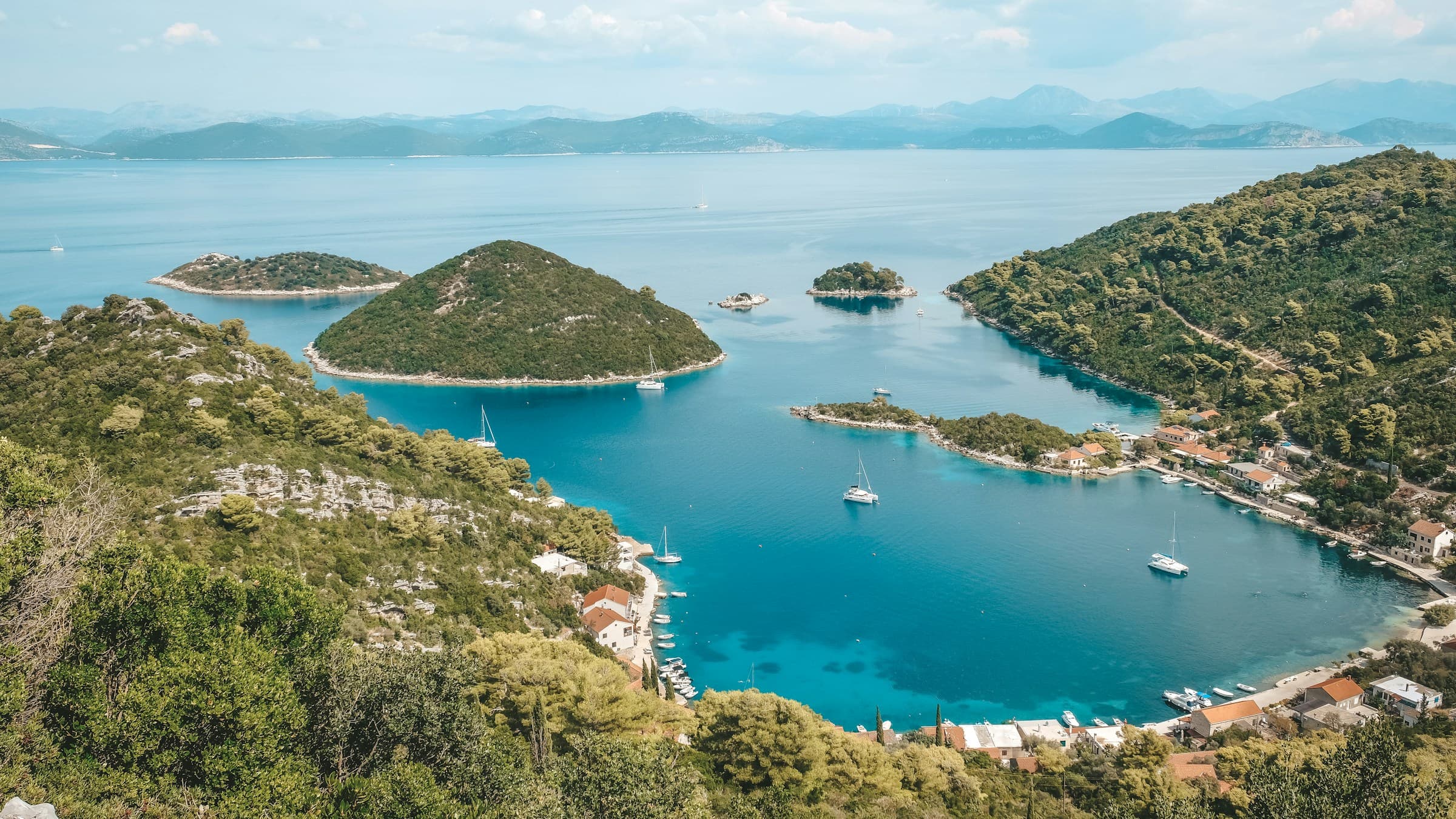
Mljet is one of Croatia's greenest and most tranquil islands, often described as a natural retreat in the southern Adriatic. Covered in dense pine and oak forests and surrounded by clear waters, Mljet suits travellers looking for quiet, outdoor activities and unspoilt landscapes.
The island's defining feature is Mljet National Park (Nacionalni park Mljet), which protects its western third and is known for two saltwater lakes, sheltered coves and shaded walking trails. With very limited development and a slow pace of life, Mljet offers a clear contrast to the busier Dalmatian hotspots.
With forest covering roughly 72% of its surface, Mljet is one of the most densely wooded islands in the Mediterranean.
A Glimpse into Mljet's History
Legends, monks and quiet isolation
Mljet has been inhabited since ancient times and is often linked to legends, including the myth that Odysseus was shipwrecked here and stayed in what is now known as Odysseus' Cave (Odisejeva špilja) on the island's south coast. Over the centuries, Mljet remained relatively isolated, which helped preserve its natural environment and traditional way of life.
In the 12th century, Benedictine monks settled on a small islet inside the Great Lake (Veliko jezero), building a monastery that became the spiritual and cultural heart of the island. Today, Mljet's history is closely tied to monastic life, forestry and fishing, with nature always playing the central role.
Top Things to See
Mljet National Park
The western third of the island, with pine forests, saltwater lakes and flat cycling and walking paths around the water.
Veliko jezero & Malo jezero
The Great Lake and Small Lake — two connected saltwater lakes ideal for swimming, kayaking and relaxed exploration.
St Mary's Island & Monastery
A 12th-century Benedictine monastery on Otočić sv. Marije, a tiny islet in Veliko jezero reached by short boat transfer.
Pomena, Polače & Saplunara
The main villages: Pomena near the national park, Polače with Roman ruins and ferry links, and Saplunara by the southern sandy beaches.
Book Guided Tours & Experiences on Mljet
Explore Mljet's saltwater lakes and the 12th-century monastery with guided boat tours and nature walks.
Best Beaches
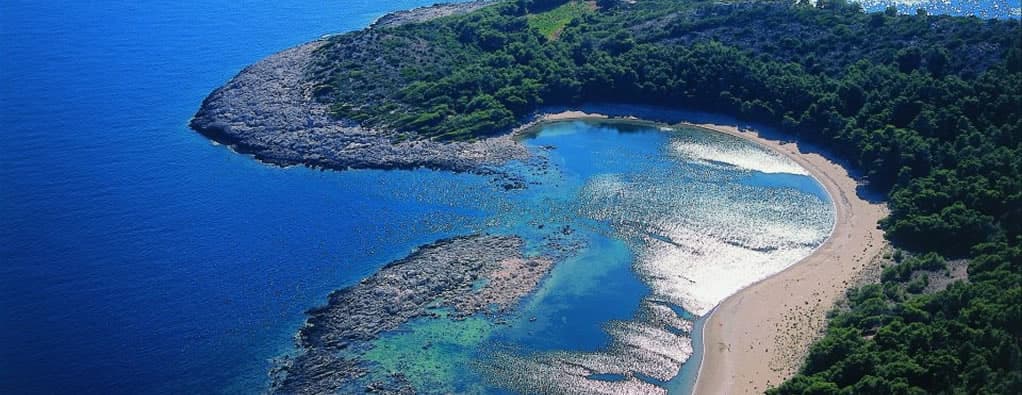
Saplunara Beach
One of the rare sandy beaches in southern Dalmatia, on the eastern end of the island. Shallow water and pine shade make it a favourite for families.
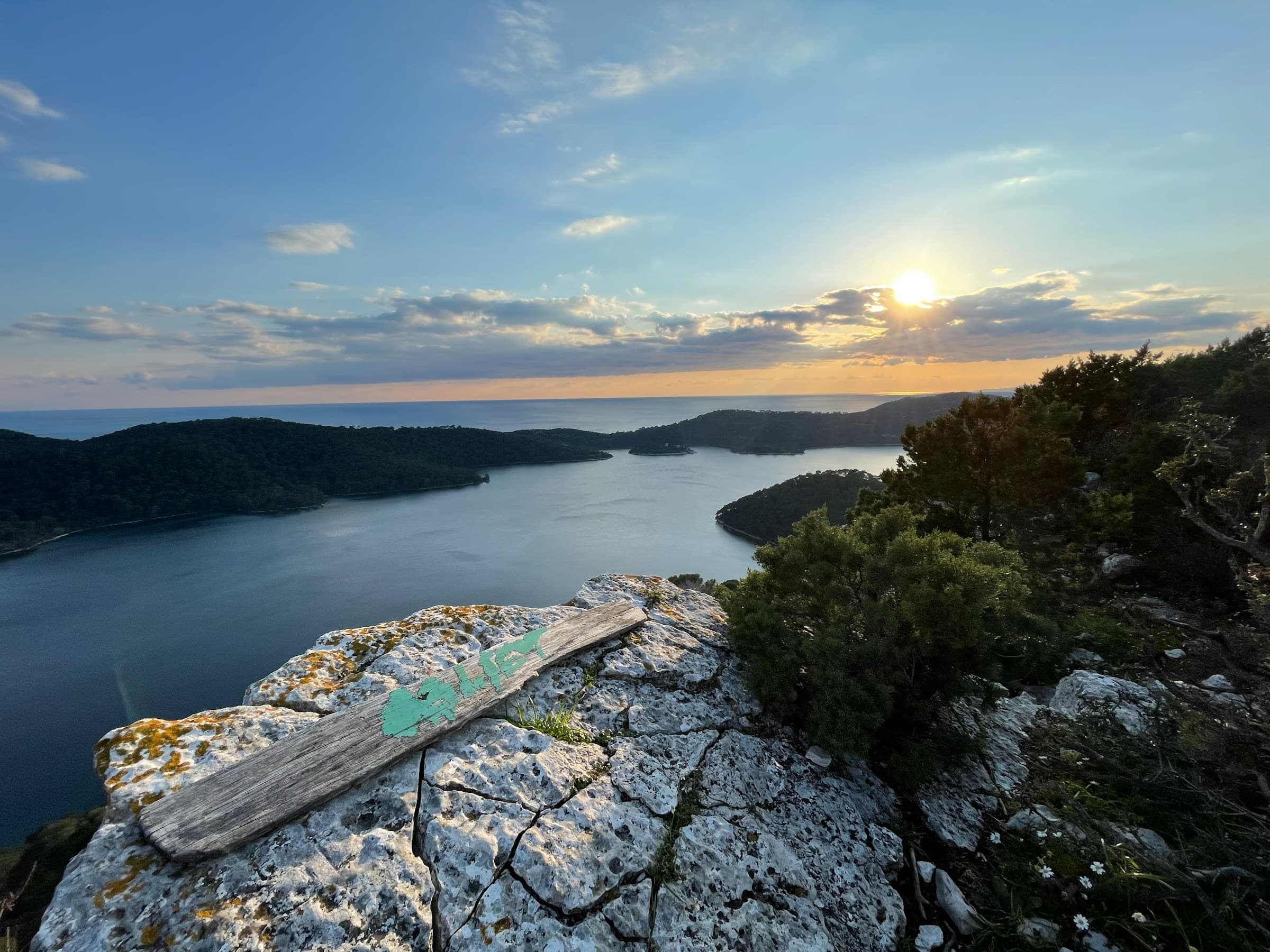
"Nightlife on Mljet is calm and understated, in keeping with the island's quiet character."
Nightlife and Evenings on Mljet
Harbour Bars in Pomena & Polače
Small waterfront bars serving wine, cocktails and sunset views in the two main harbour villages.
Konoba Terraces
Many restaurants double as relaxed evening spots, where guests linger over local wine under the stars.
Summer Evenings
Occasional live music and cultural performances in the villages during peak season.
Nature-focused Nights
Most nights are spent walking, dining quietly or simply enjoying the silence and the forest.
Mljet Cultural Days (July–August)
A summer festival marking local culture through folk music, dance and traditional crafts.
Food and Restaurants
Mljet's cuisine is simple, seasonal and strongly shaped by the sea and the forest.
Konoba Antika (Polače)
A popular restaurant serving fresh seafood and traditional Dalmatian dishes near the Roman ruins in Polače.
Restaurant Maestral (Pomena)
Known for fish, shellfish and Mediterranean flavours with views over the small harbour of Pomena.
Family Konobas
Small, family-run taverns across the island serving homemade dishes, local olive oil and island wine.
When to Visit Mljet
Find the right season for your Mljet trip, from active national-park exploration to quiet off-season walks.
Spring
April–June
Ideal weather for hiking, cycling and exploring the national park. Lush greenery and comfortable temperatures throughout the island.
- Best conditions for hiking and cycling
- Lush Mediterranean vegetation
- Quieter trails and fewer visitors
- Pleasant temperatures for walking all day
Summer
July–August
Warm sea and long days — the best time for swimming and kayaking on the saltwater lakes and along the coast.
- Warm lakes for swimming and kayaking
- Long sunny days for island activities
- Full ferry schedule from Dubrovnik
- Lively atmosphere in Pomena and Polače
Autumn
September–October
Mild temperatures, fewer visitors and a calmer pace make autumn one of the most pleasant times on Mljet.
- Fewer visitors and peaceful atmosphere
- Sea still warm for swimming
- Excellent light for nature photography
- Relaxed pace across the island
Winter
November–March
A quiet season on Mljet with mild Mediterranean winters. Services are limited, but the island is at its most peaceful.
- Mild Mediterranean winter
- Complete tranquillity and solitude
- Good for off-season forest walks
- Authentic local island atmosphere
Getting to Mljet
By Ferry
Regular car ferries and passenger catamarans connect Mljet with Dubrovnik, with more services in summer. The main ports are Sobra (east) and Polače (near the national park).
By Boat
Private boats and organised excursions reach Mljet from Dubrovnik, Korčula and the Pelješac peninsula, often combining the lakes with a swim stop.
Getting Around
The island is best explored by bicycle, on foot or by scooter, especially inside the national park where bikes can be hired near the lakes.
Frequently Asked Questions about Mljet
The main gateway is Dubrovnik, with year-round car ferries to Sobra and seasonal passenger catamarans to Polače and Sobra. In summer there are also day-trip boats and connections from Korčula and the Pelješac peninsula. Journey time from Dubrovnik is about 1.5–2 hours by fast catamaran or longer by car ferry.
Yes, especially if you are interested in nature, walking and swimming in calm, clear water. Mljet National Park with the Great Lake and Small Lake, the Benedictine monastery on St Mary's Island and the quiet southern beaches around Saplunara are the main reasons to come. Travellers looking for nightlife or packed old towns will prefer Hvar or Dubrovnik.
One full day is enough to see the core of Mljet National Park — a walk or cycle around Veliko jezero, the boat to St Mary's Island and a swim in one of the lakes. Two or three days allow time to explore the southern beaches at Saplunara, visit Odysseus' Cave by boat and experience the island's slow evening pace.
Yes. Both Veliko jezero (Great Lake) and Malo jezero (Small Lake) are saltwater lakes connected to the sea, and swimming is allowed in designated areas. The water is usually warmer than the open sea in summer and particularly calm, which makes the lakes popular for families and less confident swimmers.
Yes. A national-park ticket is required to enter the western part of the island, and the price includes the boat transfer to St Mary's Island with the monastery. Tickets can be bought at park entrances in Pomena and Polače. If you are staying inside the park area, check with your accommodation about multi-day or resident access.
Book Tours & Experiences on Mljet
Explore Mljet's saltwater lakes, the 12th-century monastery and the national park with boat tours and guided nature walks.
Explore More Destinations in Croatia
Korčula
Medieval walled old town on a nearby island, traditionally linked to Marco Polo.
Dubrovnik
The Pearl of the Adriatic and main ferry gateway to Mljet.
Hvar
Croatia's sunniest island, offering a lively contrast to Mljet's quiet forests.
Pelješac
Wine peninsula above Mljet, known for Dingač red wine and Ston oysters.