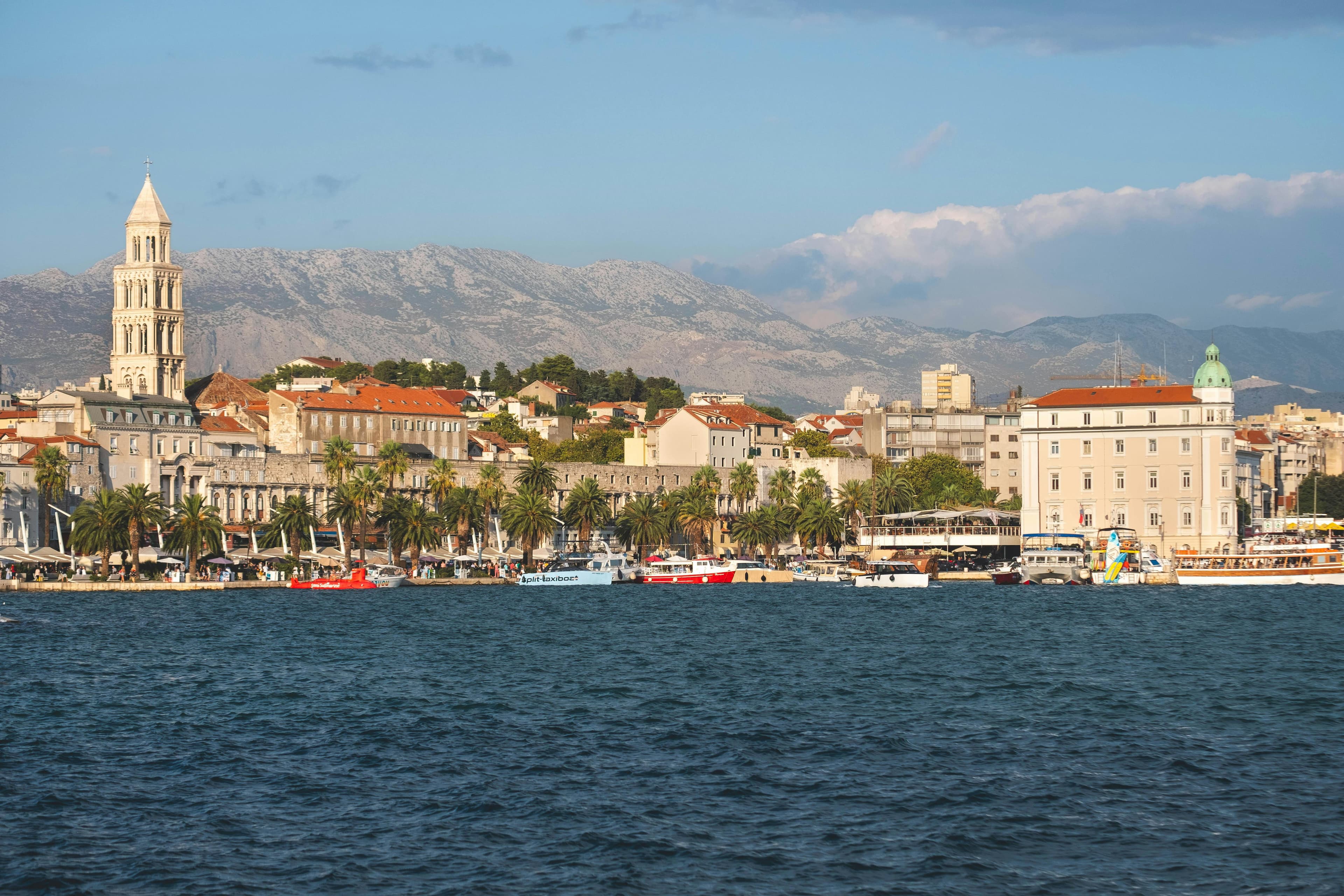
The Mistakes I See First-Time Croatia Visitors Make
The same handful of mistakes show up in nearly every first-time Croatia trip. Here’s what they are, and what to do instead.
Most first-time Croatia trips follow the same pattern — Dubrovnik, Split, Hvar, rushed into a week.
On paper, it looks perfect.
In reality, it usually means more ferries, check-ins, packing, and transit than actual Croatia.
I live in Croatia. After watching people plan trips here again and again, the same handful of mistakes keep showing up. None of them will ruin your trip on their own — but together, they're often the difference between a good trip and a great one.
Here are the seven I see most often.
1. Trying to see all of Croatia in seven days
A week sounds like enough time. It's not — not if you actually want to enjoy it.
The classic first-time route is Zagreb → Plitvice → Split → Hvar → Dubrovnik in seven days. On a map, it works. On the ground, it's rushed travel, constant packing, and more time in transit than people expect.
Croatia rewards focused trips.
Pick one or two regions and do them properly:
- Istria, including Rovinj, Poreč, Pula, Motovun, and the inland hill towns
- Kvarner, including Cres, Lošinj, Rab, Krk, and Opatija
- Zadar and the northern Dalmatian coast, with Pag, Ugljan, Dugi Otok, Zaton, Biograd, and Nin
- Šibenik and its surrounding towns, including Primošten, Rogoznica, Vodice, Pirovac, Murter, and Krka National Park
- Split and the central Dalmatian islands, such as Brač, Šolta, Vis, and Korčula
- Dubrovnik with Pelješac, Korčula, Mljet, Cavtat, and the Elaphiti Islands
- Zagreb with inland Croatia, Plitvice, Samobor, Zagorje, and Plešivica
Any of those is a better seven-day trip than trying to cover the whole country.
And just as importantly, it opens up parts of Croatia most visitors never even consider.
If you have ten or fourteen days, you have more room — but the same principle still applies.
Croatia is bigger than it looks.
2. Defaulting to Hvar (and overlooking half the country)
Hvar is the island most first-time visitors put on their list. It shows up in almost every “best of Croatia” article.
And for some trips, it absolutely makes sense.
If you’re sailing, chartering a boat, or want beach clubs and nightlife, Hvar works well.
But for a lot of land-based trips, it’s chosen more by default than for the right reasons.
It’s more expensive, more crowded, and often less relaxed than people expect.
A comparison most people never even make is Hvar vs. Korčula.
Korčula has a beautiful old town, excellent wine, strong food scene, and a slower, more complete feel. For many first-time visitors, it’s simply a better base.
But the bigger issue isn’t Hvar itself.
It’s treating Croatia as if it’s only Dubrovnik, Split, and Hvar.
That’s a very small slice of the country.
Šibenik, for example, is one of the most overlooked coastal cities — historic old town, easy access to Krka, and a much more local feel than Split or Dubrovnik.
Around it, you have places like Primošten, Rogoznica, Vodice, Biograd, Zaton, and Pirovac — smaller coastal towns that are often easier, quieter, and better value.
Further north, Zadar gets skipped surprisingly often despite being one of the best bases on the coast, with access to Kornati and nearby national parks.
Then there are the northern islands — Pag, Rab, Krk, Lošinj, and Cres — which feel completely different from the central Dalmatian islands and are still overlooked by a lot of first-time visitors.
And Istria, in the north, almost feels like another country entirely — closer to Italy in food, wine, and atmosphere.
If you’re flying into Split for a week of island life, look at Korčula first.
But more importantly — don’t assume the “famous three” are where the best of Croatia is.
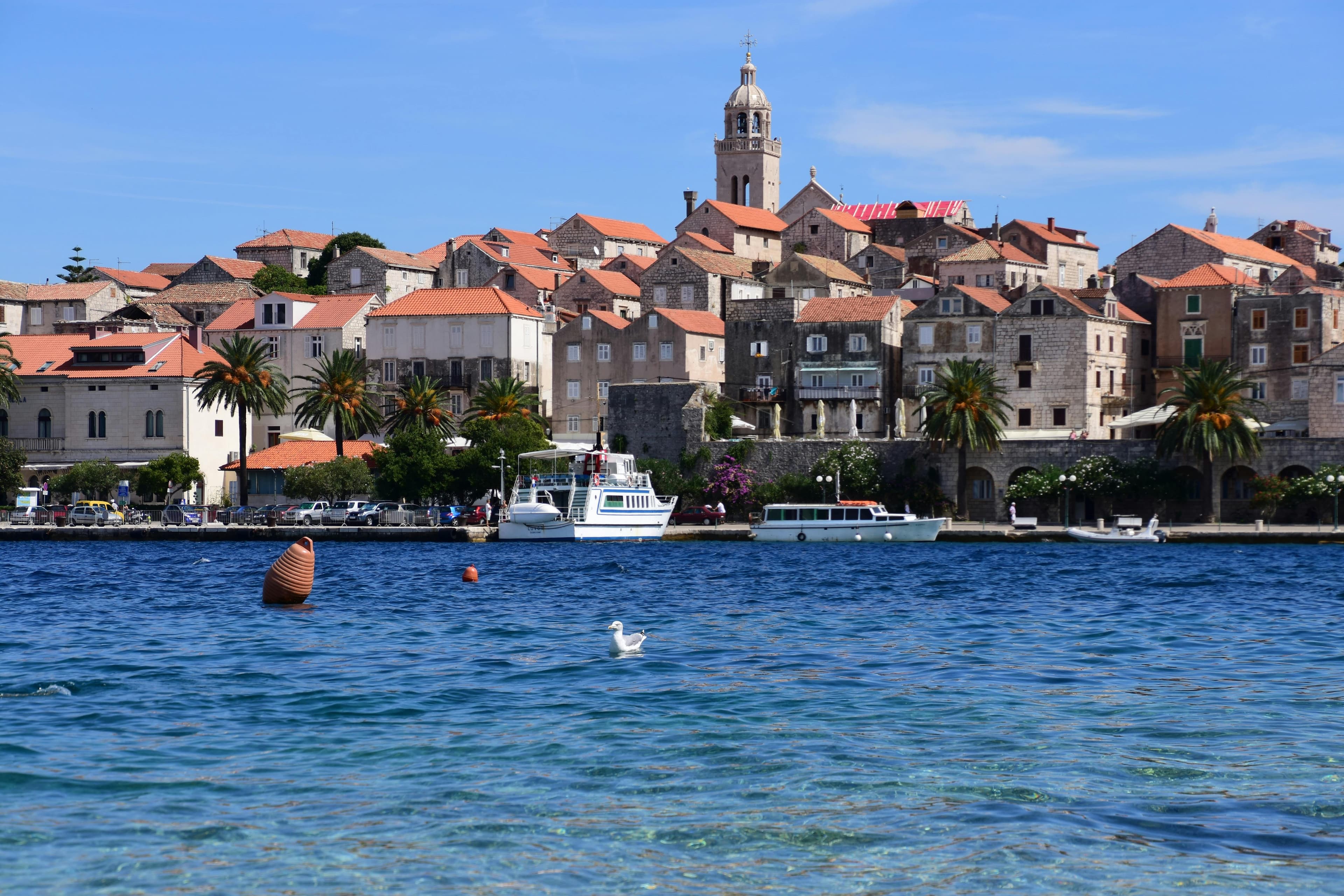
3. Treating inland Croatia as flyover country
A lot of itineraries skip almost everything between Zagreb and the coast.
That’s a lot of country to ignore.
Plešivica, just outside Zagreb, produces some of the best sparkling wine in Croatia. Samobor works perfectly as a slower half-day stop. Žumberak barely sees tourists at all.
Further east, Slavonia has Osijek, Ilok, Kopački Rit, and a completely different food and wine culture from the coast.
Zagorje has hilltop castles, thermal spas, vineyards, and small towns most foreign visitors never hear about.
You don’t need to build your entire trip around inland Croatia.
But even adding one inland stop changes the feel of the trip completely.
It also means you’ve actually seen Croatia — not just its coastline.
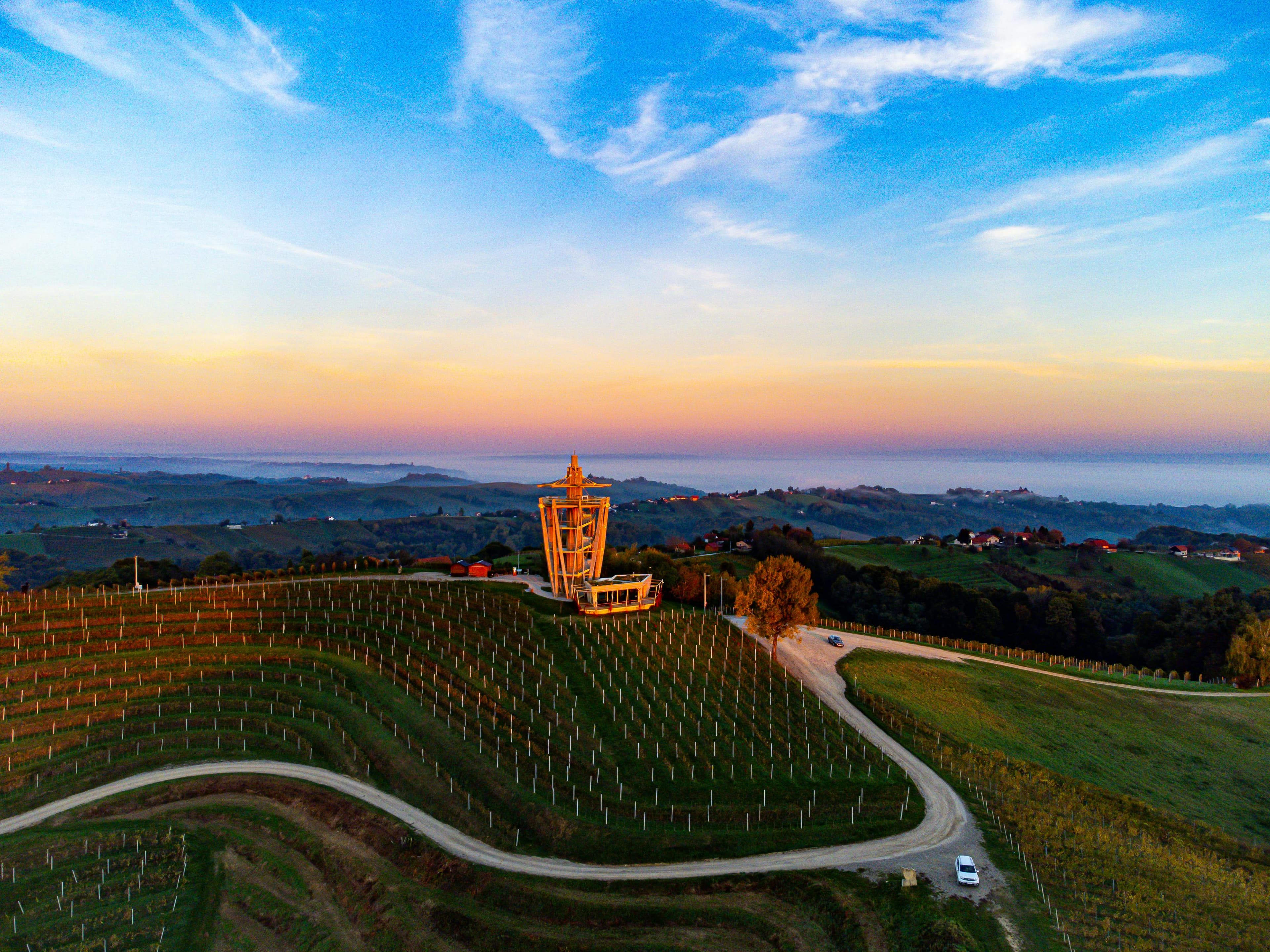
4. Visiting in August without knowing what August actually looks like
August on the Croatian coast is busy in a way photos don’t really capture.
Dubrovnik’s old town gets capped. Hvar Town fills up. Ferries book out. Restaurants in places like Rovinj can be full days ahead. Prices peak. The heat sits on the stone streets well into the evening.
If August is your only option, that’s fine — just plan for it.
- Book early
- Choose slightly less obvious bases
- Expect crowds and heat
- Leave buffer time for ferries and transport
But if you have flexibility, June, first half of July, September, and early October are usually better.
The sea is still warm. Crowds are smaller. Prices drop. The overall experience becomes much easier.
A September week in Dalmatia can feel like a completely different country compared to early August.
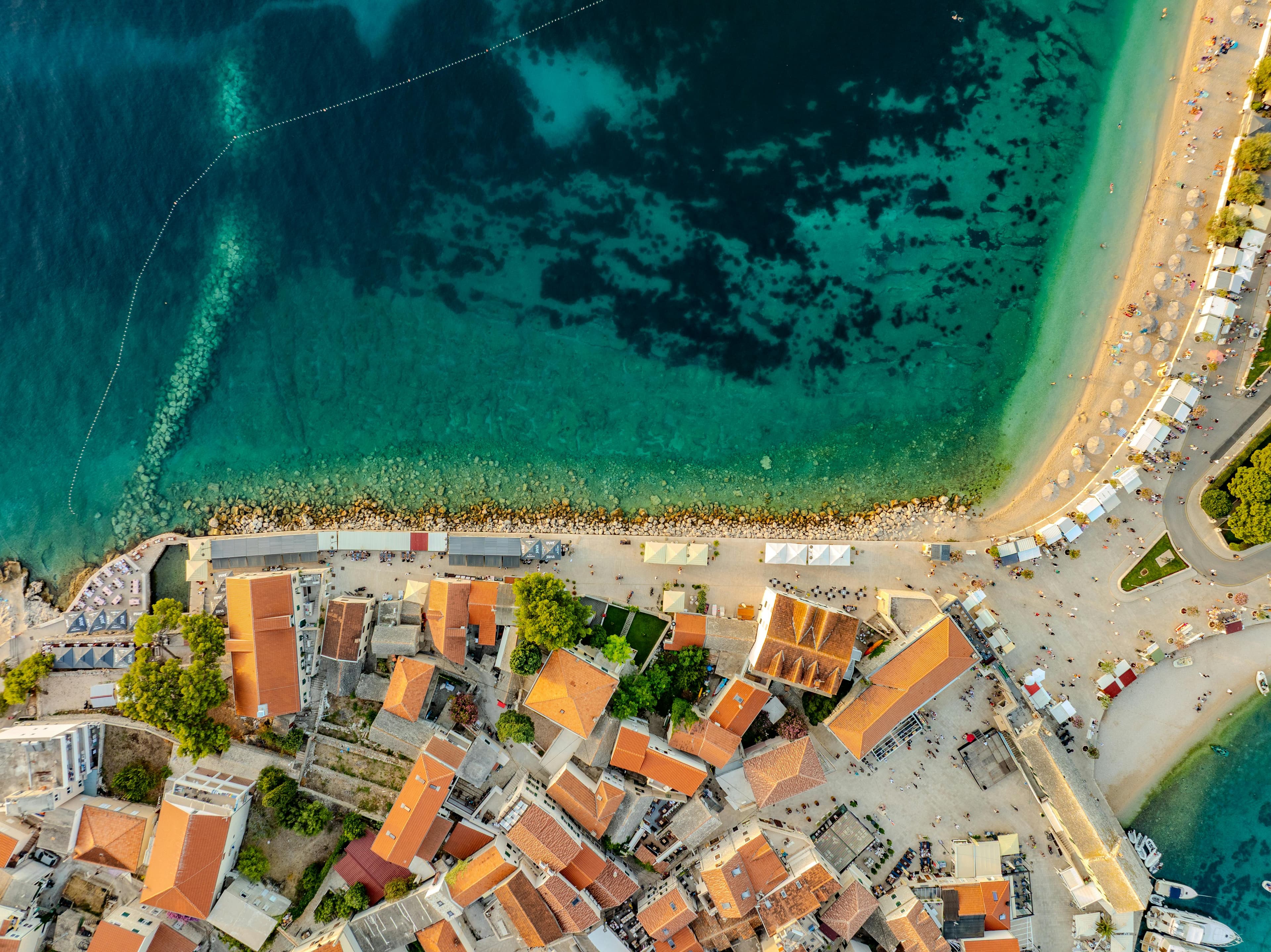
5. Picking the wrong base
A lot of first-time visitors stay in Dubrovnik simply because it’s the famous one.
If your trip is focused on southern Dalmatia — Korčula, Mljet, Pelješac — that works.
If you’re heading north toward Split, Hvar, or beyond, it usually doesn’t.
Split is the better hub for most routes. It connects well to the central islands and sits roughly in the middle of the coast.
Zadar is still one of the most underrated bases in Croatia — quieter than Split, but with excellent access to the northern islands and national parks.
It’s also worth looking beyond the obvious hubs entirely.
Places like Rovinj or towns in Kvarner give access to regions that feel completely different from the standard Croatia route — often with fewer crowds and better value.
The general rule is simple:
Base where your route makes sense, not where the photos are.
6. Underestimating ferry and transport times
People plan Croatian ferries a bit like trains.
They’re not.
Ferries are part of the experience — but they’re slower and less flexible than many visitors expect.
- Split to Hvar: roughly 1–2 hours
- Split to Korčula: around 3 hours
- Some routes don’t run year-round
- Schedules thin out quickly outside peak season
And what looks like a “quick transfer” on a map can easily take half a day once you include ports, waiting, delays, and onward transport.
Build in buffer time.
Don’t stack major travel and major sightseeing into the same day whenever you can avoid it.
And always check current ferry schedules — not last year’s blog posts.
7. Booking shoulder-season accommodation too late
Shoulder season isn’t really a secret anymore.
June, September, and early October are now busy enough that the best small hotels, apartments, and guesthouses often disappear months ahead.
Especially in places like Rovinj, Korčula, Hvar, and smaller Dalmatian towns.
People still assume September means “quiet season.”
It doesn’t.
If you wait too long, you’re usually choosing from what’s left — worse locations, higher prices, or both.
If you care where you stay, book 3–6 months ahead.
What to do instead
Pick fewer regions.
Slow down.
Don’t default to the same three places everyone else goes.
Croatia isn’t just Dubrovnik, Split, and Hvar — and some of the best trips happen once you step outside that loop.
Plan around the season. Base where your route actually makes sense. Leave room for ferries. Book early.
Do that, and you stop just “seeing Croatia.”
You actually experience it.
If you want help
If you want a Croatia trip built around your dates, your pace, and how you actually like to travel, I can help.
I create custom Croatia itineraries that avoid the mistakes above — with better bases, smarter routes, and enough breathing room to enjoy the country properly.
Plan your Croatia trip yourself — but do it properly
If you want to plan your own Croatia trip, start with Croatia, Properly — a practical PDF guide for travellers who want smarter routes, better bases, and fewer tourist-trap mistakes.
It covers where to stay, how to pace your trip, which regions are worth knowing, how ferries and transport affect your route, what to eat and drink by region, and sample itinerary frameworks that actually make sense. It deliberately skips the usual Dubrovnik–Split–Hvar route — this is the Croatia most visitors never discover.
Best for independent travellers who want honest, local, opinionated guidance before booking.
PDF guide · 36 pages · €15
Buy Croatia, ProperlyExplore More of Croatia
Discover more stories, hidden gems, and travel inspiration to help you plan your perfect Croatian adventure.