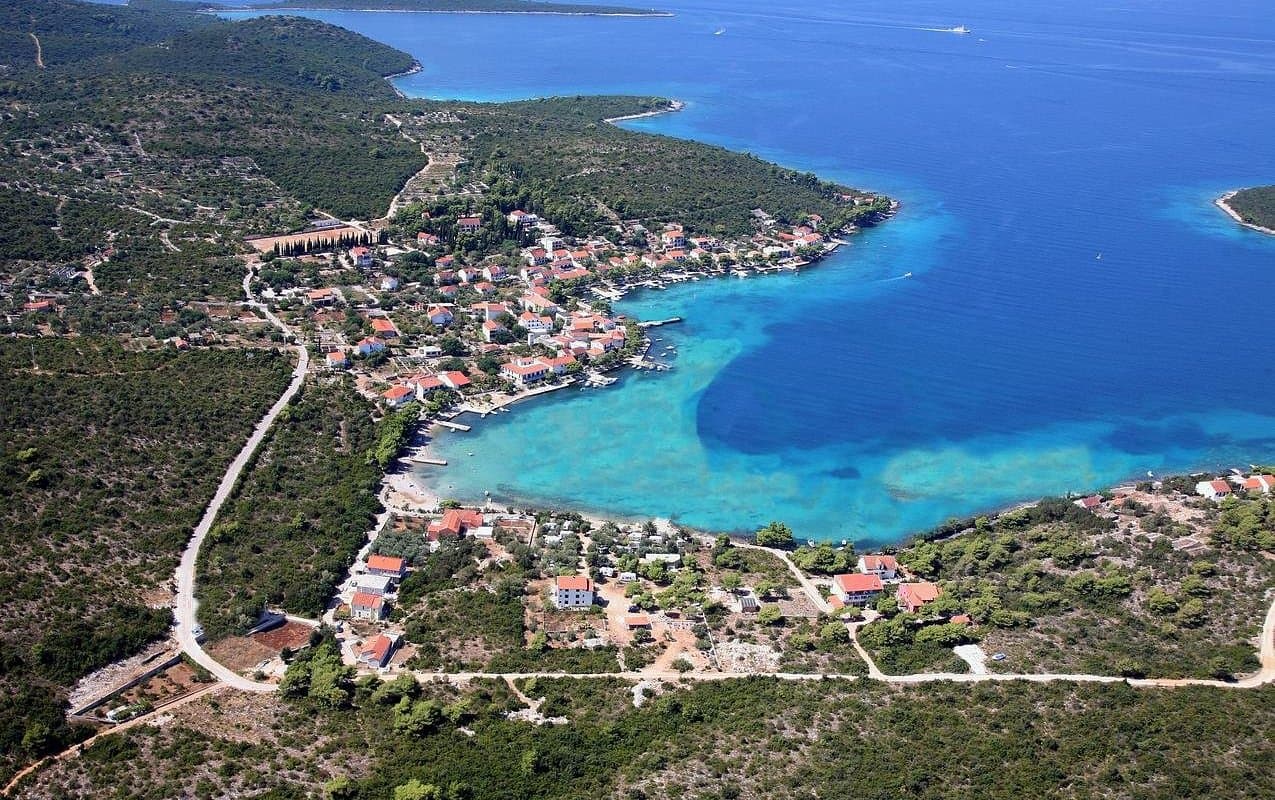
Pelješac Peninsula
Croatia's Wine Paradise — Plavac Mali, Ston Walls, and Adriatic Beauty
A Slender Peninsula of Wine, History, and Coastal Beauty
Pelješac is Croatia's second-largest peninsula, extending into the Adriatic Sea north of Dubrovnik. Known above all for its world-class wines—especially the robust Plavac Mali and elegant Dingač—Pelješac has earned a reputation as one of Croatia's premier wine regions.
Beyond the vineyards, the peninsula offers stunning coastal scenery, historic fortified towns like Ston and Orebić, ancient saltworks still in operation, and pristine beaches facing both the open Adriatic and the sheltered Pelješac Channel.
With the recently completed Pelješac Bridge, the peninsula is now more accessible than ever, making it an essential stop for travelers exploring southern Dalmatia.
Quick Facts
Why Visit Pelješac?
A unique combination of world-class wine, ancient history, and unspoiled Adriatic coastline makes Pelješac a must-visit destination in southern Dalmatia.
Premier Wine Region
Home to Croatia's finest red wines, including legendary Dingač and Postup made from Plavac Mali grapes
Historic Ston Walls
Europe's longest defensive walls stretch 5.5 km, protecting ancient saltworks and the historic town of Ston
Pristine Beaches
Crystal-clear waters, secluded coves, and scenic beaches face both the open sea and the tranquil channel
Key Highlights
A Glimpse Into Pelješac's History
Salt, wine, and strategic defense
From Saltworks to Vineyards
Pelješac has been inhabited since ancient times, with Illyrian and later Greek and Roman settlements taking advantage of the peninsula's strategic position and natural resources. The salt pans of Ston became one of the most valuable resources in the region, leading the Republic of Ragusa (Dubrovnik) to fortify the area extensively.
The monumental Ston Walls, constructed in the 14th and 15th centuries, are the result of Dubrovnik's determination to protect its precious salt trade. Often called the "European Wall of China," these defensive walls stretch over 5.5 kilometers and remain one of the most impressive fortification systems in Europe.
Over the centuries, Pelješac developed a thriving wine-making tradition, cultivating indigenous grape varieties on steep sun-drenched slopes. Today, the peninsula is celebrated for producing some of Croatia's finest wines, particularly from the Dingač and Postup appellations.
Top Things to See & Do
Explore historic fortifications, world-class vineyards, and coastal beauty
Top Attractions
Ston Walls
Europe's longest defensive walls (5.5 km) offer spectacular views and a journey through medieval military architecture.
Ston Saltworks
Ancient salt pans still in operation today, producing "white gold" using traditional methods dating back over 4,000 years.
Dingač & Postup Vineyards
Croatia's most prestigious wine appellations, where Plavac Mali grapes grow on steep terraced slopes facing the Adriatic.
Activities
Wine Tasting Tours
Visit family-owned wineries and konobas to taste award-winning wines and learn about traditional winemaking.
Hiking the Walls
Walk along the historic Ston Walls for panoramic views of the peninsula, saltworks, and the Adriatic Sea.
Boat Excursions
Take boat trips to nearby islands, explore hidden coves, or catch the ferry to Korčula from Orebić.
Cycling Routes
Explore the peninsula by bike along coastal roads and through vineyards with stunning sea views.
Oyster Tasting
Sample fresh oysters and mussels from Mali Ston Bay, considered some of the finest in the Mediterranean.
Mountain Trails
Hike up St. Elijah peak for spectacular 360-degree views of the peninsula and surrounding islands.
Book Tours & Experiences in Pelješac
Discover Pelješac's wineries and oyster farms with guided tastings.
Best Beaches
Crystal-clear waters along both coasts
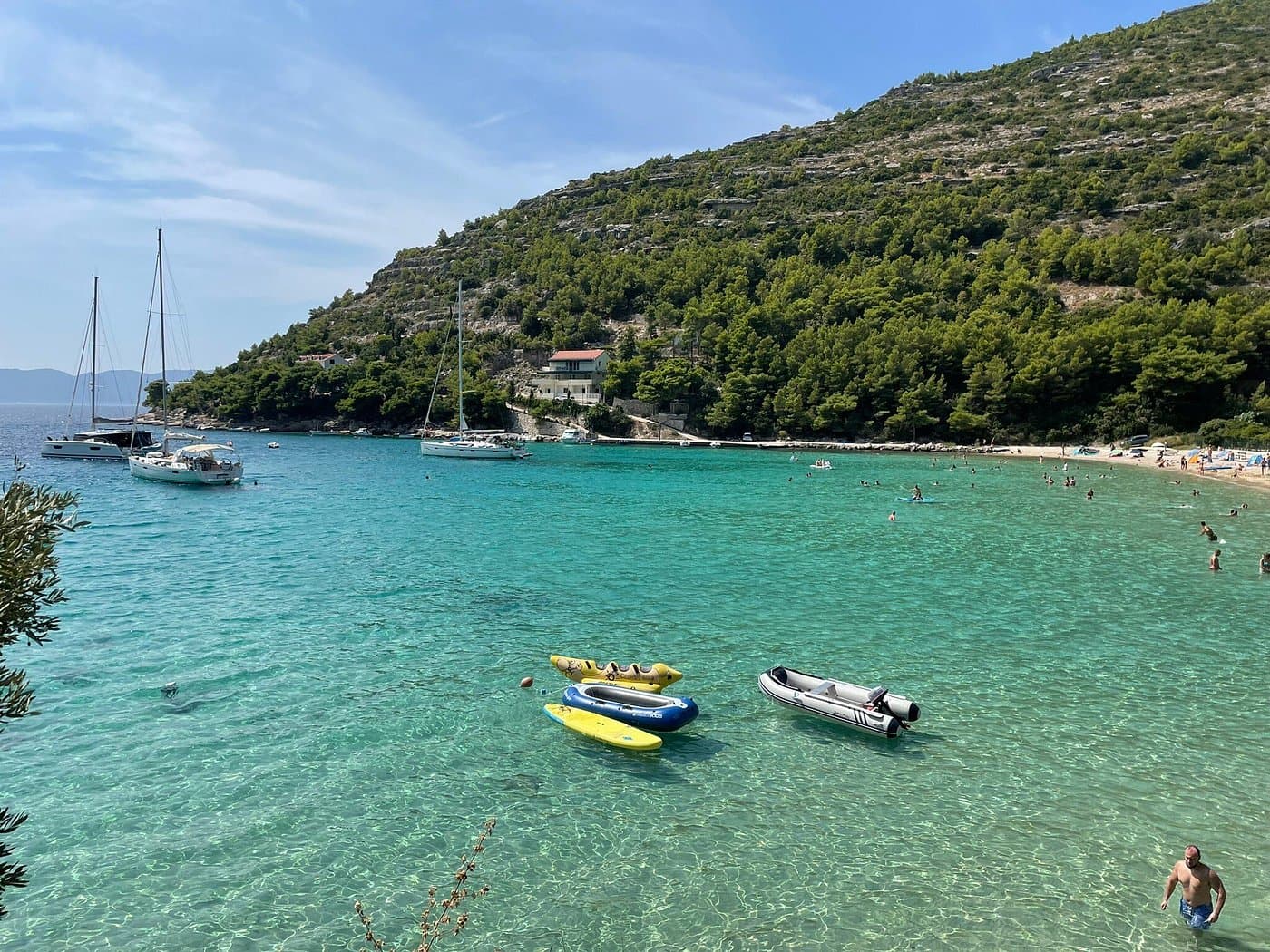
Prapratno Beach
A long pebble beach sheltered in a scenic bay, popular with families for its calm, shallow waters.
Family-Friendly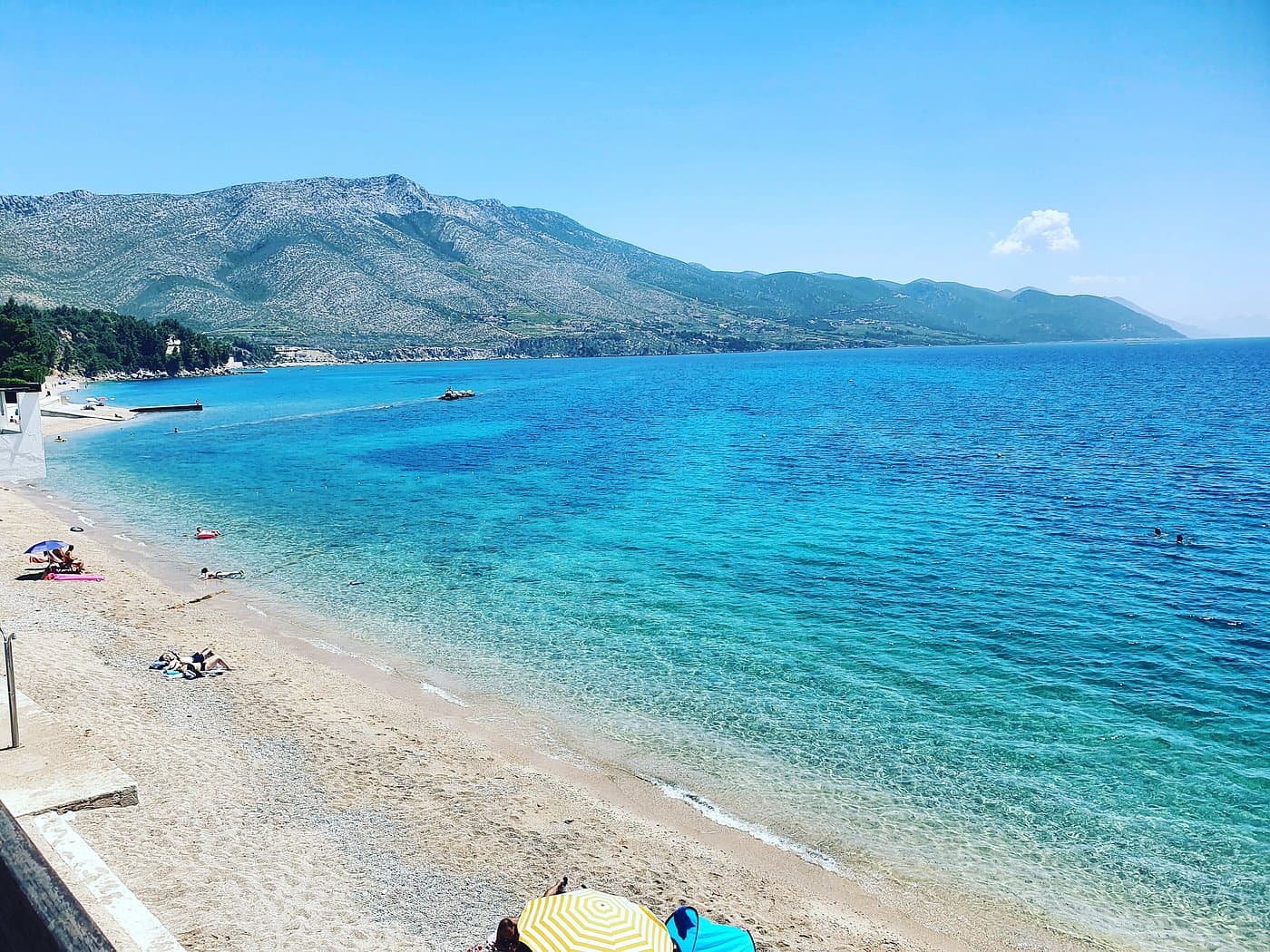
Trstenica Beach
Near Orebić, this pebble beach offers clear waters, beach bars, and views across to Korčula Island.
Lively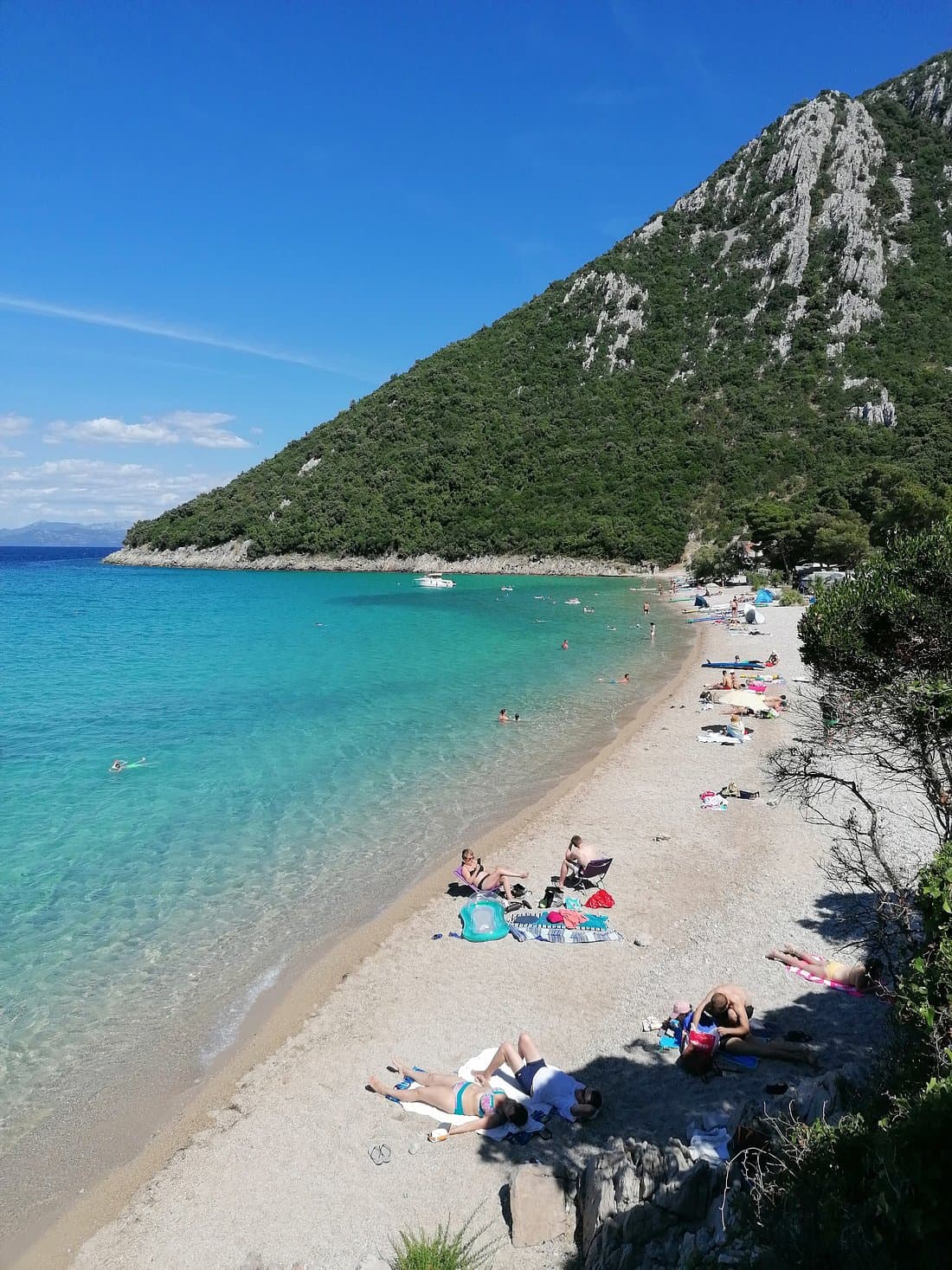
Divna Beach
A quiet pebble beach surrounded by pine trees, perfect for those seeking peace and natural beauty.
SecludedTwo Coasts, Twice the Beauty
Pelješac's unique geography gives it two distinct coastlines: the northern side facing the Pelješac Channel offers calm, sheltered waters ideal for families, while the southern coast opens to the Adriatic with more dramatic scenery and pristine, less-crowded beaches.
Wine, Food & Culture
Experience Pelješac's renowned gastronomic traditions
Wine Heritage
Dingač & Postup
Croatia's most prestigious wine appellations produce exceptional red wines from indigenous Plavac Mali grapes grown on steep south-facing slopes. These powerful, full-bodied wines have earned international acclaim.
Family Wineries
Visit traditional family-run wineries offering tastings, cellar tours, and the chance to meet passionate winemakers who have cultivated these vineyards for generations.
Local Cuisine
Ston Oysters
Mali Ston Bay produces some of the Mediterranean's finest oysters and mussels, traditionally enjoyed fresh with a squeeze of lemon.
Traditional Konobas
Family-run taverns serve Dalmatian specialties like pašticada, grilled fish, and homemade pasta paired with local wines.
Wine & Dine Tours
Join guided tours combining winery visits, olive oil tastings, and traditional meals in authentic settings.
Annual Events
Dingač Wine Festival
Celebrate Pelješac's legendary wines with tastings, music, and traditional food in the heart of the wine region.
Ston Oyster Festival
Sample fresh oysters paired with local wines, celebrating the centuries-old tradition of oyster farming in Mali Ston Bay.
When to Visit Pelje\u0161ac
Mediterranean climate perfect for wine and coastal exploration
Spring
April–June
Ideal for hiking the Ston Walls, cycling through vineyards, and exploring without summer crowds. Perfect temperatures for outdoor activities.
- Hiking the historic Ston Walls
- Cycling through vineyard landscapes
- Fewer crowds at beaches and towns
- Pleasant 18–25°C temperatures
Summer
July–August
Peak season for beaches, swimming, and coastal dining. Warm sea temperatures and lively atmosphere in Orebić and other coastal towns.
- Warm sea perfect for swimming
- Lively coastal town atmosphere
- Beach season at its finest
- Fresh seafood dining by the water
Autumn
September–October
Grape harvest season brings wine festivals and the best time for winery tours. Mild weather and fewer tourists make this ideal for wine lovers.
- Grape harvest and wine festivals
- Best time for winery tours
- Mild weather and fewer tourists
- Fresh olive oil season begins
Winter
November–March
Mild Mediterranean winters offer a quiet retreat with dramatic coastal scenery. Many wineries remain open for tastings by appointment.
- Mild winters rarely below 10°C
- Quiet villages and empty beaches
- Winery visits by appointment
- Dramatic stormy coastal scenery
Getting to Pelješac
Easy access via the new Pelješac Bridge
By Car
From Dubrovnik: The spectacular Pelješac Bridge (opened 2022) connects the mainland directly to the peninsula, eliminating the need to cross through Bosnia. Drive time: ~1 hour to Ston, ~1.5 hours to Orebić.
From Split: Drive south along the coastal road or take the highway. Distance: ~170 km, approximately 2.5 hours.
By Ferry
Orebić–Korčula: Frequent daily ferry service connects Orebić on Pelješac with Korčula Town. Journey time: ~15 minutes. Perfect for island hopping.
Trpanj–Ploče: Car ferry service across the Neretva Channel connects the peninsula with the mainland, offering an alternative route.
Good to Know
- •The Pelješac Bridge is toll-free and dramatically improves access from Dubrovnik and southern Dalmatia
- •Car rental is recommended for exploring the peninsula's wineries, beaches, and small villages
- •Limited public bus service connects main towns, but schedules are infrequent
- •Parking is readily available in towns like Ston and Orebić, as well as near major beaches
Book Tours & Experiences in Peljesac
Discover Peljesac's world-class wineries, oyster farms and stunning beaches with guided tastings and boat tours.
Explore More Destinations in Croatia
Hvar
Lavender hills, yachts, sunsets, and summer nightlife.
Pakleni Islands
A stunning chain of islands off Hvar's coast. Crystal-clear waters, fragrant pine forests, hidden coves, and effortless Mediterranean elegance.
Korčula
Medieval stone streets surrounded by quiet coves.
Brač
One of the largest Croatian islands, home to Zlatni Rat — the iconic golden pebble beach — and famous white limestone quarries.