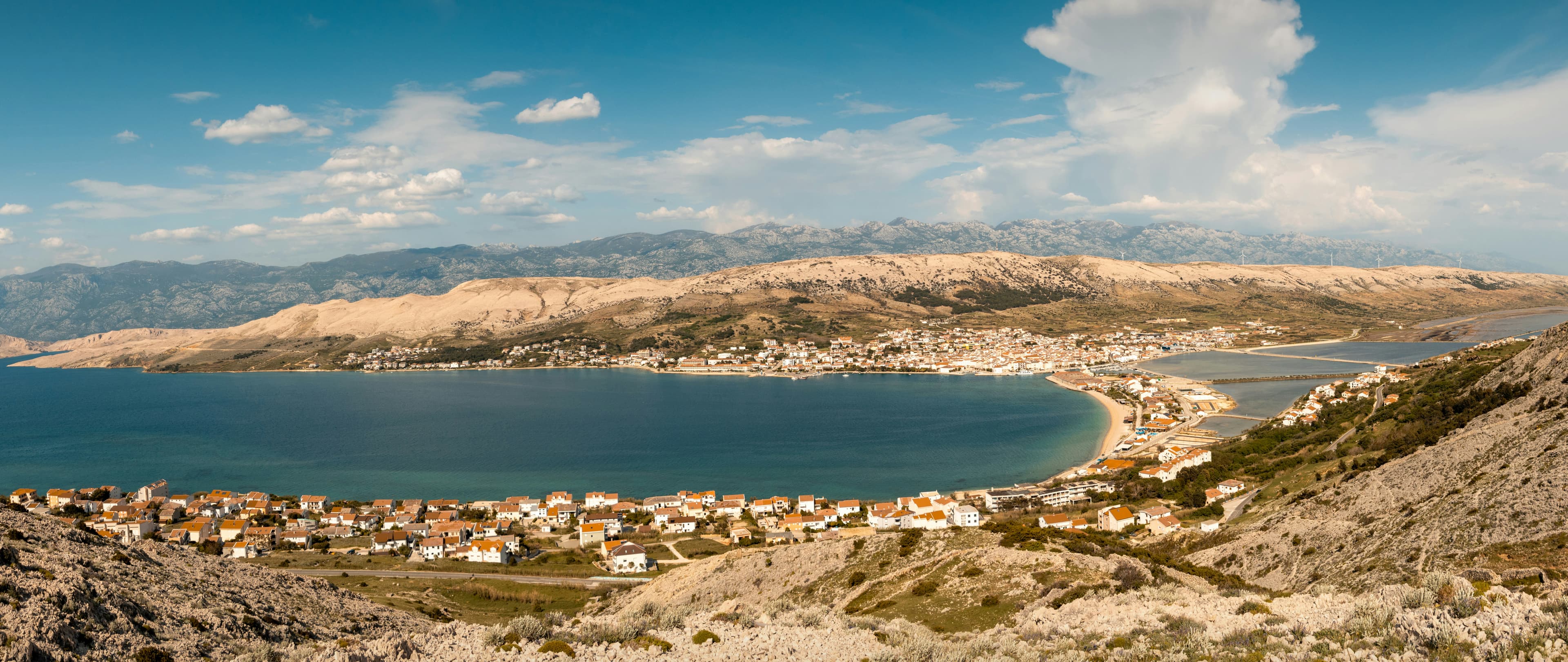
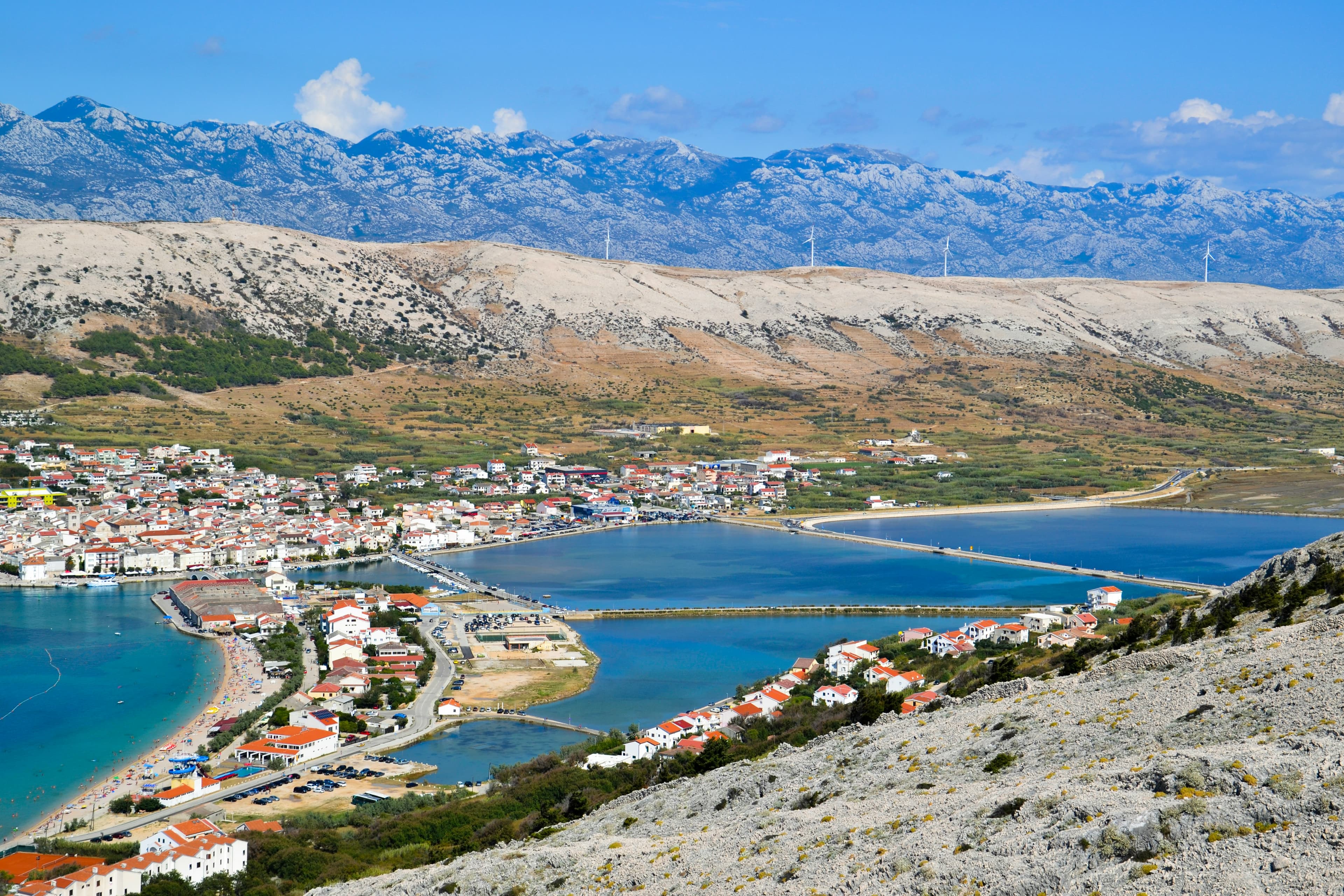
View over Pag town and its harbour from the surrounding bone-white karst, with the Velebit massif rising across the channel.
Back to Get Inspired
GastronomyPag Island

Pag Cheese (Paški Sir): The Island, the Sheep, and Why It Wins World Awards

Croatia's most decorated cheese comes from a wind-scoured limestone island where the sheep outnumber the people four to one. Here is how to taste it properly.

Pag Island, Dalmatia, Croatia

Why Paški Sir Is Worth Knowing

Paški sir is a hard sheep's milk cheese with Protected Designation of Origin status, made on the long, narrow island of Pag in northern Dalmatia. It has been awarded gold, silver and bronze at the World Cheese Awards in successive years and is the cheese most Croatians point to when asked what their country makes that competes at the top of the European table.

What makes it interesting is not the medals but the cause behind them — a combination of wind, salt and a low-yielding native breed of sheep that you cannot replicate anywhere else. Taste a wedge of well-aged paški sir alongside a Spanish Manchego or an Italian Pecorino and the difference is immediate.

This guide covers what makes the cheese distinctive, the two producers worth visiting on the island, what to drink it with, and how to plan a half-day or full-day visit if you are travelling through Dalmatia.

Quick Facts

Where

Pag Island, Zadar County. Linked to the mainland by the Pag Bridge in the south and by the Prizna–Žigljen ferry in the north.

Designation

Protected Designation of Origin (PDO) since 2019.

Sheep population

Around 40,000 indigenous Paška pramenka sheep on an island of roughly 9,000 residents.

Best time to visit a dairy

Mid-April to early November. Outside that window production continues but tours largely stop.

Two main producers

Sirana Gligora in Kolan, and Paška Sirana in Pag town.

Tour cost

Roughly €15–25 per person for a guided dairy visit with tasting, depending on producer and flight size.
Terroir

Why Pag Cheese Tastes the Way It Does

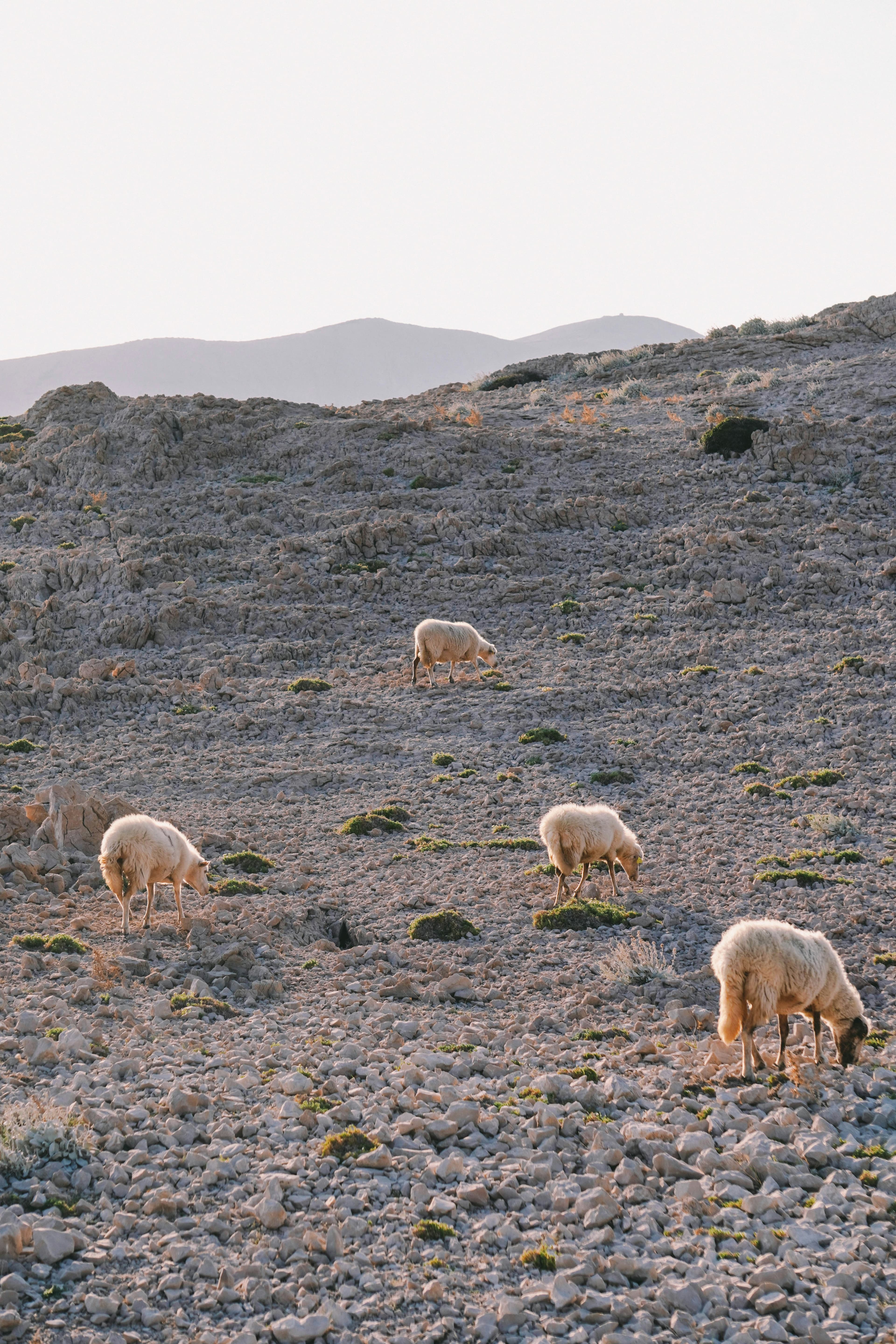
Pag is a long, narrow strip of karst running parallel to the Velebit massif on the mainland. The bura, the cold north-easterly wind that drops off Velebit, scours the island for much of the year and reaches gusts of well over 150 km/h in winter storms. It picks up sea spray on the way across the channel and deposits a fine film of salt onto the limestone pastures.

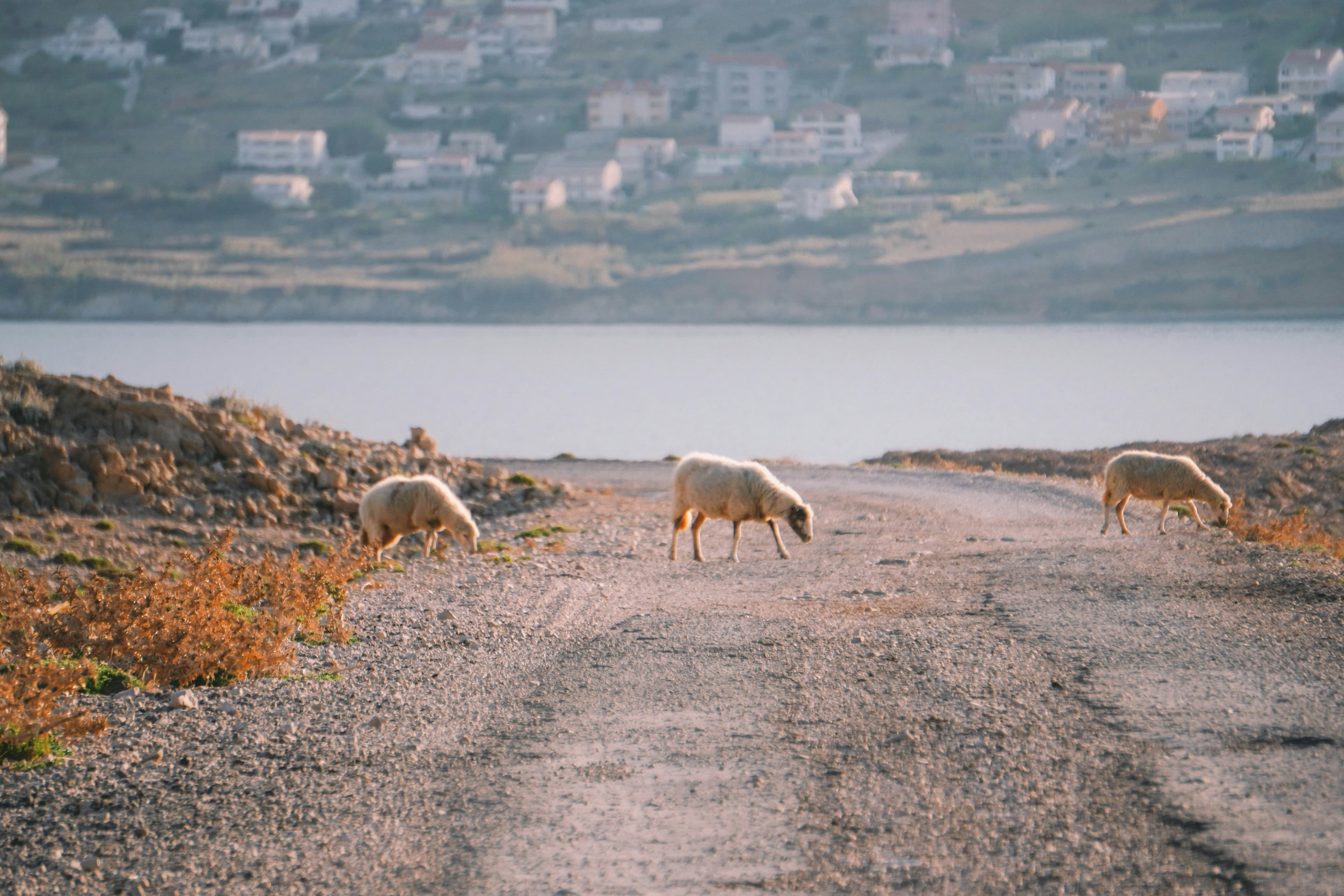
That salt, combined with the wild sage, immortelle and thyme that survive on the rocky terrain, is what the indigenous Paška pramenka sheep eat. The pastures look almost lunar from the road — bone-white stone, low scrub, very little soil — but they are exactly what makes the milk distinctive. The sheep yield very little of it, on the order of half a litre per ewe per day, which is part of the reason a good wedge of aged paški sir costs what it does.

The other piece of the puzzle is the brining stage. When the cheeses are salted, producers use salt from Solana Pag, the saltworks at the southern end of the island, which has been worked since Roman times. The result is a hard sheep's milk cheese with a dry, slightly crumbly texture when young and a pronounced umami, herbaceous edge as it ages. If you have eaten Manchego or Pecorino, paški sir lives in the same family, but with a sharper, saltier finish that comes directly from the wind.

Pag sheep grazing across the island's bone-dry, stone-scattered slopes at golden hour — the harsh terrain whose herbs flavour paški sir.
Photo by Kat Von Wood on Unsplash
Where to Buy & Taste

The Two Producers Worth Knowing

Sirana Gligora, based in the village of Kolan in the middle of the island, is the name you will see in cheese shops across Europe. The family has been making cheese on Pag since 1918, and the current generation has built a serious international medal cabinet. At the 2024 World Cheese Awards alone they took gold for a Kolan aged in wine must, silver for their extra-aged paški sir, and bronze for a Žigljen aged in pressed maraska cherry pomace. Their cellar tours run daily from 9am to 5pm between 15 April and 1 November, and you can book in advance through their cheese-and-wine shops in Kolan and Novalja.

Paška Sirana, in Pag town itself, is the older industrial-scale producer and is what most Croatian supermarkets stock. The brand is less polished for tourism, but the cheese is excellent and the price-to-quality ratio is hard to beat. You can buy it from the Siroteka shop on the Pag town riverside, which only sells Paška Sirana cheeses; it is a fine fallback if you cannot get out to Kolan.

A handful of small family producers also sell directly from farmhouses inland, mainly around Kolan, Vlašići and Dinjiška. These are worth seeking out if you are driving across the island and want something unbranded; signs reading "domaći paški sir" (homemade Pag cheese) along the country roads usually mean a five-minute detour, a kitchen table and a flat €15 or so for a small wheel. Quality varies, but the best small producers make cheese that is every bit as good as Gligora's, just without the medals.

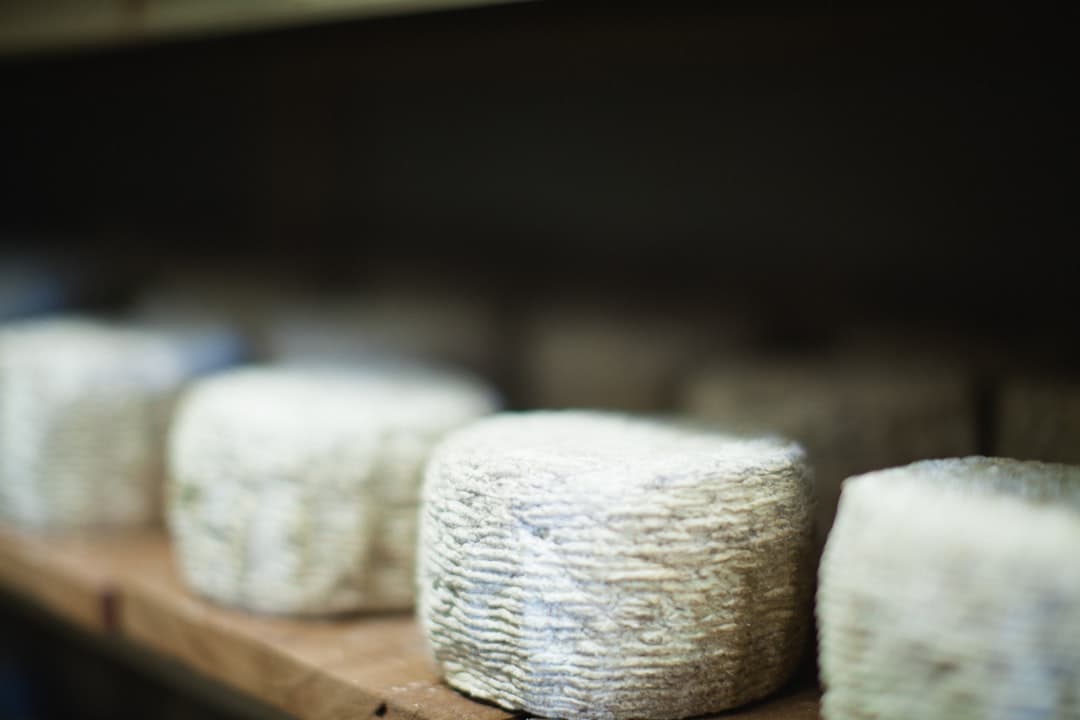
Rows of small aged sheep's milk cheese wheels resting on a wooden shelf in a producer's cellar.
Eating & Carrying Home

What to Eat It With, and How to Carry It Home

Paški sir is conventionally served as part of a Dalmatian platter — sliced thin, with prosciutto from Drniš or Istria, a few olives, and a glass of something local. The traditional pairing on Pag itself is Žutica, the island's white wine made from the indigenous Gegić grape; it is dry, lean and faintly bitter, and it cuts the salt of the cheese cleanly. If you cannot find Žutica, a Pošip from Korčula or a Malvazija from Istria will do the same job.

Aged paški sir keeps very well on the road. A vacuum-packed wedge from either dairy will sit happily in a car or carry-on for several days in mild weather, and the airport in Zadar regularly waves through wrapped, sealed cheese without comment for EU and UK travellers. If you are flying further afield, check your destination's customs rules before you commit — some countries restrict raw-milk cheese imports regardless of how it is wrapped.

Younger paški sir, aged a couple of months, is softer and milder and is what locals eat at lunch. The extra-aged version, twelve months or more, is what wins the awards: harder, drier, with crystals forming in the paste and a long salty finish. The Gligora cellar tour ends with a flight of three or four different ages side by side, which is genuinely the best way to understand what aging does to the cheese — more useful than any tasting note.

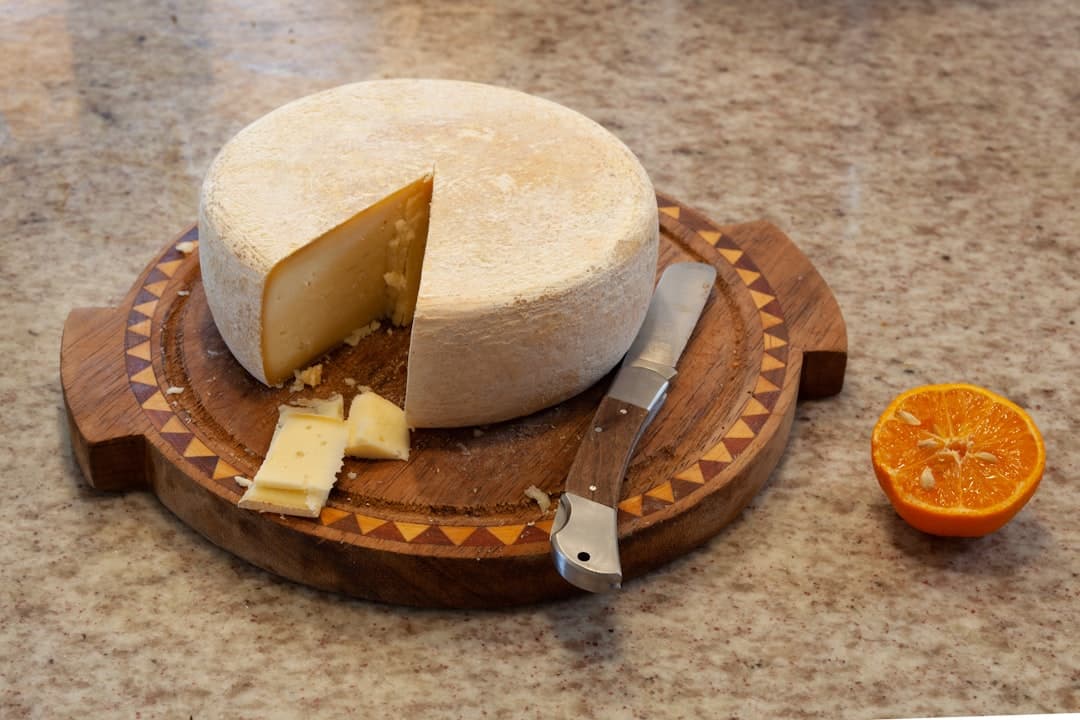
A small aged sheep's milk cheese on a wooden board with a wedge cut from it, ready for tasting alongside fruit.
Practical Info

How to Build a Visit Around It

The most efficient way to visit is by car as a day trip from Zadar. The Pag Bridge is roughly 50 km north of Zadar, and Kolan is about 25 km further on; allow an hour and a half each way. If you are based further north, in Rijeka or anywhere on Kvarner, the Prizna–Žigljen ferry from the mainland to the northern end of Pag runs frequently in summer and drops you fifteen minutes from Novalja.

Combine the dairy with the saltworks at the south end of the island and the lunar landscape near Metajna and you have a full day with three genuinely distinctive stops. Pag town itself is a planned medieval grid worth an hour, but most visitors only need half a day there. Novalja and Zrće beach, in the north, are a separate proposition entirely — that is the party end of the island, and culturally has very little to do with the cheese, the salt or the sheep.

If you are travelling by bus, you can reach Pag town from Zadar in about ninety minutes, and Novalja from Rijeka in around four hours. Getting from Pag town to Kolan without a car is awkward — there are infrequent local buses and the occasional taxi — so if the dairy visit is your priority, a hire car or a guided tour from Zadar is realistically the way to do it.

FAQ

Frequently Asked Questions

It is genuinely different, and a side-by-side tasting makes the case better than any description. The bura-driven salinity of the pasture gives Pag cheese a sharper, more mineral finish than a Spanish Manchego, and the sheep graze year-round outdoors on wild herbs rather than on cultivated feed, which adds a herbaceous note Pecorino does not have. That said, if you do not like hard sheep's milk cheeses in the first place, paški sir will not convert you.

Late May through early October is the most reliable window. Gligora's tour season runs from 15 April to 1 November, and Paška Sirana keeps similar hours. Outside that period the dairies still produce, but tours largely close and the island in general slows down considerably. Spring and early autumn are quieter and the heat is manageable; July and August are crowded, particularly on the Novalja side.

Yes, both producers have a wide retail presence on the Croatian coast, and you will find paški sir in any decent delicatessen in Zadar, Split or Dubrovnik. The cheese itself is identical to what you would buy on Pag. What you cannot replicate off-island is the dairy tour, the cellar tasting flight, and the chance to buy direct from small family producers, which is the reason most people make the trip.

By Croatian standards, yes — it is one of the more expensive local products you can buy. A wedge of aged paški sir at a dairy retail shop typically runs in the range of €40–60 per kilogram, with the extra-aged versions and award-winning lots commanding more. That is in line with comparable PDO sheep's milk cheeses elsewhere in Europe, and reflects the very low milk yield of the indigenous breed.

Traditionally paški sir is made with animal rennet, which means it is not vegetarian. A few producers, including Gligora, now offer cheeses made with microbial rennet; ask specifically at the cellar shop if this matters to you, and check the label, as the standard line is still made the traditional way.

Aged paški sir is robust. A wedge wrapped tightly in baking paper and kept in the fridge will hold its flavour for two to three weeks, and arguably improves over the first few days once it has come up to room temperature properly. Do not freeze it — the texture suffers and the salt crystals that give old paški sir its character do not survive the cycle.

Explore More of Croatia

Discover more stories, hidden gems, and travel inspiration to help you plan your perfect Croatian adventure.