
Food & Wine in Croatia
Croatia's food is regional in a way that surprises people expecting a single national cuisine. What you eat in Slavonia has almost nothing in common with Istria, and both are different again from Dalmatia.
Croatian food is shaped by geography and history in equal measure. The Mediterranean coast draws on Venetian and Dalmatian traditions — olive oil, fresh seafood, indigenous wine varieties and, in Istria, truffles that rival the finest in Europe. The continental interior is a different world: Austro-Hungarian comfort food in Zagreb, slow-braised paprika stews in Slavonia, river fish from the Drava and Danube.
Knowing the regional logic before you go means you order better and understand more of what's in front of you. None of it is well known outside Croatia, which makes it one of Europe's most rewarding countries for anyone willing to step away from the tourist menu.
Croatia by Region
Each region has its own food culture, indigenous wine varieties and key producers. This is the regional overview — the sections below go into more detail on the specific categories.
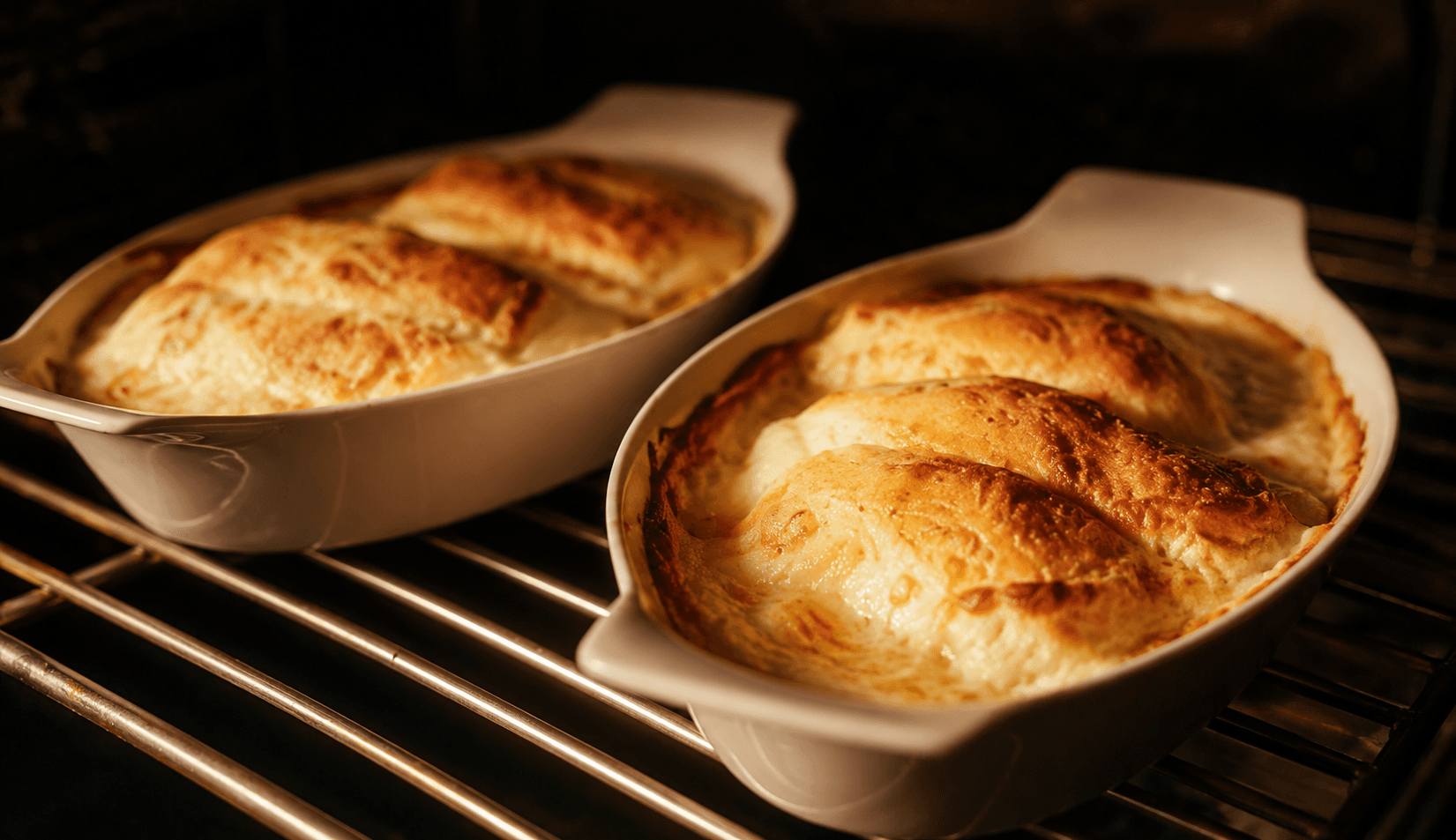
Zagreb & Central Croatia
Austro-Hungarian comfort food: štrukli, Zagrebački odrezak, turkey with mlinci and kremšnita from Samobor. Wine: Plešivica, 40 min from the city, is Croatia's best sparkling region — Tomac, Korak and Šember are the key producers.
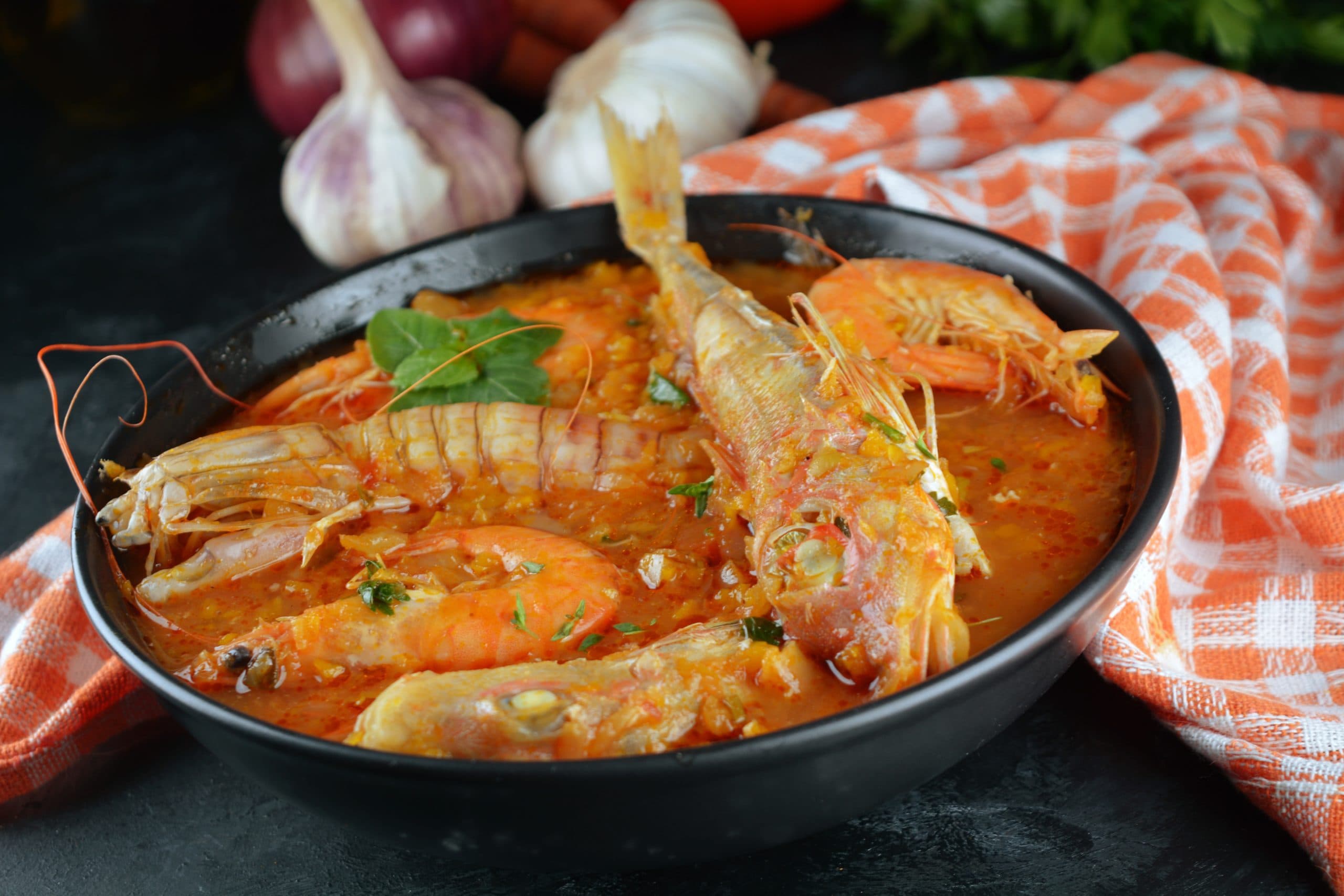
Kvarner
Brodetto fish stew, Cres island lamb grazed on wild herbs and olive oil that rarely leaves the islands. Wine: Žlahtina from Krk is Croatia's most delicate indigenous white — Katunar and Šipun are the main producers.
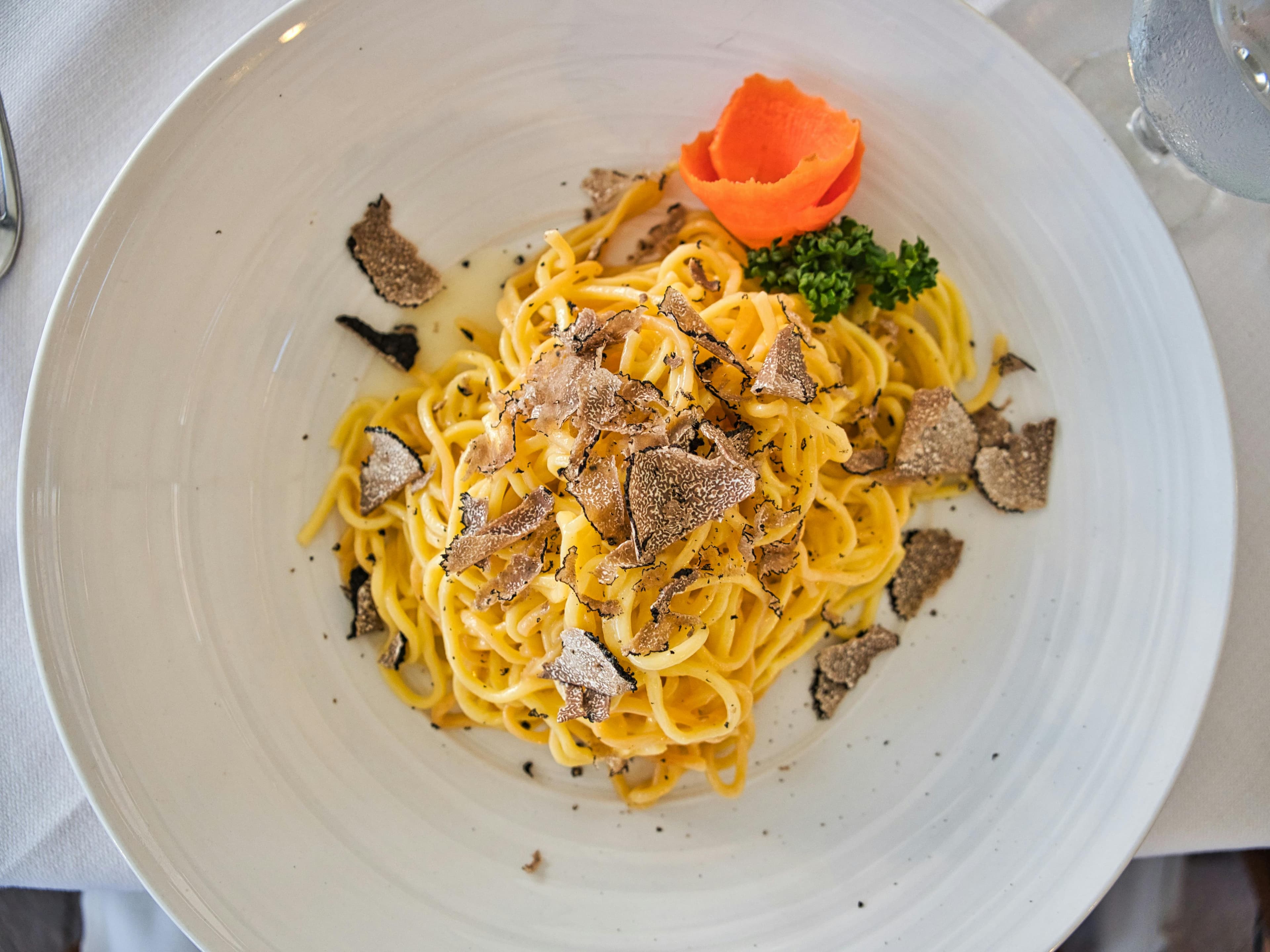
Istria
Fuži pasta with truffles, Istrian prosciutto and award-winning olive oil. Wine: Malvazija Istarska (white) and Teran (red) — Fakin, Benvenuti, Kozlović and Kabola are the producers worth finding.
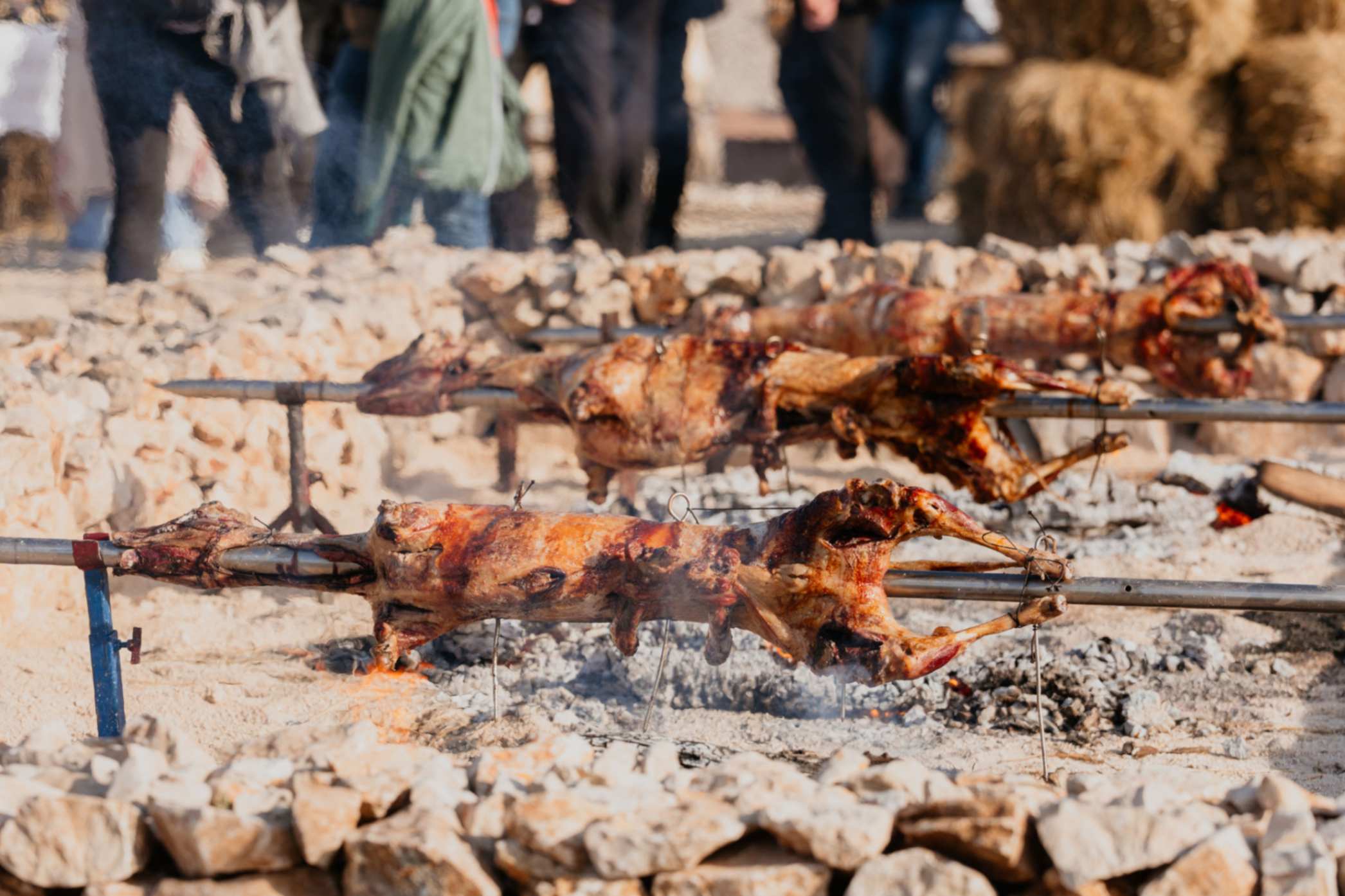
Dalmatia
Grilled fish, peka roasting, Pag lamb and paški sir. Wine: Babić from Primošten is the most interesting indigenous red; Pošip from Korčula is widely available. Testament and Baraka are the names worth seeking.
Slavonia
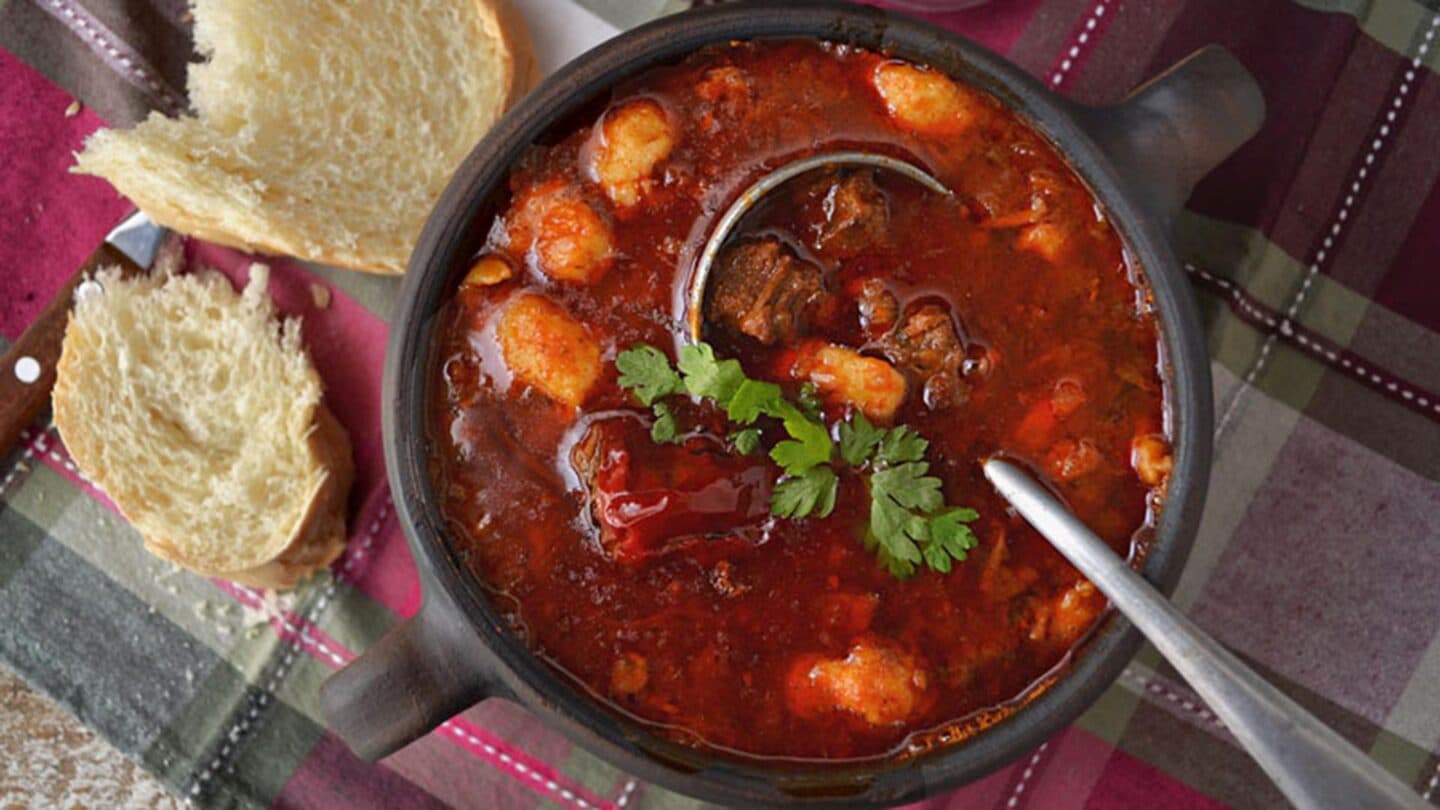
Kulen sausage, čobanac stew and fiš paprikaš from the Danube and Drava rivers. Wine: Graševina dominates; Traminac from Ilok is worth trying. Iločki Podrumi and Krauthaker are the established names.
Wine Regions
Croatia has over 130 indigenous grape varieties and four main wine regions — most of them completely unknown outside the country. The coastal wines and the continental wines are entirely different in character.
Dalmatia
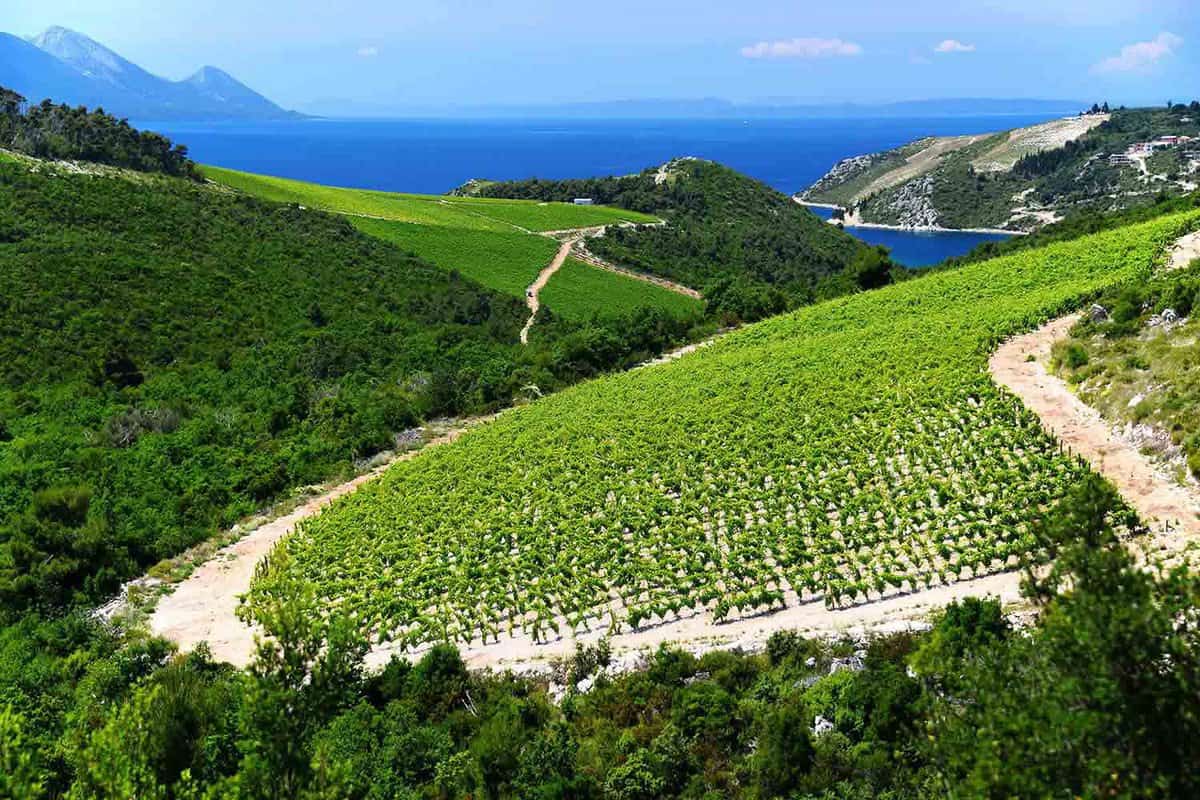
Croatia's most dramatic wine region — stone terraces, steep coastal slopes and intensely Mediterranean character. Plavac Mali is the defining red, especially on the south-facing terraces of Pelješac (Dingač and Postup appellations); Pošip from Korčula and Grk from Lumbarda are the leading whites. Matuško, Grgić Vina and Saints Hills on Pelješac; Krajančić on Korčula.
Istria and Kvarner
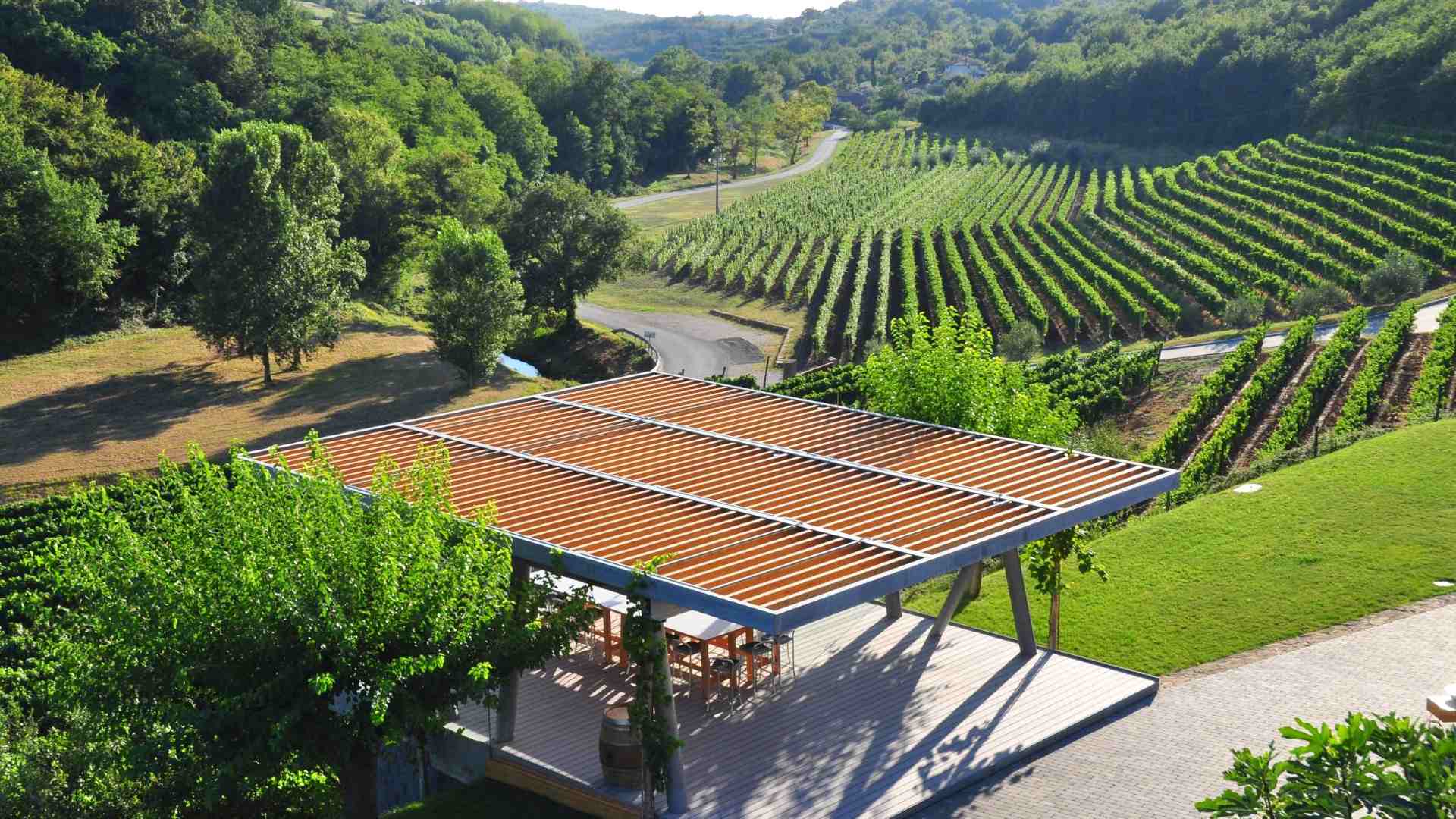
Malvazija Istarska is the signature white — ranging from fresh and citrusy to textured and mineral depending on the producer. Teran, an earthy high-acid red from iron-rich soils, is the counterpart. Kvarner adds Žlahtina, grown almost exclusively around Vrbnik on Krk. Fakin, Benvenuti, Kozlović and Kabola are the Istrian names; Katunar and Šipun on Krk.
Slavonia and the Croatian Danube
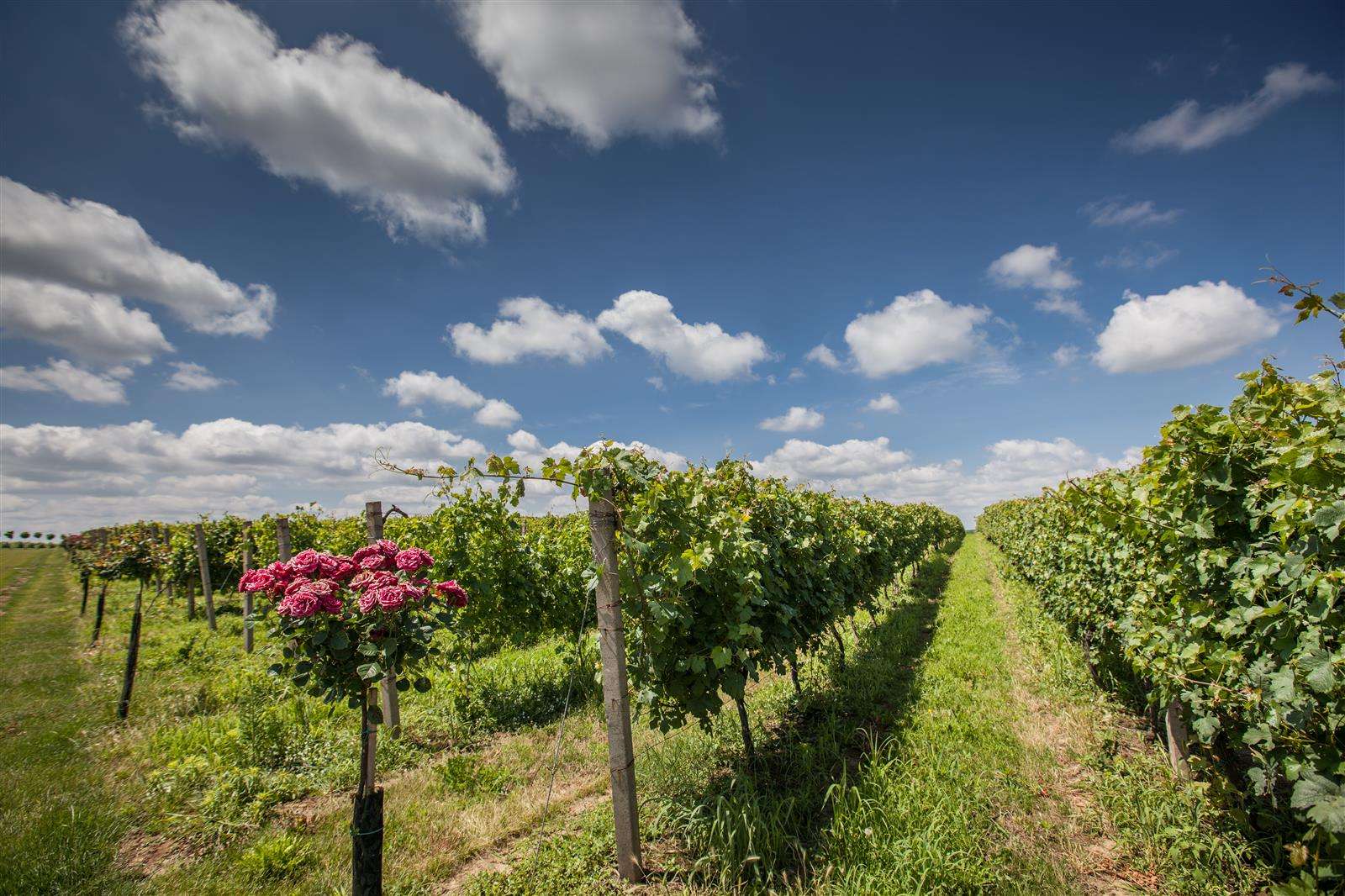
Graševina — Croatia's most widely planted grape — dominates Slavonia, ranging from fresh and aromatic to complex and age-worthy. Traminac from Ilok on the Danube is the region's other significant variety. Iločki Podrumi (cellars dating to the 15th century), Krauthaker and Kutjevo Abbey (wine since the 13th century) are the established names.
Croatian Uplands
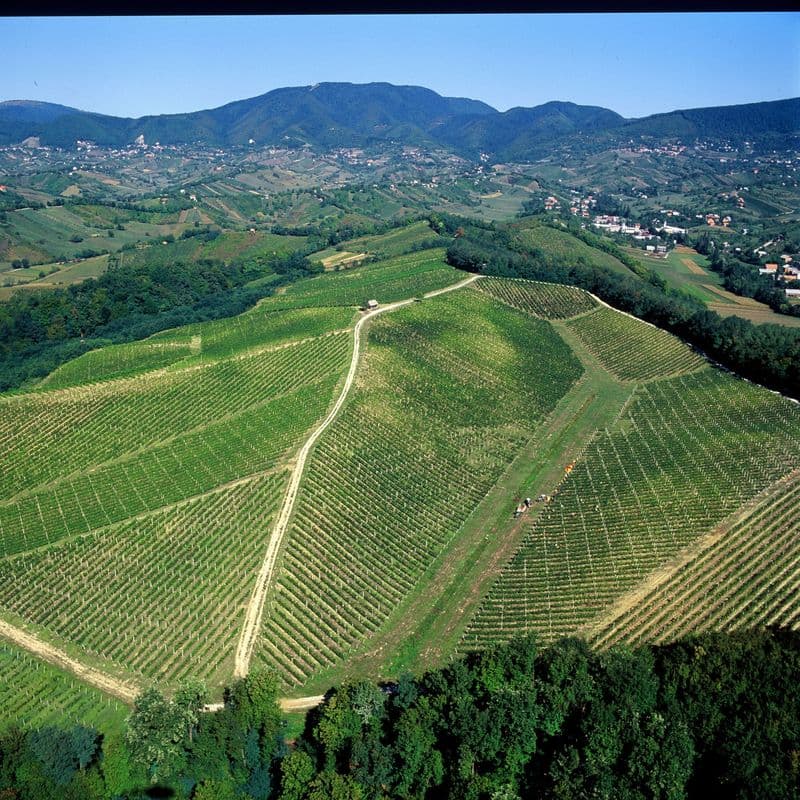
Croatia's cool-climate wine zone — hilly areas around Zagreb, Plešivica, Moslavina, Zagorje and Međimurje. Plešivica, 40 minutes from Zagreb, produces Croatia's most serious sparkling wines on calcareous soils with a microclimate similar to Champagne. Tomac, Korak and Šember are the key Plešivica producers; Škrlet from Moslavina and Pušipel from Međimurje are worth seeking.
Seafood & Oysters
The Adriatic is shallow and clear, and the seafood reflects it. Mali Ston oysters, Kvarner scampi, Neretva Delta eels and the fish grilled over charcoal in a working Dalmatian konoba are four very different expressions of the same coastline.
Mali Ston Oysters
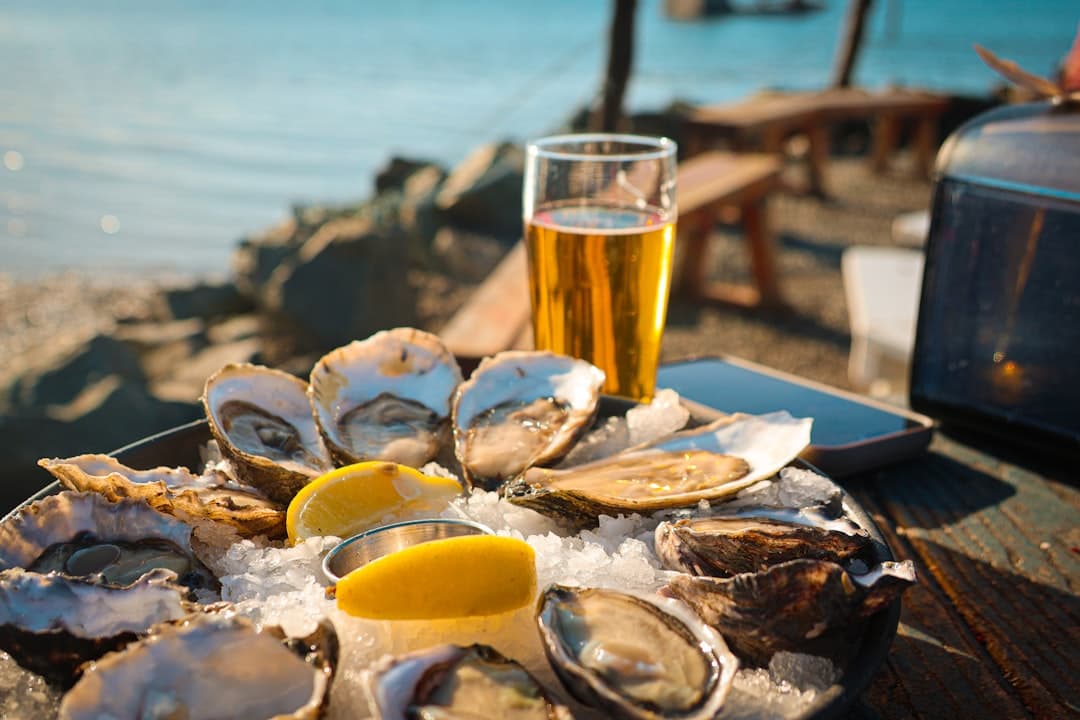
The Mali Ston channel has produced oysters since the 14th century — the current and salinity here produce some of the cleanest in the Mediterranean. Eaten fresh at the source with a glass of Plavac Mali white.
Kvarner Scampi
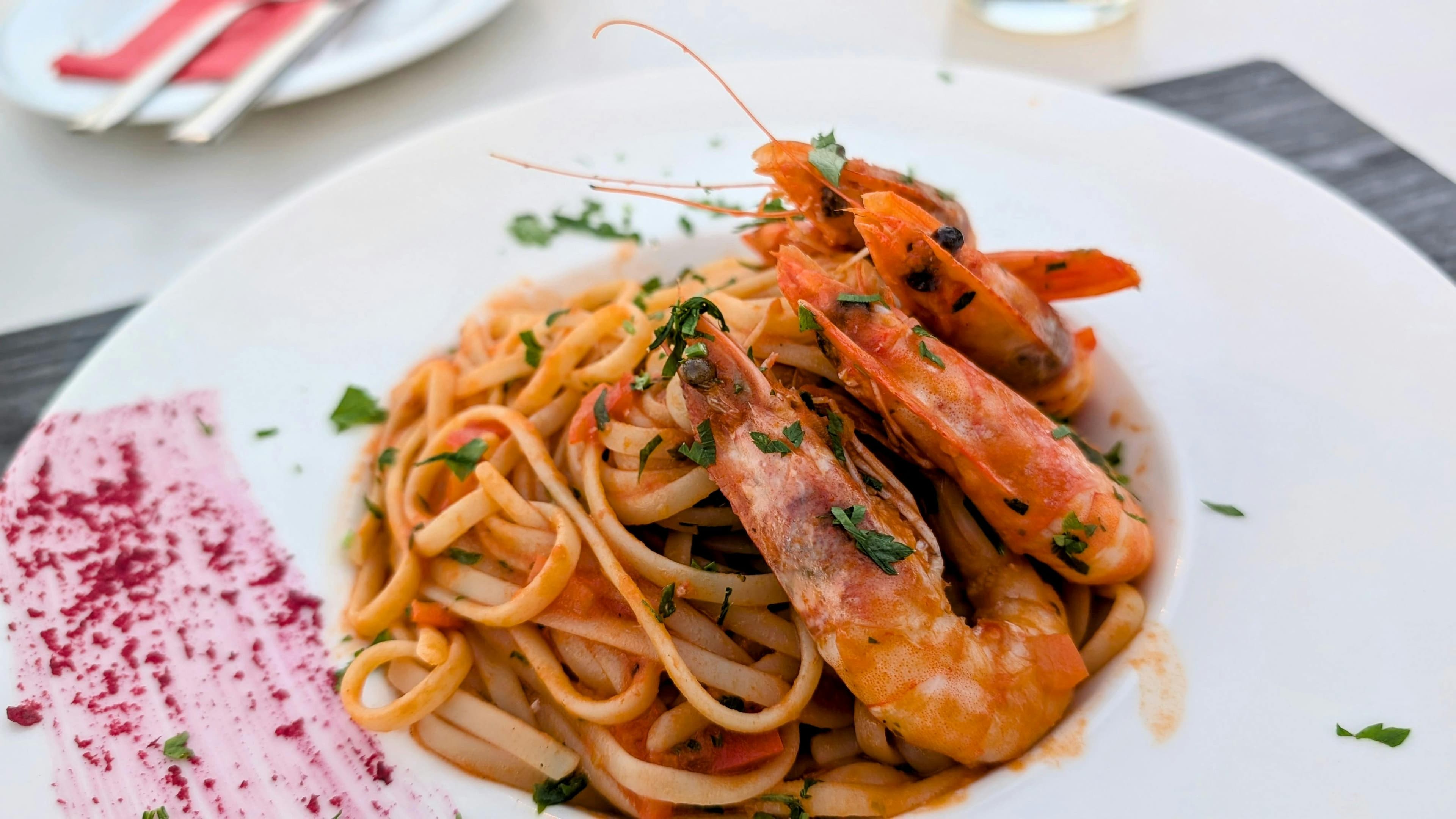
The deep cold Kvarner Gulf produces scampi of exceptional quality — larger and sweeter than anything caught further south, and the defining ingredient of Kvarner cooking from Rijeka to Lošinj. Best eaten grilled, simply, with olive oil.
Dalmatian Konoba Dining
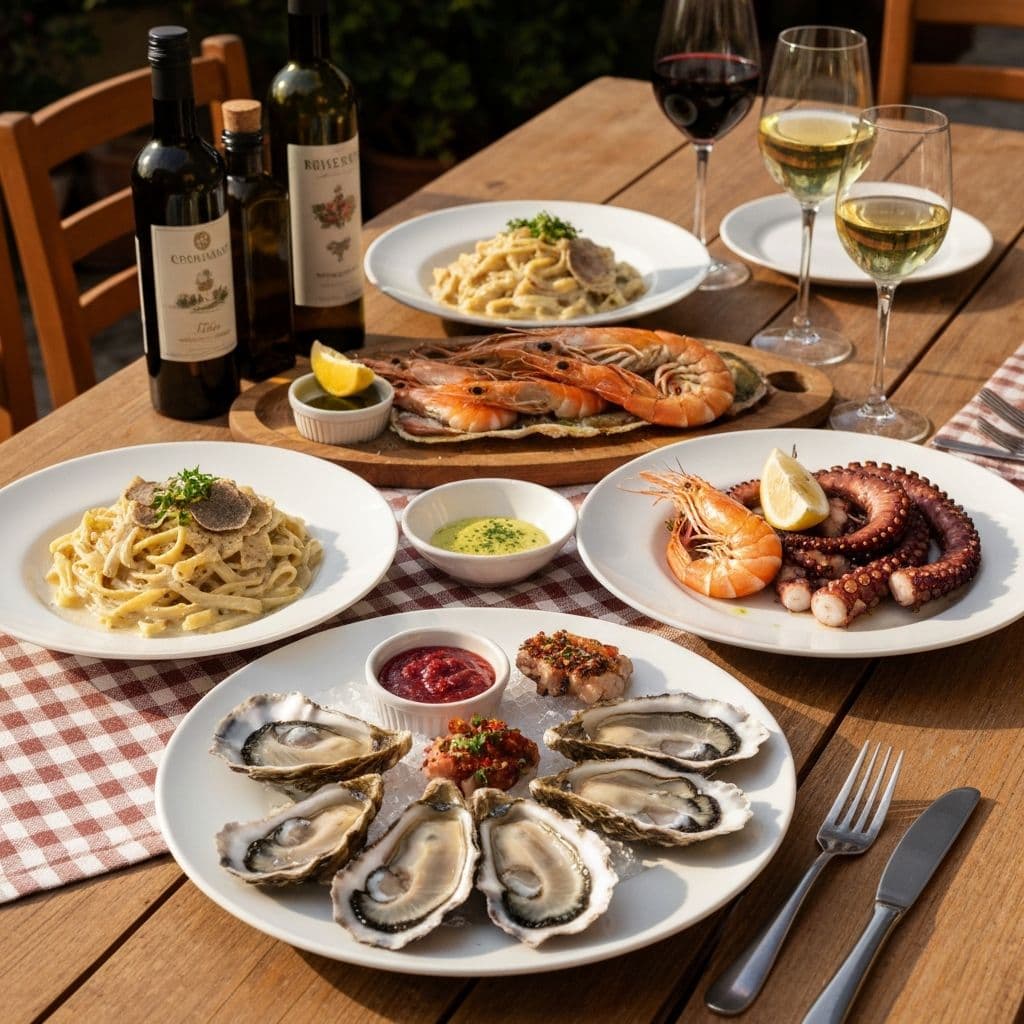
A working konoba — the traditional inland Dalmatian restaurant — is one of the most authentic food experiences on the coast. Stone walls, peka roasting, bread baked in the ash and local wine from unlabelled carafes. The philosophy is restraint: good produce prepared without interference.
Neretva Delta
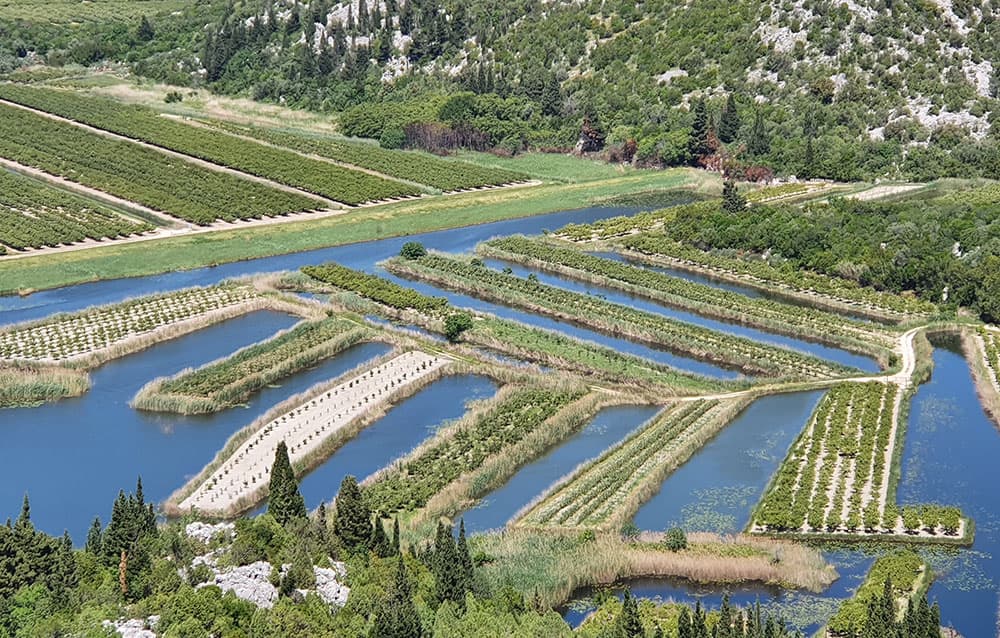
Croatia's most distinctive regional food landscape — the Neretva Delta near Metković produces eels, freshwater fish and mandarins in a river delta unlike anywhere else on the Adriatic coast. Eel stew and frog dishes are the genuine local specialties.
Book Food & Wine Experiences in Croatia
Truffle hunts, wine tastings, cooking classes, oyster tours, olive oil experiences and guided food tours across Croatia.
Truffles & Istrian Food
The forests around Motovun and Buzet produce some of the finest white truffles in Europe — at prices significantly lower than their Italian equivalents. The truffle season runs year-round; white truffles peak in October and November.

Truffle Hunting, Motovun Forest
Guided hunts with a trained dog in the oak forests around Motovun and Buzet — the season runs year-round, with white truffles peaking in autumn and black truffles from March. Prices are significantly lower than Italian equivalents.
Istrian Truffles
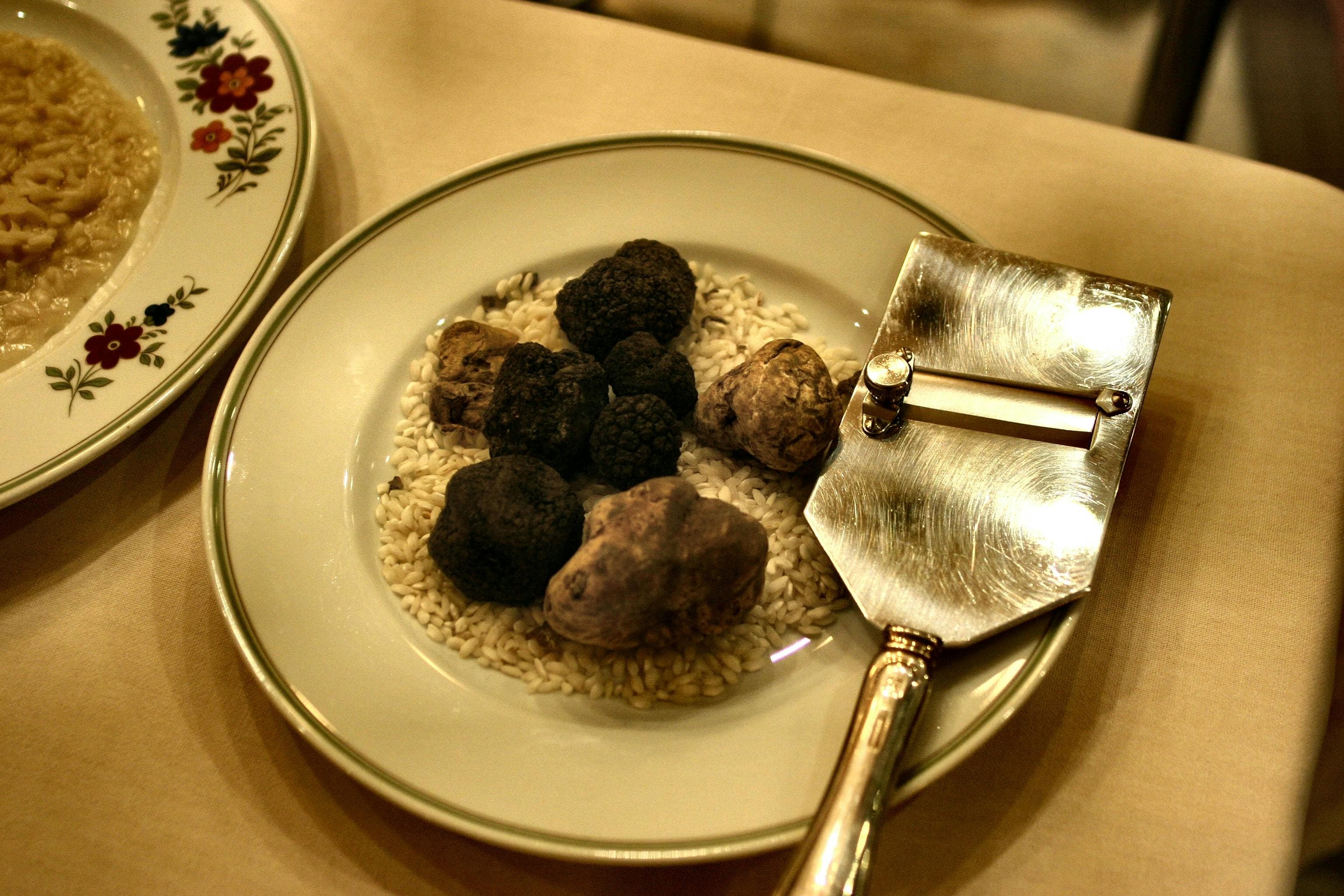
Istria is one of the few places in Europe where white truffles (Tuber magnatum) grow reliably — shaved into pasta, eggs and risotto at agriturismos throughout the interior. Truffles here are used seriously, not as a garnish.
Motovun
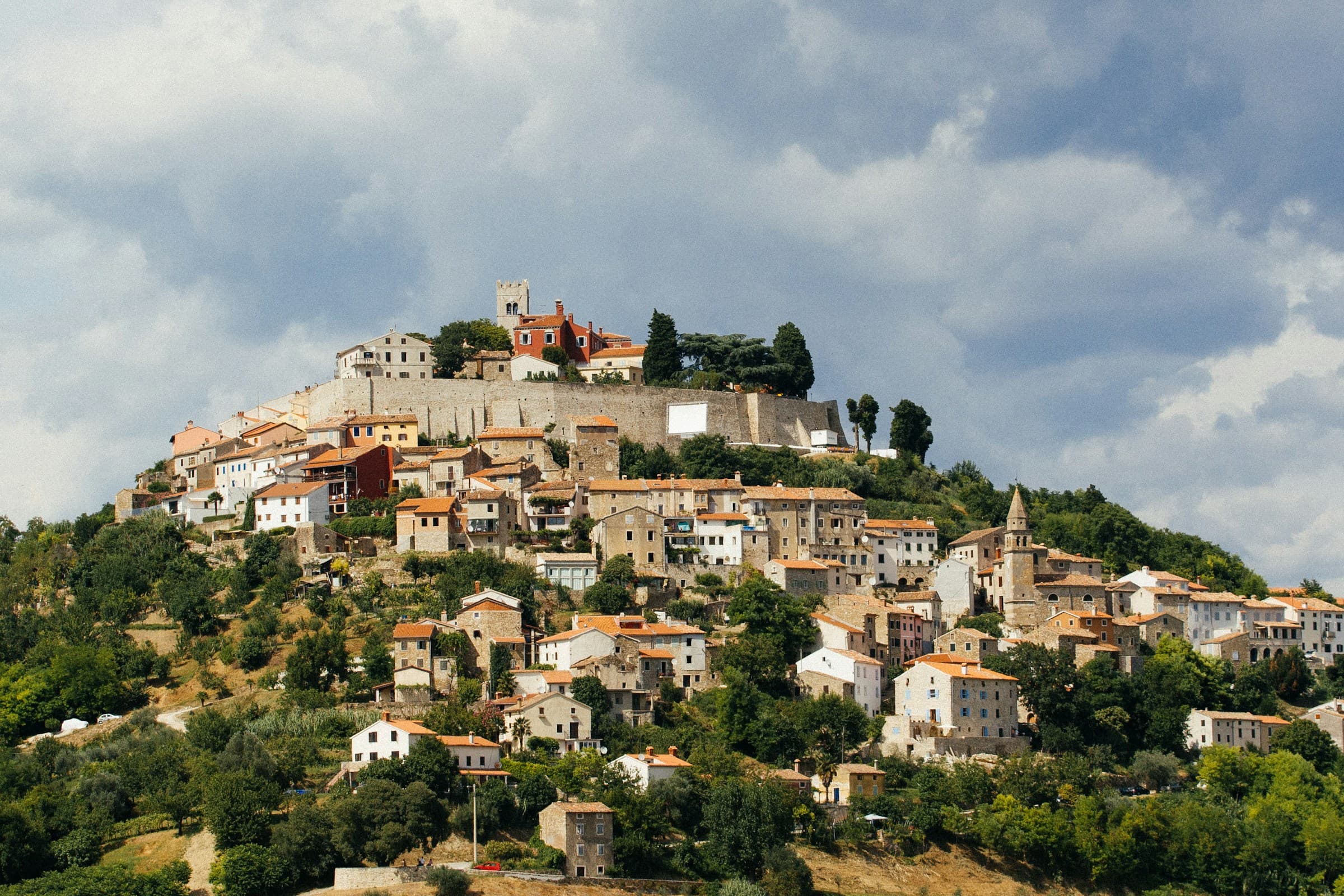
The medieval hilltop town at the centre of truffle country — the best truffle restaurants and producers are within easy reach, and the annual film festival takes place on the ramparts each July.
Grožnjan & Istrian Producers
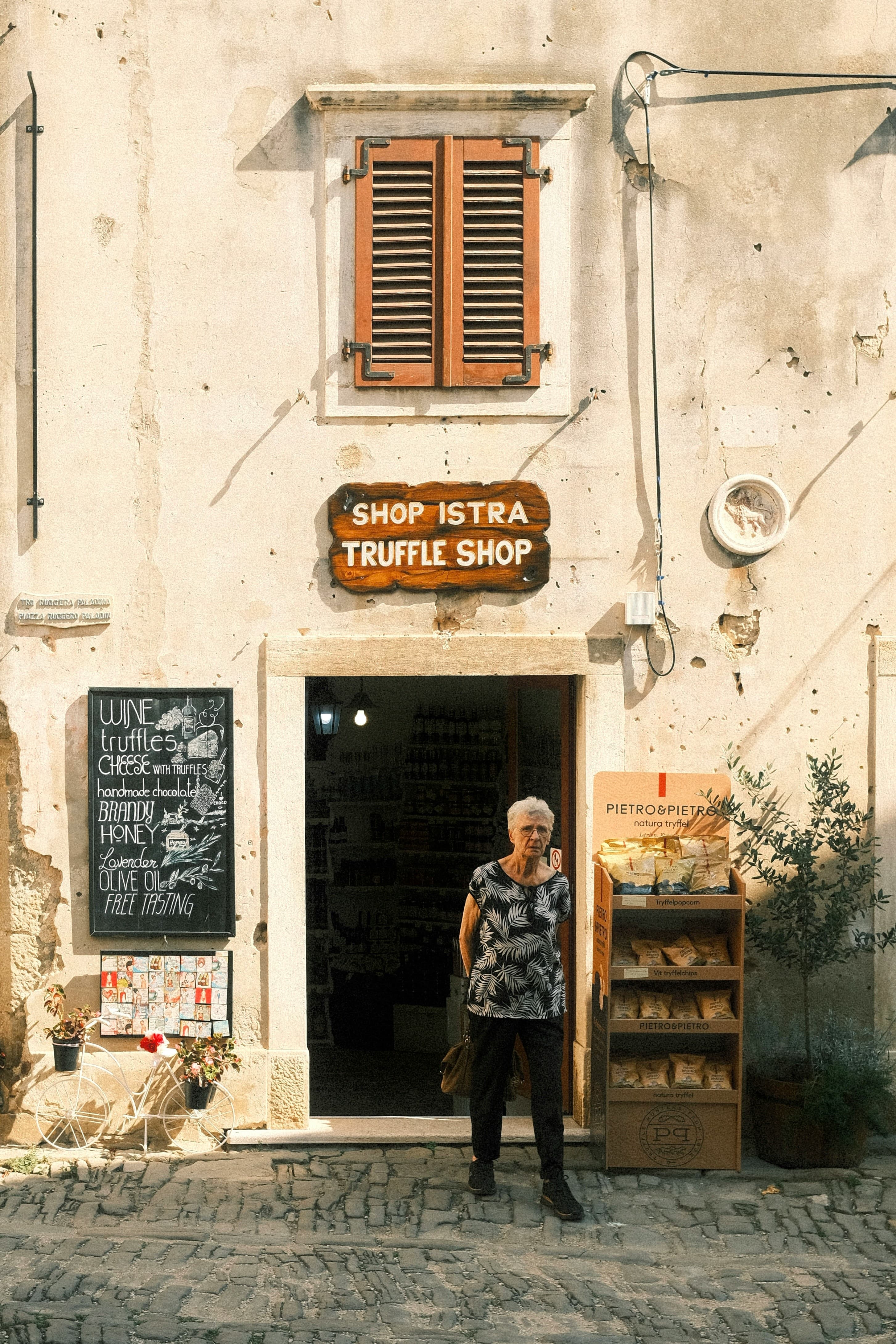
Grožnjan, the 'town of artists', has the best concentration of artisan food producers in Istria — handmade truffle products, local olive oil and Istrian wines from small-batch producers in medieval stone workshops.
Olive Oil
Croatian olive oil is consistently among the most awarded in international competition — but almost none is exported. The best way to experience it is at source: at an Istrian agriturismo, on Šolta island, or in the ancient groves on Pag.
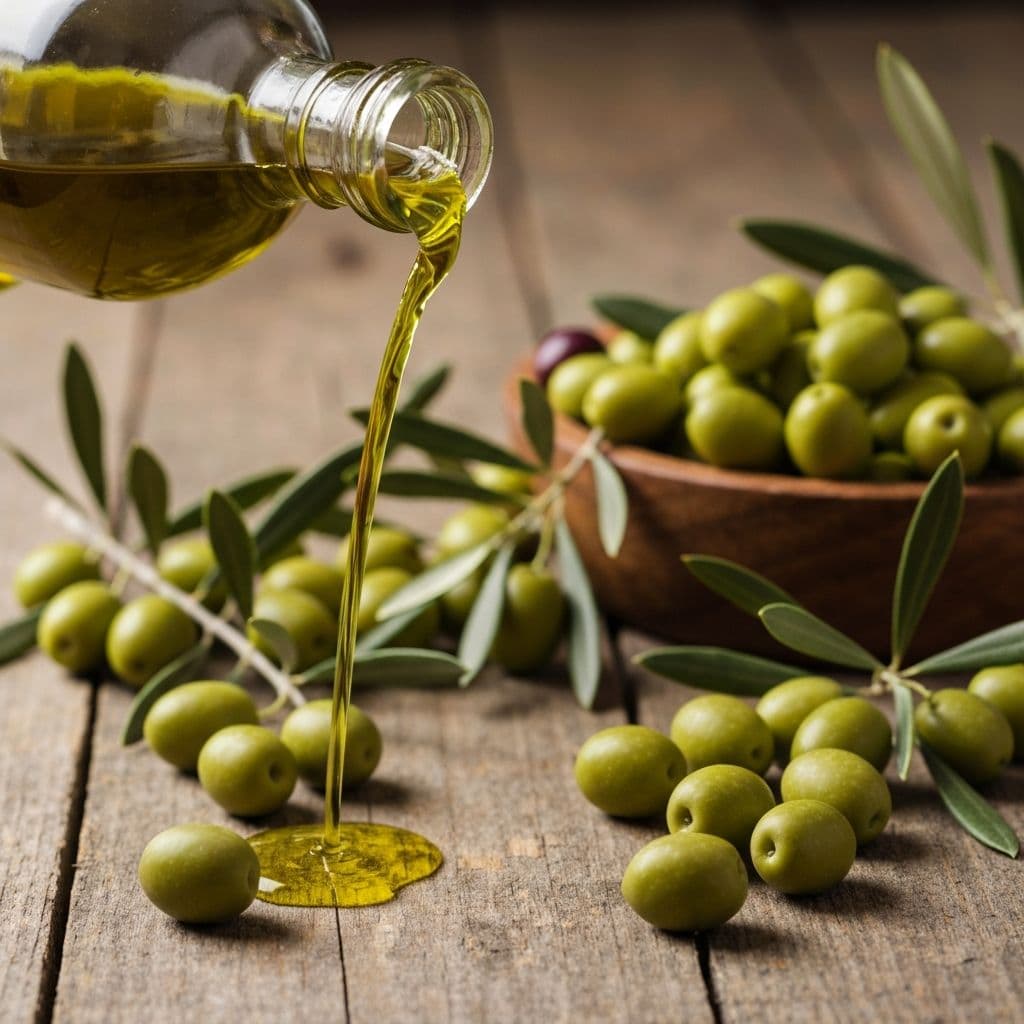
Istrian Olive Oil
Istria has the most internationally awarded olive oils in Croatia — frost-free winters, limestone soil and intensive small-scale production produce award-winning extra virginis from Buje to Vodnjan. The oil tends toward grassy and peppery rather than mild.
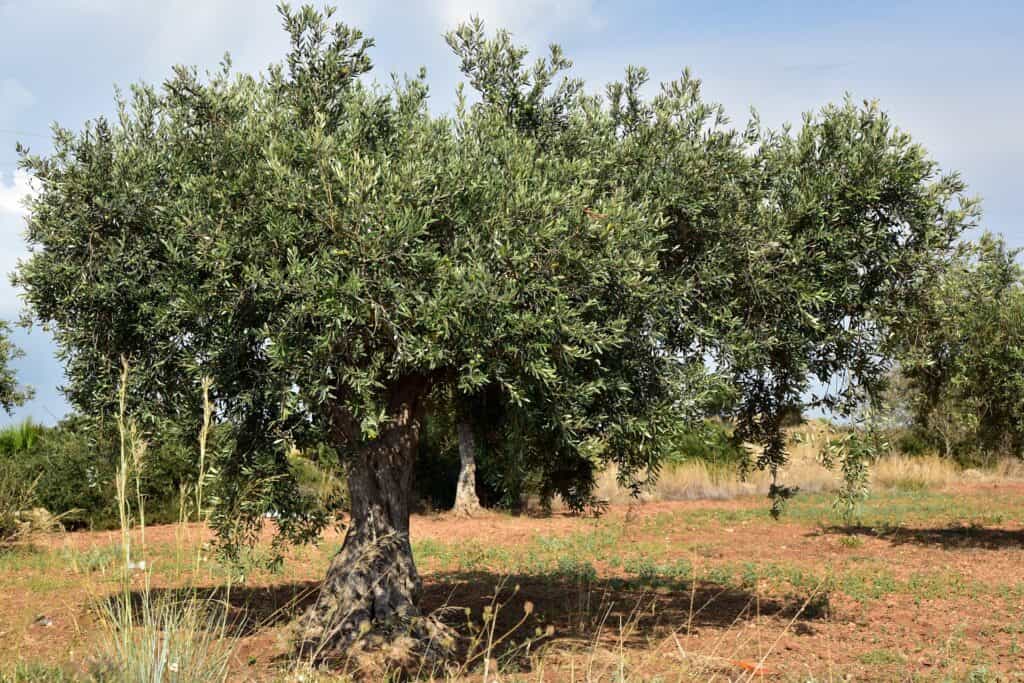
Šolta Olive Museum
Olynthia Natura on Šolta island documents 2,400 years of olive cultivation on the island and produces its own certified olive oil — the museum is worth the ferry trip alone.
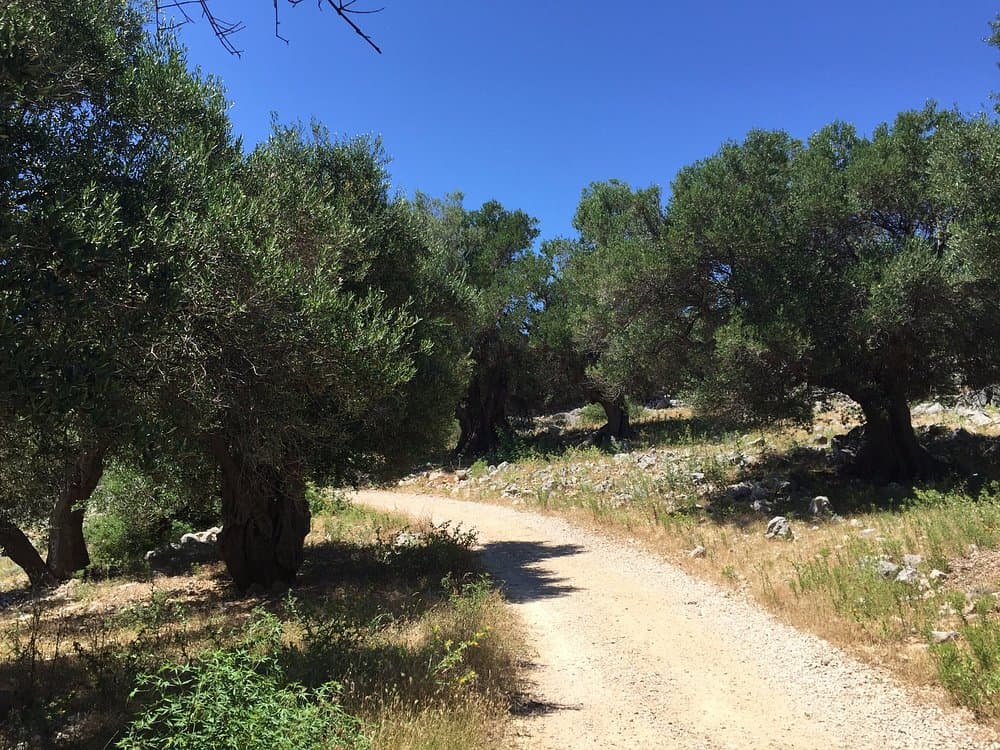
Lun Olive Groves, Pag
The Lun olive grove on the north tip of Pag island contains trees over 1,600 years old — a protected landscape of ancient, gnarled wild olives unique in the Mediterranean.
Cheese & Cured Meats
Croatia's best preserved food products are largely unknown abroad — Pag cheese wins international awards year after year, Slavonian kulen has EU protected designation of origin status, and Dalmatian pršut needs no introduction to anyone who has eaten it fresh on the karst.
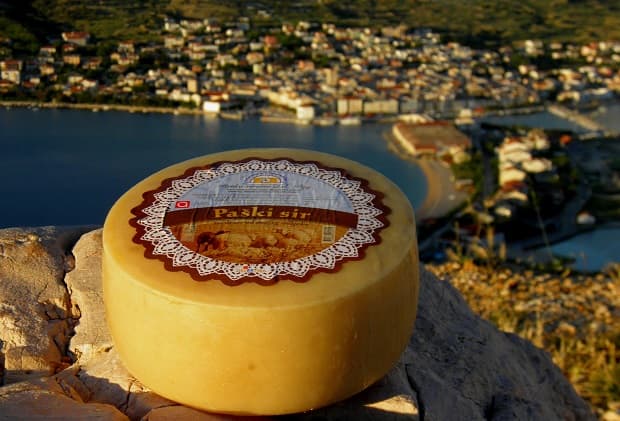
Paški Sir — Pag Cheese
Hard sheep's milk cheese aged in olive oil and sea salt ash, made only on Pag island — consistently among the most awarded cheeses in international competition. The sheep graze on saltwort and wild sage on bare limestone karst, which gives the cheese its distinctive mineral flavour.
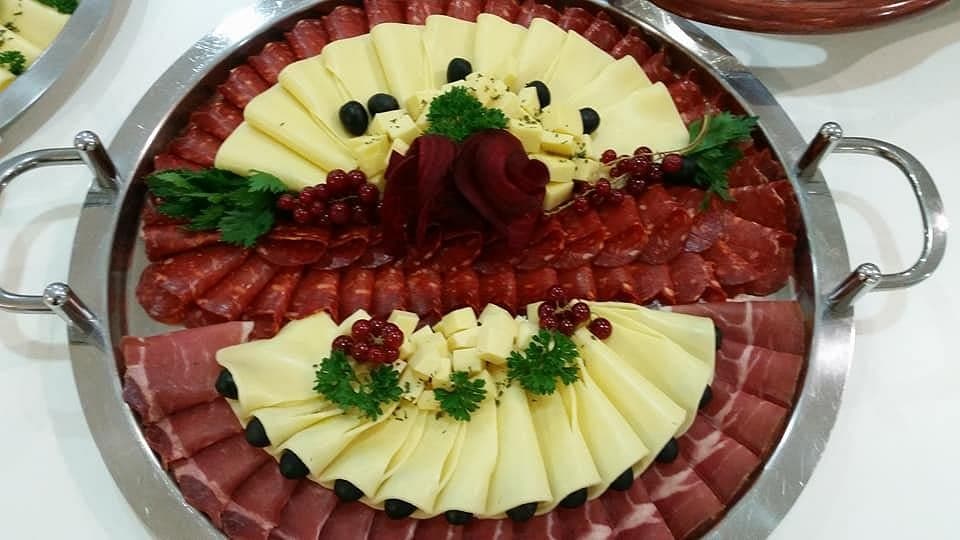
Slavonian Kulen
A heavily spiced air-dried pork sausage from eastern Slavonia — made with paprika, garlic and salt, then smoked over oak for months. Croatia's most celebrated charcuterie product, with EU protected designation of origin status and a flavour genuinely unlike anything on the coast.
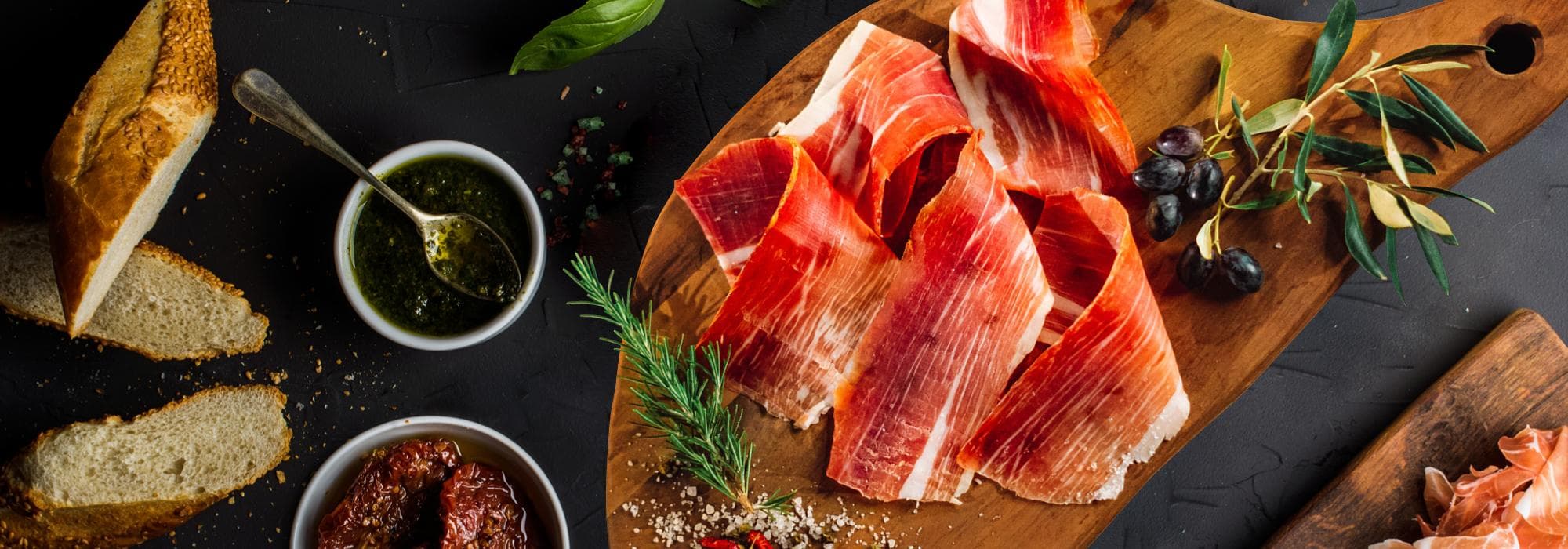
Dalmatian Pršut
Air-cured ham from Dalmatia — the bora wind dries the meat for up to 18 months on the Dalmatian karst, producing a flavour noticeably different from Italian prosciutto. Served in thin slices with paški sir as the standard Dalmatian starter.
Local Markets
Croatia's best markets are morning affairs — fresh fish, local cheese, seasonal produce and regional specialties that rarely reach supermarket shelves. Each one reflects the food culture of its city or region.
Zagreb
Zagreb Dolac Market
Zagreb's central market since 1930 — red umbrella stalls on the upper level with seasonal produce, and a fish and cheese hall below. Open every morning except Sunday.
Split
Split Pazar (Fish Market)
A daily fish market in Split — below the Peristyle and running every morning except Sunday. Among the best places in Dalmatia to see the local catch.
Zadar
Zadar Market
Year-round open-air market in Zadar's old town with cheese, olive oil, local honey and seasonal produce from the Dalmatian hinterland.
Rovinj
Rovinj Market
A small weekly market in Rovinj's old town — local produce, Istrian cheese, truffle products and wine from nearby growers.
Pula
Pula Market
A covered market hall in central Pula with fish, meat, vegetables and Istrian specialties — one of the most atmospheric market buildings on the coast.
Lovran
Marunada, Lovran
An October chestnut festival on the Opatija Riviera — local food, sweet chestnuts and the kind of autumn celebration that very few tourists know exists.
Book Food & Wine Experiences in Croatia
Truffle hunting in Istria, wine tours through Dalmatia, olive oil tastings, cooking classes and market visits — Croatia's food culture explored with local guides.
Traditional Dishes
Croatian cuisine rarely appears on international food lists. These are the dishes worth ordering — from Zagreb's cheese pastry to Slavonia's cauldron fish stew — and what to know before you sit down.
Zagreb
Štrukli
Baked or boiled pastry filled with cottage cheese — Zagreb's most beloved dish, best eaten at a traditional konoba in the lower town. Can be sweet or savoury, served in soup or standalone. Nothing like it on the coast.
Zagreb
Zagrebački Odrezak
Zagreb's take on a schnitzel — veal stuffed with ham and cheese, breaded and fried. The city's second signature dish after štrukli, found on traditional menus throughout central Croatia.
Zagreb region
Turkey with Mlinci
The classic Sunday roast of the Zagreb region — slow-roasted turkey served with mlinci, hand-made pasta tatters soaked in the bird's cooking juices. Deeply comforting and genuinely regional.
Dalmatia
Peka
Lamb, veal or octopus slow-roasted under a cast-iron lid covered with hot embers — the most traditional Dalmatian cooking method. Available at working konobas inland; the octopus version is the coastal favourite.
Dalmatia
Pašticada
Slow-braised beef in a sweet-sour sauce with prunes and wine — the centrepiece of Dalmatian Sunday lunch. Preparation takes two days when done properly.
Dalmatia
Crni Rižot
Black risotto made with cuttlefish ink — a Dalmatian staple found in every good konoba along the coast. Simple to order, difficult to replicate outside the region.
Kvarner
Brodetto
A fish stew from Rijeka and the Kvarner — roots in the Venetian and Austro-Hungarian kitchen. Each town has its own version; Rijeka's is the most famous.
Slavonia
Čobanac
A Slavonian shepherd's stew made with multiple types of meat slow-cooked with serious quantities of paprika — takes hours and tastes like it. Best eaten in eastern Slavonia where it's prepared traditionally.
Slavonia
Fiš Paprikaš
Slavonian freshwater fish stew from the Drava and Danube rivers, traditionally cooked outdoors in a cauldron over open fire. As much an event as a meal — typically prepared for celebrations.
Samobor
Kremšnita
A layered custard cream cake from Samobor, 25 km west of Zagreb — one of the most beloved pastries in continental Croatia. Worth a stop in Samobor specifically for this.
Pag island
Pag Lamb
Lamb grazed on saltwort and aromatic herbs on the bare limestone of Pag island — a completely different flavour from mainland lamb, immediately recognisable once tried.
Continental
Sir i Vrhnje
Cottage cheese with sour cream and smoked paprika — a peasant staple that appears on almost every traditional menu in continental Croatia and is better than it sounds.
Plan Your Trip
Search flights and car hire for your Croatia trip.