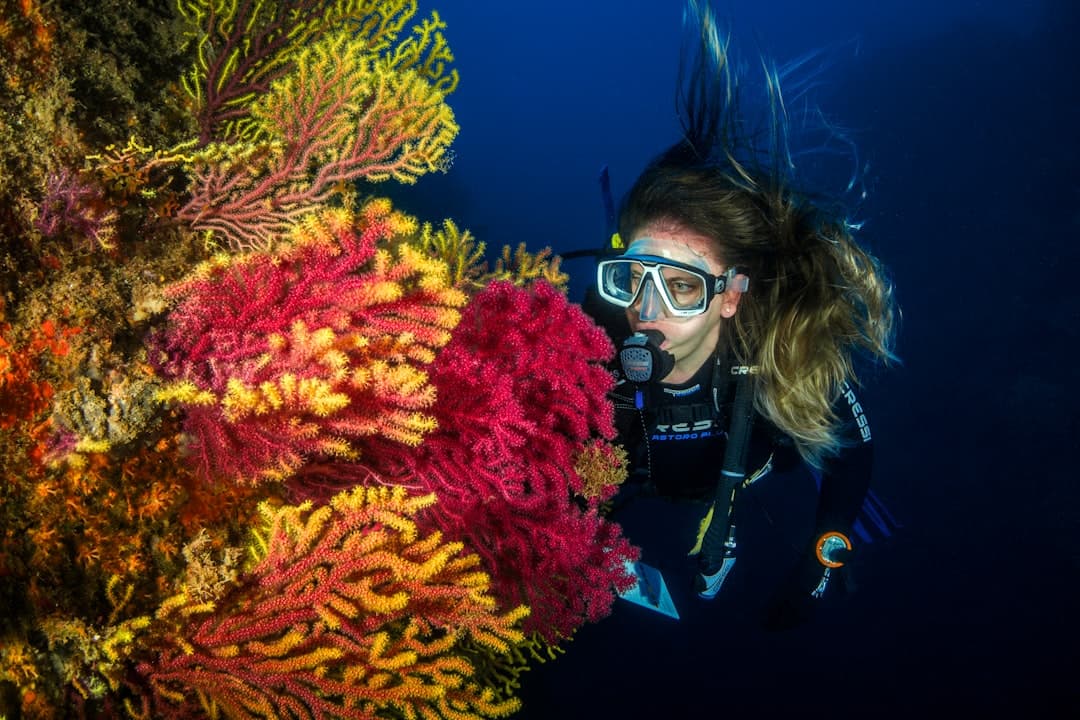
Diving & Fishing in Croatia
From Vis wrecks and Kornati walls to Kvarner fishing charters and Lošinj dolphin waters, Croatia's Adriatic is made for travellers who want more than a beach day.
The Adriatic is not the world's most dramatic dive destination, but it has attributes that serious divers appreciate: very good visibility (regularly 20–30 m), a well-documented wreck inventory, unusual cave systems and minimal jellyfish pressure.
The strongest diving areas are Vis, Lastovo, the Kornati and Dugi Otok, with Istria also important for wreck diving. Non-divers can still enjoy the sea through snorkelling coves, Blue Cave boat trips, dolphin-watching around Lošinj and guided marine-life excursions.
Fishing is just as much part of the Adriatic story. Shore fishing, boat fishing, squid fishing and family-friendly half-day trips are widely available, while deeper waters around Kvarner, Istria and offshore islands are better for tuna, amberjack, dentex and other larger species. Visitors should know that sea fishing in Croatia requires a permit, whether fishing from shore or from a boat.
Best Diving Areas
Croatia's best dive areas are spread along the coast rather than concentrated in one resort zone. Vis is the standout for wrecks and military history, Lastovo for remote clear-water diving, Kornati and Dugi Otok for walls and reefs, and Istria for accessible northern-Adriatic wrecks.
Wrecks & caves
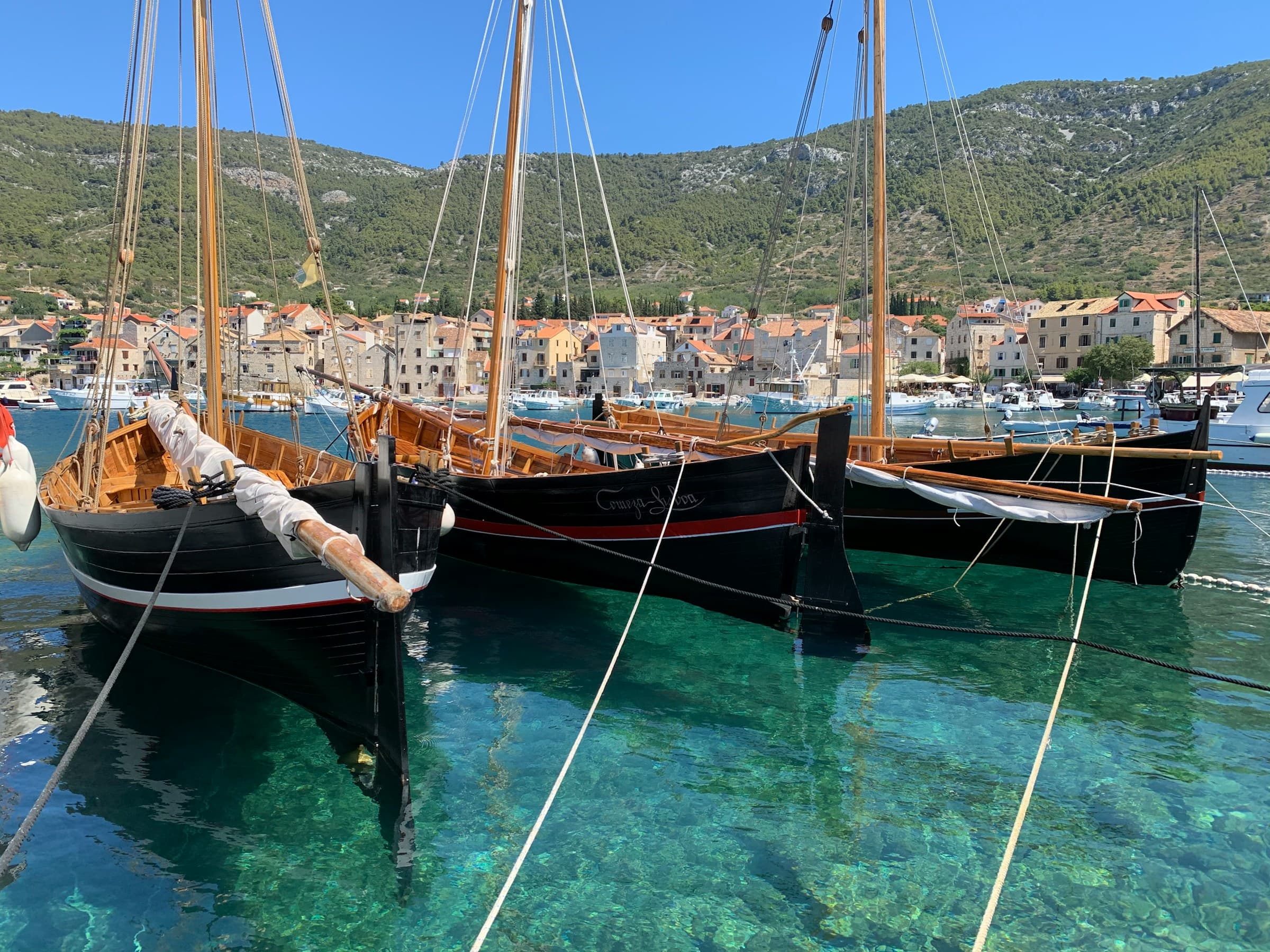
Vis Island
• Best for: wreck diving, experienced divers and serious dive trips • Why it works: Vis was a restricted military island for decades, which helped preserve many underwater sites. Today it is Croatia's strongest base for wreck diving, with aircraft, ships, reefs and caves around Komiža, Vis and Biševo. • Good to know: many of the best wrecks are deep or technical dives, so choose a dive centre that matches your certification level.
Remote
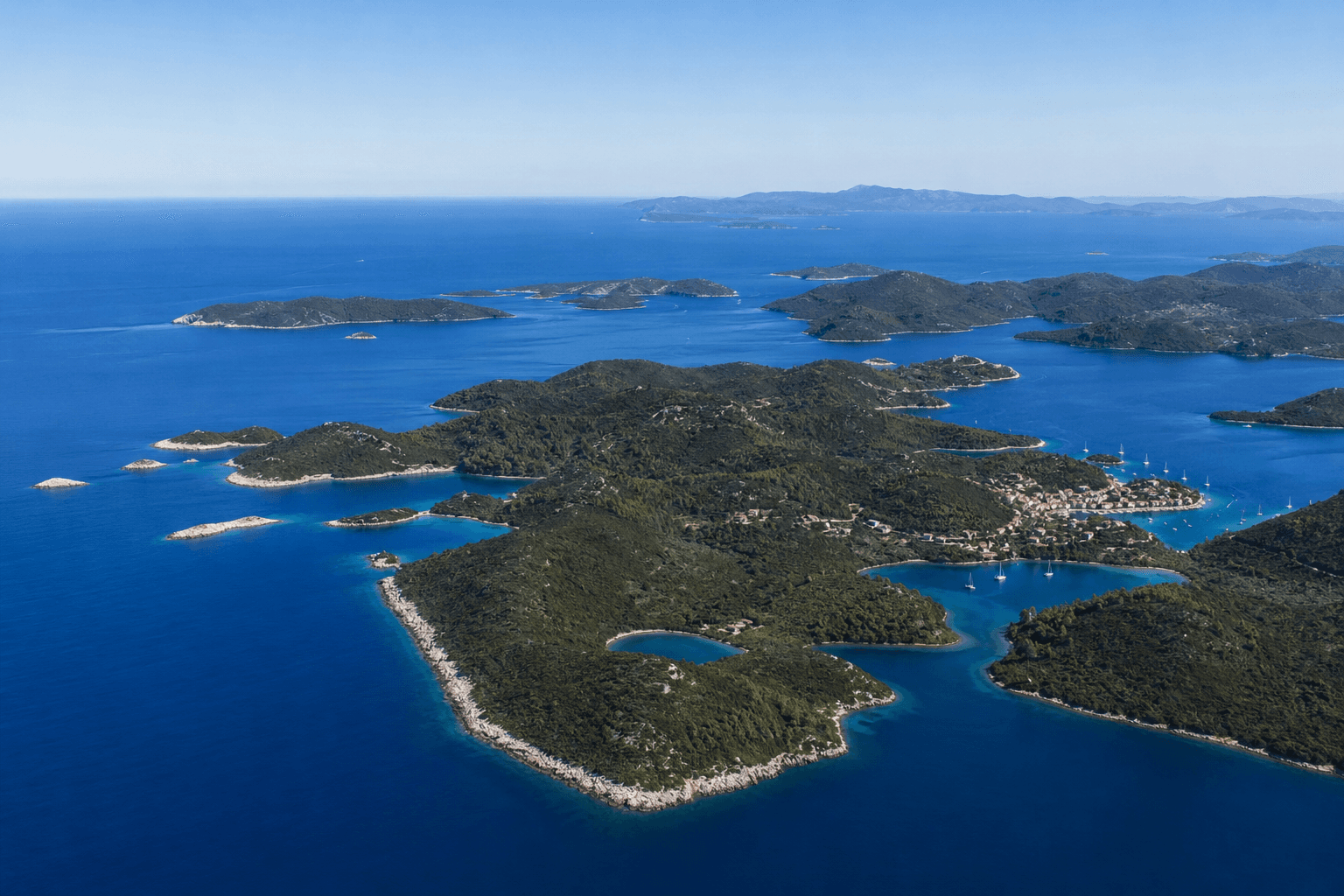
Lastovo Archipelago
• Best for: remote diving, clear water and quieter island trips • Why it works: Lastovo is one of Croatia's most remote island groups, with less boat traffic, dramatic underwater terrain and excellent visibility in high season. • Good to know: diving in the Lastovo area should be arranged through authorised local dive centres.
Walls & reefs
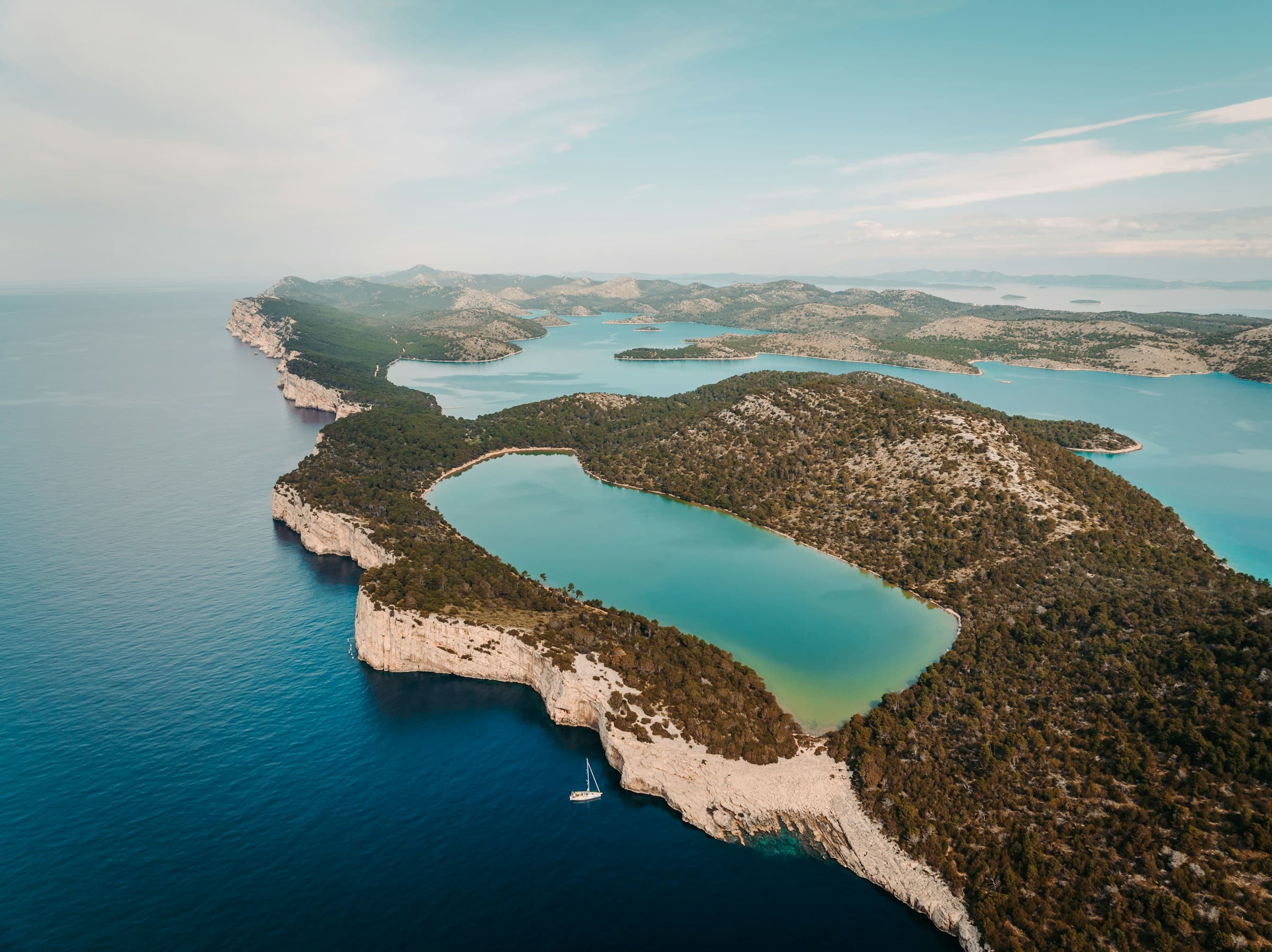
Kornati & Dugi Otok
• Best for: walls, reefs, boat-based diving and dramatic seascapes • Why it works: the Kornati and nearby Dugi Otok offer some of the Adriatic's most impressive limestone walls, drop-offs and reef systems, with dive trips often combined with Telašćica Nature Park. • Good to know: protected areas may require special permissions or authorised operators, so book with a local dive centre rather than trying to arrange independent dives.
All levels
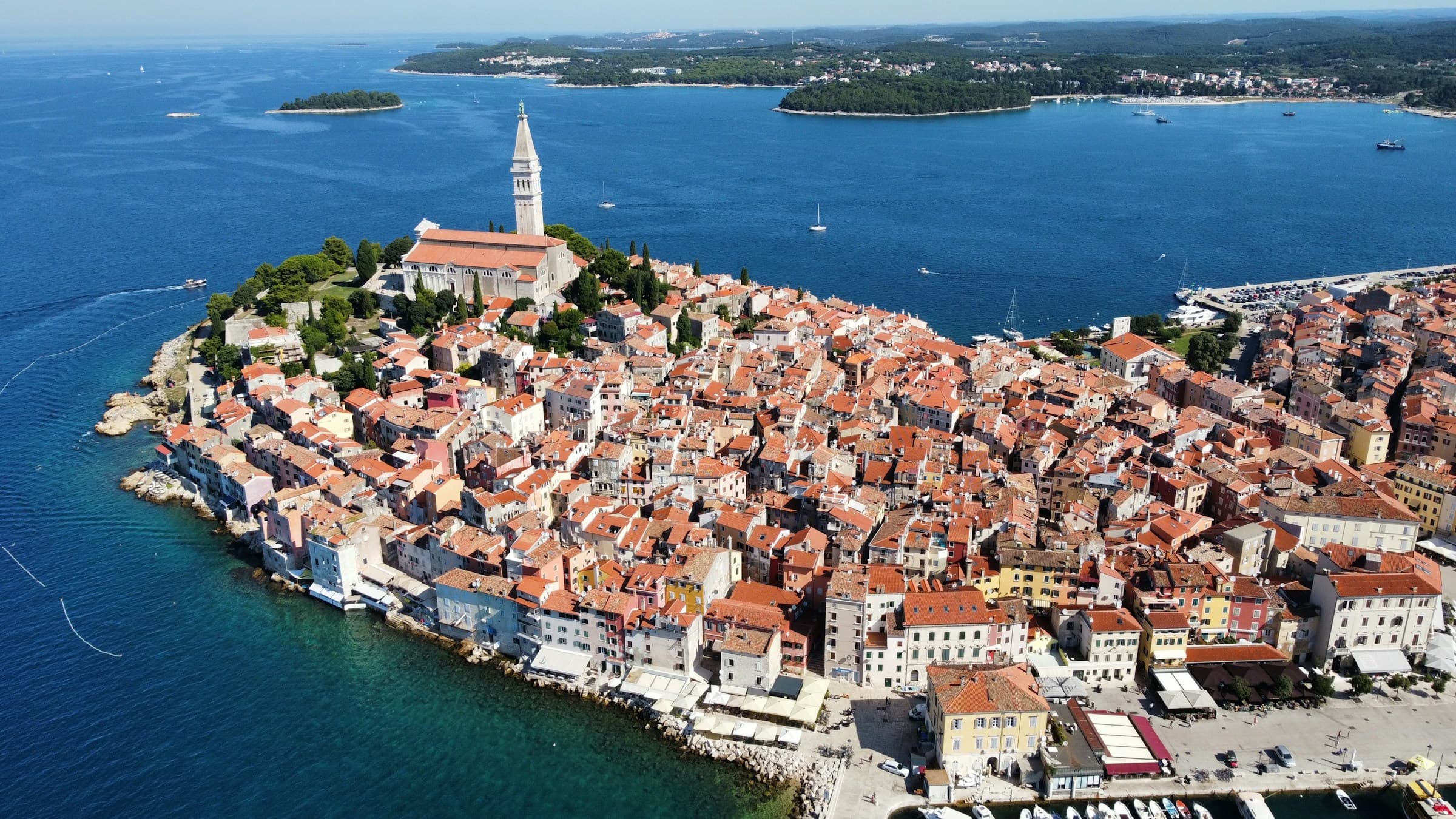
Istria
• Best for: northern-Adriatic wreck diving and easy access from Rovinj, Pula and nearby resorts • Why it works: Istria has some of Croatia's most accessible wreck dives, including the famous Baron Gautsch near Rovinj, plus a strong network of dive centres and summer resort infrastructure. • Good to know: Istria is a practical choice if you want diving without committing to a remote island base.
Mixed diving
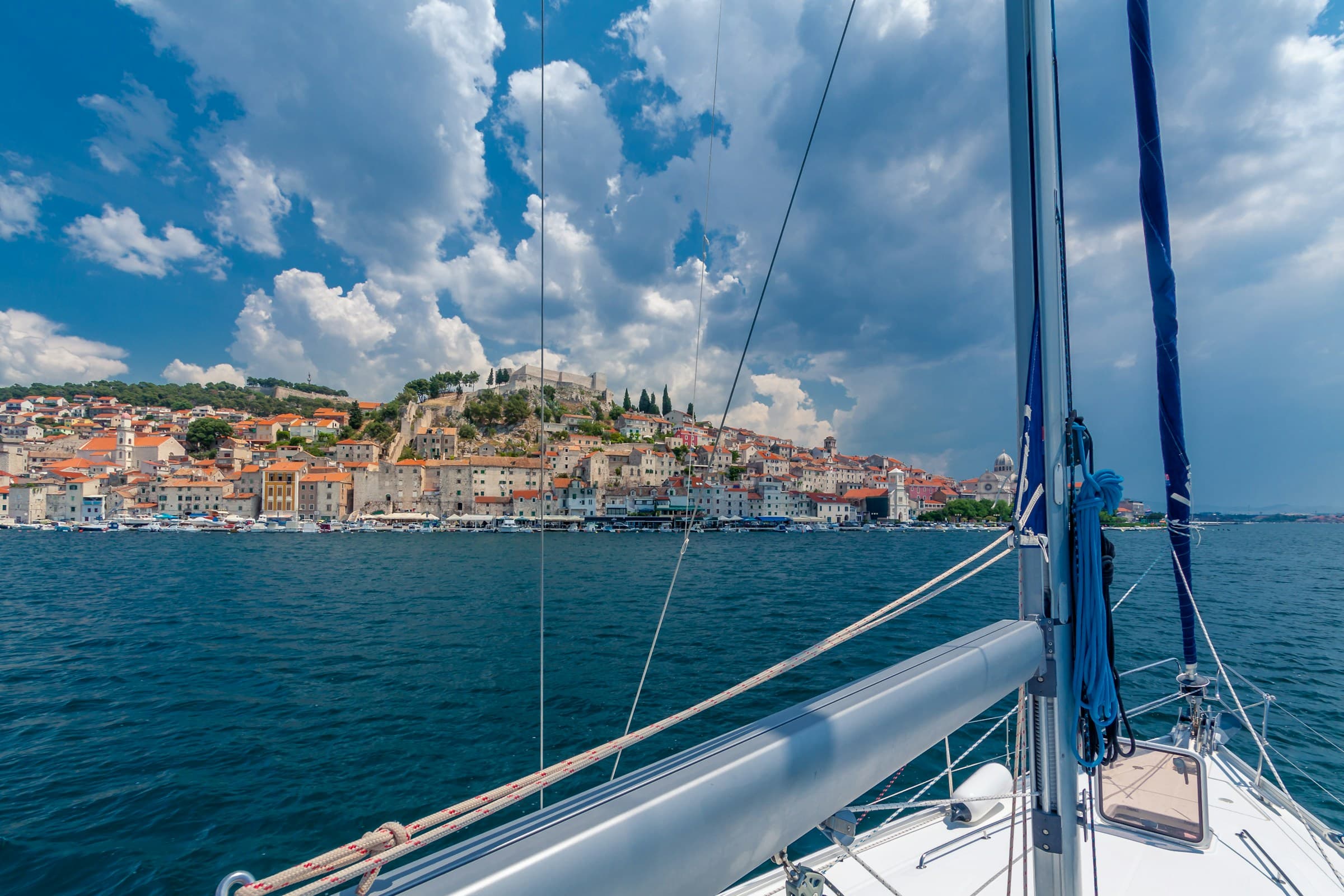
Šibenik & Central Dalmatia
• Best for: mixed reef diving, island day trips and combining diving with a classic Dalmatian holiday • Why it works: the Šibenik, Primošten, Rogoznica and Split areas offer easy access to islands, reefs, walls and beginner-friendly dive centres, with more non-diving activities nearby than on remote islands. • Good to know: this is a good compromise area if only one person in the group dives.
Holiday diving
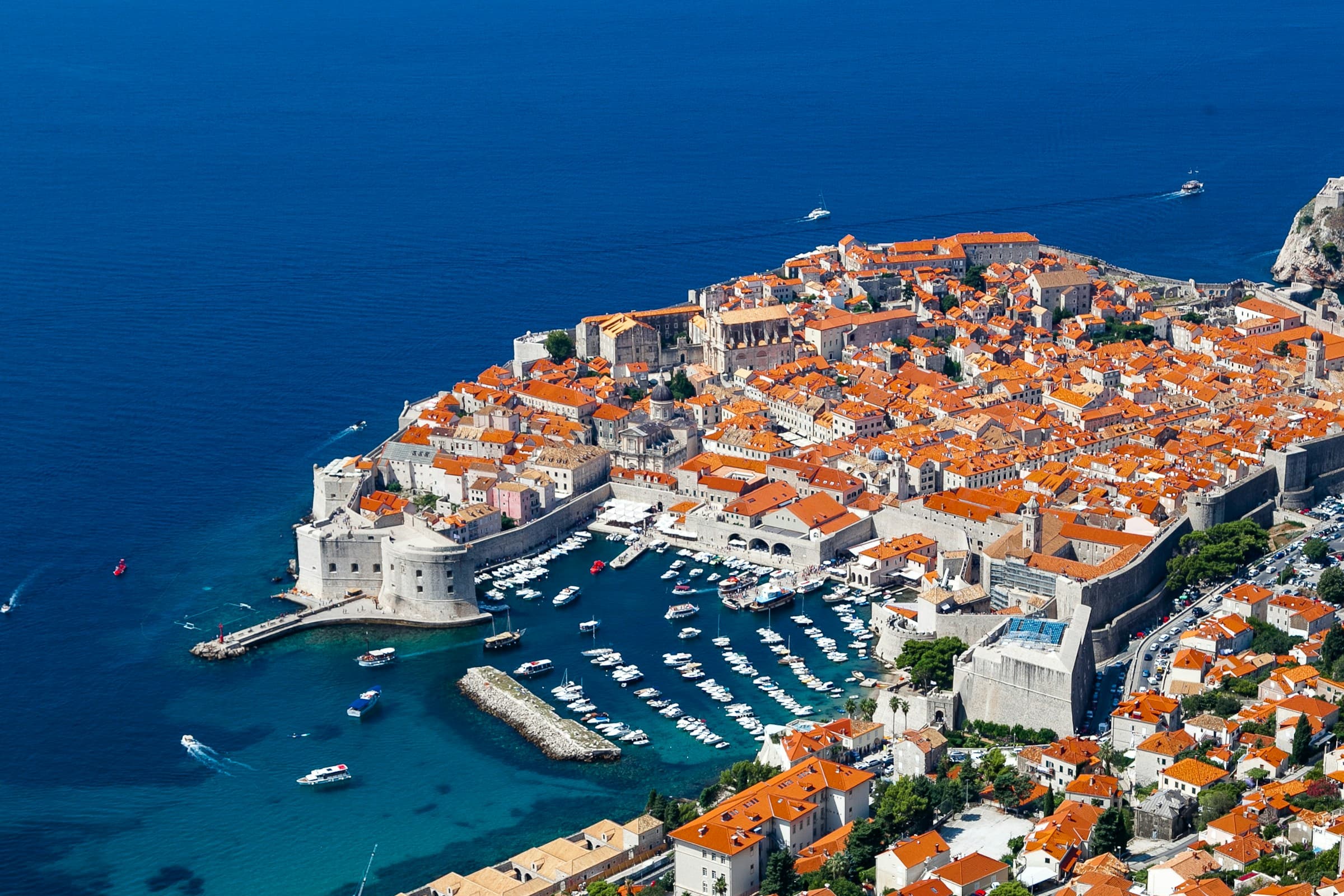
Dubrovnik & Southern Dalmatia
• Best for: casual diving, island excursions and combining dives with city sightseeing • Why it works: Dubrovnik, Mljet, Korčula and the Elafiti Islands offer clear water, caves, walls and scenic boat dives, though the area is better for relaxed holiday diving than Croatia's most serious wreck itineraries. • Good to know: in peak summer, book early and expect higher prices around Dubrovnik.
Wreck Diving
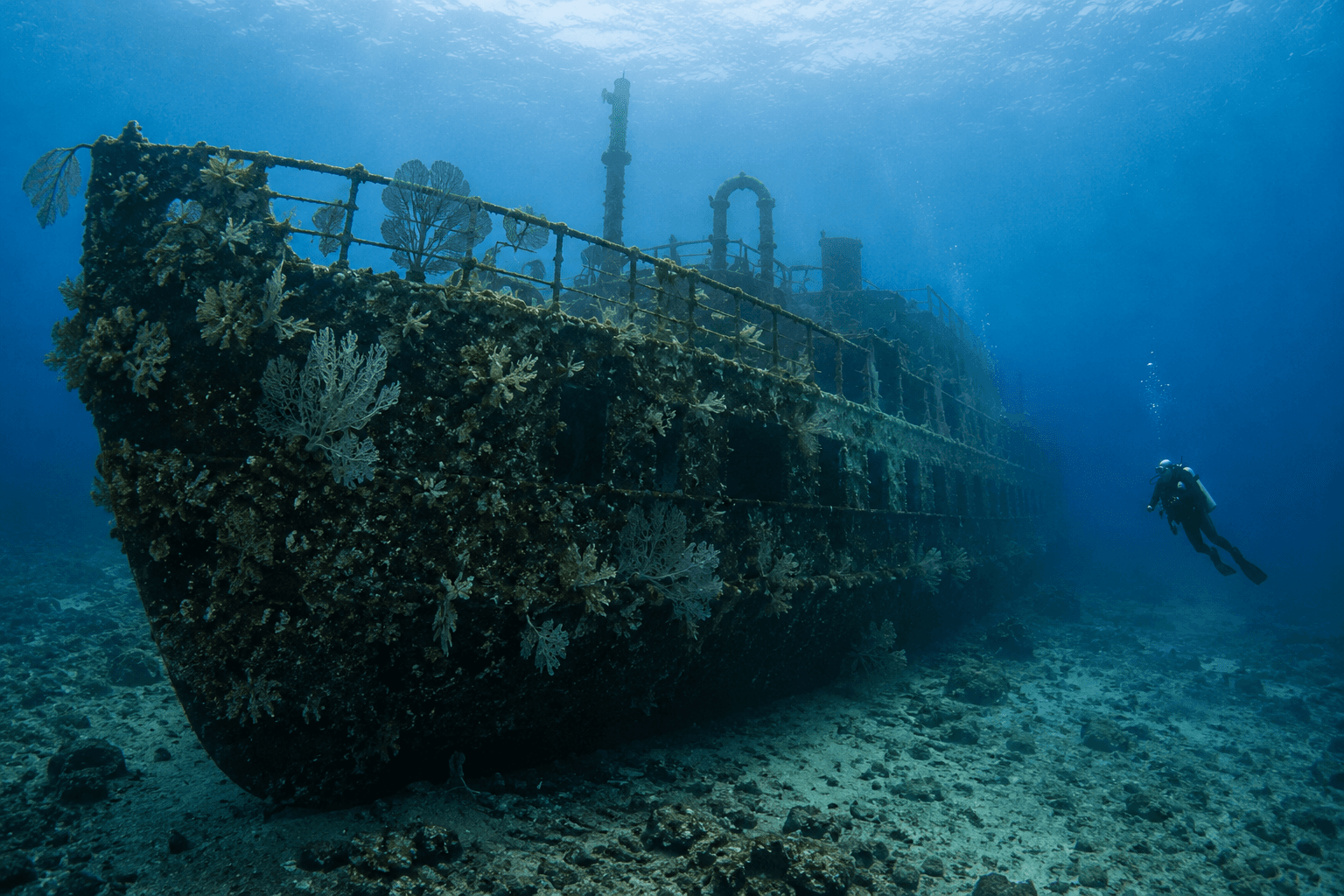
Wreck diving is one of Croatia's strongest underwater draws. The Adriatic has merchant ships, warships, aircraft and smaller vessels from both world wars, but many of the best sites are deep and should not be treated as casual holiday dives.
Recreational
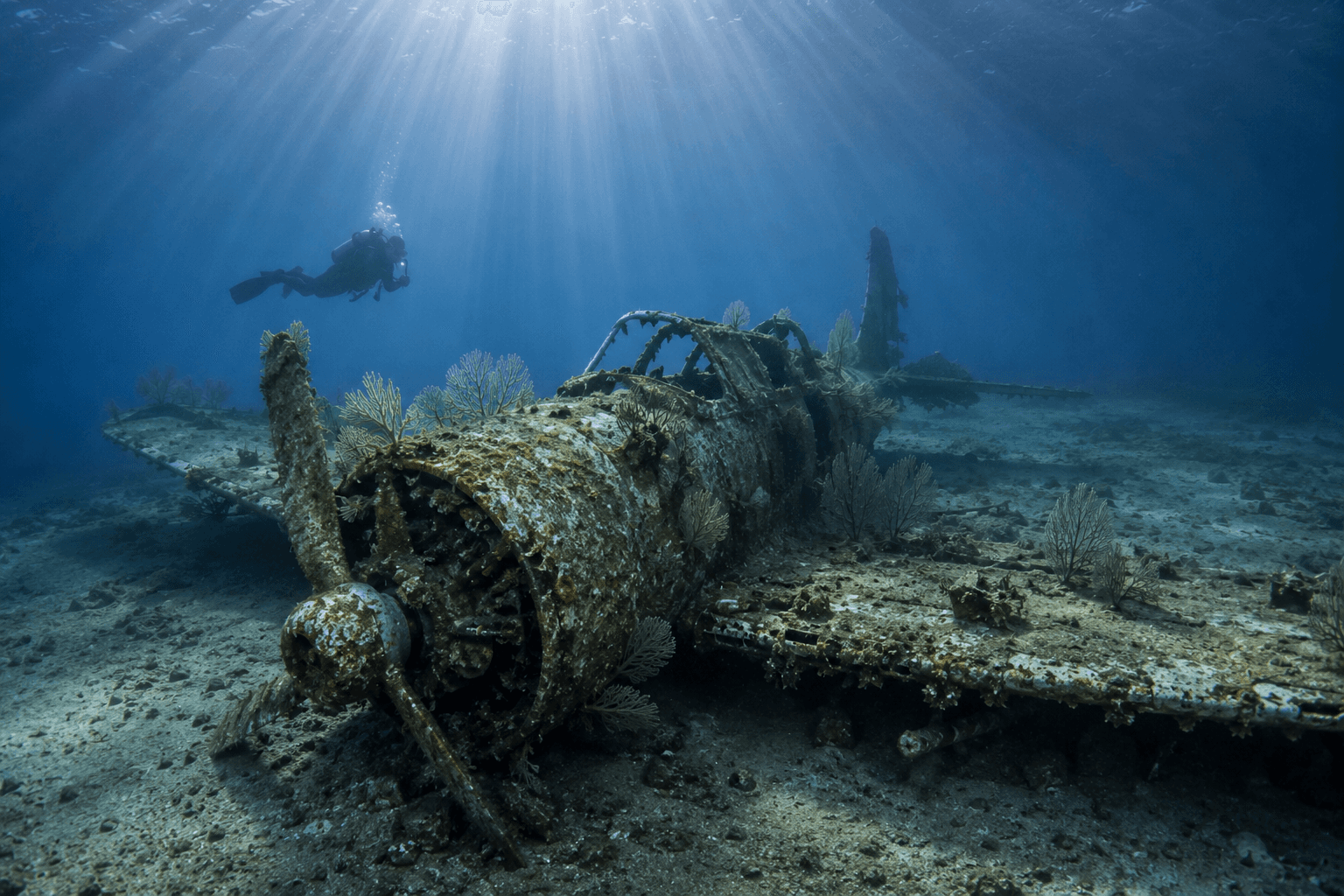
Baron Gautsch, Istria
• Best for: experienced recreational divers visiting Rovinj or Pula • Why it matters: this Austro-Hungarian passenger steamship sank in 1914 and is one of the Adriatic's most famous wreck dives. • Good to know: it is usually done as a guided boat dive and is not suitable for absolute beginners.
Advanced
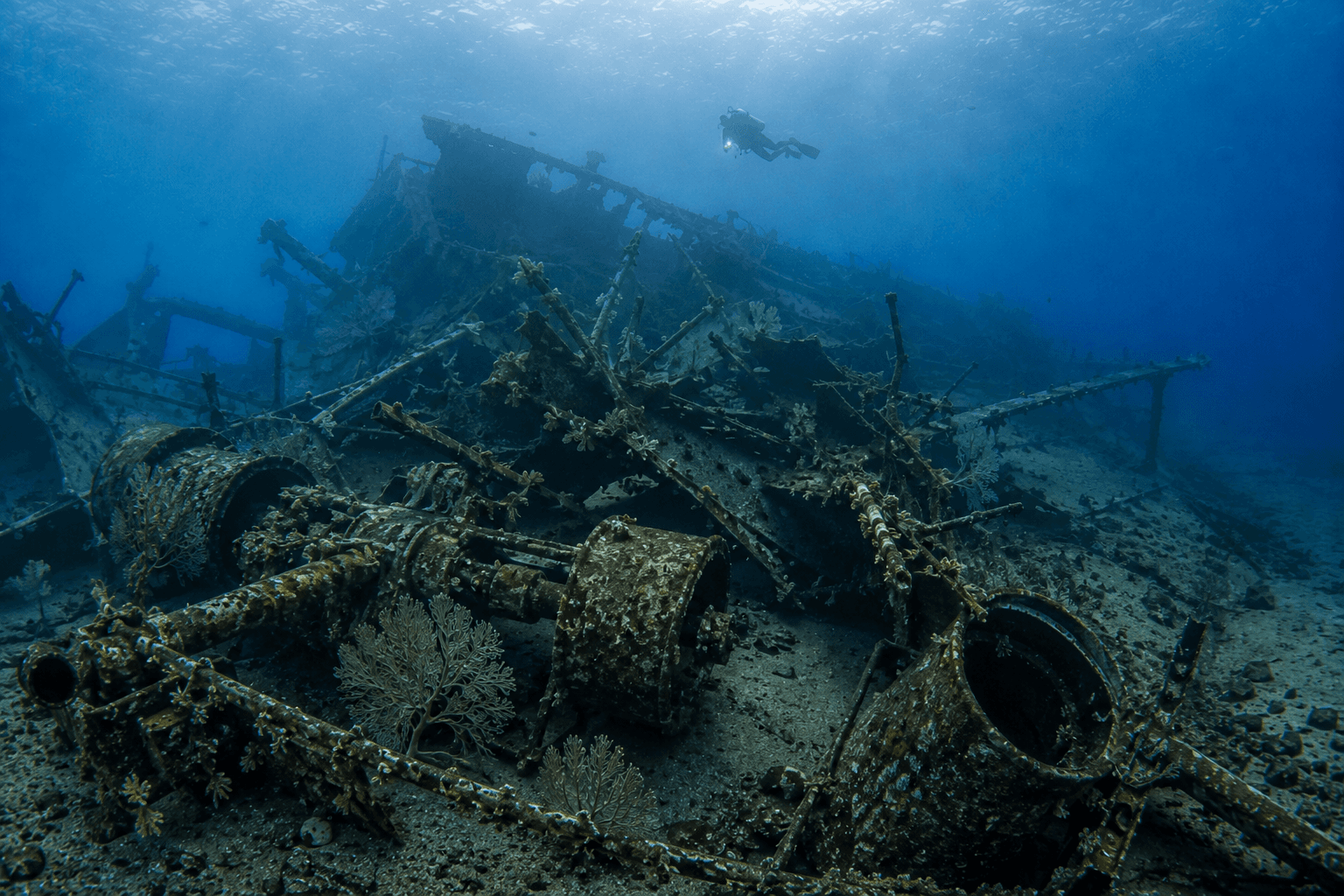
Vis WWII Wrecks
• Best for: advanced and technical divers • Why it matters: Vis has one of the Adriatic's richest wreck inventories, including aircraft and shipwrecks linked to WWII and the island's military history. • Good to know: some signature wrecks sit at technical depths, so check certification, depth limits and gas requirements before booking.
Advanced
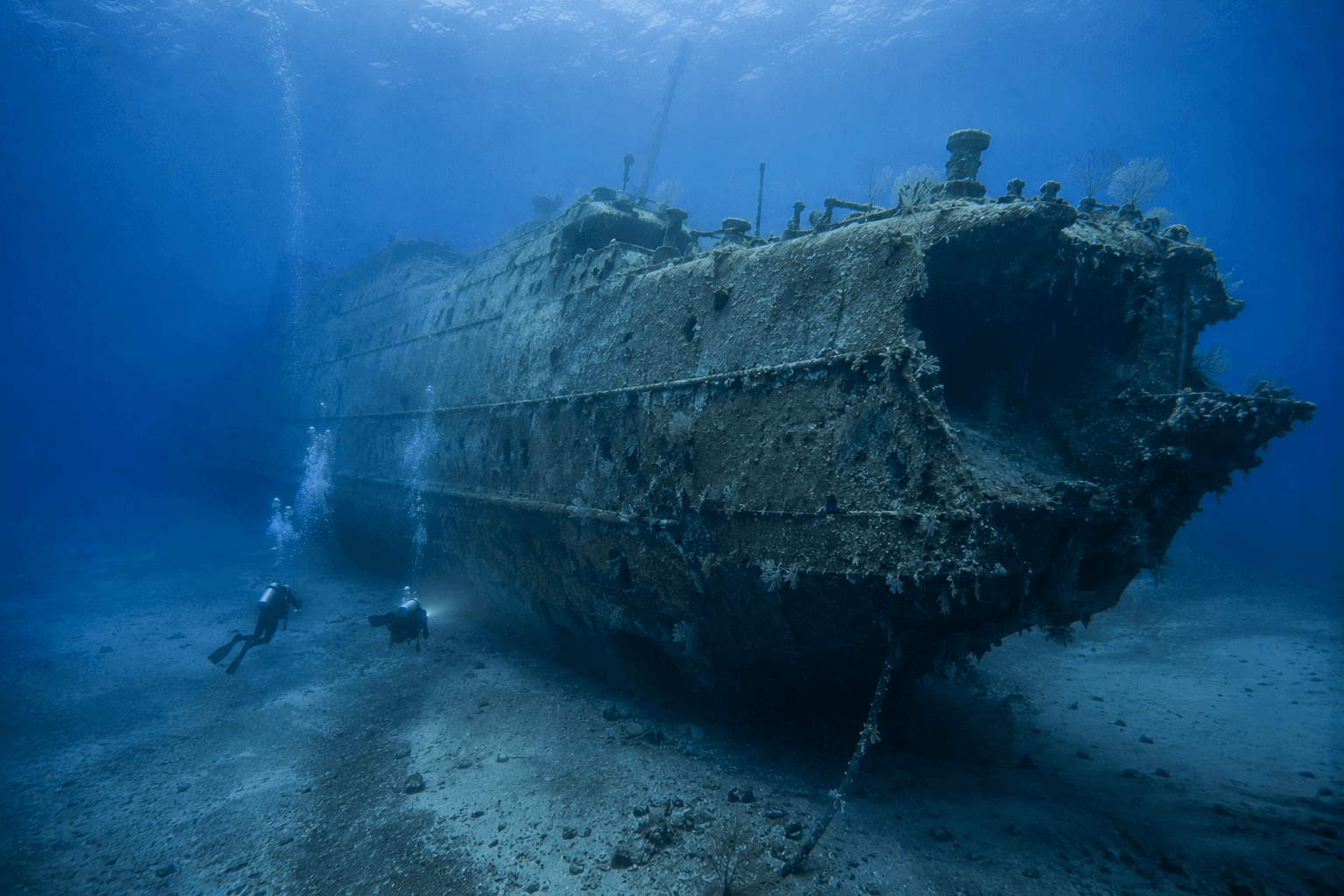
Taranto, Dubrovnik Area
• Best for: advanced divers based in Dubrovnik • Why it matters: one of southern Croatia's better-known wreck dives, often combined with wall and reef diving in the Dubrovnik area. • Good to know: conditions and depth make it a guided dive rather than a casual swim-out site.
Technical
Szent István, Premuda Area
• Best for: serious wreck divers and specialist trips • Why it matters: the Austro-Hungarian battleship Szent István is one of the Adriatic's historically important wrecks, sunk in 1918. • Good to know: this is a specialist dive, not a standard tourist excursion.
Book Diving & Snorkelling Tours in Croatia
Guided scuba diving at Kornati walls and Vis wrecks, Blue Cave boat trips, dolphin-watching excursions on Lošinj and snorkelling day trips along the Adriatic coast.
Caves, Walls & Snorkelling
Not every underwater experience in Croatia requires a scuba tank. Sea caves, blue-light caverns, shallow coves and boat-based snorkelling trips make this one of the easiest sections of the coast for mixed groups where some people dive and others prefer to stay near the surface.
Non-divers
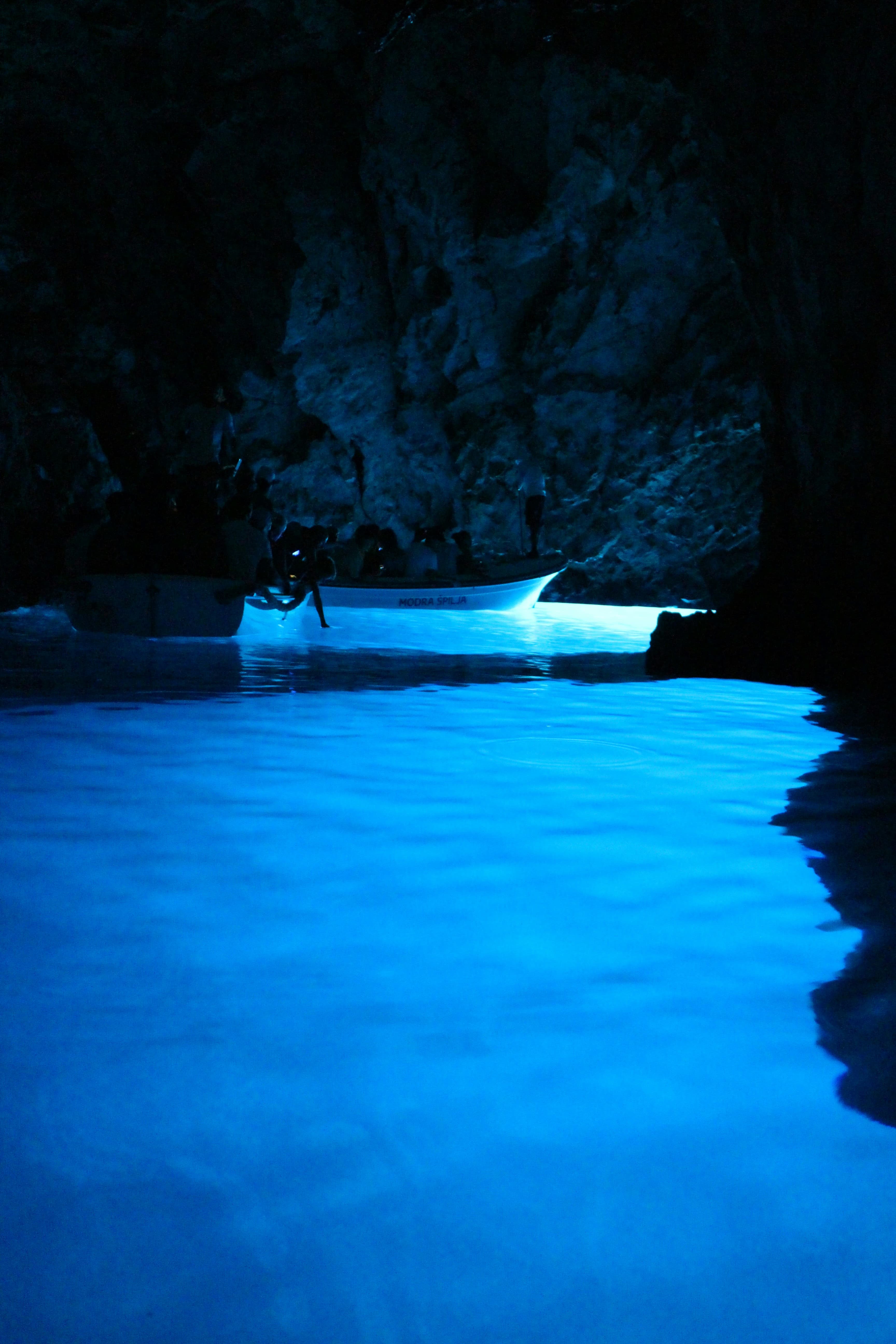
Biševo Blue Cave
• Best for: non-divers, photographers and first-time visitors to Vis • Why it works: sunlight enters through an underwater opening and turns the cave an intense blue, making it one of Croatia's most famous sea experiences. • Good to know: visit around midday for the strongest light, but expect crowds in peak summer.
All levels
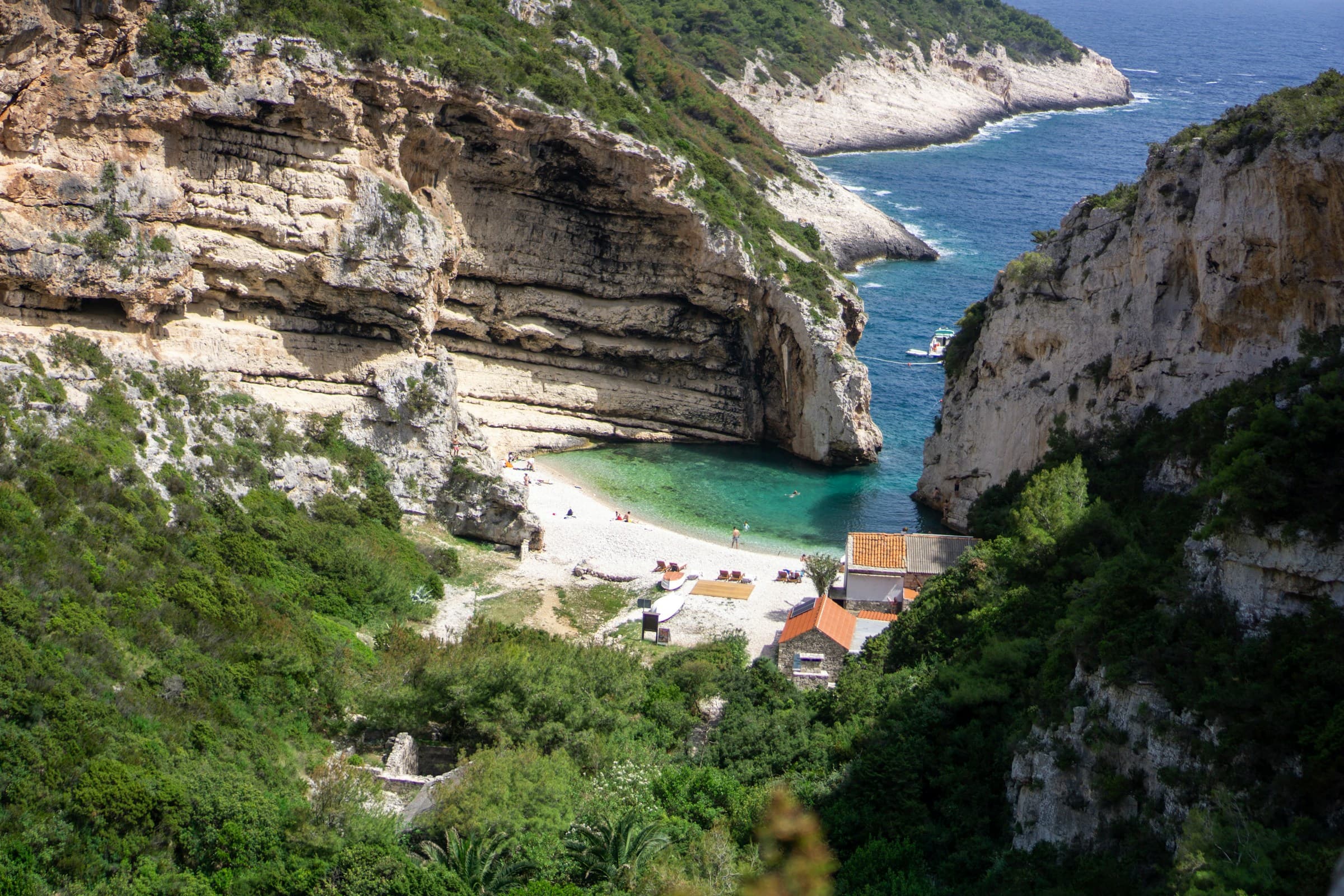
Stiniva and Vis Coves
• Best for: snorkelling, boat trips and clear-water swimming • Why it works: Vis has some of Croatia's clearest coves, with dramatic cliffs, pebble beaches and good visibility close to shore. • Good to know: many coves are easiest by boat; bring water shoes and avoid visiting only at peak midday in July and August.
Dive boats
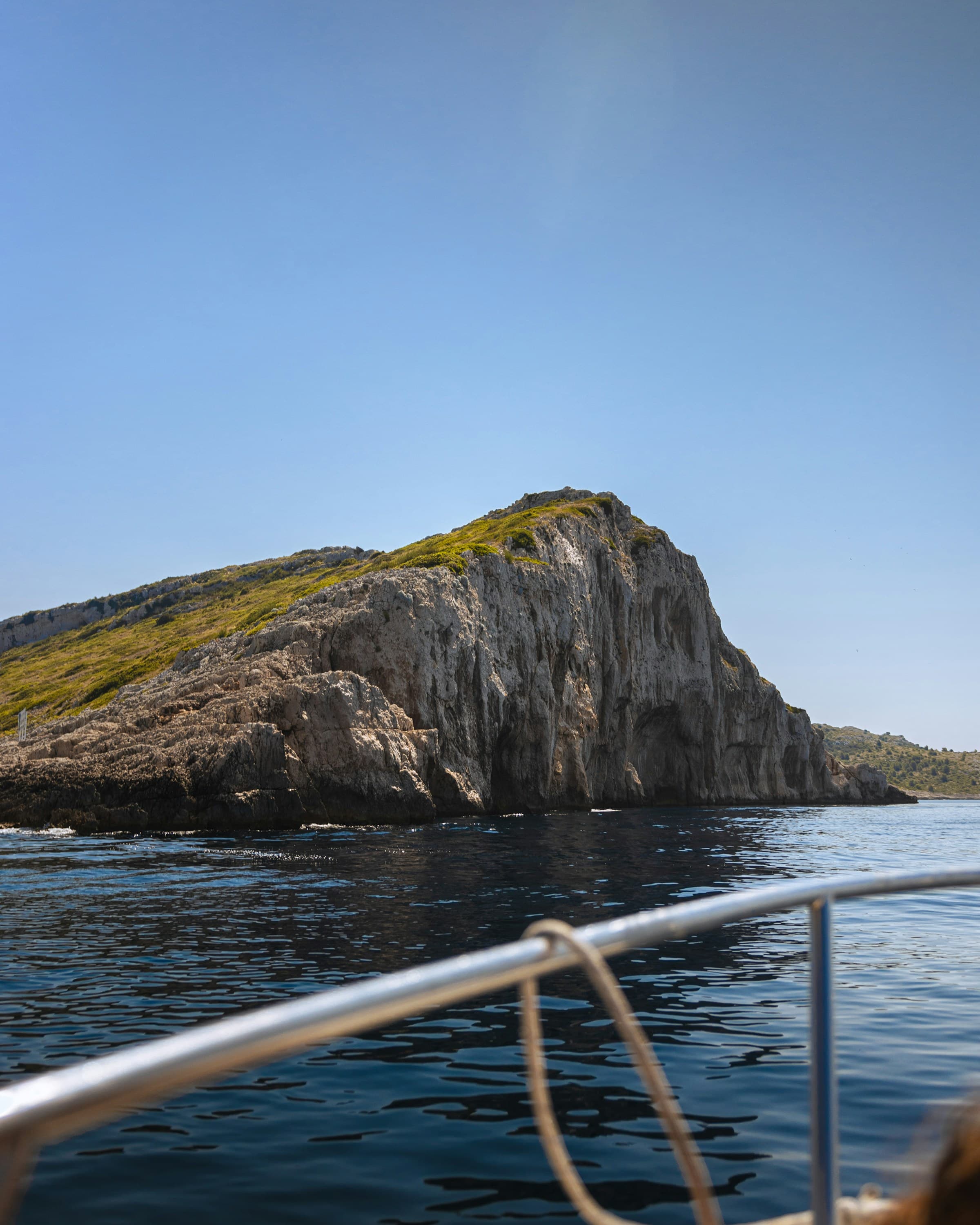
Kornati Walls
• Best for: divers who like underwater topography more than colourful reef fish • Why it works: the Kornati are known for limestone cliffs above and below the water, with vertical walls, drop-offs and sponge-covered rock faces. • Good to know: use authorised operators because rules can differ inside protected areas.
Scenic
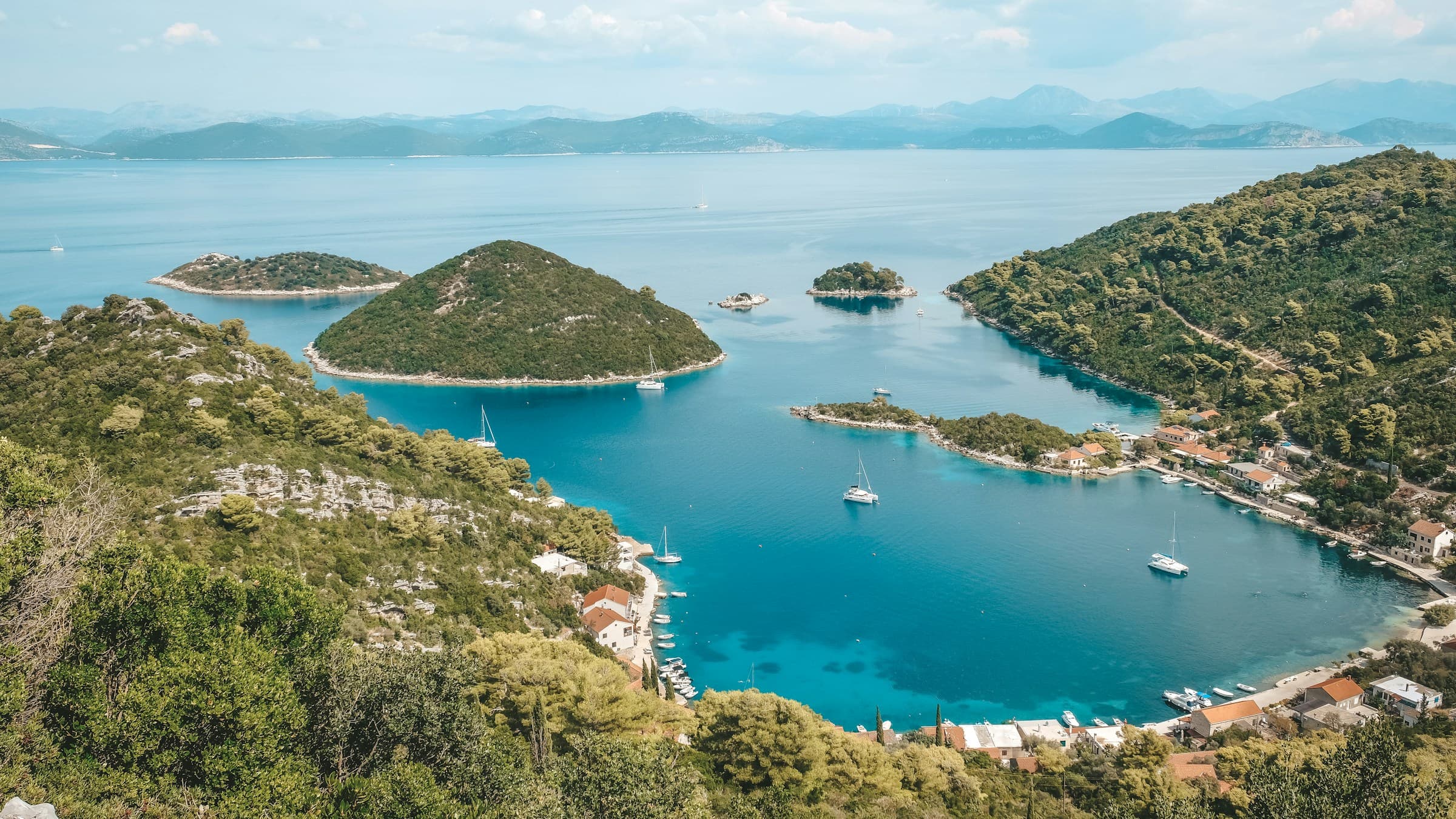
Mljet & Southern Dalmatian Caves
• Best for: relaxed cave-and-wall diving on a southern Croatia itinerary • Why it works: Mljet, Korčula and the Dubrovnik islands offer clear water, rocky walls and caves that pair well with island-hopping holidays. • Good to know: this is better for scenic holiday diving than for Croatia's most technical wreck dives.
Marine Life & Conservation
Croatia's underwater world is more subtle than tropical destinations. Expect clear water, rocky habitats, sponges, gorgonians, octopus, scorpionfish, bream, dentex and occasional larger pelagic species rather than dense coral colour. For families and non-divers, the best marine-life experiences are often conservation-led rather than purely recreational.
Spring–Autumn
Lošinj Dolphin Sanctuary
• Best for: families, wildlife lovers and Kvarner island holidays • Why it works: the waters around Lošinj are Croatia's best-known dolphin research area, with long-running monitoring of a resident bottlenose dolphin population. • Good to know: choose responsible operators and avoid any trip that promises chasing or surrounding dolphins.
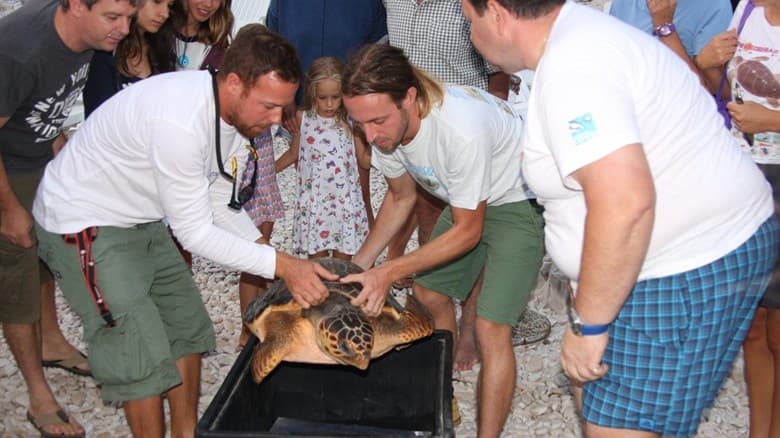
Year-round
Sea Turtle Rescue Centre, Lošinj
• Best for: families staying on Lošinj, Cres or nearby Kvarner islands • Why it works: children can learn about injured sea turtles, marine protection and the Adriatic ecosystem in a simple, memorable way. • Good to know: combine it with dolphin watching, the Apoxyomenos Museum or an easy beach day around Mali Lošinj.
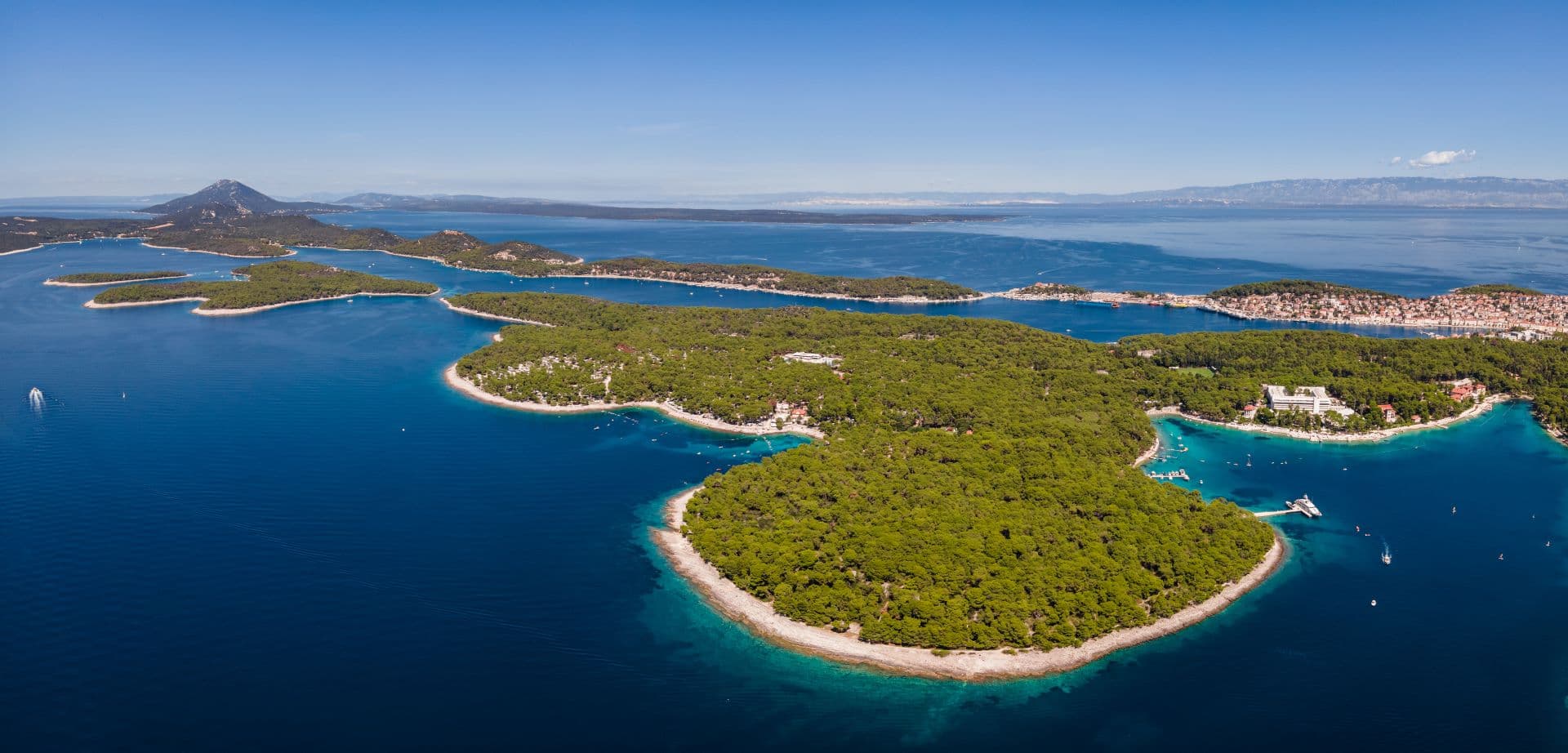
Year-round
Marine Education on Lošinj
• Best for: families who want a meaningful wildlife experience rather than just a boat trip • Why it works: Lošinj is one of the few Croatian island destinations where marine conservation is a central part of the visitor experience. • Good to know: check seasonal opening times and book educational excursions ahead in summer.
Sea Fishing
Sea fishing in Croatia ranges from simple shore fishing and squid fishing to half-day boat trips and full-day offshore charters. The most important thing for visitors to know is that a licence is required for recreational or sport fishing at sea, whether fishing from shore or from a boat.
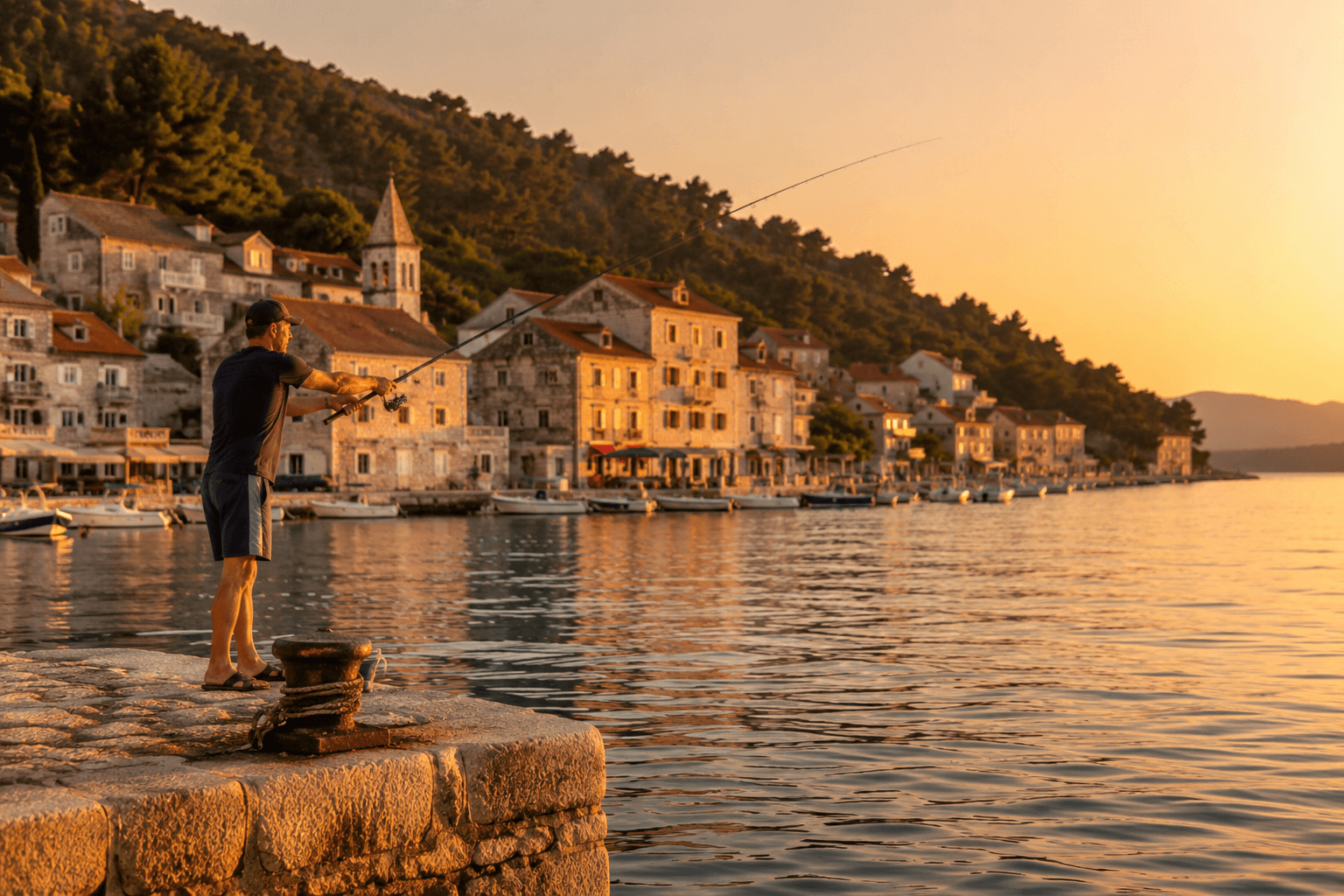
Year-round
Shore Fishing
• Best for: independent travellers, patient anglers and low-key evenings • Why it works: harbour walls, rocky points and quieter bays can produce bream, mullet, sea bass, wrasse and smaller coastal species. • Good to know: a permit is still required, even if you are fishing casually from shore.
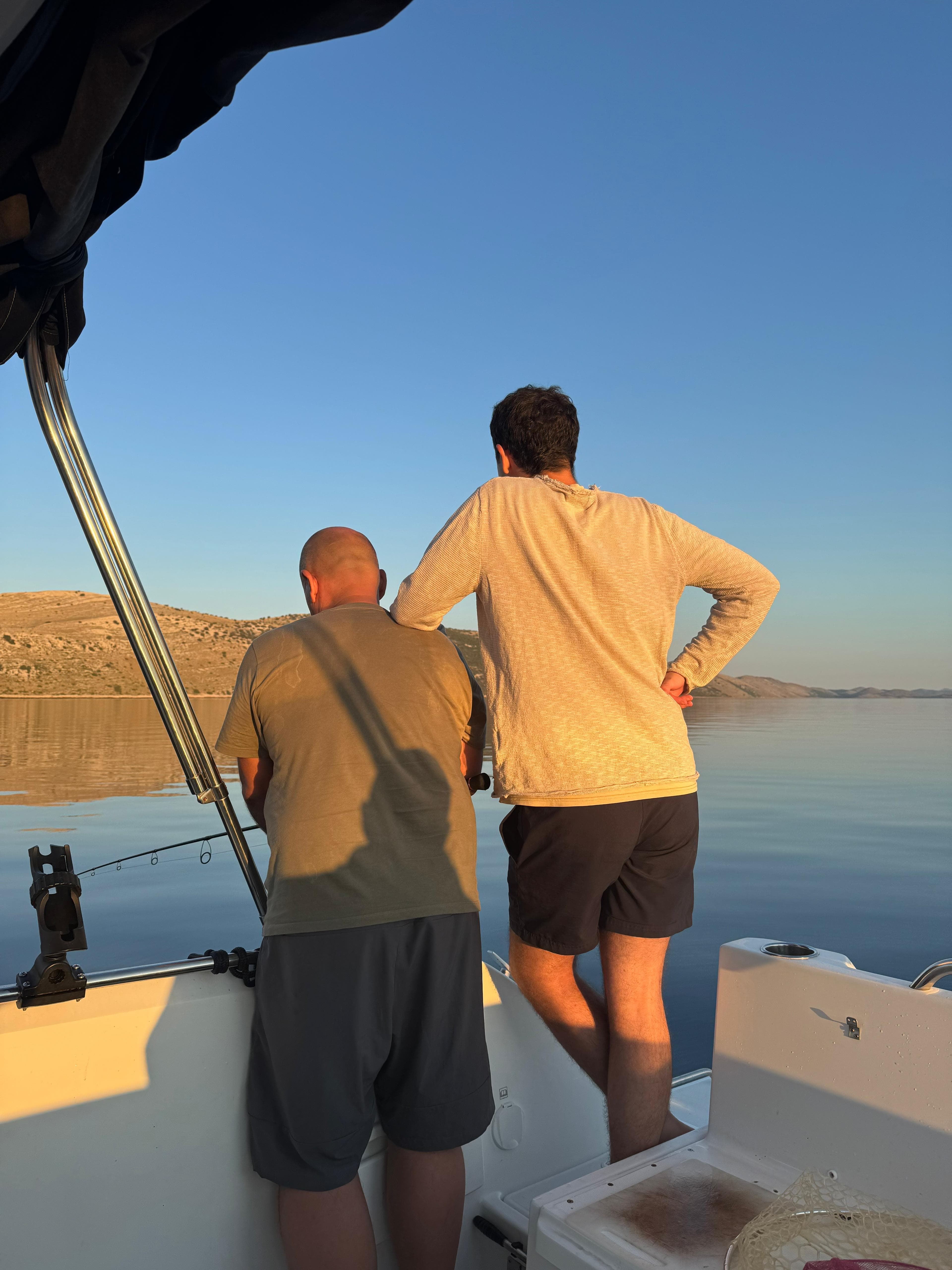
All levels
Family Boat Fishing Trips
• Best for: families, beginners and mixed groups • Why it works: many coastal towns offer short boat trips focused on easy fishing, swimming stops and a relaxed day at sea rather than trophy catches. • Good to know: ask whether the operator includes licences, equipment, bait and cleaning the catch.
Autumn
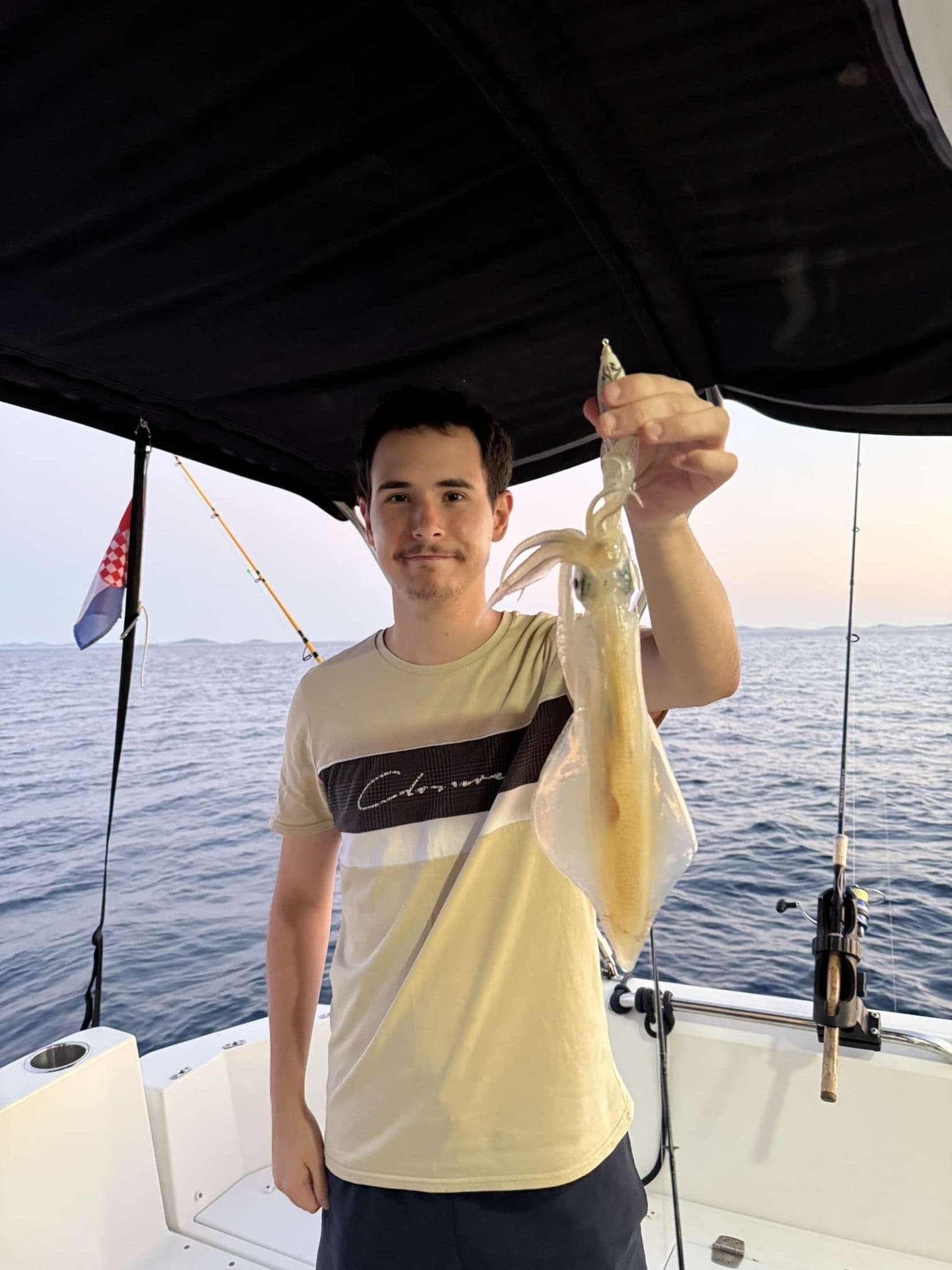
Squid Fishing
• Best for: autumn evenings and local-style fishing trips • Why it works: squid fishing is one of the Adriatic's classic seasonal experiences, especially from boats and harbour areas when conditions are right. • Good to know: autumn and early winter are usually more interesting than high summer.
Permit required
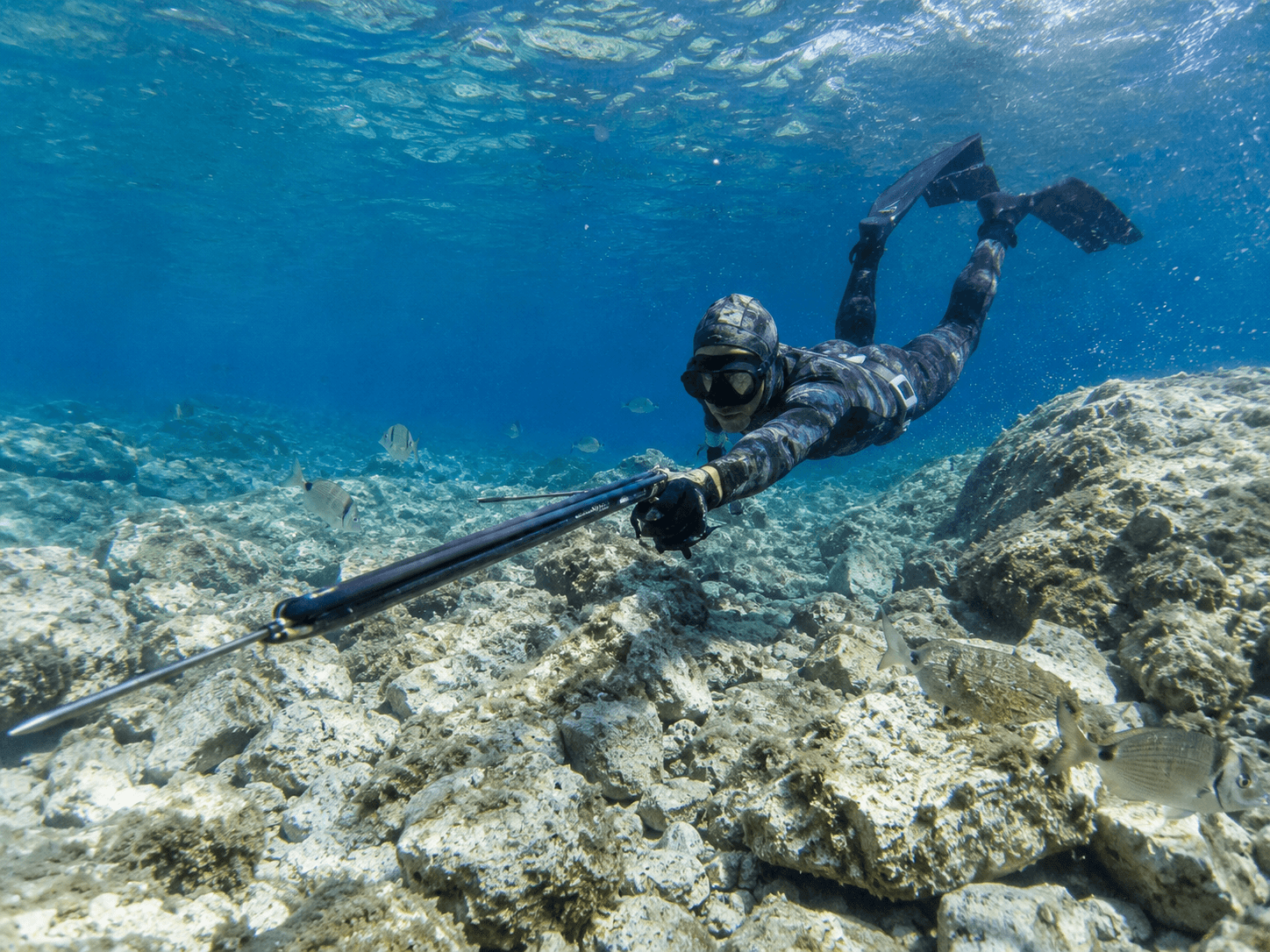
Spearfishing
• Best for: experienced sport fishers who understand local rules • Why it works: Croatia has clear water and rocky underwater terrain, but spearfishing is regulated and should not be confused with ordinary recreational fishing. • Good to know: a recreational fishing licence does not allow speargun use; sport fishing rules and permitted areas matter.
Deep-Sea & Big-Game Fishing
Deep-sea fishing in Croatia is strongest where boats can reach deeper channels, offshore islands and colder productive waters. Kvarner, Istria, Zadar, Šibenik, Split, Vis and Dubrovnik all have charter options, but the Kvarner Gulf and northern Adriatic are especially known for larger fish and scampi grounds.
Deep water
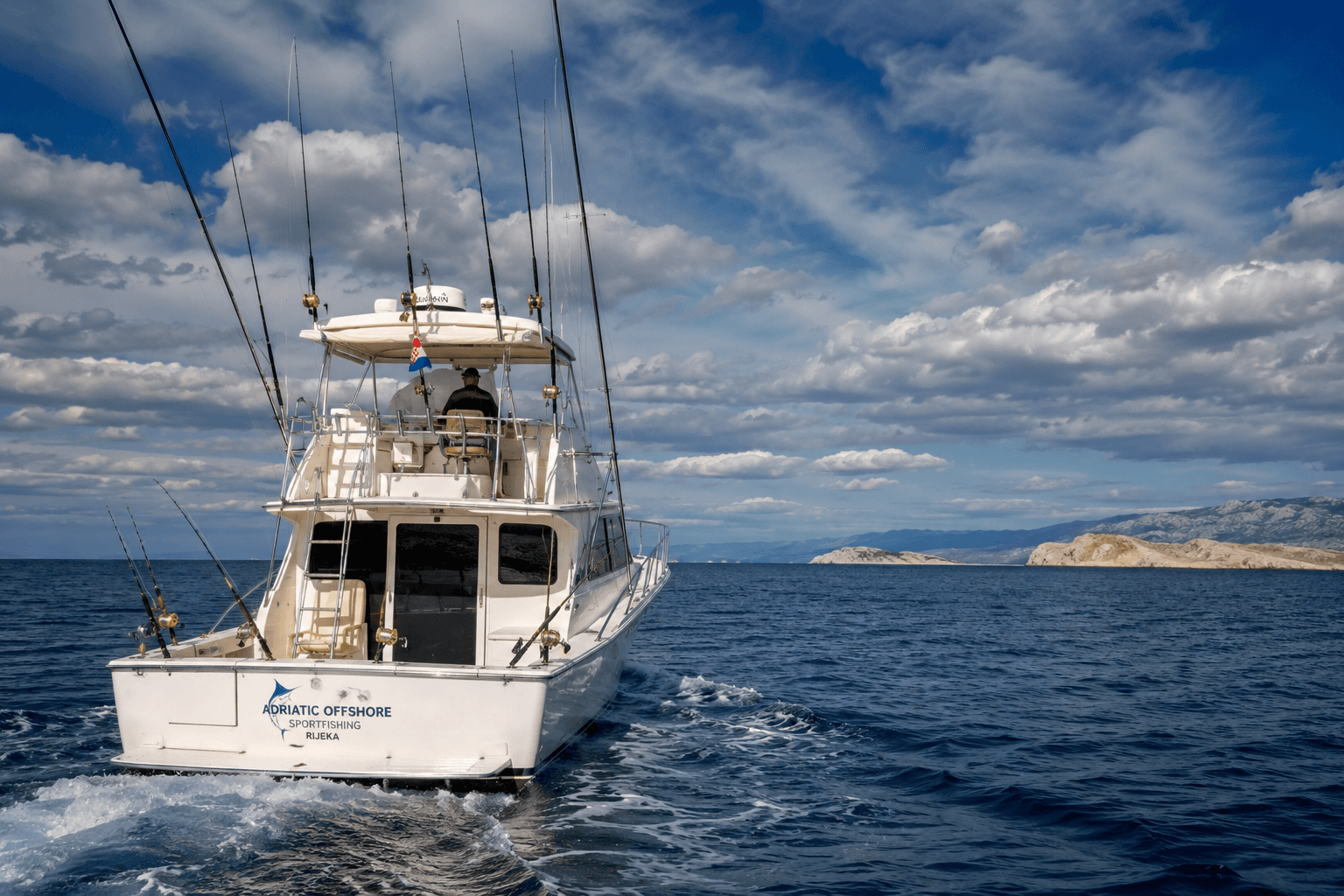
Kvarner Gulf
• Best for: tuna, amberjack, dentex, scampi and serious charter trips • Why it works: the deep, colder waters of Kvarner are among Croatia's most productive fishing grounds, with charters from Rijeka, Opatija, Krk, Cres, Lošinj and nearby ports. • Good to know: this is one of the best regions in Croatia for a genuine deep-sea fishing charter.
All levels
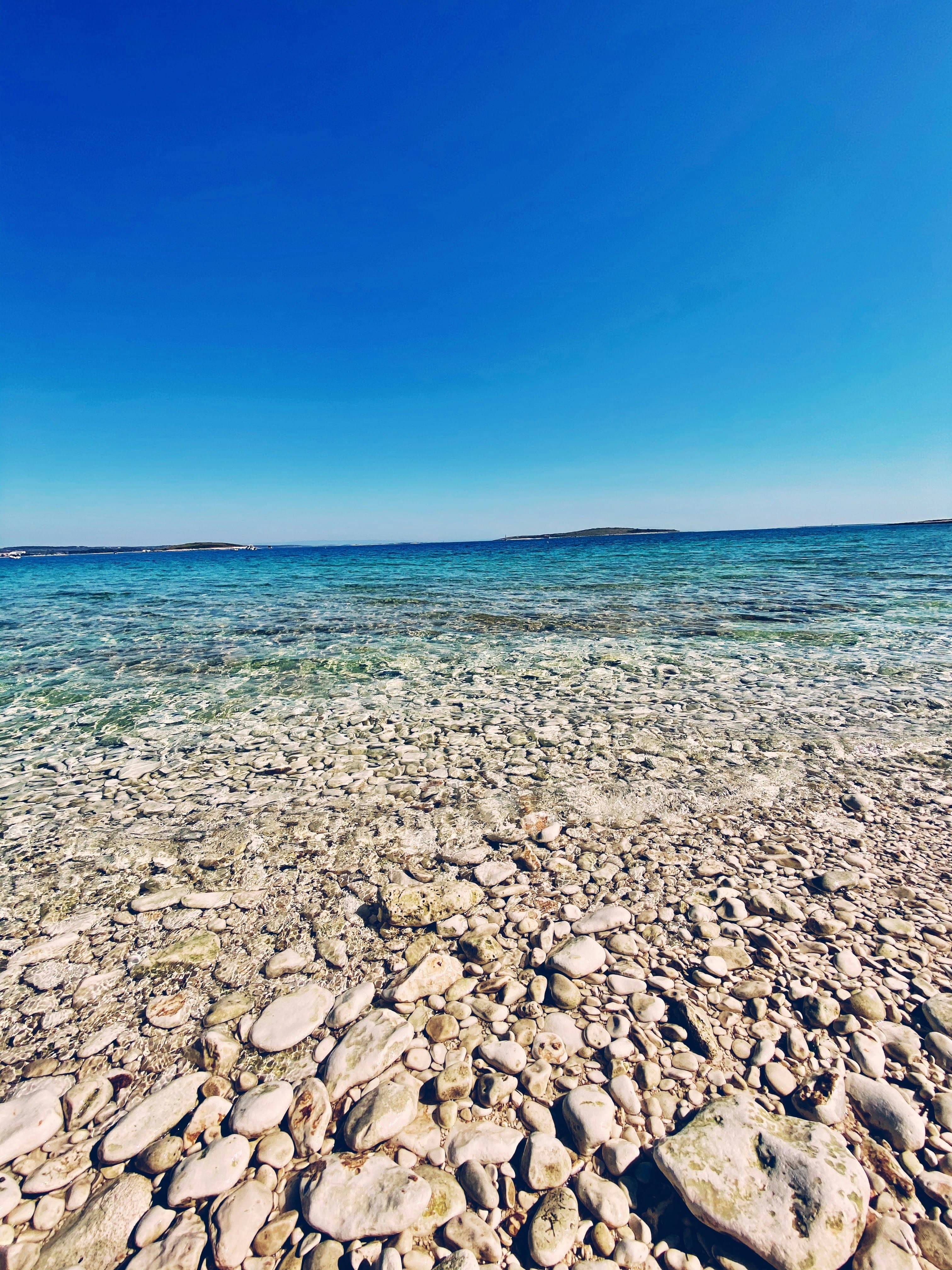
Istria
• Best for: accessible charters from Rovinj, Poreč, Pula and Medulin • Why it works: Istria has a long fishing tradition, good marina infrastructure and easy access for visitors arriving from Slovenia, Italy, Austria or northern Croatia. • Good to know: Istria works well for half-day charters, family fishing trips and mixed fishing and diving holidays.
Island waters
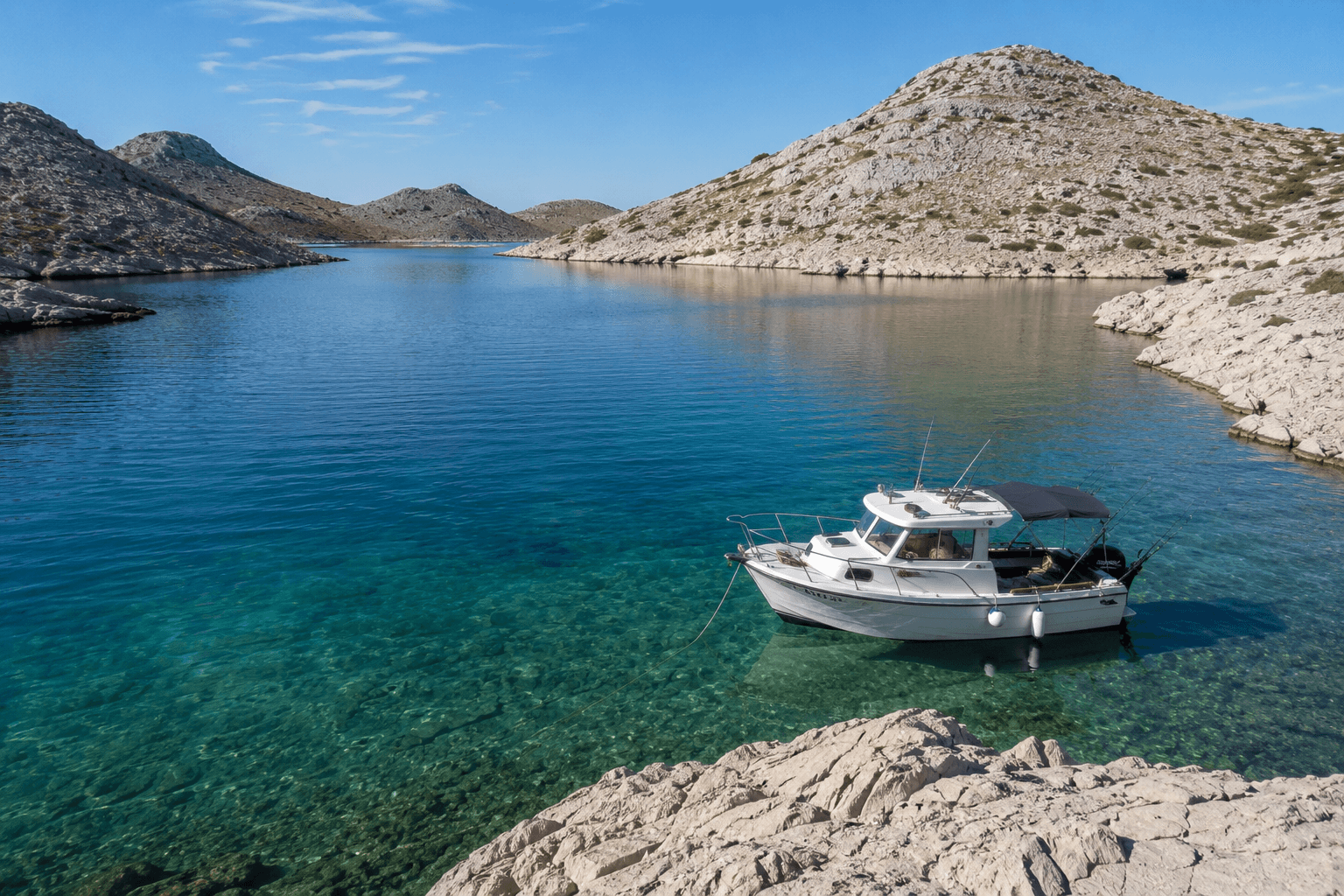
Zadar & Kornati Waters
• Best for: island fishing, boat days and combining fishing with national-park scenery • Why it works: the Zadar archipelago, Dugi Otok and Kornati waters offer varied channels, reefs and deeper areas within reach of charter boats. • Good to know: check protected-area rules carefully around national parks and nature parks.
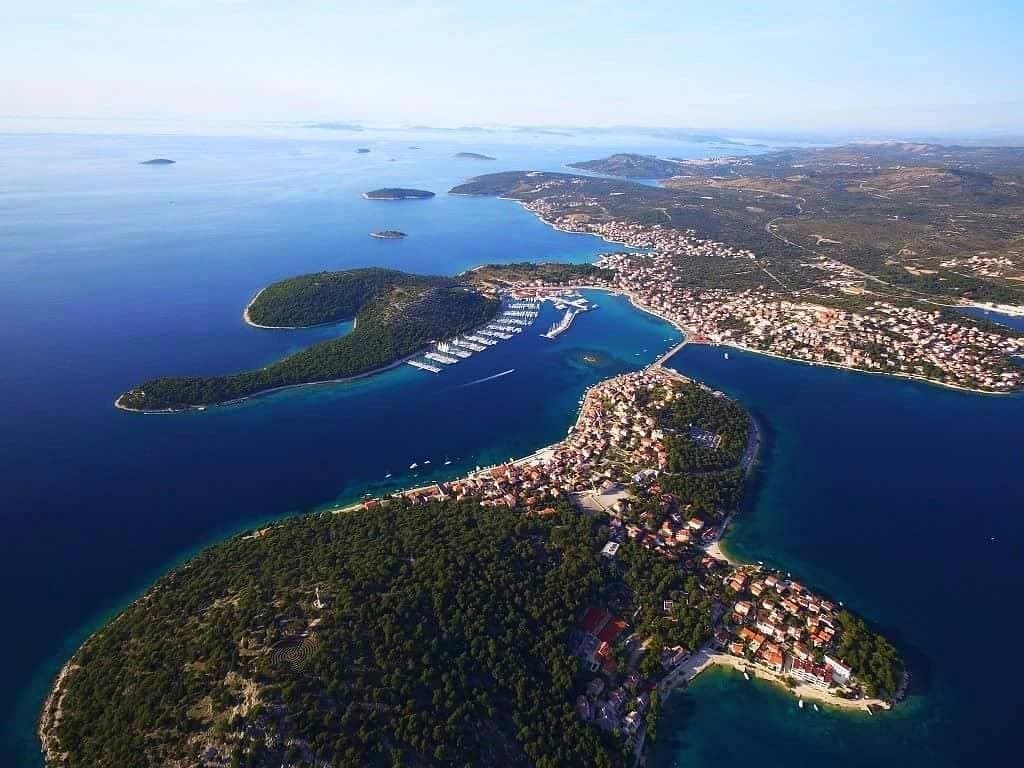
Central Dalmatia
Šibenik, Rogoznica & Primošten
• Best for: central Dalmatian charters and mixed family holidays • Why it works: this stretch has good marina access, island waters, deep channels and easy day-trip logistics from small coastal bases. • Good to know: Rogoznica and Primošten are often more practical bases than staying inside Šibenik itself.
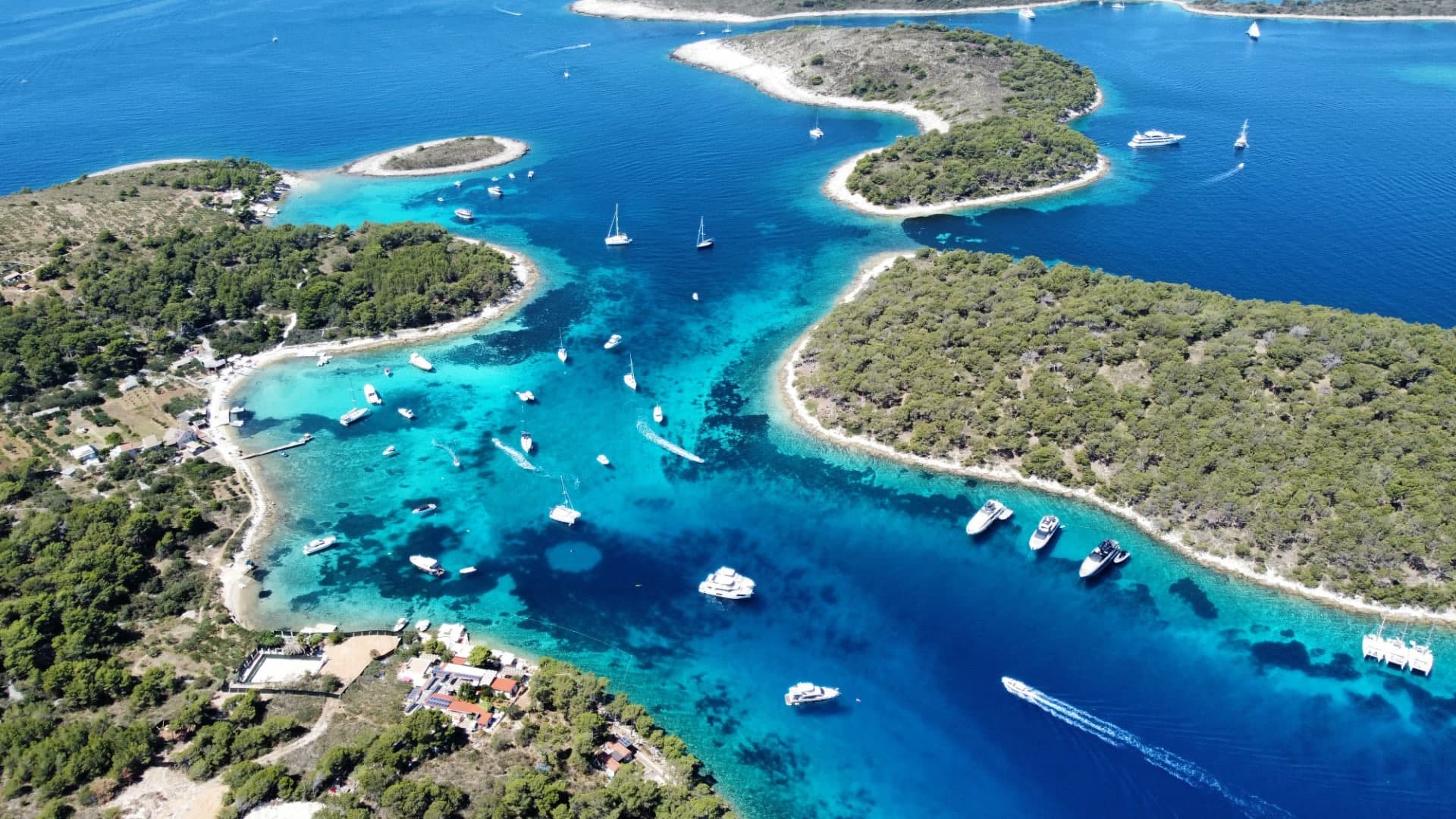
Central Dalmatia
Split, Brač, Hvar & Vis
• Best for: island-based fishing trips and combining charters with classic Dalmatian travel • Why it works: central Dalmatia gives access to island channels, deeper offshore water and established charter operators. • Good to know: Vis is especially interesting if you want to combine fishing with serious diving.
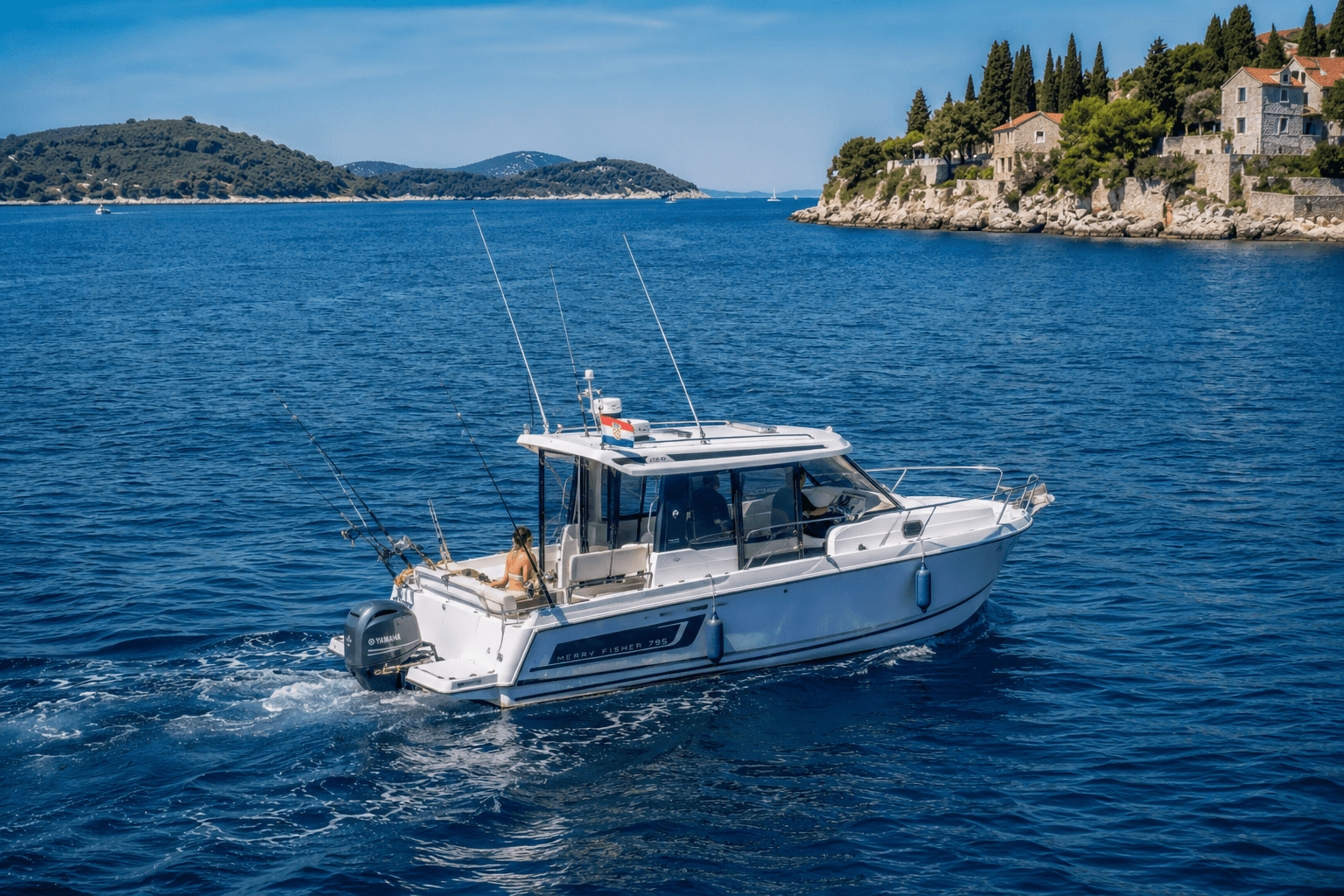
Southern Croatia
Dubrovnik & Southern Islands
• Best for: scenic private charters and fishing combined with island-hopping • Why it works: the Elafiti Islands, Mljet, Korčula and open southern waters offer beautiful boat days and seasonal fishing opportunities. • Good to know: Dubrovnik charters can be expensive in peak season, so book early and clarify whether the trip is fishing-focused or mostly sightseeing.
Practical Information
A few rules matter more in Croatia than in some other diving and fishing destinations — protected areas, permit requirements and depth limits are worth understanding before you book.
Season
Best diving season
May to October is the main diving season, with June and September often offering the best balance of visibility, sea temperature and boat availability. July and August have the warmest water but also the busiest marinas and island ports.
Diving
Diving rules
Organised diving in Croatia is allowed through diving centres, diving associations or authorised operators. Independent diving requires official approval from a harbour master's office, so most visitors should book through a licensed local dive centre.
Rules
Protected areas
National parks, nature parks and marine protected areas may have additional restrictions or separate permits. This matters around Kornati, Telašćica, Mljet and Lastovo, so use authorised operators and check rules before diving or fishing.
Safety
Decompression chambers
Croatia has recompression facilities in Split and Rijeka. Dive operators know local emergency procedures, but serious divers should carry suitable insurance and avoid pushing depth limits on holiday dives.
Fishing
Fishing permits
A sea fishing permit is required for recreational and sport fishing in Croatia, whether from shore or from a boat. Short permits are available for one, three or seven days, and can be purchased electronically through official channels.
Fishing
Catch limits
Recreational and sport fishers must follow daily catch limits, gear rules, closed seasons and protected-area restrictions. As a general rule, do not assume that a casual holiday fishing trip is exempt from Croatian regulations.
Book Fishing & Sea Trips in Croatia
Deep-sea fishing charters, cave snorkelling, Blue Lagoon boat excursions, sunset sailing and guided marine experiences across Croatia's islands and coastal waters.
Plan Your Trip
Search flights and car hire for your Croatia trip.