Culture & History in Croatia
Roman palaces, Venetian old towns, Habsburg castles, UNESCO fortifications and living traditions — pick your next cultural experience.
Best Culture & History Experiences in Croatia
The strongest cultural choices for each type of traveller.
Best overall
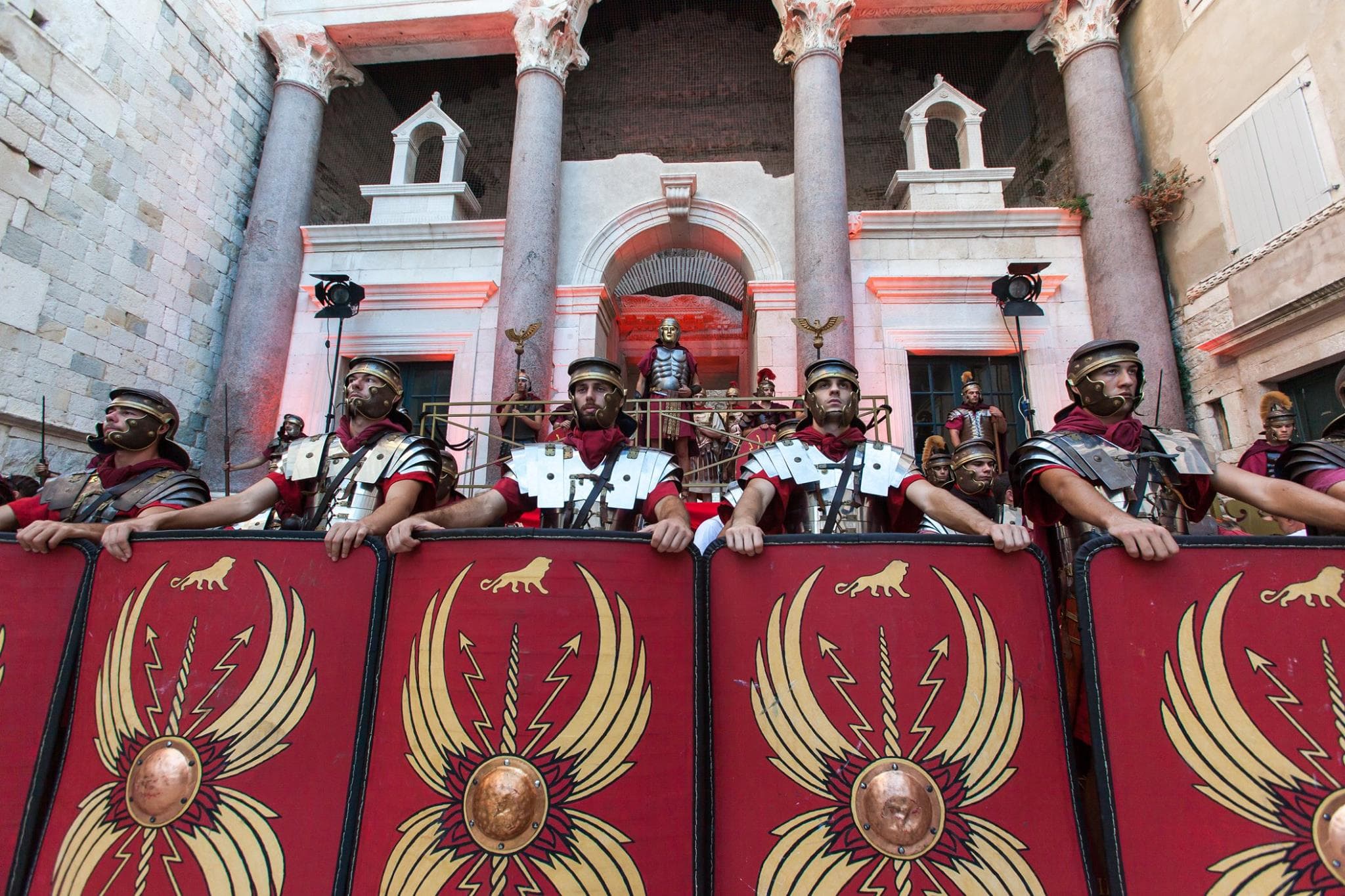
Explore a living Roman palace
Diocletian's Palace in Split is not a ruin — 3,000 people still live inside it. Walk the Peristyle, underground halls and cathedral.
Best medieval city
Walk Dubrovnik's city walls
1,940 metres of 13th–17th century fortifications above the Adriatic — one of the best-preserved medieval wall circuits in Europe.
Best Roman arena
See Pula's Roman amphitheatre
One of the world's six largest surviving Roman amphitheatres, all four outer walls intact. Built 1st century AD, still used for concerts.
Best castle day trip
Follow the Zagorje castle loop
Trakošćan and Veliki Tabor in a day from Zagreb — two very different castles in rolling hill country north of the capital.
Best baroque city
Spend a day in Varaždin
Croatia's former capital — intact baroque old town, working castle moat and one of Europe's finest annual baroque music festivals.
Best Venetian old town
Wander Trogir or Šibenik
Trogir's medieval island grid and Šibenik's extraordinary all-stone cathedral — two UNESCO cities worth the stop between Split and Zadar.
Best frontier heritage
Discover Osijek Tvrđa
An almost entirely intact 18th-century Austrian baroque fortress town in Slavonia — one of the most overlooked urban heritage sites in Croatia.
Best island old town
Choose Korčula, Rab or Hvar
Three historic island towns: Venetian Korčula, medieval Rab with four campaniles, and Renaissance Hvar with a UNESCO agricultural plain.
Best unexpected find
Visit the Museum of Broken Relationships
Objects from ended relationships, each with a short personal story. Zagreb's most original museum — and probably Europe's.
Understand Croatia's Cultural Layers
Every place in Croatia carries multiple layers — knowing which one you are looking at changes how you see it.
Roman Croatia
1st–4th century ADDiocletian's Palace in Split and Pula Arena are the standout monuments. The whole Adriatic coast was Rome's province of Dalmatia.
Venetian & Adriatic
13th–18th centuryFour centuries of Venetian rule left an entire coastline of campaniles, loggias and stone old towns built to last.
Habsburg & Noble Inland
16th–19th centuryCastles, baroque towns and noble estates across Zagorje, Varaždin and Slavonia — a completely different Croatia from the coast.
Ottoman Frontier
15th–18th centuryTwo centuries on Europe's edge shaped the interior: fortress towns, star-plan fortifications and a cultural mix still visible today.
Living Traditions
Medieval to presentKlapa choral singing, sword dances, UNESCO lace-making and equestrian tournaments still performed by the same communities that started them.
Modern Memory
20th–21st centuryVukovar's war memorial, the Museum of Broken Relationships and communist-era architecture are Croatia's most recent cultural layers.
Choose Your Cultural Region
Croatia's regions have genuinely different cultural characters — the Adriatic coast, the castle-country interior, baroque Slavonia and the Kvarner each reward separate attention.
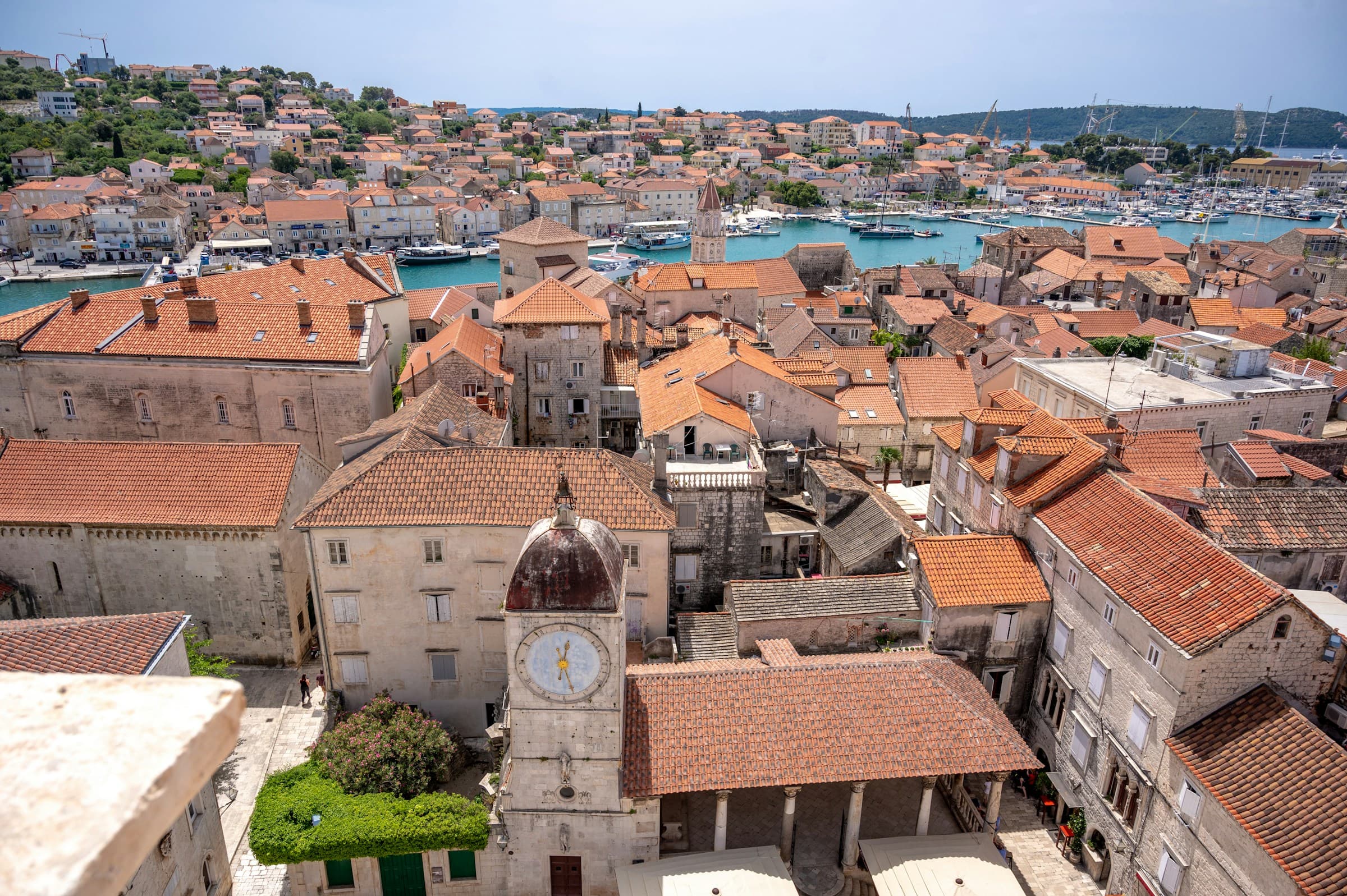
Coastal culture
Dalmatia — Roman palaces, Venetian towns & stone cathedrals
The most layered coastal culture in Europe — Roman Split, Venetian Trogir and Korčula, and a cathedral at Šibenik that belongs to no empire.
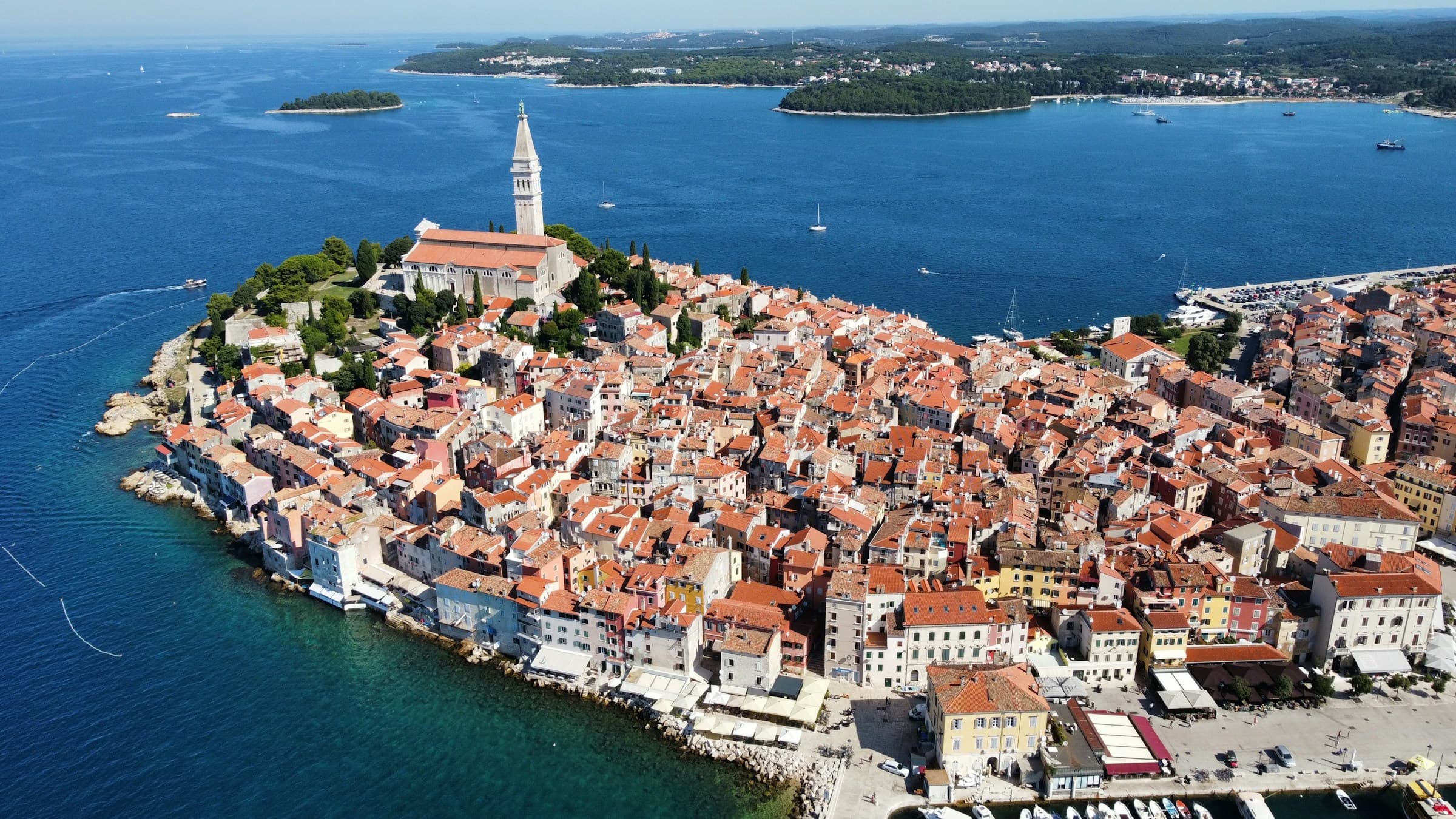
Multi-layer heritage
Istria — Roman Pula, Venetian Rovinj & hill towns
Four overlapping empires in one compact peninsula — Roman arena, Byzantine basilica, Venetian campaniles and a string of hilltop medieval villages.
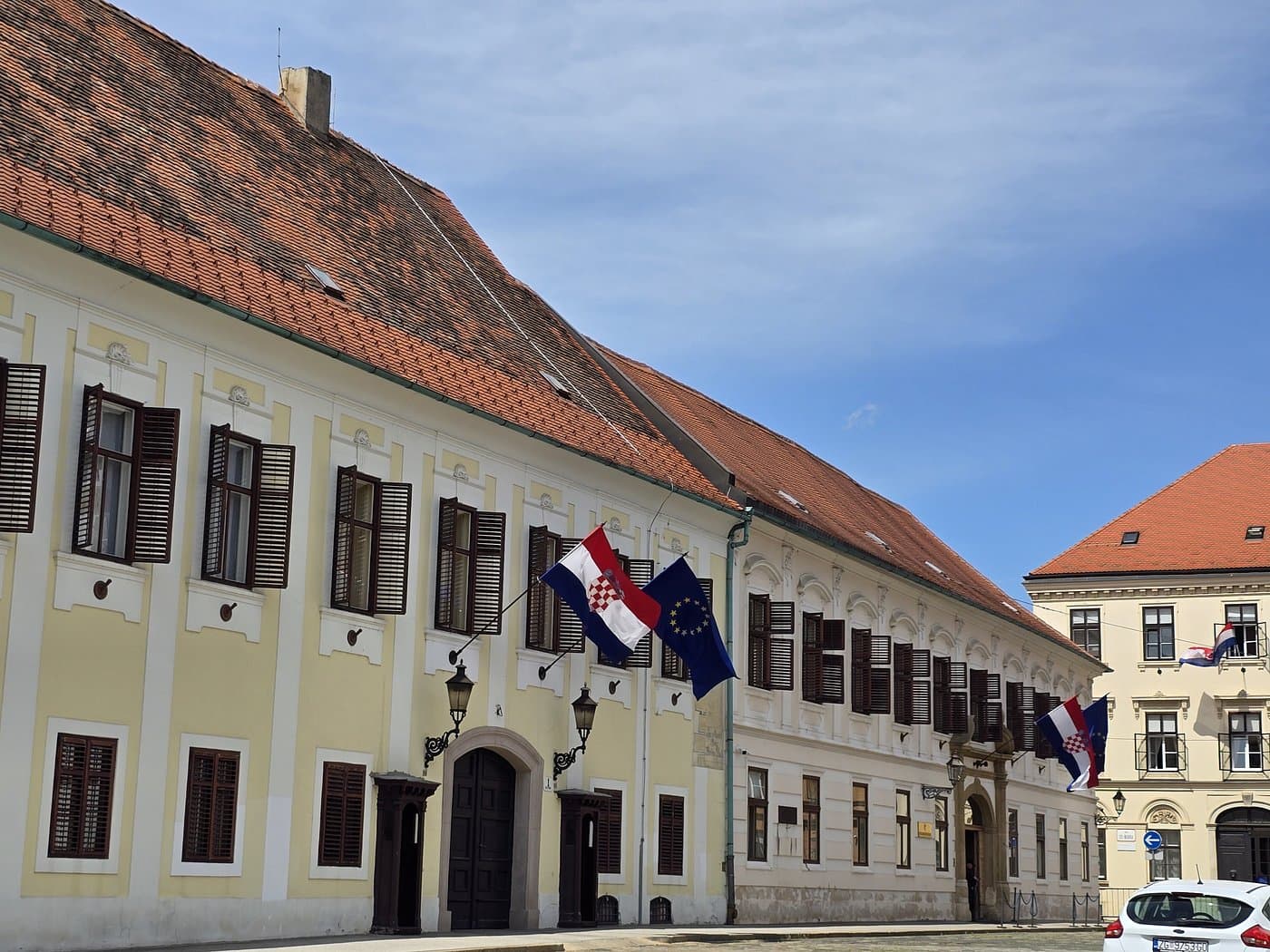
Habsburg city
Zagreb — Habsburg capital culture
A well-preserved medieval upper town, 19th-century boulevards and one of Central Europe's better museum quarters — all within walking distance.
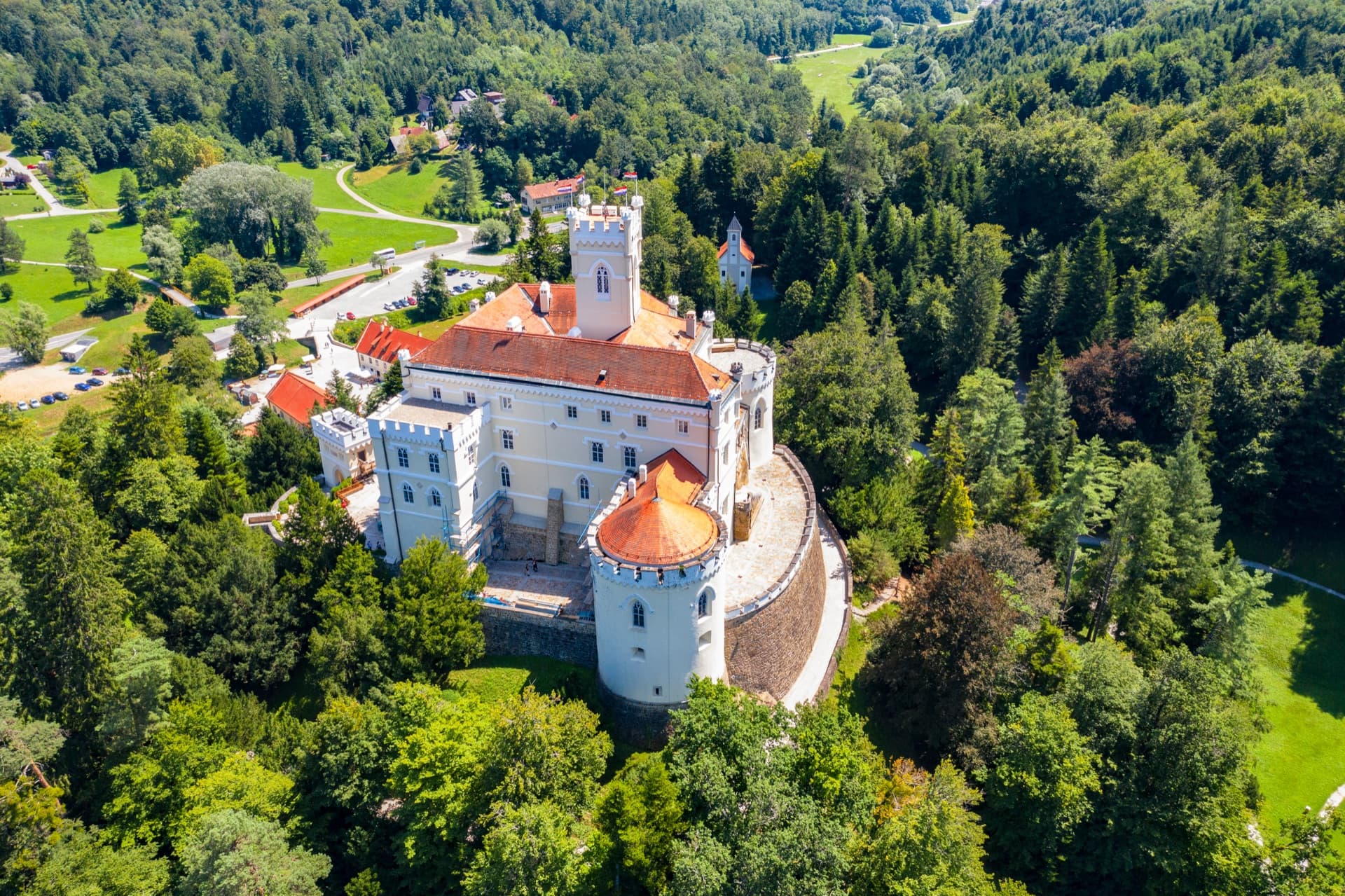
Castle country
Zagorje — Castles & noble estates
Rolling hills north of Zagreb thick with castles — Trakošćan, Veliki Tabor and Varaždin all within easy reach on a two-day loop.
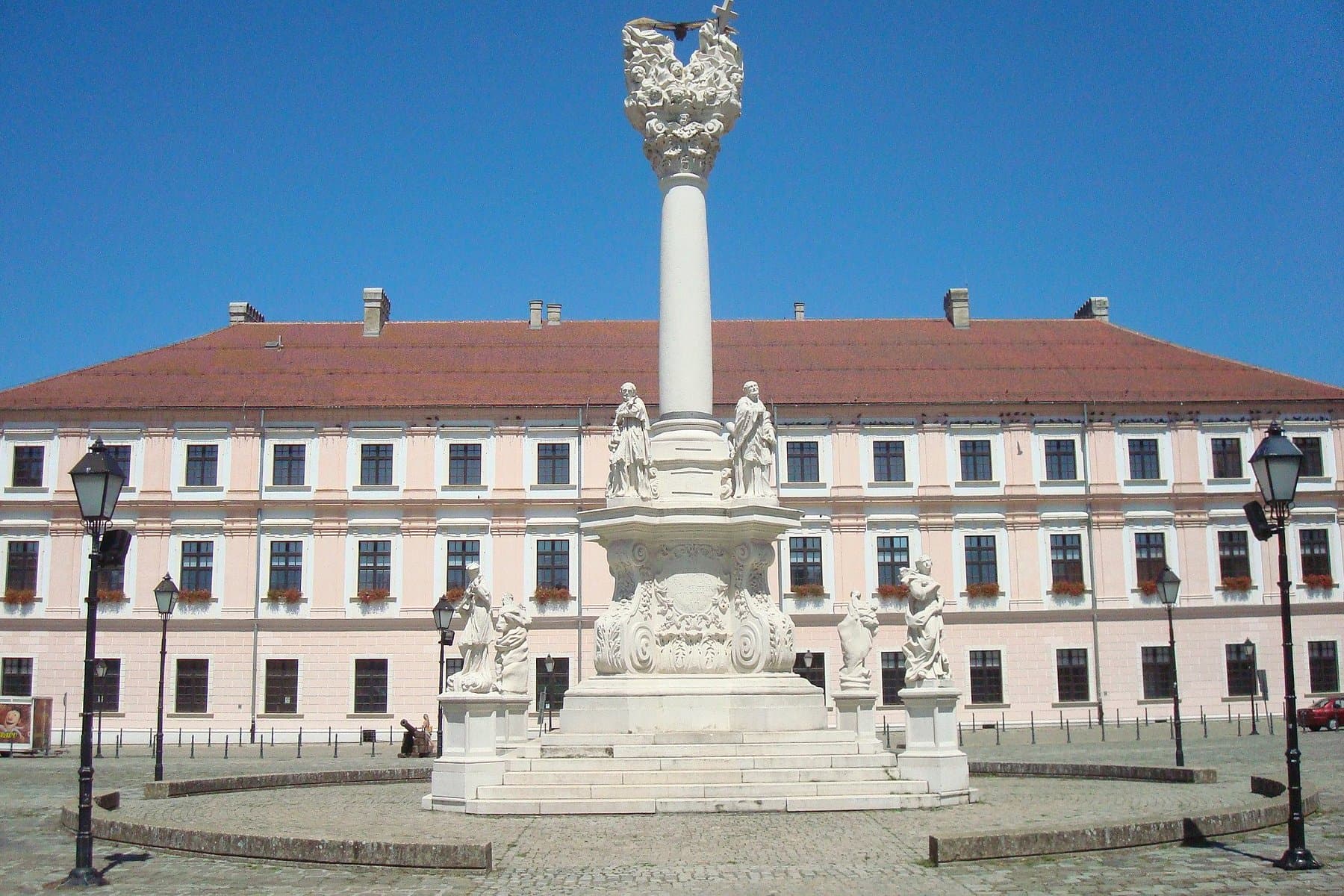
Frontier history
Slavonia — Baroque towns & frontier heritage
Baroque Osijek and its fortress quarter, Đakovo's monumental cathedral and a flat-plains culture entirely unlike the coast.
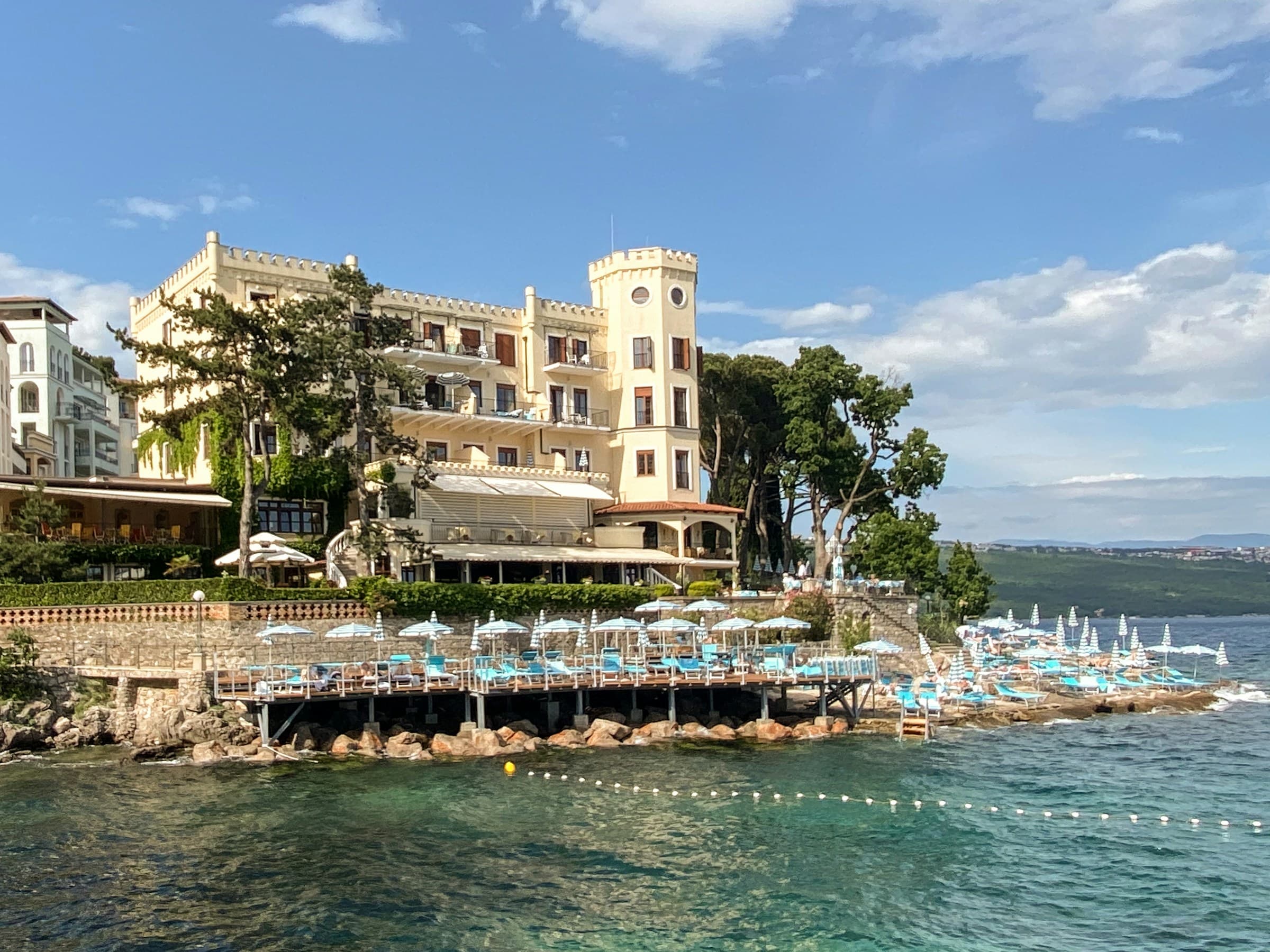
Adriatic & Habsburg
Kvarner — Adriatic meets Habsburg
Rijeka's Habsburg port architecture, medieval Rab with four campaniles and the point where Adriatic and Central European culture meet.
Explore Castles & Noble Family Country
Continental Croatia has more castles per square kilometre than almost anywhere in Central Europe — and most are easy day trips from Zagreb.
Drašković family
Trakošćan — neo-Gothic above a lake
Croatia's most visited castle — a romantic 19th-century reconstruction in Zagorje with an excellent estate museum. Best for: Day trip from Zagreb or Varaždin
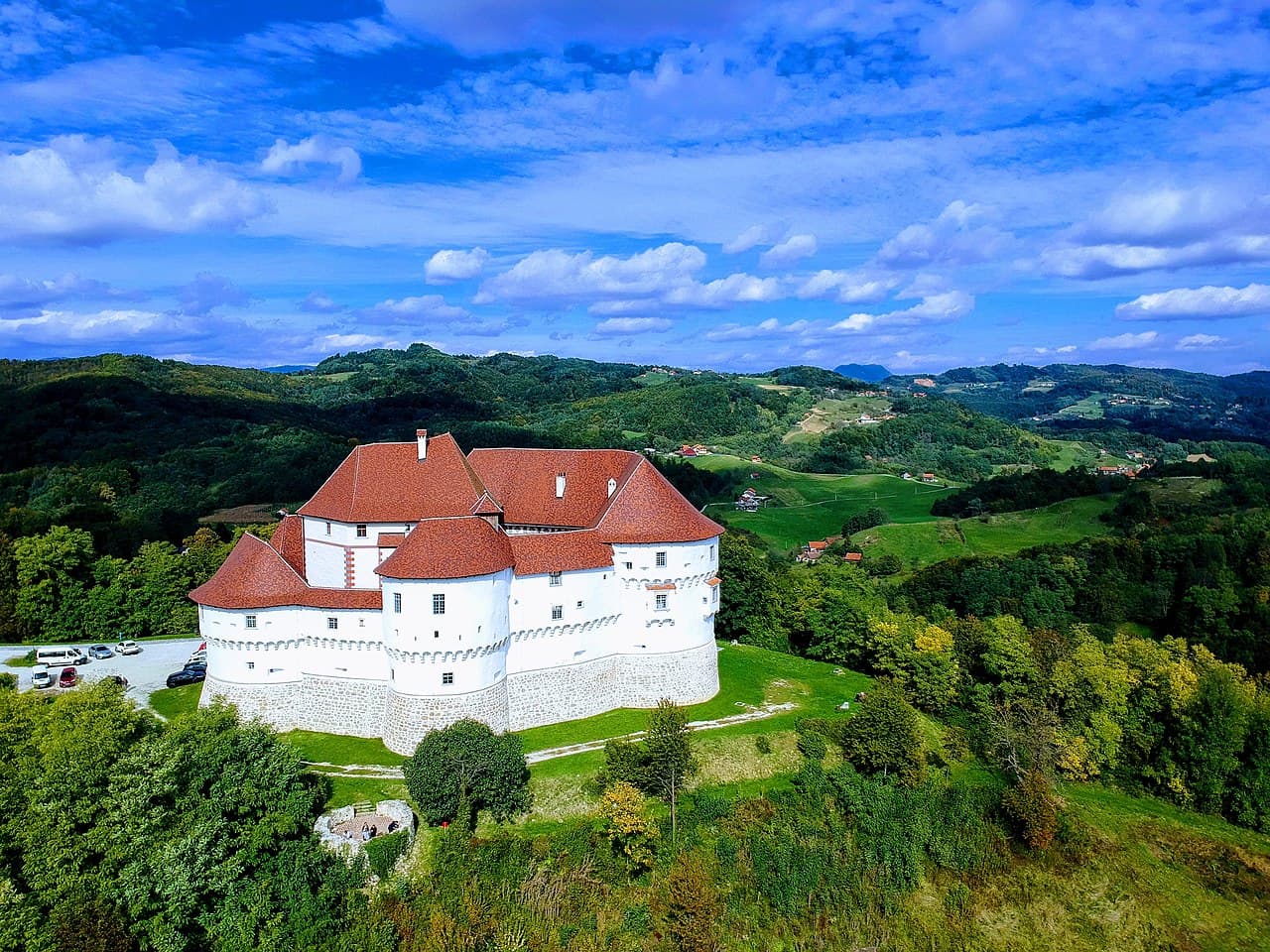
Medieval fortress
Veliki Tabor — raw medieval fortress
A five-tower Renaissance hilltop fortress — less polished than Trakošćan and more authentic for it. Best for: Half-day; combine with Kumrovec nearby
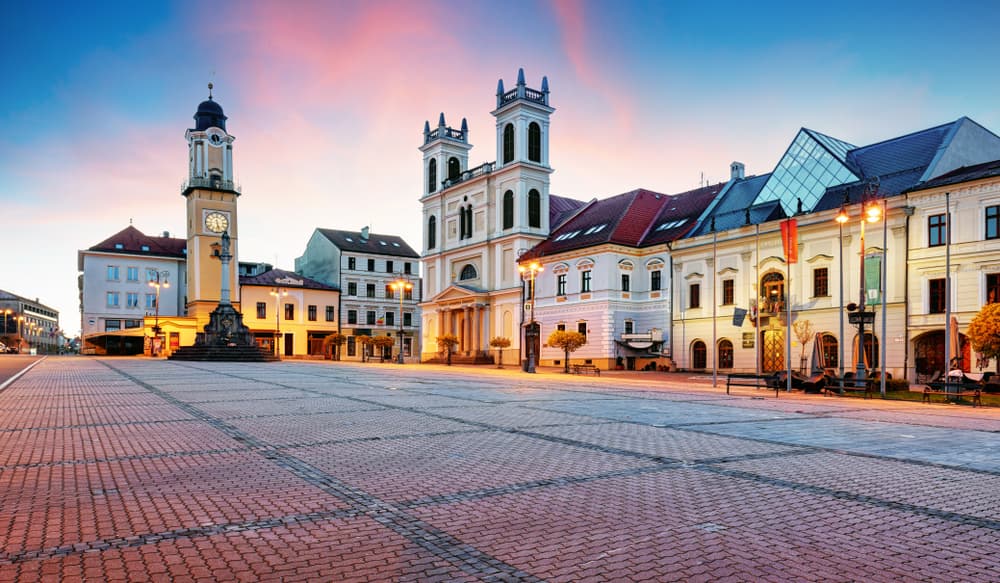
Baroque capital
Varaždin — Croatia's baroque capital
Croatia's former capital until 1776 — intact baroque centre, working castle moat and a world-class annual baroque music festival. Best for: Full day
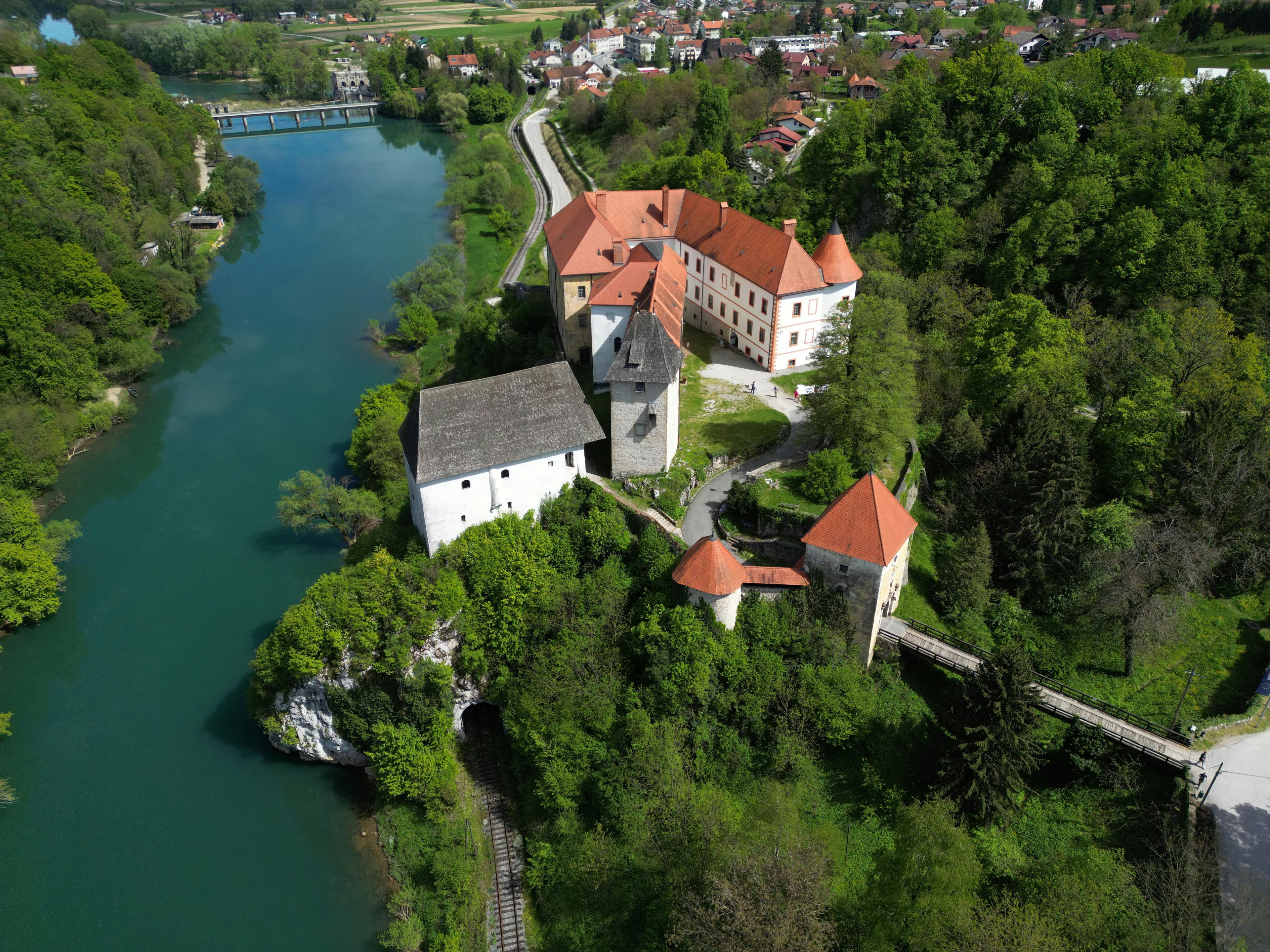
Zrinski & Frankopan
Ozalj — Zrinski & Frankopan stronghold
Castle above the Kupa river central to Croatia's national story — the Zrinski and Frankopan families held it until 1671. Best for: Combine with Karlovac (30 min)
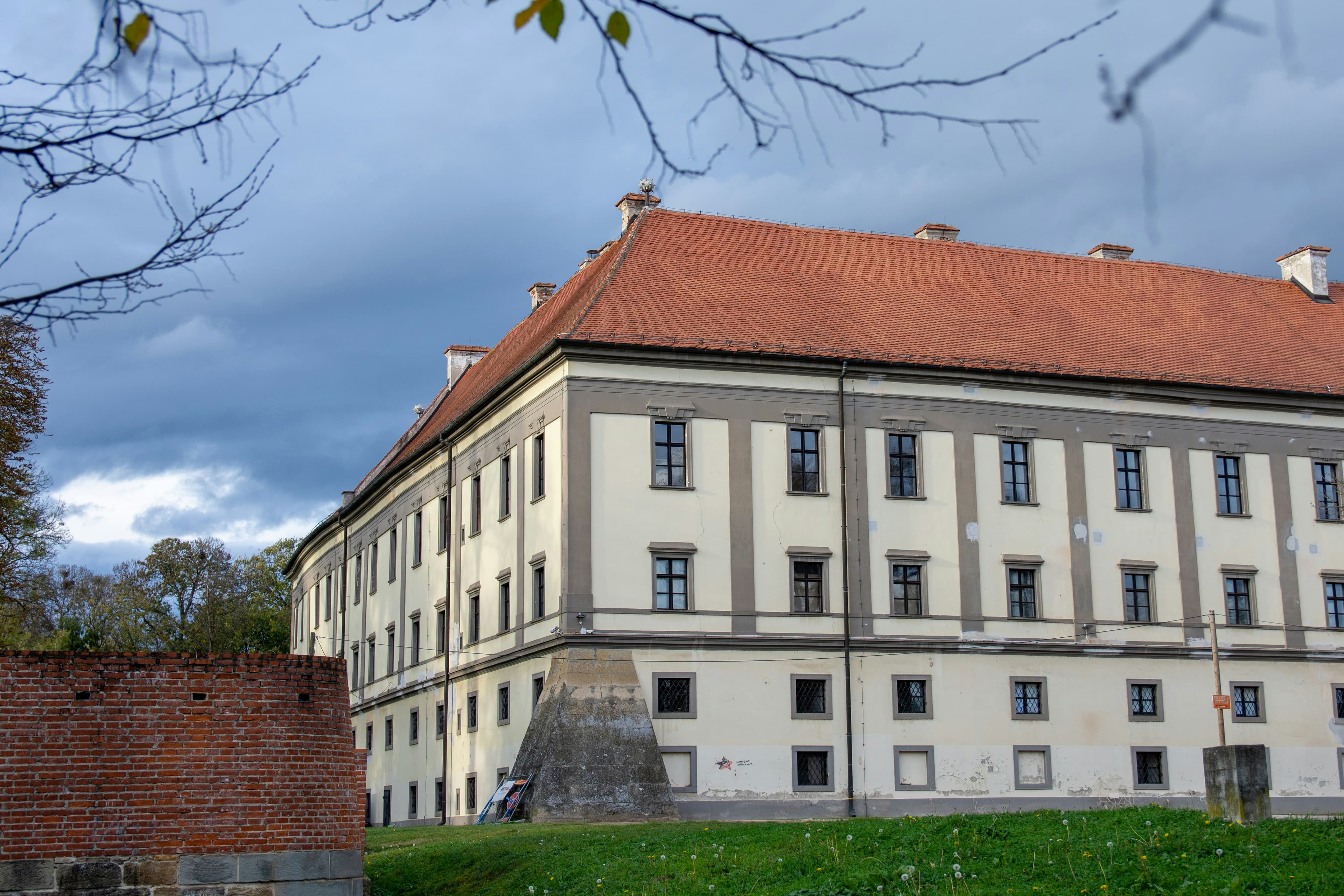
Zrinski heritage
Čakovec — Zrinski heritage in Međimurje
Zrinski family castle with a comprehensive dynasty museum — less visited than Ozalj but worth combining with Varaždin. Best for: Combine with Varaždin (20 min)
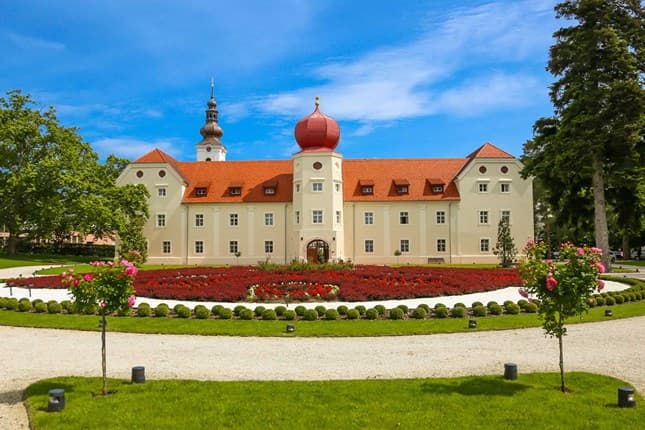
Slavonian nobility
Slavonian noble estates
Pejačević, Eltz and Erdődy manor houses scattered across the Slavonian plains — 19th-century aristocratic life far from the coast. Best for: Two-day loop from Osijek
Istrian hill towns — Motovun, Grožnjan, Oprtalj — are a different category: Venetian-era fortified villages, depopulated and extraordinarily preserved. See the Beyond the Coast guide.
Explore Roman Croatia
The entire Adriatic coast was Rome's province of Dalmatia — and the monuments that remain are among the best-preserved in Europe.
UNESCO
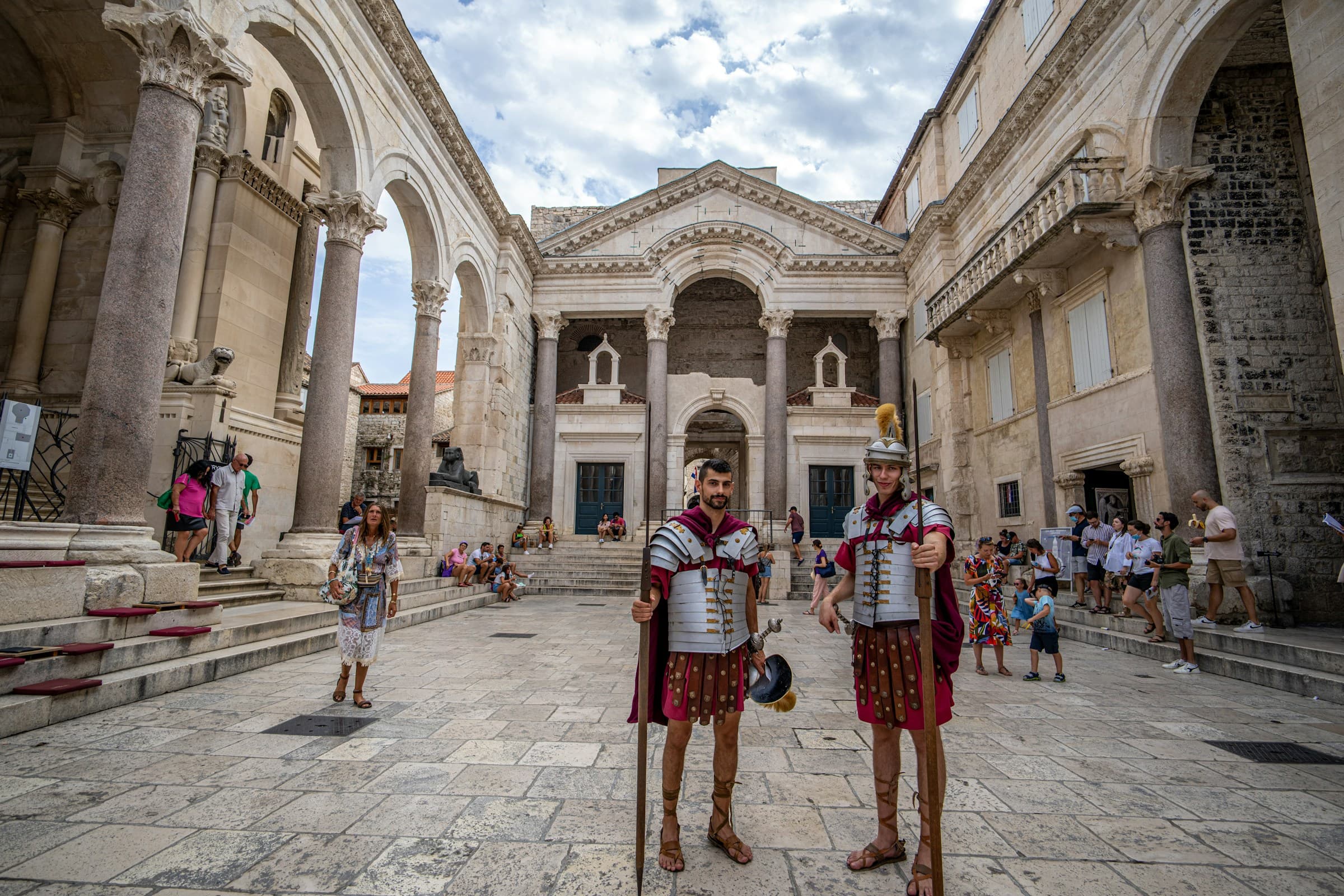
Explore Diocletian's Palace, Split
Three thousand people live inside the Roman emperor's 305 AD retirement complex. Walk the Peristyle, underground halls and mausoleum — now the city's cathedral. UNESCO listed.
1st century AD
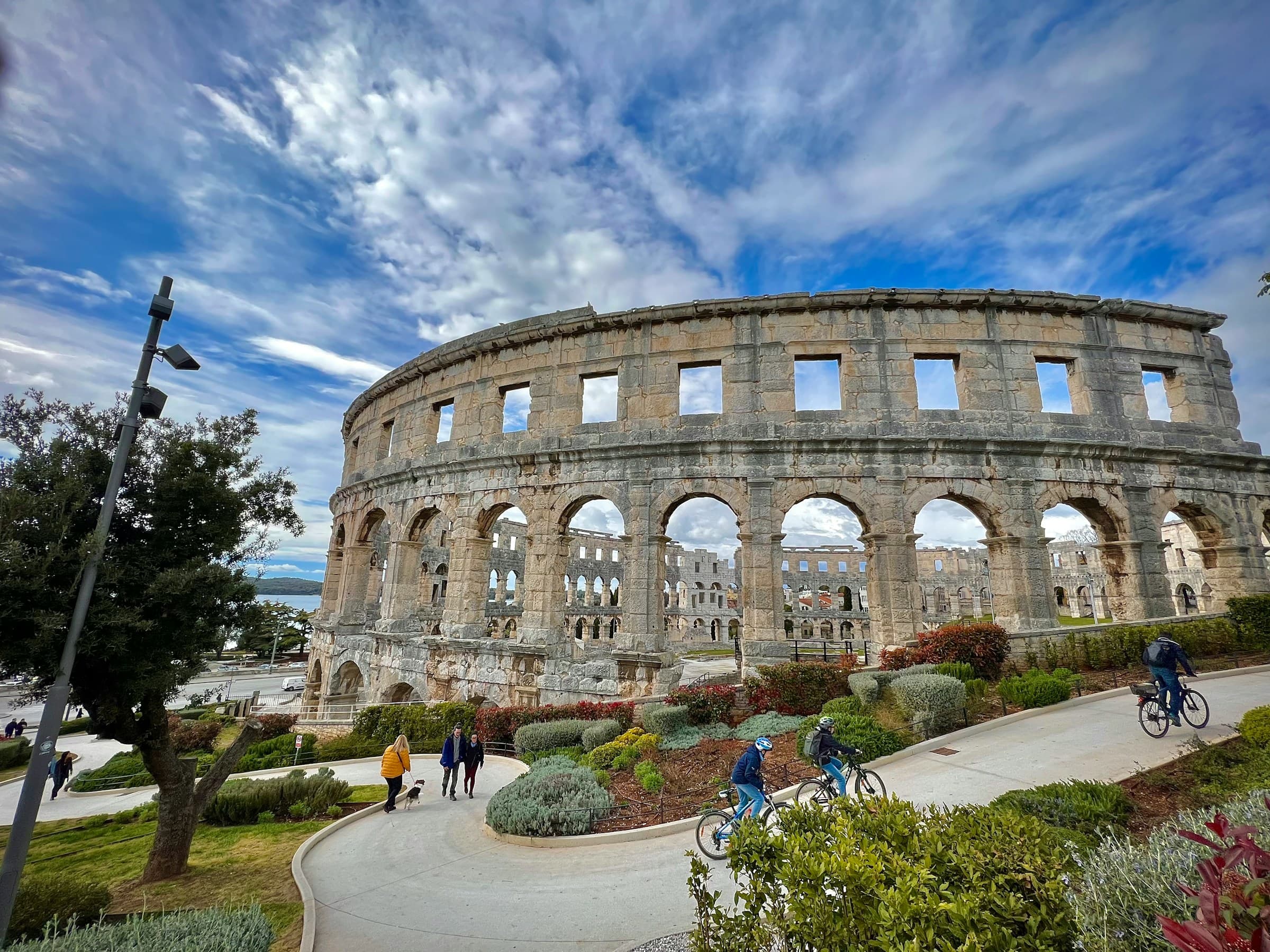
See Pula's Roman amphitheatre
One of the world's six largest Roman amphitheatres — all four outer walls intact, 1st century AD. Best before 9am or at sunset to avoid tour groups.
1st century BC
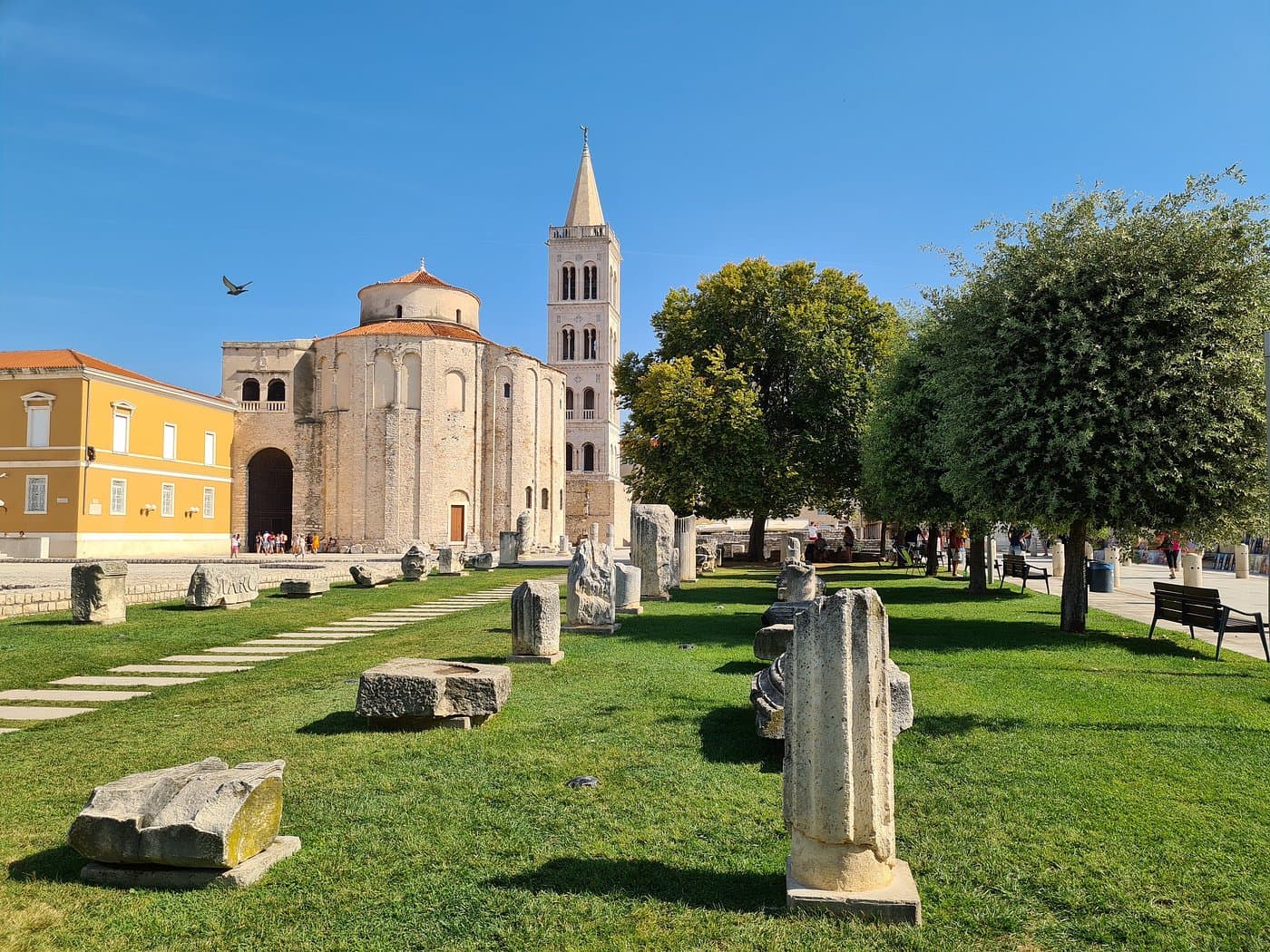
Visit Roman Zadar
The largest Roman forum on the eastern Adriatic — ancient paving, a column and temple foundations visible in the centre of the modern old town.
Greek & Roman
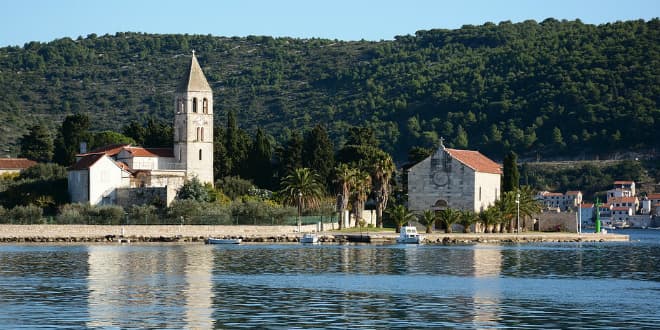
Find Ancient Issa on Vis
Croatia's most undervisited classical site — a Greek colony from the 4th century BC with a Roman theatre near Komiža and scattered ruins across Vis Town.
Walk Croatia's Adriatic Old Towns
Stone-built, car-free and in many cases barely changed since the 15th century — six old towns, six different characters.
UNESCO
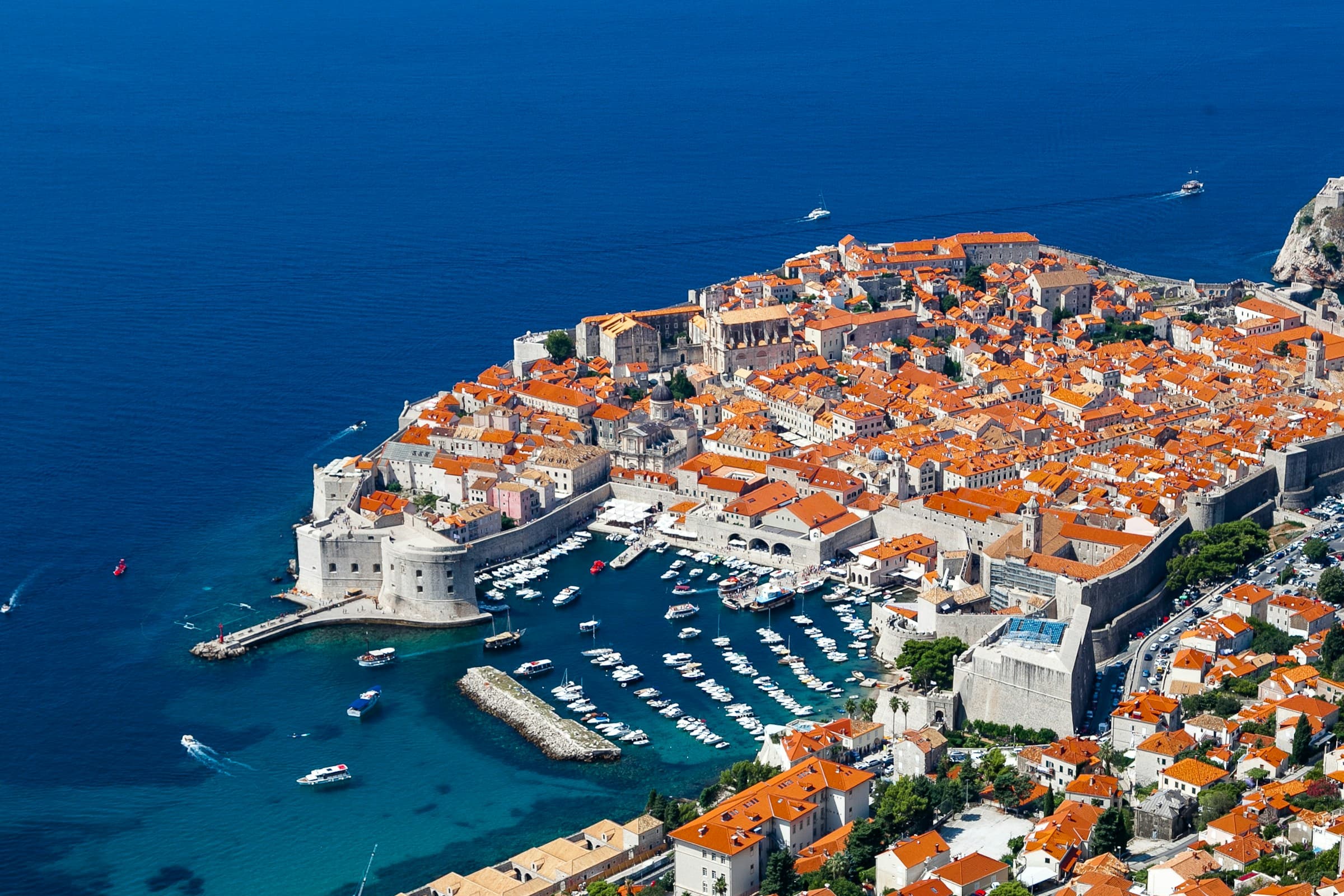
Walk Dubrovnik
The former Ragusan Republic's limestone old city — five centuries of independence expressed in stone. Walk the city walls for the full picture.
UNESCO
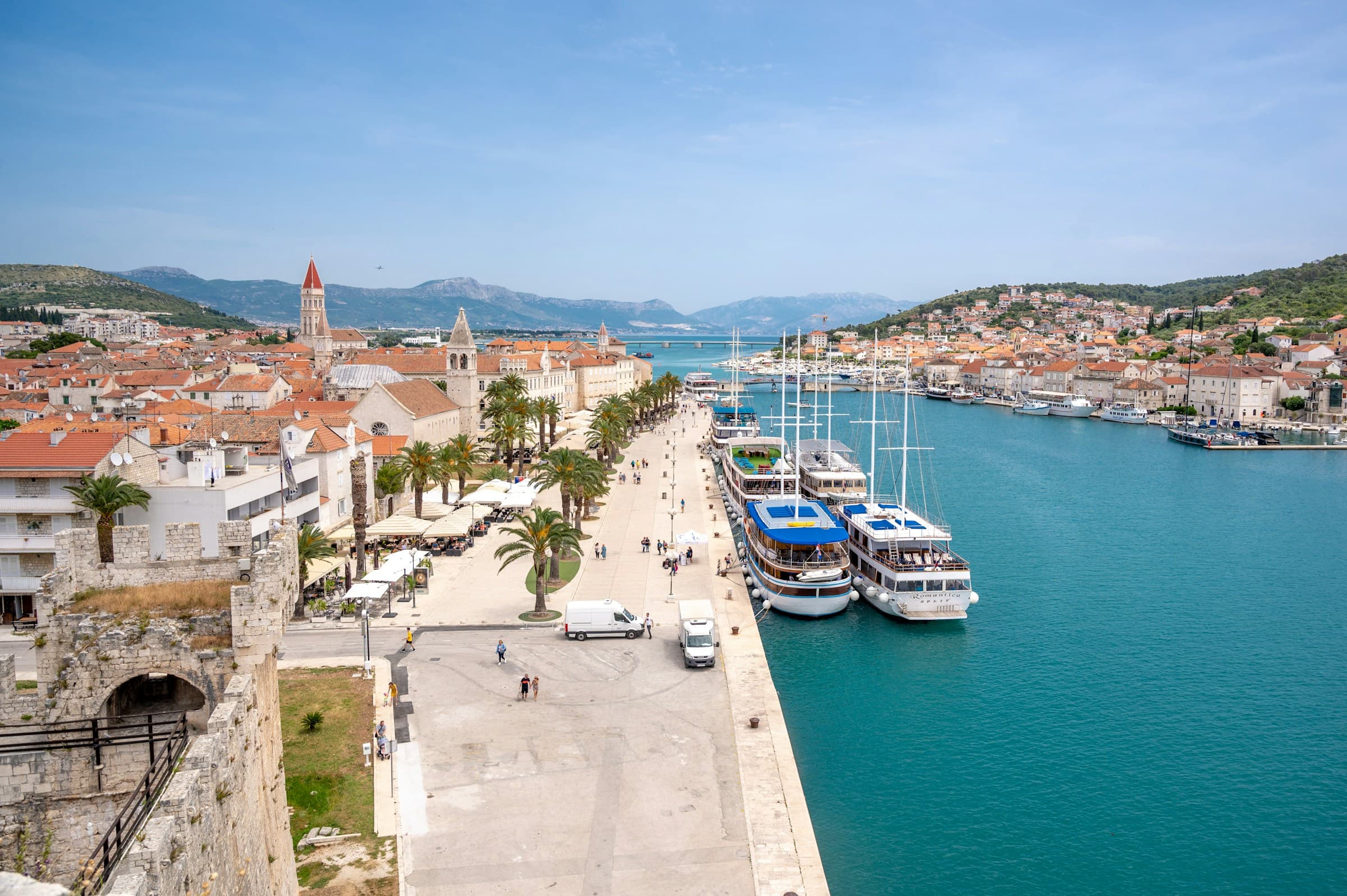
Wander Trogir
More architectural history per metre than almost anywhere in Europe — Romanesque cathedral, Venetian loggia and a medieval grid unchanged since the 13th century.
UNESCO
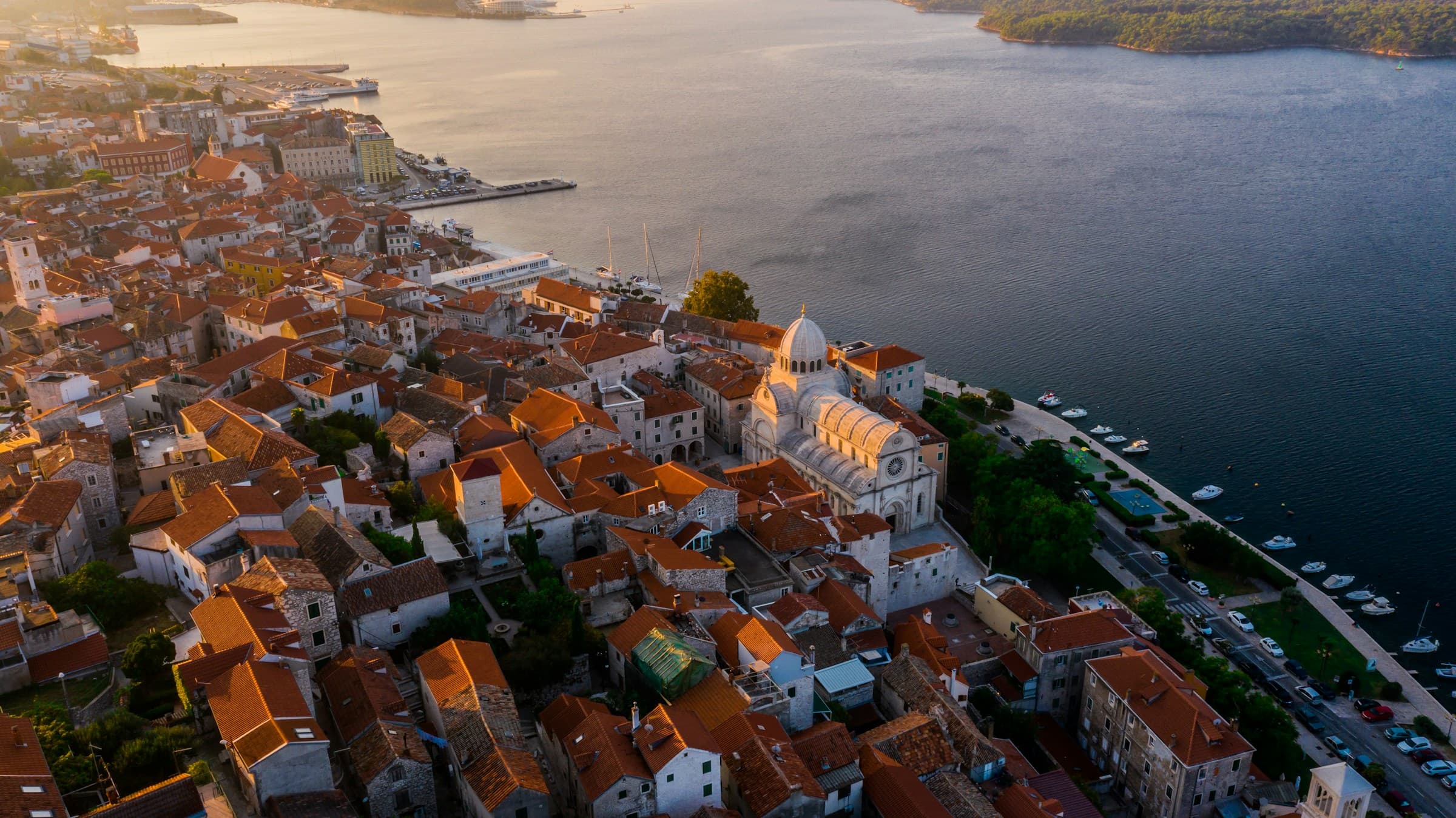
See Šibenik's cathedral
St James Cathedral was built entirely from stone — no mortar, no brick — over 105 years. A construction feat unique in Europe.
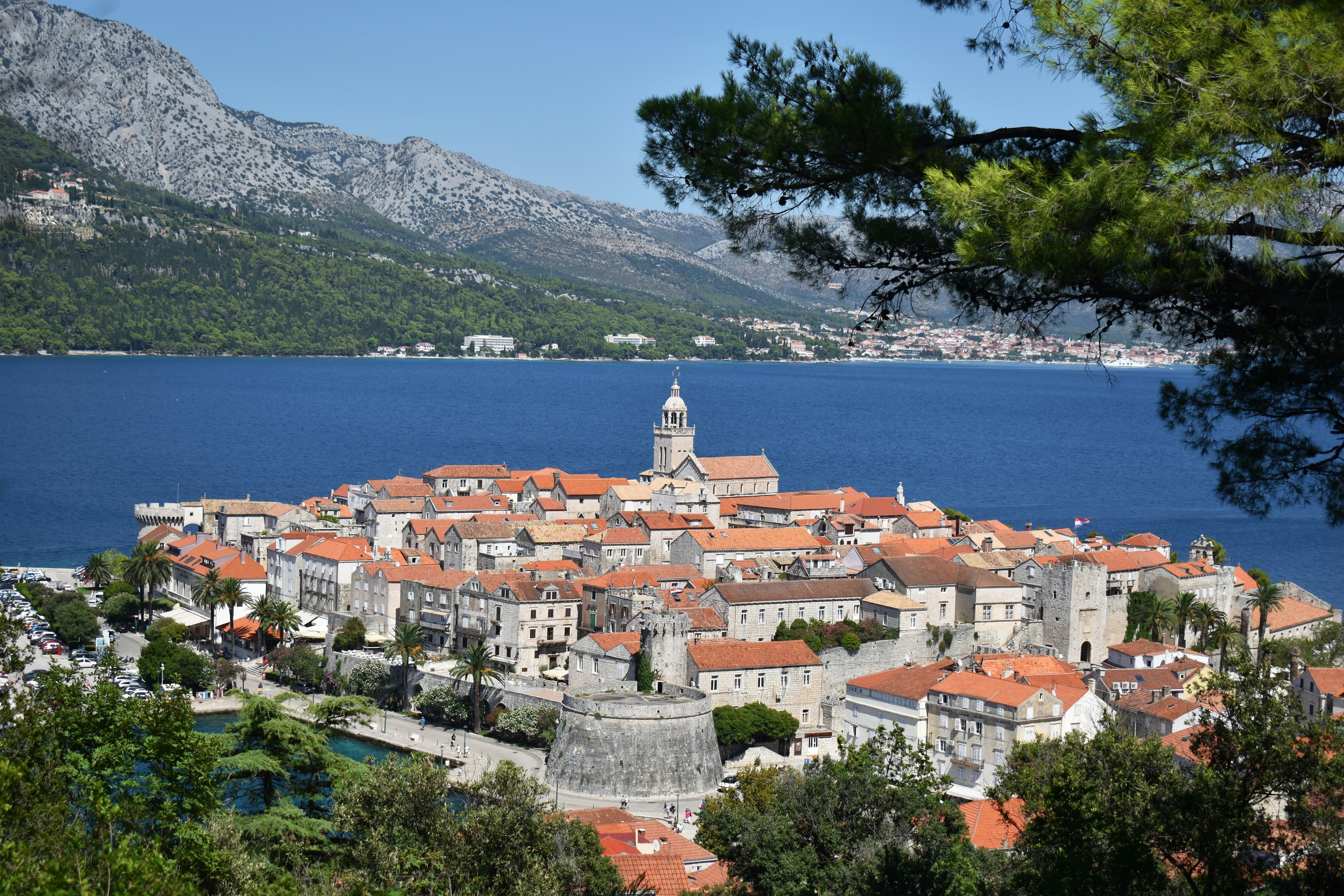
Explore Korčula
A Venetian fishbone-grid old town on a peninsula — distinct dark limestone, a living sword dance tradition and good island food.
Visit Rovinj
A former island — tight Venetian houses around a hilltop church campanile modelled on the one in Venice. Best explored early or late.
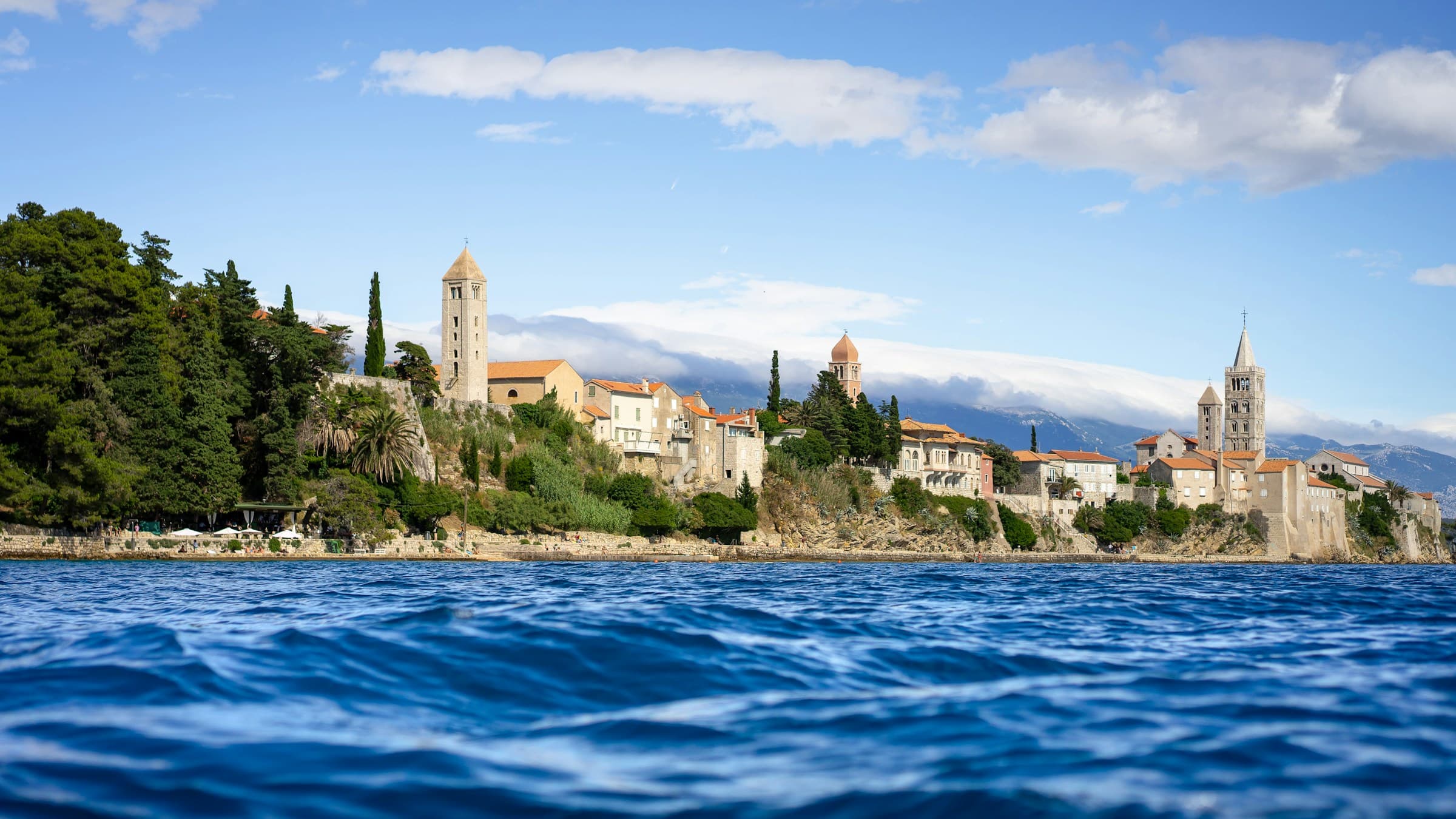
Slow down in Rab
Four medieval campaniles, quiet stone lanes and an Adriatic waterfront largely unchanged for 800 years. No cruise ships, no souvenir blocks.
Explore Fortresses & Defensive Architecture
Venetian sea walls, Ottoman-era frontier forts and Austrian garrison towns — many are now the most atmospheric cultural sites on the coast.
UNESCO
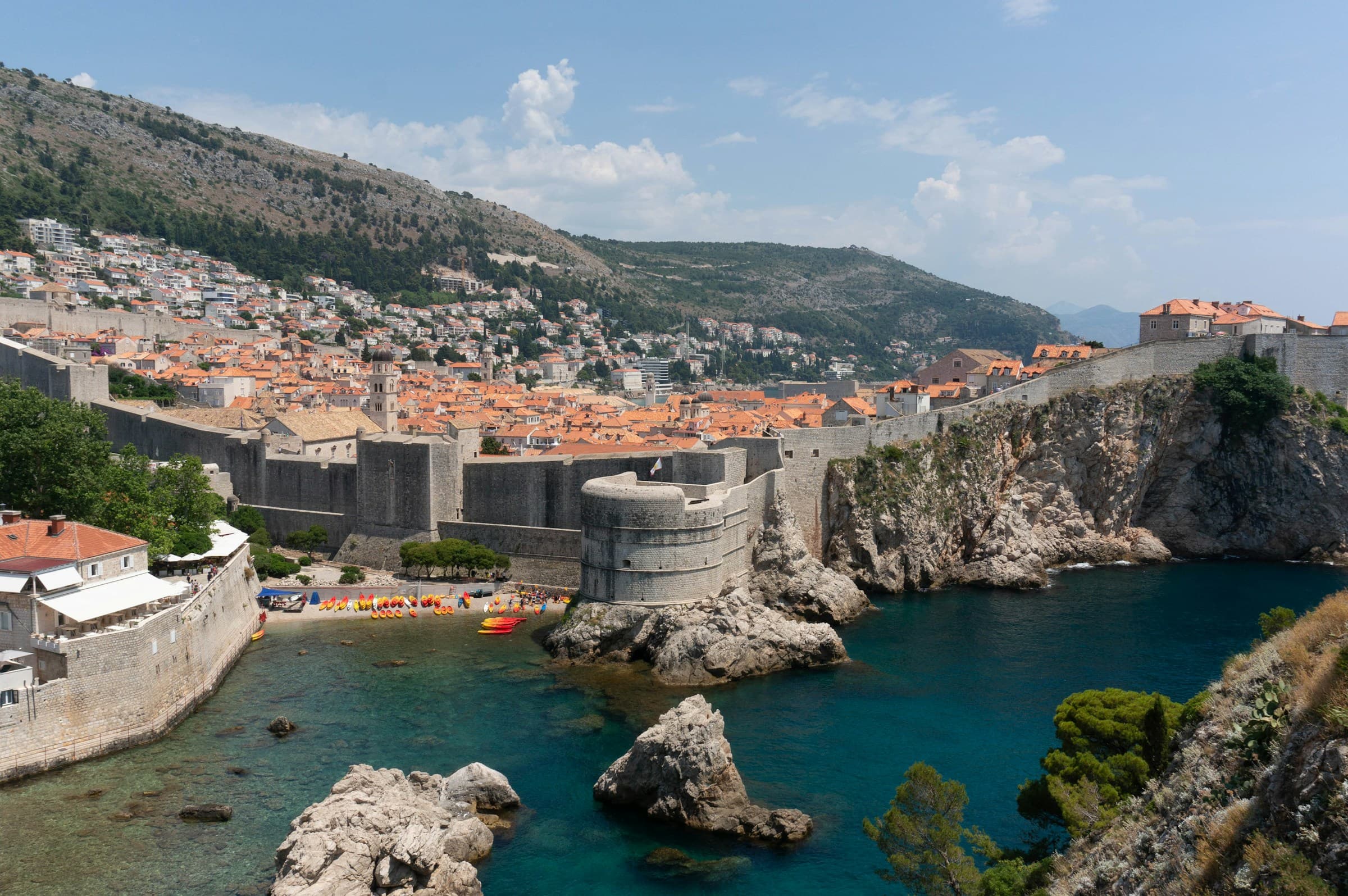
Walk Dubrovnik's city walls
1,940 metres of medieval fortifications, with repair patches from the 1991–92 bombardment still visible in the limestone. Walk clockwise. Book early.
UNESCO fortifications
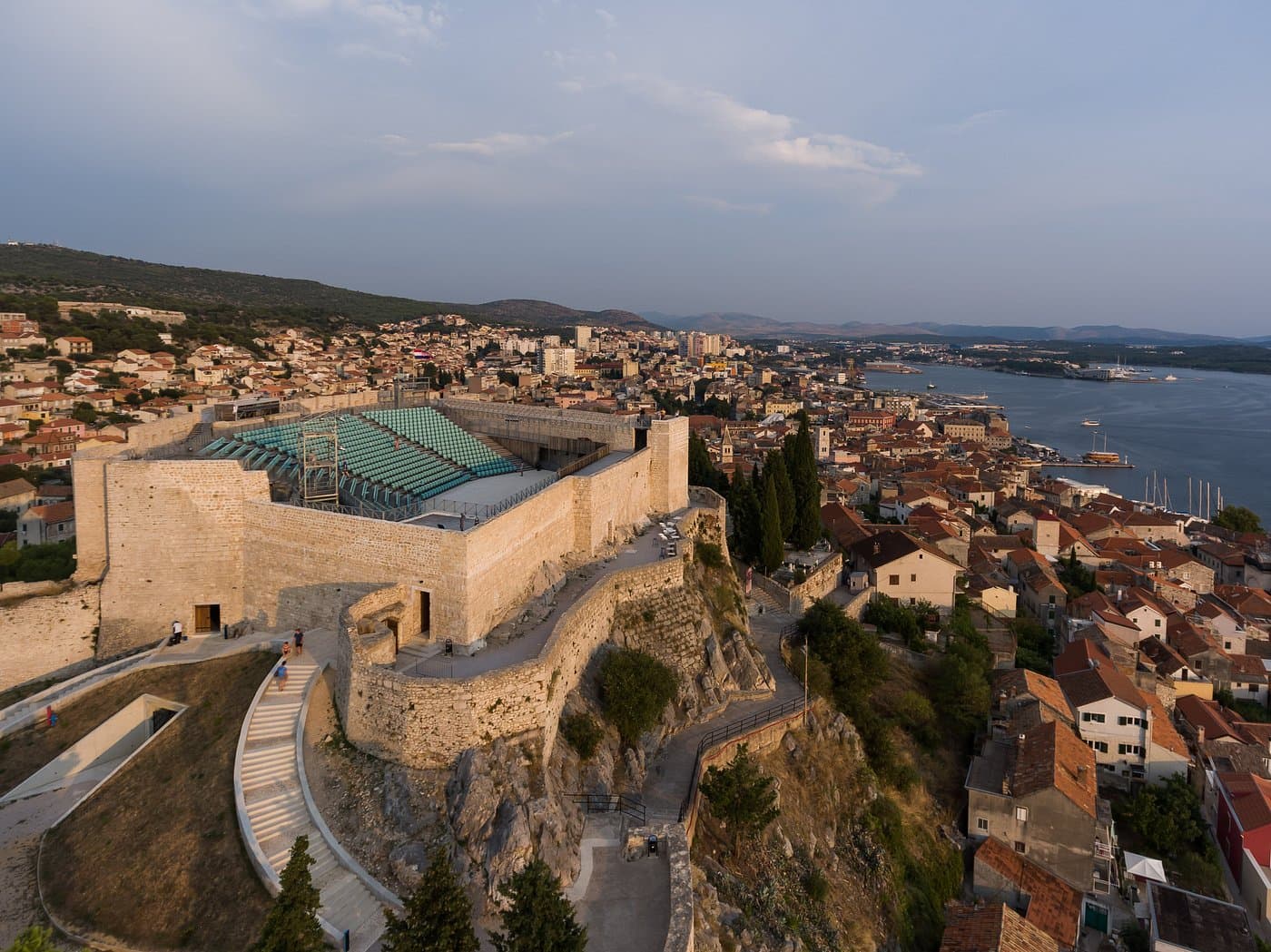
Visit St Michael's Fortress, Šibenik
Reconstructed 16th-century fortification above the city — exceptional views over Šibenik's rooftops and cathedral. Now an open-air concert venue.
13th century
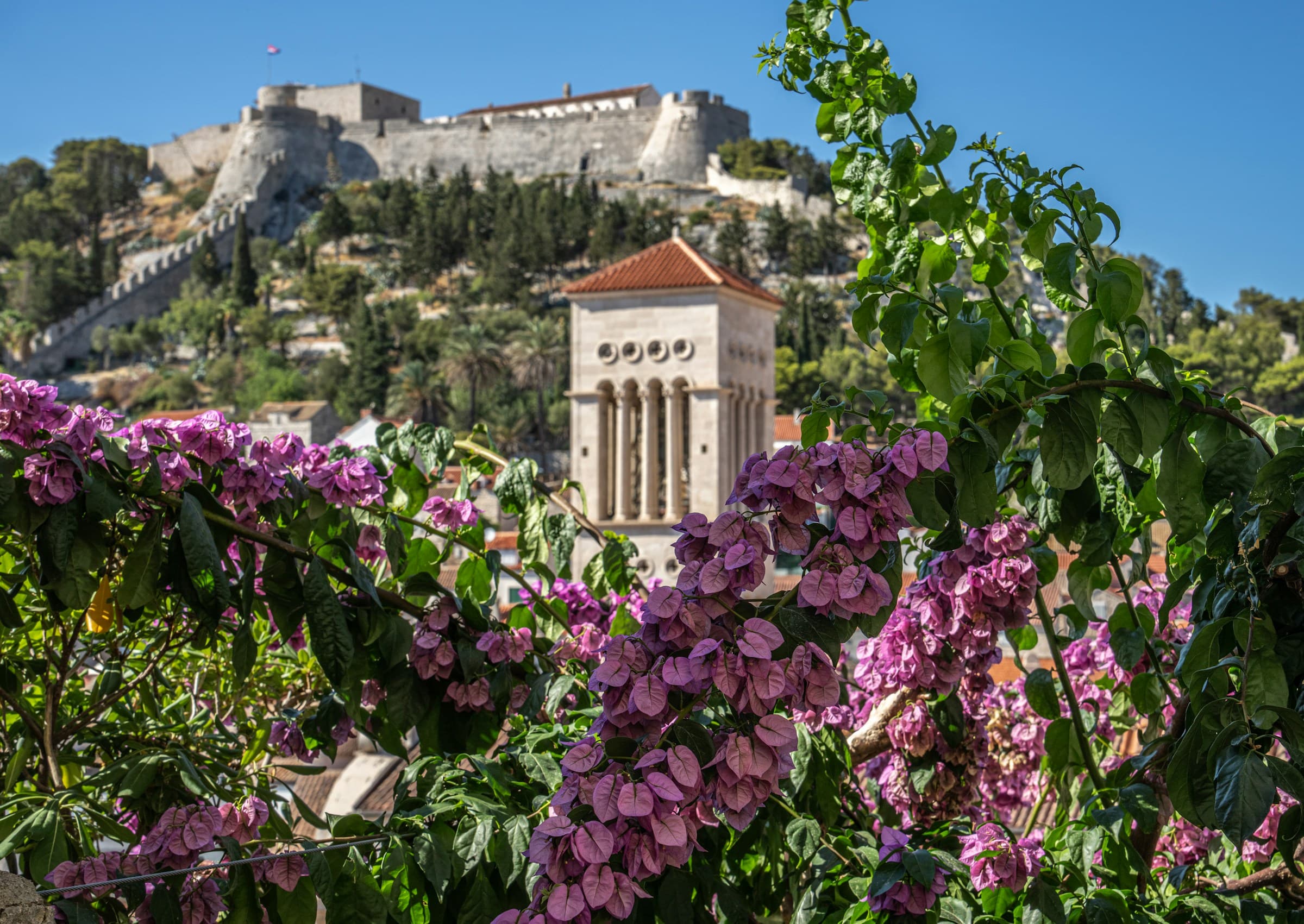
Climb Hvar Fortress
20-minute climb from the main square — views over the Pakleni islands and harbour among the island's best. Go at sunset.
Baroque
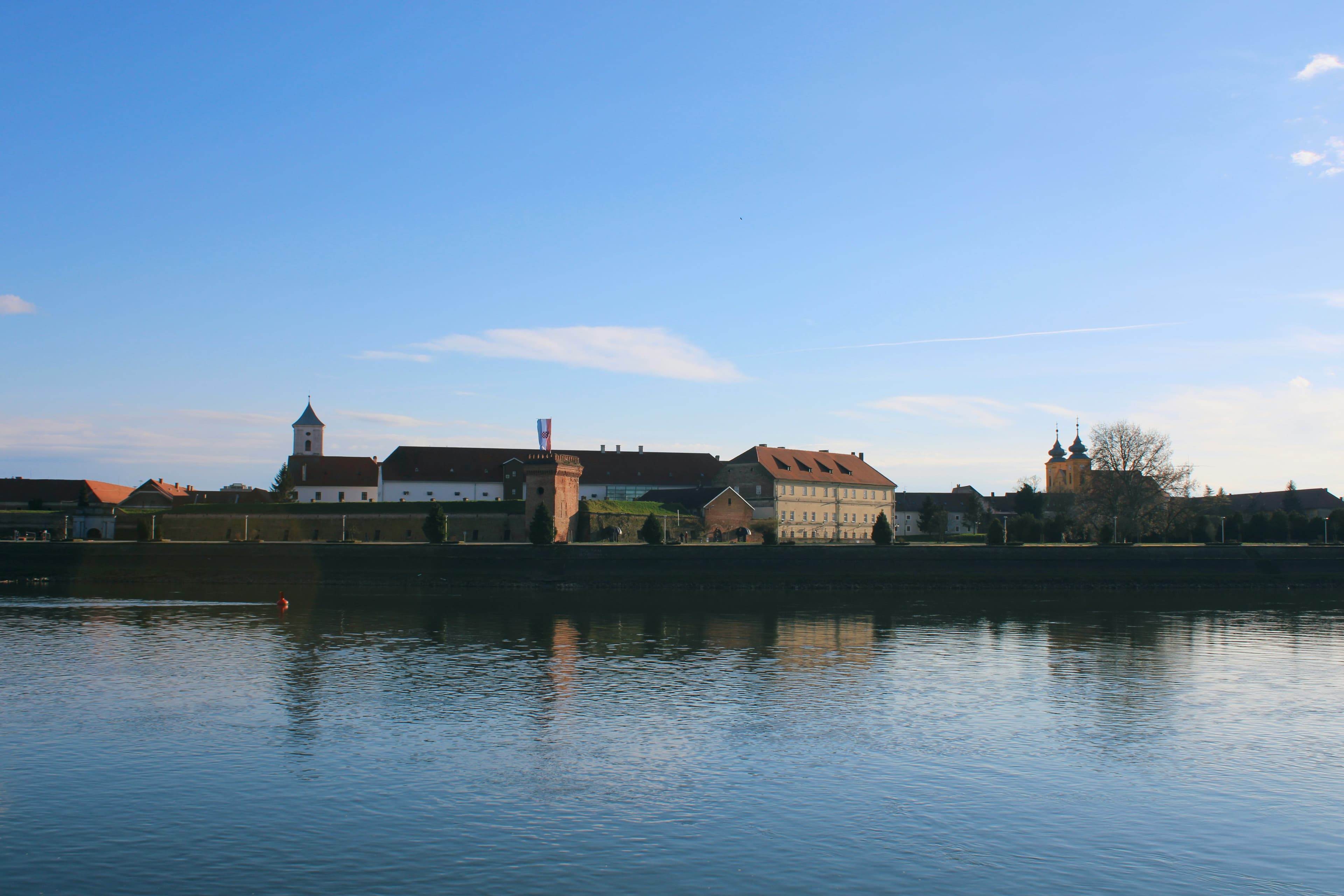
Explore Osijek Tvrđa
An almost entirely intact 18th-century Austrian star-fort town — baroque squares, guardhouse and Jesuit church in one complex. Have coffee here.
Ottoman frontier
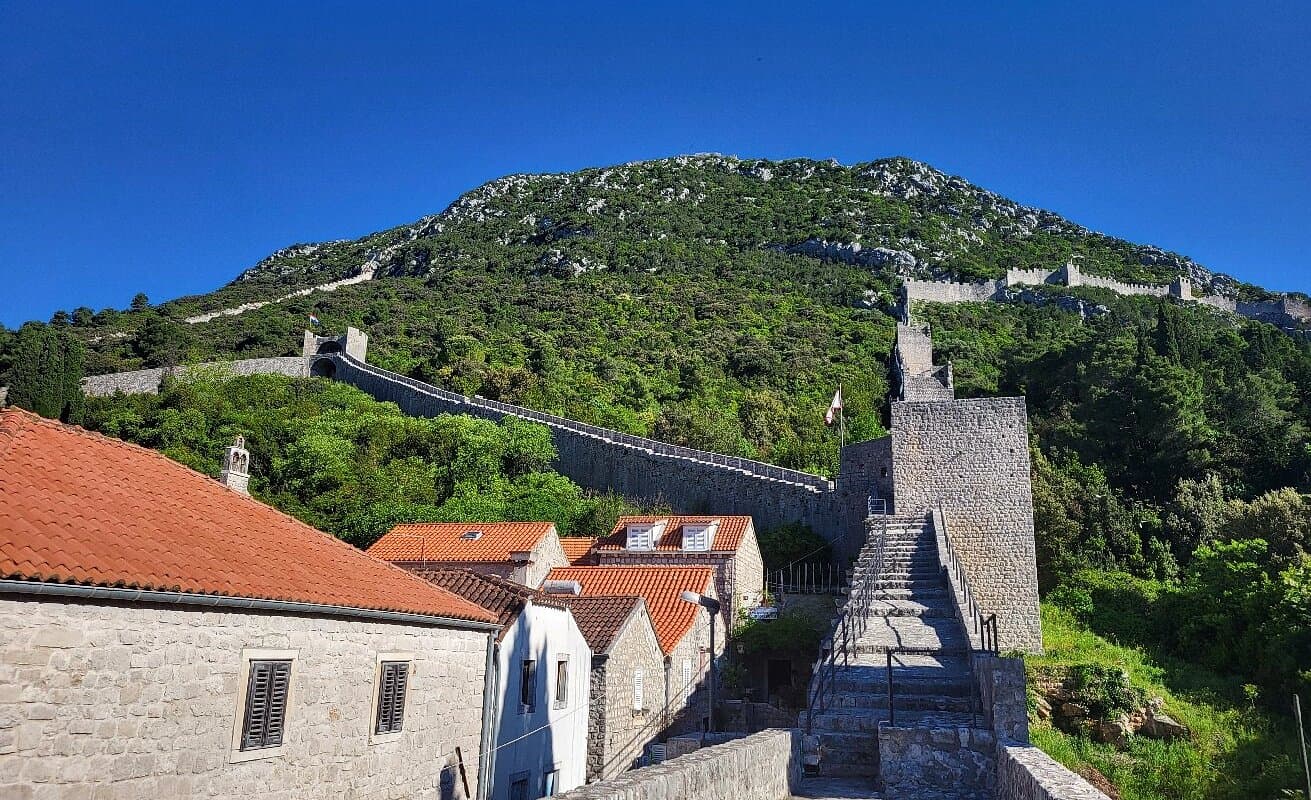
Stop at Klis Fortress
The fortress above Split held out against the Ottomans for decades. Views over the Split hinterland justify the visit regardless of the history.
Ottoman frontier
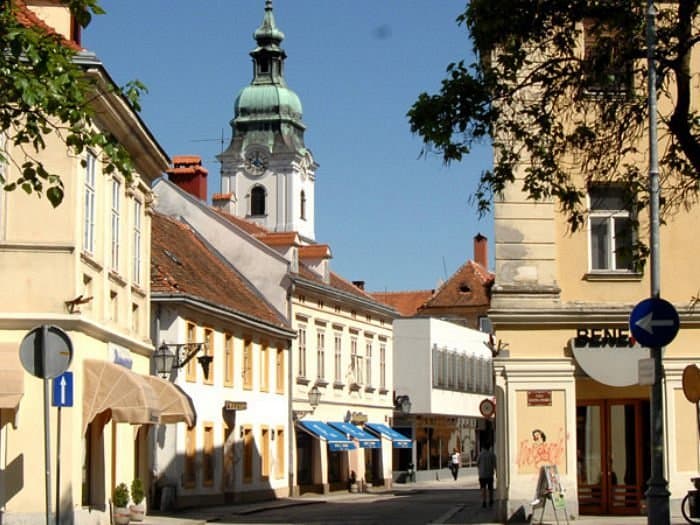
See Karlovac's star-fort plan
Built in 1579 as a planned Renaissance star fort — the hexagonal street grid is still readable today. Best combined with Rastoke and Plitvice.
Plan Around Croatia's UNESCO Heritage
Croatia has ten UNESCO inscriptions — six architectural and four intangible. Use these as anchor points when building your itinerary.
Architectural & Landscape Heritage
Inscribed 1979
Old City of Dubrovnik
Medieval walled city of the former Ragusan Republic — the most visited heritage site in Croatia.
Inscribed 1979
Diocletian's Palace, Split
Roman emperor's 305 AD retirement palace, continuously inhabited for 1,700 years and now the living heart of the city.
Inscribed 1997
Historic City of Trogir
An island-city with an unbroken sequence from Hellenistic to baroque — called the best Romanesque-Gothic complex in Central Europe.
Inscribed 2000
Cathedral of St James, Šibenik
The only major Gothic-Renaissance monument built entirely from stone — a 105-year construction project completed in 1536.
Inscribed 1997
Euphrasian Basilica, Poreč
6th-century Byzantine basilica with the finest surviving mosaics north of Ravenna — a complete early-Christian complex.
Inscribed 2008
Stari Grad Plain, Hvar
Greek agricultural land parcelment from the 4th century BC — the same field boundaries are still in use today.
Intangible Cultural Heritage
Intangible
Sinjska Alka, Sinj
Annual equestrian tournament since 1715 — knights in 18th-century costume charge at a steel ring. First Sunday of August.
Intangible
Klapa — Dalmatian choral singing
Unaccompanied a cappella singing in the Dalmatian tradition. Every village in Dalmatia has a klapa group.
Intangible
Lace-making — Hvar & Pag
Two distinct techniques: aloe-thread lace woven by Hvar nuns and needle lace from Pag worn as traditional headwear.
Intangible
Licitar — Croatian gingerbread
Heart-shaped honey-dough decorated with red icing — a traditional love token found at Zagreb markets and Zagorje fairs.
Intangible
Za Križem — Hvar procession
A 25-km nightlong procession around Hvar island on Maundy Thursday, held without interruption since the 15th century.
Intangible
Međimurska Popevka
Lyrical, melancholic folk songs of Međimurje — distinct from other Croatian folk music, still sung at local gatherings.
Related guide
Planning around dates?
Croatia's cultural calendar includes knight tournaments, summer festivals, carnivals, island processions and local traditions.
Book Culture & History Tours in Croatia
Guided tours of Diocletian's Palace, Dubrovnik city walls, Pula Arena, UNESCO old towns and Croatia's most significant cultural and heritage sites.
Museums Worth the Detour
Croatia's museum network is uneven — but these six are genuinely worth planning around.
Zagreb
Museum of Broken Relationships
Objects from ended relationships, each with a short personal story. The most original museum concept in Croatia — and probably Europe.
Zagorje
Krapina Neanderthal Museum
130,000-year-old bones found here in 1899 changed the understanding of human evolution. One of Europe's best prehistoric exhibitions.
Lošinj
Apoxyomenos Museum
A Greek bronze athlete found in the sea off Lošinj in 1997 — one of the finest surviving Greek bronzes in the world.
Zadar
Archaeological Museum
One of the finest collections of Roman and early-medieval material from the eastern Adriatic — Liburnian glassware, Roman coins, early-medieval jewellery.
Osijek
Museum of Slavonia
The best overview of Slavonian history and culture — in the 18th-century town hall of Osijek's baroque fortress quarter.
Vukovar
Vukovar Memorial & Municipal Museum
Croatia's most important site for understanding the 1991–92 war — in the restored Eltz manor, with the preserved water tower nearby.
Culture Trip Itineraries
Six routes built around a coherent cultural theme — mix and match depending on your base and time.
5–7 days
Classic Adriatic — Dubrovnik, Split & Šibenik
Three UNESCO cities: Dubrovnik walls, Diocletian's Palace and Šibenik's stone cathedral. Works as a self-drive or by bus. Best for: First-time visitors
2–3 days
Inland Castles — Zagorje & Varaždin
Trakošćan and Veliki Tabor on day one, baroque Varaždin and Čakovec on day two. Add Krapina Neanderthal Museum. Best for: Croatia beyond the coast
2–3 days
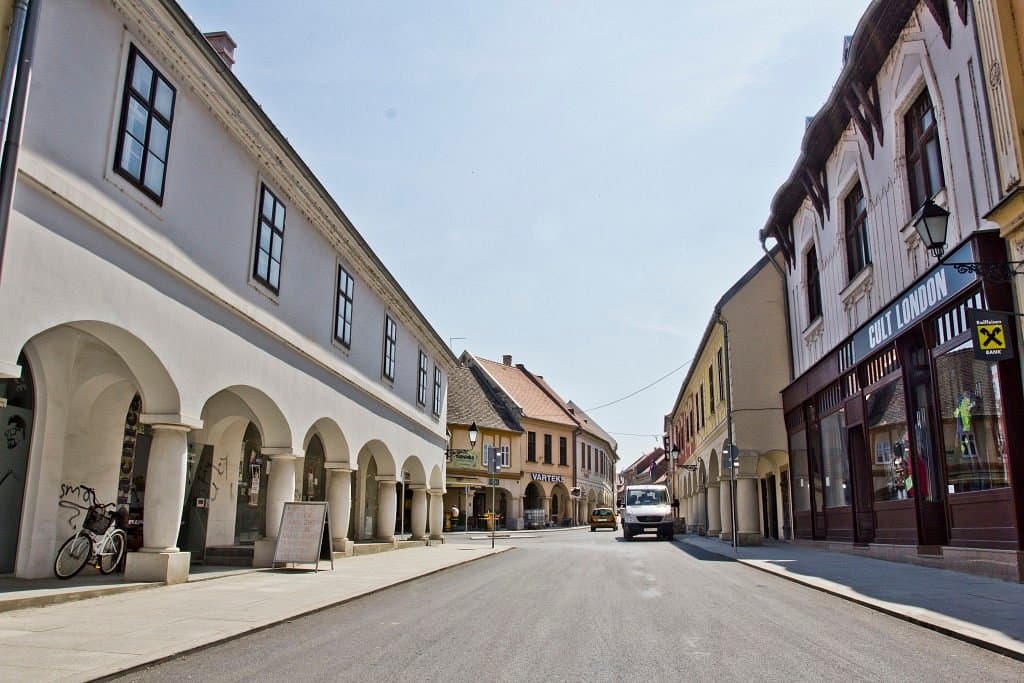
Slavonia — Baroque towns & war memory
Osijek's Tvrđa quarter, Đakovo cathedral and Vukovar war memorial. History that most visitors to Croatia never see. Best for: History-focused travellers
4–5 days
Istria — Romans, Venetians & hill towns
Pula Arena, Poreč basilica, Venetian Rovinj and the medieval hill towns of Motovun and Grožnjan. Four days, four empires. Best for: Couples and independent travellers
3 days
Noble Families — Zrinski, Frankopan & Drašković
Ozalj, Karlovac, Trakošćan, Varaždin, Čakovec — a route through the castles that shaped Croatian national history. Best for: History enthusiasts
5–7 days
Island Culture — Korčula, Hvar & Vis
Medieval Korčula, UNESCO Hvar and ancient Issa on Vis — island culture that goes well beyond beaches. A week by ferry. Best for: Travellers who care about history
Practical Culture Tips
Short, useful things to know before planning a culture-focused trip to Croatia.
Book ahead
Dubrovnik walls & major sites
Dubrovnik city walls have timed entry — book online in advance in summer. Pula Arena concerts also sell out. Most other sites need no booking.
Go early
Old towns & landmarks
The best time at Diocletian's Palace, Dubrovnik's old town and Pula Arena is before 9am — before tour groups arrive and while it's cooler.
Respect the sites
Churches & memorials
Dress appropriately for active churches. At Vukovar and other war sites, a respectful tone matters. These are not just tourist attractions.
Check opening hours
Seasonal closures vary
Many castle museums, smaller churches and regional museums have shorter winter hours or close for weeks. Check before planning.
Pair wisely
Museums + old-town walks
The best cultural days combine an indoor visit (museum, underground halls, cathedral) with an outdoor walk. Don't try to visit five museums in a day.
Use culture days
Between beach days
Baroque Varaždin, old Zadar or Šibenik's cathedral work well as a day's diversion on a coast itinerary — not a separate trip.
Explore Croatia's Heritage with a Guide
Walking tours, UNESCO site visits, castle excursions and cultural experiences planned around Croatia's most significant historic landmarks.
Plan Your Trip
Search flights and car hire for your Croatia trip.