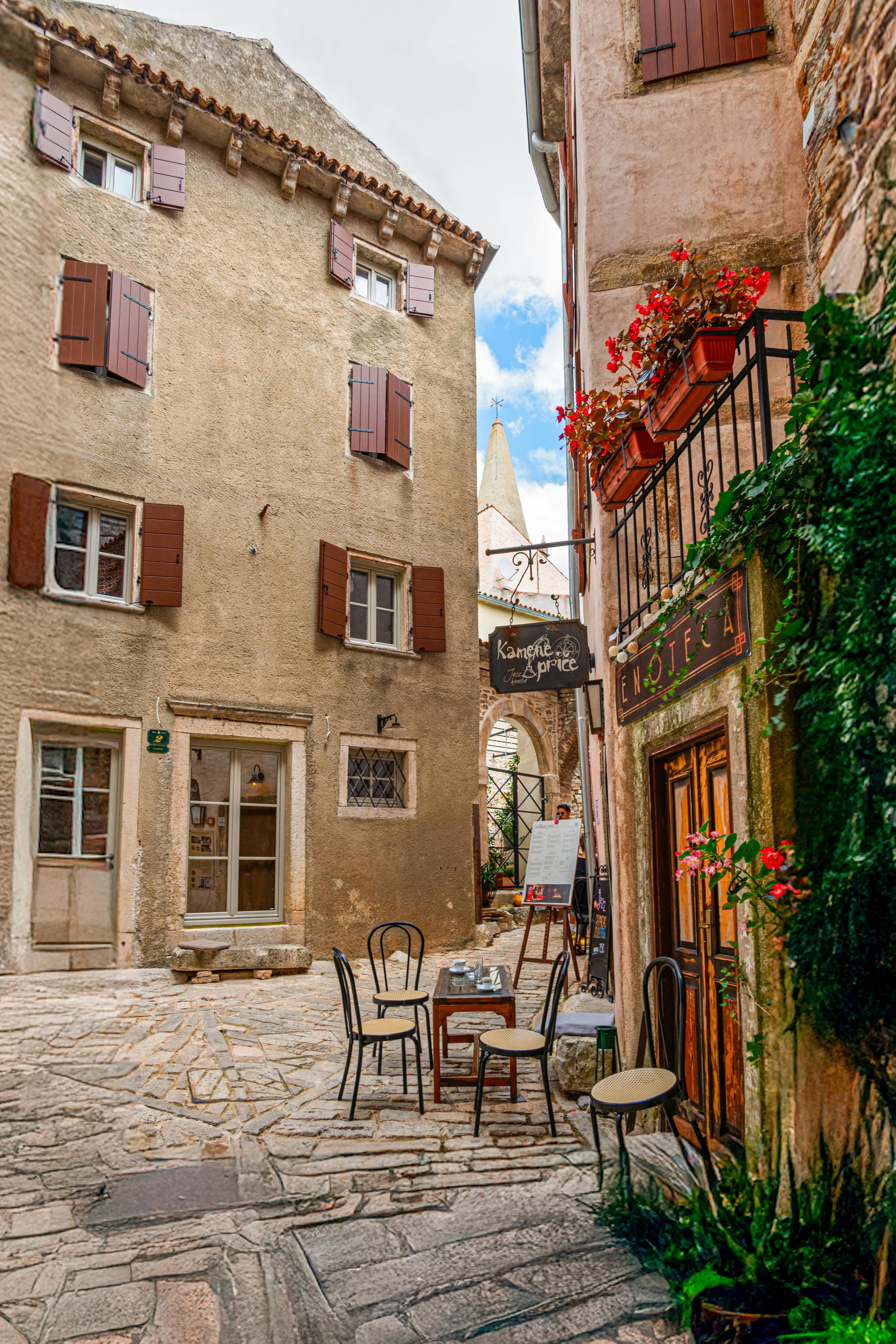
Beyond the Usual Route
The Croatia most visitors never reach — fortress towns, empty islands, river canyons, wetlands, hill villages, borderlands and inland regions that reward slowing down.
Most Croatia trips follow the same pattern: Dubrovnik, Split, Hvar, Plitvice, maybe Rovinj or Zagreb. There is nothing wrong with that route — but it leaves out the places where Croatia starts to feel less packaged and more surprising.
This page is for travellers who have already seen the obvious highlights, or who simply prefer quieter places from the start. These are not secret destinations. They are real, visitable parts of the country that sit just outside the usual itinerary: Istrian hill towns, Kvarner islands, Slavonian wetlands, forgotten fortresses, river canyons, inland wine roads and remote islands that ask for more time but give more back.
Some work as easy day trips; others need a car, a ferry or an overnight. That is part of why they still feel different.
The rule: choose one region and go deeper.
This page is not a checklist. The best version of alternative Croatia is usually one slow detour — an Istrian hill-town loop, a Kvarner island stay, a river day from Split, or a weekend in Slavonia — not trying to collect every place in one trip.
Best Alternative Croatia Experiences
These are the places travellers often remember most clearly once they leave the standard route.
Best inland surprise
Explore Varaždin & Zagorje
Baroque streets, castles and green hills north of Zagreb — the part of the trip many visitors wish they had given more time to.
Best remote island
Stay on Lastovo
Dark skies, deep water, quiet stone villages and the feeling of being at the edge of the Adriatic. More effort than Hvar or Brač, but far more atmosphere.
Best wild wetland
Boat through Kopački Rit
Reed channels, white-tailed eagles, Danube floodplain scenery and a side of Croatia most coastal visitors never imagine.
Best hill-town loop
Drive Motovun, Grožnjan & Hum
Truffle country, artists' villages, medieval walls and one of Croatia's finest inland day circuits — especially good outside peak summer.
Best river escape
Swim or kayak the Mrežnica
Clear tufa water, small waterfalls and swimming holes in central Croatia. A summer river day with a completely different texture from the coast.
Best under-prioritised island town
Slow down in Rab Town
Romanesque towers, stone lanes, sandy beaches nearby and a calmer island rhythm than the famous southern Dalmatian islands.
Choose Your Alternative Croatia
The type of experience you want determines where to go.
If you want old towns without cruise crowds
→ Rab, Šibenik, Varaždin, Osijek
If you want nature without Plitvice crowds
→ Mrežnica, Kopački Rit, Lonjsko Polje, Lastovo
If you want islands beyond Hvar
→ Vis, Lastovo, Cres, Lošinj, Rab
If you want inland culture
→ Zagorje, Varaždin, Samobor, Osijek
If you want food and wine
→ Istrian interior, Plešivica, Baranja, Pelješac villages
If you want road trips
→ Žumberak, Gorski Kotar, Dalmatian hinterland, Slavonia
Istrian Interior
Inland Istria is often the part of the trip people wish they had given more time to. The drive between Motovun, Grožnjan and Hum is one of Croatia's finest inland circuits — truffle forests, artists' studios, hilltop wine villages and medieval walls, an hour from the coast.
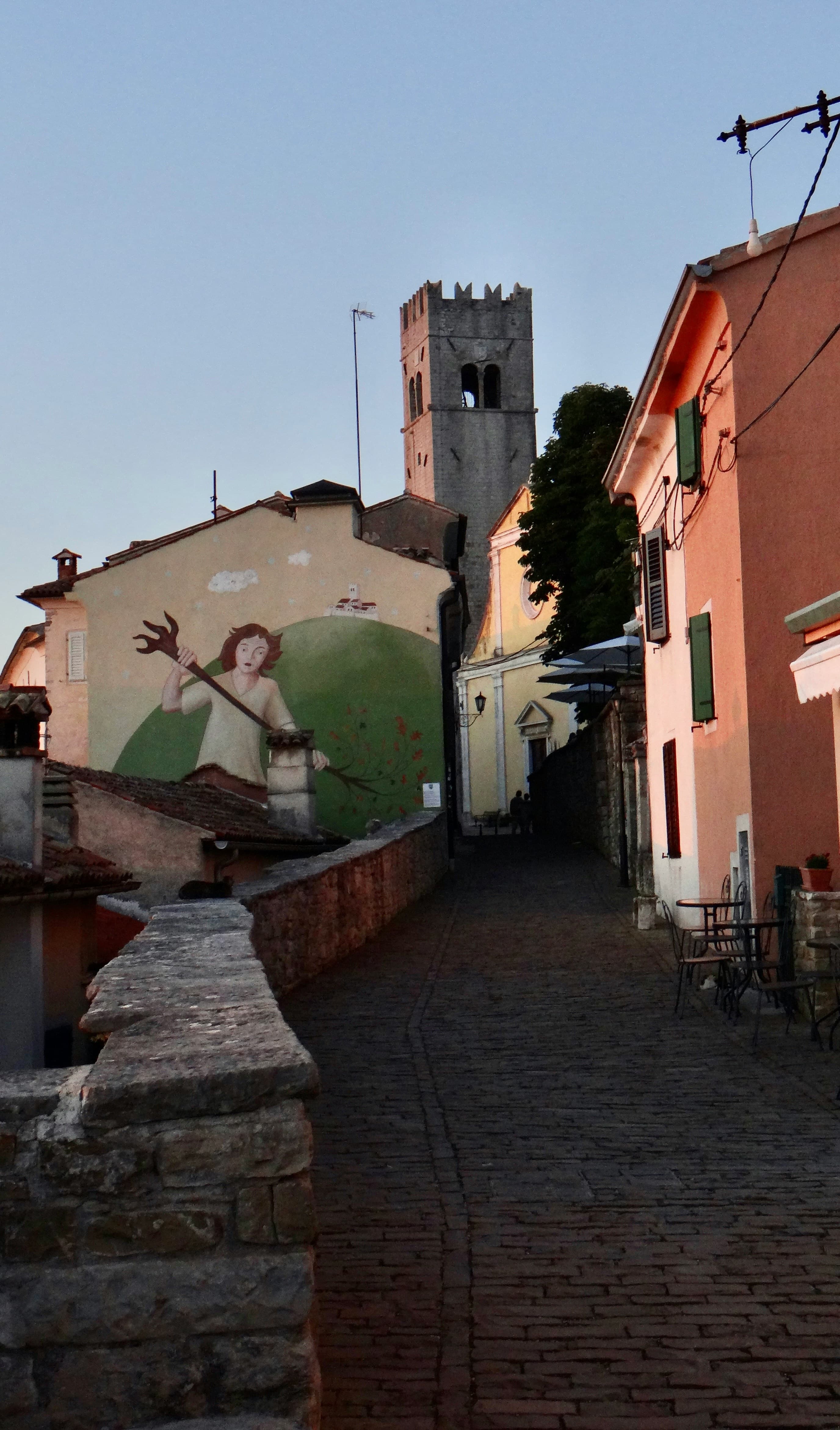
Motovun
Medieval walled hill town above the Mirna valley — home to the truffle forest, a Venetian-era rampart walk and a major arthouse film festival every July.
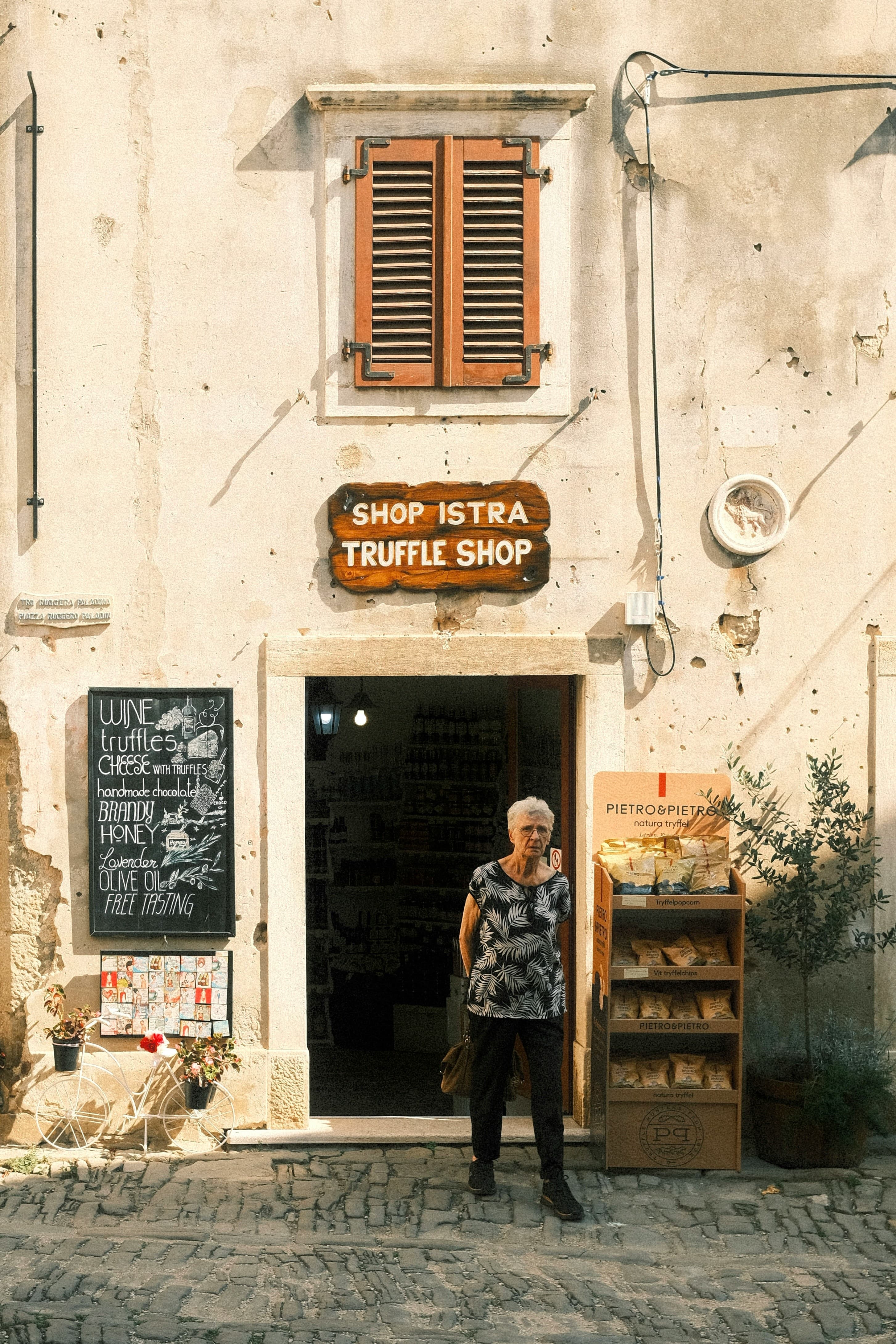
Grožnjan — Town of Artists
An almost-abandoned hilltop village resettled by artists in the 1960s — galleries, studios, summer music and the best truffle and food shops in Istria.
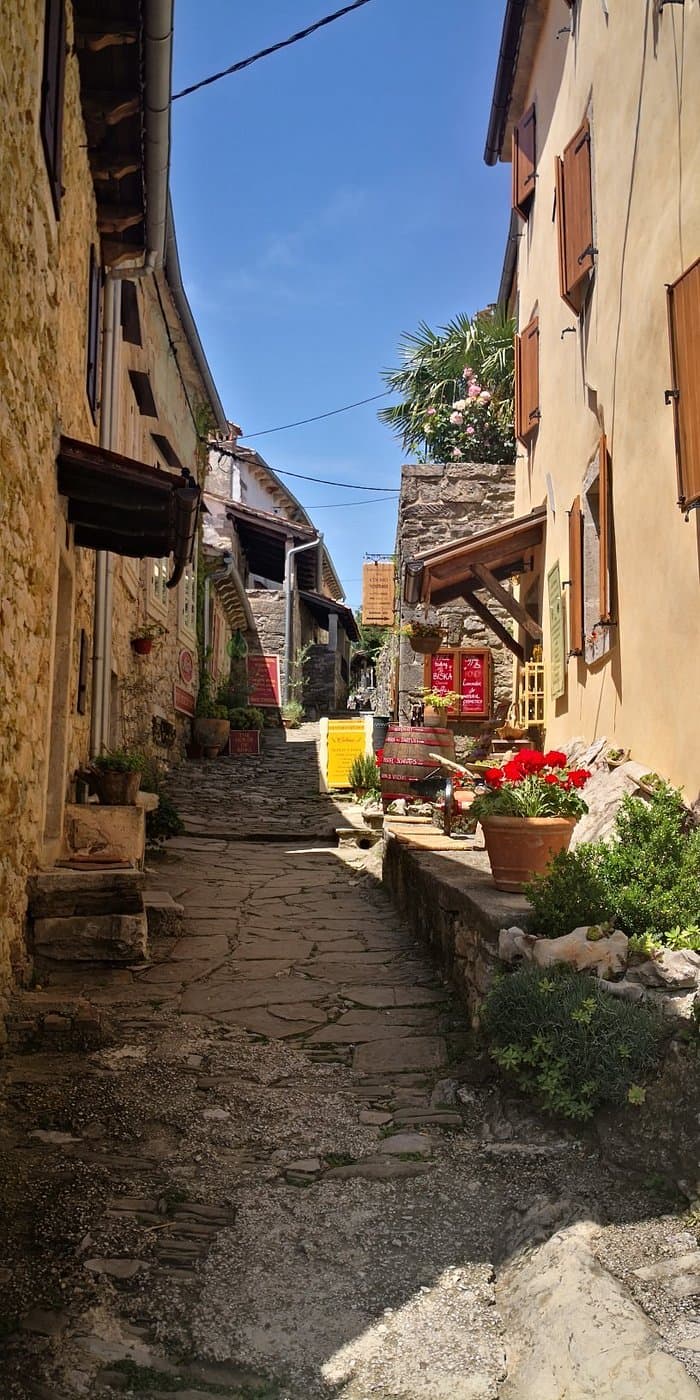
Hum — World's Smallest Town
Twenty residents, one street, one gate: the Guinness-record world's smallest town sits 30 minutes from Buzet and is extraordinary for what it has survived.
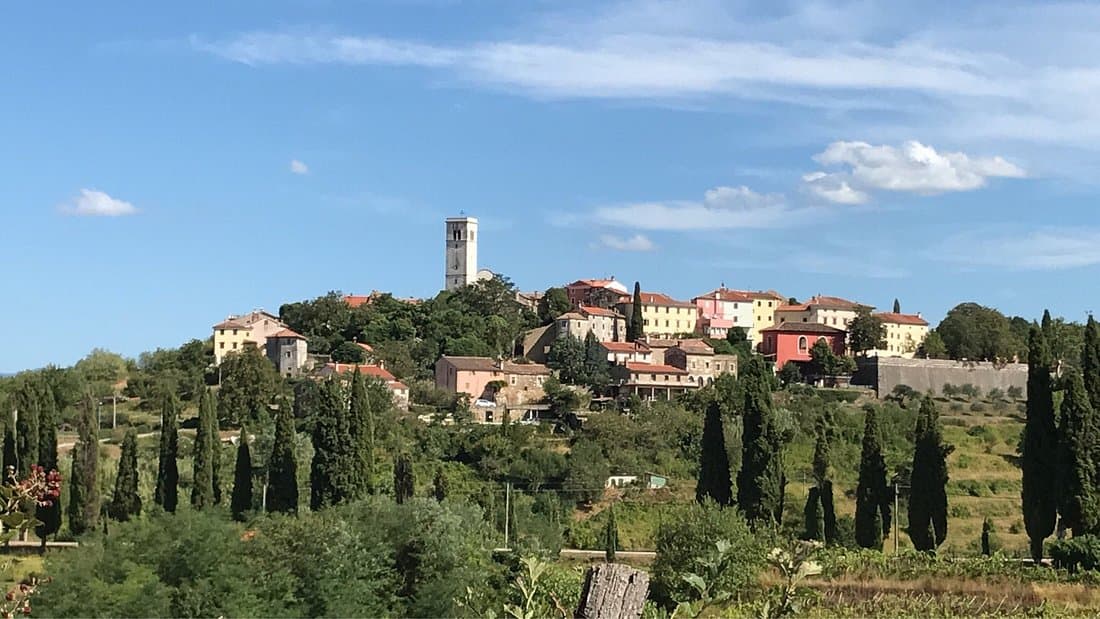
Buzet — Truffle Capital
Istria's truffle capital on its hilltop above the Mirna basin — the best base for truffle hunting, the September Subotina festival and inland Istrian food.
Kvarner Islands
The Kvarner islands — Rab, Cres, Lošinj, Krk — sit quieter than the southern island circuit and repay slow travel, family trips and off-season exploration. Rab's old town is among the most complete Romanesque ensembles on the Adriatic.
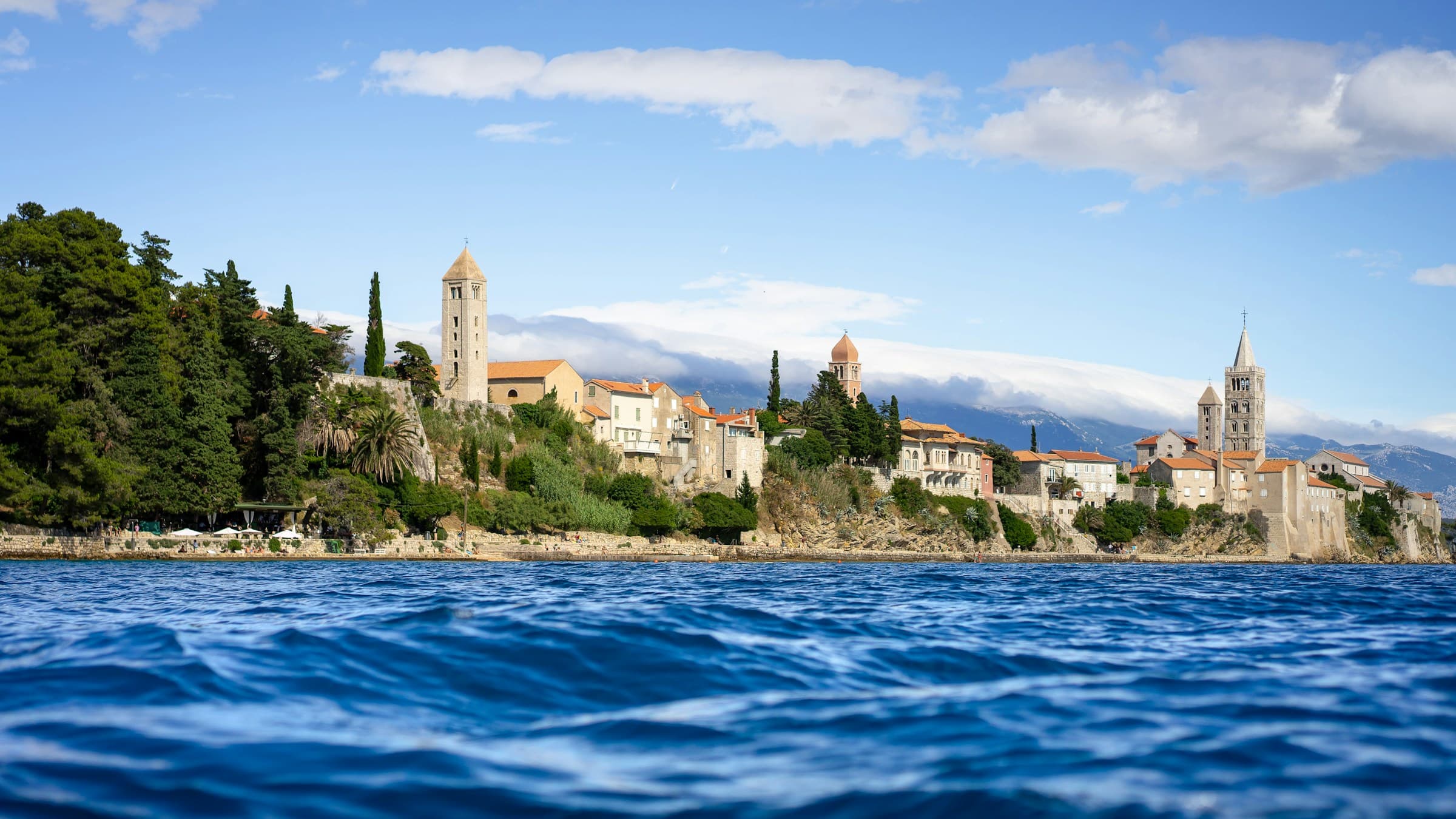
Rab Town
Four Romanesque bell towers rising from a peninsula above the Kvarner sea — a medieval old town that rivals Dubrovnik in completeness but gets a fraction of the visitors.
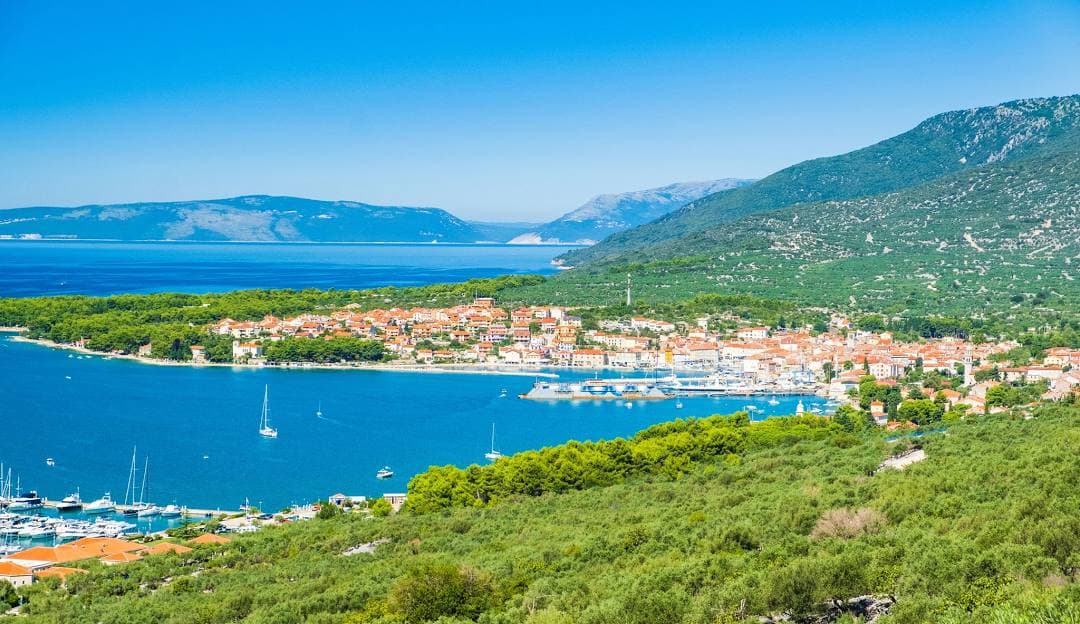
Cres — Griffon Vultures & Forest
One of the Adriatic's largest islands — dense holm oak forest, a colony of rare griffon vultures at Beli, a Venetian old town and far fewer visitors than Dalmatia.
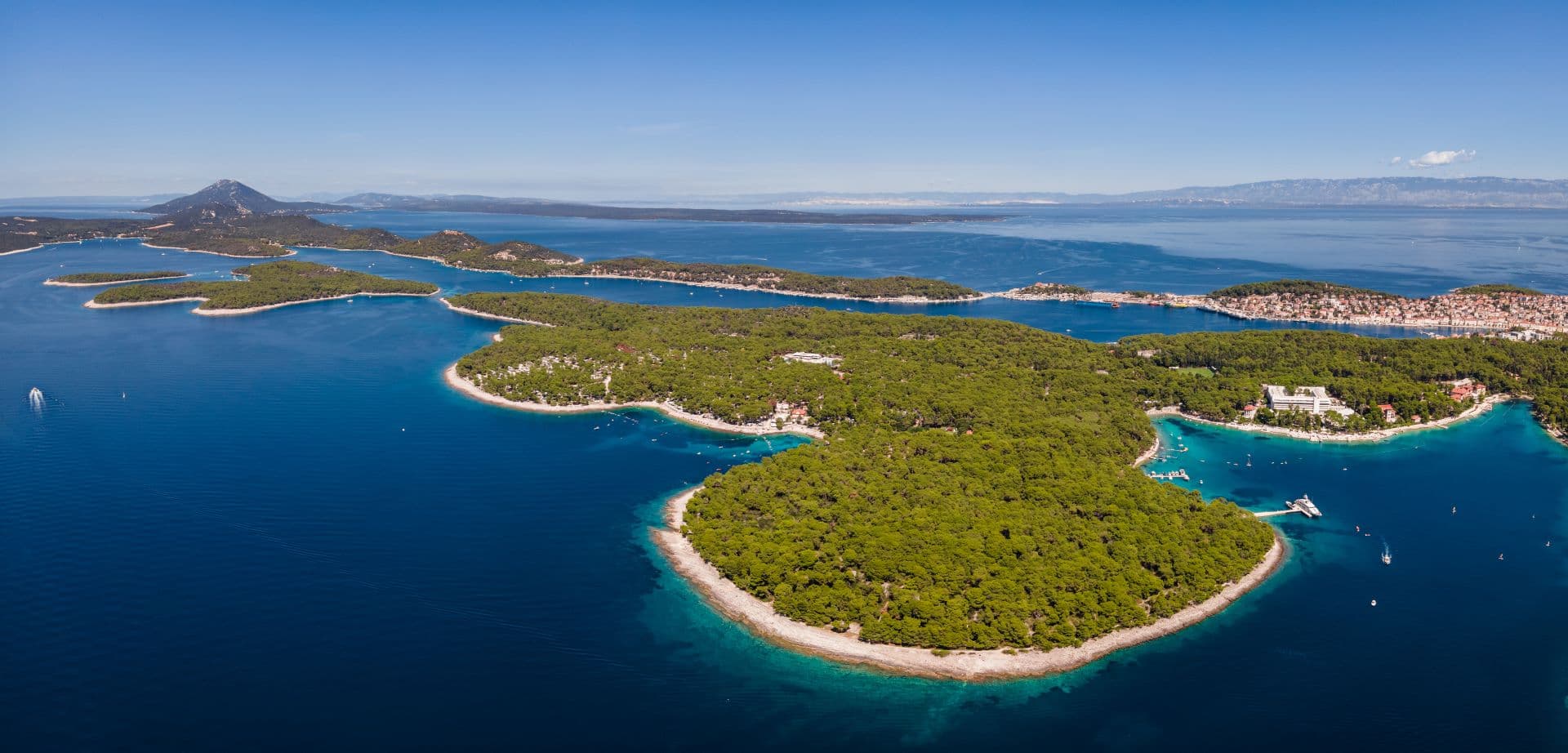
Lošinj — The Fragrant Island
A green, aromatic island with a Habsburg maritime heritage — Mali Lošinj's palm-lined harbour, an extraordinary Greek bronze museum and a dolphin research centre.
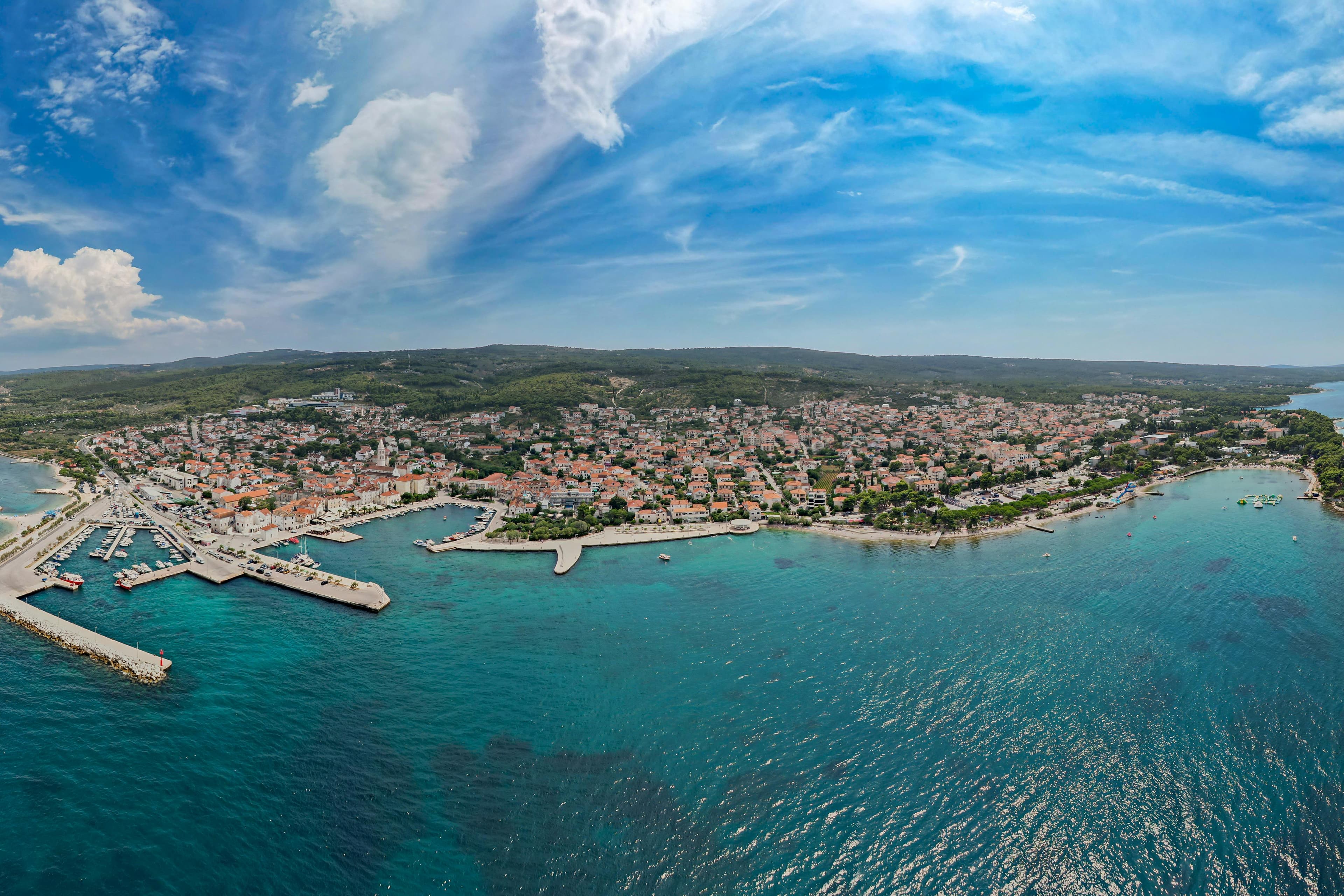
Krk — Kvarner's Island Hub
The most accessible Kvarner island — medieval Krk Town, the clifftop wine village of Vrbnik and good beaches at Baška, all connected to the mainland by bridge.
Book Day Trips Beyond the Tourist Trail
Guided day trips to Istrian hill towns, Kvarner island excursions, Slavonia nature tours and hinterland experiences across Croatia.
Slavonia & Baranja
Eastern Croatia sits entirely outside the standard itinerary — but Kopački Rit repays the journey: one of Europe's finest floodplain nature parks at the Drava-Danube confluence. Osijek's Tvrđa quarter is among the best-preserved baroque complexes in Central Europe, and Baranja's wine roads are genuinely worth a long weekend.
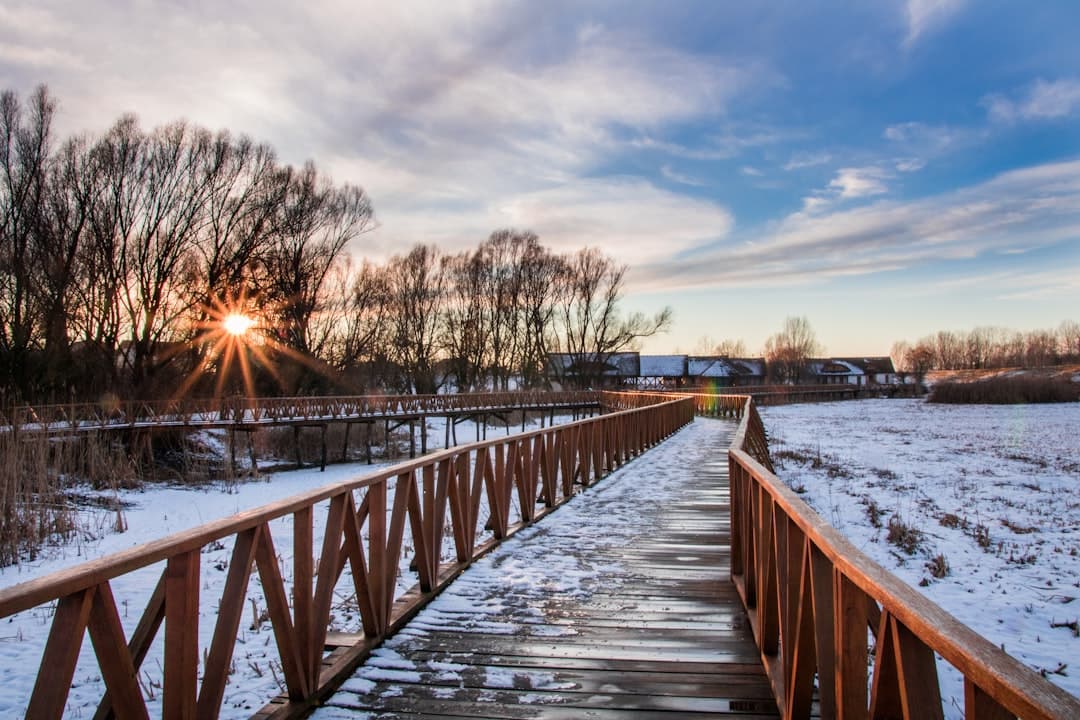
Kopački Rit — Danube Wetlands
One of Europe's largest intact floodplain wetlands at the Drava-Danube confluence — boat safaris among flooded willows, white-tailed eagles and 300 recorded bird species.
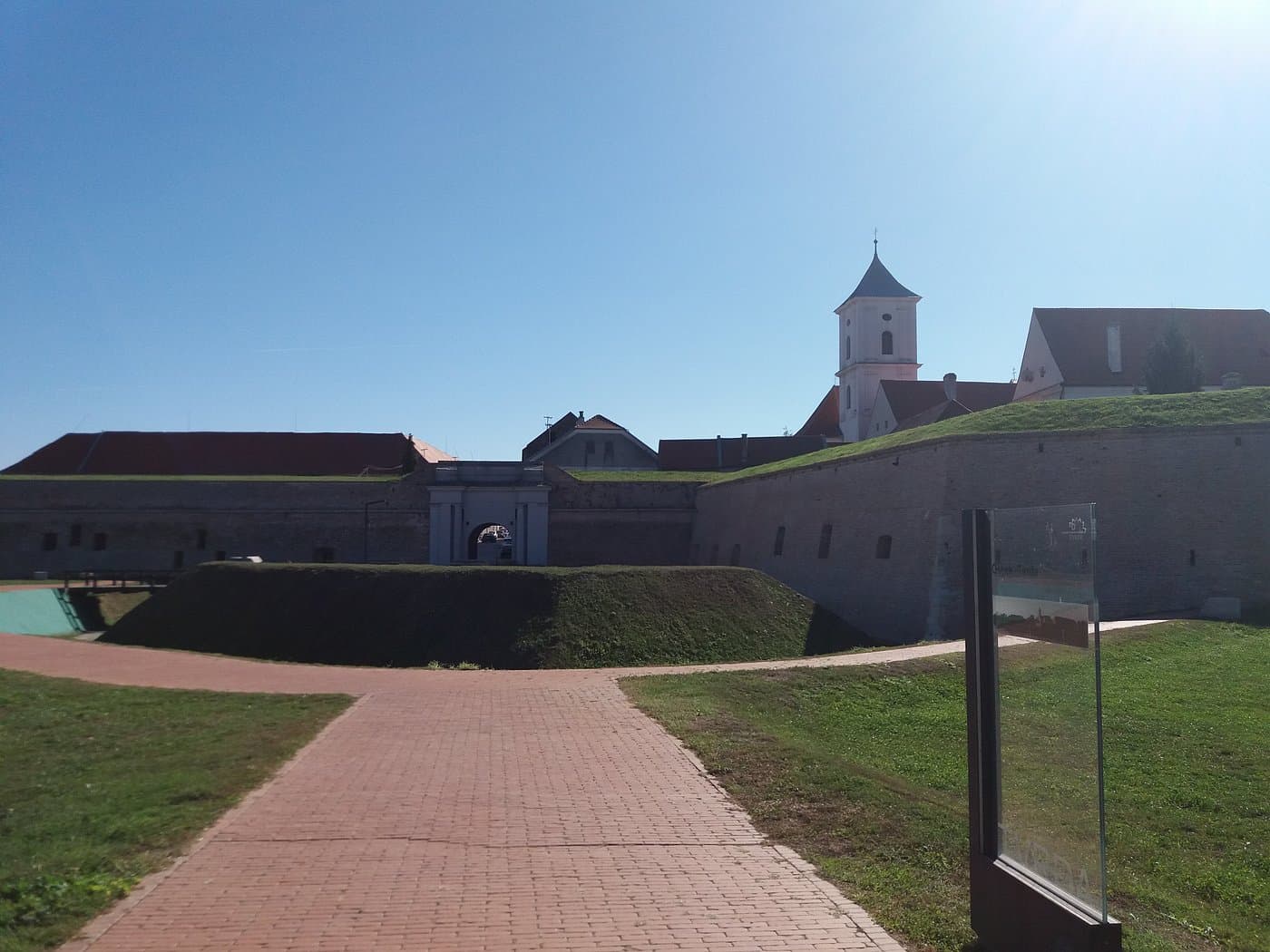
Osijek Tvrđa
A complete 18th-century Austrian baroque fortress town built after the Ottoman withdrawal — one of the most overlooked urban heritage sites in Central Europe, almost entirely intact.
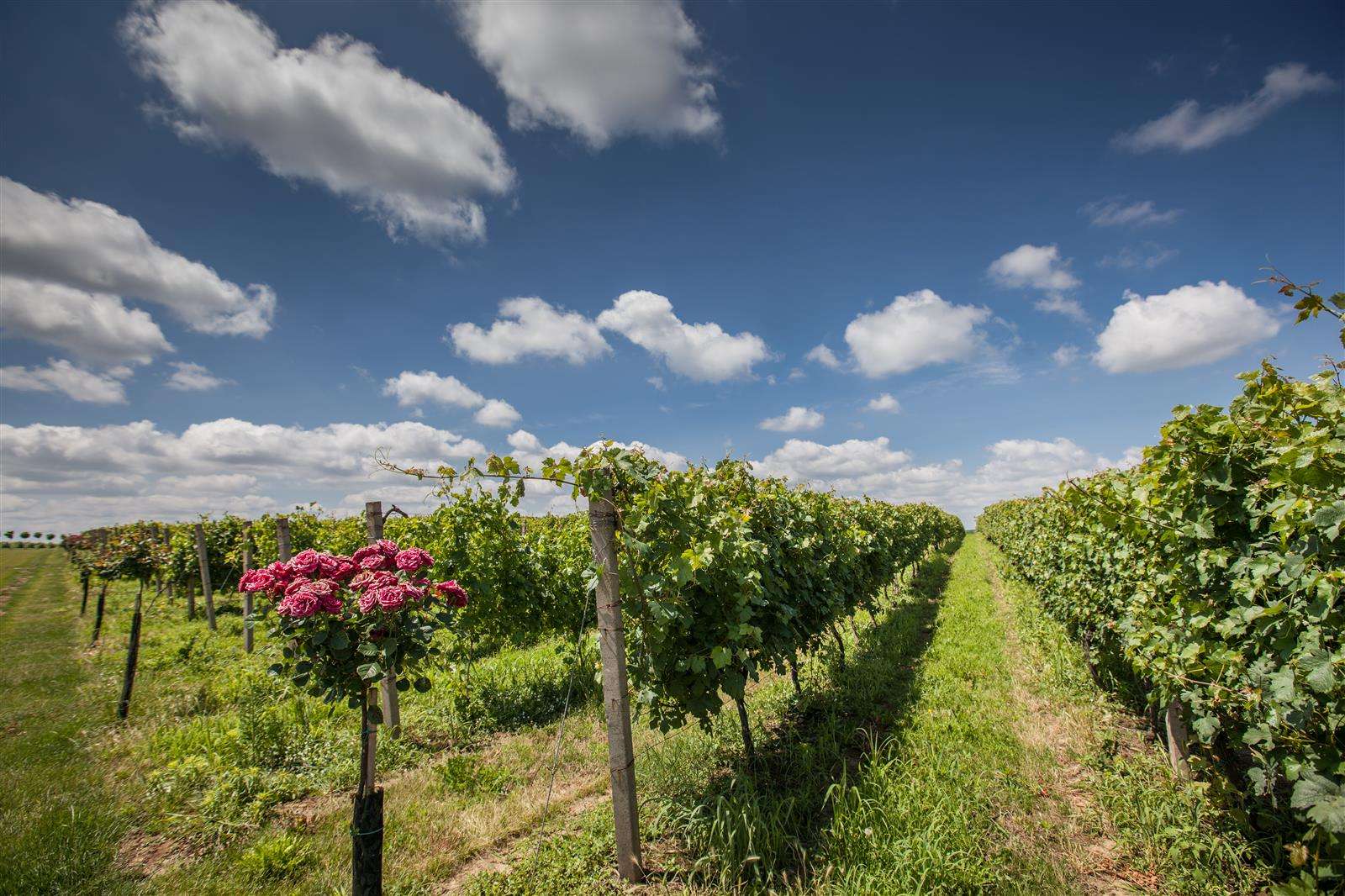
Baranja Wine Roads
The Baranja triangle between the Danube and Drava is Croatia's most unexpected wine country — Graševina and Pinot Noir in a flat, warm, frontier landscape far from the tourist coast.
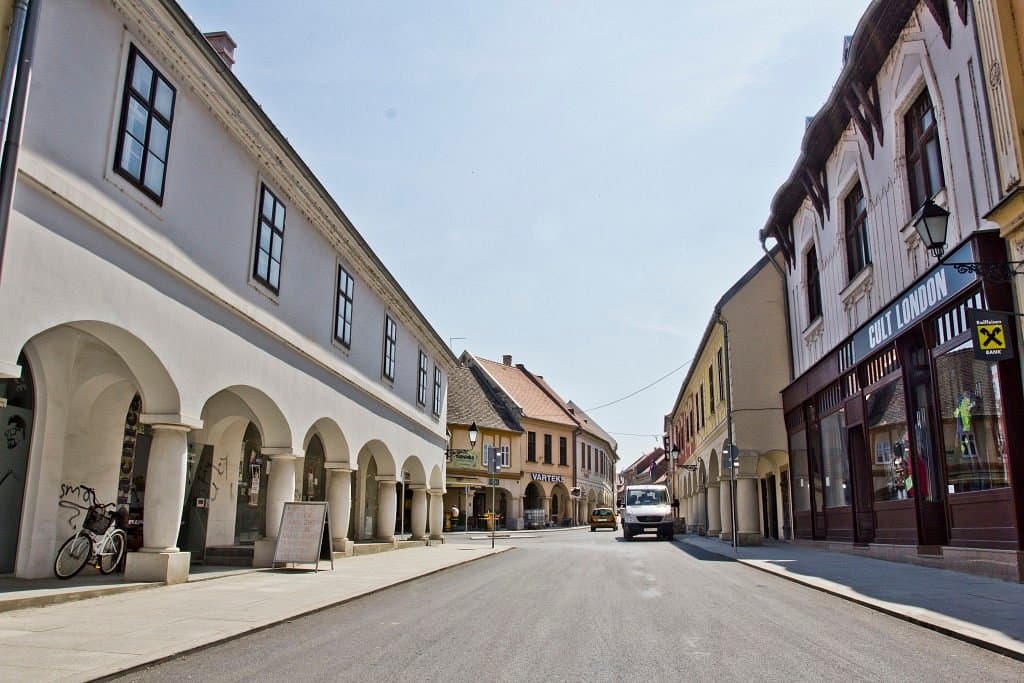
Vukovar
A city rebuilt after the 1991–92 siege — the Water Tower and memorial sites tell Croatia's most important recent history story, with the restored Eltz manor now an excellent museum.
Central Croatia
Easy from Zagreb but consistently left off the itinerary — Žumberak's forested hills, the stork villages of Lonjsko Polje and the tufa waterfall settlement of Rastoke are all within two hours of the capital and feel genuinely different from the coast.
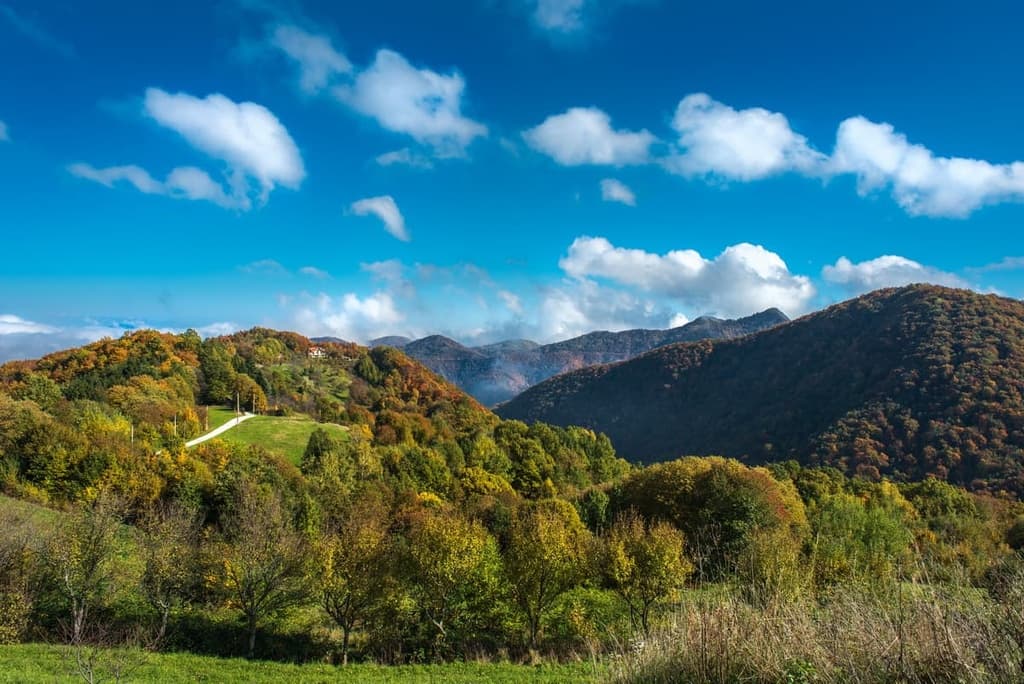
Žumberak — Forested Hills
A wooded karst massif southwest of Zagreb — stone villages, forest roads, Greek-Catholic communities and one of Croatia's most rewarding half-day drives from the capital.
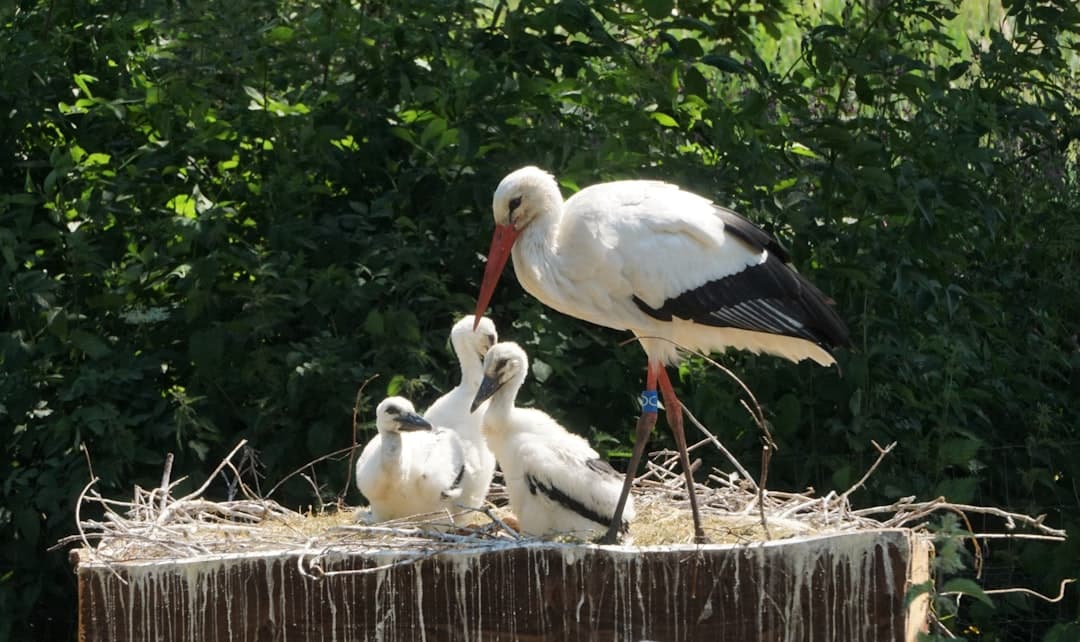
Lonjsko Polje — Stork Villages
Floodplain meadows and oak-framed villages along the Sava — the stork village of Čigoč has the densest white stork population in Europe, 90 minutes from Zagreb.
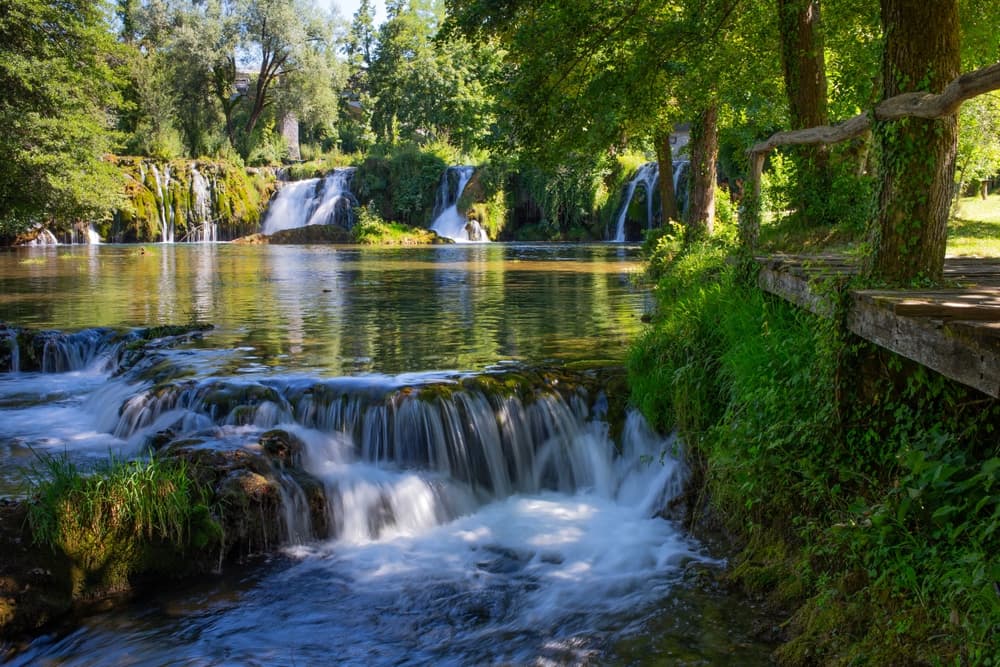
Rastoke Village
A village of tufa waterfalls and old wooden mill houses at the edge of Slunj — one of Croatia's most striking natural stops and the best add-on to a Plitvice Lakes trip.
Dalmatian Hinterland
The mountains behind the Dalmatian coast — the Cetina canyon, the Imotski Lakes, Sinj's fortress, Klis above Split — are minutes from the sea but feel psychologically far from the resort experience. Most visitors never go more than a kilometre from the water.
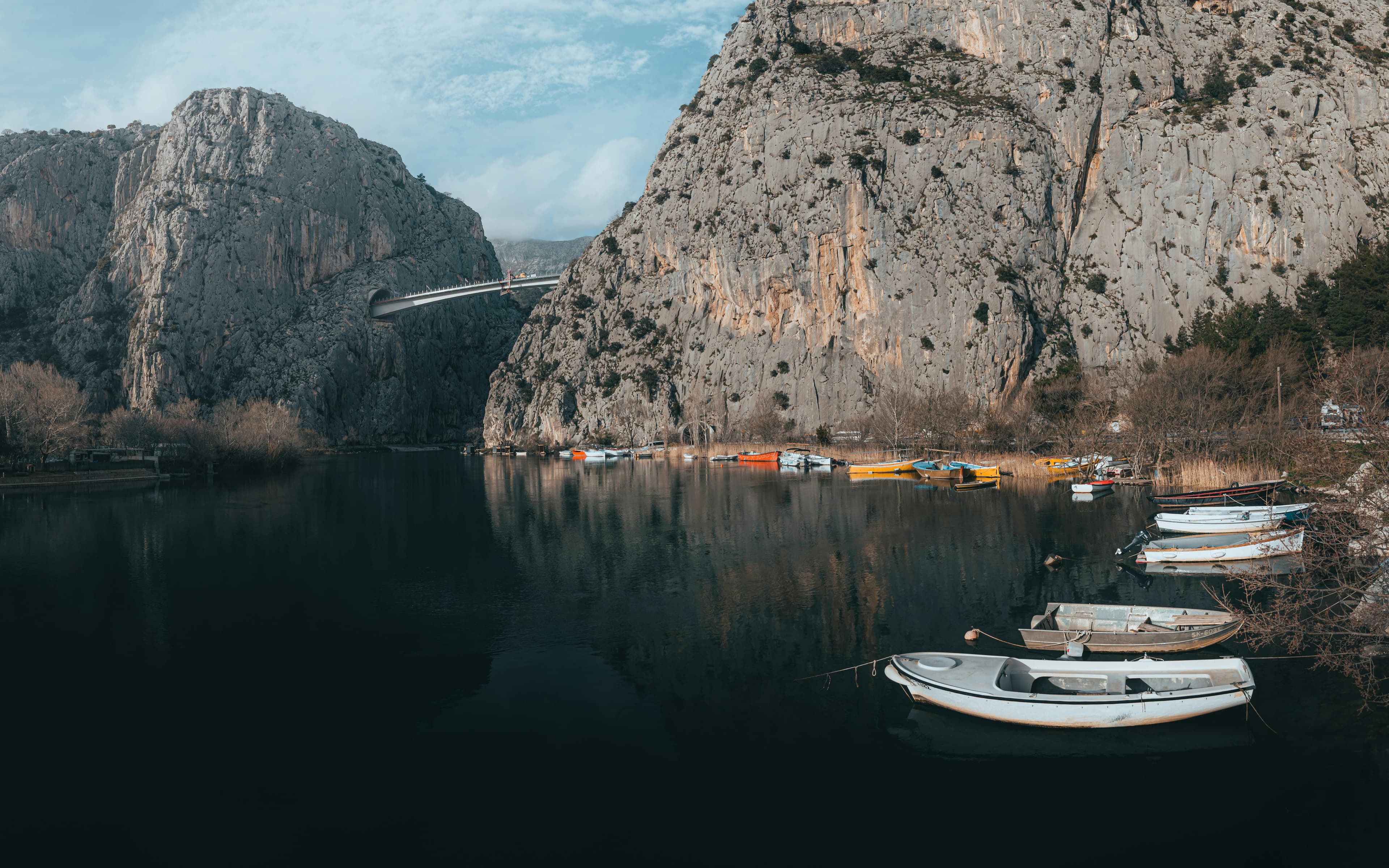
Omiš & the Cetina Canyon
A pirate stronghold at the mouth of a dramatic gorge — Omiš sits where the Cetina breaks through the karst to reach the sea, with zip lines, rafting and fortress ruins above the town.
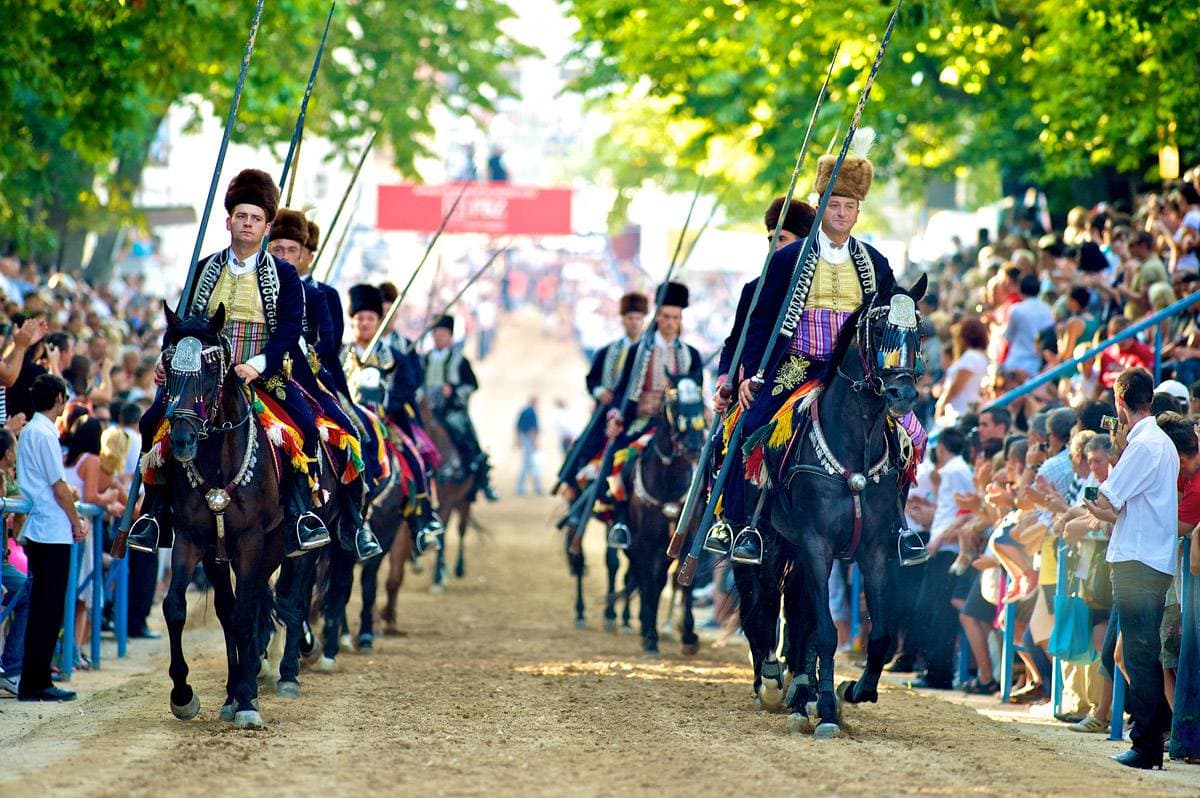
Sinj — Sinjska Alka
An inland garrison town famous for the Sinjska Alka — a 300-year-old equestrian tournament held every August, UNESCO-inscribed and still run by the military brotherhood.
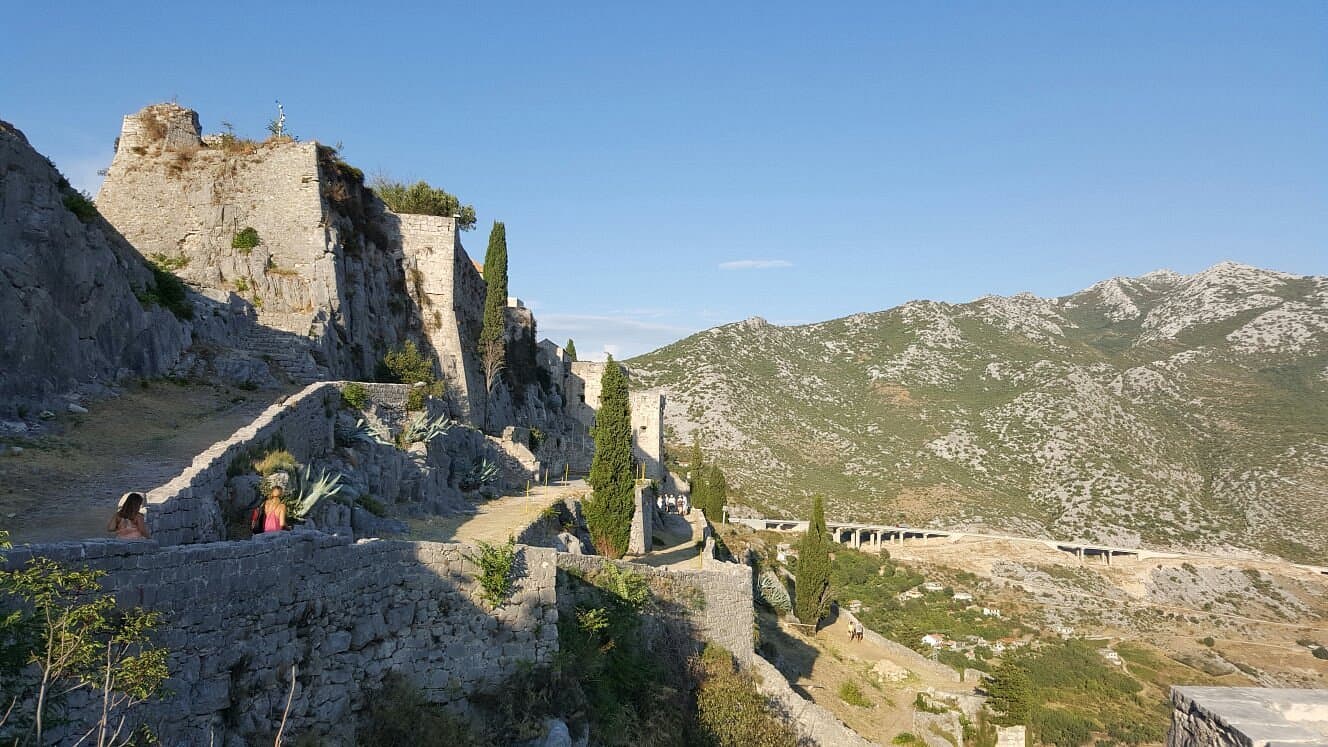
Klis Fortress
A medieval Croatian stronghold above Split — 600 metres above the sea, used as a bulwark against Ottoman expansion for over a century and known internationally from Game of Thrones.
Remote Islands
Vis and Lastovo ask for more time than most visitors give them — and give more back. Both require a longer ferry journey; the atmosphere neither island has had to compromise. Dugi Otok, closer to Zadar, adds dramatic cliffs and the saltwater Lake Mir without the long crossing.
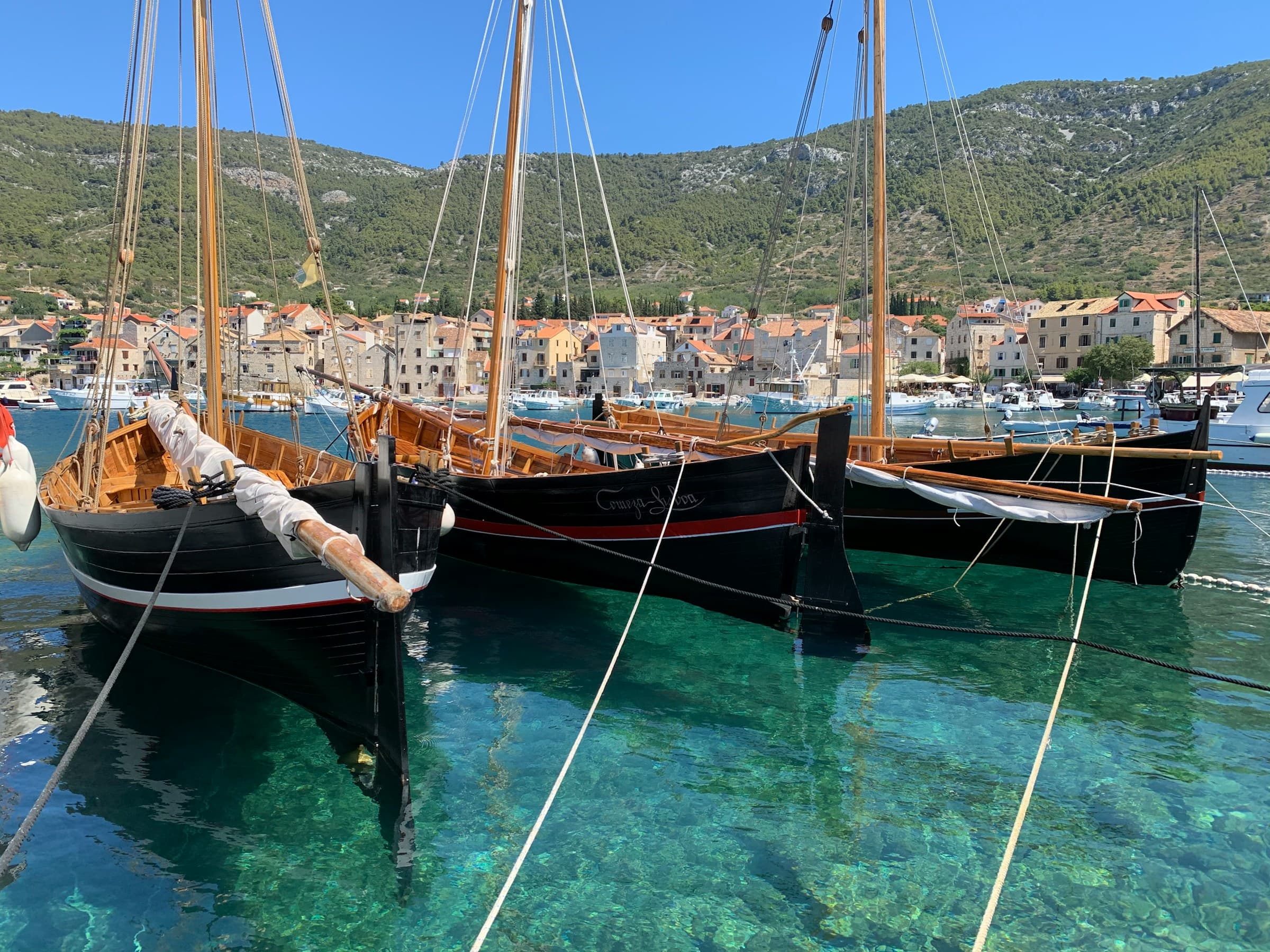
Vis — Military Island
Croatia's most distant inhabited Dalmatian island, closed to tourism until 1991 — Stiniva cove, the Blue Cave, excellent wine and an atmosphere the more accessible islands gave up long ago.
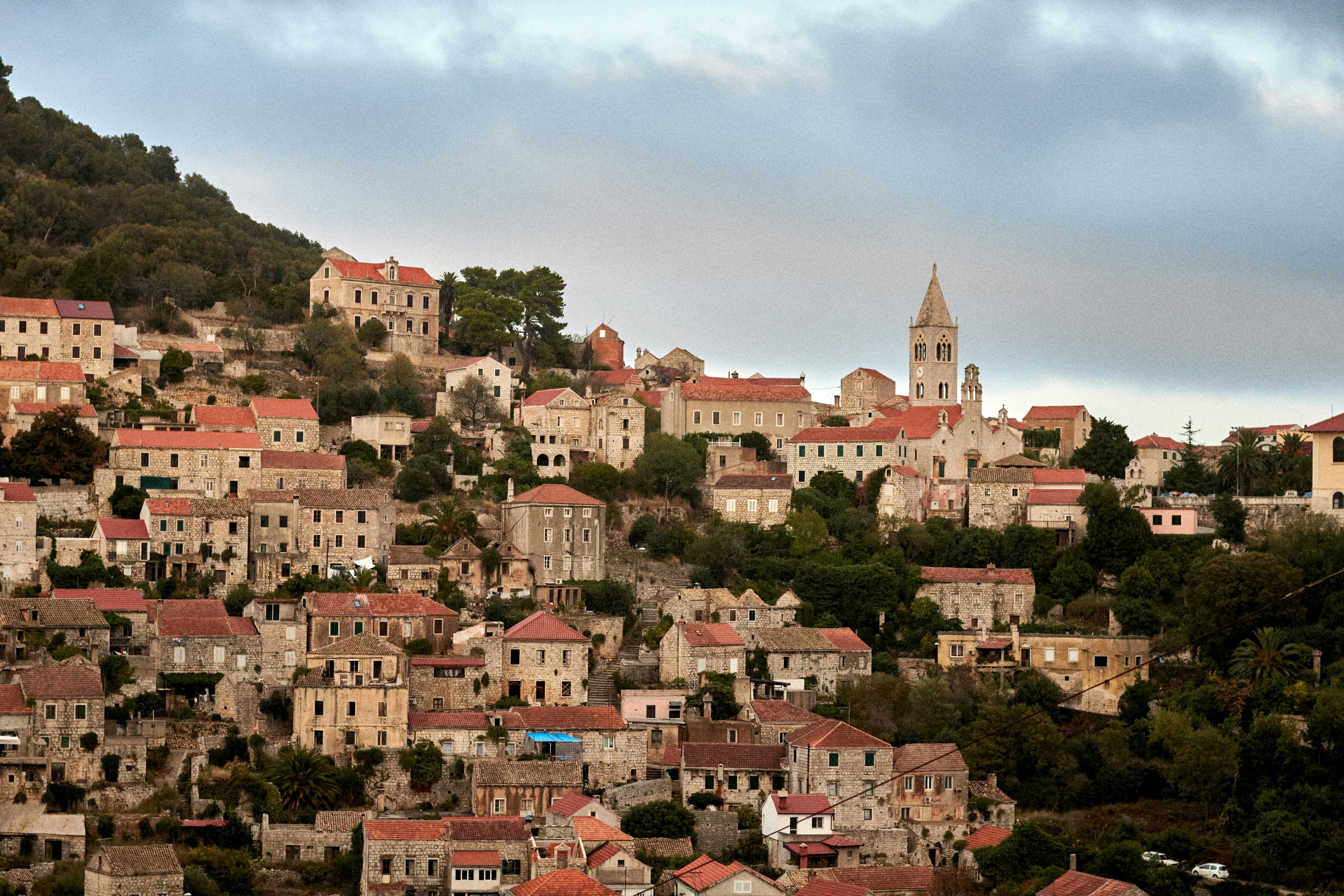
Lastovo — Dark Skies & Deep Water
Croatia's most remote inhabited island — 70 km offshore, one of Europe's least light-polluted areas, exceptional diving, a UNESCO-listed carnival and almost no tourist infrastructure.
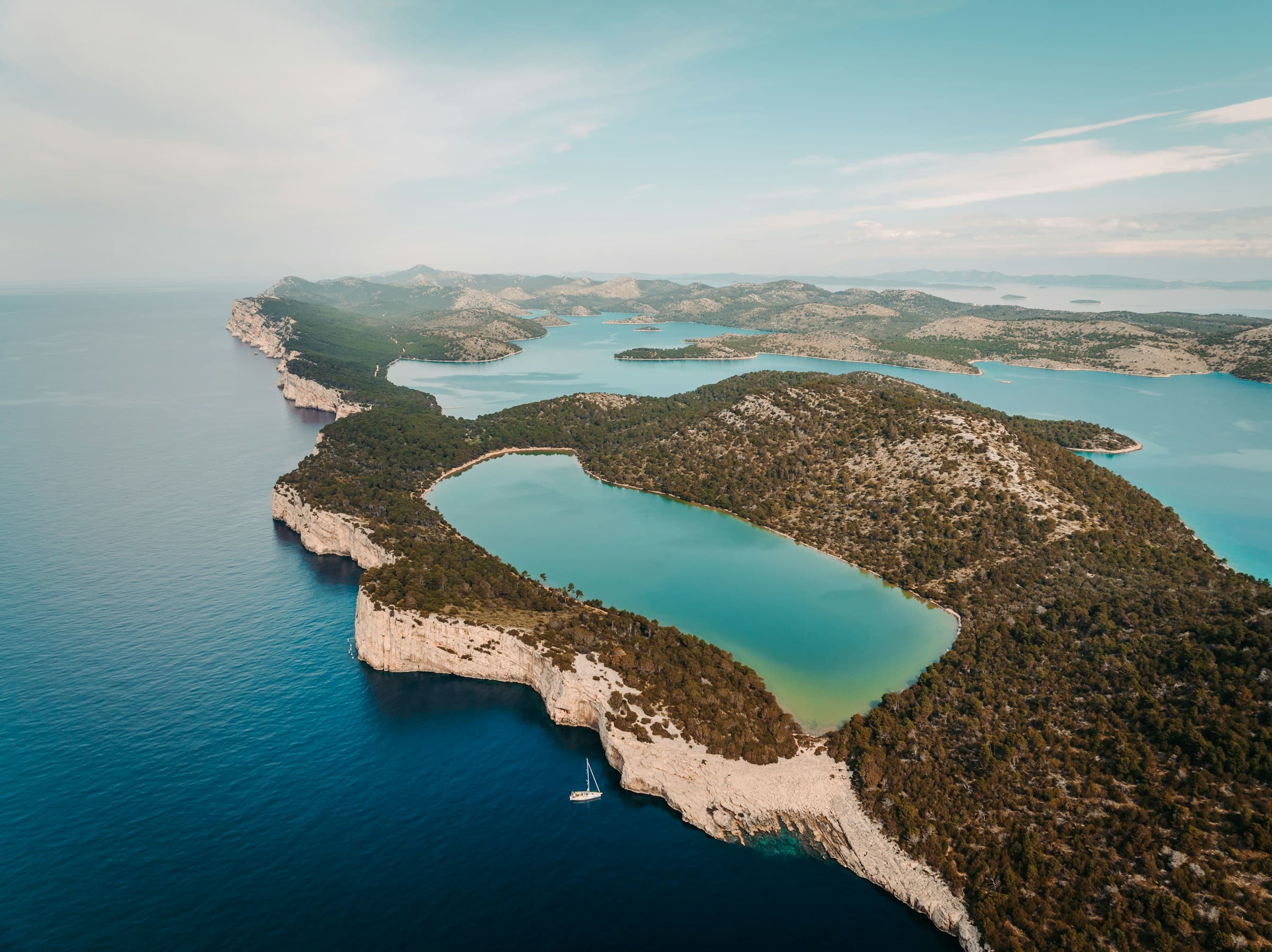
Dugi Otok — The Long Island
The long island of Zadar — Telašćica nature park, the saltwater Lake Mir behind open-sea cliffs, and a much quieter Adriatic than the southern Dalmatian islands.
Small Historic Towns
Both are easy from Zagreb — Samobor is 30 minutes, Varaždin is 90. Neither is on the standard tourist itinerary. Both are the kind of place that changes how you see Croatia.
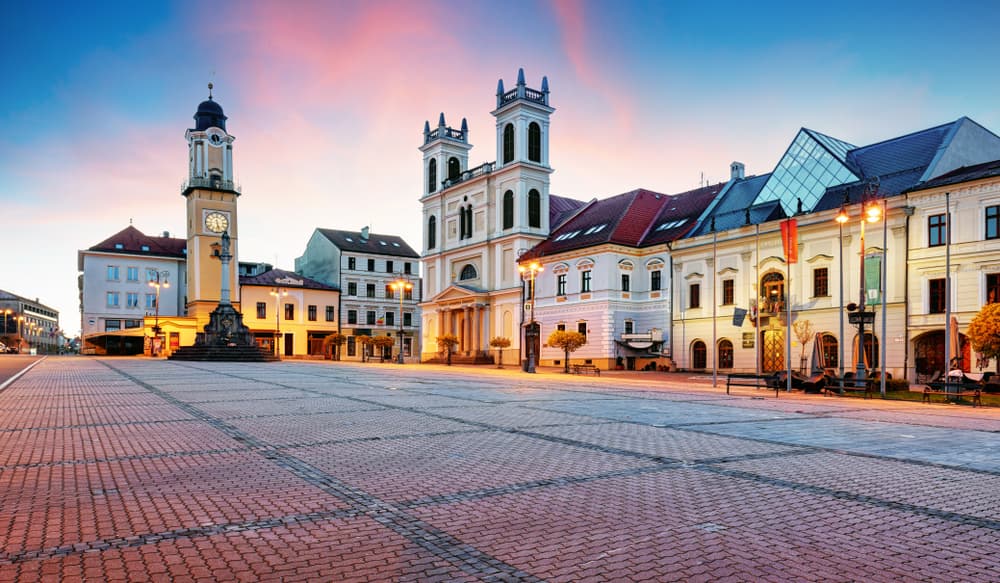
Varaždin — Croatia's Baroque Capital
Croatia's most elegant inland town — pastel baroque streets, a 16th-century fortress with moat and the Špancirfest street festival every August.
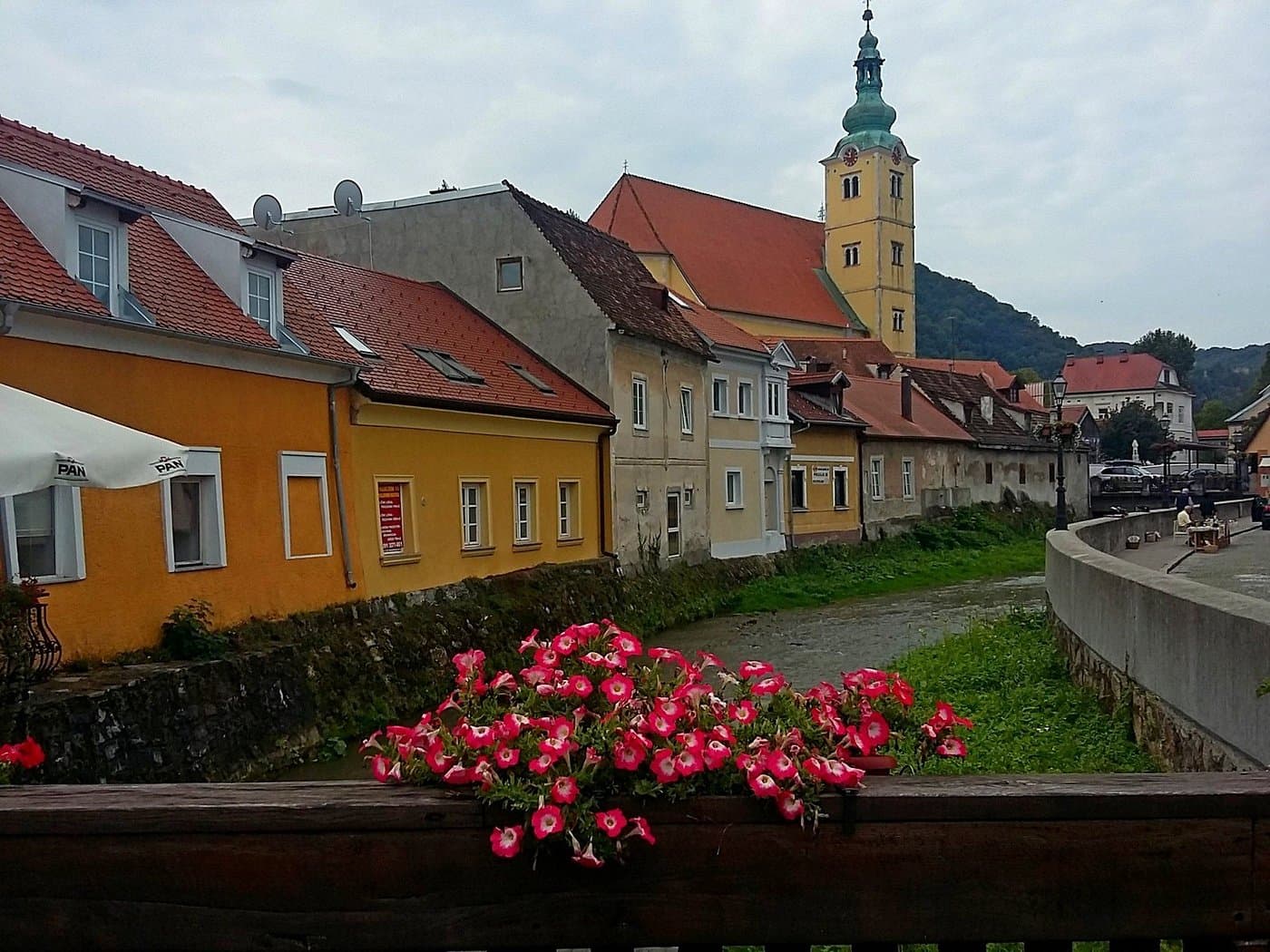
Samobor
A compact historic town 30 minutes from Zagreb — a castle ruin above the rooftops, a colourful main square and the kremšnita custard slice that locals still drive from the capital to eat.
River Adventures
Croatia's rivers are where the country changes texture: limestone canyons, cold swimming holes, kayak routes and villages that feel a long way from the beach circuit.
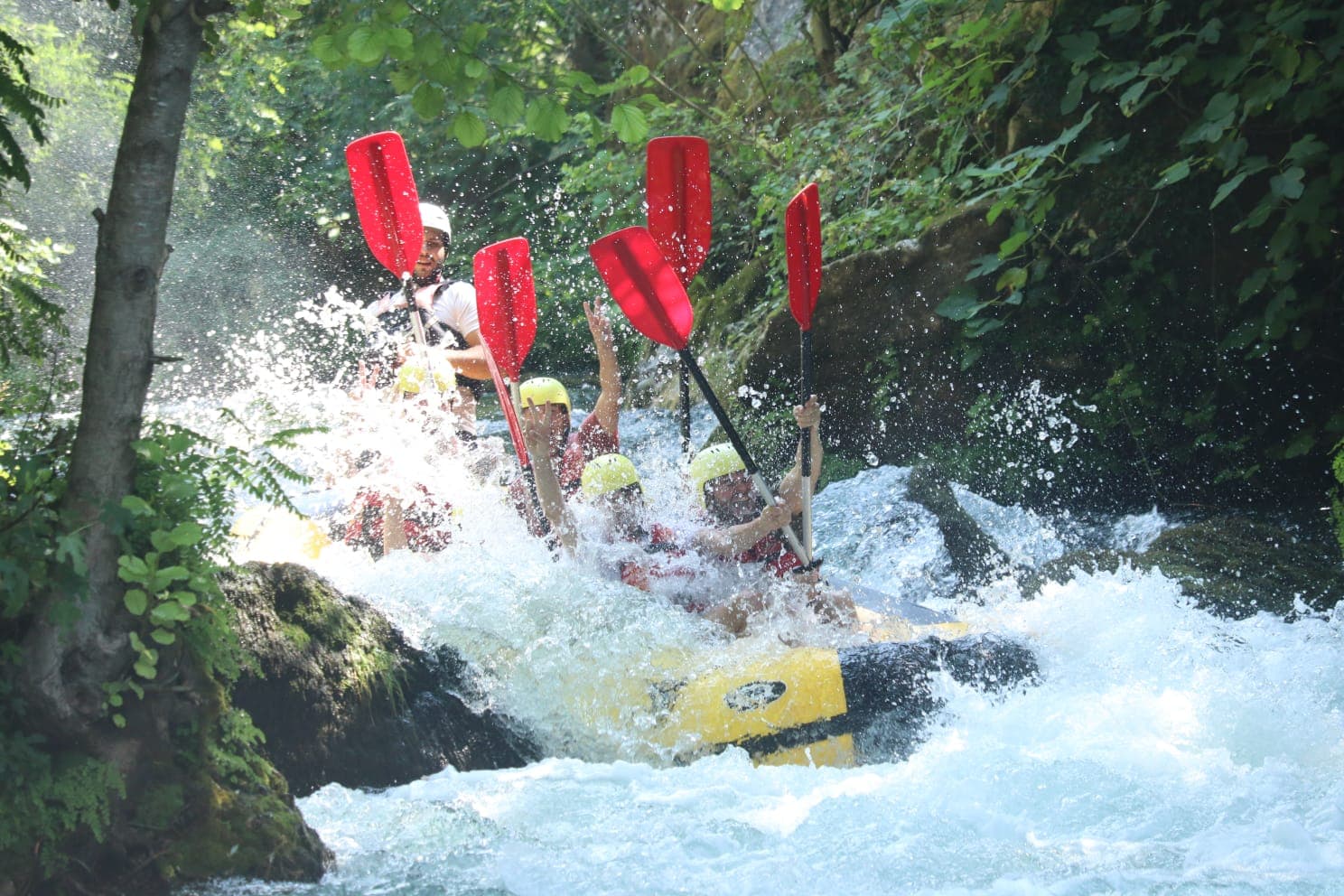
Mrežnica — River of Tufa Waterfalls
A river of tufa cascades and old mill houses winding through central Croatia — swimming, kayaking and a peaceful river day that bears no resemblance to the coast.
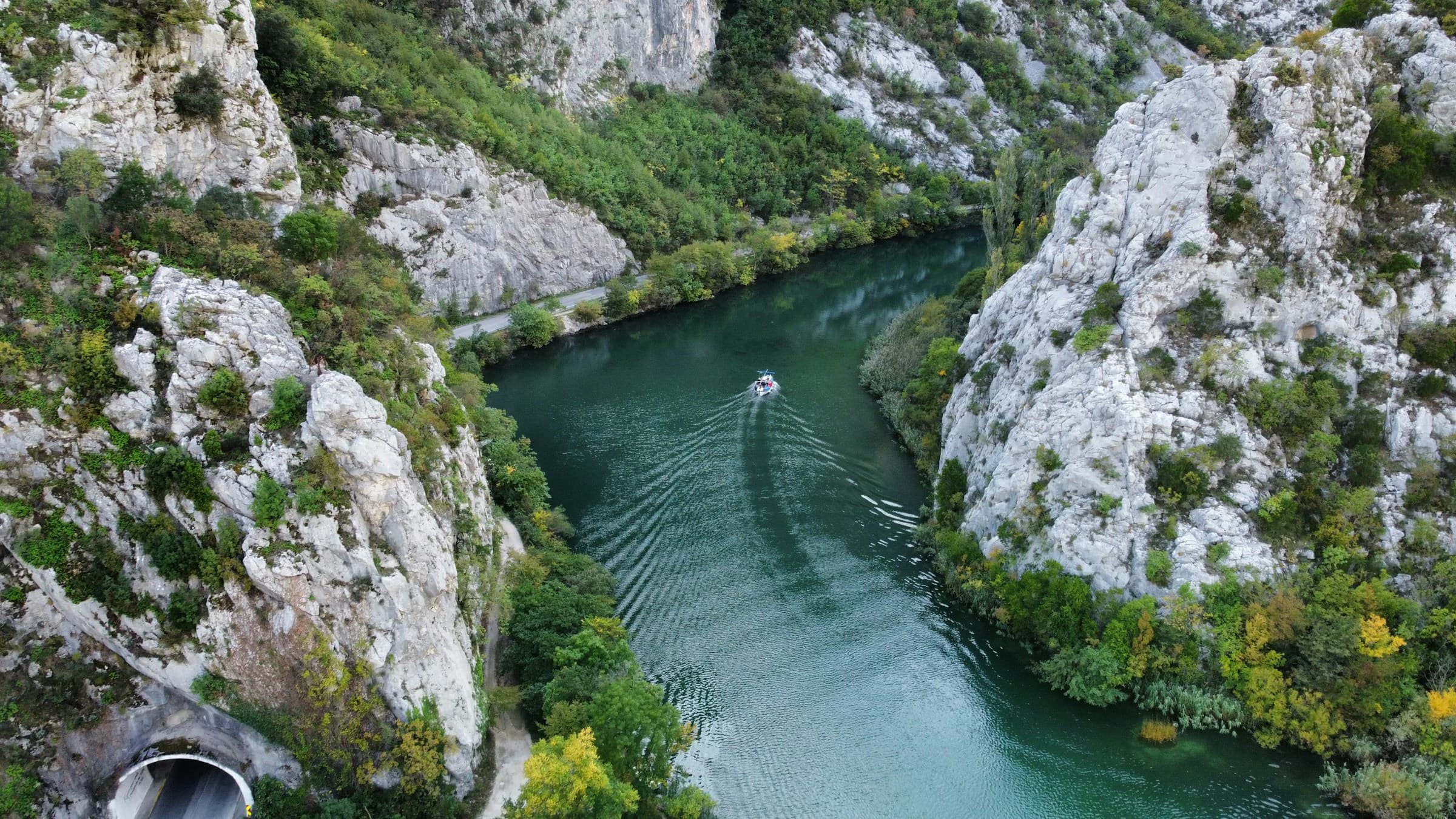
Cetina — Adventure River
Croatia's best adventure river — the Cetina gorge between Omiš and the Sinj plain offers white-water rafting, canyoning, zip lines and a spectacular canyon lunch stop.
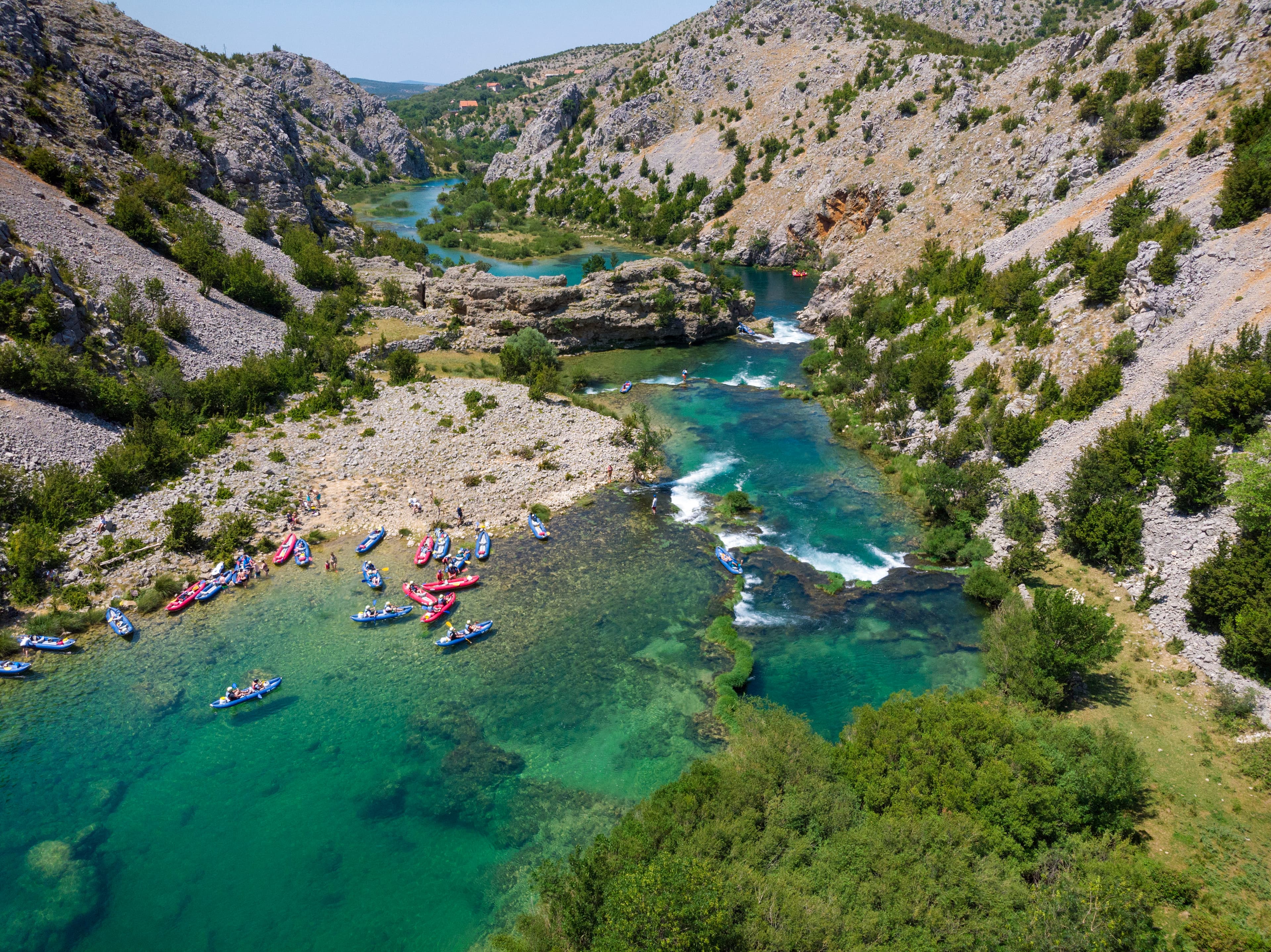
Zrmanja — Emerald Through Velebit
A transparent emerald river through the Velebit foothills — known for its extraordinary colour, its tufa barriers and kayaking routes through one of Dalmatia's most dramatic inland landscapes.
Worth the Extra Effort
Book Unique Experiences Off the Tourist Trail
Slavonia wine tours, hinterland Dalmatia day trips, Zagorje castle excursions, Lika nature tours and Croatia experiences that most visitors never find on their own.
How to Do It
The practical approach depends on where you are already staying — each main base gives different options.
From Zagreb
Extend towards central and inland Croatia
Samobor, Žumberak, Zagorje, Varaždin, Lonjsko Polje and Rastoke are the easiest additions to any Zagreb base.
From Split
Explore the coast's inland edge
Omiš, Cetina, Klis, Sinj, Imotski and Vis are the most natural beyond-the-usual extensions from a Split base.
From Dubrovnik
Head north along the southern Adriatic
Pelješac, Mljet, Korčula, Cavtat, the Neretva Delta and Ston work better than trying to force distant inland detours.
From Istria
Turn inland from the coast
Motovun, Grožnjan, Hum, Buzet and Oprtalj are easy by car and make the coast feel much richer.
From Zadar or Šibenik
Explore northern Dalmatia's edges
Dugi Otok, Kornati, Murter, the Krka hinterland and northern Dalmatian inland routes work well from either base.
Planning rule
Pick one region, not a checklist
Pick one alternative region that fits your existing route. Do not turn this page into a checklist — that defeats the point.
Plan Your Trip
Search flights and car hire for your Croatia trip.