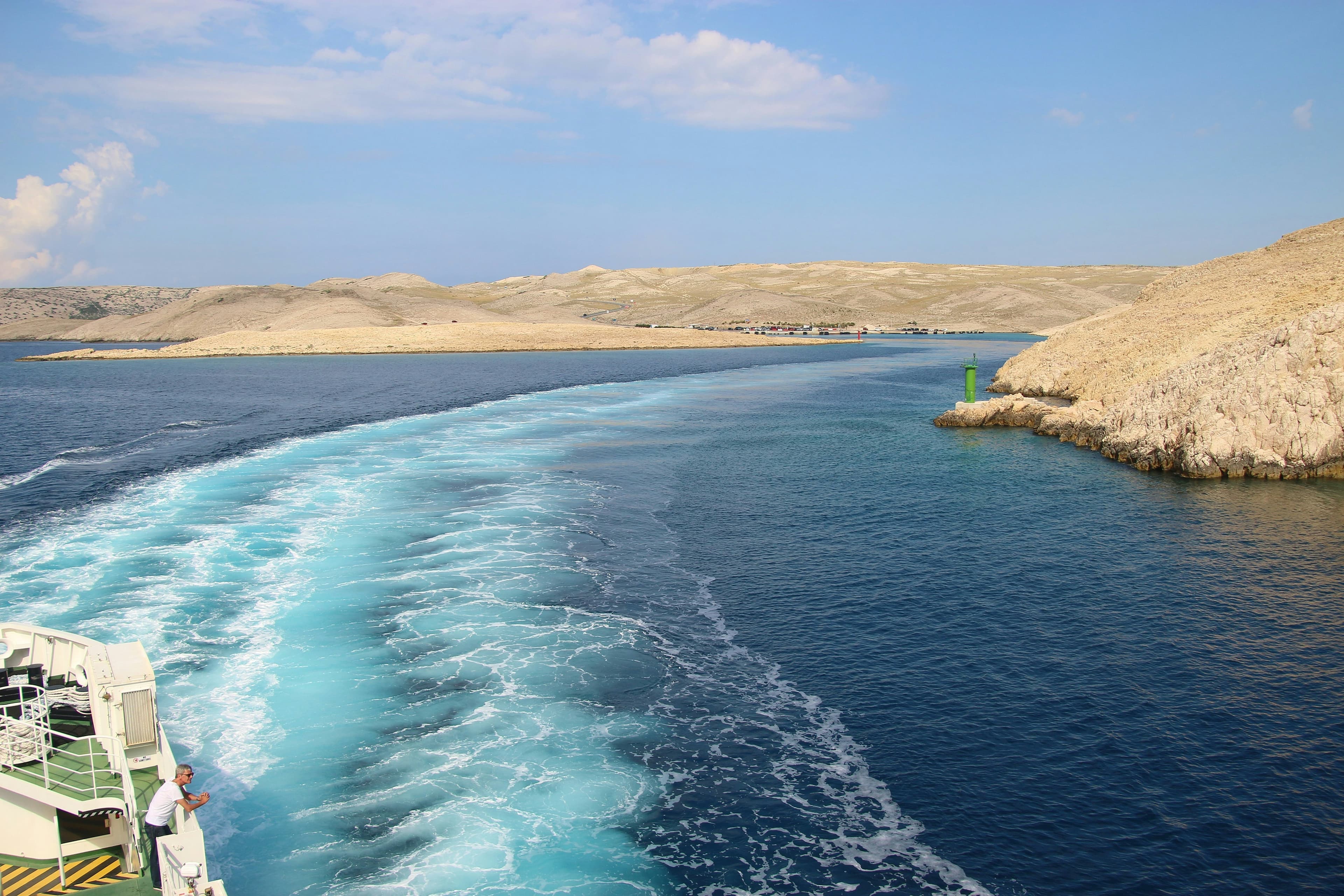
Islands & Sea in Croatia
Boat trips, island hopping, sailing routes, beaches, caves and marine parks — the best ways to experience Croatia from the water.
Croatia's coast is made for movement: ferries between islands, kayaks below city walls, sailboats through quiet channels, speedboats to sea caves and lazy swimming stops in clear Adriatic coves. The Adriatic is not just scenery — it is one of the main reasons to come.
This page is for travellers who want to experience the sea, not just look at it. Use it to plan island-hopping routes, sailing weeks, kayaking trips, beach stops, cave visits, ferry journeys and nature-based sea days along the Croatian coast.
Best Sea Experiences in Croatia
The Adriatic offers very different kinds of sea days. Some travellers want a ferry and a quiet island lunch; others want a full-day speedboat tour, a sailing week, a kayak below Dubrovnik's walls or a swim stop in a hidden cove. These are the main ways to build the sea into a Croatia trip.
Island Hopping
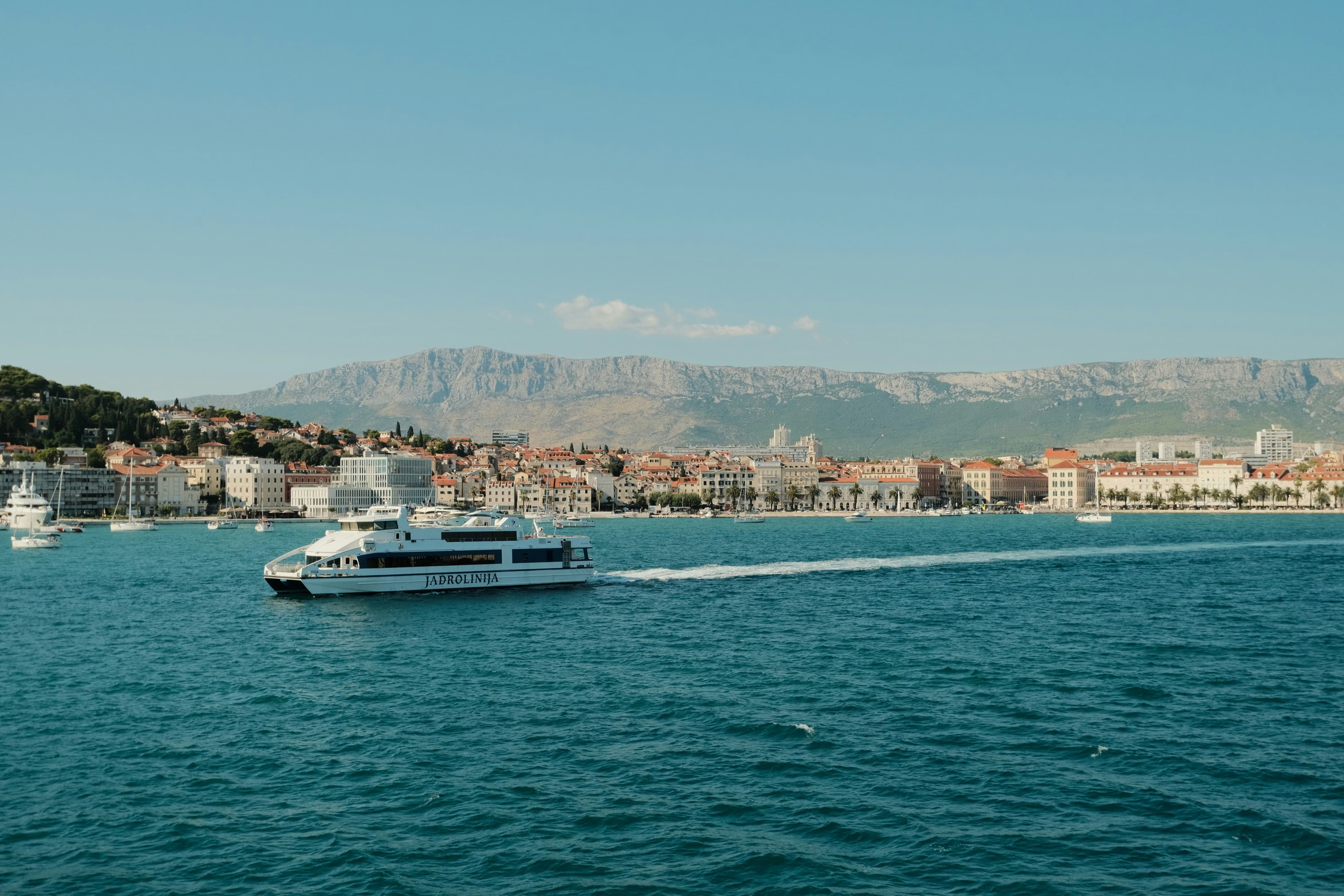
Use ferries and catamarans to move independently between islands — Hvar, Brač, Korčula, Vis, Šolta, Mljet, Cres, Lošinj, Rab and Dugi Otok. Best for travellers who want freedom of movement without joining a guided tour each day.
Boat Trips & Day Tours
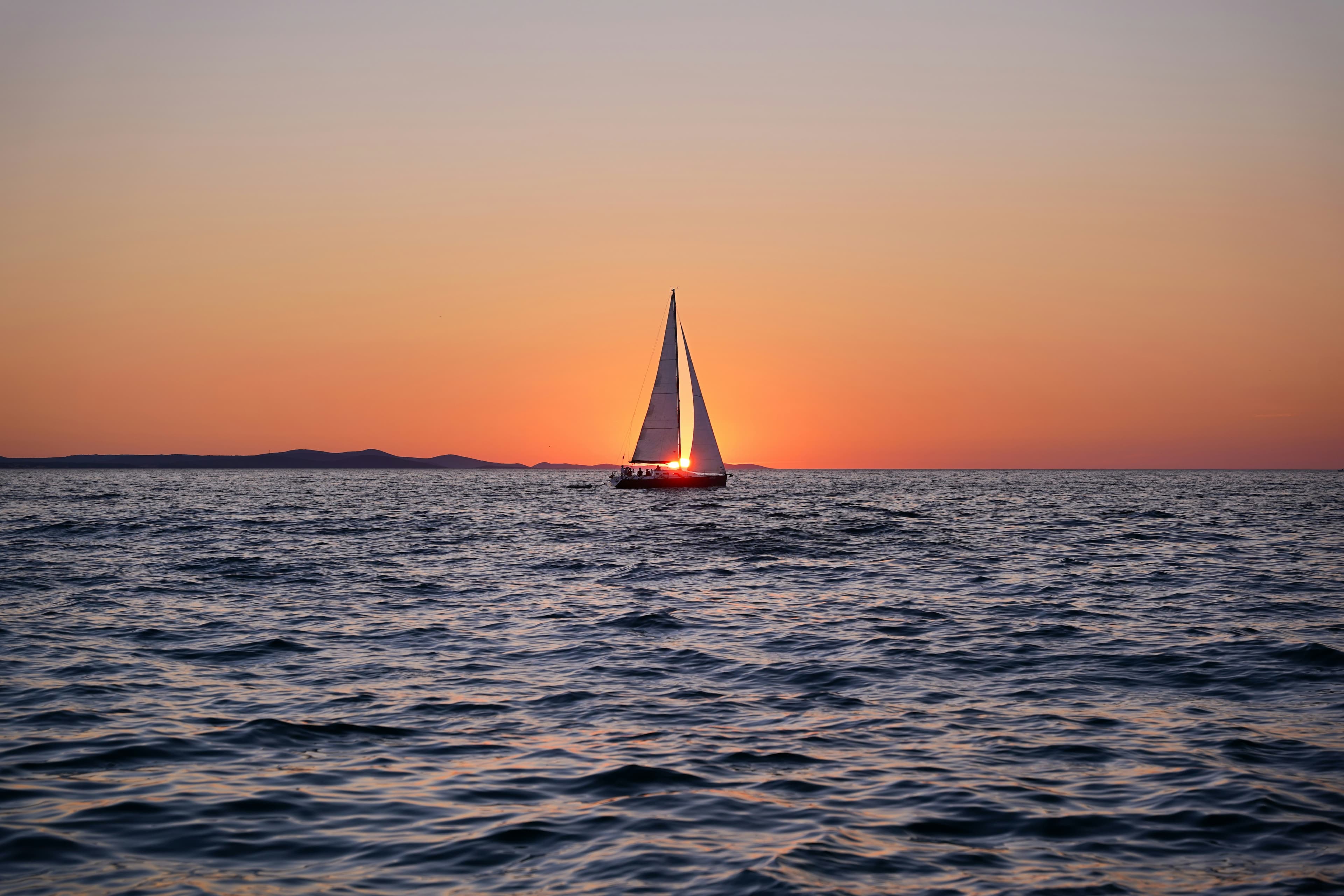
Full-day and half-day boat tours are the simplest way to reach caves, coves and smaller islands without planning ferry logistics. Popular bases include Split, Dubrovnik, Zadar, Šibenik, Hvar, Trogir and Makarska.
Sailing
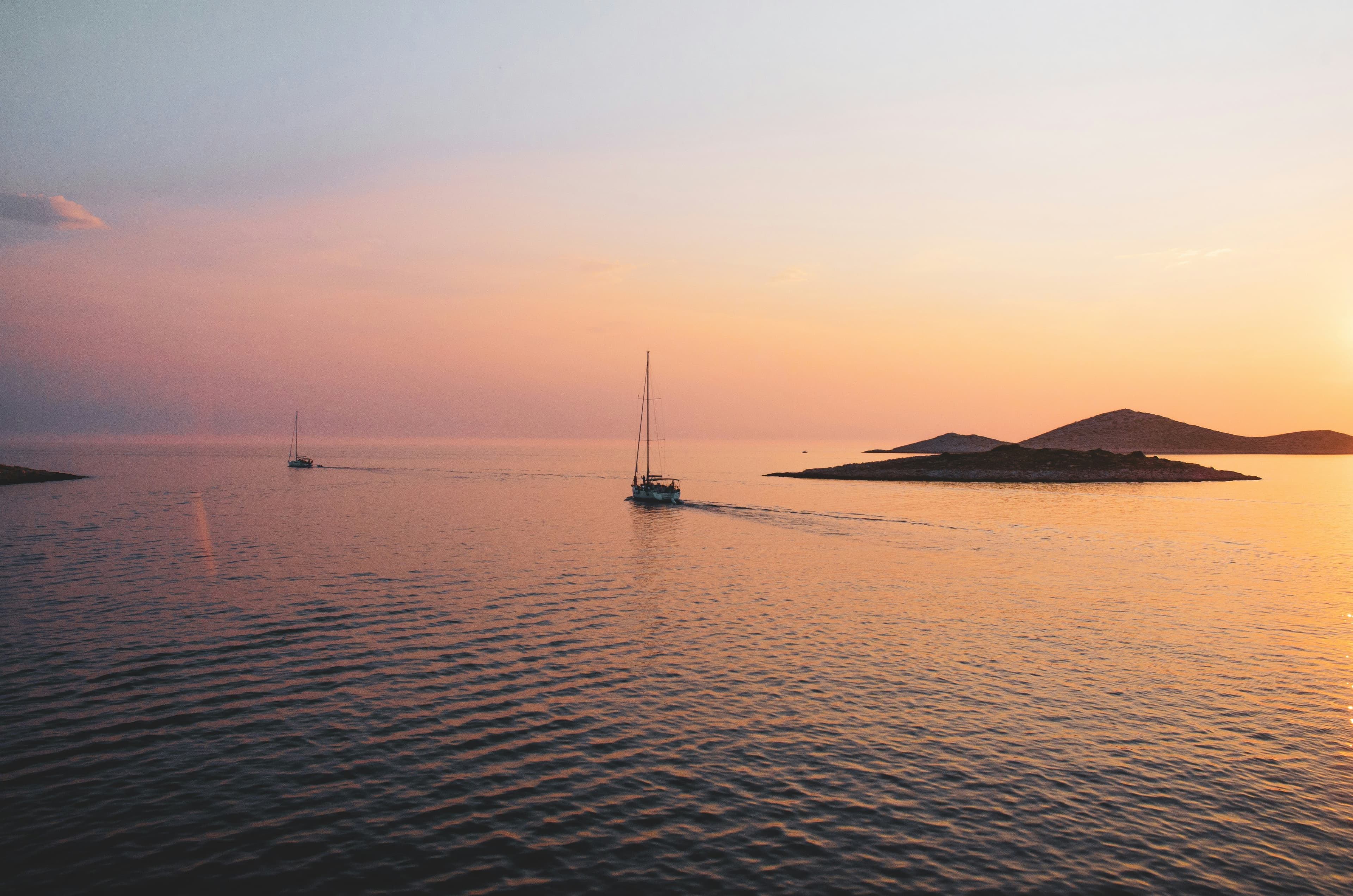
Croatia is one of Europe's classic sailing destinations — sheltered channels, island marinas and well-established week-long routes from Split, Dubrovnik, Zadar, Šibenik and Pula. Both bareboat and skippered options.
Sea Kayaking
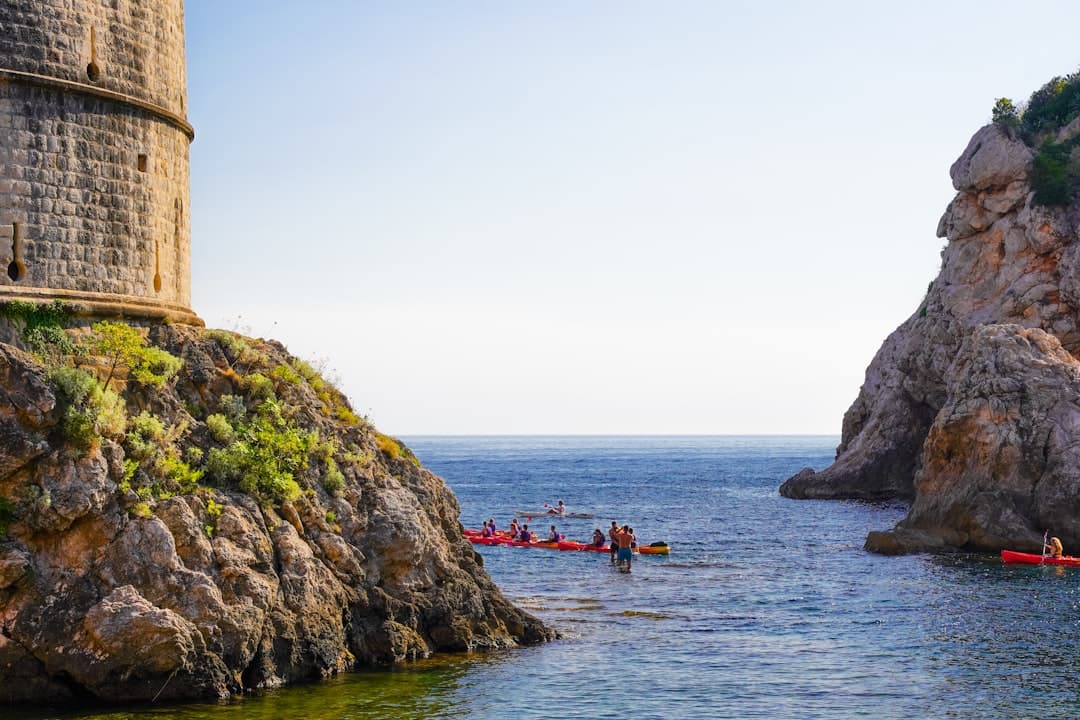
Kayaking gives a slower, closer view of the coast — particularly around Dubrovnik, the Elafiti Islands, Hvar, Korčula, Rovinj and the quieter parts of Dalmatia and Istria.
Beaches & Swim Stops
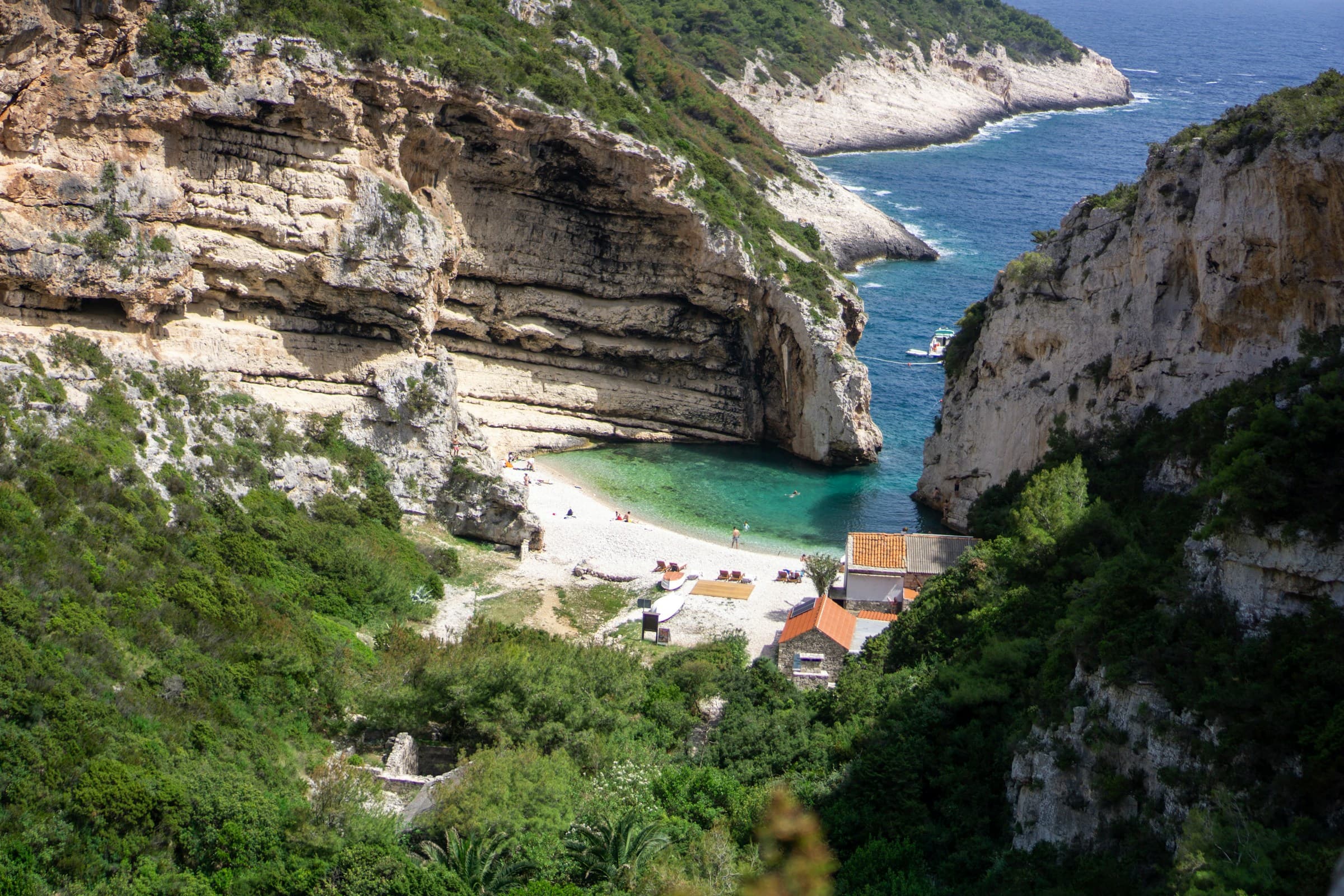
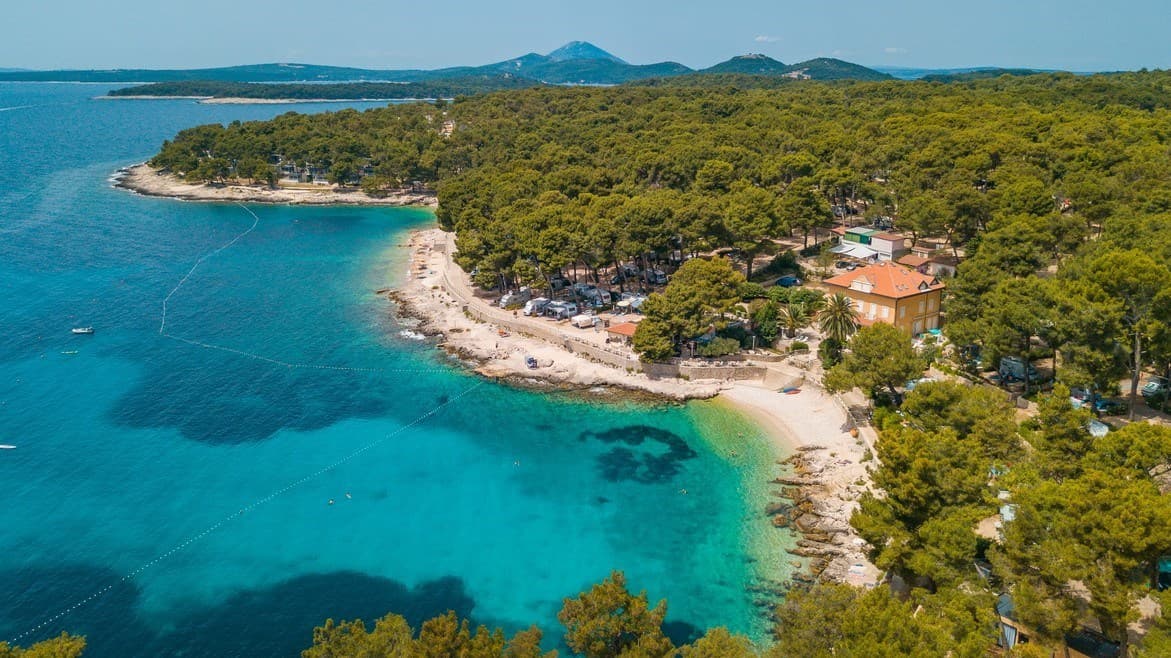
Croatia's best swimming is often from pebble coves, rocky shelves, boat-access beaches and island bays rather than long sandy stretches. The water clarity along most of the coast is consistently good.
Marine Parks & Nature
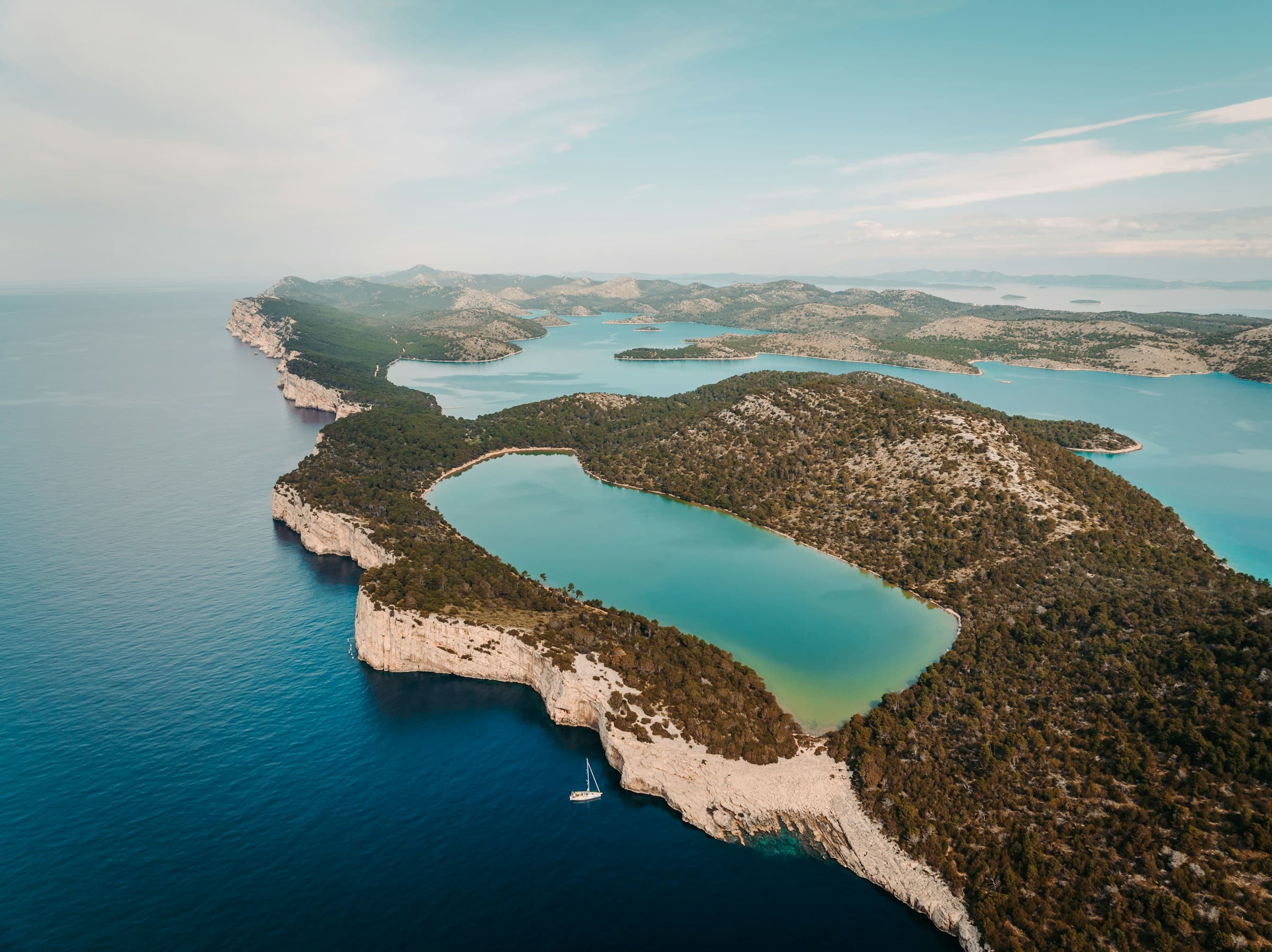
Kornati, Telašćica, Mljet, Lastovo and Brijuni offer a wilder side of the Adriatic — protected landscapes, stark cliffs, saltwater lakes, dolphin waters and quiet anchorages away from the main tourist routes.
Island Hopping by Ferry
Island hopping in Croatia can be simple or complicated depending on the route. Some islands have frequent summer catamarans; others need advance planning, overnight stays or a car ferry. The best routes usually follow the ferry network rather than fighting it.
Split — Central Dalmatia Routes
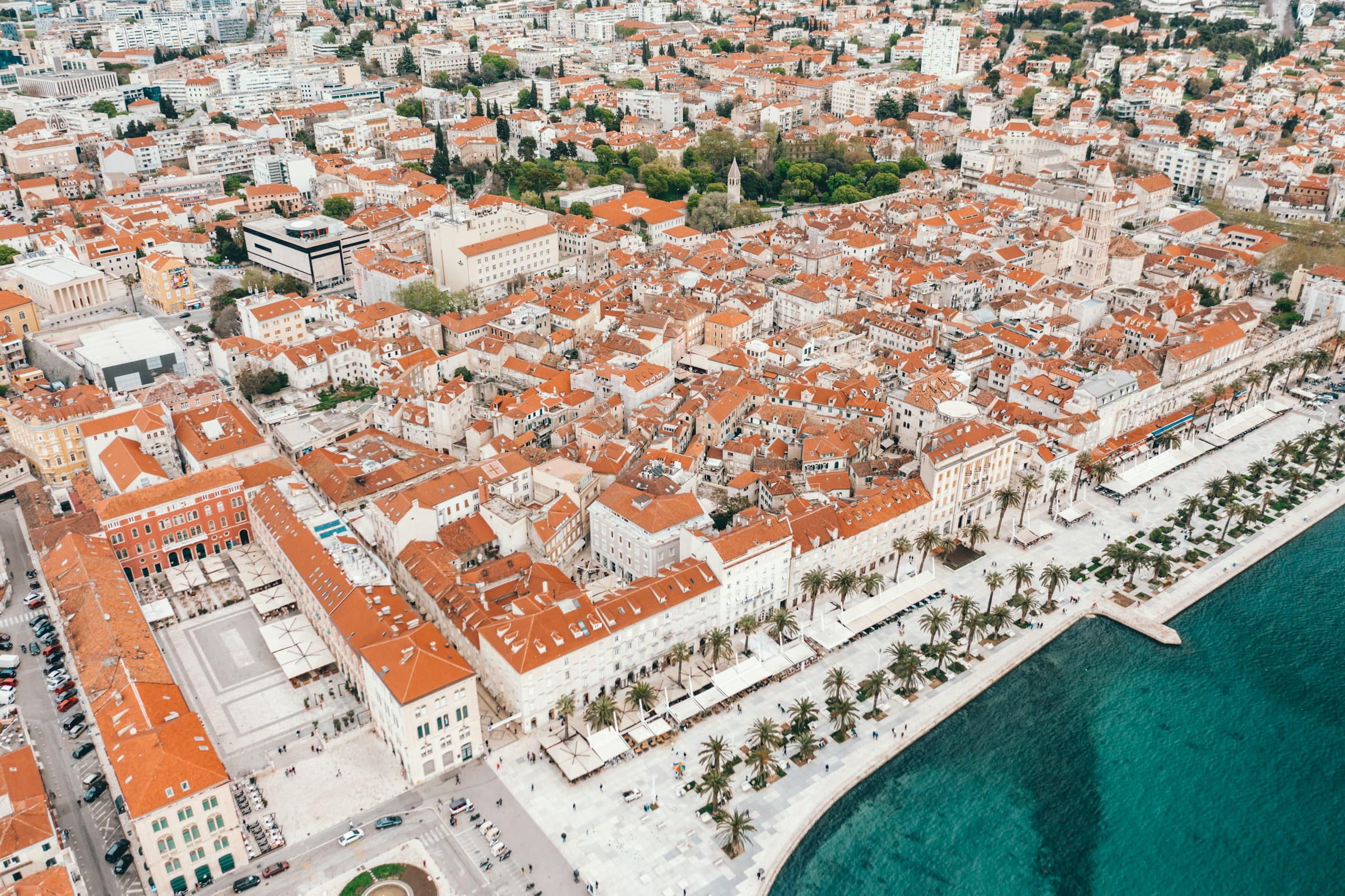
Split is the main ferry hub for central Dalmatia — direct connections to Hvar, Brač, Šolta, Vis and Korčula. Most routes run year-round with much higher summer frequency. Good for multi-island trips without returning to the mainland each day.
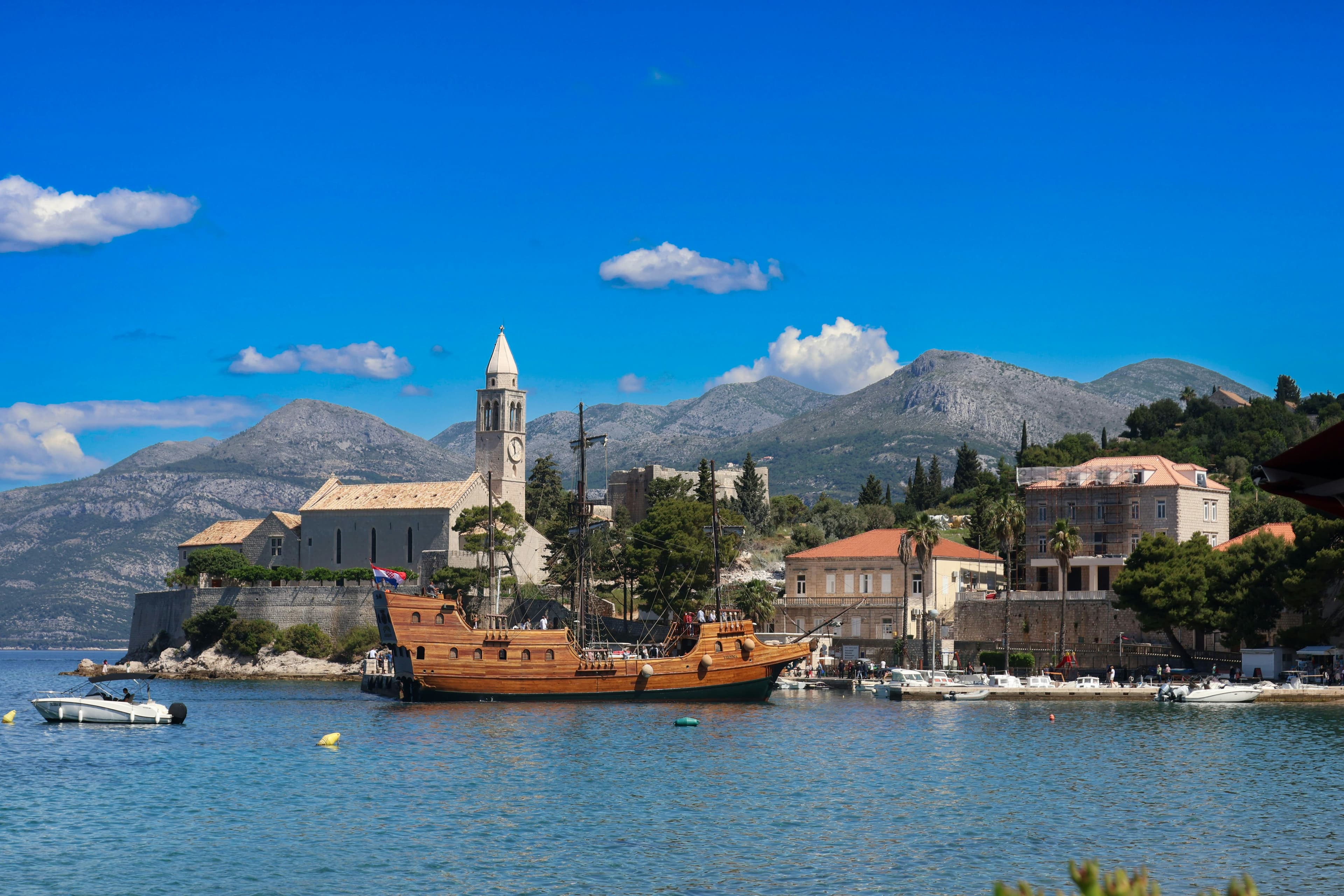
Dubrovnik — Southern Islands
Dubrovnik connects by ferry to the Elafiti Islands (Lopud, Šipan, Koločep), Mljet and Korčula. The Elafiti are the easiest day-trip islands from Dubrovnik; Mljet and Korčula benefit from an overnight stay.
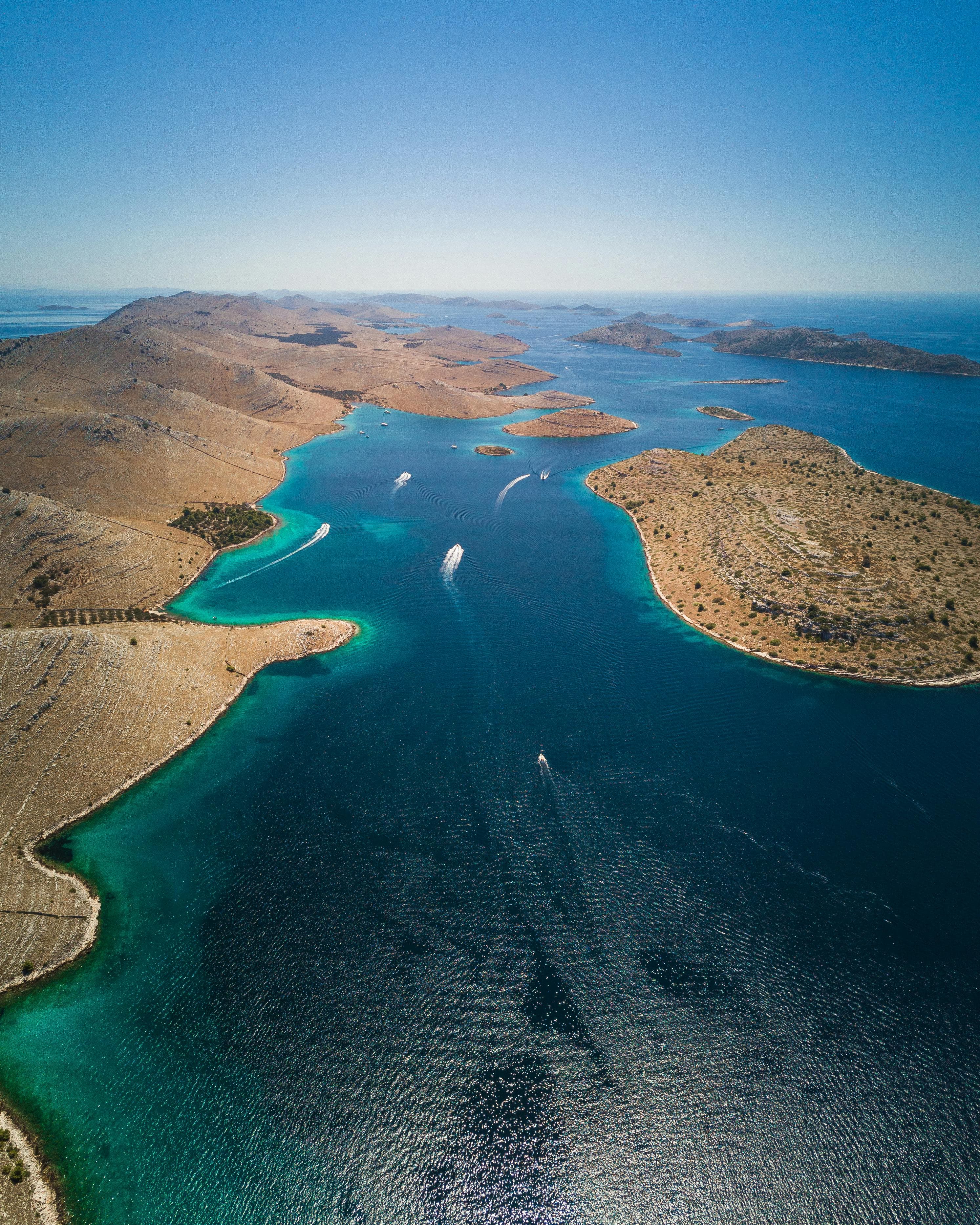
Zadar — Northern Dalmatian Archipelago
Zadar sits at the edge of one of the densest island chains on the coast — ferry connections to Dugi Otok, Ugljan and Pašman, and good access to Kornati and Telašćica for day trips by boat.
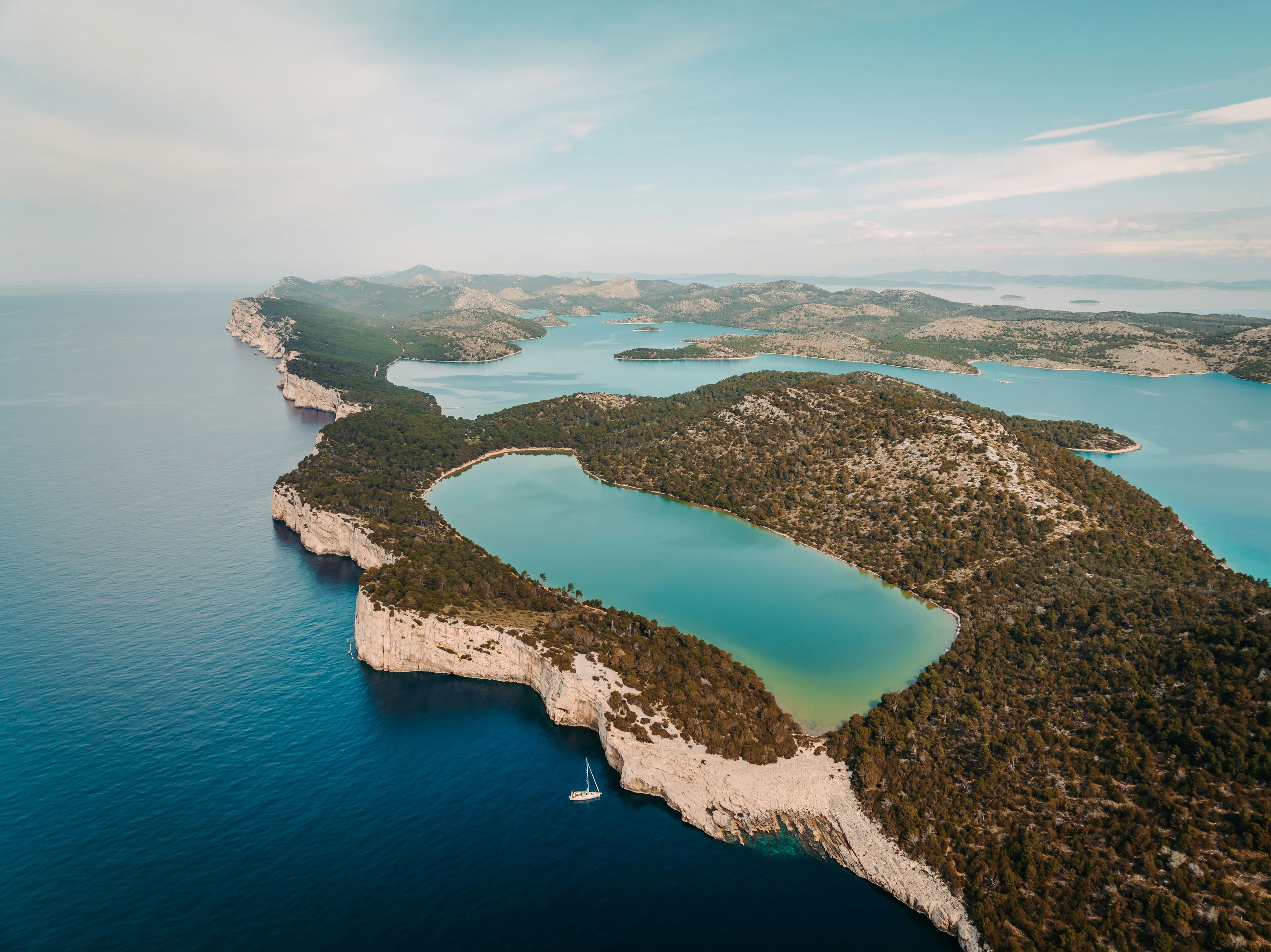
Šibenik — Quieter Island Routes
Šibenik connects to Zlarin, Prvić, Kaprije and Žirje — smaller, less-visited islands with authentic local life. Also the closest town to Kornati National Park for day-trip boat operators and sailing starts.
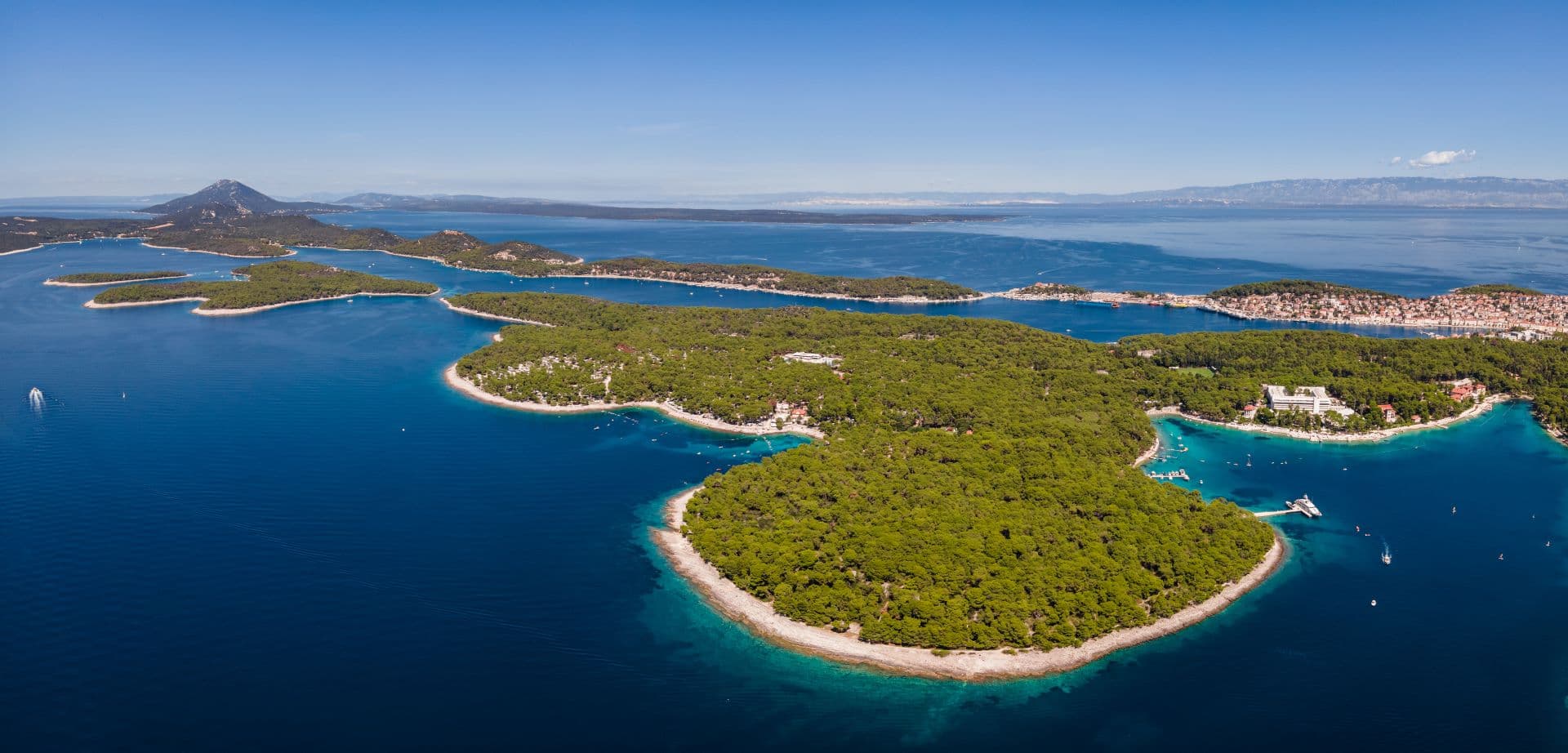
Kvarner — Northern Islands
Rijeka and the Kvarner coast connect to Cres, Lošinj, Rab and Krk. Krk is bridge-connected from the mainland; the others need ferries. Cres and Lošinj are linked by a short bridge. Quieter, cooler and less crowded than Dalmatia.
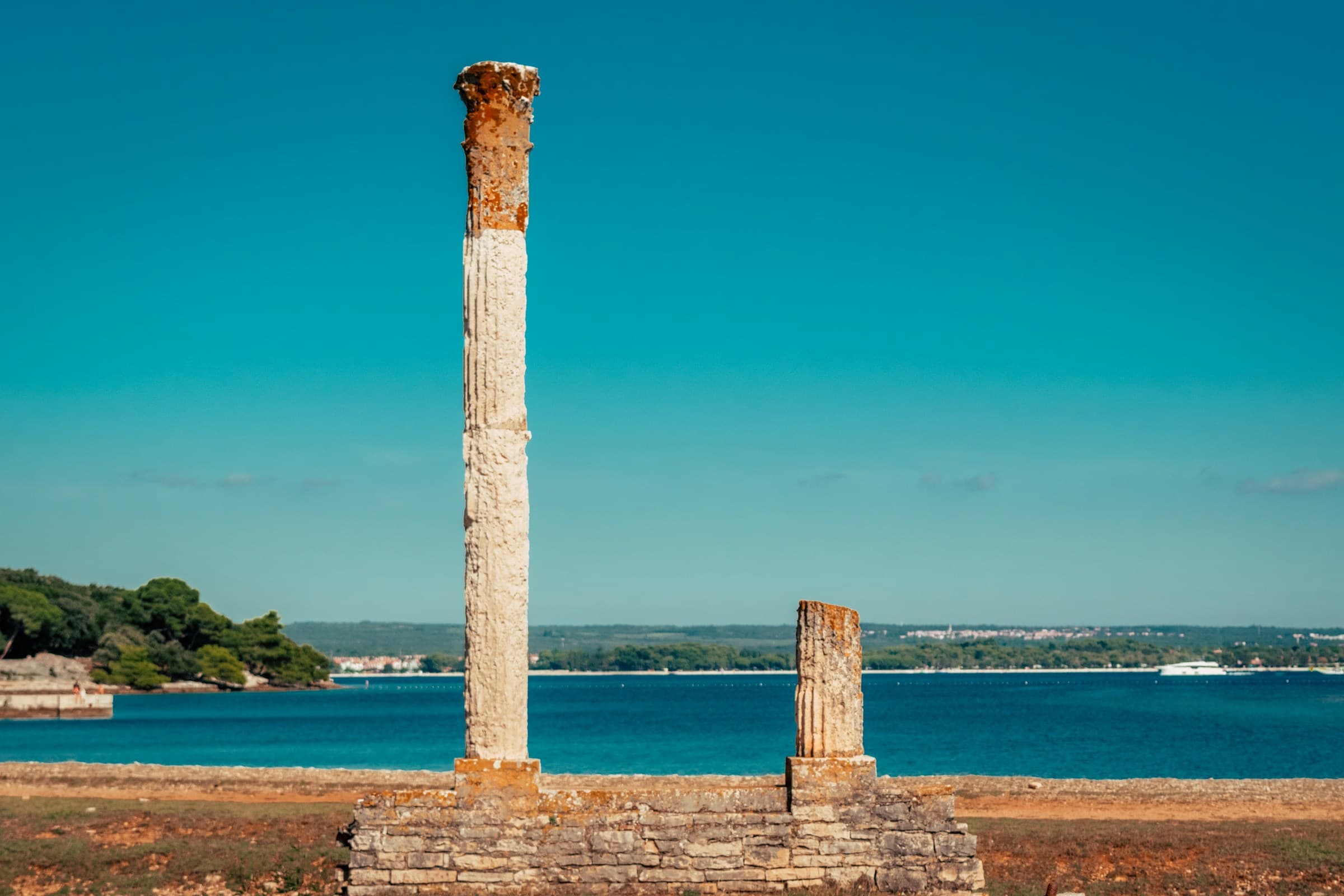
Istria & Brijuni
Brijuni National Park is reachable by boat from Fažana near Pula. Rovinj has boat trips to nearby islands and along the Istrian coast. Greener, calmer and less visited than the central Dalmatian routes.
Foot passengers first
Travelling without a car gives far more flexibility — catamarans run more frequently and to more islands than car ferries.
Summer: plan ahead
July and August ferry spaces fill up, especially for vehicles. Catamaran connections get crowded — arrive at the terminal early.
Some islands need an overnight.
Mljet, Lastovo and Vis are too far or too large to do well as a single long day trip. Build in at least one overnight.
Check seasonal timetables
Ferry schedules change significantly between summer and winter. Always verify on jadrolinija.hr before planning around a specific connection.
Boat Trips & Sailing
Boat trips are the easiest way to add the Adriatic to a trip without building a full island-hopping itinerary. Sailing is a deeper commitment — slower, more flexible and better suited to travellers who want the sea to be the main part of the holiday.
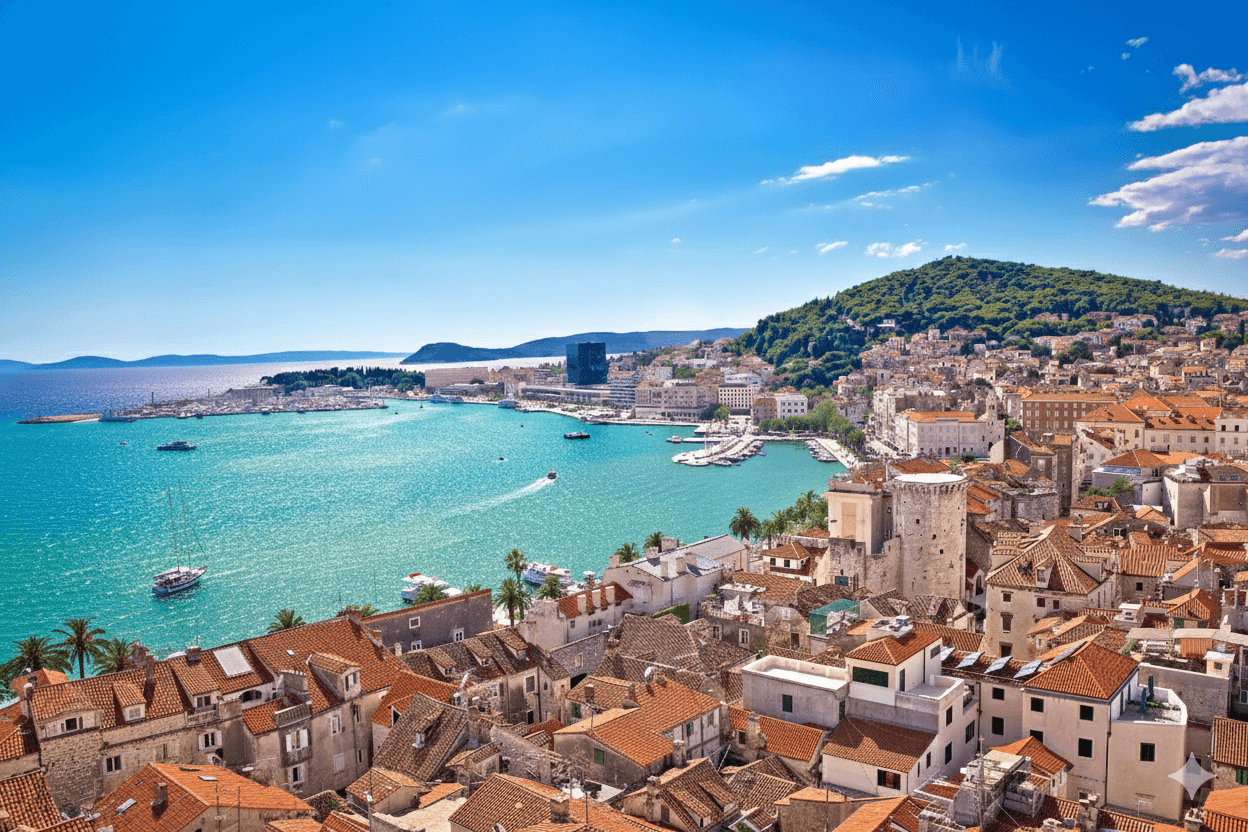
Most popular base
Split
The best variety of any base in Croatia — Blue Cave and Vis, Hvar and Pakleni Islands, Brač, Šolta and multiple swimming stops. Most tours are full day with several stops included.
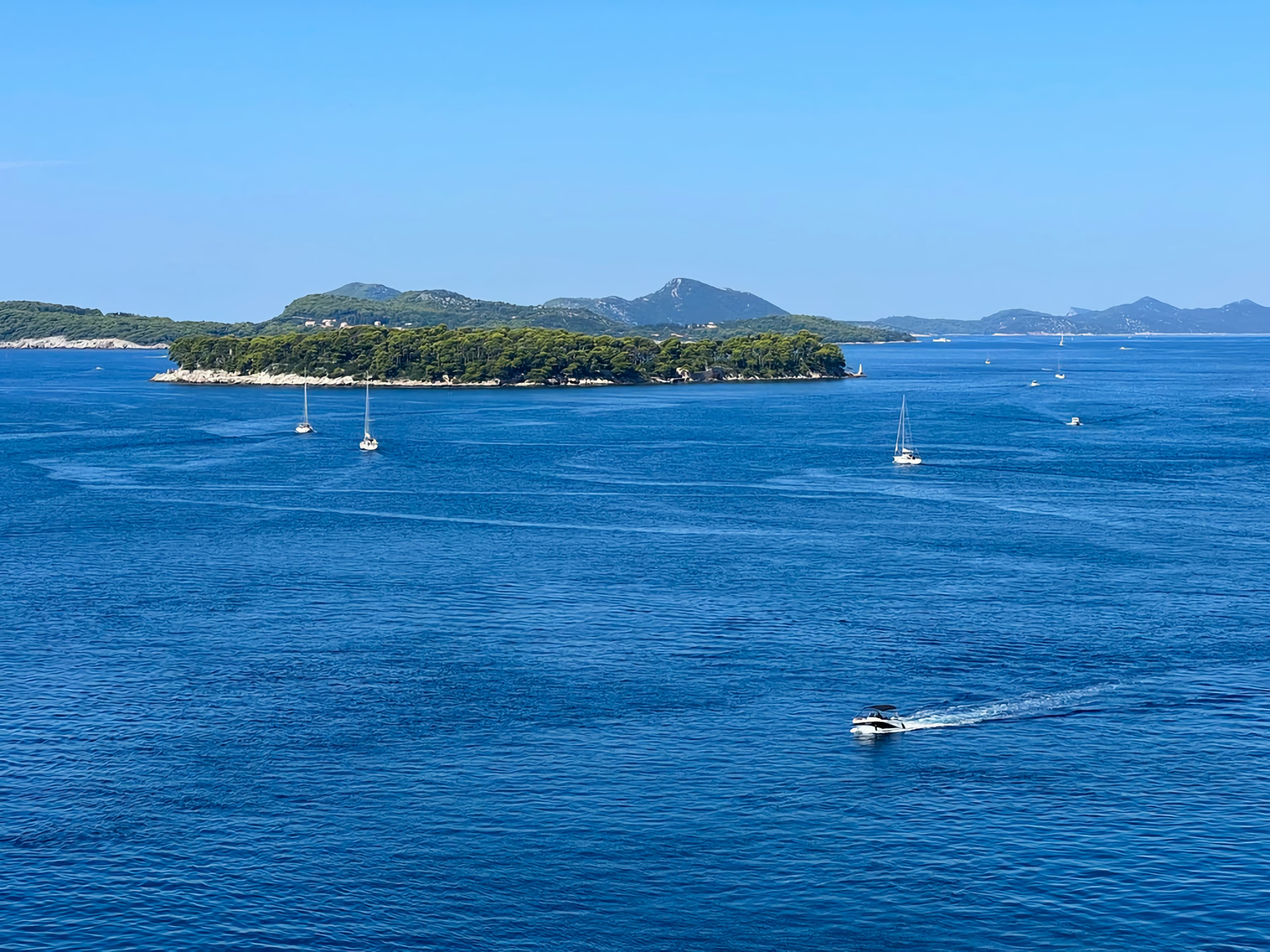
Dubrovnik
Best for Elafiti Islands, Lokrum island, sea caves, sunset cruises and private boat days along the southern coastline. Elafiti trips work well as easy half-day or full-day options from the old city harbour.
Zadar
Good base for Kornati, Telašćica, Dugi Otok and the Saharun sandy beach. Day tours from Zadar often combine several island and nature park stops in one trip.
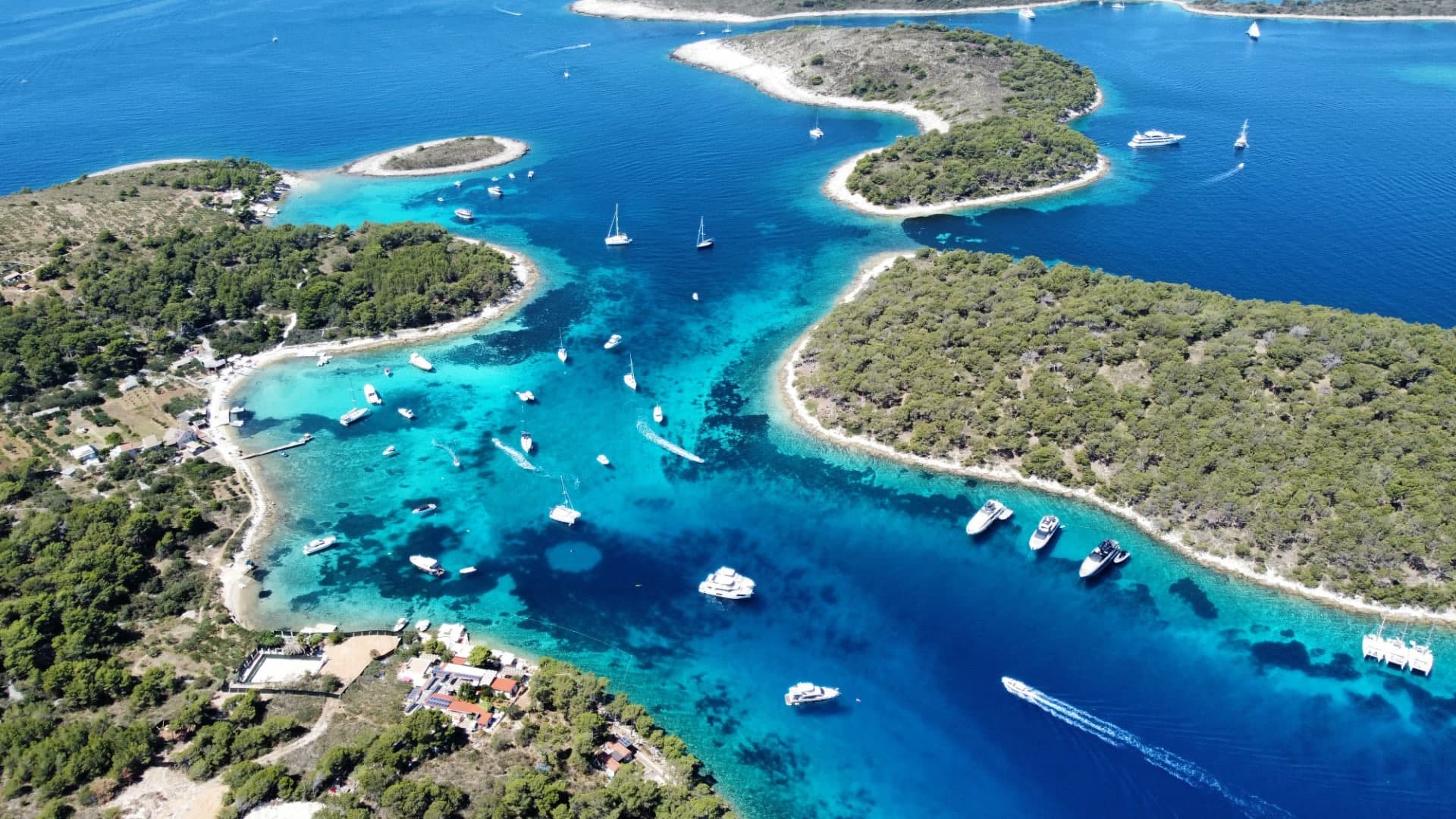
Hvar & Pakleni Islands
Hvar Town is a natural launch point for the Pakleni Islands — a string of small islands directly opposite the harbour with good clear-water coves, rocky swimming and restaurant stops.
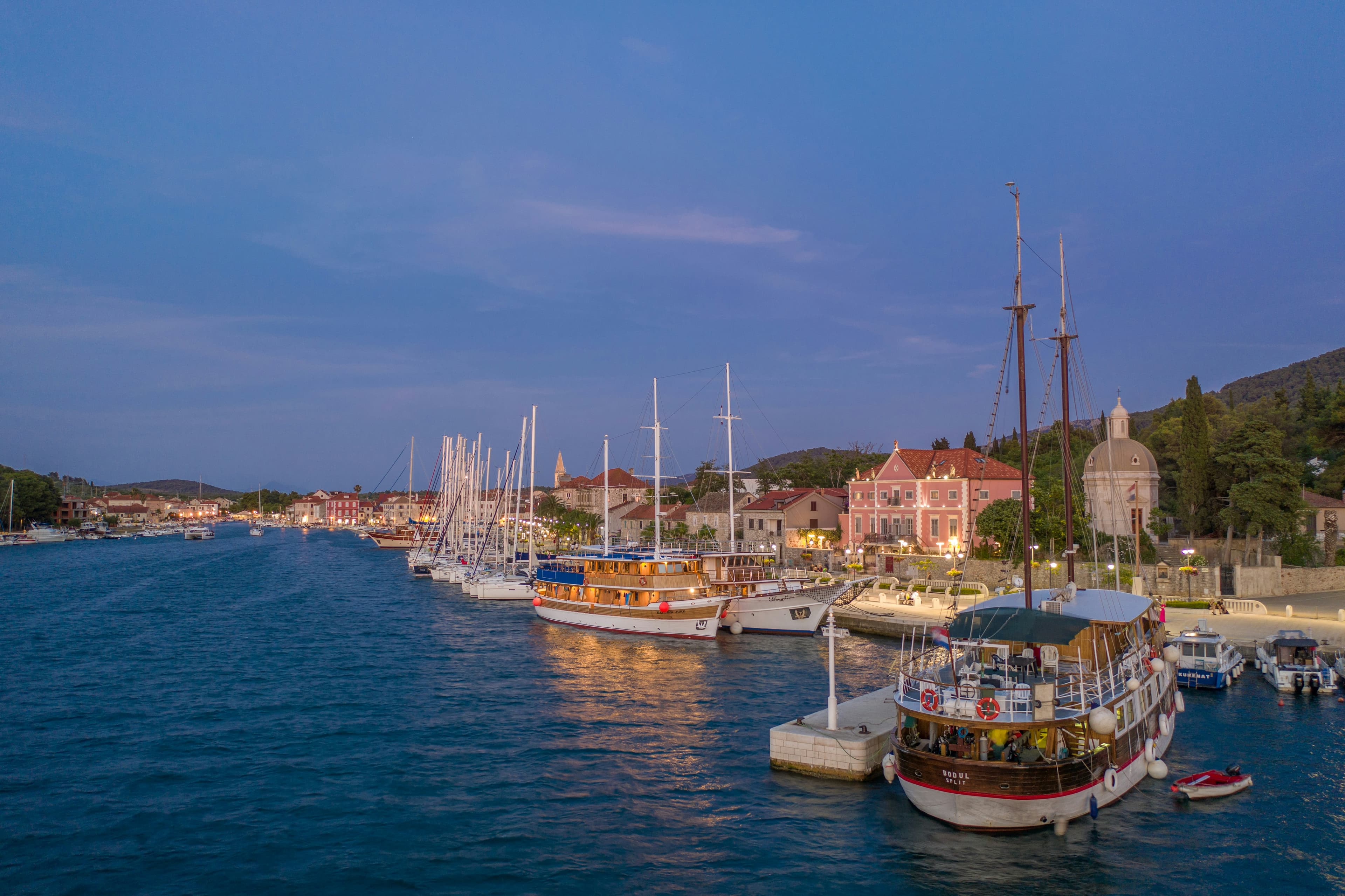
Sailing holidays
Sailing Routes
Croatia's main sailing routes connect Split, Trogir, Šibenik, Zadar, Dubrovnik and Pula. Week-long bareboat and skippered charters follow island channels, marina towns, quiet bays and swim stops.
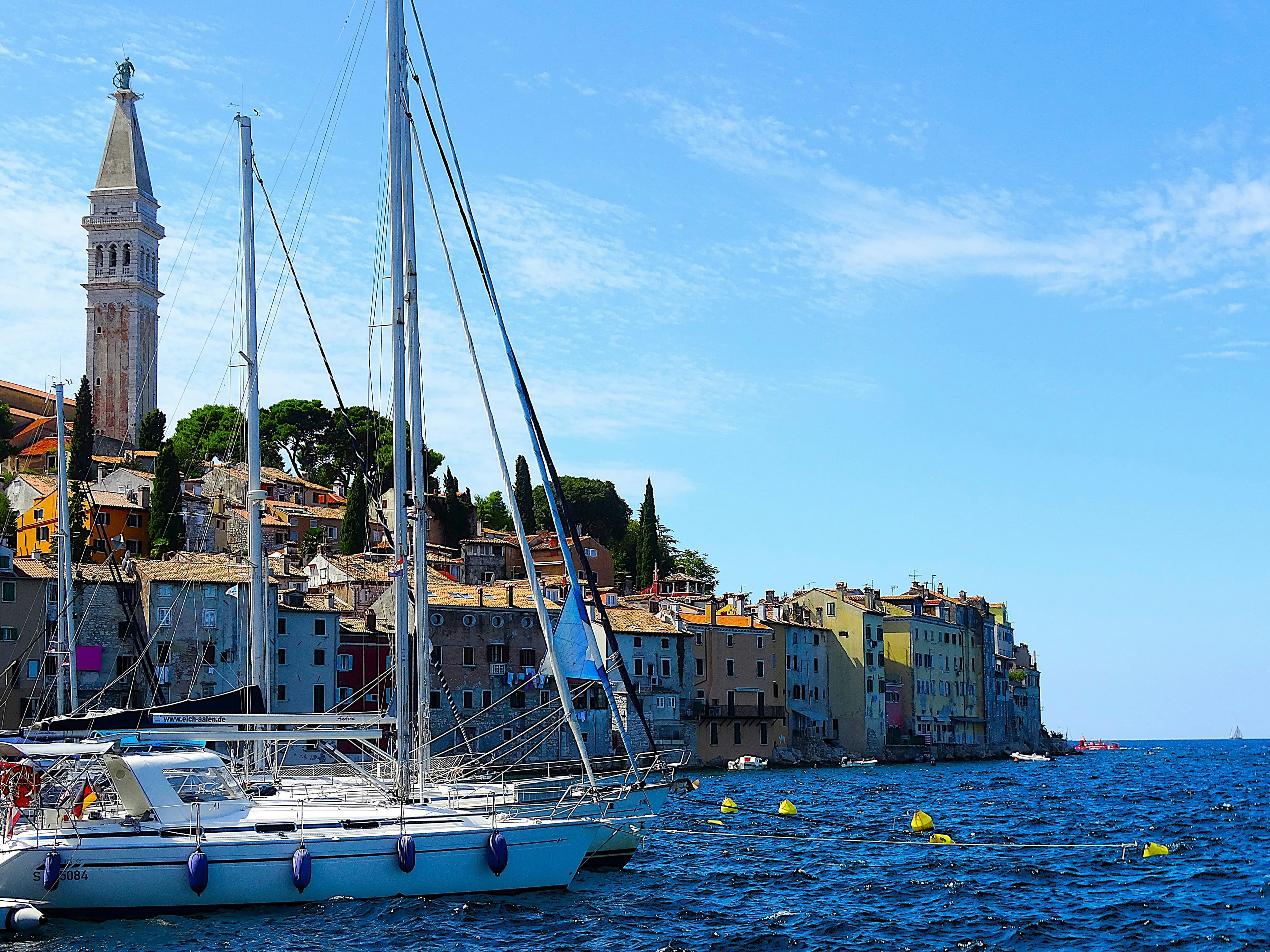
Istria & Kvarner
Rovinj, Pula, Brijuni, Cres, Lošinj and Rab offer dolphin watching, island swimming stops and gentler family-friendly boat days. Less crowded than central Dalmatia in July and August.
Book Boat Trips & Island Tours in Croatia
Blue Cave tours from Split, Kornati day trips, Elafiti Island boat days, sunset cruises in Dubrovnik and sea kayaking along the Dalmatian coast.
Kayaking, Caves & Active Sea Experiences
For travellers who want something more active than a beach day, Croatia's coast works well for kayaking, snorkelling, cave visits and guided sea adventures. Dubrovnik, the Elafiti Islands, Hvar and the Istrian coast are the best-developed areas for guided trips.
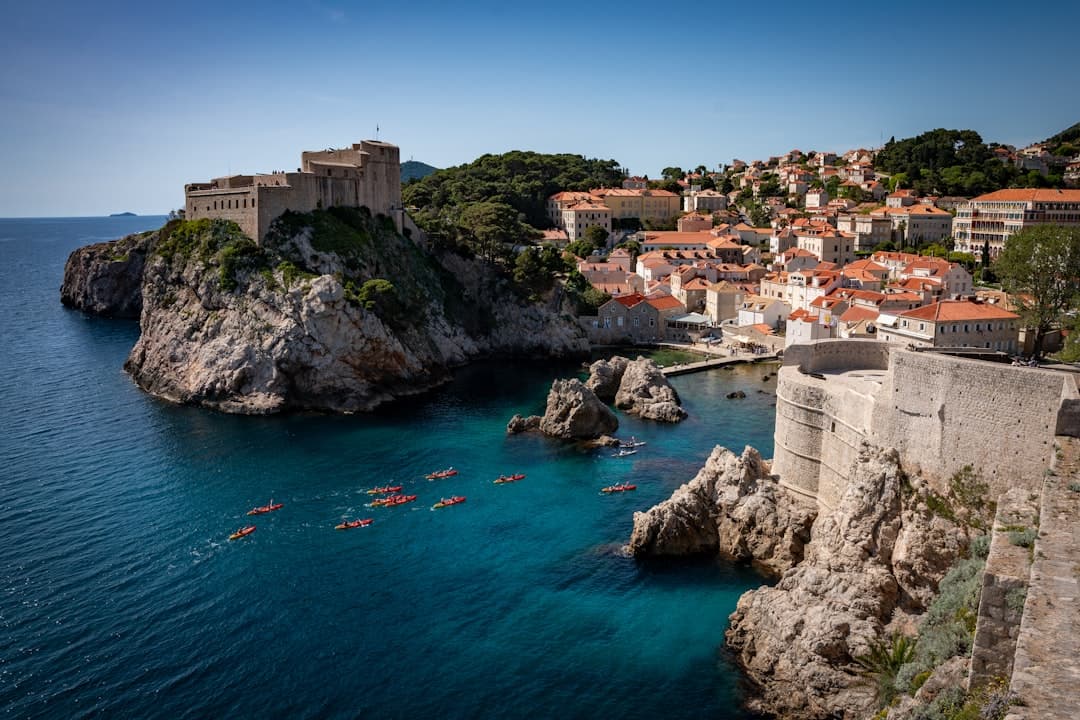
Most popular
Dubrovnik — Below the Walls
Paddle below the city walls, around Lokrum island and along the rocky coastline. Best in early morning or at sunset when the light is low and the water is calmer. The most popular sea kayaking trip in Croatia.
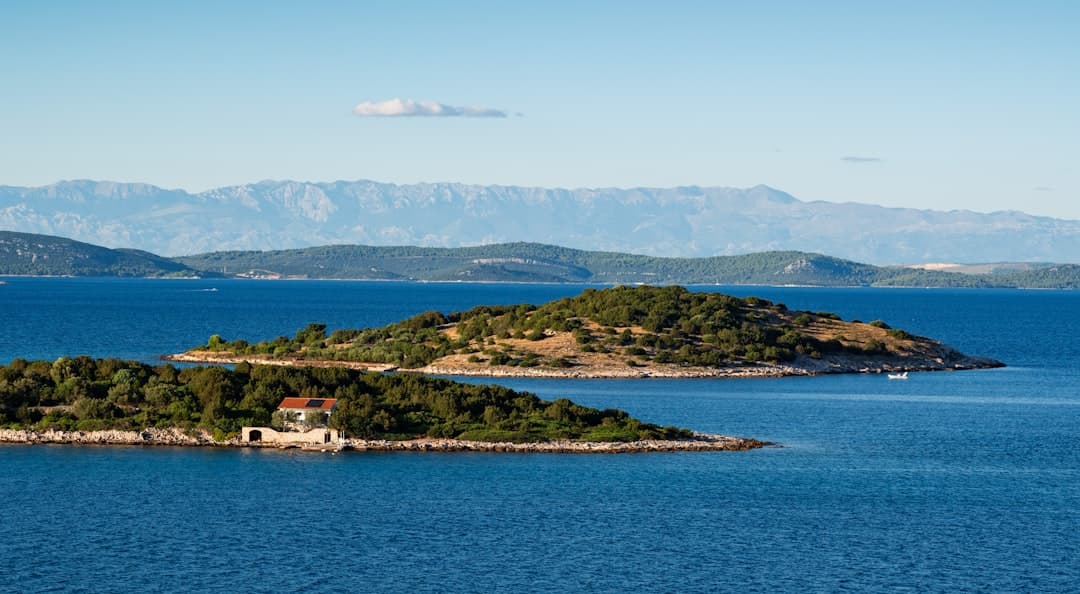
Elafiti Islands
The sheltered channels between the Elafiti Islands near Dubrovnik make for straightforward multi-day paddling — calm water, pine-covered shorelines and the option to overnight on Lopud or Šipan.
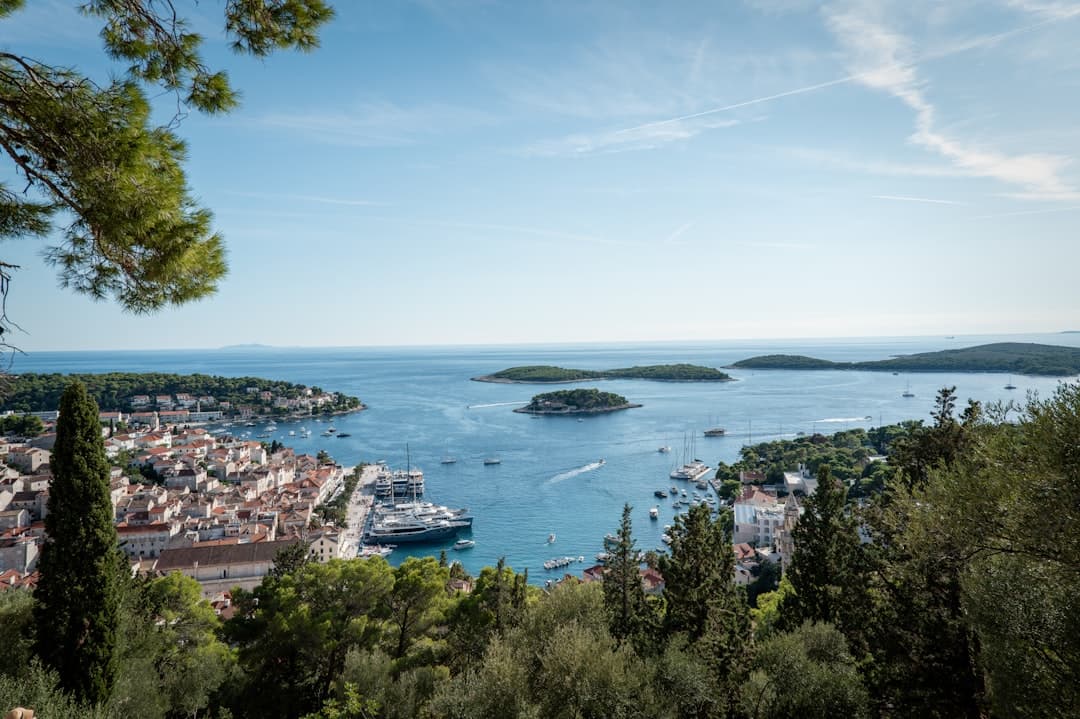
Hvar & Pakleni Islands
Kayak from Hvar Town across to the Pakleni Islands — a short crossing with good shelter and multiple cove landing spots. Half-day guided trips are widely available from the harbour.
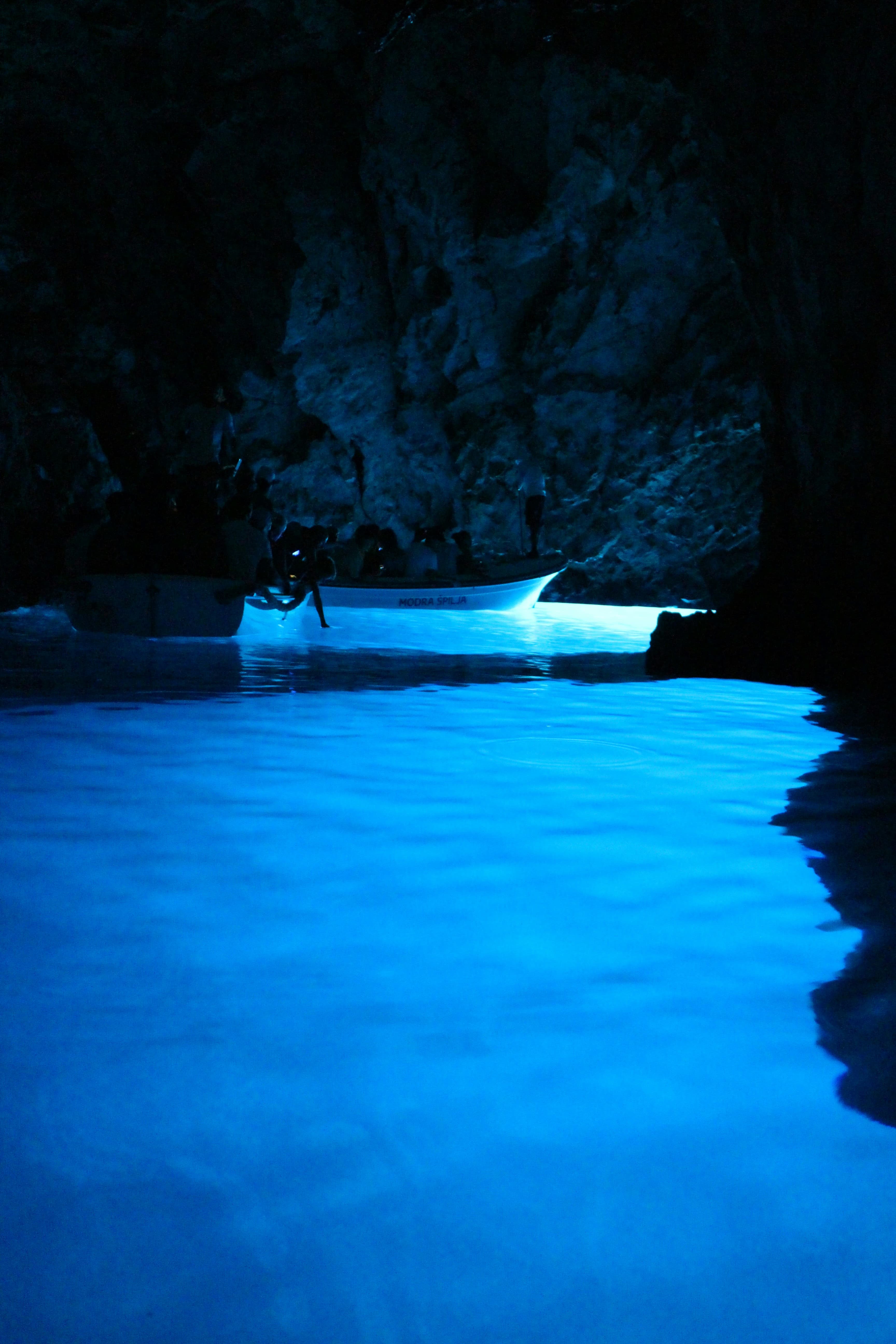
Blue Cave & Sea Caves
The Blue Cave on Biševo island is Croatia's most famous cave experience — usually visited by speedboat from Split, Hvar or Vis. Other swim-through caves, sea arches and grottos appear on local boat routes throughout Dalmatia and Istria.
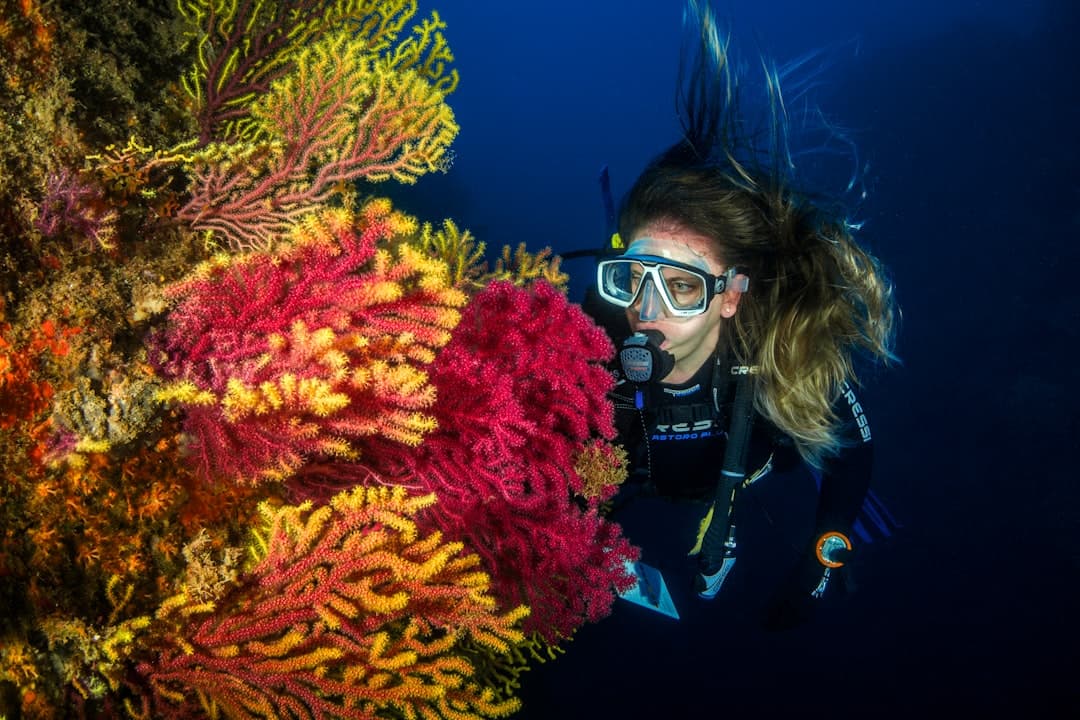
Snorkelling & Diving
The Adriatic is not a tropical reef, but visibility is consistently good — rocky coves, island walls, wrecks and shallow bays reward snorkellers. For serious diving, Vis, Kornati and the Lastovo area offer the best conditions.
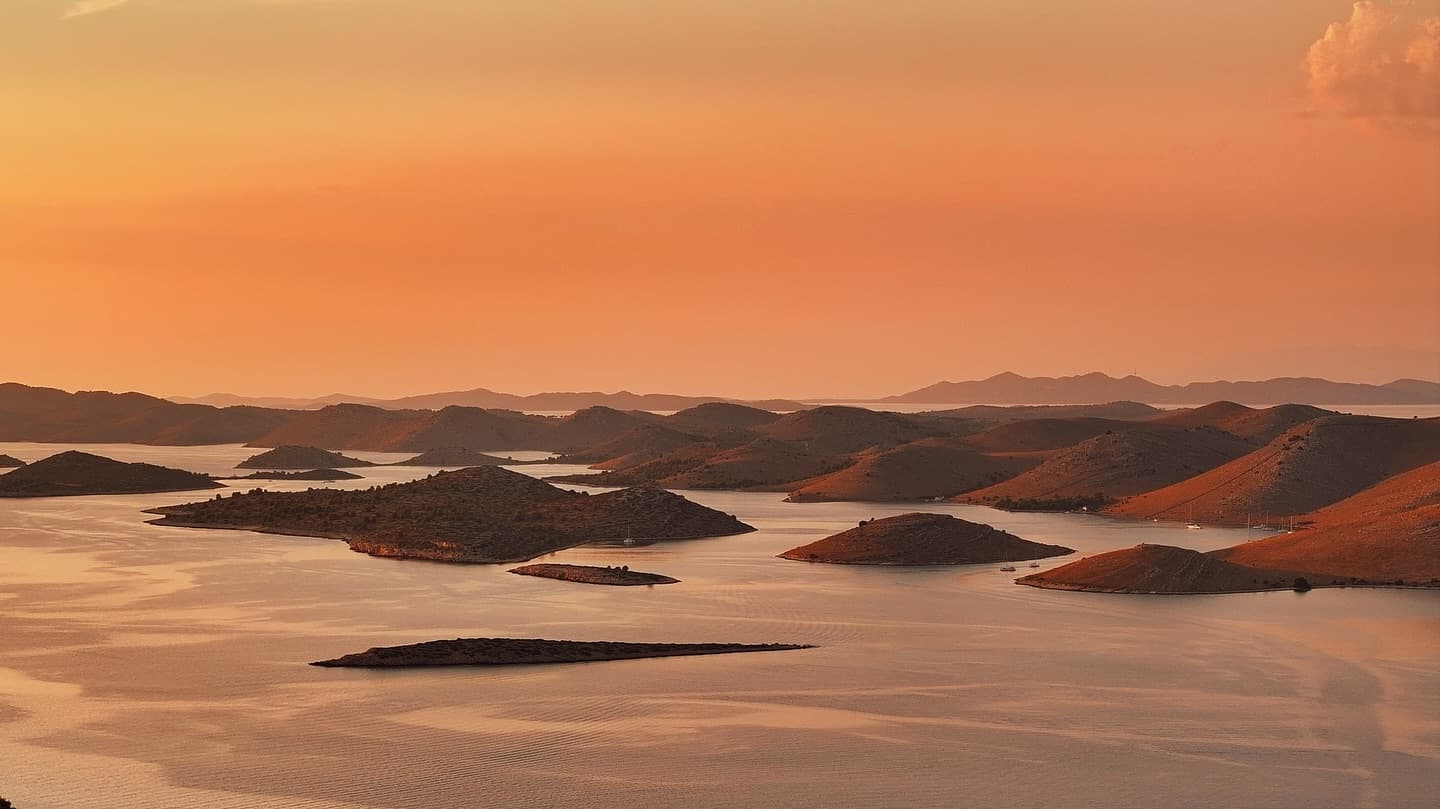
Northern Dalmatia — Zadar, Šibenik & Kornati Area
A quieter alternative to Dubrovnik, this region is excellent for island-based sea kayaking: Zadar's outer islands, the Šibenik archipelago and the Kornati area offer calm channels, limestone cliffs, reefs, pebble coves and sheltered bays, with good bases in Zadar, Šibenik and Murter.
Beaches, Swimming Spots & Sea Coves
Croatia's coast is famous for clear water, not endless sand. Most of the best swim spots are pebble beaches, rocky shelves, pine-backed coves or bays reached by boat, footpath or scooter. Knowing what to expect helps avoid disappointment.
Must-know
Classic Croatian Beaches
Zlatni Rat on Brač, Banje in Dubrovnik, Bačvice in Split, Punta Rata in Brela, Sakarun on Dugi Otok and Rajska Plaža on Rab. The best-known and busiest — often worth visiting in June or September rather than August.
Sandy
Sandy Beaches
Genuinely sandy beaches are uncommon in Croatia. The best examples include Sakarun on Dugi Otok, Rajska Plaža on Rab, Šunj on Lopud and a handful of spots on the Makarska Riviera. Worth knowing before you book.
Boat-access
Boat-Access Coves
Some of the best swimming in Croatia is in bays only reachable by boat — often included as stops on full-day tours. Expect clear water, no facilities and limited shade. Bring water, food and sun protection.
Rocky
Rocky Swimming Spots
Common throughout Istria, the Kvarner and Dalmatia — clean entry from flat limestone shelves or rocky ledges into clear water. Water shoes make a genuine difference. Rovinj's Golden Cape and Cape Kamenjak in Istria are good examples.
Families
Family-Friendly Beaches
Look for shallow entry, shade, facilities and nearby parking. Rab's Lopar peninsula, Biograd, parts of the Makarska Riviera and some Kvarner resort towns are the easiest options for families with young children.
Quieter
Quieter Beaches & Off-Season Swimming
Early morning, late afternoon and shoulder season (June, September) give the same water quality with far fewer people. Lesser-known islands and unfeatured bays on popular islands are often as good as the famous ones.
Marine Parks & Nature Experiences
Croatia's protected sea landscapes are best experienced by boat, kayak, ferry or guided nature trip. They are not just scenery — they represent some of the wildest and least-disturbed coastline left in the Mediterranean.
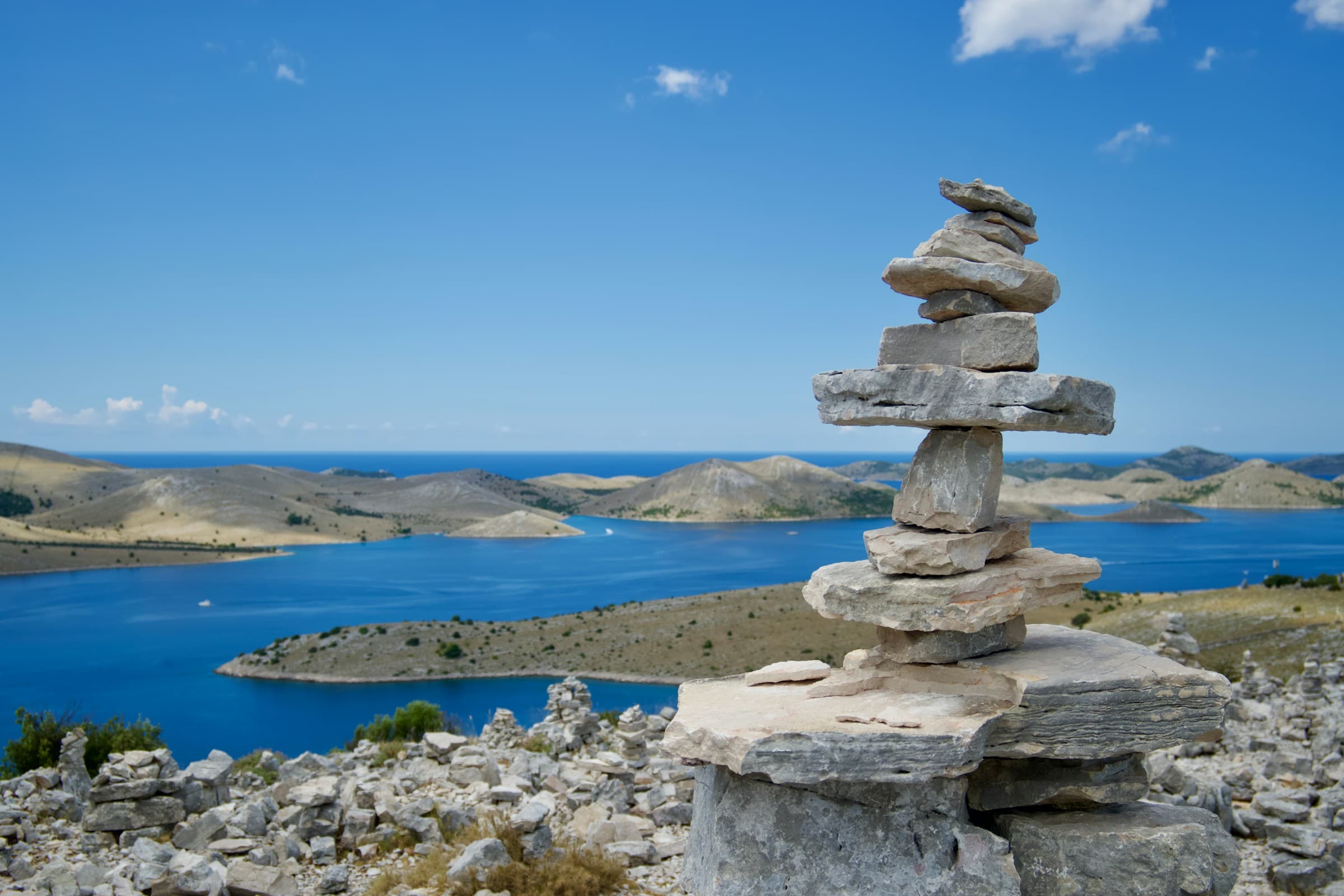
National Park
Kornati National Park
A maze of 89 stark limestone islands, reefs and cliffs in the northern Dalmatian sea. Usually visited by boat from Zadar, Šibenik or Murter. One of the most dramatic and concentrated island landscapes in the Mediterranean.
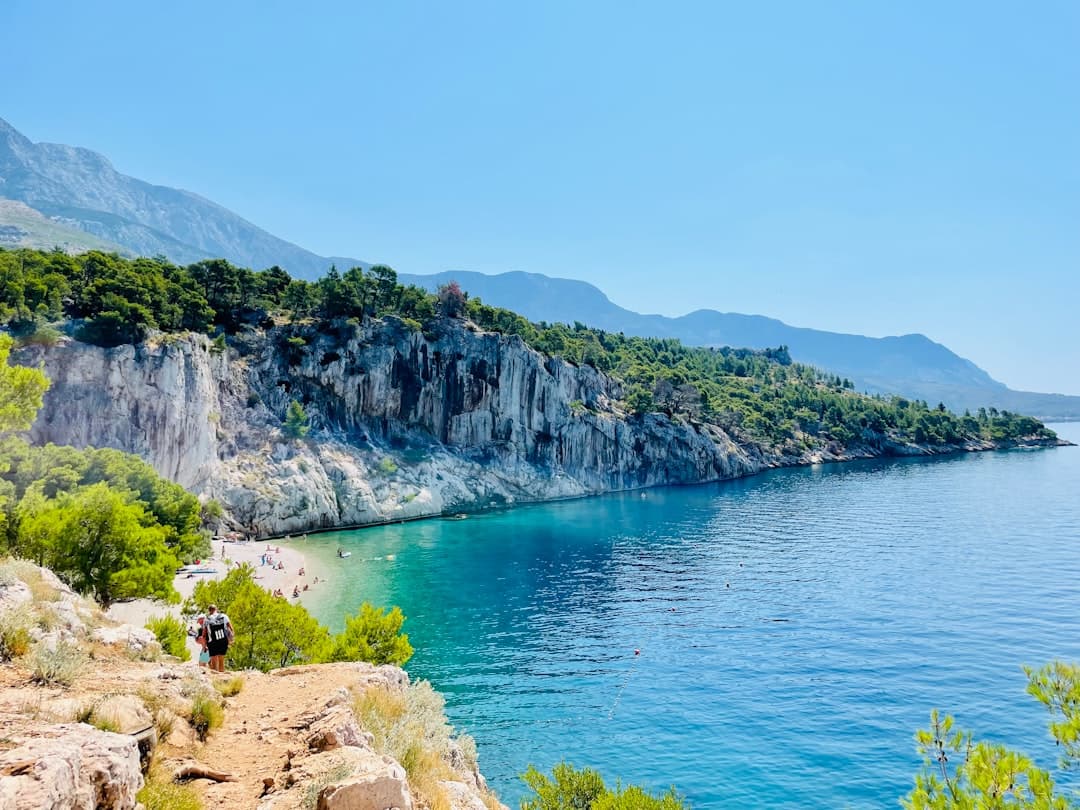
Nature Park
Telašćica Nature Park
On the southern tip of Dugi Otok, adjacent to Kornati and often combined on the same boat trip. Known for sheer cliffs, a saltwater lake and quiet anchorages. Less visited than Kornati with a calmer atmosphere.
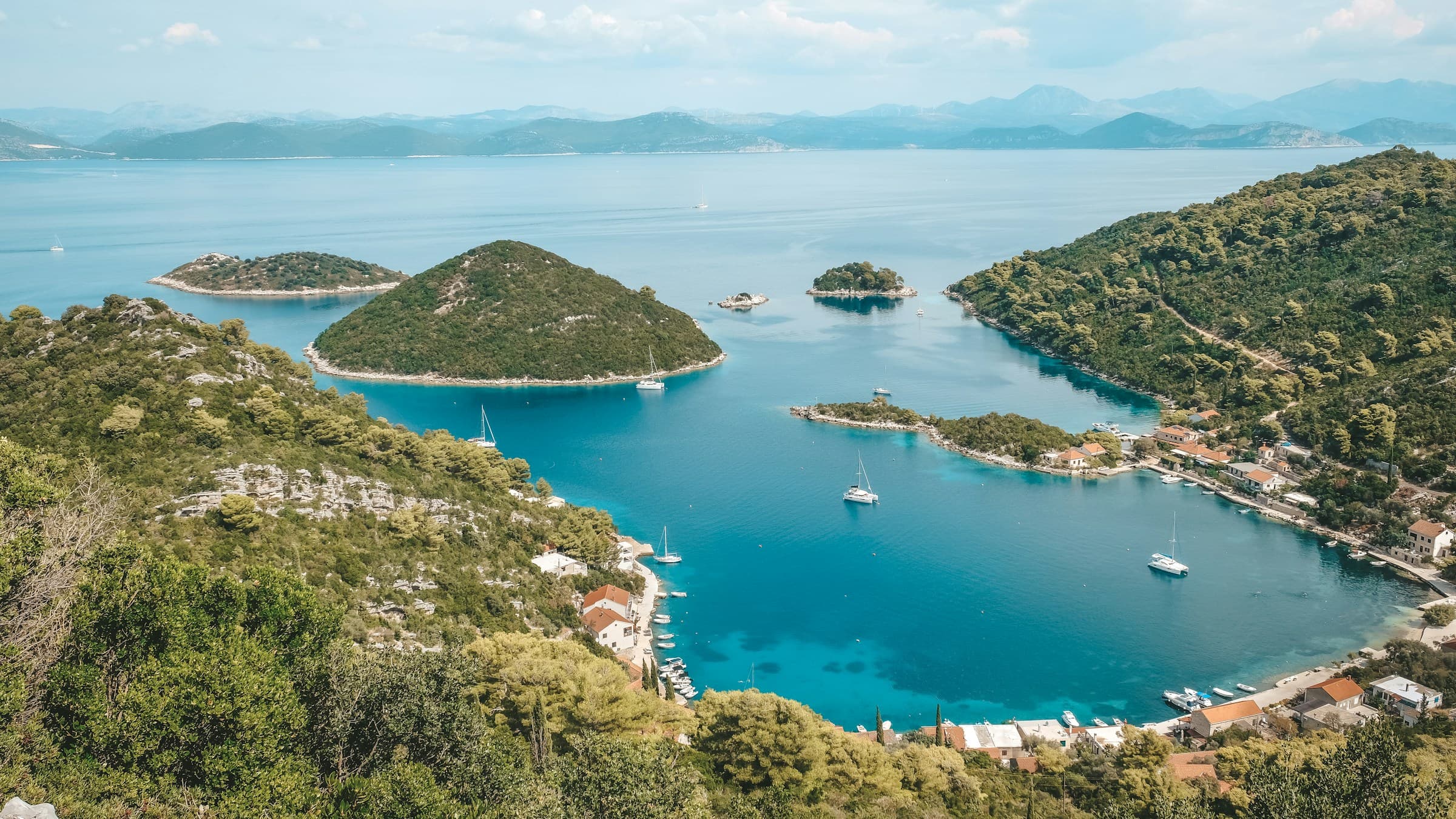
National Park
Mljet National Park
A green, forested island in southern Dalmatia with two saltwater lakes, a Benedictine monastery on a small island within the larger lake, cycling paths, kayaking and ferry connections from Dubrovnik, Korčula and Hvar.
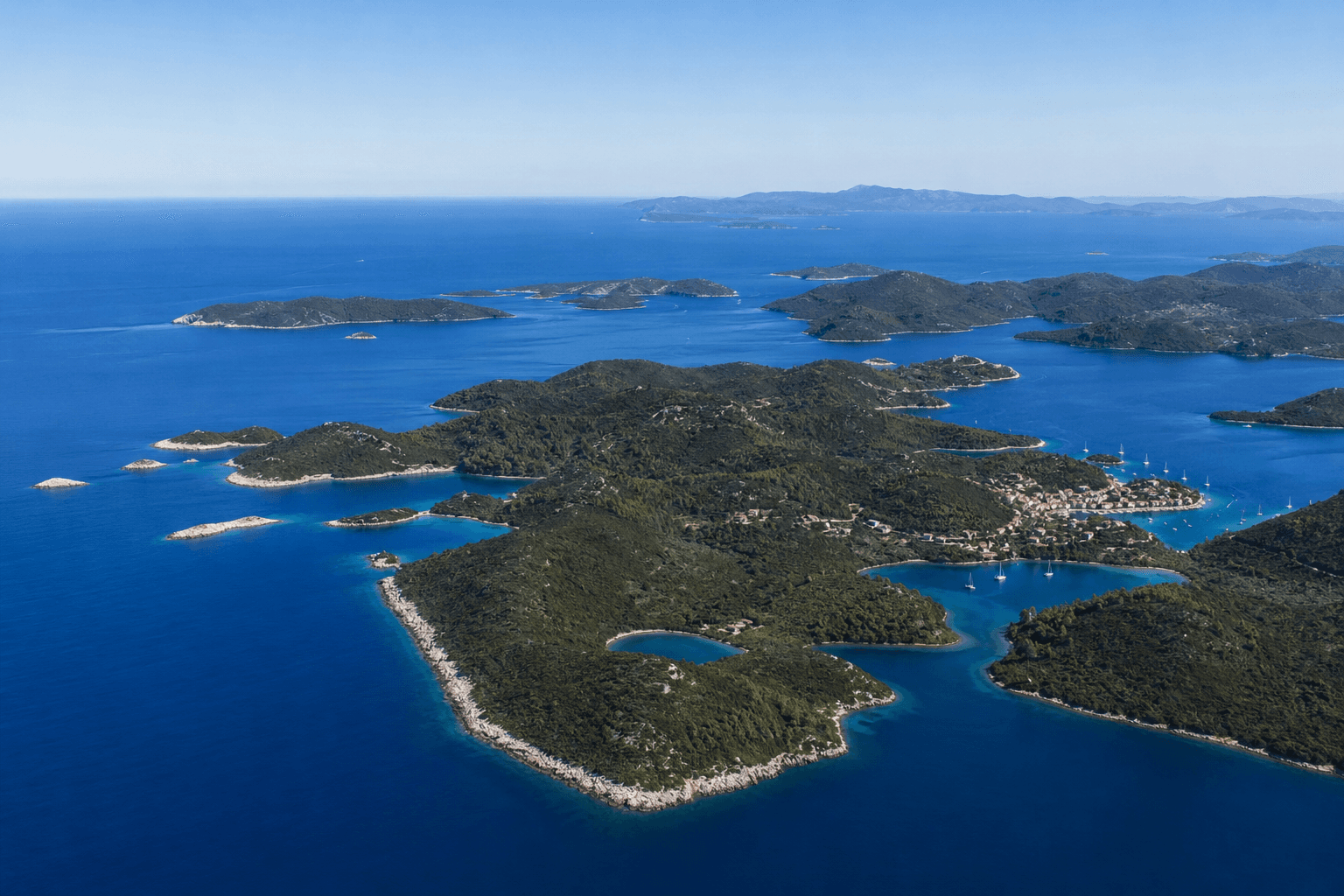
Nature Park
Lastovo Archipelago
Croatia's most remote and least-visited protected sea area — far from main ferry routes, quiet even in summer. Best suited to sailing, diving, dark-sky stargazing and the kind of slow Adriatic travel that is increasingly hard to find.
National Park
Brijuni National Park
A cluster of 14 islands off the Istrian coast near Pula — reachable by boat from Fažana. An unusual combination of Adriatic nature, Roman ruins, a small safari park and Tito-era history. Good for a family day from Pula or Rovinj.
Wildlife Area
Lošinj — Dolphin Research Area
The Blue World Institute in Lošinj has been monitoring a resident bottlenose dolphin population since 1987. Responsible wildlife-watching trips depart regularly — sightings are possible but cannot be guaranteed.
Coastal Day Trips by Sea
Some of Croatia's best coastal towns are worth approaching from the water — as ferry stops, sailing overnights or boat-trip bases rather than just road destinations. These are the places that work particularly well as sea-based day trips.
Istrian coast
Rovinj — by boat or sunset cruise
One of the best-looking towns on the Adriatic, better seen from the water. Boat trips to nearby islands leave from the harbour, and sunset cruises around the old-town peninsula are easy to book in summer.
Northern Dalmatia
Zadar — sea organ and island day trips
Zadar's waterfront is one of Croatia's best. Day trips to the Zadar archipelago, Kornati and Telašćica run from the town harbour throughout the season. Easy to use as a base for several island days.
Northern Dalmatia
Šibenik — quiet island gateway
Well-placed for day trips to smaller, less-visited northern Dalmatian islands — Zlarin, Prvić, Kaprije and Žirje — as well as Kornati National Park. Strong old town to return to in the evening.
Central Dalmatia
Trogir — sailing base and half-day trips
Trogir's position between Split and Šibenik makes it a popular sailing marina. A UNESCO old town on a small island, half-day boat trips and a good range of accommodation for non-sailors too.
Southern Dalmatia
Korčula Town — island overnight
Worth at least one night — ferries from Split or Dubrovnik, old town on a compact peninsula, good local wine (Pošip and Grk), bicycle routes and boat trips towards the Pelješac channel.
Central Dalmatia
Vis & Komiža — slower island travel
The furthest major island from Split and one of the least changed. Komiža is the best base for Blue Cave trips and for days that feel genuinely removed from the main summer crowd.
Southern Dalmatia
Elafiti Islands from Dubrovnik
Lopud, Šipan and Koločep are the easiest half-day boat trips from Dubrovnik harbour. Lopud has Šunj, one of the coast's few sandy beaches. Cavtat is a calmer alternative to Dubrovnik by water taxi.
Kvarner
Rab Town & Lopar
Rab has one of the most attractive old-town settings on the Adriatic and several genuinely sandy beaches at Lopar — a rarity on the Croatian coast. Ferries from Jablanac and boat connections from Lošinj.
Book Coastal Day Trips in Croatia
Island hopping, sea kayaking, boat tours and Adriatic day excursions from Rovinj, Zadar, Šibenik, Hvar, Dubrovnik and beyond.
Practical Planning Tips
A few things that make a genuine difference when planning a sea-based trip to Croatia — particularly for first-time visitors building an island itinerary.
Ferries
Check ferry schedules before booking accommodation
Not every island connects directly to every other. Some routes require going back via the mainland. Always check the current Jadrolinija timetable before building a multi-island itinerary.
Transport
Foot passengers vs car ferries
Catamarans are usually foot-passenger only and significantly faster. Car ferries are slower but give more flexibility for families, cyclists and longer island stays. Some islands genuinely work better without a car.
High season
Book ahead in July and August
Popular boat tours, car ferry spaces and beds on smaller islands fill weeks ahead in high summer. Catamaran connections get very busy — arrive at the terminal early if you have not pre-booked.
Shoulder season
Shoulder season is better on the water
June and September give calmer conditions for sailing and kayaking, less crowded beaches and more consistent boat-trip availability. October is particularly good for Istria and the Kvarner coast.
Weather
Weather changes sea plans
The Bora (northeast wind) can halt small boat trips for a day or more. Good operators will not go out in unsafe conditions. Build flexibility into any sea-heavy itinerary — a loose extra day pays off.
Kit
Bring water shoes
Many Croatian beaches and swimming entry points are pebble or rock. Water shoes make a real difference and are widely available in coastal towns, though cheaper to buy before you leave.
Parks
Respect protected sea areas
Do not anchor, swim or land in restricted zones in national parks and nature parks. Kornati, Telašćica, Mljet and Brijuni all have specific restrictions. Park entrance fees are collected at sea and enforced.
Money
Keep some cash for island stops
Smaller beach bars, local boat operators and island jetty fees often work in cash only. ATMs are absent on some minor islands — withdraw before leaving the mainland or a larger island town.
Plan Your Trip
Search flights and car hire for your Croatia trip.