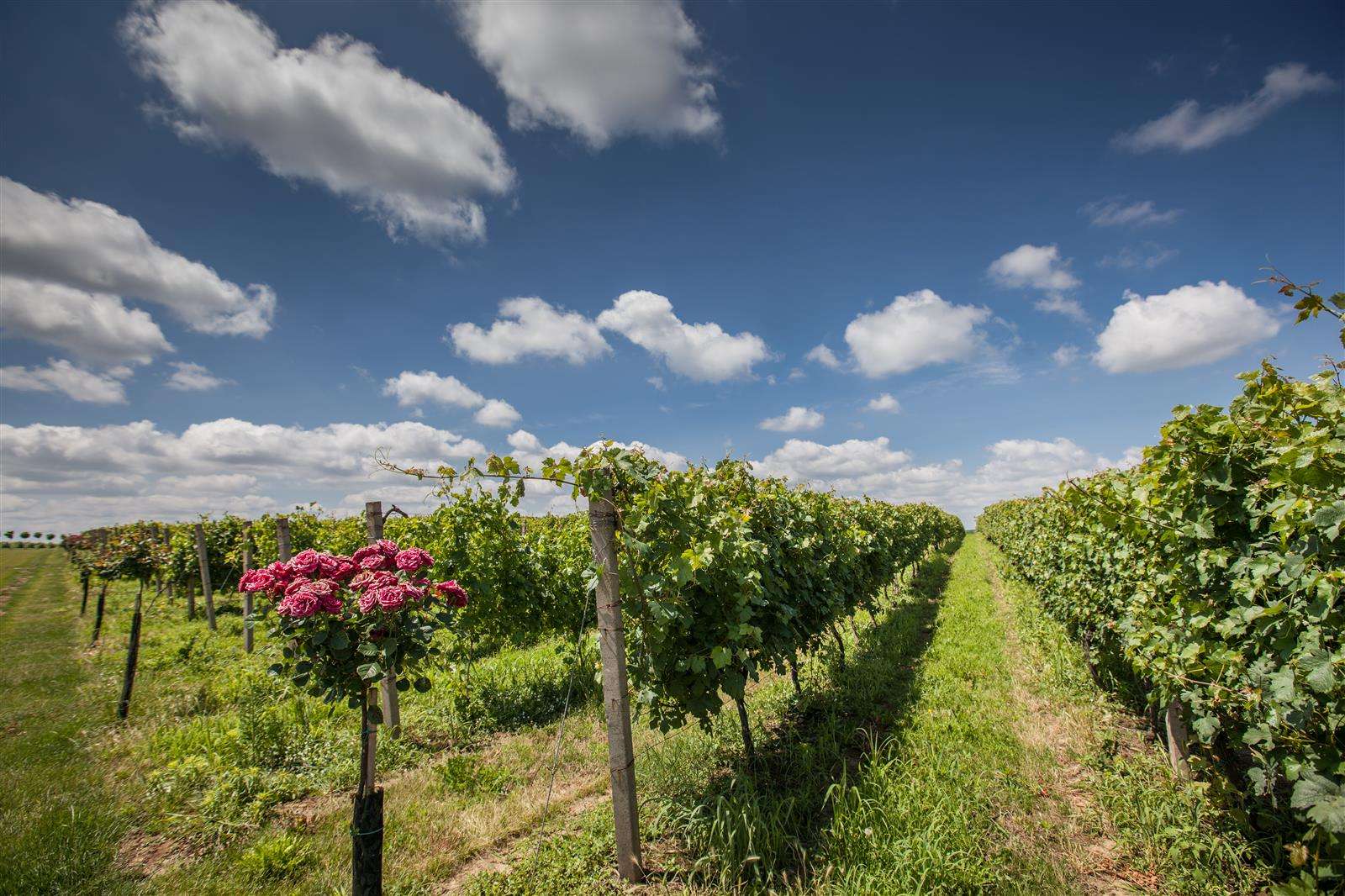
Slavonia & Danube Wine Region
Croatia's continental wine heartland — Graševina, river terroirs, and elegant whites
Croatia's Continental Wine Heartland
Slavonia and the Danube region is Croatia's most expansive and agriculturally important wine region, stretching across eastern Croatia along the Danube, Drava, and Sava rivers.
Elegance and Freshness
The region is defined by elegance, freshness, and structure rather than power or alcohol. The wines express terroir with remarkable clarity and balance.
Rolling Hills and Plains
Gently rolling hills, river plains, and loess-covered slopes create ideal conditions for consistent ripening and wines with exceptional clarity.
River Influence
The Danube, Drava, and Sava rivers moderate temperature extremes, creating longer, slower ripening cycles that suit aromatic white wines.
Best known for Graševina (Welschriesling), Croatia's most widely planted grape variety, this region also produces refined international whites and increasingly precise red wines. Historically, Slavonia supplied wine to the Austro-Hungarian Empire and laid the foundation for Croatia's organised viticulture.
Signature Grape Varieties
From Croatia's iconic Graševina to elegant international varietals, Slavonia shows the best of continental wine production.
Graševina (Welschriesling)
The backbone of Croatian wine
Graševina covers the largest vineyard area in Croatia and is highly versatile, expressing terroir with exceptional clarity. Styles range from fresh, light early-drinking wines to mineral-driven single-vineyard bottlings and award-winning late-harvest and ice wines.
Fresh & Light
Early-drinking, crisp, everyday wines.
Single-Vineyard
Mineral-driven whites with the structure to age.
Late-Harvest
Ice wines and botrytised dessert styles.
Important White Varieties
Chardonnay
Structured, often oak-aged, with excellent ageing potential.
Sauvignon Blanc
Aromatic and restrained — a cooler-climate expression.
Pinot Gris
Textured and food-friendly with good body.
Traminer
Aromatic, often produced in late-harvest styles.
Red Varieties
Frankovka (Blaufränkisch)
Increasingly important — elegant and spicy, with great long-term potential.
Cabernet Franc
Performs exceptionally well on cooler sites.
Merlot & Cabernet Sauvignon
Structured but restrained, with the focus on balance.
Philosophy: Red wines here focus on balance and drinkability rather than ripeness or power — a cooler-climate, food-friendly approach.
Key Subregions
Three distinct terroirs define the character and quality of Slavonia and the Danube wine region.
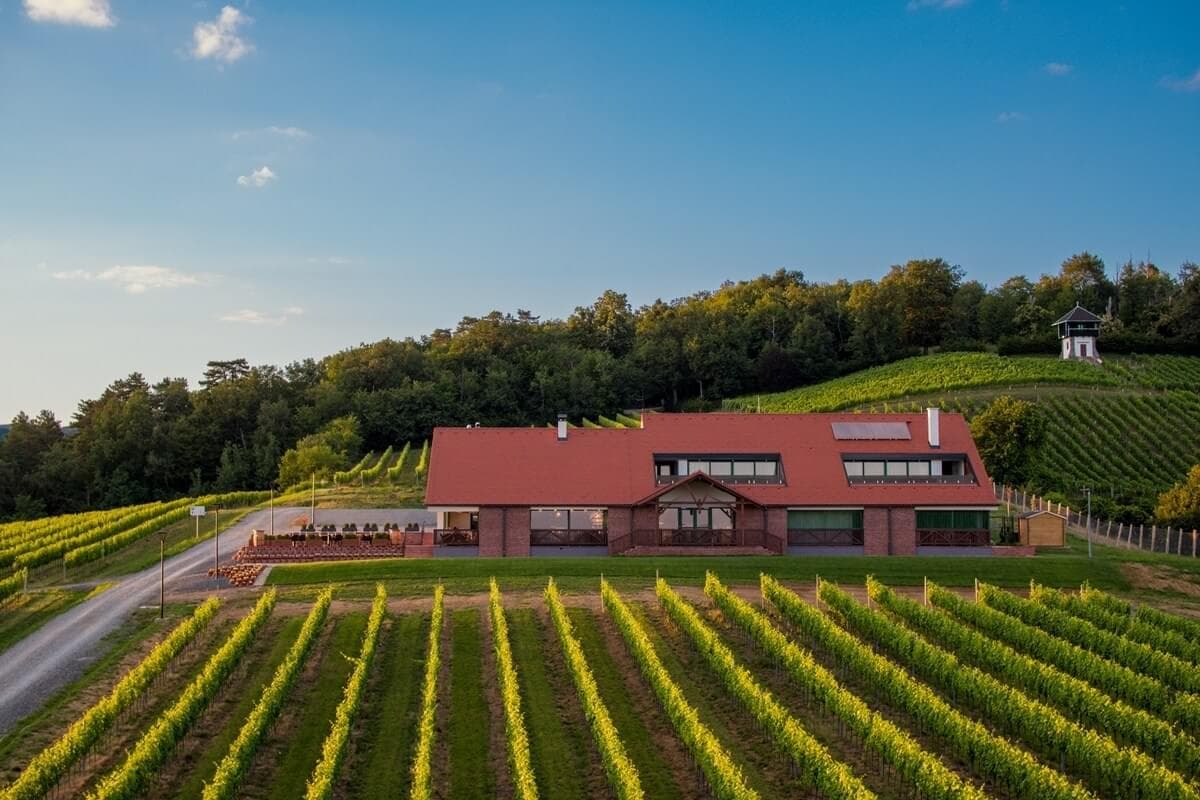
Kutjevo
The spiritual home of Graševina, Kutjevo is set in amphitheatre-shaped vineyards on the southern slopes of Mount Papuk, with excellent sun exposure and cool nights.
- •Produces Croatia's most complex and age-worthy Graševina wines.
- •An ideal microclimate held by a protected vineyard amphitheatre.
- •Historic benchmark producer: Kutjevo d.d.
Ilok
Sitting on the Danube near the Serbian border, Ilok has a long history of exporting wines to European royal courts.
- •Wines shaped by the river's moderation and a singular terroir.
- •Known for both Graševina and aromatic Traminac.
- •Historic producer: Iločki Podrumi, with an international reputation.
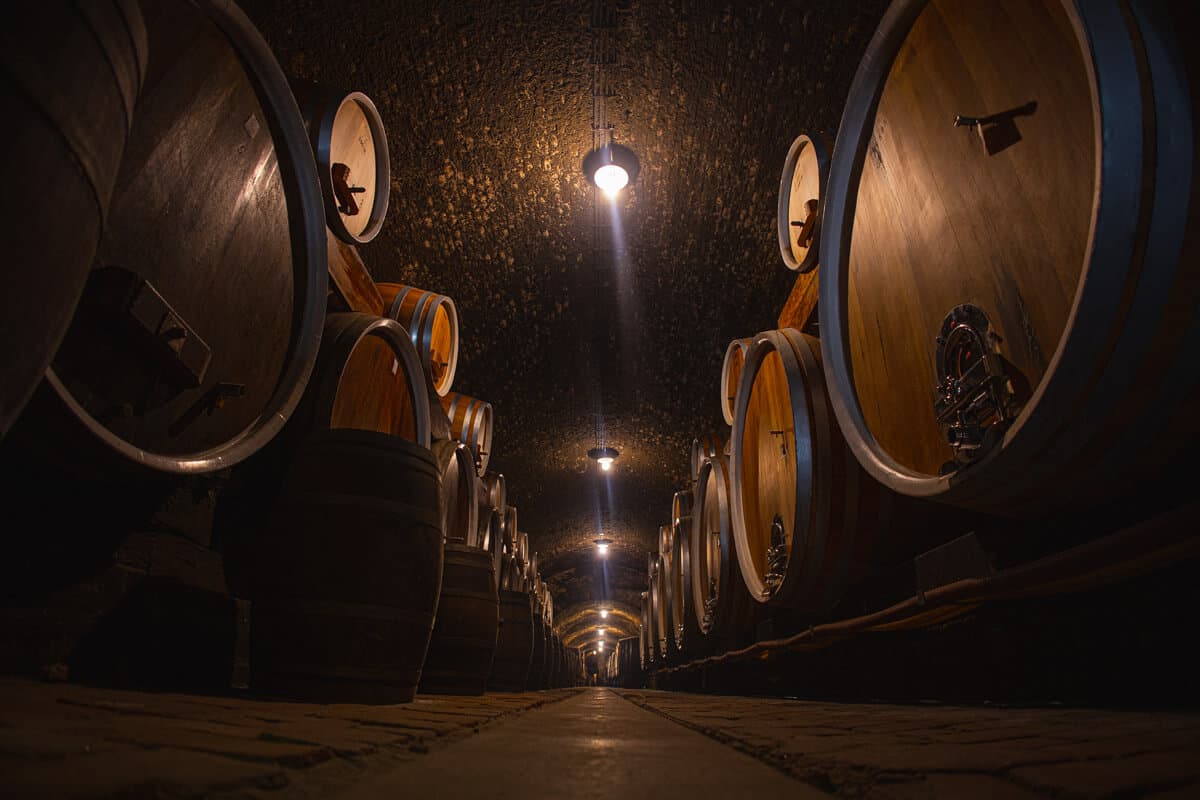
Erdut & Baranja
River-influenced terroirs with strong loess soils, increasingly focused on precision winemaking and gaining international attention.
- •Exceptional loess soil composition.
- •Modern, quality-focused producers.
- •Growing international recognition.
- •Notable producers: Galić, Belje.
Region-Defining Producers
From historic benchmark estates to modern precision winemakers, these producers shape the identity of Slavonian wine.
Kutjevo d.d.
Historic Benchmark
The historic benchmark producer of Kutjevo, setting the standard for traditional Graševina in Croatia's most prestigious subregion.
Iločki Podrumi
International Reputation
An internationally acclaimed Ilok producer known for outstanding Graševina and Traminac wines shaped by Danube terroir.
Enjingi
Experimental Styles
A pioneering producer specialising in late-harvest and experimental wines, expanding what Slavonian whites can achieve.
Galić
Modern Precision
Modern, precision-focused winemaking centred on single-vineyard bottlings, lower yields, and minimal intervention.
Belje
Large-Scale Quality
An evolution of large-scale quality production, proving that volume and excellence can coexist in Slavonian viticulture.
Winemaking Philosophy
- •Single-vineyard bottlings.
- •Lower yields for concentration.
- •Longer lees contact.
- •Minimal intervention where appropriate.
Sweet Wine Excellence
Slavonia produces Croatia's finest dessert wines, including late-harvest, ice wine, and botrytised styles. They earn international recognition for concentration balanced by excellent natural acidity.
Wine Culture and Heritage
Slavonia's wine culture reflects Croatia's Central European heritage and is closely tied to gastronomy, harvest rituals, and the rhythm of the year.
Historical Context
- •Austro-Hungarian Influence: Deep cultural and winemaking links to Central European wine traditions.
- •Monastic Viticulture: Centuries of monastic winemaking traditions kept quality standards alive.
- •Organised Classification: Home of Croatia's first systematic vineyard classification.
Food and Wine
Slavonian wines are notably food-friendly, built to complement the region's rich culinary tradition.
- •Traditional pork dishes and cured meats.
- •Freshwater fish from the Danube and Drava.
- •Hearty stews and paprika-spiced cooking.
- •Traditional cakes and desserts paired with sweet wines.
When to Visit
- Spring (April–May)
Vineyards in renewal and a calm countryside. - Autumn (September–October)
Harvest season and lively wine festivals. - Winter
Ideal for cellar visits and sweet wine tastings.
Wine Styles
Fresh to medium-bodied, moderate in alcohol, highly drinkable.
Medium-bodied, with elegant tannins and red fruit and spice.
Concentrated yet balanced, with excellent acidity.
Why It Matters
- •Croatia's structural backbone of wine production.
- •The most reliable source of elegant white wines.
- •The strongest expression of Graševina.
- •A bridge between Croatian and Central European wine culture.
Understanding Croatian wine without Slavonia is incomplete.
Explore More of Croatia
Discover more stories, hidden gems, and travel inspiration to help you plan your perfect Croatian adventure.