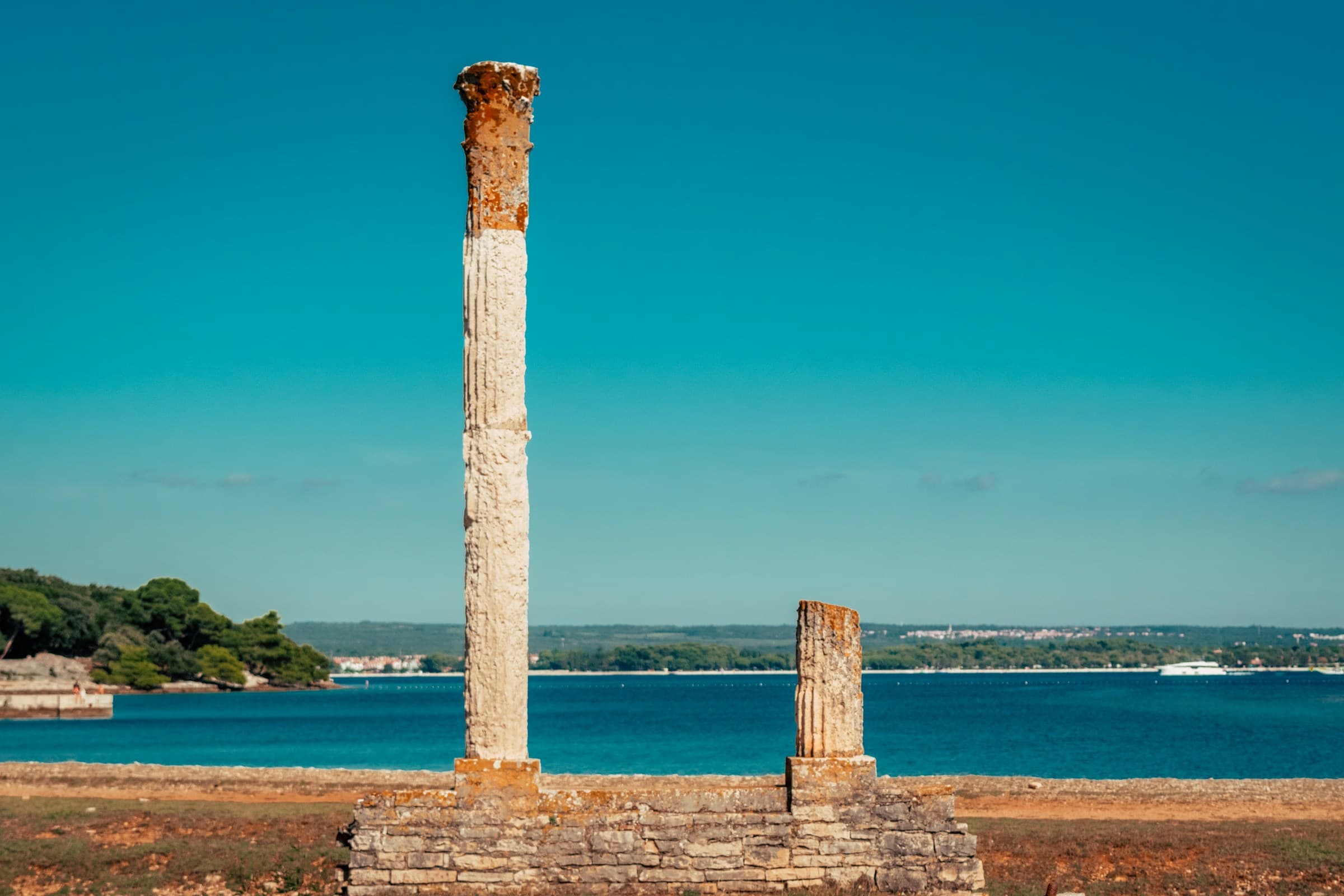
Brijuni Islands
A pristine archipelago national park with ancient Roman heritage, exotic wildlife, and Tito's summer residence.
About Brijuni Islands
Brijuni National Park is a unique archipelago of 14 islands set just off the western coast of Istria. Known for its rare blend of natural beauty, archaeological heritage and modern history, Brijuni offers a national park experience unlike Croatia's inland parks.
Once the favourite retreat of Yugoslav president Josip Broz Tito, the islands are today a protected national park where Mediterranean landscapes, exotic wildlife, Roman ruins and elegant parkland coexist in a calm, refined atmosphere.
Nature Meets History
Brijuni suits travellers who enjoy gentle nature exploration combined with cultural depth, rather than adventure-focused or hiking parks.
Why Visit Brijuni?
A unique blend of nature, history and wildlife in a calm, refined atmosphere.
Nature & Wildlife
A safari park with exotic animals alongside native Mediterranean species in carefully preserved landscapes.
Rich History
Roman ruins, early Christian sites and Tito's 20th-century legacy woven into the landscape.
Easy Exploration
Well-maintained paths perfect for relaxed visits — ideal for half-day or full-day trips.
Key Highlights
Top Highlights
Discover the most distinctive sights of Brijuni National Park.
Veliki Brijun Island
The main island and the only one open to visitors, home to most of the attractions, paths and facilities.
Roman Villas
Scattered remains of Roman villas, mosaics and early Christian churches integrated into the landscape.
Tito's Sites
Former residences and exhibition spaces connected to the island's 20th-century political history.
Safari Park
Home to exotic animals such as zebras, giraffes, elephants and antelopes, alongside native species.
Book Guided Tours & Experiences in Brijuni
Visit Brijuni's safari park and Roman ruins with guided tours from Fažana and Pula.
Things to Do & Wildlife
Explore the island's distinctive blend of activities and nature.
Activities
Electric Train or Bicycle
The most popular way to explore Veliki Brijun, with easy access to every main site on the island.
Tito's Summer Residence
Learn about Brijuni's role in 20th-century history and Tito's international legacy.
Walk Through Roman History
Discover ancient ruins surrounded by Mediterranean vegetation and open sea views.
Relax in Nature
Quiet walks, shaded paths and sea views — without the crowds or noise of the mainland.
Wildlife & Nature
Carefully Preserved Park-Like Landscapes
Brijuni is known for its carefully preserved park-like landscapes, combining native Mediterranean flora with exotic plant species introduced over the centuries.
The safari park, originally formed from diplomatic gifts during Tito's era, is one of the island's defining features. Native deer, peacocks and birds also roam freely across parts of the island.
Events & Culture
Brijuni Cultural Summer
July–AugustA refined cultural programme of classical concerts, theatre performances and dance shows set in atmospheric outdoor locations.
When to Visit Brijuni
Choose the right season for your Brijuni experience, from Roman ruins to safari wildlife.
Spring
April–June
Mild temperatures, blooming vegetation and fewer visitors make this the ideal time to explore the park.
- Lush blooming Mediterranean flora
- Comfortable walking temperatures
- Fewer visitors on the islands
- Best time for wildlife spotting
Summer
July–August
Cultural events take place across the island, but expect more visitors and warmer temperatures during peak season.
- Cultural events and performances
- Warm sea for swimming
- Extended opening hours
- Most boat departures available
Autumn
September–October
Pleasant weather and a calm atmosphere — perfect for unhurried exploration of the islands and ruins.
- Warm but comfortable temperatures
- Calm and peaceful atmosphere
- Golden autumn light for photographs
- Excellent for unhurried visits
Winter
November–March
Access is limited and services reduced, but mild Istrian winters still allow visits on selected days.
- Mild coastal winter climate
- Almost complete solitude
- Reduced ferry schedule
- Check availability before visiting
How to Get There
Reached by ferry from Fažana, near Pula.
By Ferry
Boats depart regularly from Fažana, a small coastal town near Pula.
- •Crossing takes approximately 15 minutes
- •Regular departures throughout the day
- •Fažana is around 10 km from Pula
Tickets & Access
An entry ticket is required for the national park.
- •Includes the boat transfer
- •Includes guided transport on the island
- •Only Veliki Brijun is open to visitors
Planning Your Visit
- •Book tickets in advance during peak summer
- •Combine with Pula or Rovinj for a complete Istria itinerary
- •Arrive at Fažana at least 30 minutes before departure
- •Check ferry schedules in shoulder seasons before travelling
Explore More Destinations in Croatia
Pula
Istria's largest city — Roman amphitheatre, lively cafés and a launch point for ferries to Fažana and Brijuni.
Rovinj
Istria's most photographed coastal town, around 40 minutes north of Fažana.
Novigrad
Refined western Istrian seaside town with a preserved old core and an outstanding food scene.
Motovun
Hilltop village in inland Istria — truffle country, vineyards and panoramic views.