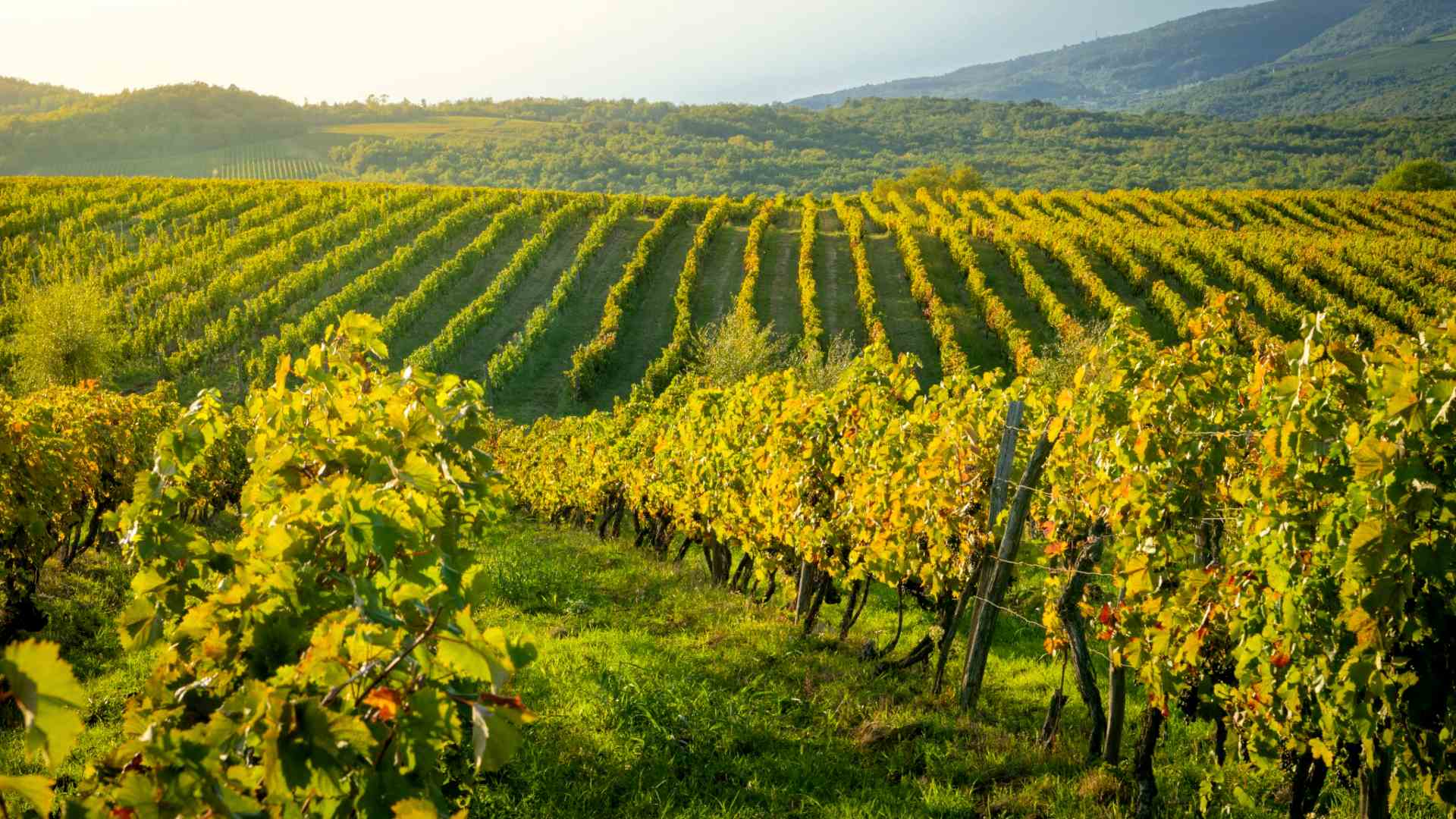
Istria (Istra) Wine Region
Croatia's most prominent wine region — Malvasia, Teran, and Mediterranean terroir
A Mediterranean Peninsula Defined by Wine, Terroir, and Gastronomy
Istria is Croatia's most prominent and internationally visible wine region, on the Istrian peninsula in the country's north-west. Bordering Italy and Slovenia, the peninsula has long been shaped by Central European, Venetian, and Mediterranean influences — culturally and viticulturally.
The region is best known for Malvasia Istriana, one of Croatia's most important white grape varieties, and for Teran, a distinctive red grape native to the peninsula. Over the past three decades Istria has become a benchmark for clean, precise, terroir-driven winemaking in Croatia.
Beyond wine, Istria is equally celebrated for its truffles, olive oil, and outstanding gastronomy — the most food-focused wine region in the country.
Quick Facts
Geography and Terroir
Istria is a geographically compact but highly varied wine region, traditionally divided into three main terroir zones according to soil composition.
Red Istria (Crvena Istra)
Iron-rich red clay (terra rossa).
Western and southern Istria.
Power, structure, ripeness.
- •Teran
- •Fuller-bodied Malvasia
- •Cabernet Sauvignon and Merlot
Grey Istria (Siva Istra)
Flysch (marl and sandstone).
Central Istria.
Balance, aromatics, finesse.
- •Elegant Malvasia
- •Fresh whites
- •Early-drinking styles
White Istria (Bijela Istra)
Limestone and chalk.
Northern Istria, closer to Slovenia.
Minerality, acidity, longevity.
- •High-end Malvasia
- •Structured whites
- •Long-ageing wines
This soil diversity is the key to why the best Istrian wines show clear site expression, especially among the top producers.
Grape Varieties
Istria's indigenous varieties and a few carefully chosen international grapes define the region's distinctive character.
Malvasia Istriana
(Malvazija Istarska)
Indigenous to the region and unrelated to the aromatic Malvasias found elsewhere. Typically dry, fresh, and mineral.
Styles range from:
- •Light, stainless-steel-fermented styles
- •Textured, oak-aged versions
- •Extended skin-contact (orange) wines
Teran
Indigenous red variety with naturally high acidity. Dark fruit, spice, and an earthy character.
Characteristics:
- •Naturally high acidity
- •Dark fruit, spice, earthy character
- •Thrives on red soils, with the structure to age
Other Important Varieties
Wine Style Profile
Istria produces a wide range of wine styles, from fresh whites to structured reds and pioneering orange wines.
White Wines
Malvasia-led
- •Fresh to medium-bodied
- •Citrus, stone fruit, almond notes
- •Saline, mineral finish
- •Excellent at the table
Red Wines
Teran
- •High acidity
- •Sour cherry, forest fruit, spice
- •Earthy undertones
- •Structured and age-worthy
Orange Wines
Extended maceration
- •Textured
- •Herbal and savoury
- •Long maceration
- •Made for the table rather than casual sipping
Winemaking Philosophy
Modern Istrian winemaking puts vineyard expression ahead of cellar manipulation, with clean, technically precise cellars and moderate alcohol. Organic and sustainable practices are increasingly the norm.
Istria has been a leader in Croatia's orange wine movement, particularly in the northern subregions.
Key Producers
Istria's reputation for quality and innovation has been shaped by a handful of highly influential producers.
Kozlović
Benchmark Malvasia
Precision and terroir expression define this influential producer.
Matošević
Site-driven wines
Renowned for the Grimalda blends, which showcase vineyard character.
Kabola
Amphora and traditional methods
A pioneer in reviving long-disused winemaking techniques.
Coronica
Teran specialist
Devoted to drawing the full potential out of Istria's indigenous red.
Clai
Natural wine pioneer
A leader in the natural and minimal-intervention wine movement.
Meneghetti
Estate-driven international style
A luxury estate combining international varieties with Istrian terroir.
Selection reflects stylistic and historical importance, not marketing prominence.
Gastronomic Context
Istria is Croatia's most food-focused wine region, where wine and cuisine form a single cultural identity.
Truffles
World-renowned white and black truffles, found in the Istrian forests, especially around Motovun.
Olive Oil
Award-winning extra virgin olive oils from indigenous varieties such as Istarska Bjelica.
Prosciutto
Air-dried Istrian prosciutto (pršut), cured with sea salt and the bura wind.
Pasta
Traditional pasta shapes such as fuži (trumpet-shaped) and pljukanci (hand-rolled).
Seafood
Fresh Adriatic fish, shellfish, and octopus from the coastal towns.
Food and Wine Pairing
Malvasia's acidity and Teran's structure make them exceptionally food-friendly, which has helped Istrian wines build a strong international restaurant presence.
Malvasia pairs with:
- •Seafood and shellfish
- •White-truffle pasta
- •Grilled fish with olive oil
- •Fresh cheese and asparagus
Teran pairs with:
- •Istrian prosciutto
- •Game meats and stews
- •Aged cheeses
- •Black-truffle dishes
When to Visit the Istria Wine Region
Each season offers a different angle on Istria's wine culture and landscape — from spring blossoms to the autumn harvest.
Spring
April–June
Quiet, green landscapes with few visitors and mild temperatures. Wildflowers cover the vineyards.
- Quiet, green landscapes
- Few visitors at the wineries
- Mild temperatures for touring
- Wildflowers in bloom
Summer
July–August
Peak season, with warm days made for combining winery visits with beach time on the coast.
- Peak tourist season
- Winery visits by appointment
- Beach season on the coast
- Wine festivals and events
Autumn
September–October
Harvest brings the vineyards to life. Truffle season opens and food festivals celebrate local produce.
- Grape harvest
- Truffle season opens
- Ideal weather for touring
- Wine and food festivals
Winter
November–March
The quiet season: cellars are at work, white-truffle hunting peaks, and warm konobas serve the heartiest Istrian cooking.
- Peak white-truffle season
- Cosy konoba dinners
- New-vintage olive oil tastings
- Intimate winery visits
Book Wine Tours & Experiences in Istria
Explore Istria's rolling vineyards, truffle forests and olive groves with expert-led wine tastings and culinary tours.