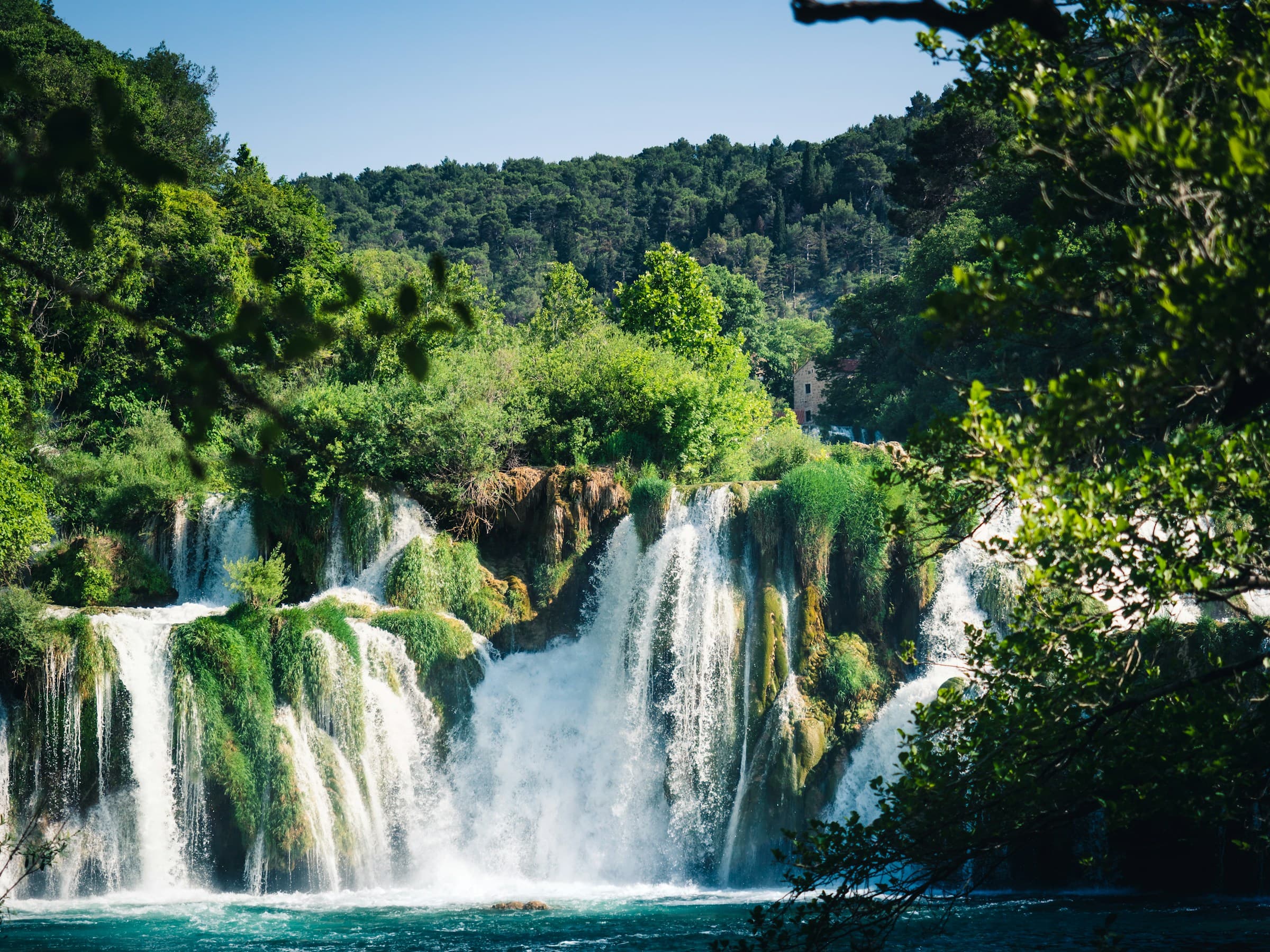
Krka National Park
Spectacular waterfalls, travertine cascades and Mediterranean nature near Šibenik
About Krka National Park
Krka National Park (Nacionalni park Krka) is one of Croatia's most accessible and visually striking national parks, stretching along the Krka River near Šibenik. It is known for its chain of waterfalls, travertine cascades and historic watermills, combining dramatic natural beauty with cultural and historical landmarks.
Unlike Plitvice, Krka flows through a warmer, Mediterranean environment. Lush greenery, river islands and stone pathways create a relaxed yet powerful nature experience. The park stretches from inland canyons all the way to the Krka River estuary near the Adriatic Sea.
Perfect for Nature Lovers
Krka suits travellers who want an impressive nature experience without long hikes or remote travel.
Location: Near Šibenik, Dalmatia
Type: National Park
Best For: Half-day or full-day trips
Why Visit Krka?
Spectacular waterfalls in a Mediterranean setting
Easy access from the Dalmatian coast
Combination of nature and history in one park
Boardwalks and viewpoints suitable for most visitors
Ideal half-day or full-day trip from Šibenik, Split or Zadar
Top Highlights
The main sights inside Krka National Park
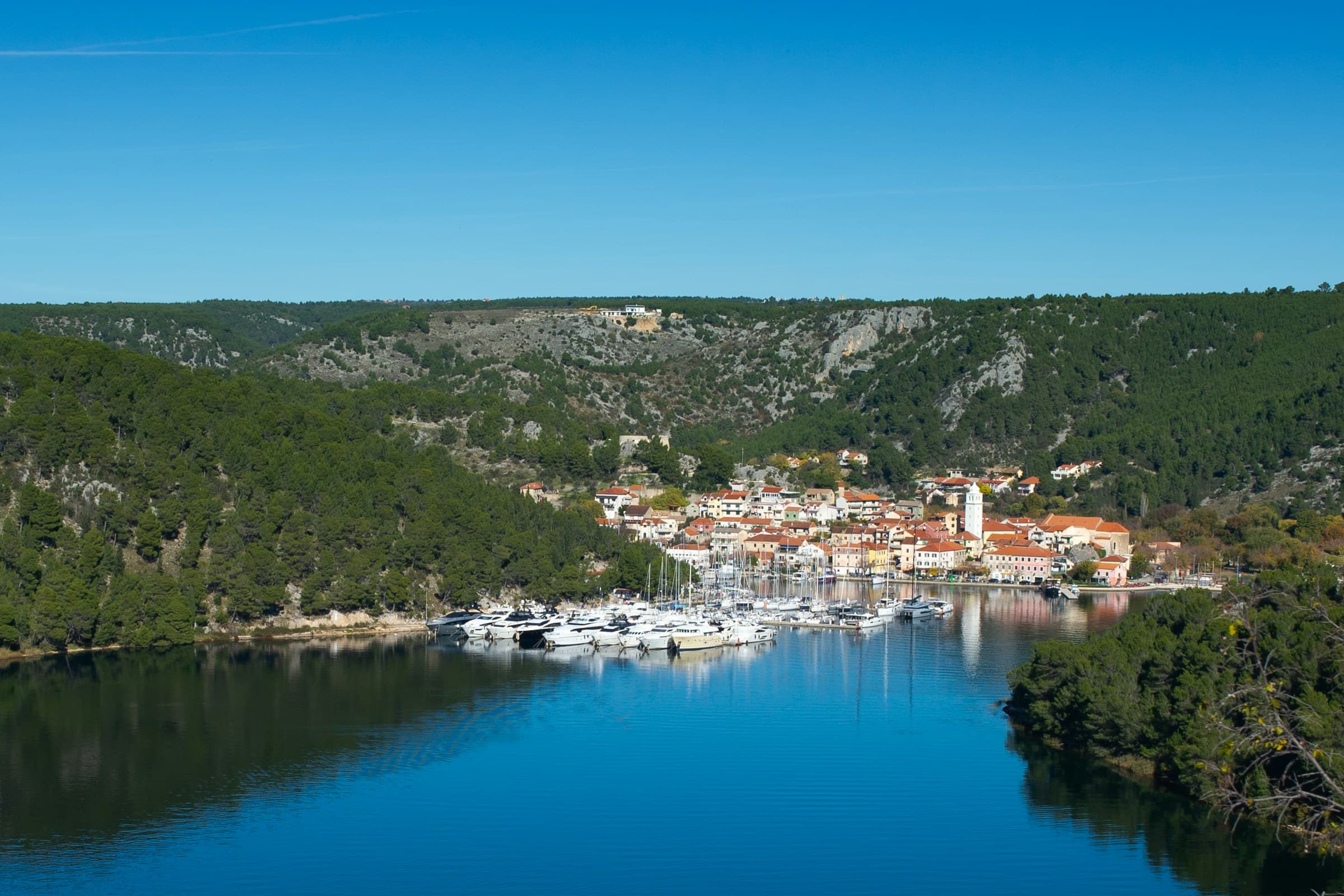
Skradinski buk
The park's most famous waterfall system — a sequence of 17 cascades and pools that forms the centrepiece of any visit.
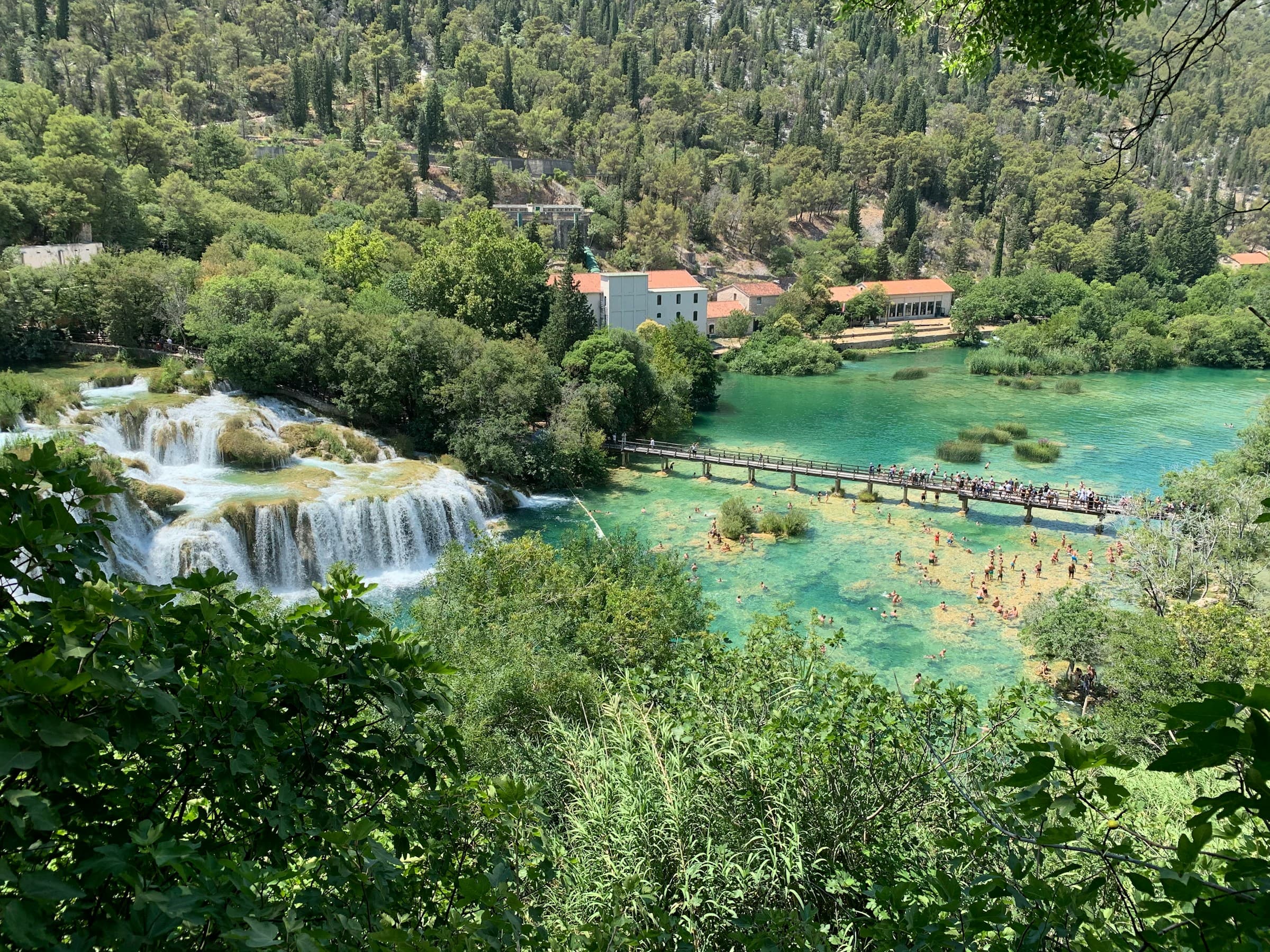
Wooden Boardwalks
Well-maintained wooden paths winding through water, greenery and waterfalls, connecting the main viewpoints.
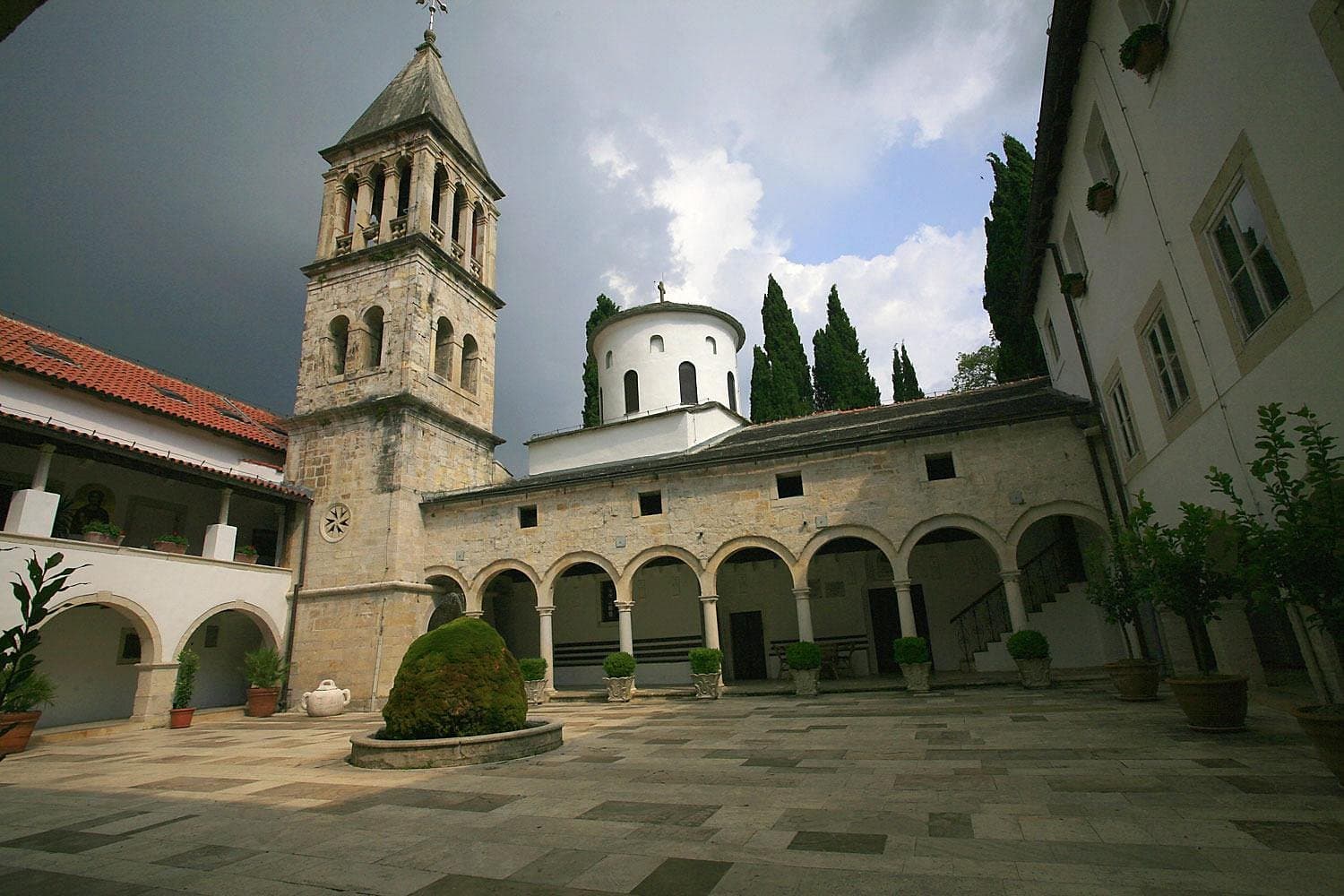
Krka Monastery
A Serbian Orthodox monastery located upstream, offering cultural depth, medieval architecture and peaceful surroundings.
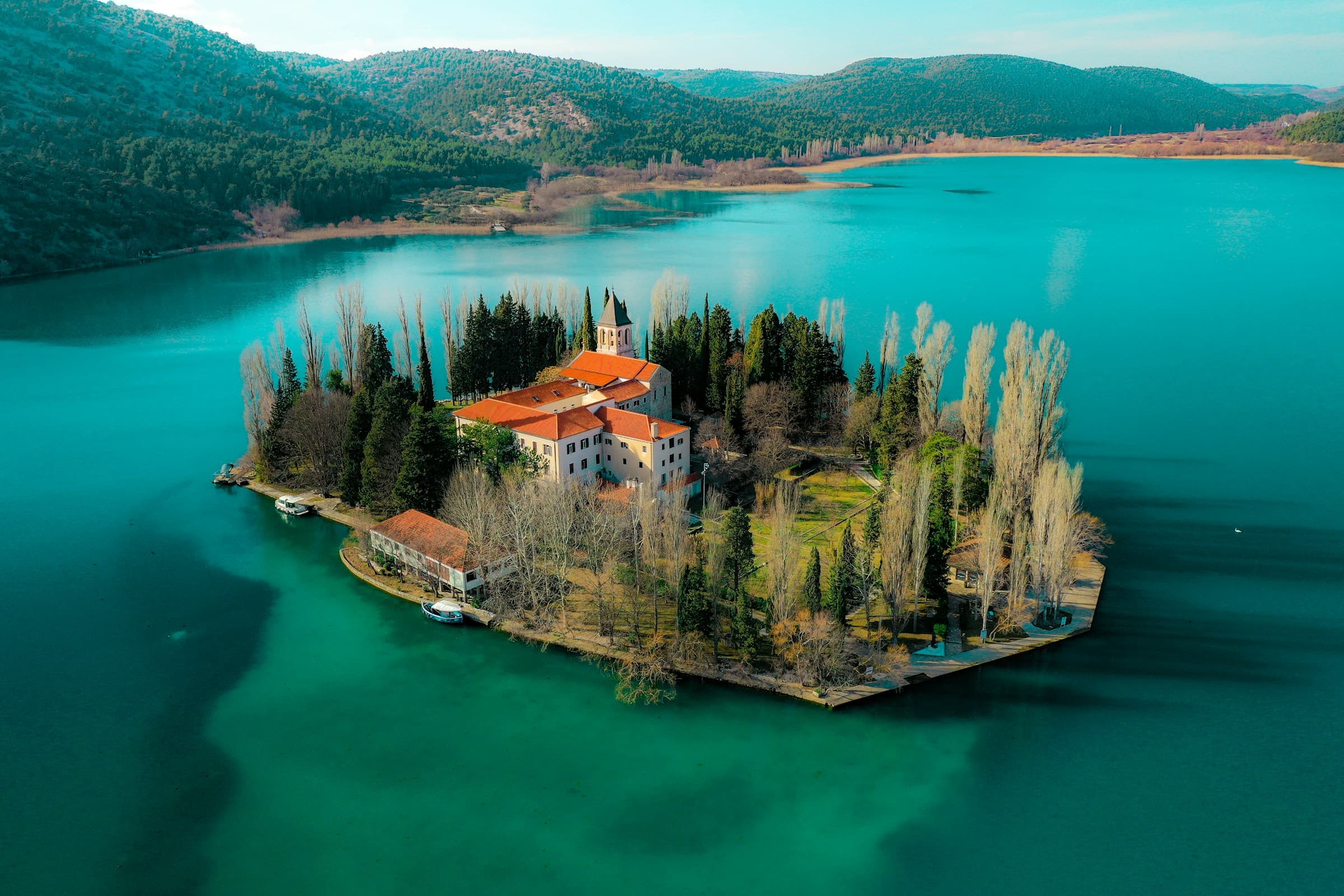
Visovac Island
A small river island with a Franciscan monastery set in the middle of Lake Visovac — one of Krka's most iconic views.
Book Tours and Experiences in Krka
Guided tours of Krka's waterfalls and historic sites, including day trips from Split, Zadar and Šibenik.
Things to Do
Explore the park's natural and cultural attractions
Walk the Boardwalk
Easy, scenic loops around Skradinski buk — suitable for all ages and comfortable in normal walking shoes.
Boat Trip to Visovac
Included or optional boat excursions across Lake Visovac, offering a different perspective of the park and its monastery island.
Photography
Ideal light conditions, constant water movement and numerous viewpoints make Krka a rewarding destination for photographers.
Historic Watermills
Restored stone watermills along Skradinski buk demonstrate traditional grain milling and river-based industry.
Hiking and Trails
Krka is not a hiking-focused park, but it offers:
- •Easy circular boardwalk routes
- •Gentle gravel paths and viewpoints
- •Clearly marked, low-effort walking trails
No technical hiking experience required.
Flora and Fauna
The park protects diverse ecosystems along the river
Plant Species
800+
Mediterranean plants, freshwater vegetation and river flora.
Birdlife
Rich
Over 220 bird species recorded along the Krka river corridor.
Aquatic Life
Varied
Freshwater fish, amphibians and endemic species thrive in the river.
Krka's travertine formations are constantly evolving, making the park a living geological system shaped by flowing water.
When to Visit Krka
Each season offers a different perspective on Krka's waterfalls and landscapes
Spring
April–June
High water levels and powerful waterfalls make this the most spectacular time to visit.
- Peak waterfall flow and volume
- Lush green landscapes in bloom
- Comfortable walking temperatures
- Moderate visitor numbers
Summer
July–August
Beautiful but the busiest season. Arrive early in the morning to avoid crowds and the heat.
- Warmest weather for the visit
- All park facilities fully open
- Extended opening hours
- Easily combined with coastal trips
Autumn
September–October
Fewer visitors and pleasant temperatures make autumn an excellent time for a peaceful park experience.
- Significantly fewer visitors
- Pleasant walking temperatures
- Warm autumn foliage colours
- Golden light for photography
Winter
November–March
The park remains open with reduced hours and lower entry fees. Waterfalls can be impressive after heavy rain.
- Lowest entry fees of the year
- Dramatic waterfalls after rain
- Almost no crowds on the trails
- Unique, misty landscape atmosphere
Practical Info
Tickets
Required; daily entry is capped in high season, so advance online booking is recommended.
Swimming
No longer allowed anywhere in the park (banned since 2021 to protect the travertine).
Facilities
Visitor centres, restrooms and cafés at the main entrances (Skradin and Lozovac).
Accessibility
Boardwalks and steps; not fully wheelchair-friendly, although some sections are level.
Rules
Stay on marked paths, no drones and no swimming anywhere in the park.
How to Get There
By Car
Approximately 20 minutes from Šibenik to either the Skradin or Lozovac entrance.
By Boat
Park boat from Skradin to Skradinski buk — the most scenic way to arrive.
By Tour
Organised day trips from Split, Zadar and Šibenik, usually including transport and entry.
Good to Know
- •Arrive early in the morning or in late afternoon to avoid crowds
- •Non-slip shoes recommended — boardwalks can be damp
- •Combine with Šibenik or Skradin for a full day trip
- •Less walking than Plitvice, but equally scenic in its own Mediterranean way
Frequently Asked Questions about Krka National Park
Swimming has not been permitted at Krka since 2021, including at Skradinski buk. The ban was introduced to protect the sensitive travertine formations that form the waterfalls. For a swim on the same day, head to the Adriatic coast near Šibenik, Primošten or the beaches around Split.
Most visitors spend 3 to 5 hours at Krka. A focused visit to Skradinski buk and the boardwalks takes about 3 hours, while adding a boat trip to Visovac Island or Roški slap fills a comfortable full day. Many people combine the park with Šibenik for a relaxed day out.
Skradin is the most scenic option — you park in town and take the park boat up to Skradinski buk. Lozovac is faster by car, with a short shuttle bus down to the waterfalls. In winter, only Lozovac usually operates the vehicle access; check the park website for current arrangements.
Yes. Krka is smaller, closer to the coast and set in a warmer Mediterranean landscape rather than dense Central European forest. It also includes cultural sights — Visovac Island, watermills and Krka Monastery — that Plitvice does not. Many visitors do both, but they offer different experiences.
Split to Krka is about 1 hour 15 minutes by car via the A1 motorway, and Zadar is around 1 hour. Regular organised day tours run from both cities, as well as from Šibenik, and usually include transport and park entry. Public buses are limited, so a rental car or tour is the most flexible option.
Book Tours to Krka National Park
Explore Krka's waterfalls, walk the boardwalk trails and discover historic monasteries with guided day trips.
Explore More Destinations in Croatia
Kornati National Park
A stunning archipelago of 89 uninhabited islands, Croatia's nautical paradise with crystal-clear waters, dramatic cliffs, and pristine nature.
Biokovo Nature Park
Dramatic mountain park rising from the Adriatic with the famous Skywalk, panoramic viewpoints, and alpine hiking above Makarska Riviera.
Mljet National Park
One of Croatia's greenest national parks with two saltwater lakes, dense pine forests, St. Mary's Island monastery, and peaceful trails.
Paklenica National Park
Twin canyons through the southern Velebit massif, 40 km north of Zadar — Croatia's climbing capital on Anića Kuk, the Manita Peć cave hike, and Vaganski vrh, the 1,757 m roof of Velebit.