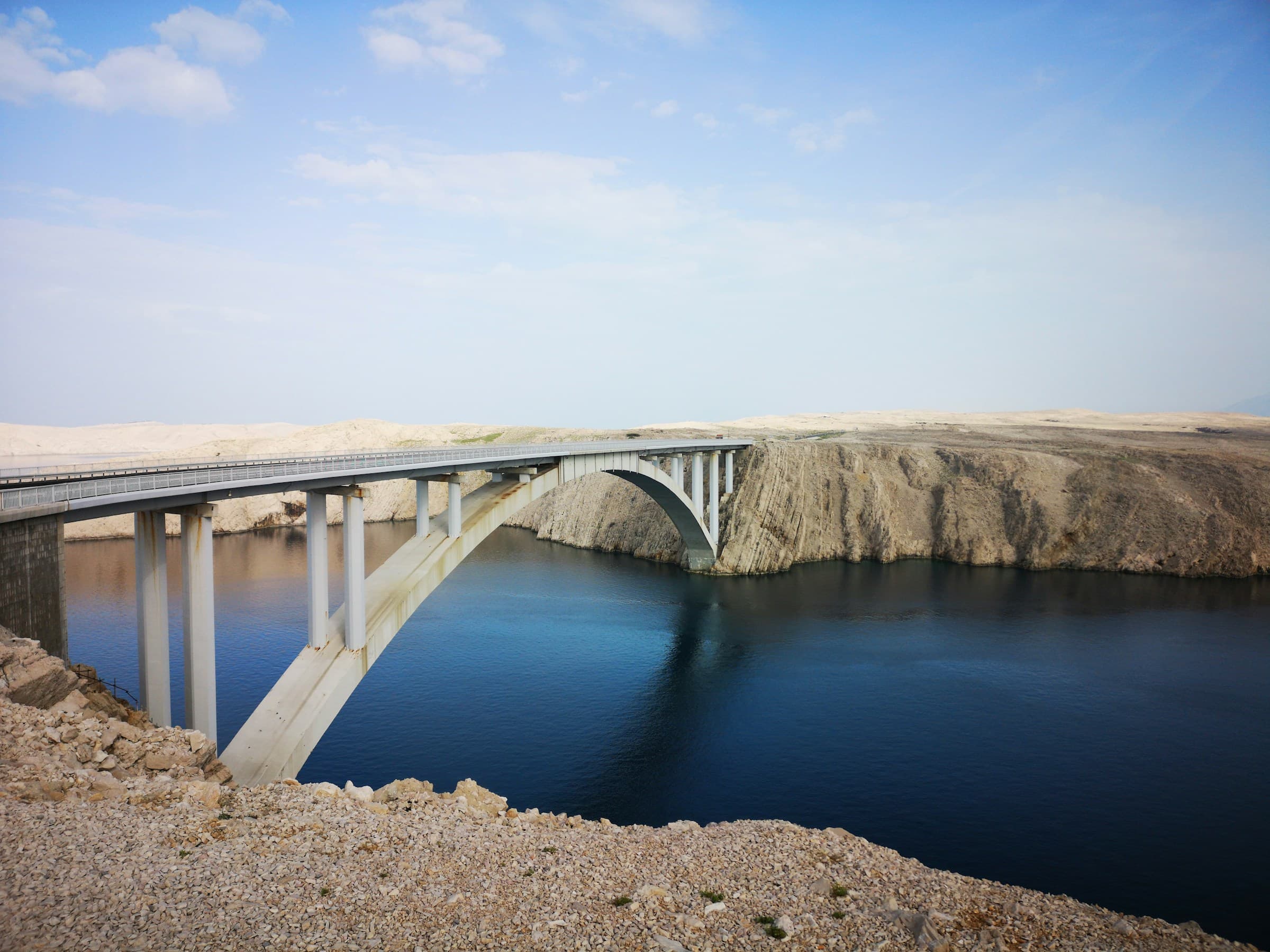
Pag
An island of striking contrasts: lunar landscapes, world-famous cheese, centuries of salt-making and Croatia's liveliest beach parties.
About Pag
Pag is one of Croatia's most distinctive islands. Its pale stone hills, exposed coastline and bura-shaped landscape feel almost lunar, yet the island also holds beaches, old salt pans, stone towns and some of the Adriatic's most recognisable food traditions.
Most visitors know Pag for two very different reasons: Paški sir, the celebrated sheep's milk cheese, and Zrće Beach near Novalja, one of Europe's best-known summer nightlife zones. Between them sit quieter villages, family beaches, lace-making heritage and wide open roads across the island.
To explore Pag on foot, use the Life on Mars trail guide to plan a walk near Metajna, choose a route and prepare for exposed rocky terrain.
Why Visit Pag?
Pag suits travellers who want choice: wild beach parties or quiet stone towns, gourmet food or sun-baked nature, all on the same island.
Moon-Like Landscape
One of Croatia's most distinctive landscapes, shaped by bura winds and rugged terrain.
World-Famous Paški Sir
Taste the island's iconic sheep's milk cheese where it is made.
Croatia's Party Capital
Zrće Beach hosts major summer music festivals and high-energy nightlife.
Salt and Lace Heritage
Pag Town keeps alive centuries of salt production and UNESCO-recognised lace-making.
Key Highlights
Top Things to See
Stone towns, salt pans, olive groves and beach clubs
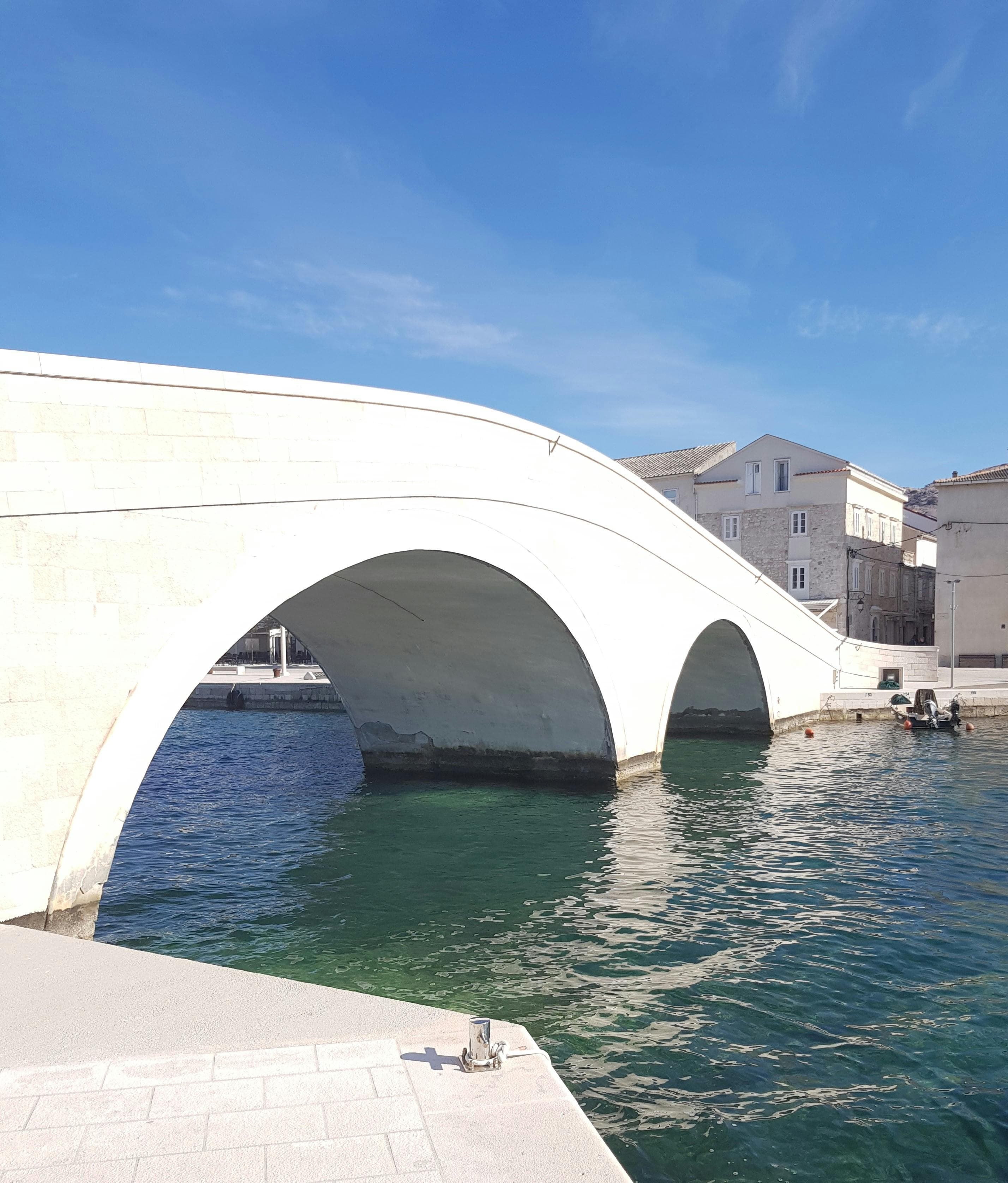
Pag Town
A planned Renaissance town with stone streets, churches, salt heritage and traditional lace-making.
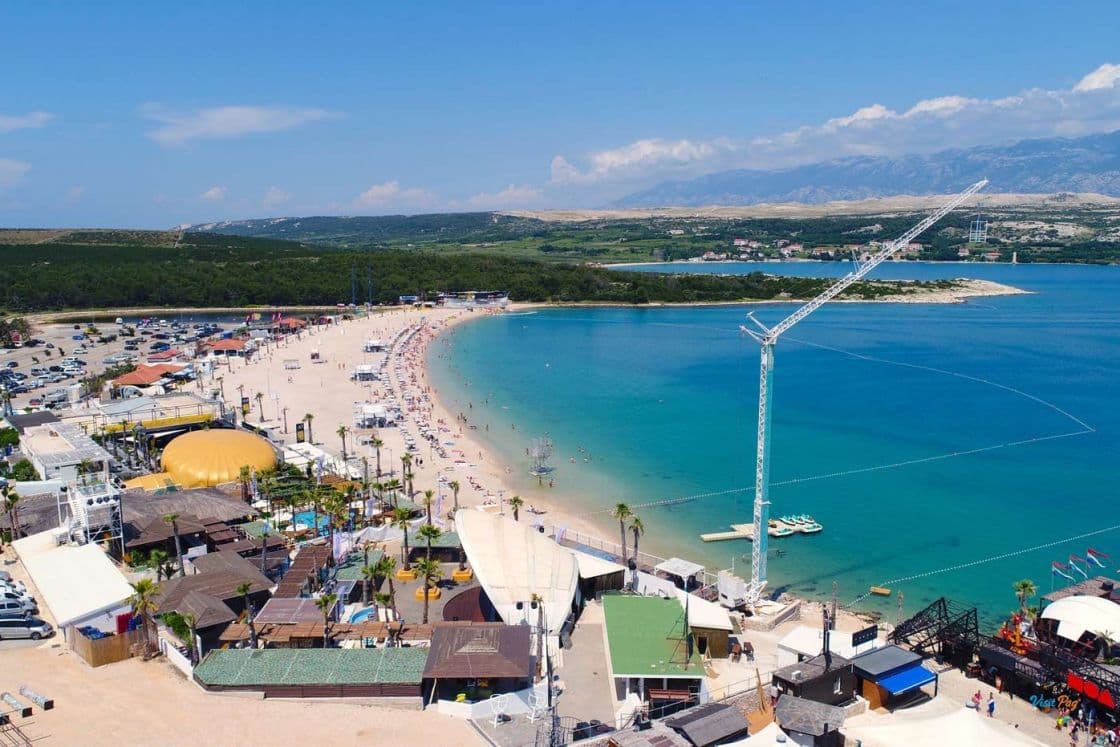
Zrće Beach
Croatia's best-known party beach, with open-air clubs and international music festivals in summer.
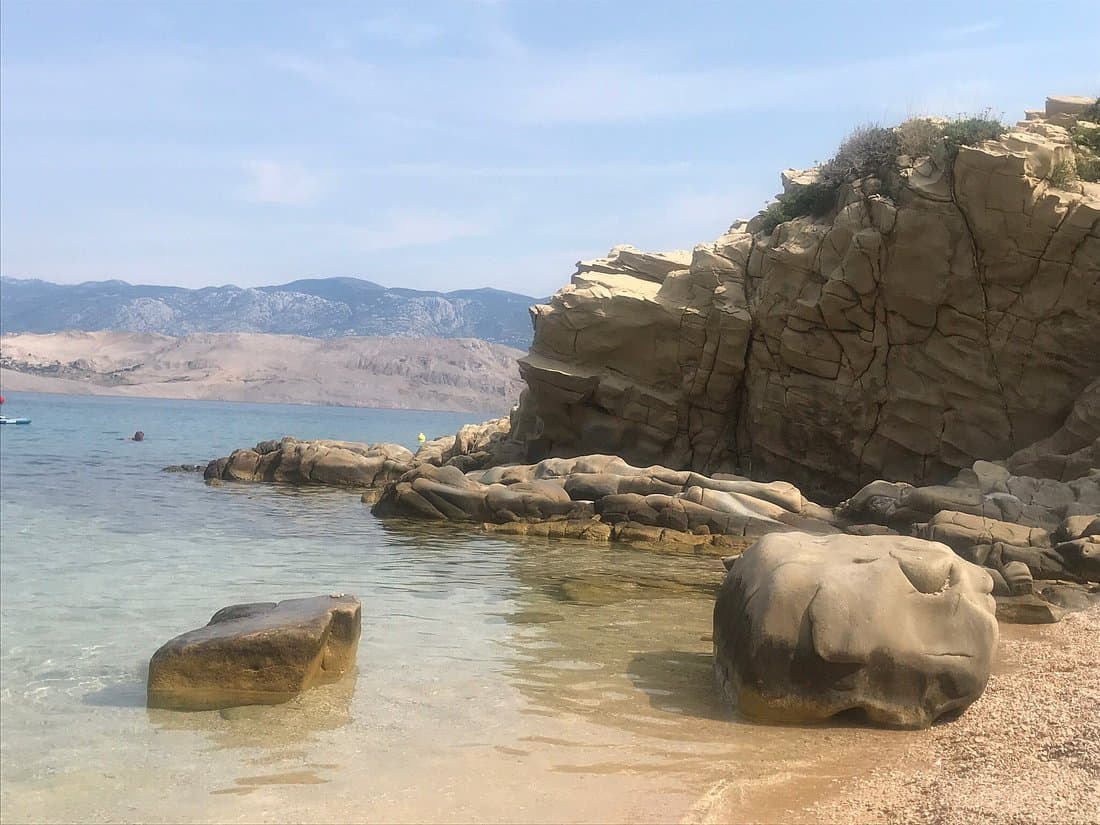
Pag Saltworks
Among the oldest active saltworks in Europe and a key part of the island's identity.
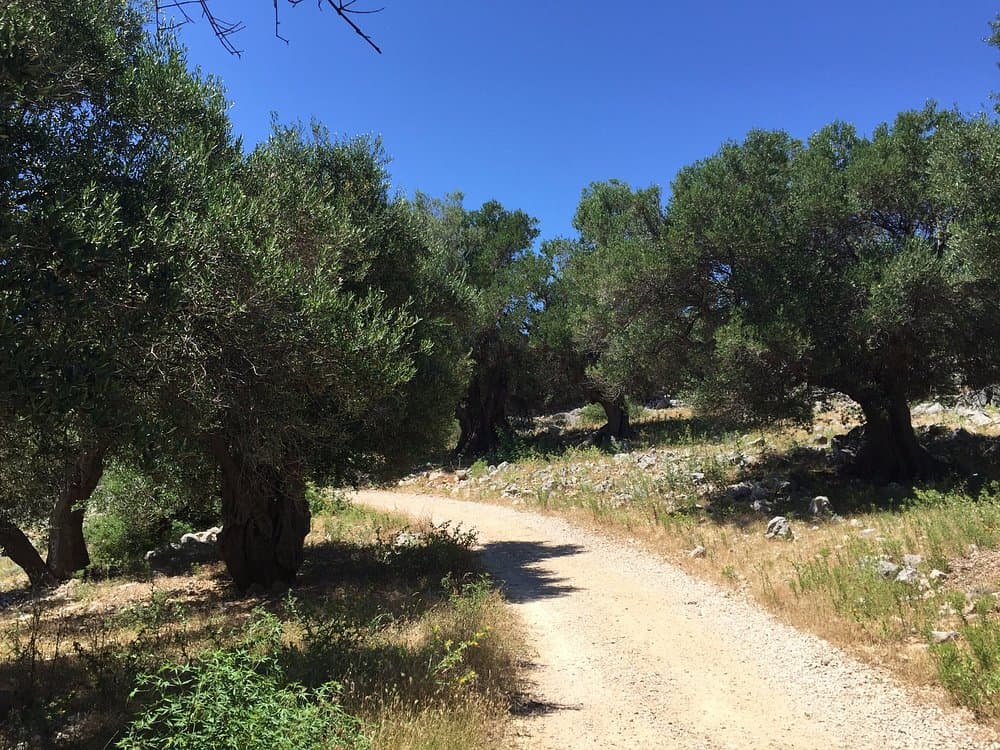
Lun Olive Groves
Ancient olive trees at the northern tip of the island, some believed to be over a thousand years old.
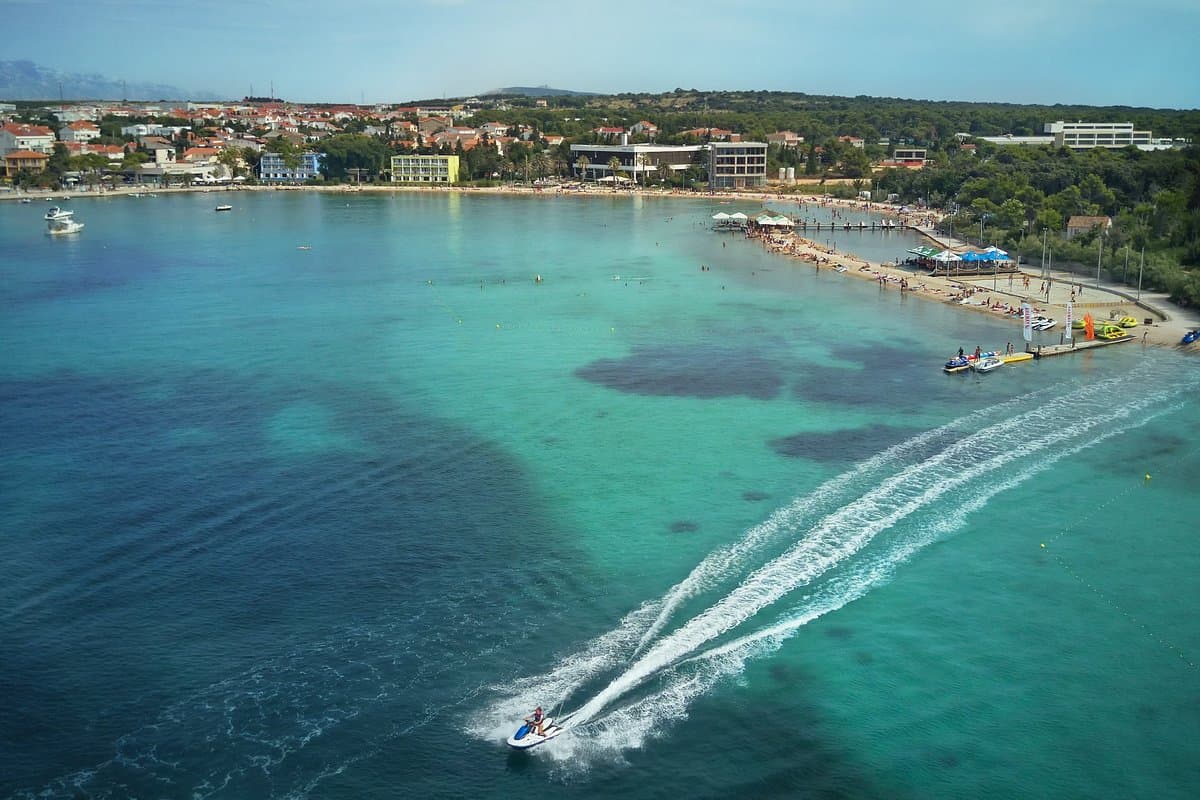
Novalja
A lively resort town with beaches, restaurants and easy access to Zrće and northern Pag.
Best Beaches
From festival beaches to quiet coves
Zrće Beach
The island's famous nightlife beach, with clubs, festivals and daytime swimming.
Nightlife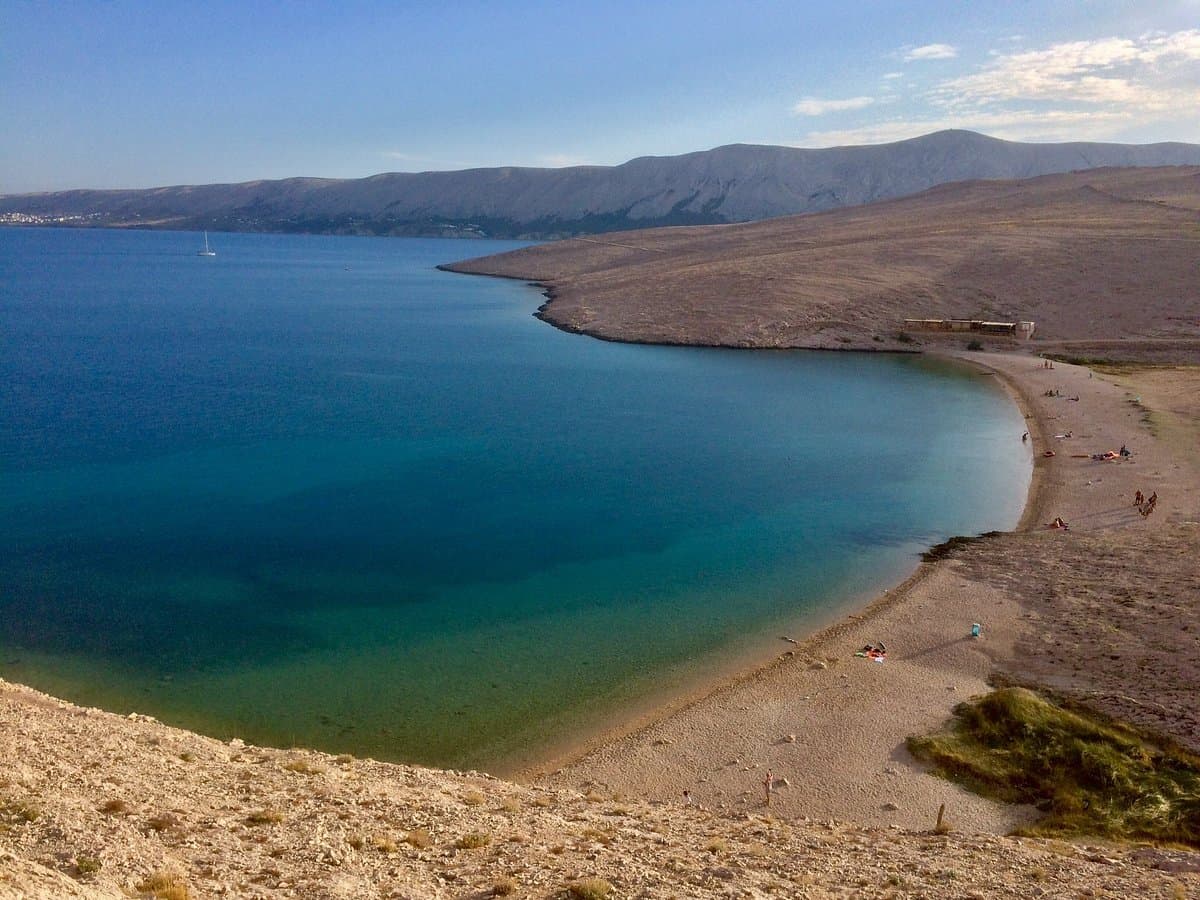
Ručica Beach
A striking pebble beach near Metajna, backed by Pag's pale rocky hills.
Scenic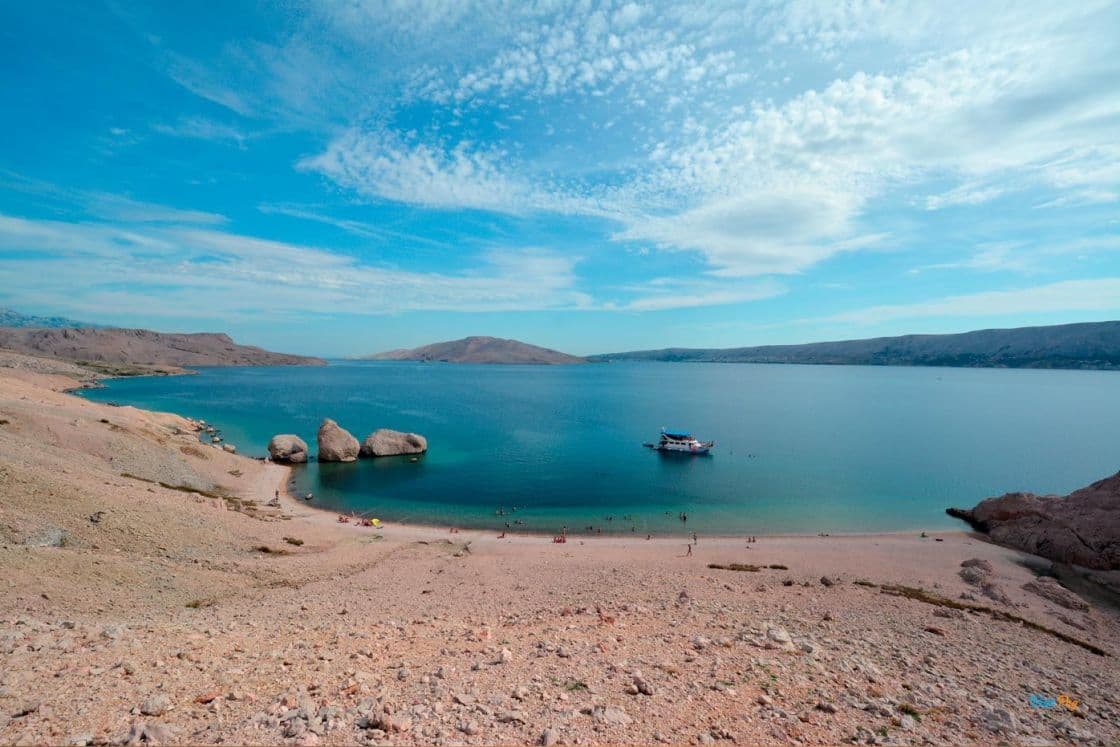
Beritnica Beach
A dramatic cove reached by foot from Metajna, known for its huge boulders and clear water.
Hiking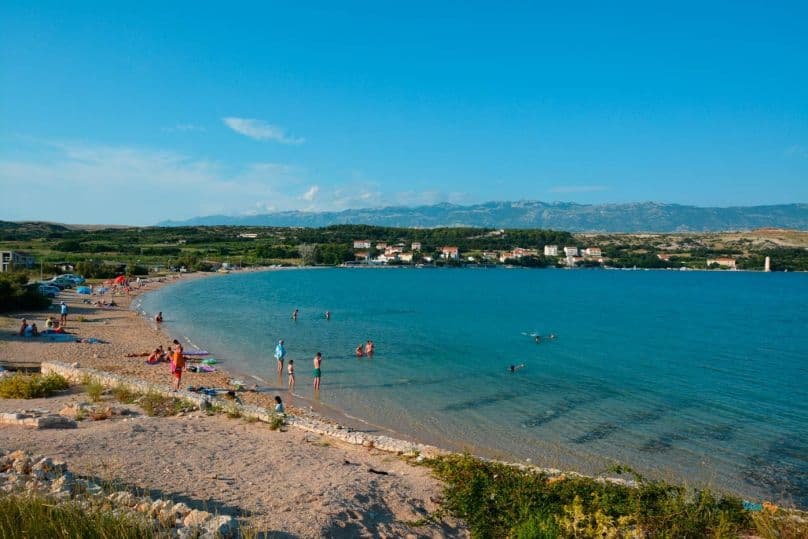
Caska Beach
A broad beach near Novalja with shallow entry, beach bars and traces of ancient settlement nearby.
Easy AccessChoose your beach by mood
Pag's coast changes quickly: Zrće is built for music and nightlife, while Ručica and Beritnica show the island's wilder side. For a calmer day, look around Caska, Šimuni and smaller coves away from peak festival hours.
A Glimpse into Pag's History
Salt, sheep and stone
Pag has been inhabited since ancient times, with Roman, medieval and Venetian influences shaping its development. For centuries, island life revolved around salt production, sheep farming and maritime trade.
The strong bura wind shaped both the landscape and the food culture. Sparse vegetation gives the sheep's milk its distinctive character, while the planned 15th-century layout of Pag Town still defines its historic centre.
Ancient
Roman roots and early Adriatic settlement.
15th century
Pag Town was carefully planned under Venetian influence.
Today
Salt, cheese, lace and festivals remain central to the island's identity.
Culture & Cuisine
Cheese, lamb, salt, lace and summer music
Food and drink
Paški sir
The island's famous sheep's milk cheese is the essential local taste.
Pag lamb
Lamb from bura-swept pastures is prized for its clean, herbaceous flavour.
Salt traditions
Pag's salt pans are part of daily life, history and local cuisine.
Waterfront restaurants
Pag Town and Novalja offer simple seafood, grills and relaxed summer terraces.
Events & Festivals
Zrće summer festivals
Hideout, Sonus and other electronic music events bring international crowds to Novalja in summer.
Pag Lace traditions
Pag lace is UNESCO-recognised intangible heritage, still demonstrated by skilled local makers.
When to Visit Pag
Choose your season based on whether you want nightlife, beaches, food or quiet landscapes.
Spring
April-June
Best for food, cycling, Pag Town and quieter exploration before the festival season.
- Pag Town without crowds
- Fresh Paški sir
- Ancient olive groves
- Comfortable cycling
Summer
July-August
Best for beaches, festivals and nightlife, especially around Zrće and Novalja.
- Zrće music festivals
- Peak beach weather
- Pool parties and clubs
- Water sports
Autumn
September-October
A comfortable season for swimming, gastronomy and sightseeing with fewer visitors.
- Quieter beaches
- Warm sea
- Food and wine experiences
- Lower accommodation prices
Winter
November-March
Pag's rugged landscape feels stark and atmospheric, with quiet local life and strong bura days.
- Dramatic landscapes
- Local island culture
- Lace workshops
- Mild winter days
Getting to Pag
Pag is easy to reach by bridge, ferry or bus.
By car
The Pag Bridge connects the island to the mainland, with Zadar about 1 hour away and Zagreb about 3.5 hours away.
By ferry
Seasonal and regional ferry links connect Pag with Rab and other Kvarner routes. Check current Jadrolinija schedules.
By bus
Regular buses connect Pag Town and Novalja with Zadar, and onward services link to Zagreb and other cities.
Travel Planning
The bridge is toll-free
Car access is straightforward and affordable.
Renting a car helps
A car is useful for beaches, villages and the Lun olive groves.
Local buses are useful
Buses connect Pag Town, Novalja and Zrće Beach.
Book early in festival season
Accommodation and transport fill quickly around major Zrće events.
Book Tours & Experiences in Pag
Discover Pag's lunar landscapes, famous cheese, Zrće beach parties and salt traditions with guided tours.
Explore More Destinations in Croatia
Hvar
Lavender hills, yachts, sunsets, and summer nightlife.
Pakleni Islands
A stunning chain of islands off Hvar's coast. Crystal-clear waters, fragrant pine forests, hidden coves, and effortless Mediterranean elegance.
Korčula
Medieval stone streets surrounded by quiet coves.
Brač
One of the largest Croatian islands, home to Zlatni Rat — the iconic golden pebble beach — and famous white limestone quarries.