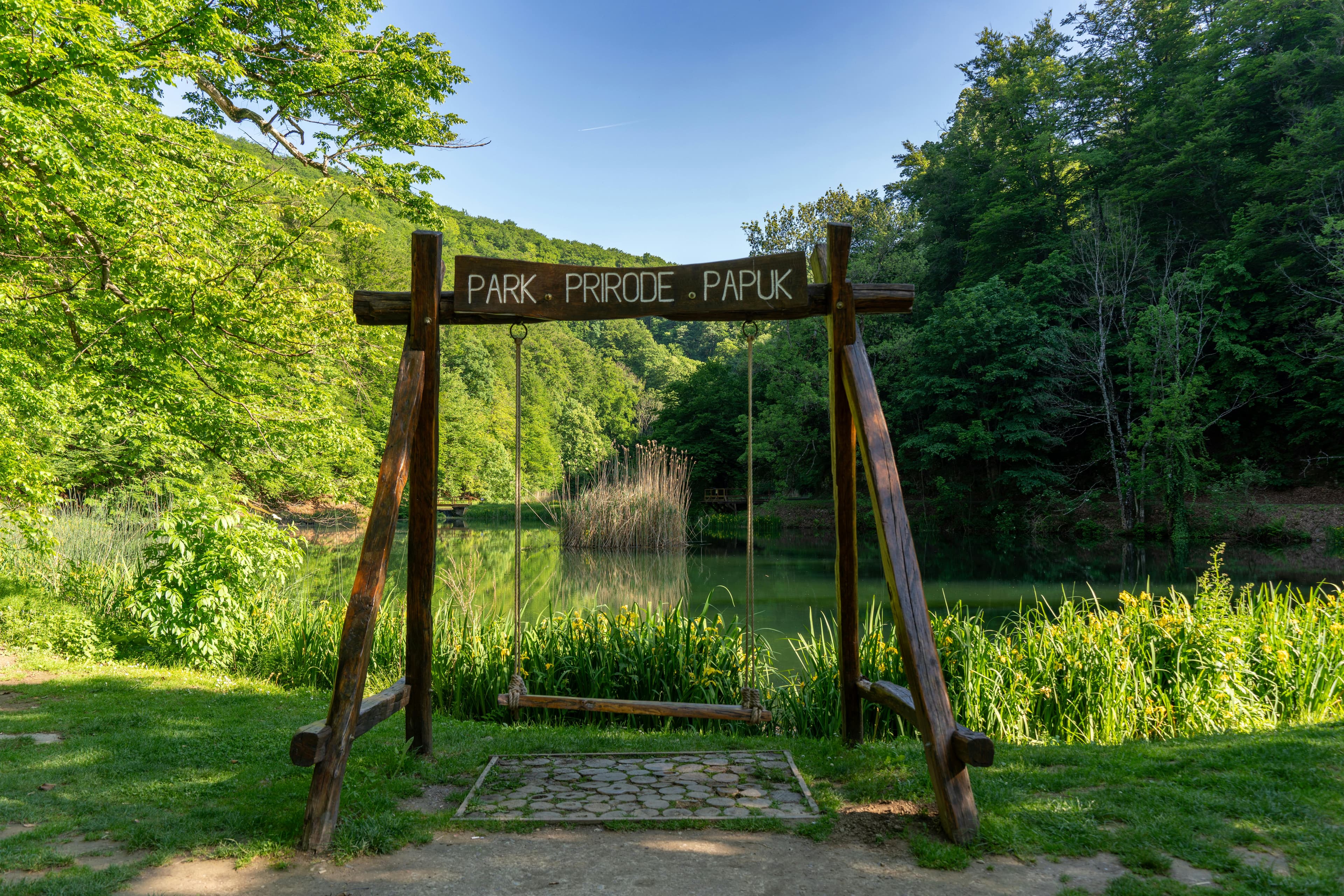
Papuk Nature Park
Slavonia's mountain landscape of forests, waterfalls, volcanic rocks, viewpoints, and one of Croatia's most underrated inland nature escapes
About Papuk Nature Park
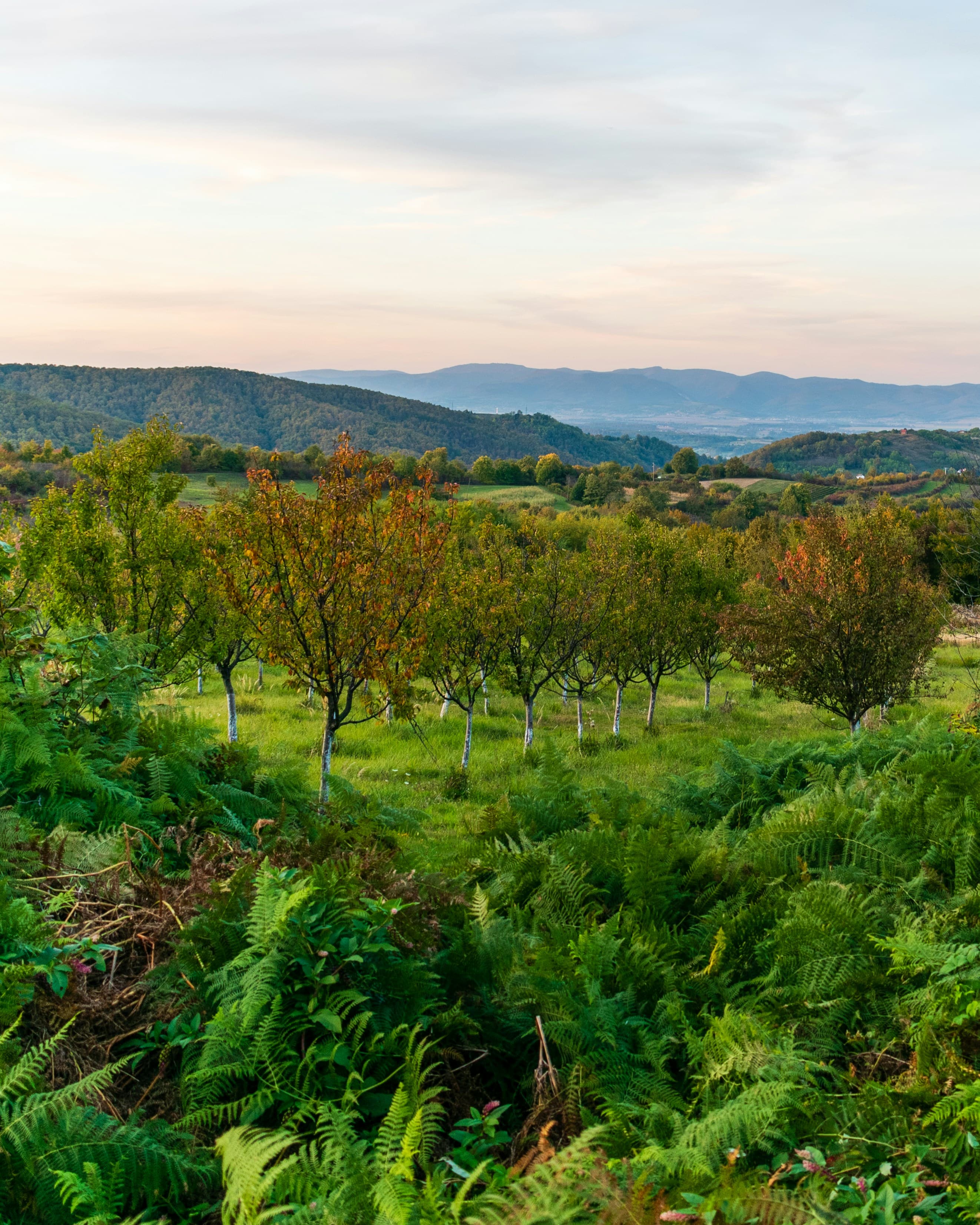
Papuk Nature Park protects the main mountain landscape of Slavonia, rising above the towns and wine country of eastern Croatia. It is not dramatic in the same way as Velebit or Biokovo, but that comparison is not useful. Papuk's appeal is forest, shade, geology, quiet trails, viewpoints, and the fact that it gives Slavonia a completely different travel texture.
The park is part of the UNESCO Global Geoparks network, with volcanic rocks, old geological formations, and educational trails that make it more than a simple forest escape. The best-known area is Jankovac, a green valley with walking paths, water, caves, and a small waterfall. Rupnica, with unusual column-like volcanic rock formations, is another key stop.
Papuk works best for travellers already exploring Slavonia, especially around Požega, Osijek, or the wine routes. It is worth planning as a full day if you like nature. It is not a quick photo stop, and public transport is not the right way to approach it.
What to See & Do
Jankovac Forest Park
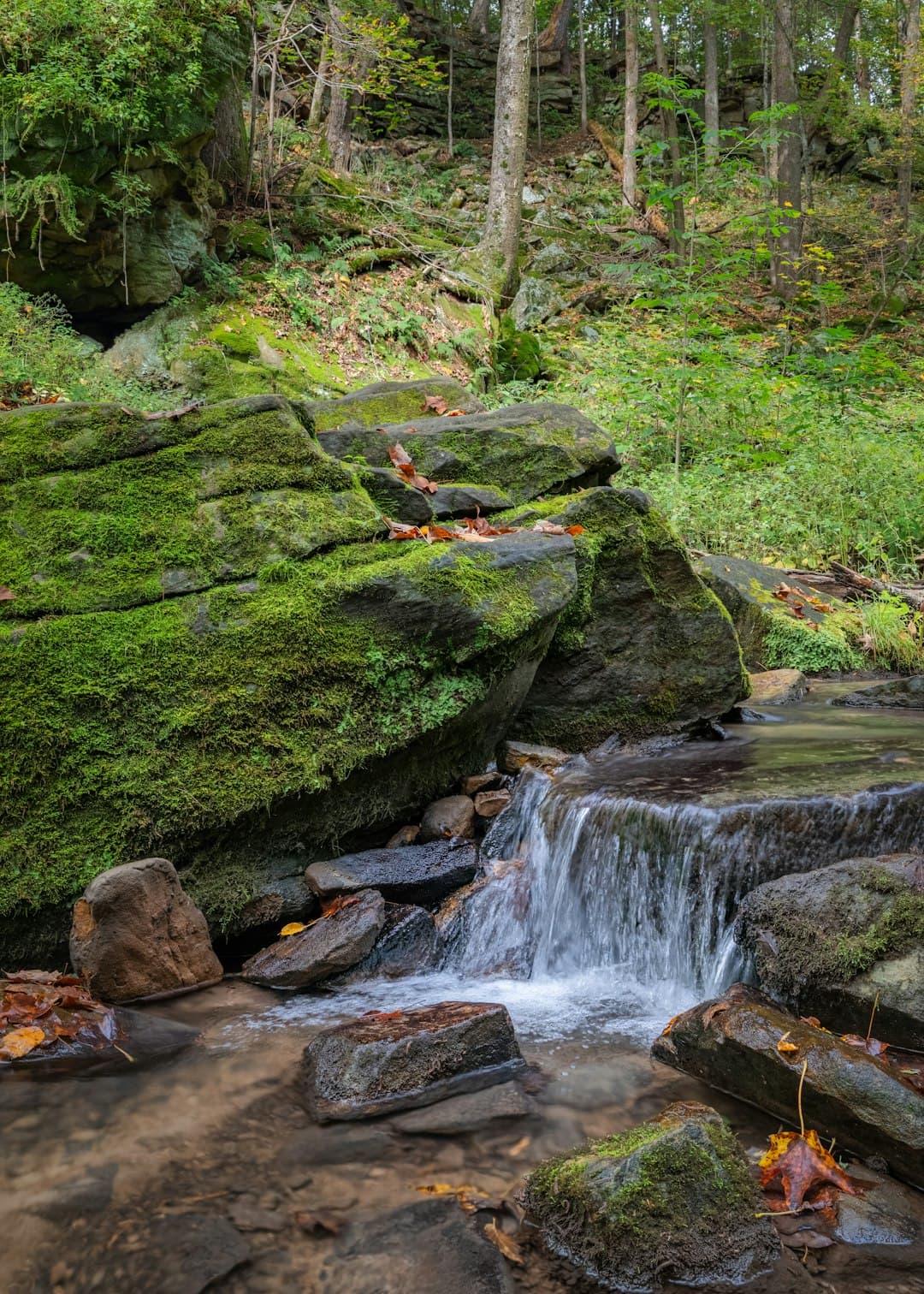
Jankovac is the most accessible and popular part of Papuk. It has shaded walking paths, water features, caves, forest, and a relaxed mountain-house atmosphere. It is the easiest introduction to the park.
Rupnica Geological Site
Rupnica is one of the park's most distinctive geological locations, known for volcanic rock formations that look almost architectural. It is a clear example of why Papuk is more than a forested hill area.
Hiking and Viewpoints
Papuk has marked hiking trails of varying difficulty. The landscape is wooded and gentler than Croatia's coastal mountains, but still rewarding. Best approached with proper shoes, water, and realistic timing.
Slavonian Wine Country
Papuk pairs naturally with Požega and the surrounding wine country. It also works as part of a broader Slavonia itinerary with Osijek, Đakovo, Ilok, and Našice.
Key Highlights
- Main mountain landscape of Slavonia
- UNESCO Global Geopark
- Jankovac valley and waterfall
- Rupnica volcanic rock formations
- Forest trails and viewpoints
- Strong pairing with Požega and Slavonian wine country
How to Get There
Papuk is best visited by car. Access usually comes through towns such as Požega, Velika, Voćin, or Orahovica depending on which part of the park you are visiting. Road access is straightforward from the A3 motorway (Zagreb–Lipovac) via Slavonski Brod or Požega exits.
Public transport is not practical for most visitors. A car gives you the flexibility to visit both Jankovac and Rupnica in a single day and to continue through Slavonia's wine villages and towns.
When to Visit
Spring and autumn are the best seasons. Summer is cooler than the lowlands because of the forest, but still warm. Autumn colour can be excellent. Winter is possible but road access and trail conditions should be checked in advance.
Frequently Asked Questions about Papuk Nature Park
Yes, especially if you are exploring Slavonia. It is the region's strongest nature destination and the UNESCO Geopark designation reflects the genuine geological interest of the area.
Yes. A car is strongly recommended. The park covers a wide area and the key sites — Jankovac and Rupnica — are not well served by public transport.
Plan a full day if you want Jankovac, Rupnica, and a proper walk. A half-day is enough for Jankovac alone.
Not necessarily. There are easier walking areas around Jankovac, but some trails require proper footwear and planning. The terrain is gentler than Croatia's coastal mountains.