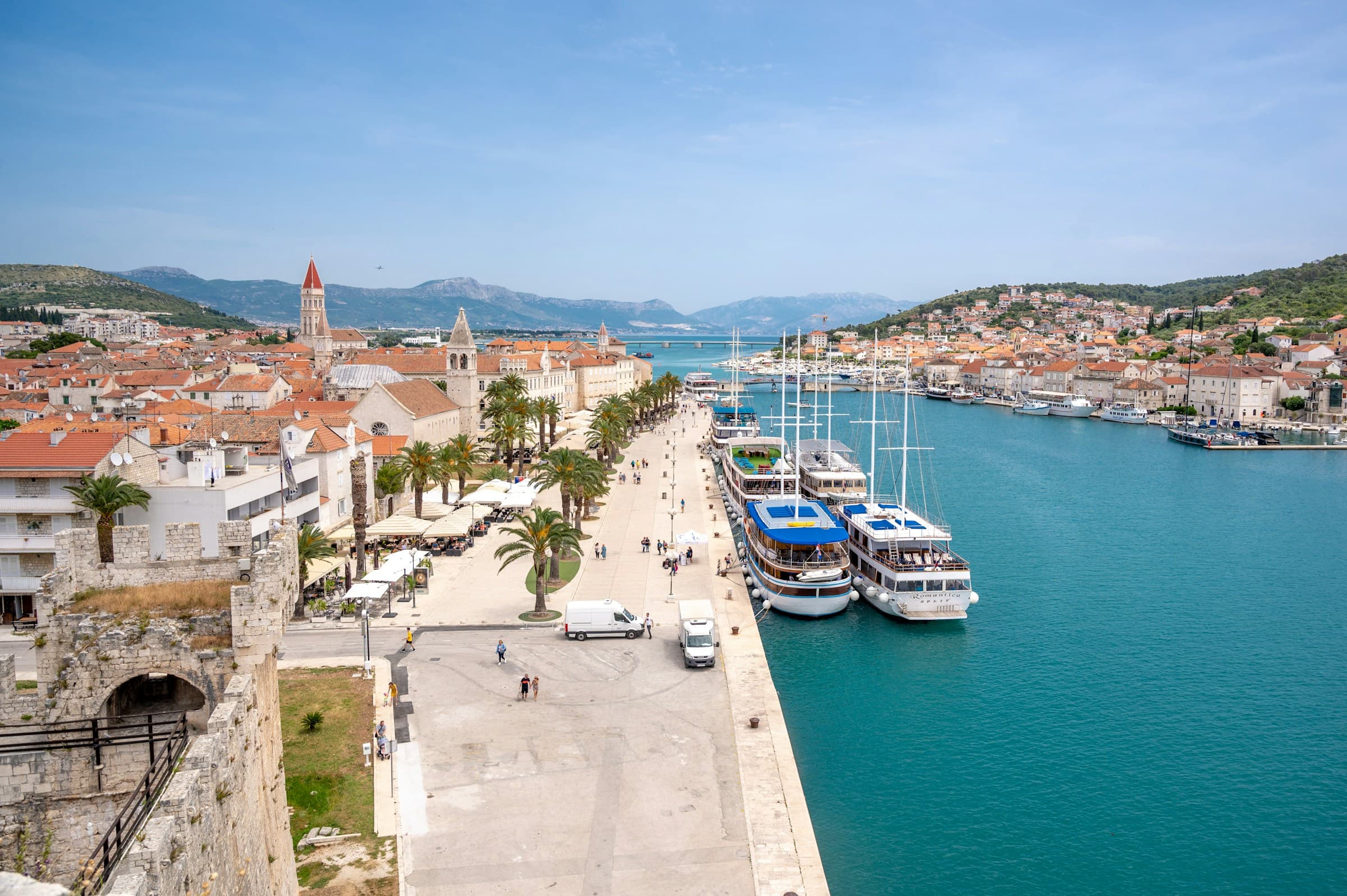
Trogir
A living medieval island — beautifully preserved Venetian architecture and centuries of history
About Trogir
Trogir is a small but remarkably rich coastal town just west of Split, celebrated for its beautifully preserved medieval core and Venetian architecture. The historic centre sits on a tiny island between the mainland and Čiovo, surrounded by clear water that frames the town like a postcard.
Recognised as a UNESCO World Heritage Site, Trogir feels like an open-air museum where Romanesque churches, Gothic palaces and Renaissance courtyards blend seamlessly with a lively harbour and a relaxed Dalmatian rhythm.
A Living Medieval Island
Compact, walkable and steeped in history, Trogir offers centuries of heritage within a few charming streets.
Why Visit Trogir?
UNESCO Heritage
UNESCO-listed historic old town
Medieval Jewel
One of the best-preserved medieval cities in Europe
Walkable & Charming
Compact, walkable and full of atmosphere
Nearby Beaches
Beautiful beaches a short walk or boat ride away
Close to Split
Easy access from Split and Split Airport
Trogir is ideal for travellers who love history, architecture and relaxed coastal charm in a small, elegant setting.
A Glimpse into Trogir's History
From Ancient Settlement to Venetian Jewel
Trogir's history stretches back over 2,300 years, beginning as a Greek settlement before flourishing under Roman and later Venetian rule. Its strategic coastal position made it an important maritime and trading hub — reflected in the wealth of palaces, fortifications and churches that still define the town today.
Venetian influence left a strong architectural imprint, while medieval craftsmanship shaped Trogir's narrow streets and stone façades. Thanks to careful preservation, the town remains one of the best-preserved medieval cities in Europe.
Top Things to See
Explore the UNESCO-listed medieval core and Venetian landmarks
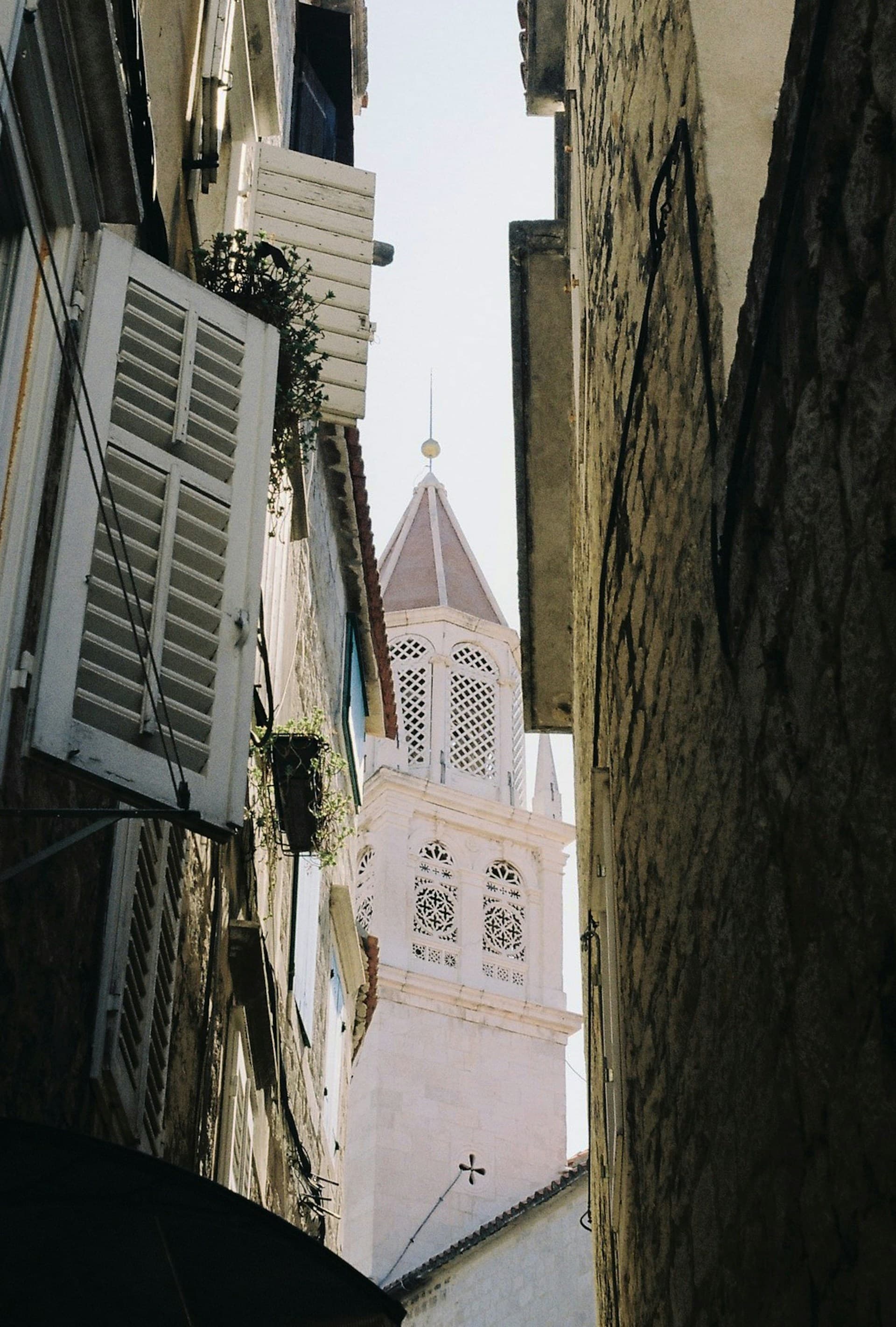
Trogir Cathedral (St. Lawrence)
A masterpiece of Romanesque-Gothic architecture, famous for Master Radovan's 13th-century portal and panoramic views from the bell tower.
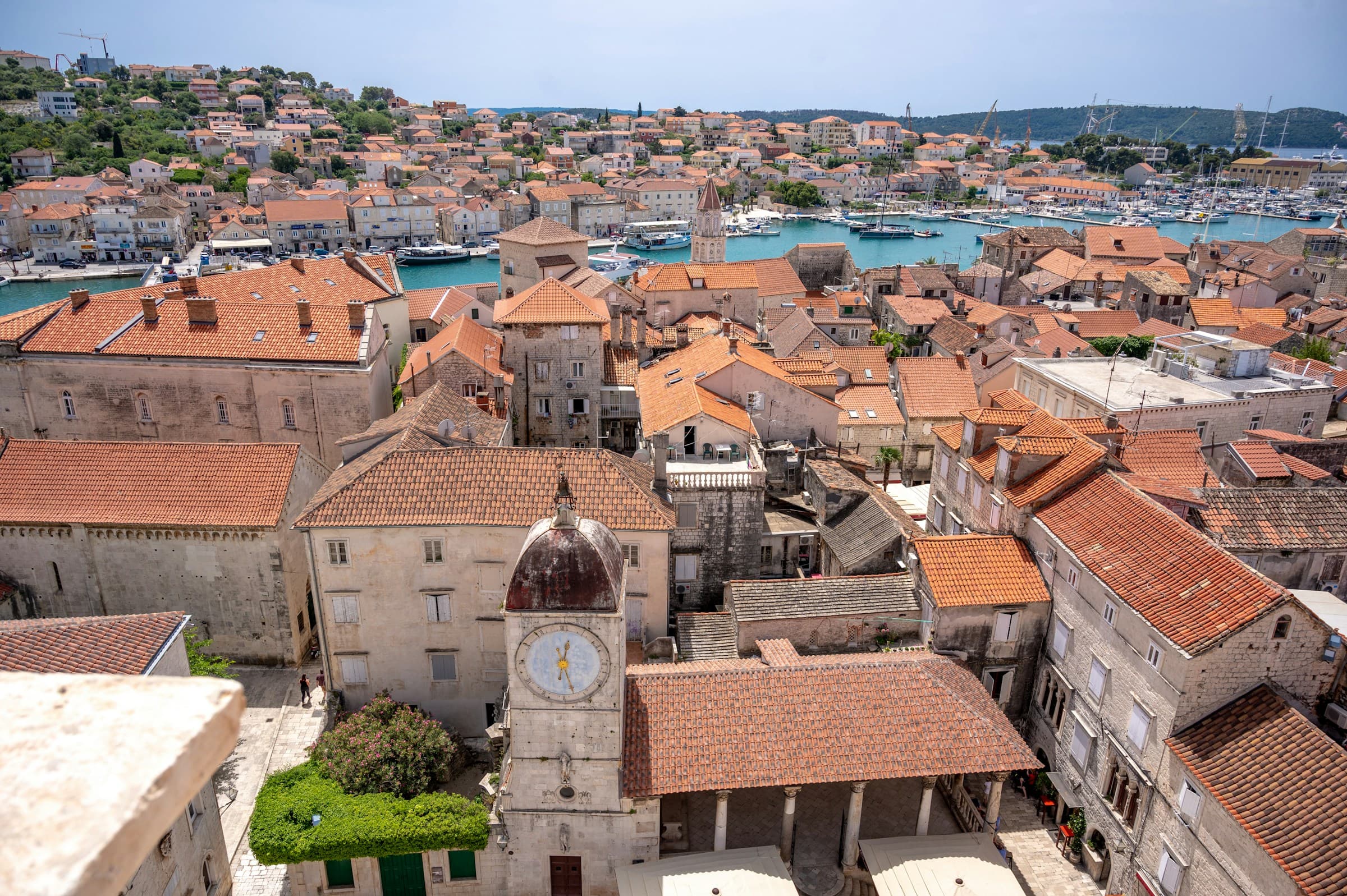
Trogir Old Town
A labyrinth of stone alleys, historic squares, boutiques, cafés and restaurants — perfect for slow exploration.
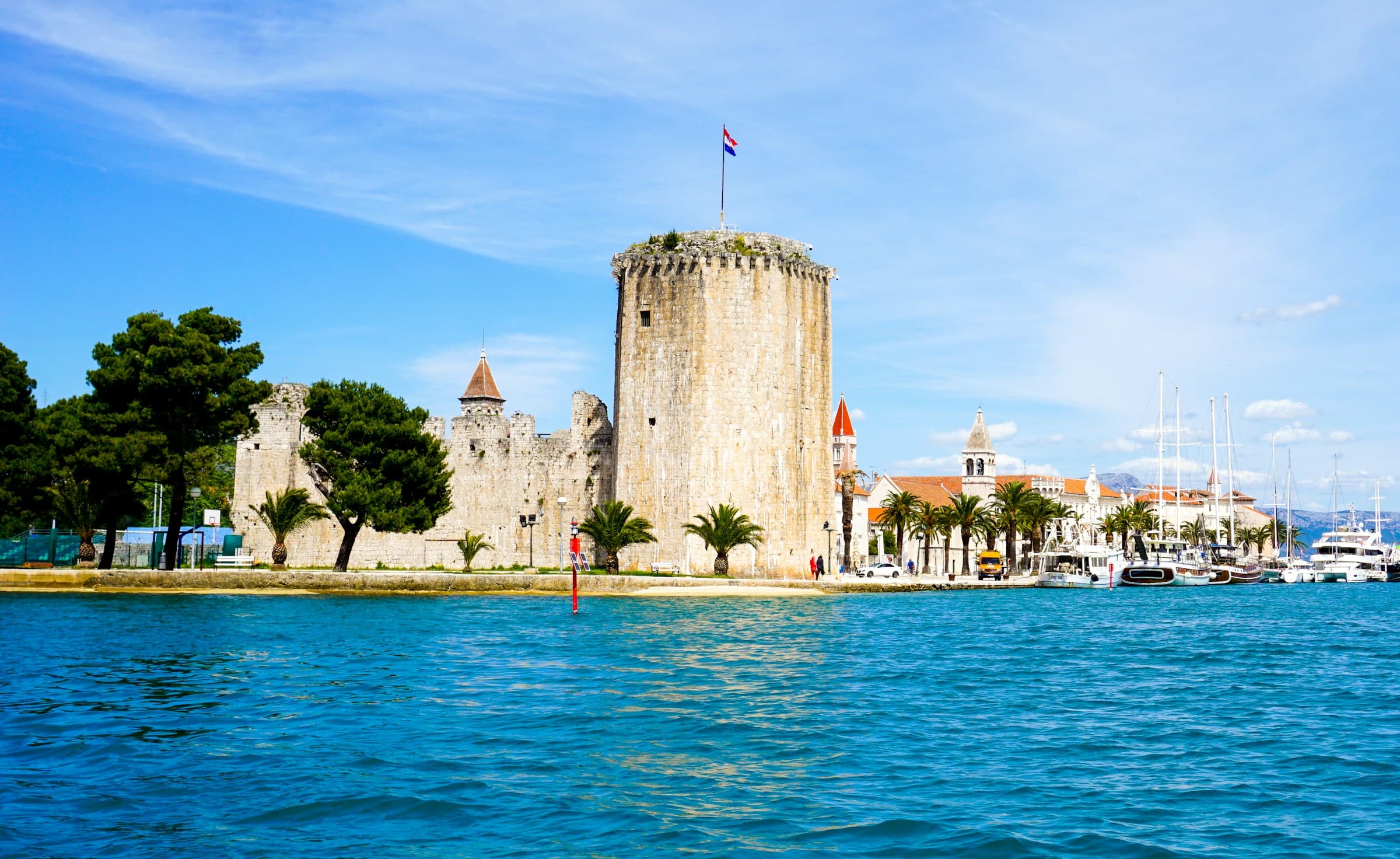
Kamerlengo Fortress
A 15th-century Venetian fortress offering sweeping views over Trogir, the marina and the nearby islands.
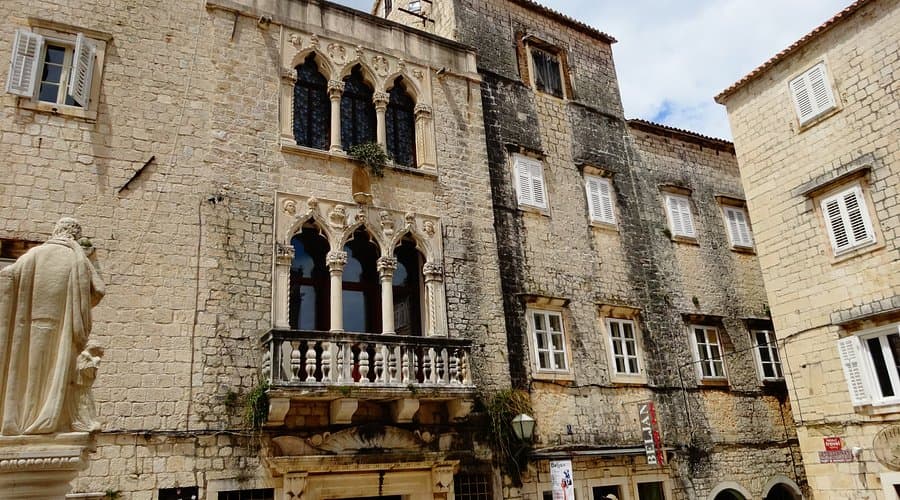
Cipiko Palace
An elegant Renaissance palace that reflects the wealth and refinement of historic Trogir.
Town Loggia
A Venetian-style loggia on the main square, once a civic centre and today a favourite spot to pause and watch the town go by.
Book Guided Tours & Experiences in Trogir
Explore Trogir's UNESCO old town and medieval architecture with local guides.
Beaches & Nature
Discover nearby beaches and coastal experiences
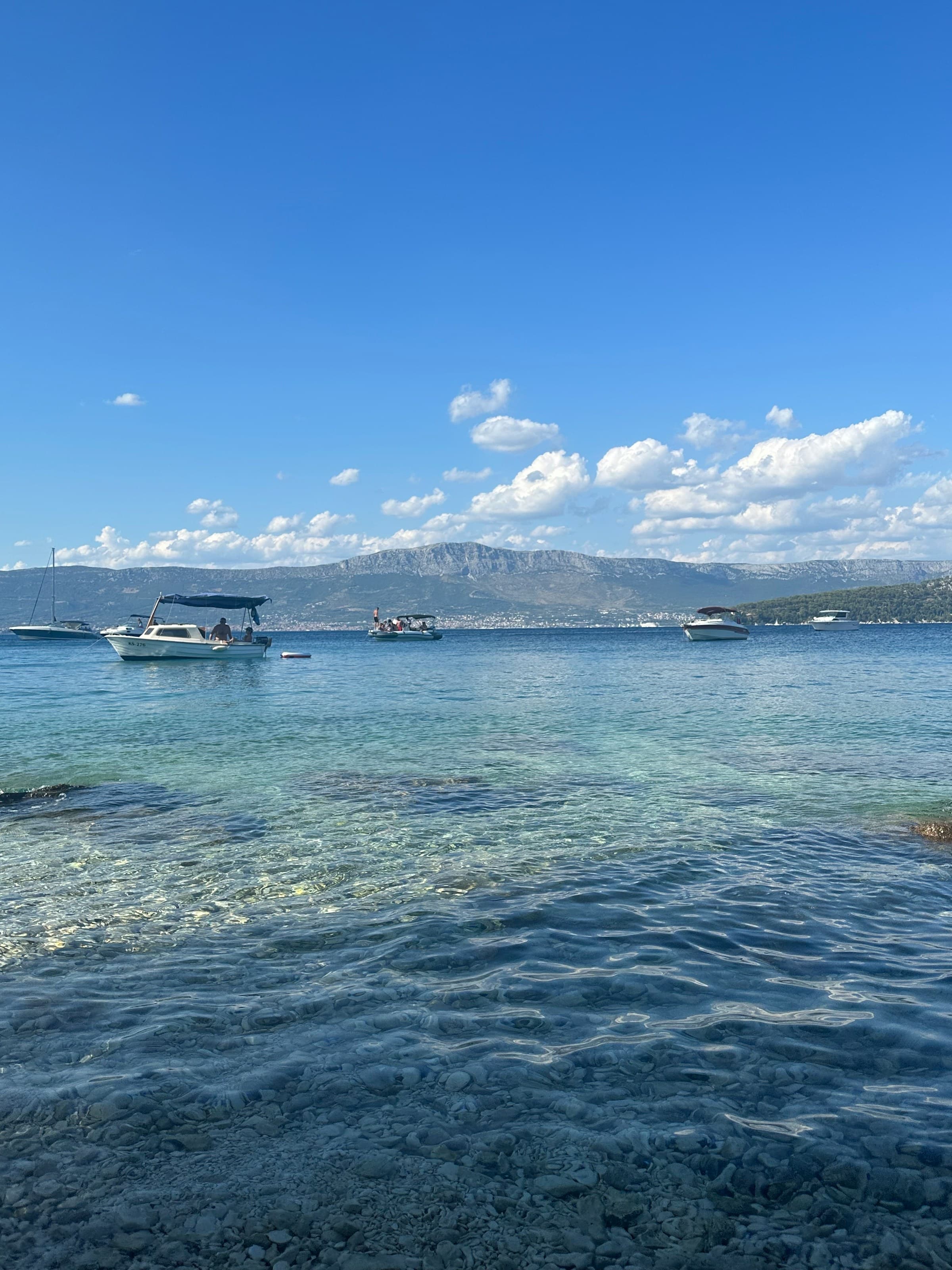
Pantan Beach
A sandy and pebbly beach near the Old Town, backed by a nature reserve and ideal for swimming and a quiet afternoon.
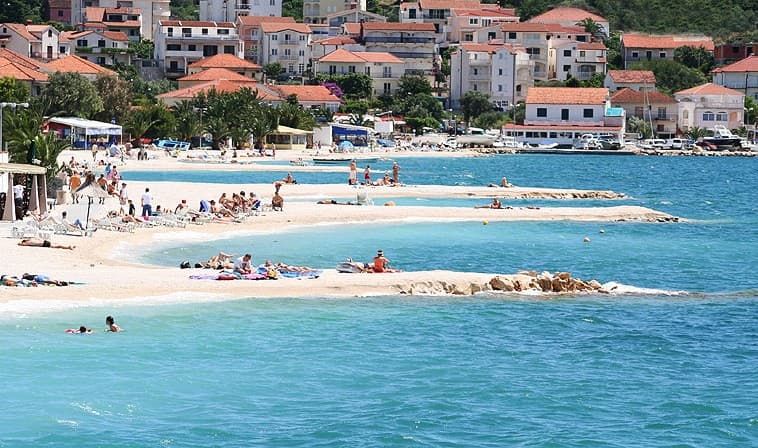
Čiovo Beaches
A short walk or drive across the bridge, Čiovo island offers pebble beaches with clear water and coastal walking paths.
Top Things to Do
Stroll the Historic Centre
Wander UNESCO-listed streets, discover hidden courtyards and enjoy café culture along the harbour.
Harbour Walks
Evenings are perfect for promenades along the marina, with yachts on one side and the old-town skyline on the other.
Boat Trips & Island Hopping
Day trips to nearby islands and the Blue Lagoon are easily arranged from Trogir's harbour.
Culture, Events & Dining
Festivals, intimate evenings and Dalmatian cuisine
Trogir Summer Festival (July–August)
A cultural programme of classical music, theatre and dance performances staged in historic venues around town.
Trogir Carnival (February)
A lively event with parades, costumes and street celebrations rooted in local tradition.
Trogir Heritage Days (May)
A celebration of the town's history and culture, with exhibitions, workshops and guided events.
Best Bars & Cafés
Evenings in Trogir are intimate and atmospheric.
Old Town Wine Bars
Cosy venues set among historic stone walls.
Harbour Cafés
Ideal for sunset drinks overlooking the marina.
Live Music & Nightlife
Nightlife in Trogir is relaxed and charming rather than loud.
Evening Dining & Wine Bars
Al-fresco dinners and quiet drinks along the waterfront.
Late-Night Walks
A peaceful stroll through illuminated medieval streets is a highlight in itself.
Top Restaurants
Trogir's cuisine reflects classic Dalmatian flavours.
Traditional Konobas
Family-run taverns serving fresh seafood, grilled fish and local specialities.
Seaside Restaurants
Mediterranean dining with views of the harbour and old town.
When to Visit Trogir
Find the right time for your Trogir trip
Spring
April–June
Pleasant weather and fewer crowds — perfect for sightseeing through Trogir's UNESCO old town.
- Comfortable temperatures
- Fewer tourists
- Ideal for walking tours
- Mediterranean gardens in bloom
Summer
July–August
Lively atmosphere, festivals and warm sea temperatures — peak season in Trogir.
- Summer festivals
- Warm sea for swimming
- Vibrant evening scene
- Island boat trips
Autumn
September–October
Calm, warm and ideal for exploring without peak crowds. The sea stays swimmable well into October.
- Peaceful atmosphere
- Warm sea temperatures
- Lower accommodation prices
- Local food festivals
Winter
November–March
A quiet time to experience Trogir's local life and explore its Romanesque architecture without crowds.
- Authentic local atmosphere
- Uncrowded historic sites
- Mild Mediterranean winter
- Budget-friendly prices
Getting to Trogir
Multiple ways to reach this medieval island town
By Car
About 25 km west of Split — easily reached via the coastal road.
By Bus
Frequent connections from Split and surrounding towns.
By Boat
Boat transfers and day-excursion boats run from Split and nearby islands.
By Air
Split Airport (SPU) is only about 10 minutes away.
Frequently Asked Questions about Trogir
Most visitors spend 3 to 4 hours exploring Trogir, which is enough to walk the compact Old Town, visit the Cathedral of St. Lawrence with its famous Radovan portal, climb Kamerlengo Fortress and enjoy a coffee on the waterfront. If you also want to visit nearby beaches on Čiovo or have a leisurely lunch, plan for a full half-day or day.
Absolutely. Trogir is just 30 minutes from Split by bus or car and is one of the best-preserved medieval towns in Europe. Its UNESCO-listed Old Town sits on a tiny island connected by bridges and is packed with Romanesque and Renaissance architecture. It makes an easy and rewarding half-day trip from Split, or a pleasant alternative base with a quieter atmosphere.
Trogir is a UNESCO World Heritage Site known for its remarkably well-preserved medieval Old Town built on a small island. Key landmarks include the Cathedral of St. Lawrence with Master Radovan's famous 13th-century portal — one of the finest examples of Romanesque-Gothic art in Europe — Kamerlengo Fortress, and a harmonious mix of Romanesque, Gothic, Renaissance and Baroque architecture.
May–June and September–October offer pleasant weather and fewer tourists. Trogir is manageable even in summer, though the small Old Town can feel crowded around midday in July–August when cruise passengers visit. Early-morning or late-afternoon visits in high season are ideal. The waterfront promenade is lovely for evening strolls year-round.
Yes — and many travellers prefer it. Trogir offers a quieter, more intimate base with excellent restaurants and atmospheric accommodation inside the Old Town. It is only 7 km from Split Airport (closer than Split itself) and well connected by bus to Split. The main trade-off is fewer nightlife options and less direct access to Split's ferry port for island hopping.
Book Tours & Experiences in Trogir
Discover Trogir's UNESCO-listed old town, medieval architecture and nearby beaches with guided tours and boat trips.
Explore More Destinations in Croatia
Split
Dalmatia's vibrant capital just 30 minutes away, built around Diocletian's Palace.
Hvar
Croatia's sunniest island, with lively nightlife and the Pakleni Islands offshore.
Šibenik
Historic city with the UNESCO Cathedral of St. James and gateway to Krka.
Brač
Island home of Zlatni Rat beach and traditional white-stone villages.