Vukovar
Where the Vuka meets the Danube - a town of Baroque heritage, riverfront dignity, and enduring Croatian resilience
Historic, Resilient, and Set on the Danube
Historic, resilient, and set where the Vuka meets the Danube, Vukovar is one of eastern Croatia's most distinctive towns. Located in the heart of Slavonia near the Serbian border, it combines Baroque heritage, riverfront scenery, and a deeply significant modern history that continues to shape its identity today.
Vukovar has a more reflective atmosphere than Croatia's coastal destinations. Its broad rivers, elegant facades, memorial sites, and restored streets give the town a sense of dignity and depth. It is a place where architecture, culture, remembrance, and regional character come together in a way that feels both moving and memorable.
A Riverside Town of History and Memory
Unlike the seaside towns of Dalmatia, Vukovar is defined by rivers, plains, and continental landscapes. Its setting on the Danube gives it an open, spacious character, while the historic center and riverfront reveal layers of aristocratic, civic, and cultural life shaped over centuries.
At the same time, Vukovar is inseparable from its role in modern Croatian history. Visitors come not only for its architecture and museums, but also to better understand the town's endurance, its importance during the Homeland War, and the way remembrance remains part of everyday life.
From Danube Town to Symbol of Resilience
War, Destruction, and Renewal
1991 and the Road to Recovery
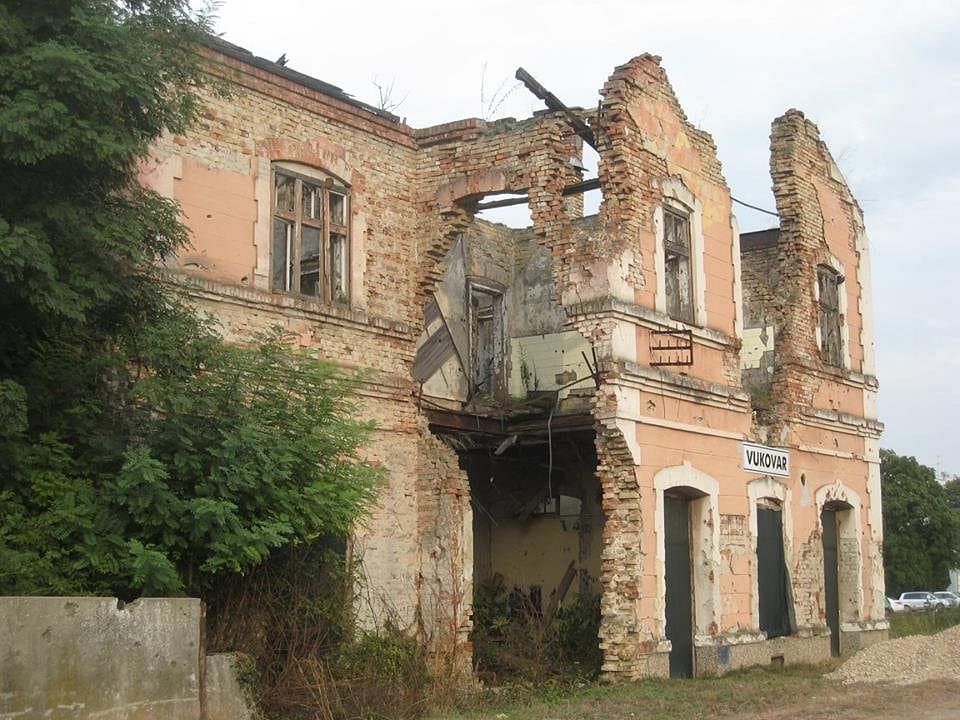
Vukovar's modern identity was profoundly marked by the events of 1991, when the town suffered devastating destruction during the Battle of Vukovar. The siege and its aftermath made Vukovar one of the most symbolic places in contemporary Croatian history.
In the decades since, much of the town has been rebuilt and restored. Today, Vukovar stands not only as a memorial landscape, but also as a living town that continues to preserve its heritage, develop its cultural life, and welcome visitors with dignity and resilience.
From Baroque Settlement to Danube Town
Habsburg Influence and River Trade
Vukovar has roots stretching back to earlier periods, but it developed most strongly in the centuries of Habsburg influence, when it became an important administrative, cultural, and commercial center on the Danube. Its noble residences, churches, and public buildings helped shape the refined urban character still visible today.
The town grew as a place of trade and river traffic, with the Danube playing a central role in its development. Over time, Vukovar became one of the most notable towns in Slavonia, known for its strategic location, multicultural life, and elegant built heritage.
Explore Vukovar Town
Vukovar's town center brings together Baroque heritage, memorial sites, and restored streets that carry the weight and character of its long history.
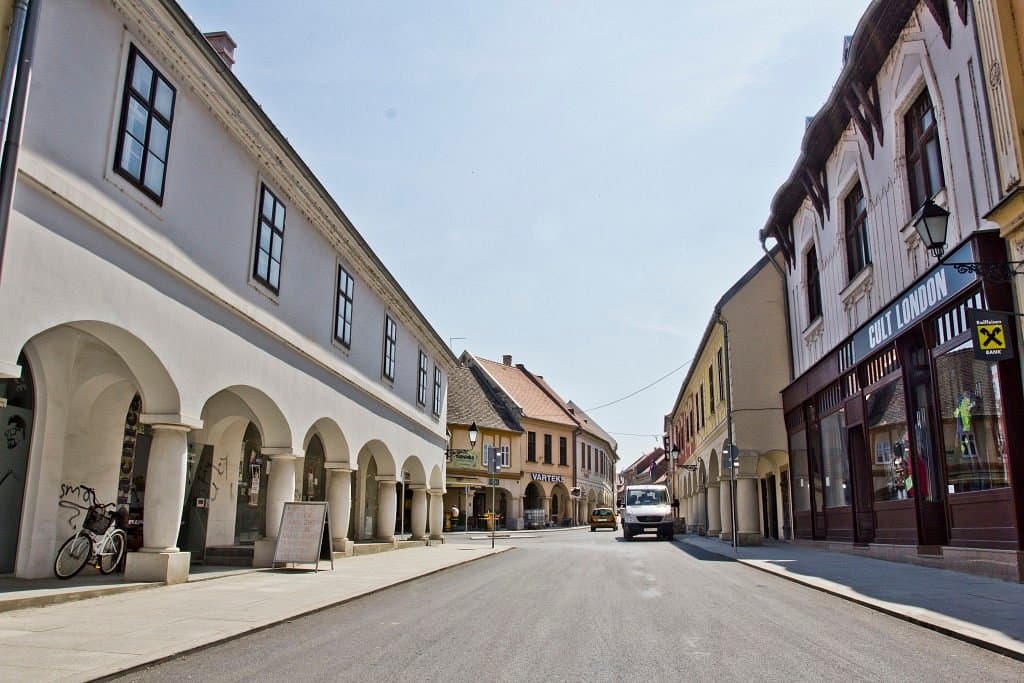
Historic Center
Walk through the restored streets of Vukovar's core, where Baroque facades, civic buildings, and churches reflect the town's long urban tradition.
Eltz Manor
One of Vukovar's most important landmarks, this grand riverside manor houses the Vukovar City Museum and offers insight into the town's aristocratic and cultural past.
Church of St. Philip and St. James
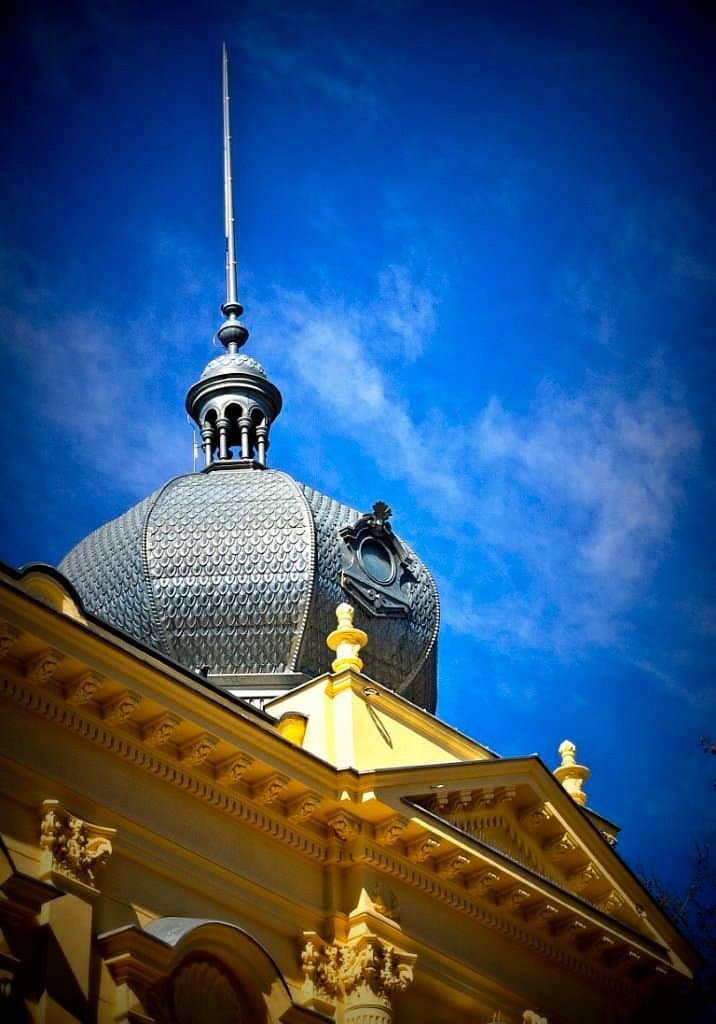
A dominant feature of the town skyline, this large church stands as one of Vukovar's best-known architectural landmarks.
Vukovar Water Tower
The most iconic symbol of the town, preserved as a memorial and viewpoint, representing both destruction and endurance.
Riverfront & Danube Life
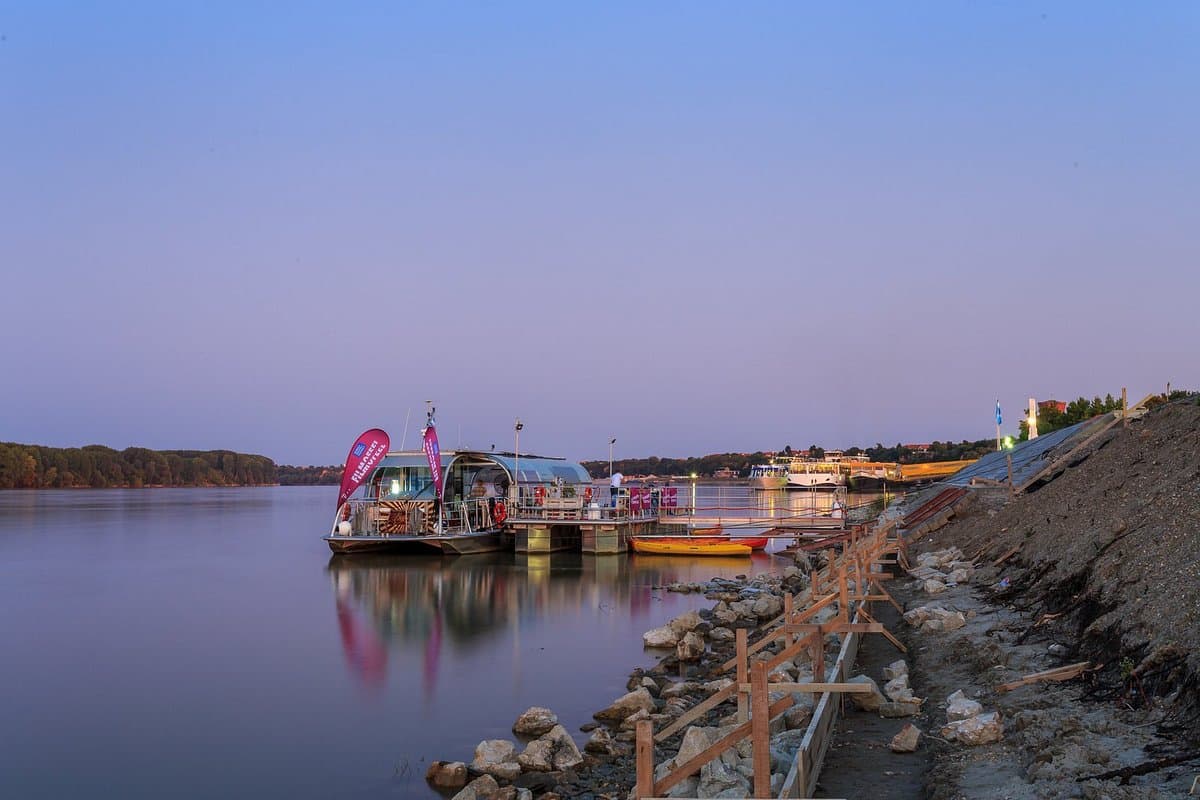
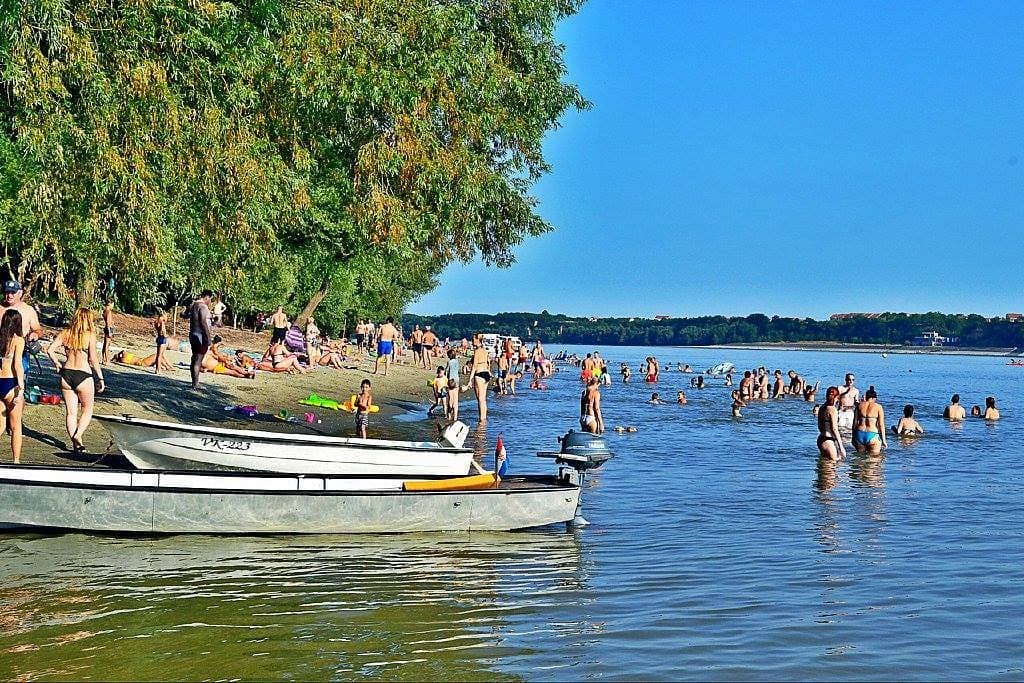
The Danube defines Vukovar's character as much as its architecture. The river gives the town its open, spacious atmosphere and invites a slower, more contemplative pace along its banks.
Danube Promenade
Vukovar's riverfront offers broad views, open walks, and a calmer atmosphere shaped by the presence of one of Europe's great rivers.
Confluence of the Vuka and Danube
The meeting point of the two rivers gives Vukovar much of its geographical identity and adds to the town's spacious, waterfront character.
River Views & Walks
The banks of the Danube are ideal for slower walks, quiet observation, and experiencing the continental landscape that defines eastern Croatia.
Riverfront & Danube Life
Museums, Memory & Culture
Vukovar's museums and memorial sites form one of the most important cultural and historical landscapes in Croatia - places that invite reflection, understanding, and respect.
Vukovar City Museum
Located in Eltz Manor, the museum presents the cultural, historical, and social development of the town through a rich collection and elegant setting.
Memorial Centre of Homeland War
One of the most important places for understanding Vukovar's role in the Croatian War of Independence and the events of 1991.
Hospital Memorial Site
A deeply significant location connected to the wartime history of the town and the experience of civilians and defenders.
Ovčara Memorial Site
A place of remembrance just outside Vukovar, central to understanding the human cost of the war and the memory carried by the region.
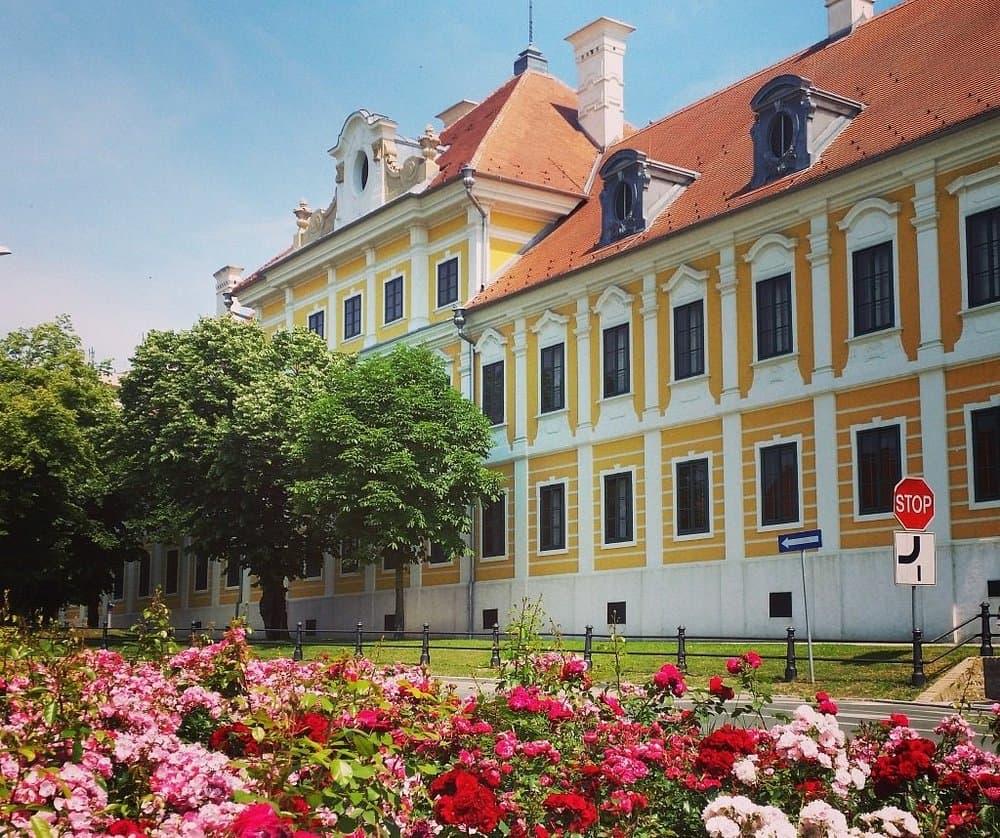
Vukovar City Museum
Eltz Manor
Regional Character & Nearby Experiences
Regional Character & Nearby Experiences
Vukovar sits at the heart of eastern Slavonia, a region of flat horizons, river landscapes, and deep-rooted traditions that reveal a completely different side of Croatia.
Vučedol Culture Museum
Located just outside town, this museum explores one of Europe's most important prehistoric cultures and adds another layer to Vukovar's historical depth.
Slavonian Gastronomy
The wider area offers hearty regional cuisine, river fish, local wines, paprika-rich dishes, and traditional hospitality.
Danube Landscapes
The surrounding countryside and river plains provide a very different Croatian scenery from the coast, shaped by fields, wetlands, and open horizons.
Ilok & Eastern Slavonia
Nearby destinations in the region offer further opportunities for wine, history, and cultural exploration along the Danube.
Must-See Vukovar
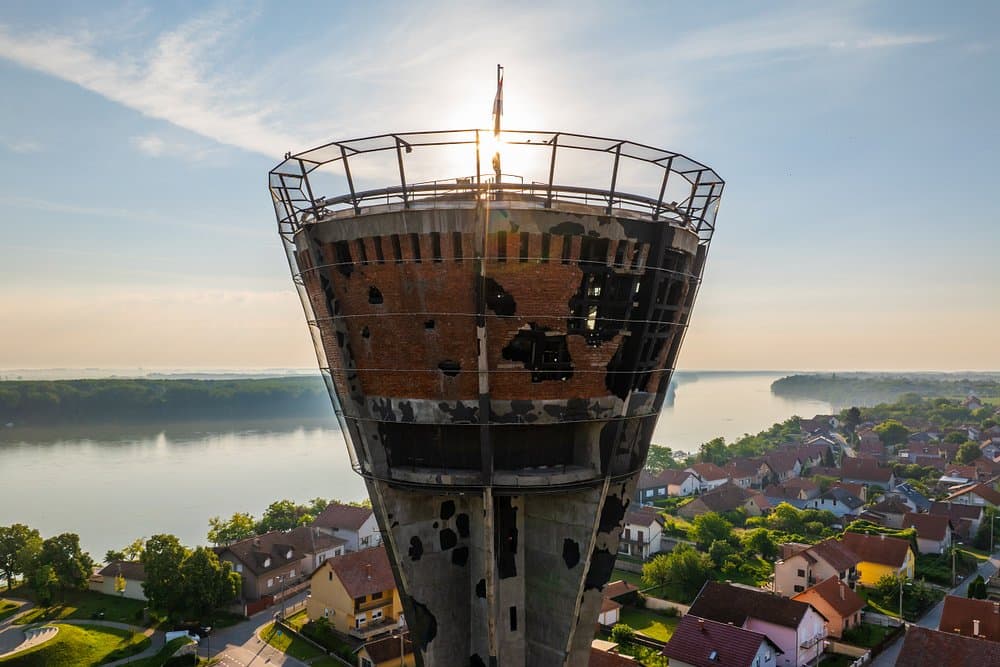
Vukovar Water Tower
Symbol of resilience and remembrance
Vukovar Water Tower
The most iconic symbol of the town, preserved as a memorial and viewpoint representing both destruction and endurance.
Eltz Manor & City Museum
Grand riverside manor housing the Vukovar City Museum - a window into the town's aristocratic and cultural past.
Historic Town Center
Restored Baroque streets and facades that reflect Vukovar's long tradition as a notable Slavonian town.
Church of St. Philip and St. James
A dominant landmark on the town skyline and one of Vukovar's most recognisable architectural features.
Danube Promenade
Broad riverfront walks with open views across one of Europe's greatest rivers.
Memorial Centre of Homeland War
One of the most important memorial and educational sites in Croatia, dedicated to the events of 1991.
Hospital Memorial Site
A deeply significant location connected to the wartime experience of civilians and defenders.
Vučedol Culture Museum
Just outside town - explores one of Europe's most important prehistoric cultures along the Danube.
A Town of Depth, Dignity, and Resilience
Vukovar offers a travel experience unlike anywhere else in Croatia - a place where history feels close, the Danube shapes the horizon, and Croatia's eastern identity reveals itself through culture, remembrance, and remarkable resilience.
- One of Croatia's most historically significant towns
- Distinctive Danube setting and riverfront atmosphere
- Strong blend of heritage, memory, and cultural depth
- Important memorial and museum sites
- Elegant Baroque and civic architecture
- Gateway to the landscapes and traditions of eastern Slavonia
Where the Danube Meets Memory
Vukovar is where history feels close, the Danube shapes the horizon, and Croatia's eastern identity reveals itself through culture, remembrance, and remarkable resilience. It is a town that rewards those who arrive with curiosity and leave with a deeper understanding of Croatia and its people.
When to Visit Vukovar
Vukovar has a continental climate - warm summers, colourful autumns, and colder winters than Croatia's coast
Spring
April-June
Ideal for walking, sightseeing, and exploring the riverfront and museum sites in mild, pleasant weather.
- Mild temperatures
- Great for walking
- Museum visits
- Riverfront strolls
Summer
July-August
Warm and bright with long days suited to river views, town walks, and regional excursions into Slavonia.
- Long sunny days
- River atmosphere
- Regional day trips
- Outdoor cafés
Autumn
September-October
Especially atmospheric - softer light, harvest season in Slavonia, and a pleasant pace for cultural travel.
- Beautiful light
- Harvest season
- Fewer visitors
- Ideal for reflection
Winter
November-March
Quieter and colder, with a more reflective atmosphere that suits the town's historical character and depth.
- Authentic atmosphere
- No crowds
- Budget-friendly
- Contemplative visits
Your Journey to the Danube
By Car
Vukovar is easily reached by road from Osijek and other parts of eastern Croatia, with good regional connections throughout Slavonia.
By Bus
Regular bus services connect Vukovar with Osijek, Zagreb, and other Croatian cities throughout the year.
By Train
Rail connections are available to Vukovar, though travel times may be slower than by road depending on the route.
By Air
The nearest major airport is Osijek Airport. Continue to Vukovar by car or bus - a short and straightforward journey.
By River Cruise
Some Danube river cruises stop in Vukovar, making the town an important inland port destination for visitors arriving by water.
Frequently Asked Questions about Vukovar
Vukovar is known for its deeply significant role in modern Croatian history, particularly the 1991 Battle of Vukovar during the Croatian War of Independence. The town is also recognised for its Baroque heritage, Danube riverfront, Eltz Manor, and the iconic Water Tower - a symbol of the town's resilience. It is one of the most historically important destinations in eastern Croatia.
Yes. Vukovar offers a unique travel experience that combines Baroque architecture, riverfront landscapes, important museum sites, and a profound modern history. It is a place that rewards thoughtful visitors and provides insight into Croatia's past and resilience. The town has been substantially rebuilt and welcomes visitors with dignity and openness.
The Vukovar Water Tower, Eltz Manor and the Vukovar City Museum, the Memorial Centre of Homeland War, the Hospital Memorial Site, the Danube Promenade, and the Vučedol Culture Museum just outside town are all essential visits.
Vukovar is best reached by car or bus from Osijek, around 30 minutes away, or Zagreb, around 2.5-3 hours away. The nearest major airport is Osijek Airport. Some Danube river cruises also stop in Vukovar, making it accessible for cruise passengers.
Spring, from April to June, and autumn, from September to October, offer the most pleasant weather for sightseeing and cultural visits. Summer is warm and bright. Autumn is particularly atmospheric with its softer light and harvest season in Slavonia. Vukovar can be visited year-round as its cultural and memorial sites are open in all seasons.
Book Tours & Experiences in Vukovar
Explore Vukovar's history and heritage with guided tours, memorial visits, and regional excursions.