Žumberak – Samoborsko Gorje Nature Park
A peaceful highland escape with rolling hills, deep forests, and traditional villages — one of Croatia's most tranquil nature parks.
A Tranquil Highland Retreat
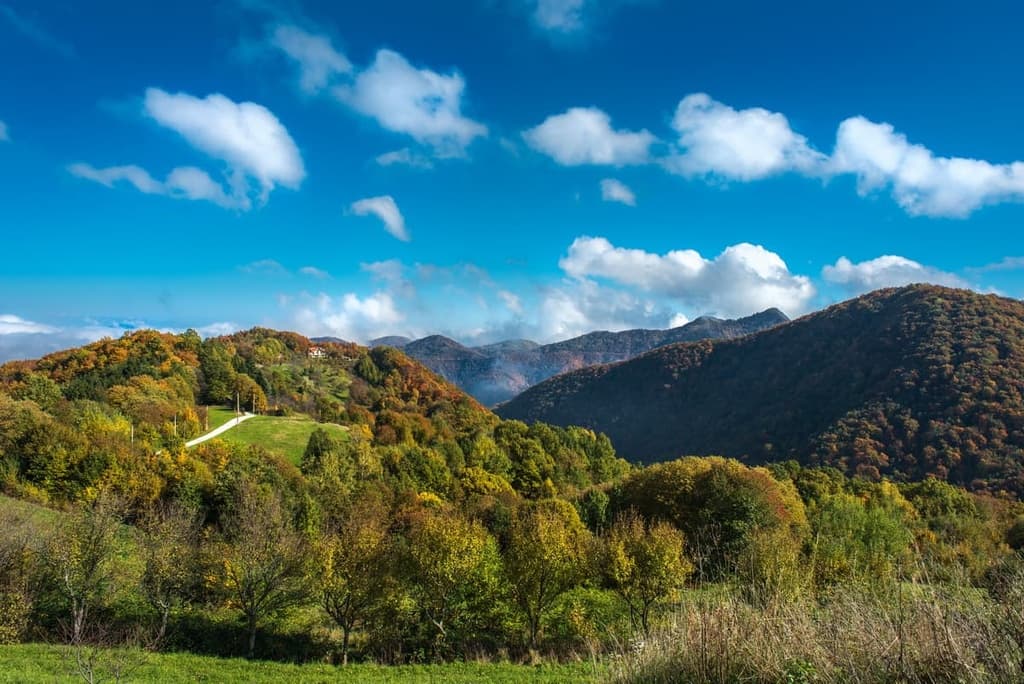
Žumberak – Samoborsko Gorje Nature Park is a green, gently mountainous area west of Zagreb, stretching along the Croatian–Slovenian border. Rolling hills, deep forests, quiet valleys, and scattered hamlets give the park one of the most tranquil settings in continental Croatia.
Unlike Croatia's dramatic alpine parks or its famous waterfall landscapes, Žumberak is defined by soft mountain scenery, rich biodiversity, and a quiet cultural heritage. It suits slow travel — gentle hikes, peaceful drives, and a slower look at rural Croatia far from the coast and the crowds.
The park protects a varied mosaic of habitats where beech and oak forests meet open meadows shaped by centuries of small-scale farming. Scattered through the landscape are historic villages with wooden houses, stone chapels, and rural architecture that quietly carries the region's heritage.
Gentle Mountains
Rolling hills and soft mountain scenery suited to relaxed hiking. Japetić, the highest peak of Samoborsko Gorje, opens up panoramic views across northwestern Croatia.
Deep Forests
Beech and oak forests with well-marked trails offer shaded walks and a constantly changing palette through the seasons. Biodiversity here is genuinely rich.
Traditional Villages
Scattered hamlets with wooden houses, stone chapels, and authentic rural life that has continued through generations of upland communities.
Why Visit Žumberak – Samoborsko Gorje
Quiet, authentic, and easy to reach — a gentle outdoor escape in one of Croatia's least crowded nature parks.
Close to Zagreb
Around 45 minutes from the capital, which makes day trips and weekend escapes practical without long travel.
Easy Hiking
Gentle, well-marked trails wind through forest and open meadow — suitable for most fitness levels and free of steep elevation gain.
Cultural Villages
Highland villages with historic churches and chapels carry a quiet, lived-in version of Croatian rural heritage.
Free Entrance
No entrance fees, no ticket gates — trails and parking are free, which makes the whole park genuinely accessible.
Top Highlights
Natural landmarks and cultural sites worth singling out across Žumberak – Samoborsko Gorje.
Japetić Peak
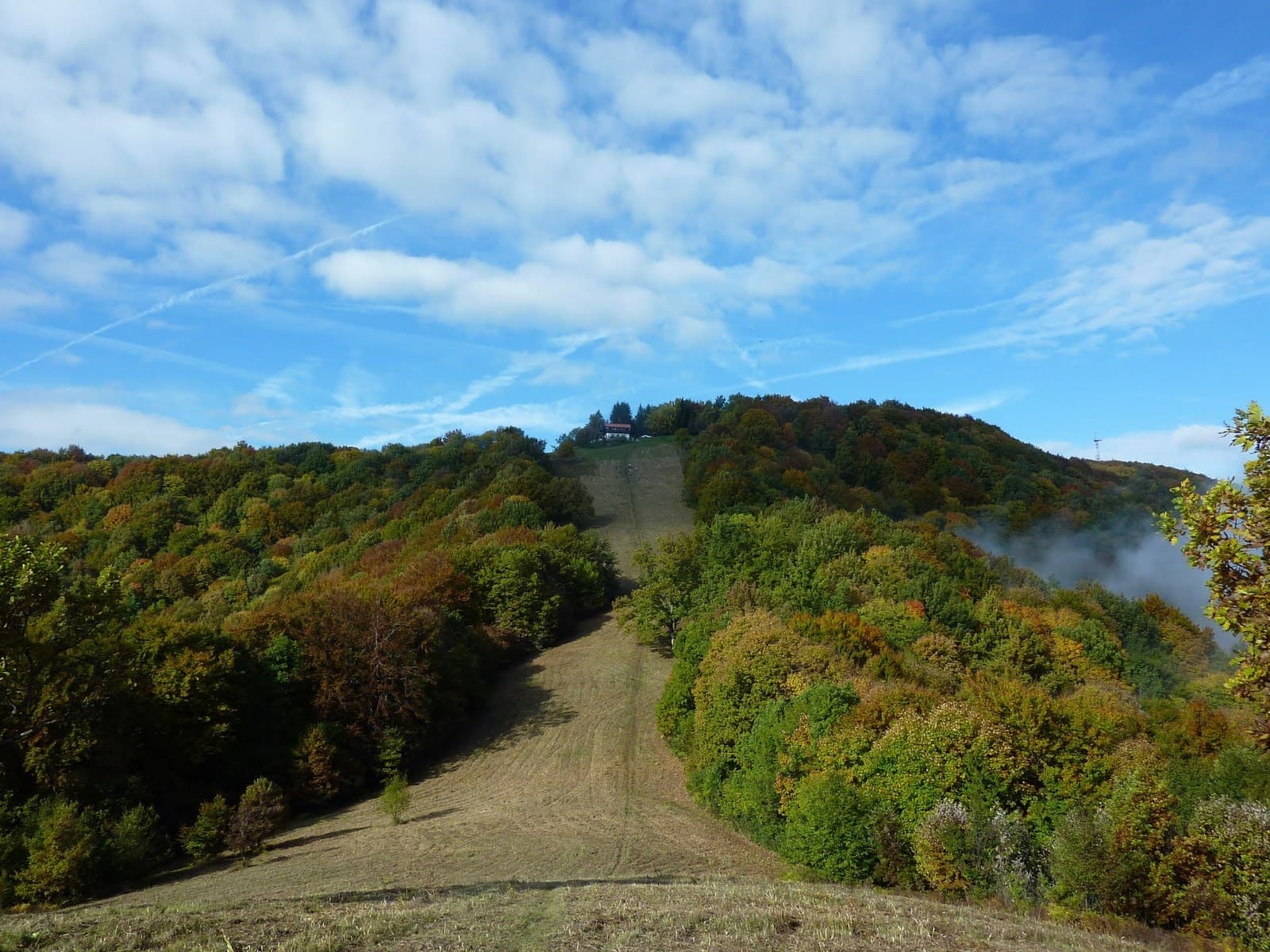
The highest peak of Samoborsko Gorje opens up panoramic views across northwestern Croatia and, on clear days, well into Slovenia. The summit is reached on well-marked forest trails, and a small mountain hut at the top serves food and drinks. Many local hikers consider it their favourite short summit near Zagreb.
Sopot Waterfall
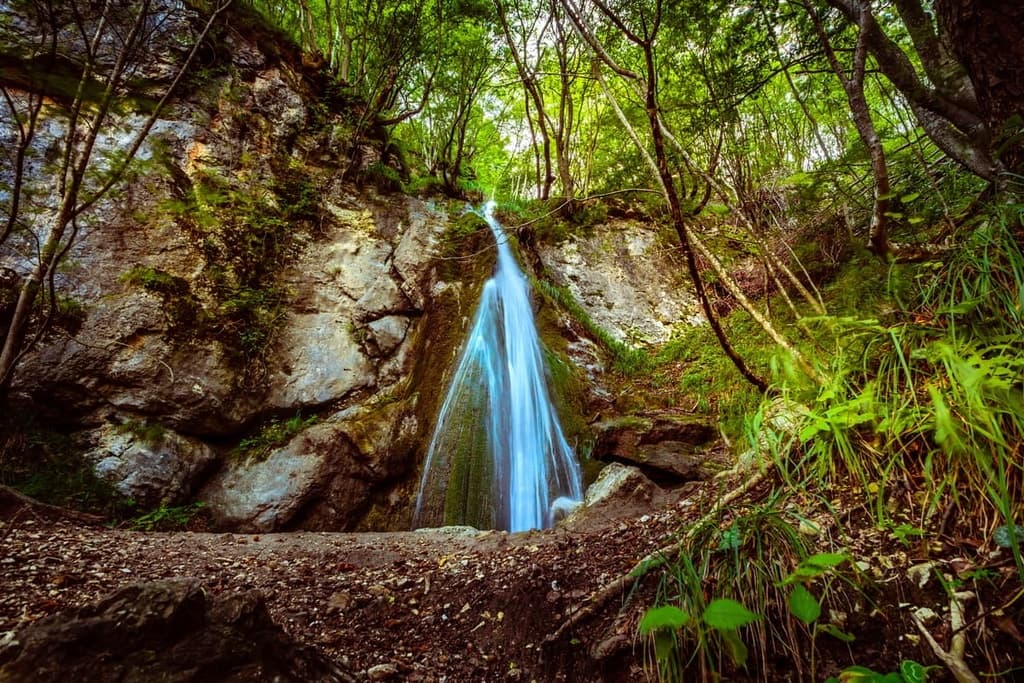
One of the tallest waterfalls in the area, Sopot hides in a forested valley and is at its most powerful after spring rains. The walk in passes through dense woodland, with the sound of falling water growing as you approach. The setting is peaceful and rarely crowded.
Traditional Villages
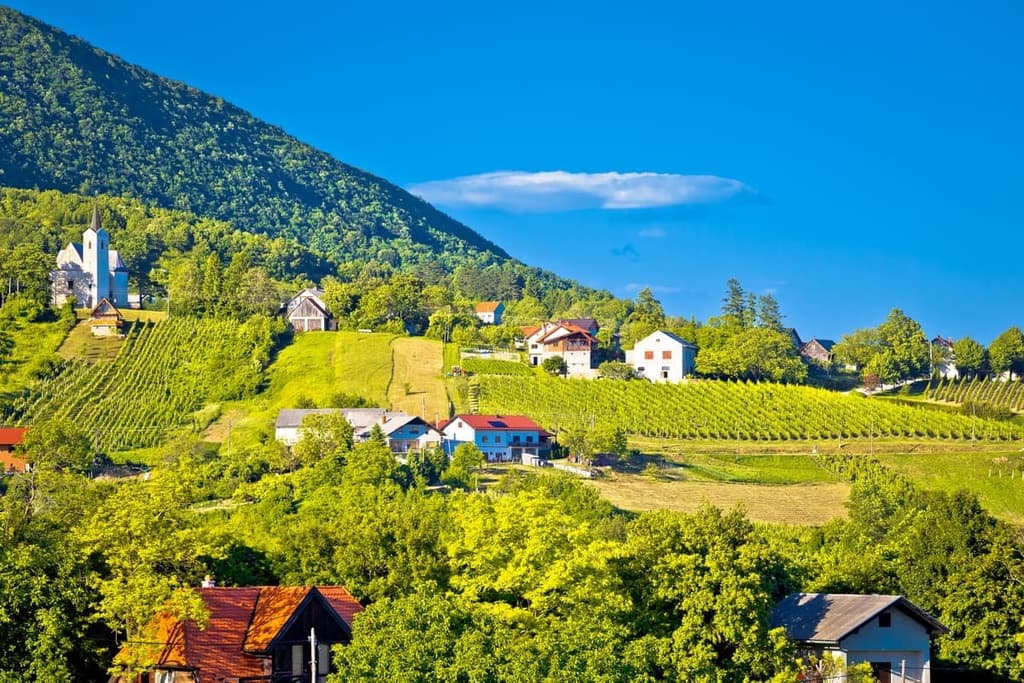
Small hamlets are scattered across the park, with wooden houses, stone chapels, and preserved rural architecture. Walking through them gives a real sense of upland life — slow rhythm, small farms, and a landscape that has been quietly worked for centuries.
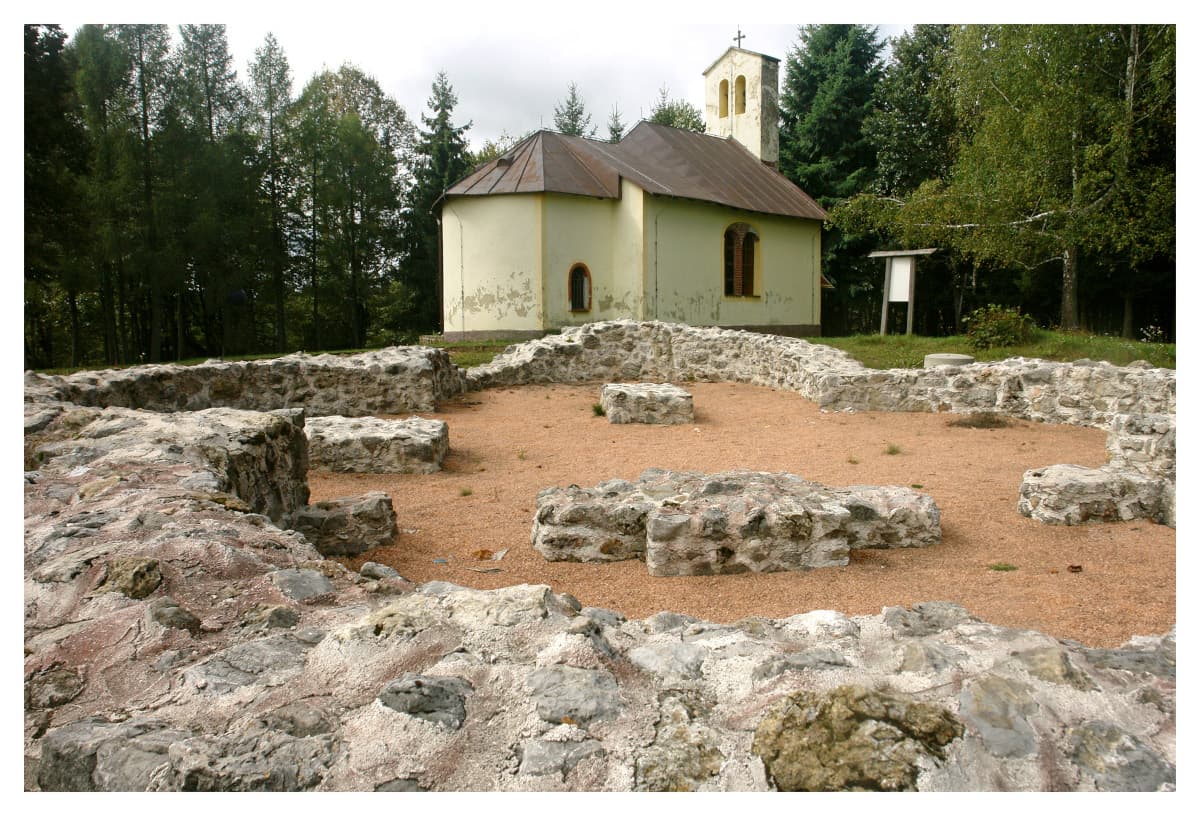
Historic Churches & Chapels
The region's distinctive religious history is visible in numerous old churches and roadside chapels. Many are several centuries old, often perched on hilltops or tucked into valleys, and remain important to the communities that live around them.
Book Tours & Experiences in Žumberak
Explore Žumberak's nature trails on guided day trips from Zagreb.
Things to Do
Gentle outdoor activities, cultural detours, and time spent away from a screen.
Hiking & Walking
A wide network of marked trails covers everything from easy forest loops for families to ridge walks and the Japetić summit route. Trails are generally shaded and well signposted.
Nature Walks & Picnics
Quiet meadows and forest clearings are made for slow walks and picnics. The combination of open ground and woodland makes it easy to find a spot to yourself.
Cultural Exploration
Visit traditional villages, old farmsteads, and historic chapels to get a feel for the region's heritage. Local communities are small, and signs of older rural life are still close to the surface.
Photography & Relaxation
Rolling hills, forest paths, and quiet villages make for a calm, photogenic landscape — especially with morning mist in the valleys or autumn colour in the forests.
Flora & Fauna
The biodiversity quietly protected inside Žumberak's forests and meadows.
Forest Ecosystems
Beech and oak dominate the park's forests, creating a continuous canopy that shelters a wide range of species. Old woodland alternates with open meadows shaped by traditional farming — a varied mosaic that supports high biodiversity.
Birdlife
The park is a quiet, undisturbed habitat for forest species such as woodpeckers and owls, as well as open-country birds across the meadows. Early mornings are the best window for birdwatchers.
Flora Diversity
Forest wildflowers, meadow species, and mountain plants thrive across the park. Spring brings spectacular meadow blooms, while shade-loving plants and fungi populate the forest interior throughout the year.
Wildlife
Roe deer and wild boar roam the forest interior, often visible at dawn or dusk. The park is also rich in butterflies, beetles, and other insects that quietly hold the ecosystem together.
When to Visit Žumberak
Each season brings its own character to Žumberak's gentle highlands.
Spring
April–June
The best time to come — meadows in bloom, waterfalls at their strongest after winter, and mild temperatures that suit long walks.
- Wildflower meadows
- Strong waterfalls
- Mild temperatures
- Active wildlife
Summer
July–August
Comfortable hiking weather with the forest canopy providing natural shade on hot days. Long daylight hours make day trips easy.
- Shaded forest trails
- Comfortable hiking
- Long daylight hours
- Family-friendly
Autumn
September–October
A magical season as the forests turn gold and red. Cool, quiet, and one of the most rewarding times to walk the ridges.
- Autumn colour
- Peaceful atmosphere
- Ideal temperatures
- Excellent photography
Winter
November–March
Snow transforms the highlands into a quiet winter landscape. Trails are best left to experienced walkers, but the solitude is real.
- Snowy scenery
- Real solitude
- Winter hiking
- Authentic atmosphere
Practical Information
What you need to know before visiting Žumberak – Samoborsko Gorje Nature Park.
Getting There
By car: around 45 minutes from Zagreb. The park stretches along the Croatian–Slovenian border, west of the capital.
Easy to combine with a visit to Samobor for a relaxed day trip or weekend escape from Zagreb.
Entrance Fee
Free entry — Žumberak is a nature park (not a national park), so there are no entrance fees or tickets.
Trails, villages, and natural attractions can be explored freely throughout the park.
Best For
Day trips and weekend escapes from Zagreb
Hiking and nature walks in quiet surroundings
Exploring traditional villages and rural culture
Photography and relaxation away from crowds
Transportation
A car is strongly recommended for flexibility and access to trailheads, most of which are reached by road.
Public transport links are limited — a personal vehicle gives the best experience by far.
What to Bring
- Sturdy hiking shoes for forest trails
- Water and snacks (facilities are limited)
- Weather-appropriate layers
- Camera for landscapes and villages
Good to Know
One of the best hiking areas near Zagreb — and rarely crowded even in peak season.
Facilities inside the park are limited, so come prepared with supplies.
Respect local villages and wildlife. Standard nature-protection rules apply.
Book Tours & Experiences near Žumberak
Explore the rolling hills, hidden waterfalls, and forest trails of Žumberak on guided day trips from Zagreb.
Explore More Destinations in Croatia
Samobor
Charming small town at the foot of Samoborsko Gorje, known for its old quarter, traditional cafés, and the famous Samobor kremšnita.
Zagreb
Croatia's capital, around 45 minutes from Žumberak and the natural starting point for any trip into the park.
Plitvice Lakes National Park
Croatia's most famous national park — a different kind of forest landscape, built around lakes and waterfalls.