Krk
Croatia's largest and most accessible island — where ancient history meets modern comfort and diverse landscapes
About Krk
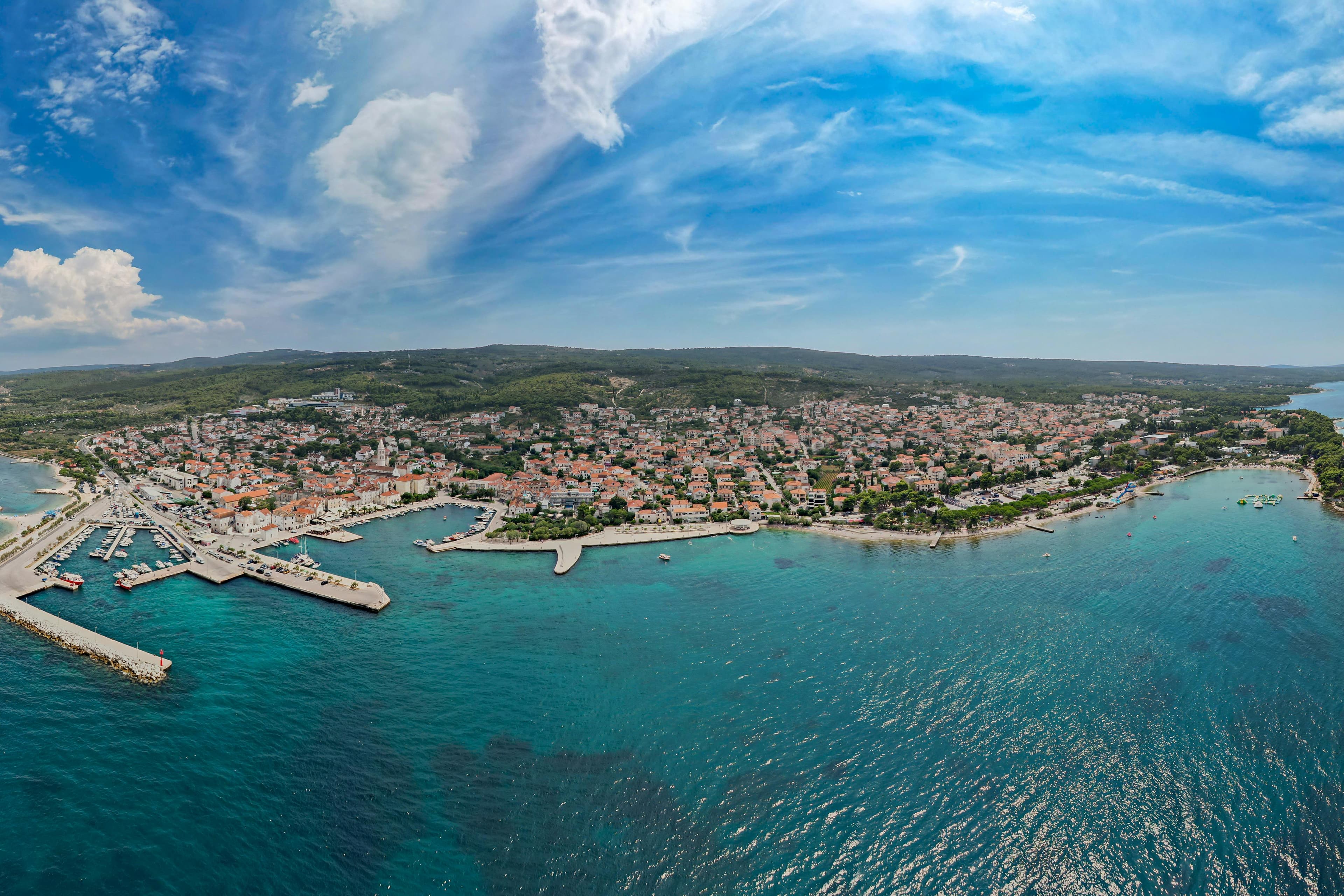
Often called the "Golden Island" (Insula Aurea), Krk is one of Croatia's most diverse and accessible islands. Located in the northern Adriatic and connected to the mainland by the Krk Bridge, it is the largest island in Croatia and a perfect blend of history, nature, and modern island life.
With charming medieval towns, crystal-clear waters, lush vineyards, and a cultural heritage stretching back to prehistoric times, Krk appeals to families, couples, and active travellers alike. From lively seaside promenades to secluded coves and historic hilltop towns, the island offers something for every travel style.
Easy Access
Krk is connected to the mainland by the impressive Krk Bridge, making it one of the easiest Croatian islands to reach by car. The island also has its own airport, Rijeka Airport, offering seasonal international flights.
Why Visit Krk?
An island where history, nature, and comfort come together, offering an authentic yet relaxed Adriatic experience
Easy Access
Connected by bridge and with its own airport, Krk is one of the most accessible Croatian islands.
Island Diversity
One of Croatia's most varied islands, with medieval towns, vineyards, beaches, and rugged interior landscapes.
Rich Heritage
Glagolitic manuscripts, Frankopan castles, and centuries of cultural significance give Krk real depth beyond the beaches.
Key Highlights
A Glimpse into Krk's History
Thousands of years of continuous habitation and cultural significance
Krk has been continuously inhabited since prehistoric times and was an important Roman and medieval centre. Over the centuries, it developed into a cultural and religious hub, leaving behind a rich legacy of architecture, manuscripts, and traditions.
The Frankopans
One of the island's most powerful noble families ruled Krk during the Middle Ages, leaving their mark through castles, fortifications, and churches.
Glagolitic Heritage
The island is closely linked to Glagolitic heritage, including some of the oldest written Croatian texts.
Layered Past
Today, Krk's historic towns preserve this history through Roman ruins, medieval walls, monasteries, and centuries-old cathedrals.
Top Things to See
Medieval towns, historic sites, and natural wonders across the island
Krk Town
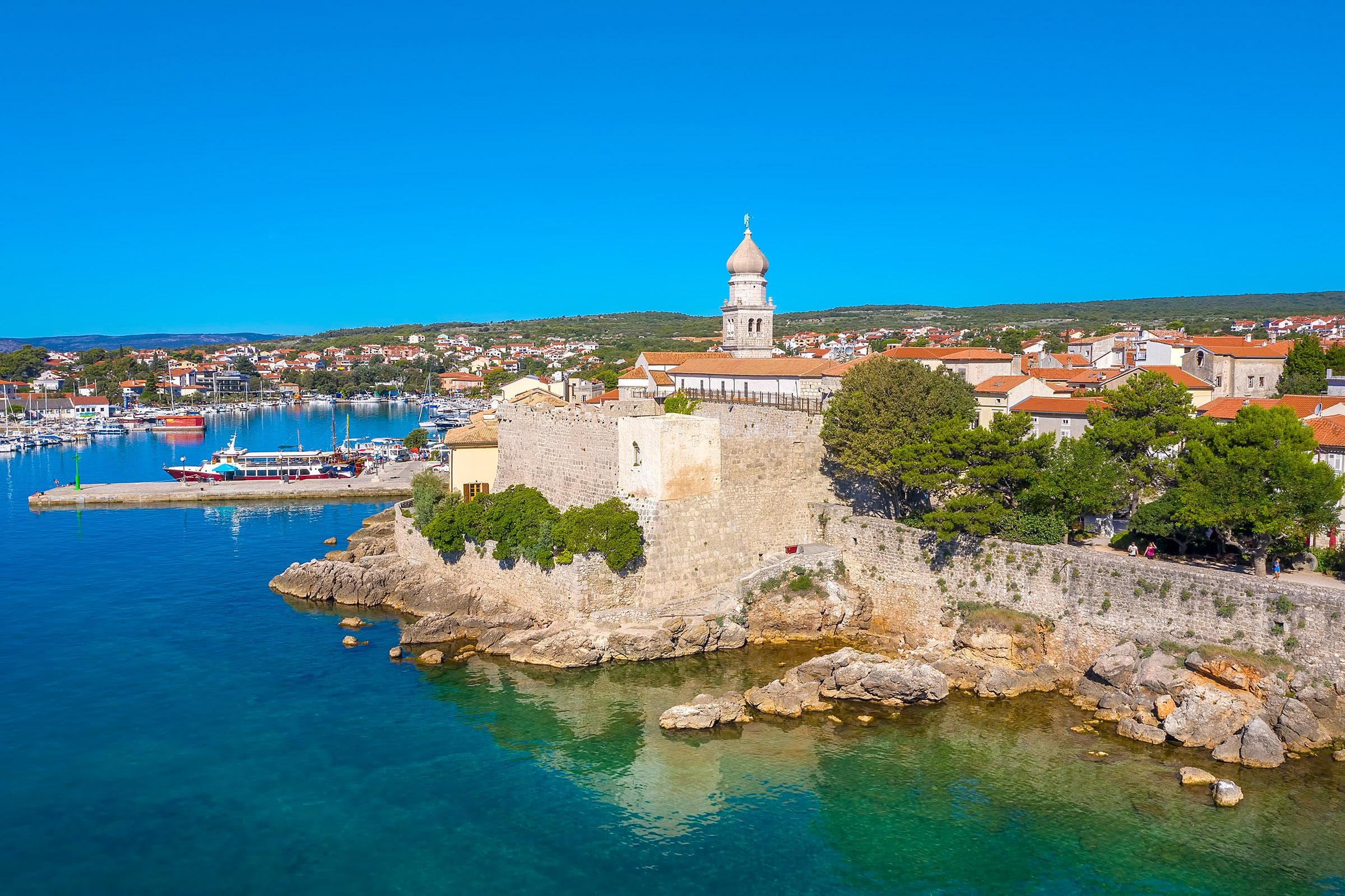
The island's main town is a lively mix of history and seaside charm. Highlights include Frankopan Castle, the Cathedral of the Assumption, and the waterfront promenade lined with cafes and restaurants.
Vrbnik
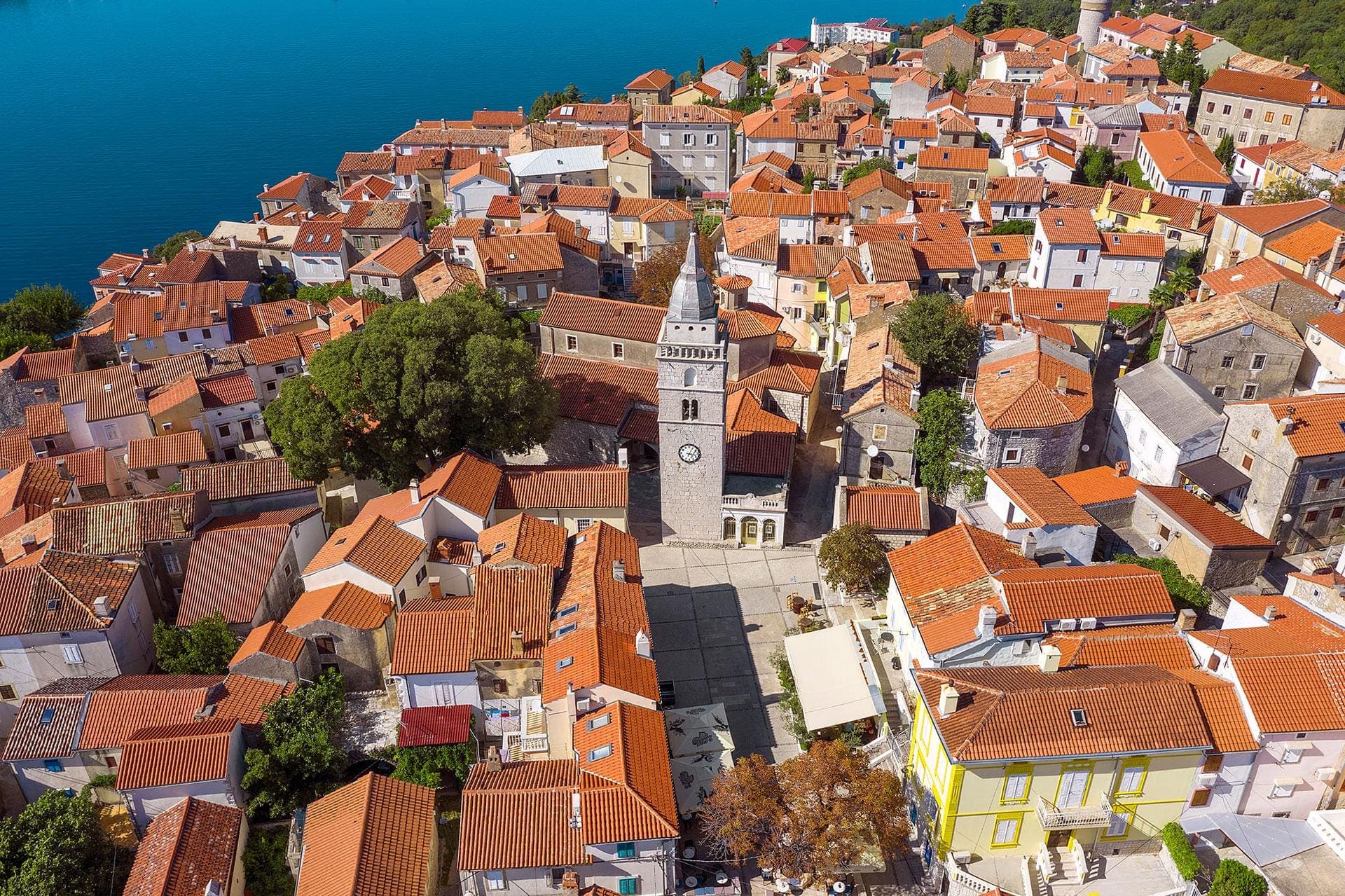
Perched dramatically on a cliff above the sea, Vrbnik is famous for narrow stone streets and local Žlahtina white wine, with wide views over Kvarner Bay.
Baška & the Baška Tablet
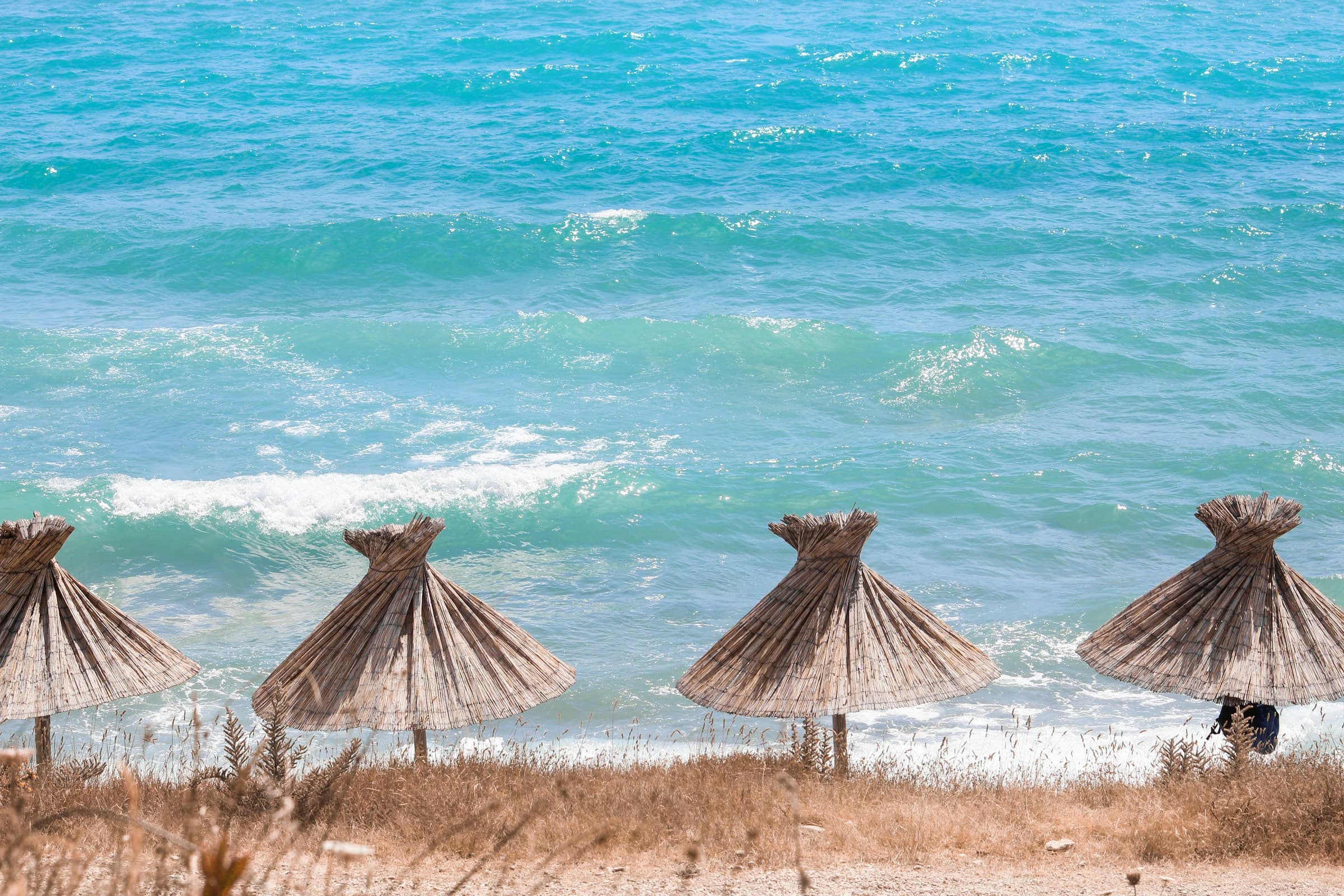
Baška combines one of Croatia's most beautiful beaches with the famous Baška Tablet, a 12th-century Glagolitic inscription. The surrounding landscape is excellent for hiking and scenic walks.
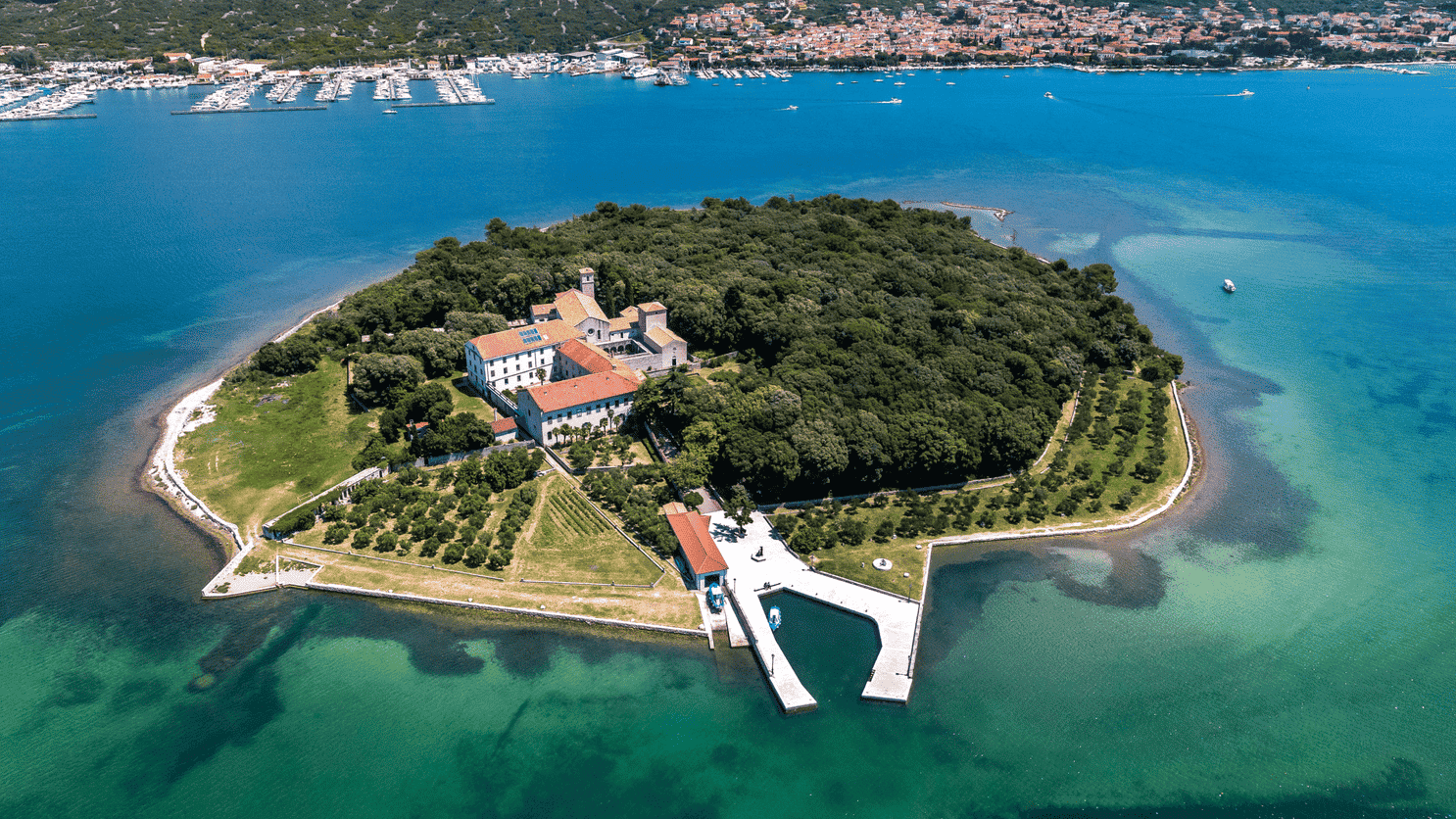
Punat & Košljun Islet
A short boat ride from Punat leads to Košljun, a small island with a Franciscan monastery, museum collections, and a peaceful botanical garden.
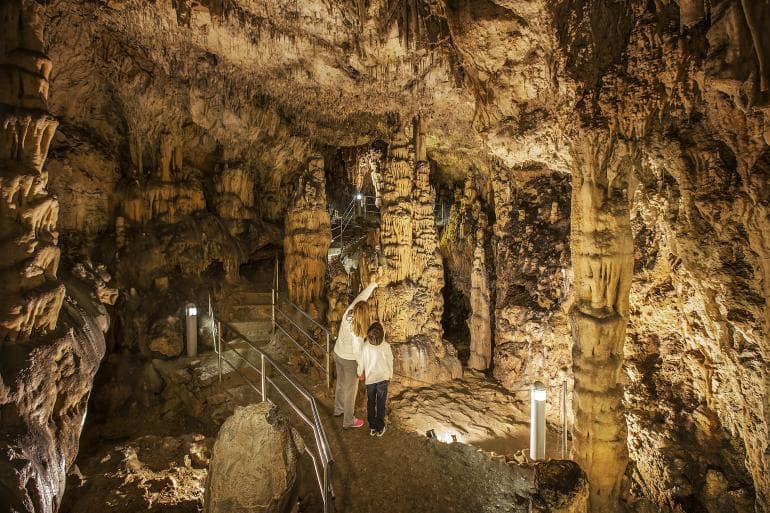
Biserujka Cave
Near Rudine, this limestone cave has stalactites and stalagmites and is easy to visit, even with children.
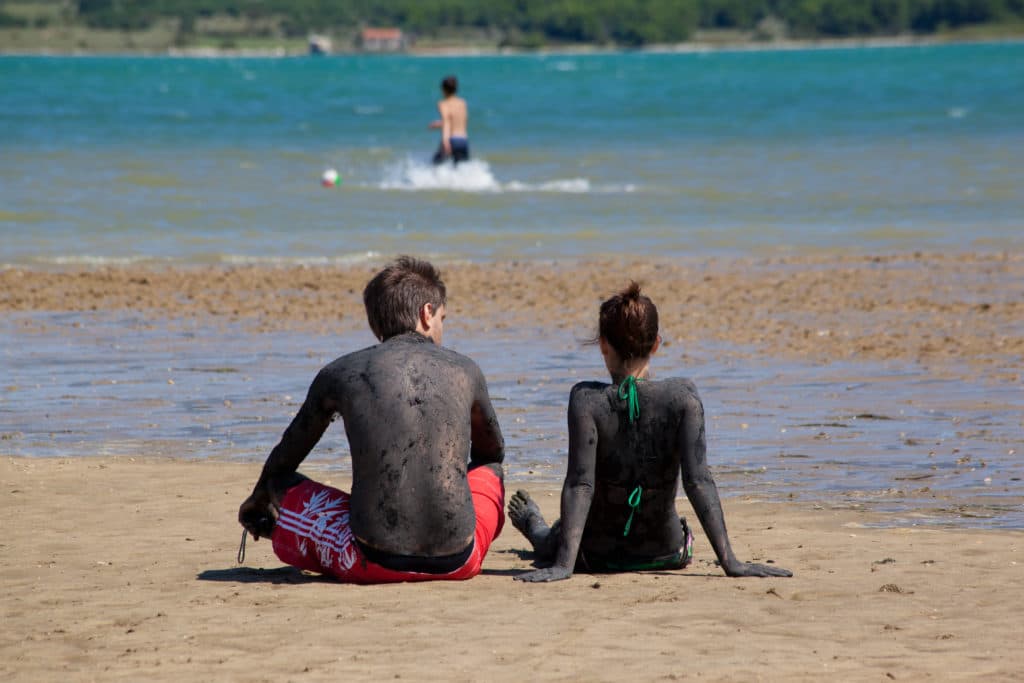
Soline Bay
Known for shallow water and healing mud, Soline Bay offers a relaxed experience that is especially popular with families.
Book Guided Tours & Experiences in Krk
Discover Krk's historic town and beaches with guided tours.
Best Beaches
From long pebble beaches to secluded sandy coves and therapeutic mud
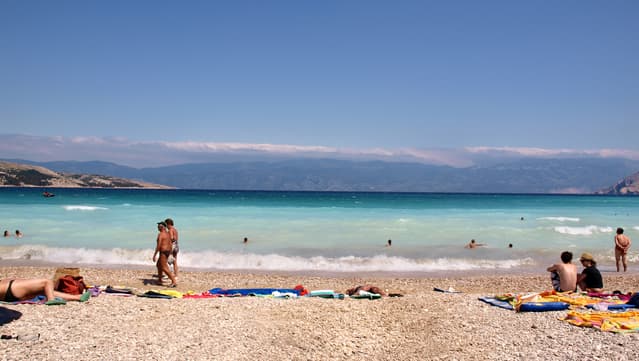
Vela Plaža, Baška
A spectacular 1.8-km pebble beach with crystal-clear water, excellent facilities, and a lively promenade.
Long Beach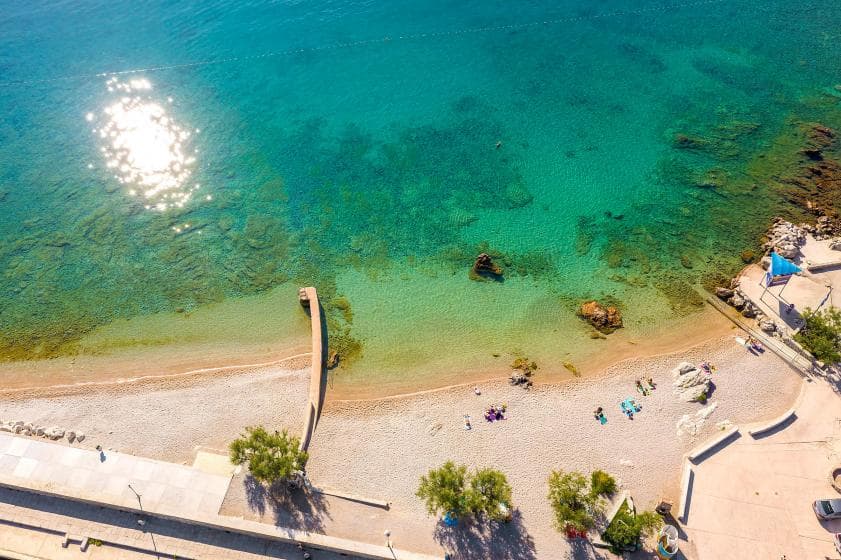
Porporela Beach, Krk Town
A family-friendly Blue Flag beach close to the old town, with shallow waters and easy access.
Blue Flag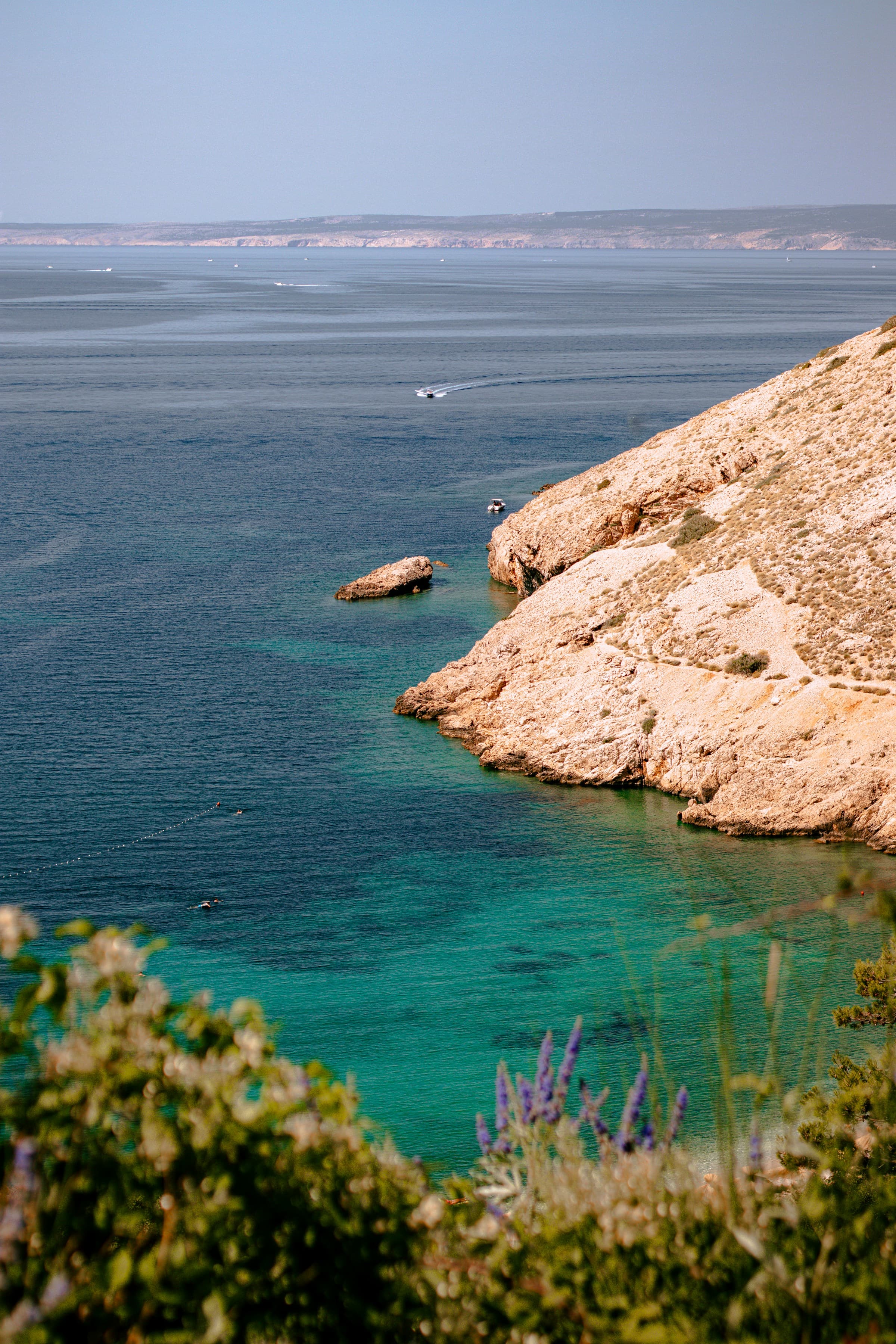
Oprna Beach, Stara Baška
A secluded bay with turquoise waters, accessible by boat or a short hike — perfect for snorkelling.
Secluded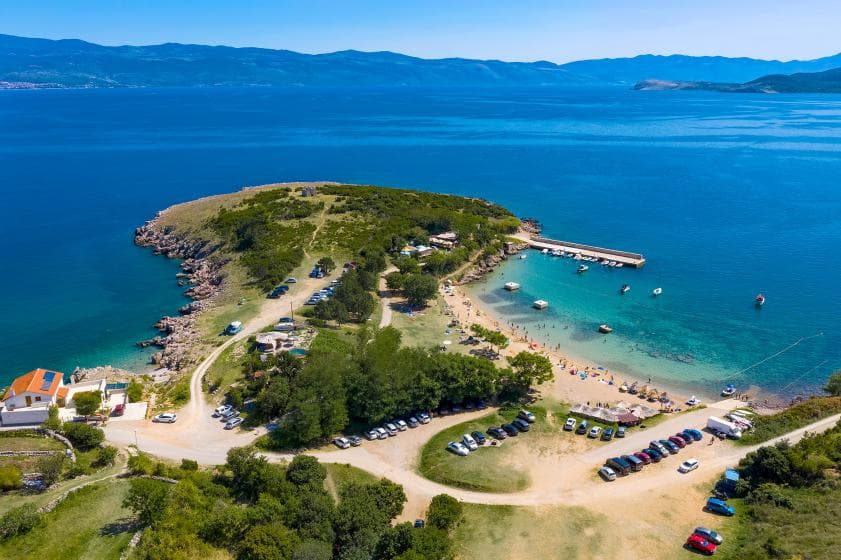
Sveti Marak, Risika
One of the rare sandy beaches on Krk, ideal for families with children thanks to its shallow seabed.
Sandy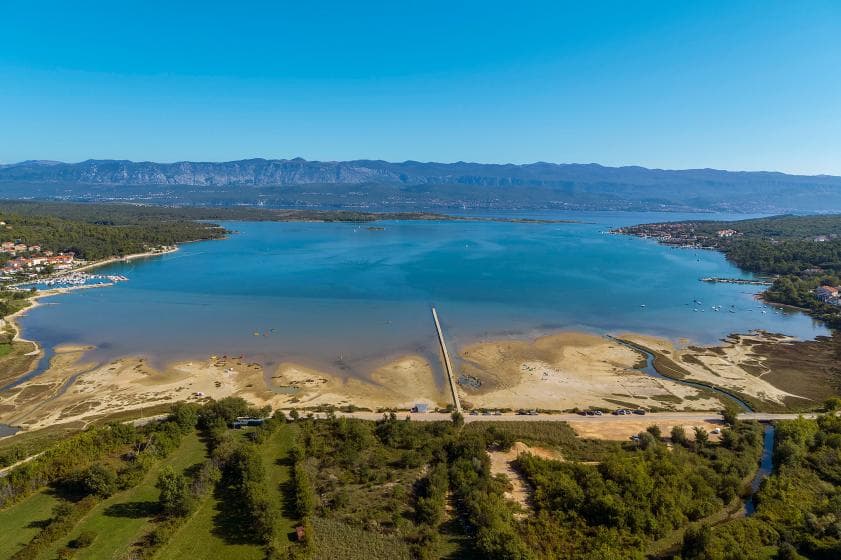
Meline Beach, Čižići
Famous for its therapeutic mud and warm, shallow waters.
Therapeutic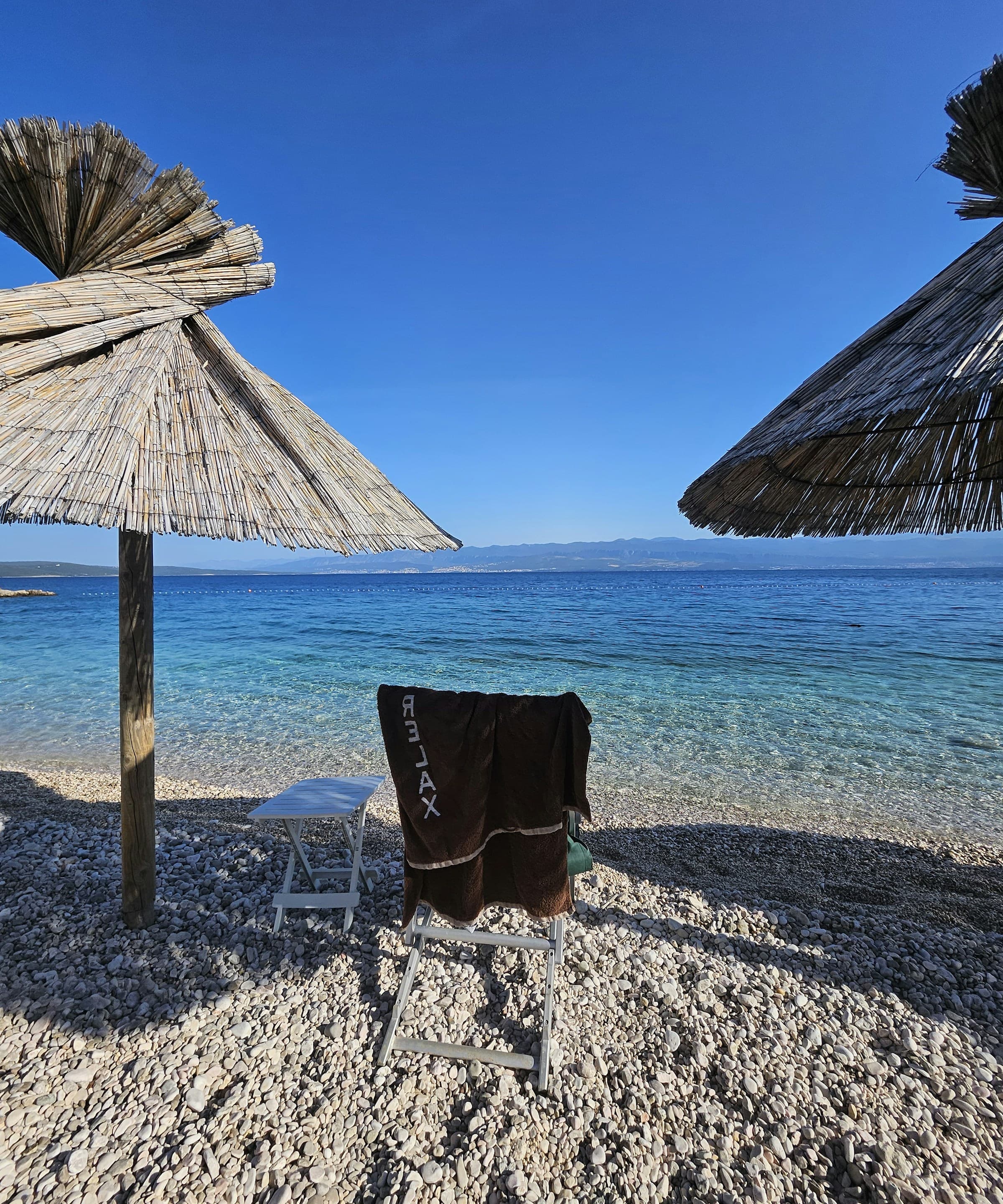
Potovošće Beach, Vrbnik
A quiet pebble beach surrounded by unspoilt nature and crystal-clear sea.
PeacefulBeaches for Every Taste
Krk offers remarkable beach diversity — from long pebble beaches with facilities to hidden sandy coves, therapeutic mud bays, and secluded spots accessible only by boat. Whether you are travelling with family, seeking adventure, or looking for quiet relaxation, you will find a good fit.
Food, Wine & Island Culture
Local cuisine, wine traditions, and vibrant summer festivals
Best Restaurants
Local Konobas
Traditional taverns serving fresh seafood, homemade pasta, lamb, and local olive oil.
Wine Bars in Vrbnik
Perfect places to taste Žlahtina wine and other regional varieties in an authentic setting.
Seafront Restaurants in Krk Town & Punat
Ideal for sunset dinners with views of the marina and nearby islands.
Žlahtina Wine
Krk is famous for its indigenous white wine, Žlahtina, produced mainly around Vrbnik. This crisp, refreshing wine pairs perfectly with local seafood and is a must-try for wine enthusiasts.
Visit local wine cellars and vineyards to taste Žlahtina alongside other regional wines, olive oils, and island specialities.
Events & Festivals
Krk Cultural Summer
July-August
Concerts, theatre performances, and traditional events held across historic locations on the island.
Krk Wine Festival
June
A celebration of local winemaking with tastings, live music, and food pairings.
Baška Fishermen's Nights
Summer
Traditional seaside evenings featuring local cuisine, music, and island atmosphere.
When to Visit Krk
Enjoy pleasant weather and island experiences throughout the warmer months
Spring
April-June
Mild temperatures, blooming landscapes, and fewer crowds — perfect for sightseeing and hiking.
- Wildflower-covered Mediterranean hills
- Comfortable temperatures for cycling
- Fewer crowds at beaches and towns
- Ideal for exploring Krk Town on foot
Summer
July-August
Warm sea temperatures, festivals, and vibrant island life. Perfect for families and beach lovers.
- Warm sea ideal for swimming
- Summer festivals and cultural events
- Vibrant beach bar and dining scene
- Peak ferry and bus connections
Autumn
September-October
Ideal swimming conditions, harvest season, and a calmer atmosphere. Great for wine tourism.
- Still-warm sea for swimming
- Olive and grape harvest season
- Wine tasting at local vineyards
- Peaceful atmosphere with fewer visitors
Winter
November-March
Mild winters thanks to the bridge connection keeping services running. A quiet time to enjoy local life and cuisine.
- Year-round bridge access to mainland
- Mild Mediterranean winter weather
- Authentic local dining experiences
- Lowest accommodation prices
Getting to Krk
One of Croatia's most accessible islands with multiple convenient options
By Car
Krk Bridge
Connected to the mainland by the impressive Krk Bridge, Krk is one of the easiest Croatian islands to reach by car. No ferry wait times are required.
Bridge Toll
A toll is charged when crossing the bridge to the island. Payment is accepted in cash or by card.
By Air
Rijeka Airport (RJK)
Located on Krk island itself, the airport offers seasonal international flights from major European cities. The transfer to Krk Town is about 30 km, with taxis, car rental, and bus connections available.
By Ferry
Island Connections
Ferry connections link Krk with nearby islands and the mainland, making it an ideal base for island-hopping. Short routes connect to Cres and Rab for easy day trips.
Travel Tips
- •Best Access: The Krk Bridge makes the island exceptionally easy to reach, perfect for road trips along the Croatian coast.
- •Car Rental: Having a car is highly recommended to explore all parts of the island, from Vrbnik to Baška and hidden beaches.
- •Summer Traffic: The bridge can be busy during peak season weekends. Travel on weekdays or early in the morning for smoother access.
- •Island Hopping: Use Krk as a convenient base to explore nearby Kvarner islands such as Cres, Rab, and Pag.
Book Tours & Experiences in Krk
Discover Krk's historic old town, family-friendly beaches and local vineyards with guided tours and boat excursions.