Slavonski Brod
A city of scale, strength and borderland history — shaped by the Sava River and one of Europe's largest military fortresses.
A City at the Crossroads of Empires
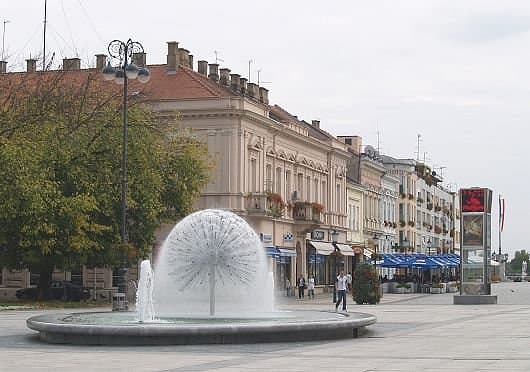
Stretching along the banks of the Sava River, Slavonski Brod is a city defined by scale, strength and borderland history. Located in eastern Slavonia, directly opposite Bosnia and Herzegovina, it has long stood at a crossroads of empires, trade routes and cultures. Broad avenues, spacious river views and monumental architecture give the city an open, almost continental feel.
Today, Slavonski Brod balances its strategic past with a relaxed urban rhythm. River promenades, parks and cultural institutions shape everyday life, while its imposing fortress remains a reminder of the city's historic role as one of the most important defensive points in the region.
Solid, Spacious and Quietly Impressive
Slavonski Brod is a city shaped by history, river landscapes and the wider traditions of Slavonia. Broad streets, open parks and riverside promenades invite a slower, more deliberate pace — best explored on foot along the Sava.
The fortress, one of the largest preserved military complexes in Europe, anchors the city's identity and now serves as a cultural venue — a transformation that reflects the broader story of Slavonski Brod itself.
Gateway on the Sava
Gateway on the Sava
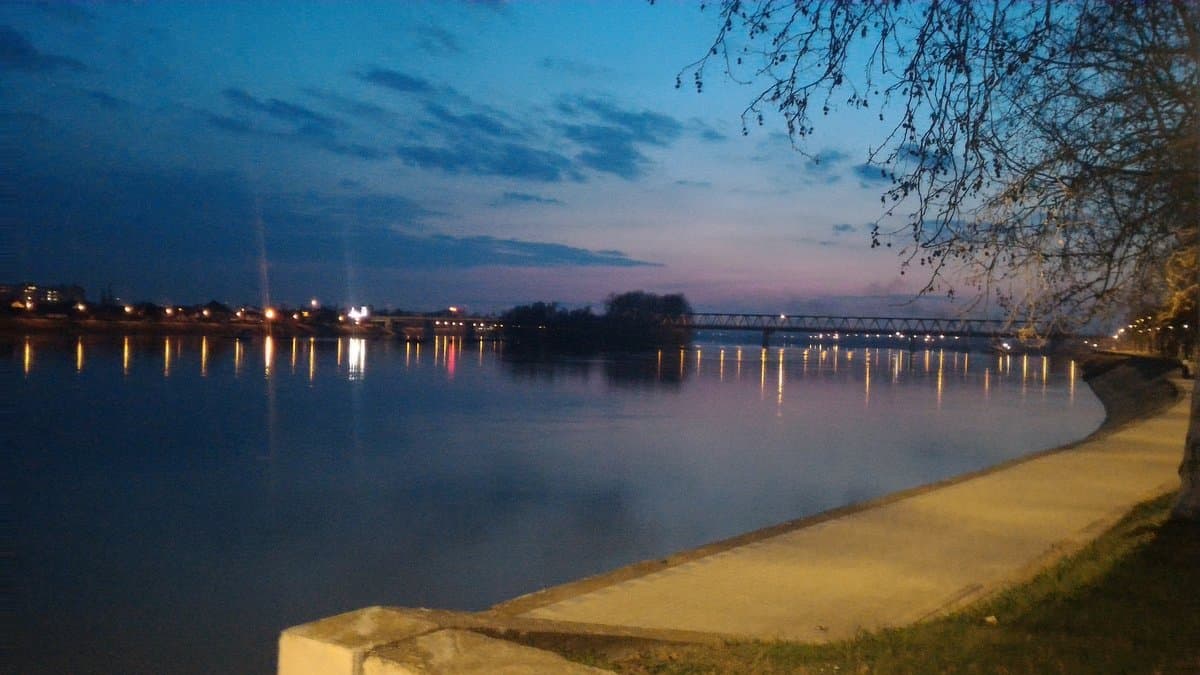
The Sava River has always been central to Slavonski Brod's identity. As a natural border and transport route, it connected Central Europe with the Balkans and the Ottoman world. The wide riverbanks and long promenade remain a focal point of the city, offering space, light and a strong sense of place.
Whether strolling at dusk or watching the river at dawn, the Sava waterfront gives Slavonski Brod a calm, spacious quality that sets it apart from Croatia's more compact coastal towns.
From Military Stronghold to Modern City
A Strategic Military Stronghold
Habsburg Empire & the Military Frontier
Slavonski Brod rose to prominence in the 18th century under the Habsburg Monarchy, when one of the largest military fortresses in Europe was constructed here. Designed as part of the Military Frontier system, the fortress protected the empire's southeastern borders and shaped the city's urban development for generations.
Its position directly across the Sava from Ottoman-controlled territory made Slavonski Brod a city of enormous strategic importance — a place where empires faced each other across a river border, and where trade and conflict shaped everyday life in equal measure.
From Fortress Town to Modern City
Industry, Culture and Renewal
As military importance declined, the city expanded beyond its fortifications, becoming an industrial, cultural and transport hub in Slavonia. The fortress transitioned from a defensive structure to a cultural venue — a symbol of the city's ability to adapt and reimagine its heritage.
Despite heavy damage during the conflicts of the 1990s, Slavonski Brod has rebuilt and continues to evolve, retaining its strong regional identity and the proud, open character that defines life along the Sava.
Explore Slavonski Brod
Brod Fortress
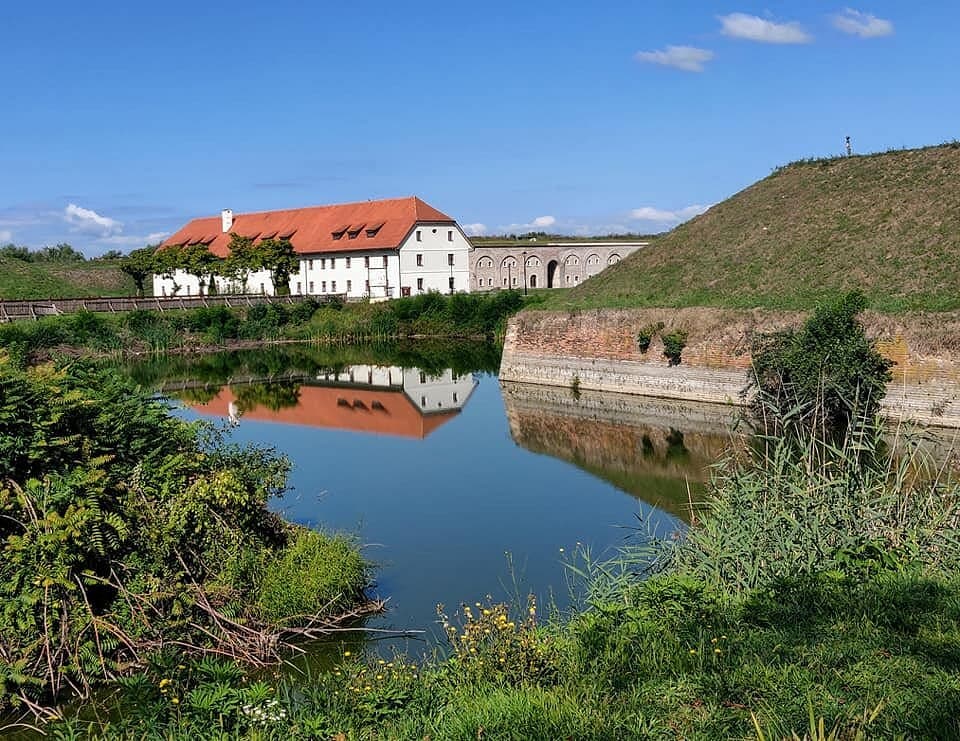
One of Europe's largest preserved fortifications
Brod Fortress
A vast 18th-century Habsburg fortress, among the largest preserved fortifications in Europe. Today it hosts museums, cultural events and open-air exhibitions.
Historic Core
Streets and squares near the fortress reflect the city's Baroque and Austro-Hungarian heritage, with elegant facades and civic architecture.
Museum of Brod Posavina
Located within the fortress complex, offering insight into regional history, archaeology and ethnography of the Posavina area.
Ivana Brlić-Mažuranić House
Dedicated to Croatia's most famous children's writer, born in Slavonski Brod. A small but charming cultural landmark for visitors of all ages.
Sava River Promenade
Ideal for walking, cycling and enjoying sunsets over the wide river. One of the longest and most scenic promenades in Slavonia.
City Parks & Squares
Spacious green areas and public squares reflect the city's planned, open character — and offer a pleasant pace for everyday exploration.
Must-See Slavonski Brod
Brod Fortress
Among Europe's largest preserved military fortifications, now a cultural venue hosting museums and open-air events.
Sava River Promenade
A long, open riverfront walk offering wide views across the Sava and into Bosnia and Herzegovina.
Museum of Brod Posavina
Regional history, archaeology and ethnography displayed within the historic fortress complex.
Ivana Brlić-Mažuranić House
Cultural landmark dedicated to Croatia's most celebrated children's author, born in Slavonski Brod.
Historic City Center
Baroque and Austro-Hungarian architecture visible in streets and squares near the fortress core.
Riverfront Parks
Spacious parks and green areas along the Sava — ideal for walks, cycling and relaxed afternoons.
Solid, Spacious and Quietly Impressive
Slavonski Brod is a city shaped by history, river landscapes and the wider traditions of Slavonia — best explored at an unhurried pace along the Sava, where the scale of the city and its heritage becomes clear.
- One of Europe's largest preserved military fortresses
- Strong borderland history and identity
- Wide riverfront promenades and open urban spaces
- A key cultural city of eastern Slavonia
- Authentic local life away from tourist crowds
- Easy access to regional food, countryside and nearby wine areas
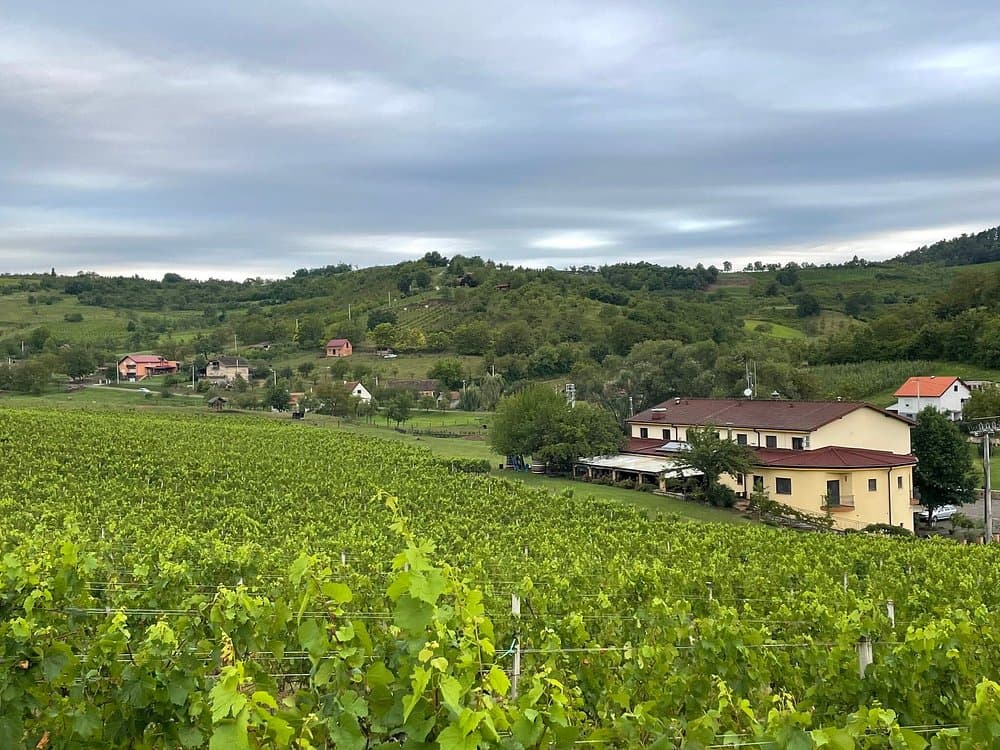
“Solid, spacious and quietly impressive — a city best explored at an unhurried pace along the Sava.”
When to Visit Slavonski Brod
A continental climate with hot summers and cold winters — rewarding in every season.
Spring
April–June
Comfortable temperatures and pleasant river walks make spring an ideal time to explore the fortress and promenade at a relaxed pace.
- Mild weather
- River walks
- Uncrowded sights
- Blooming parks
Summer
July–August
Warm and lively, with long evenings ideal for the Sava promenade and outdoor cultural events held in and around the fortress.
- Warm evenings
- Promenade life
- Cultural events
- Fortress visits
Autumn
September–October
Calm and atmospheric — well suited to cultural travel, harvest season and exploring the wider Slavonian region and its wine areas.
- Harvest season
- Wine excursions
- Cultural pace
- Soft autumn light
Winter
November–March
Quiet and local in character, with fewer visitors. A good season for museums, the fortress interior and experiencing everyday Slavonian life.
- Local atmosphere
- Museum visits
- Budget-friendly
- No crowds
Your Journey to the Sava
By Car
Around 2.5–3 hours from Zagreb via the A3 motorway. Well connected to other Slavonian cities including Osijek and Požega.
By Train
Direct rail connections from Zagreb and Osijek, with the main station centrally located and within easy reach of the city centre.
By Bus
Frequent bus services connect Slavonski Brod with major Croatian destinations, including Zagreb, Osijek and regional towns throughout Slavonia.
Frequently Asked Questions about Slavonski Brod
Slavonski Brod is best known for Brod Fortress, one of the largest preserved 18th-century military fortifications in Europe, built under the Habsburg Monarchy as part of the Military Frontier system. The city is also known for its Sava River promenade, its role as a key border town between Croatia and Bosnia and Herzegovina, and as the birthplace of Ivana Brlić-Mažuranić, Croatia's most celebrated children's author.
Yes, especially for travellers interested in history, architecture and an authentic Slavonian urban experience. The fortress is genuinely impressive in scale and now serves as a cultural venue. The riverfront promenade, museums and the city's open, spacious character offer a very different Croatian experience from the coastal towns.
By car, Slavonski Brod is approximately 2.5–3 hours from Zagreb via the A3 motorway. There are also direct train and bus connections from Zagreb, making it easily reachable as a day trip or overnight destination.
Brod Fortress now houses the Museum of Brod Posavina, which covers regional history, archaeology and ethnography. The fortress also hosts cultural events, open-air exhibitions and occasional festivals, making it a living cultural space as well as a historic monument.
Spring (April–June) and autumn (September–October) offer the most pleasant conditions for sightseeing and exploring the promenade. Autumn is particularly atmospheric, coinciding with harvest season in Slavonia and the wine country nearby. Summer is warm and lively; winter is quiet but suited to museum visits and local life.