Crikvenica
A welcoming Riviera town where a long tradition of health tourism meets sandy beaches, a lively promenade, and the lush Vinodol Valley
Where the Riviera Meets Everyday Life
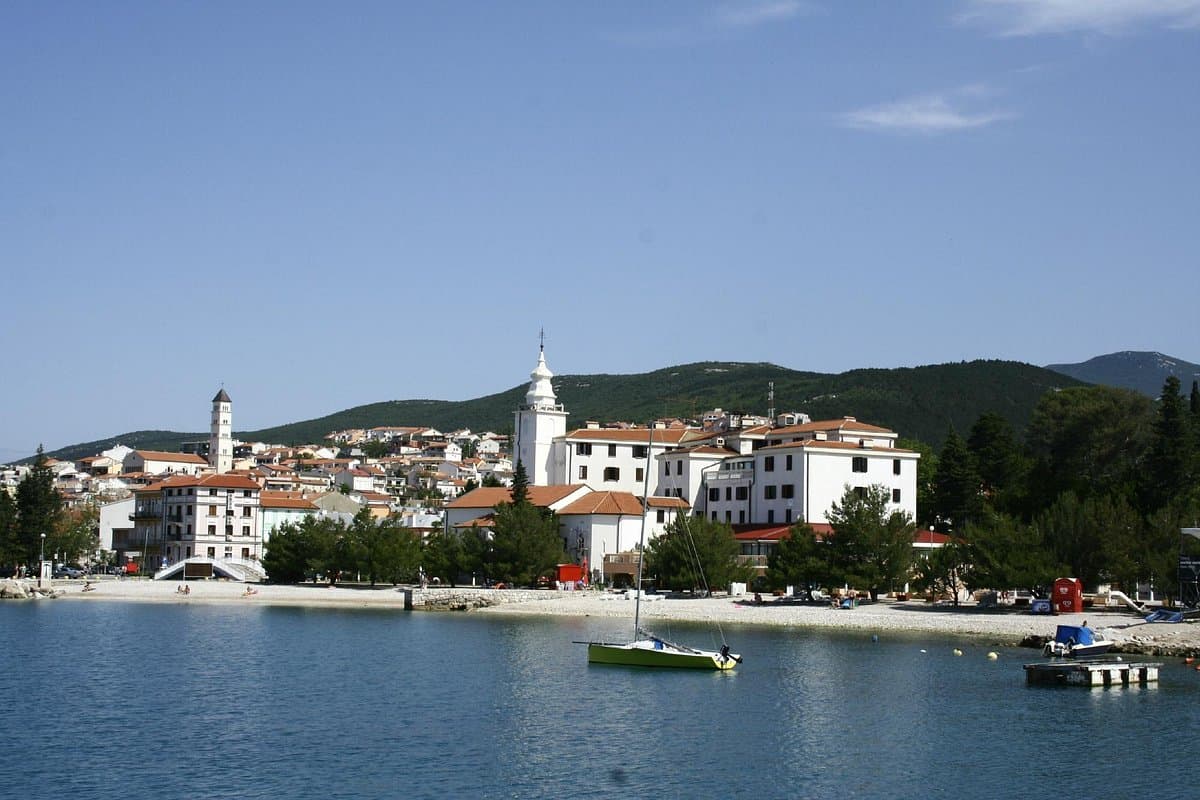
Nestled along the northern Adriatic coast, Crikvenica is one of the Kvarner Riviera's most beloved destinations. Its mild Mediterranean climate, calm sea and long sandy beach have been drawing visitors since the late 19th century, when the town established itself as a health resort of European reputation.
Today Crikvenica retains much of its gracious character. The palm-lined seafront promenade, historic villas and well-tended parks give the town a relaxed, unhurried atmosphere that sets it apart from busier Adriatic resorts. Families, couples and older travellers all find their place here.
Beyond the waterfront lies the Vinodol Valley, a scenic hinterland of green hills, medieval fortresses, vineyards and traditional villages that rewards any traveller willing to venture a few kilometres inland.
Region
Kvarner
Best Season
May-September
Coastline
Sandy and pebble beaches
Ideal For
Families and couples
A Riviera Town with a Long Tradition
Crikvenica was among the first towns on the eastern Adriatic to welcome modern tourism. By the early 1900s it had clinics, hotels and a promenade that rivalled the fashionable resorts of the Austrian Riviera. That legacy of careful, guest-oriented development still shapes the town today.
From Monastic Roots to the Kvarner Riviera
Centuries of history shaped Crikvenica from a medieval monastery town into one of the Adriatic's first purpose-built health resorts.
From Monastic Origins to a Fortified Town
The area around present-day Crikvenica has been inhabited since ancient times, with Illyrian and Roman layers beneath the later town. In 1412 Nikola IV Frankopan founded a Pauline monastery on the Dubračina river, and the settlement that grew around it became the nucleus of modern Crikvenica. Under Venetian and Habsburg influence, it gradually shifted from a religious centre to a small Adriatic port trading timber, wine and salt.
Health Tourism and Riviera Growth
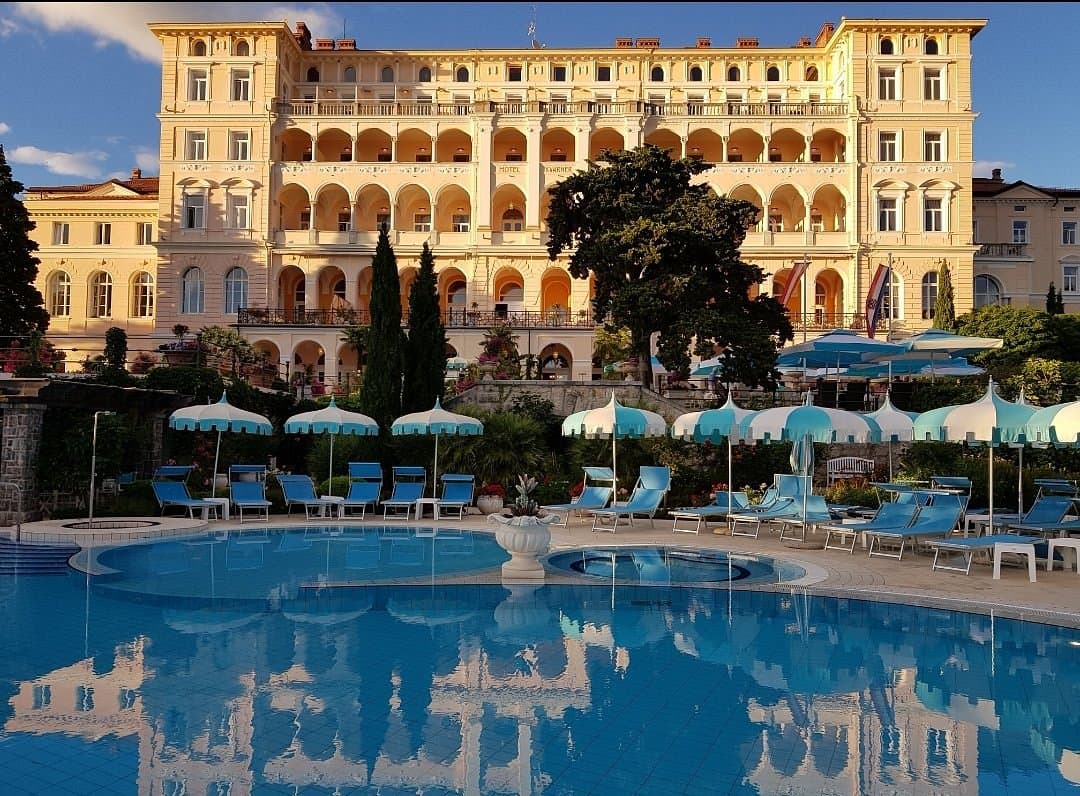
The railway transformed Crikvenica in the late 19th century. Austro-Hungarian physicians and aristocrats discovered its mild climate and calm bay, and the town became a recognised health station for guests with respiratory and rheumatic conditions. Grand hotels and sanatoriums followed, with Kvarner Palace becoming the emblem of Crikvenica's Riviera age.
Explore the Town
Stroll through old streets, visit historic landmarks and soak up the atmosphere of the Kvarner Riviera.
Frankopan Monastery and Museum
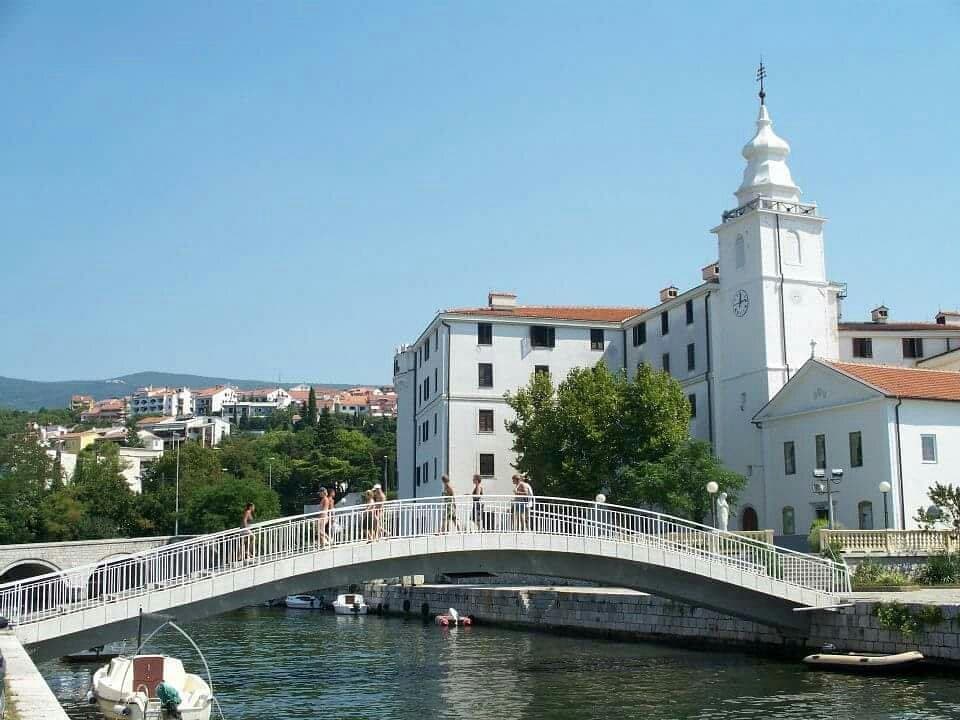
The 15th-century Pauline monastery founded by the Frankopan family is Crikvenica's most important historical monument. Today it houses the Town Museum, with exhibits covering the area's Roman past, the Frankopan legacy and the development of Riviera tourism.
Church of the Assumption
The parish church beside the old monastery complex is a serene example of Baroque architecture. Its bell tower is one of the town's most recognisable landmarks, visible from across the bay.
The Seafront Promenade
The waterfront is the social heart of Crikvenica. Lined with palm trees, cafes and restaurants, it invites an unhurried walk at any time of day, with early-20th-century villas and hotels recalling the town's grand Riviera past.
Sand, Sea and Promenade
Crikvenica is one of the few towns on the Kvarner coast with a genuine sandy beach, a rare feature that keeps families returning year after year.
Crni Molo Beach
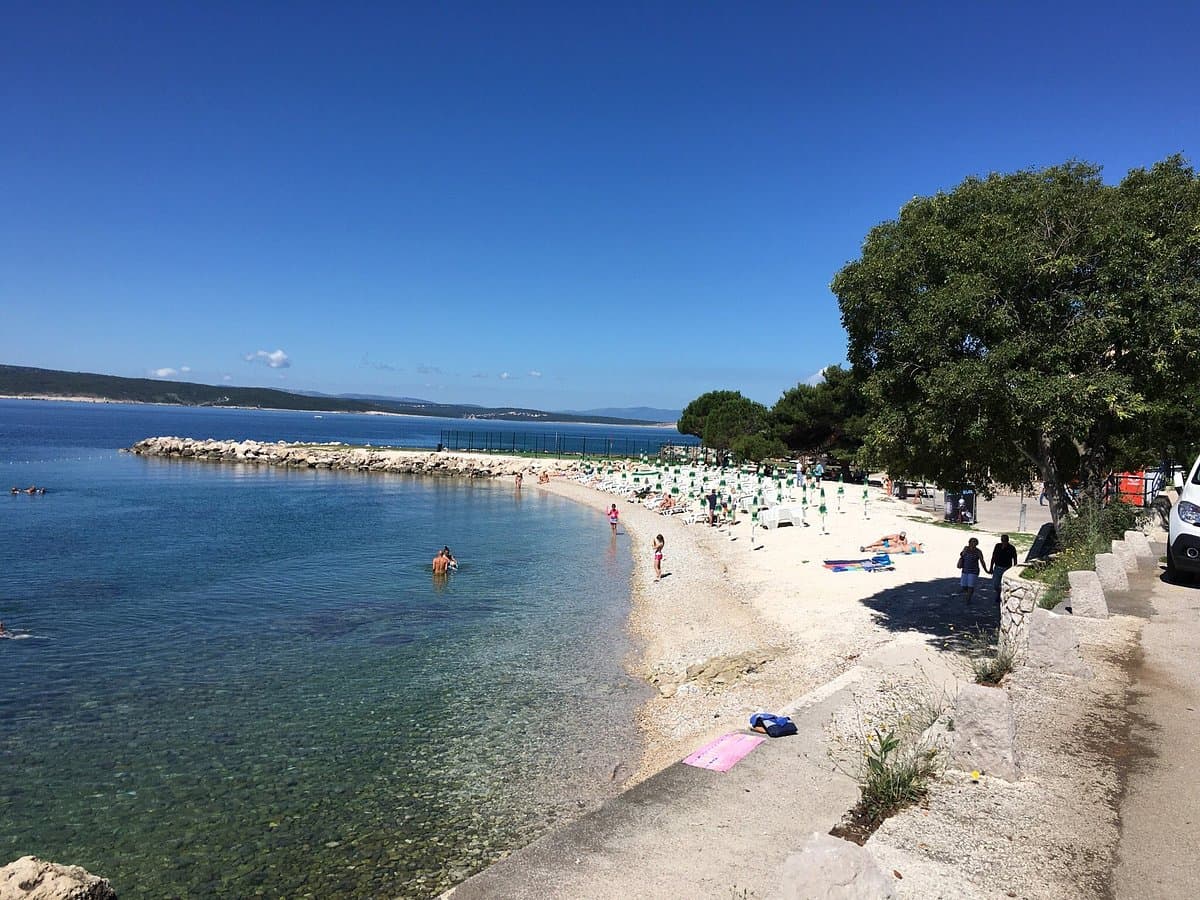
The most popular beach in town stretches along the southern waterfront and offers calm, shallow water ideal for families with young children. Sun-lounger rentals, showers and nearby cafes make it a comfortable full-day choice.
Town Beach and Central Waterfront
The central town beach sits right in front of the promenade, useful for visitors who want restaurants and shops close at hand. Clear water and Riviera architecture give the setting a nostalgic charm.
The Riviera Promenade Walk
A leisurely coastal path runs along Crikvenica's seafront and continues towards neighbouring Selce, passing pine shade, small bays and viewpoints over the Kvarner Gulf towards Krk.
Beyond the Beach
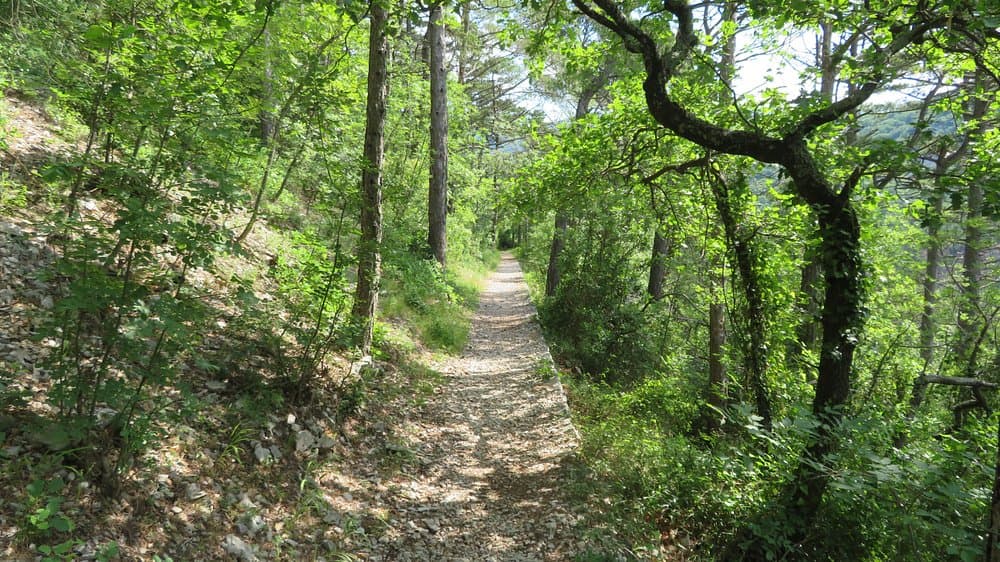
The green hills and valleys behind Crikvenica offer hiking, cycling and a slower pace away from the coast.
Vinodol Valley
The Vinodol, meaning wine valley, stretches inland from Crikvenica through limestone hills, vineyards and medieval villages. It is a stronghold of Croatian Glagolitic tradition and home to the Vinodol Codex, one of the oldest Croatian legal documents, dating from 1288.
Cycling and Walking Routes
Marked walking and cycling trails connect Crikvenica to Bribir, the ruins of Grižane fortress and Novi Vinodolski to the south. Routes range from easy coastal walks to longer hill climbs with panoramic views.
Velebit and Gorski Kotar Day Trips
Crikvenica's central Kvarner location makes it a practical base for day trips into the Velebit mountains, the forested highlands of Gorski Kotar and Plitvice Lakes National Park.
Top Attractions
From historic monasteries to scenic valleys, these are the best things to see and do in and around Crikvenica.
Frankopan Monastery and Museum
A 15th-century Pauline monastery housing the Town Museum and displays on local history and the Frankopan legacy.
Church of the Assumption
A Baroque parish church with a distinctive bell tower beside the old monastery complex.
Crni Molo Beach
A popular sandy beach with calm, shallow water, unusual on this part of the Kvarner coast.
Vinodol Valley
A scenic inland valley of medieval villages, vineyards and the Vinodol Codex heritage trail.
Selce Village
A neighbouring resort connected to Crikvenica by a coastal promenade through pine shade.
Bribir Hilltop Village
A medieval settlement above the Vinodol Valley with Frankopan ruins and wide views.
Glass-bottom boat trips
Popular summer excursions to sea caves and beaches around Šilo on Krk Island.
Vinodol wine tasting
A chance to sample wines from family estates in the valley, including the native white variety Žlahtina.
Why Crikvenica Deserves a Spot on Your Croatia Itinerary
- One of the few sandy beaches on the Kvarner coast
- Mild, sheltered climate with more than 2,300 sunshine hours per year
- Long health and wellness tourism tradition, ideal for a restorative holiday
- The scenic Vinodol Valley with medieval villages right on the doorstep
- Excellent base for day trips to Plitvice, Krk Island and the Velebit
- Family-friendly town with calm sea, shallow water and good amenities
- Regular boat excursions to nearby islands and sea caves
- Authentic Croatian coastal town, less crowded than Dubrovnik or Split
Plan Your Crikvenica Trip
Whether you are looking for a relaxing week on the beach, a cultural exploration of the Vinodol Valley, or an active holiday with cycling and hiking, Crikvenica has the right pace for you.
- Best combined with Krk Island and Opatija
- Ideal 4-7 day stay for a genuine Kvarner experience
- Good road and bus connections from Zagreb and Rijeka
When to Visit Crikvenica
Crikvenica's mild Kvarner climate makes it a year-round destination, though each season offers a different way to experience the Riviera.
Spring
April-May
The town awakens as temperatures climb into the mid-20s. Beaches are quiet, prices are lower, and the Vinodol Valley is lush and green.
- Comfortable sightseeing weather
- Quiet beaches and low prices
- Lush Vinodol Valley
- Ideal for hiking and cycling
Summer
June-August
The hottest and busiest time, with sea temperatures around 25 °C. Crni Molo fills quickly and the promenade stays lively into the night.
- Warm sea around 25 °C
- Full promenade life
- Boat excursions to Krk Island
- Summer events and festivals
Autumn
September-October
September is arguably the best month: the sea is still warm, crowds have thinned, and the Vinodol vineyards turn golden for harvest.
- Warm sea into September
- Wine harvest season
- Fewer crowds, better value
- Perfect cycling conditions
Winter
November-March
Crikvenica is quiet in winter but keeps its charm. The bura can blow cold from the mountains, yet mild days are common.
- Very affordable rates
- Peaceful atmosphere
- Scenic winter walks
- Inland village exploration
How to Reach Crikvenica
Crikvenica is well connected to Zagreb, Rijeka and the rest of the Kvarner region by road, bus and seasonal boat.
By Car
From Zagreb
About 2 hours (170 km via A6/E65)
From Rijeka
About 35 min (35 km via coastal road)
From Split
About 3.5 hours (290 km)
Parking
Paid parking along the seafront; free lots inland
The coastal road from Rijeka is a scenic drive with Kvarner views all the way.
By Bus
From Zagreb
About 2.5 hours, multiple daily departures
From Rijeka
About 50 min, frequent service
Bus station
Central, 5 min walk from the beach
Operator
Autotrans on local Kvarner routes
Bus connections are reliable and affordable, especially from Rijeka.
By Air
Nearest airport
Rijeka Airport on Krk Island
Transfer
About 40-50 min by car or taxi
Zagreb Airport
About 2 hours by car
Split Airport
About 3.5 hours by car
Rijeka Airport has seasonal connections to major European cities.
By Boat
Excursion boats
To Šilo on Krk Island in summer
Nearby ferry
Šilo-Crikvenica ferry runs seasonally
Harbour
Small marina with tourist boat mooring
Water taxi
Available to nearby coves and beaches
The Šilo-Crikvenica ferry is a quick island connection in summer months.
Book Tours and Experiences in Crikvenica
Explore the Kvarner Riviera with guided boat trips, outdoor adventures and day excursions.