Primošten
Walk the old town peninsula, swim at Raduča and plan a coastal stop between Šibenik and Split.
Primošten Old Town: What to See on the Peninsula
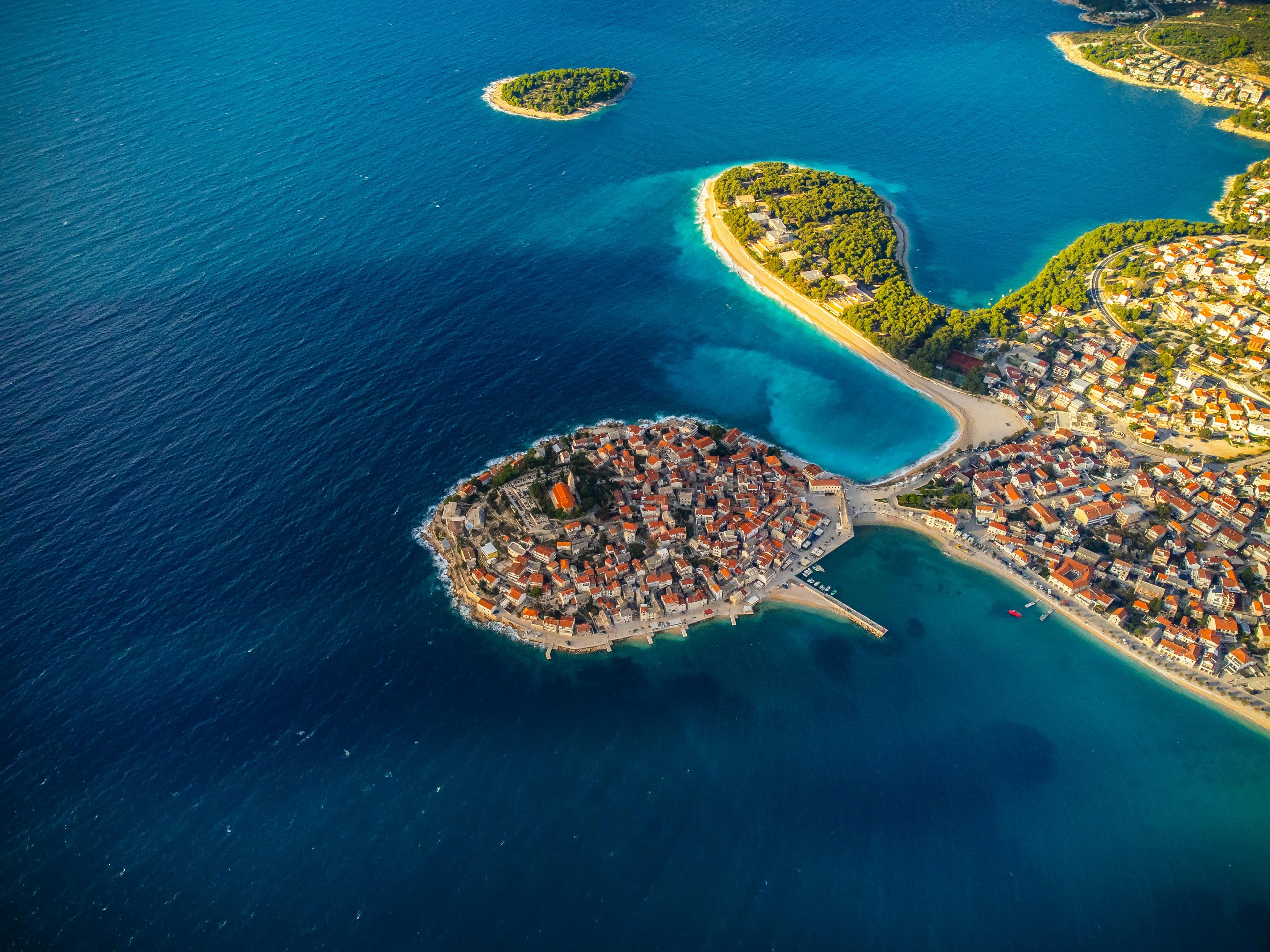
Primošten's old town occupies a small peninsula on the Dalmatian coast, between Šibenik and Split. The former island is now joined to the mainland, so you can walk straight into the historic centre without taking a boat. Stone lanes climb towards St George's Church, while the lungomare promenade follows the shoreline below.
For a first visit, start at Rudina Square, walk up to St George's Church and return along the waterfront. Add Mala Raduča for a swim with a view back towards the old town, or Velika Raduča for a longer pebble beach with pine shade. These beaches sit beside the town; the old town peninsula and the Raduča beach area are separate places.
Use the tourist board's walking map (PDF) to locate the old town sights, beaches and viewpoints.
A Half-Day Stop or a Beach Day?
Allow half a day for the old town and lunch, or a full day if you want time on the beach. The climb to the church involves sloping stone lanes; choose the waterfront for a gentler walk. Treat the Our Lady of Loreto viewpoint on Gaj hill as a separate stop when planning your route.
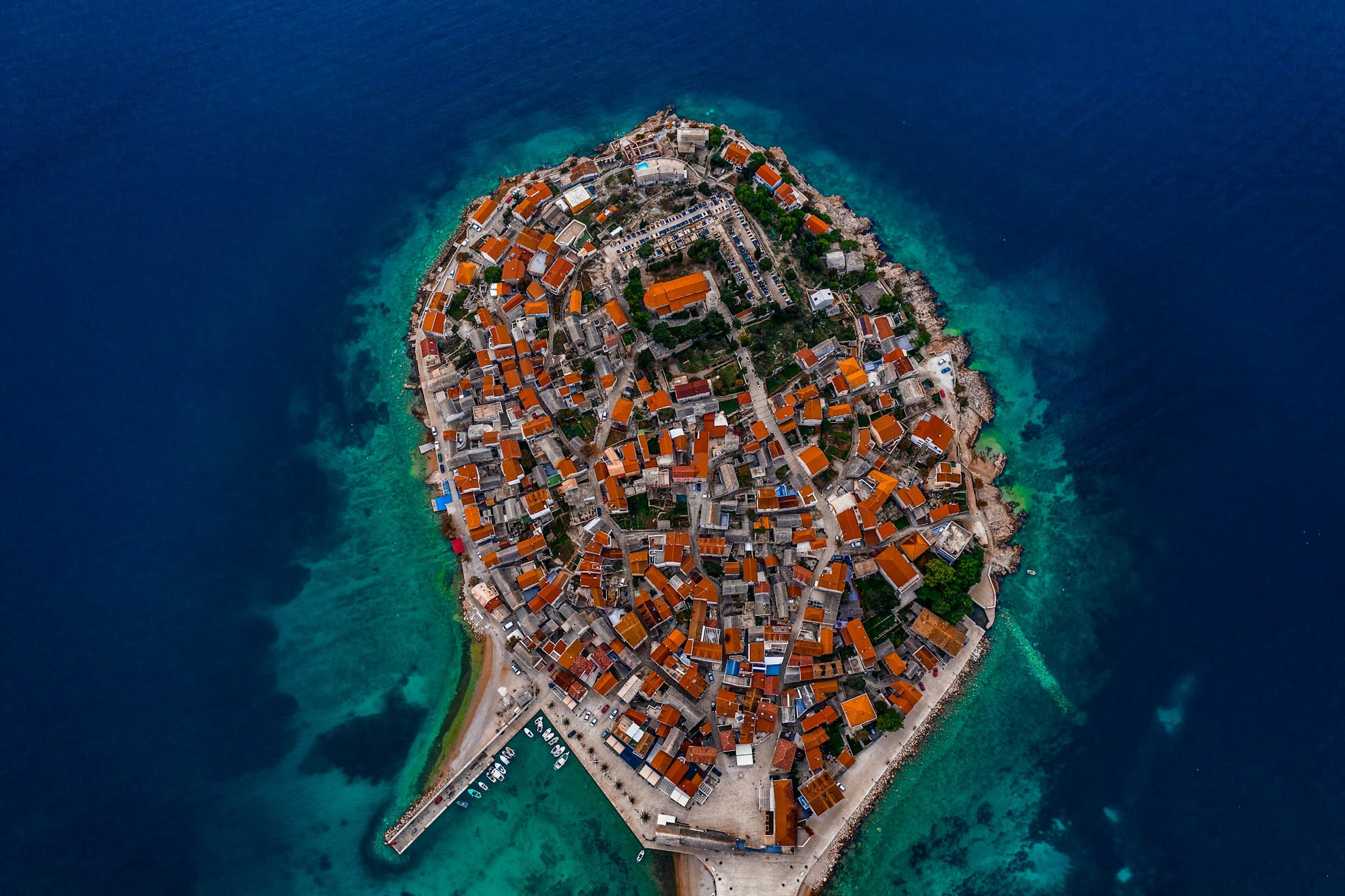
Primošten Peninsula
Stone houses rising above the Adriatic
Why Visit Primošten?
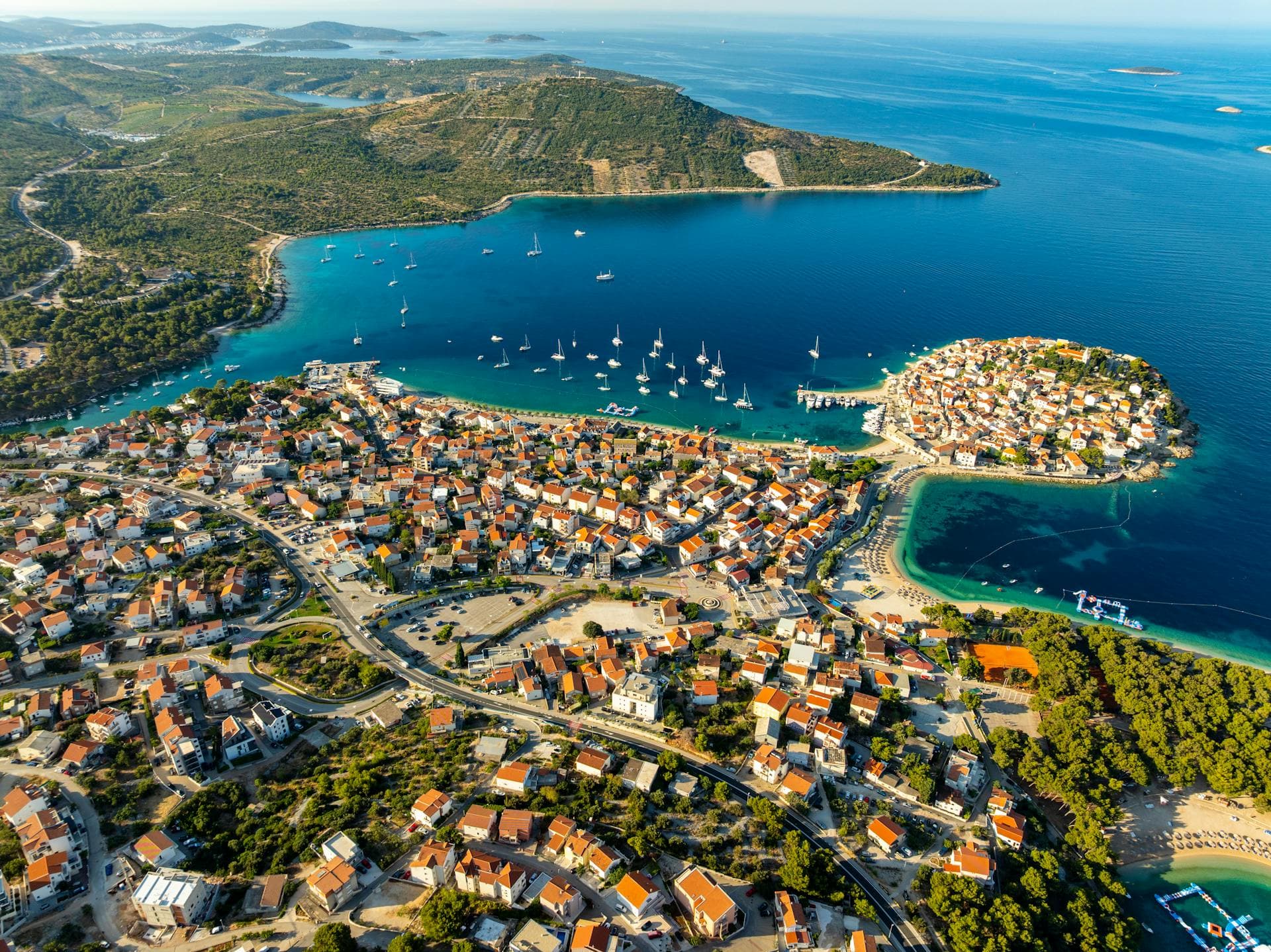
Primošten stands apart as one of Dalmatia's most visually striking towns — a compact old town on a peninsula where every corner opens to a sea view, and where traditional Dalmatian life still unfolds at its own pace.
Its peninsula setting, stone vineyards and genuinely warm atmosphere make it a destination that stays with you long after you leave — whether you first see it from the water, the hilltop church, or over a glass of local Babić wine.
Primošten suits travellers who love unspoiled coastal beauty, history and authentic Dalmatian atmosphere — in a setting that feels both timeless and effortlessly photogenic.
A Glimpse into Primošten's History
From Island Fortress to Peninsula Town
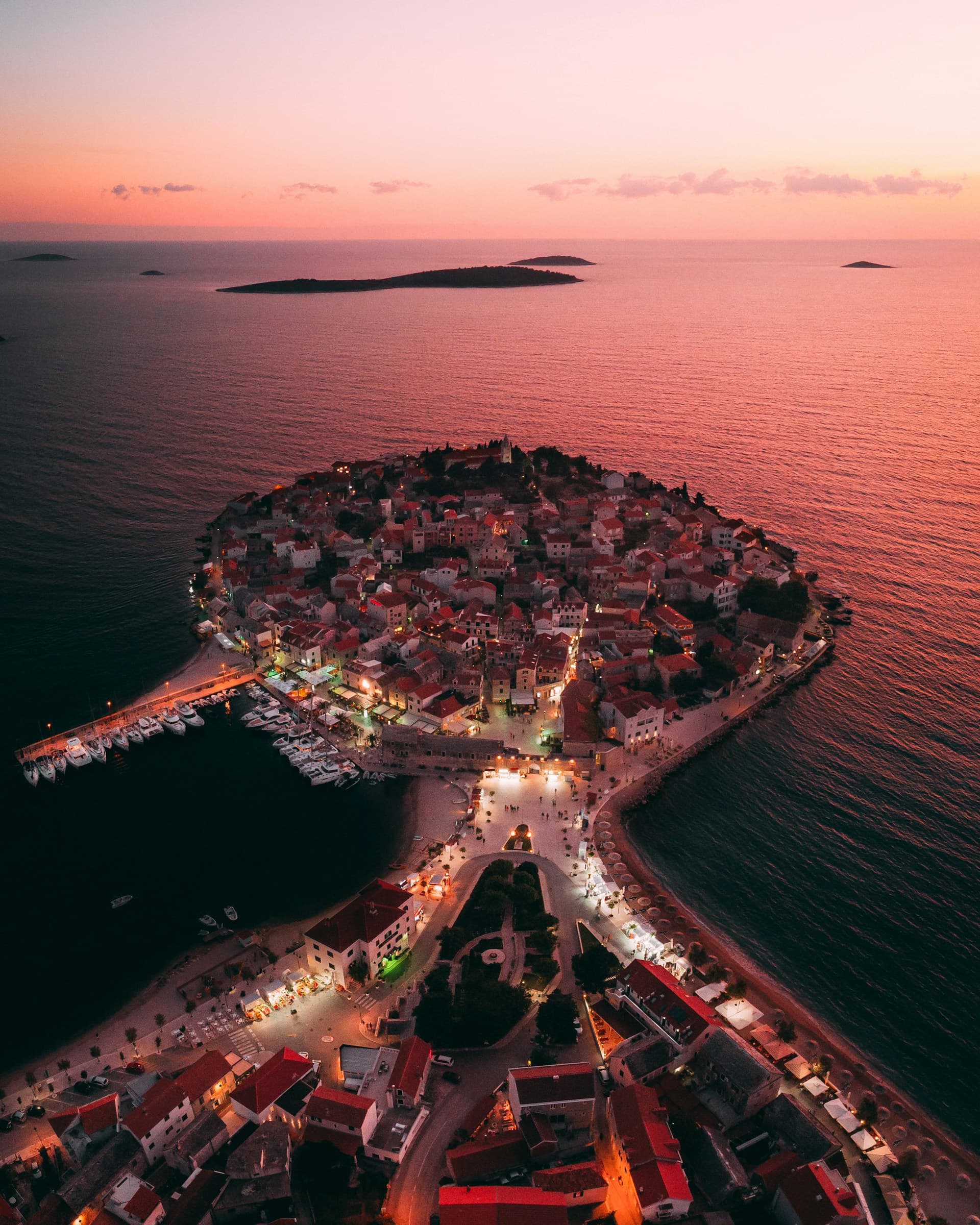
Primošten developed in the 15th century as a fortified island settlement. Its name comes from the Croatian verb "primostiti" — meaning "to bridge" — a reference to the drawbridge that once linked the island to the mainland. Over time the settlement expanded into the peninsula town it is today.
The surrounding area is also known for its remarkable dry-stone vineyards in Bucavac and Široke — a traditional agricultural landscape where Babić grapes have been cultivated for centuries among carefully laid stone walls, a living testament to Dalmatian patience and ingenuity.
Things to Do & See
Explore Primošten's old town, beaches, vineyards and viewpoints.
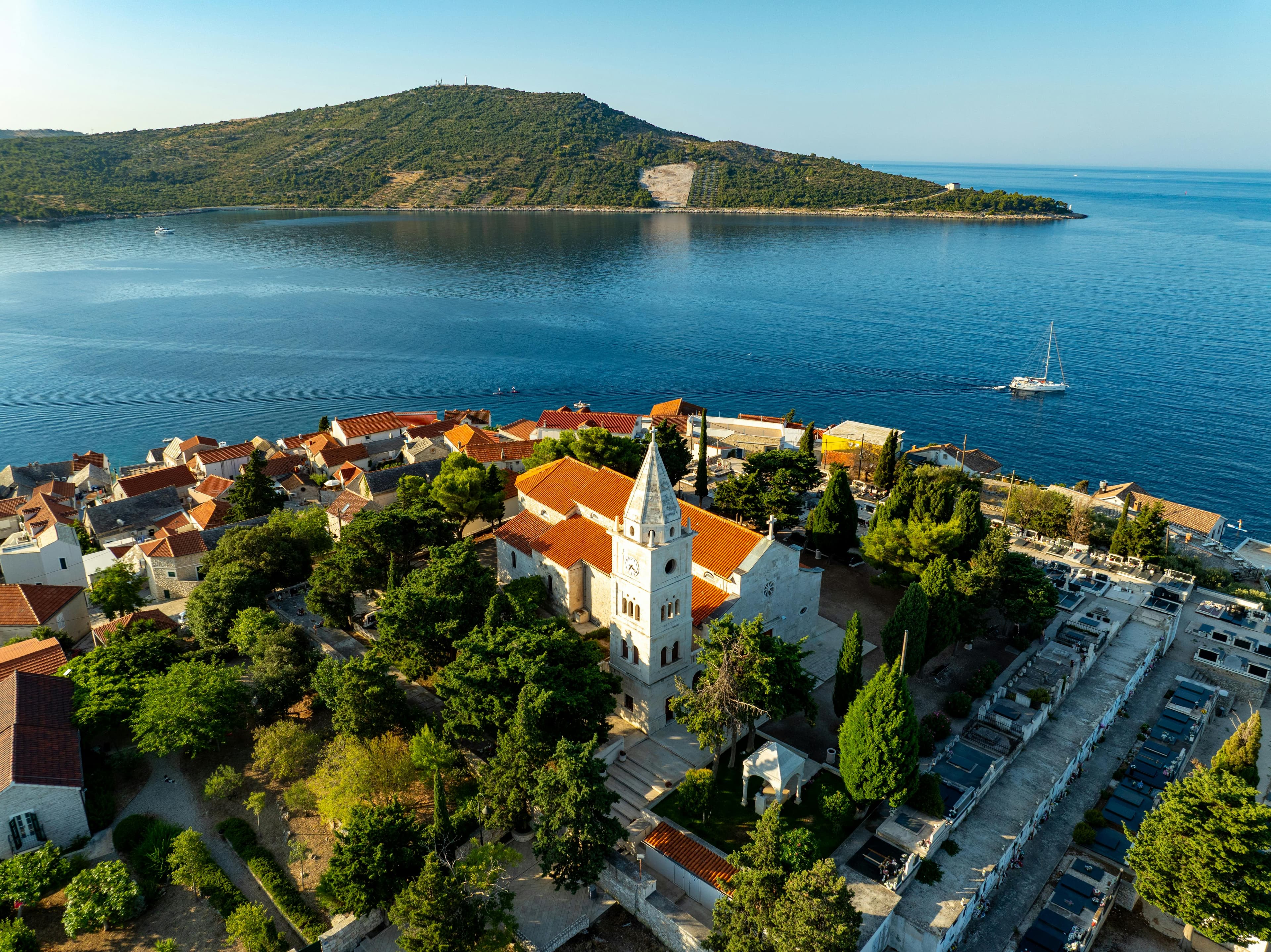
Explore Primošten Old Town
Wander narrow stone streets lined with flowers, visit the hilltop Church of St. George and stroll the seafront promenade as Adriatic views open up at every turn.
- Old Town Streets
- Church of St. George
- Seafront Promenade
Beaches & Nature
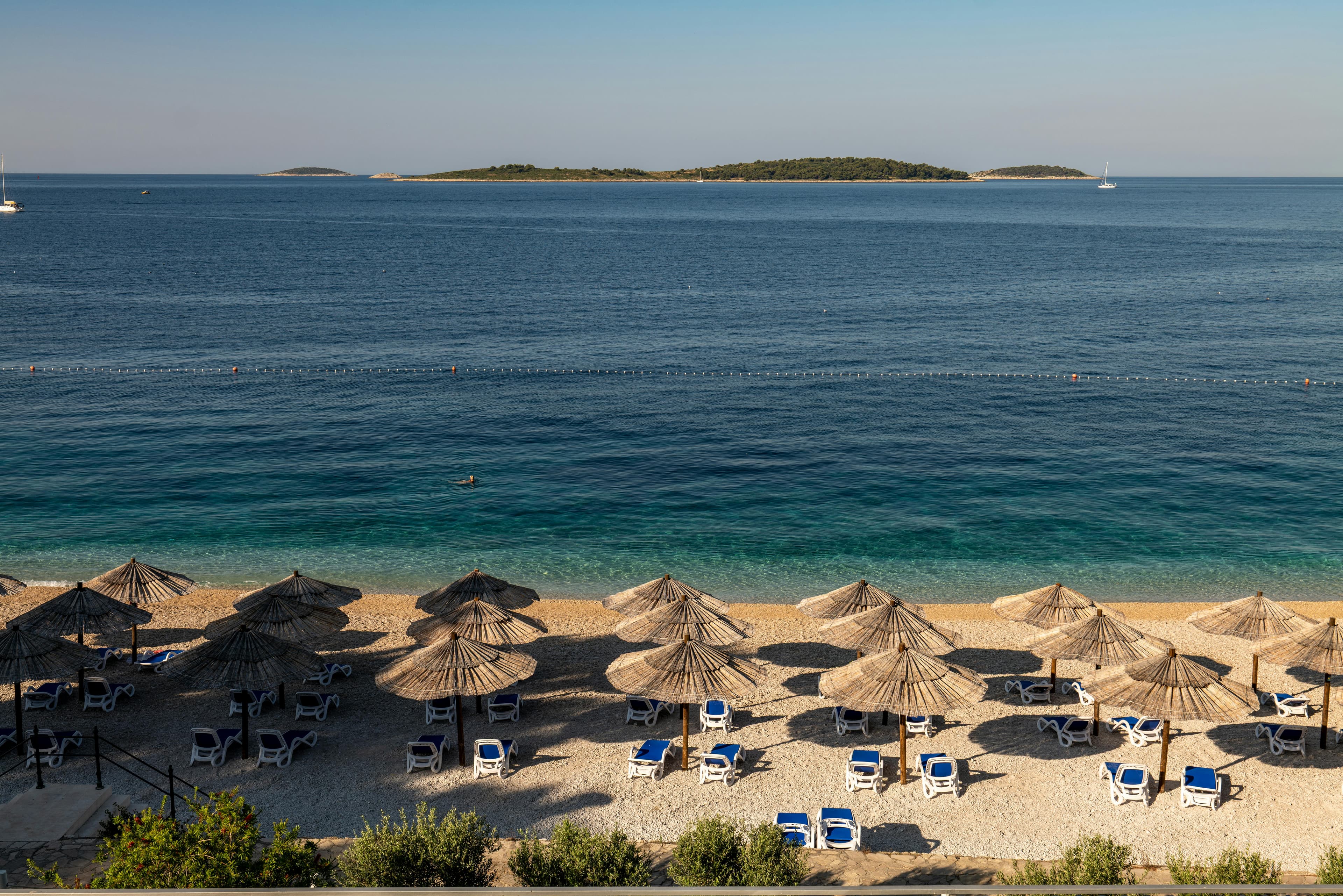
Raduča and Velika Raduča are among the finest pebble beaches on this stretch of coast, set in calm bays with clear water — ideal for swimming and snorkelling.
- Raduča Beach
- Velika Raduča
- Nearby Coves
Wine & Local Culture
The dry-stone Babić vineyards of Bucavac are among Croatia's most distinctive wine landscapes. Tastings and traditional summer evenings bring the area's character to life.
- Babić Vineyards
- Wine Tastings
- Traditional Evenings
Viewpoints & Excursions
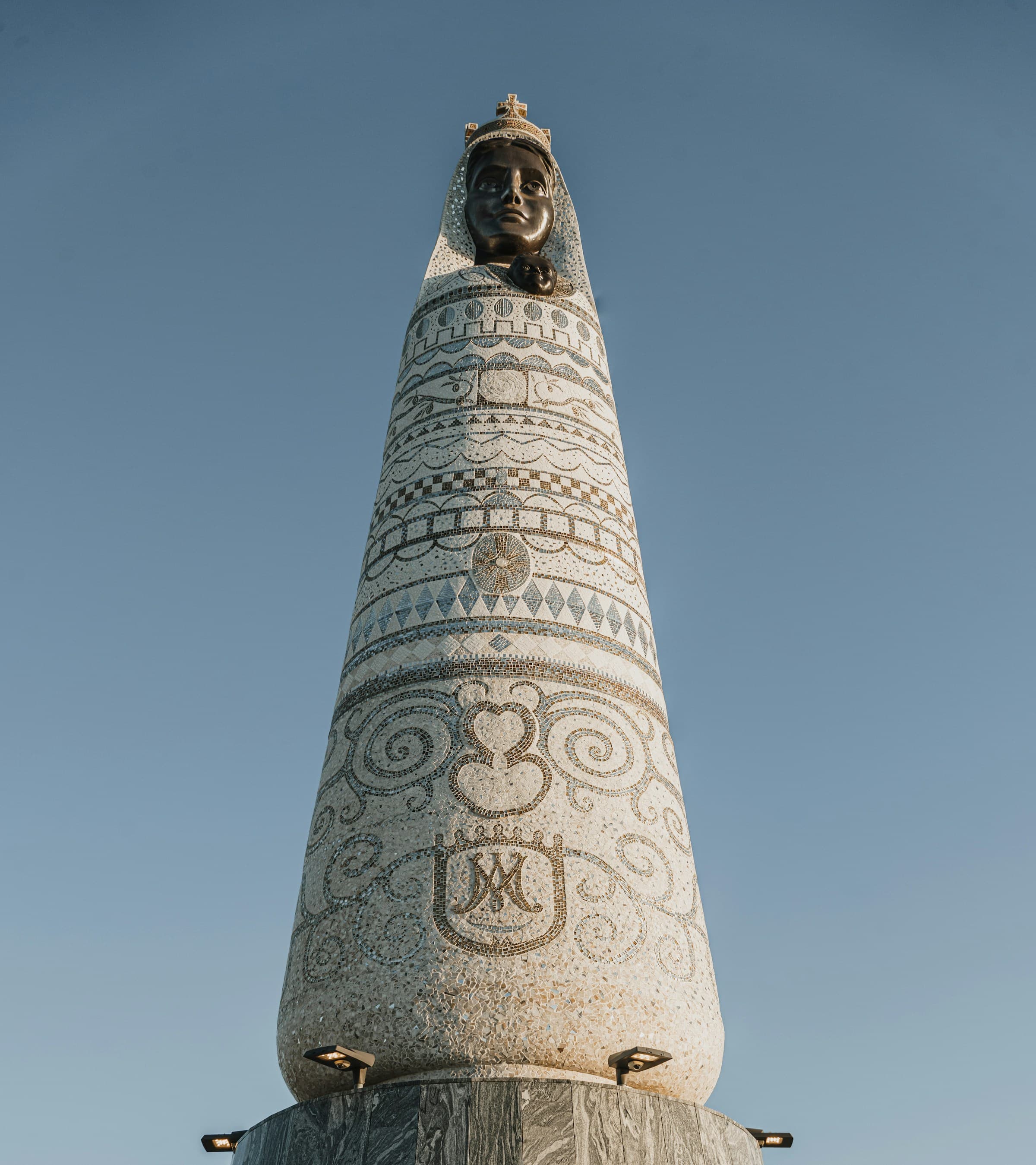
Our Lady of Loreto offers panoramic views over the peninsula and surrounding sea. Day trips to Šibenik, Trogir and Krka National Park are all within easy reach.
- Our Lady of Loreto
- Šibenik & Trogir
- Krka National Park
Book Guided Tours & Experiences near Primošten
Explore the Šibenik Riviera, Krka National Park and the Dalmatian coast with local guides.
Top Attractions & Sights in Primošten
From the iconic peninsula silhouette to the stone vineyards of Bucavac.
Primošten Old Town Peninsula
The defining feature of Primošten — a dense cluster of stone houses and winding alleys connected to the mainland by a narrow causeway.
Raduča Beach
One of the finest pebble beaches in the area, set in a calm bay with crystal-clear turquoise water — ideal for swimming.
Church of St. George
The hilltop church crowning the old town, offering sweeping views over the peninsula and the surrounding Adriatic.
Stone Vineyards of Bucavac
A remarkable landscape of dry-stone terraced vineyards where Babić grapes have grown for centuries — one of Croatia's most distinctive wine areas.
Our Lady of Loreto Viewpoint
A scenic vantage point above the town offering panoramic views of the peninsula, the sea and the surrounding Dalmatian landscape.
Seafront Promenade
A relaxed coastal walk along Primošten's waterfront, ideal for evening strolls with views of the old town and the marina.
When to Visit Primošten
Find the right time for your Primošten experience.
Spring
April–June
Ideal for sightseeing and walking through the old town — pleasant temperatures, far fewer visitors than in peak season.
- Comfortable temperatures
- Fewer tourists
- Ideal for walking
- Mediterranean wildflowers
Summer
July–August
Peak season — warm sea, lively evenings and the full buzz of a Dalmatian summer. Beaches at their best.
- Swimming and beaches
- Warm sea
- Lively atmosphere
- Long summer evenings
Autumn
September–October
Warm sea into October, vineyard harvest in full swing and a calmer atmosphere as the summer crowds thin out.
- Warm sea
- Harvest season
- Peaceful atmosphere
- Lower prices
Winter
November–March
Quiet and atmospheric — experience authentic Dalmatian life without the crowds, with the stone town at its most evocative.
- Authentic local life
- Uncrowded old town
- Mild Mediterranean winter
- Budget-friendly
Getting to Primošten
Several easy ways to reach this iconic peninsula town.
By Car
Around 25 minutes from Šibenik via the coastal road. Easy to reach from Split in about 50 minutes.
By Bus
Regular coastal services link Primošten with Šibenik, Split and other towns along the Dalmatian coast.
By Air
Split Airport (SPU) is the nearest international airport — about 45 minutes by car.
By Boat
Primošten has a small harbour with mooring options for those arriving by private boat or sailing along the coast.
Frequently Asked Questions about Primošten
Primošten is best known for its remarkably photogenic old town built on a small peninsula linked to the mainland by a narrow causeway. The cluster of stone houses crowned by the Church of St. George, surrounded by turquoise sea, is one of Croatia's most iconic coastal images. The town is also known for its dry-stone vineyards producing the local Babić wine, and for its excellent pebble beaches.
From Šibenik, Primošten is about 25 minutes by car along the coastal road, or reachable by regular bus. From Split it takes around 50 minutes by car or bus. The town sits right on the main coastal highway (D8), making it easy to reach whether you are driving yourself or using public transport.
Raduča Beach is generally considered the best in Primošten — a long pebble beach with crystal-clear water in a calm bay just a short walk from the old town. Velika Raduča nearby is equally beautiful and tends to be quieter. Both are ideal for swimming and are backed by pine trees offering some shade.
May to June and September to October are the sweet spot — warm enough for the beach, without the peak summer crowds. July and August are the liveliest and busiest. Spring and autumn are ideal for sightseeing, walking the old town and exploring the wine country. Winter is very quiet but atmospheric for travellers who enjoy an authentic, uncrowded destination.
Yes — Primošten makes an excellent half-day or full-day trip from both Split and Šibenik. The old town itself can be explored in an hour or two, but combining it with time on Raduča Beach and a long lunch makes for a rewarding day. It pairs particularly well with a visit to Šibenik or Krka National Park on the same trip.
Book Tours & Experiences near Primošten
Explore the Šibenik Riviera, Krka National Park and the Dalmatian coast with local guides.
Explore More Destinations in Croatia
Šibenik
Historic city with the UNESCO Cathedral of St. James and gateway to Krka National Park.
Trogir
UNESCO-listed medieval island town with Venetian architecture, 30 minutes south.
Split
Dalmatia's vibrant city centred on Diocletian's Palace, about 50 minutes away.
Krka National Park
Spectacular waterfalls and boardwalk trails — an easy day trip from Primošten.