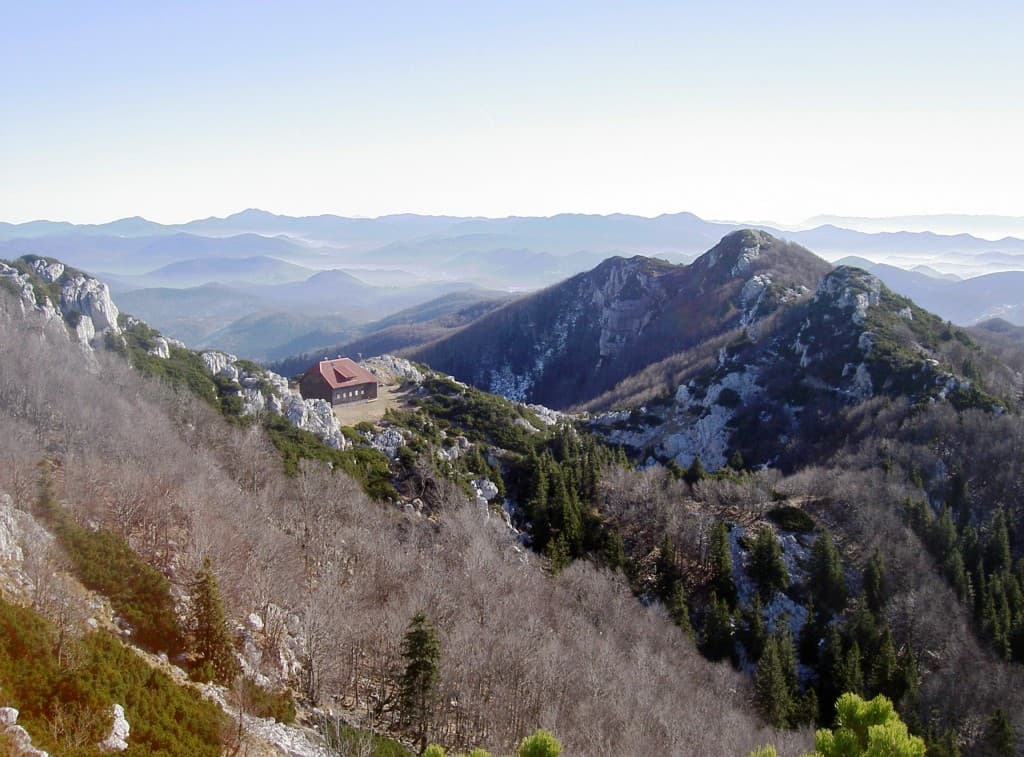
Risnjak National Park
Croatia's Untouched Inland Wilderness — Lynx, Bears, and Alpine Forests
Croatia's Wild and Untouched Mountain Sanctuary
Risnjak National Park is a wild and forested mountain park located in Gorski Kotar, between Zagreb and the northern Adriatic coast. Known for dense forests, alpine meadows, clear mountain rivers, and rich wildlife, Risnjak represents Croatia's true inland wilderness.
Named after the Eurasian lynx (ris), the park protects pristine mountain ecosystems where nature remains largely untouched. Compared to Croatia's more famous coastal parks, Risnjak is quiet, uncrowded, and deeply immersive.
This is a place for travelers who seek silence, forests, and raw mountain nature, rather than iconic sights or crowds. The park offers an authentic wilderness experience with well-marked trails through ancient forests and alpine landscapes.
Quick Facts
Why Visit Risnjak?
Experience Croatia's most untouched national park, far from crowds and coastal tourism, where wilderness reigns supreme.
Pristine Wilderness
One of Croatia's most untouched national parks with dense forests and fresh mountain air
Large Wildlife
Home to lynx, brown bear, and wolf in their natural mountain habitat
Alpine Experience
Excellent hiking in a calm, natural setting — the perfect contrast to the Adriatic coast
Key Highlights
Top Highlights
Experience the park's most remarkable natural features
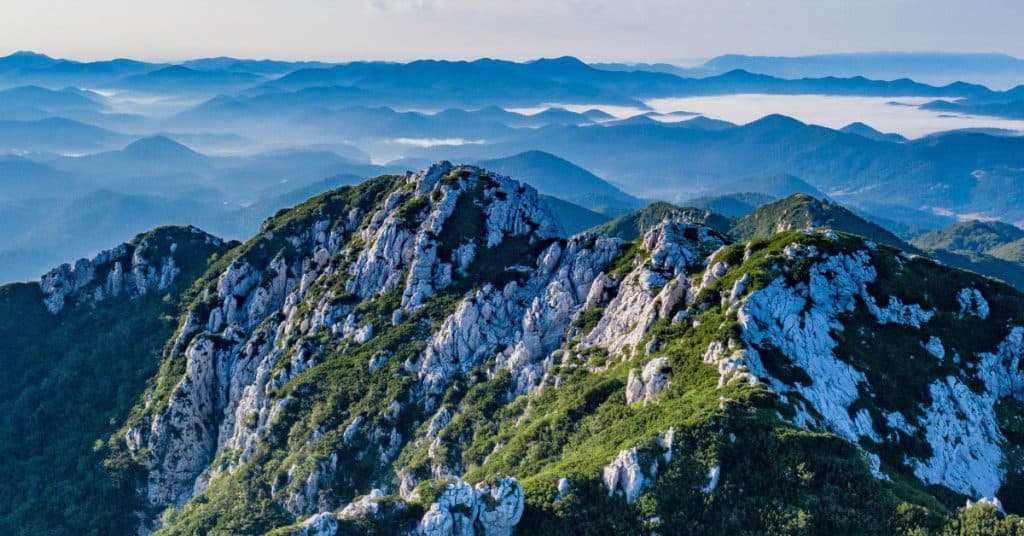
Veliki Risnjak Peak
At 1,528 meters, the park's highest peak offers wide views over Gorski Kotar and, on clear days, the Adriatic Sea.
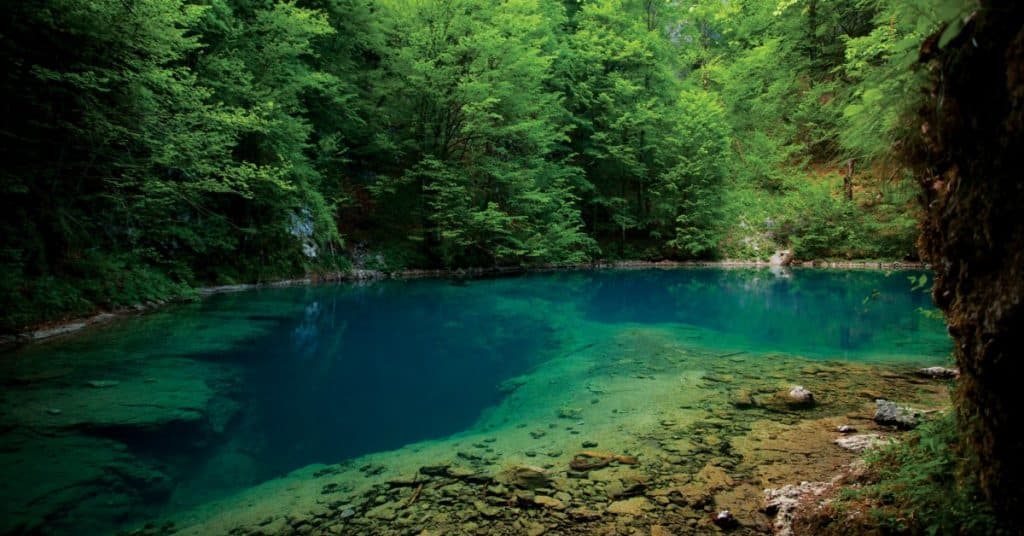
Source of the Kupa River
A striking emerald-green karst spring, considered one of the most beautiful river sources in Croatia.
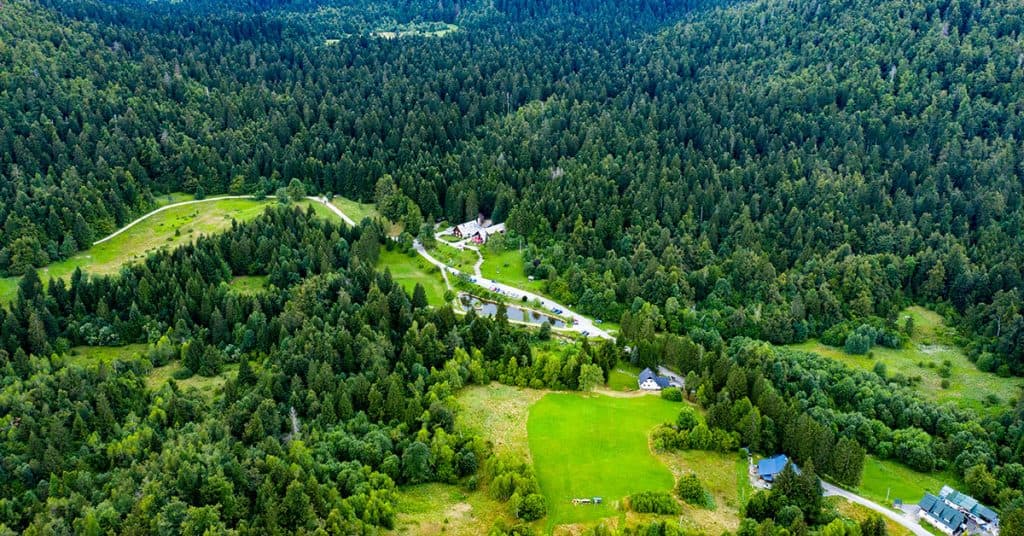
Leska Educational Trail
An easy circular trail introducing visitors to the park's flora, fauna, and forest ecosystems.
Things to Do
Immerse yourself in mountain wilderness activities
Hiking & Forest Walks
Explore well-marked trails through deep forest, alpine clearings, and mountain slopes. From easy educational paths to demanding summit hikes.
Nature Observation
Spot birds, deer, and forest wildlife in their natural habitat. Large predators like lynx, bear, and wolf are present but very rarely seen.
Photography & Relaxation
Perfect for forest photography, autumn colors, and peaceful nature immersion. The park's quiet atmosphere offers true tranquility.
Hiking & Trails
Mix of easy and demanding trails through mountain wilderness
Leska Trail
Easy
An educational circular trail that's family-friendly and introduces visitors to the park's flora, fauna, and forest ecosystems.
Veliki Risnjak Summit
Demanding
Steep and challenging trail to the 1,528m summit. For experienced hikers with proper equipment. Rewarding panoramic views.
Forest Routes
Moderate
Moderate hikes through dense woodland, offering immersive forest experience without extreme elevation gain.
Trail Preparation
Proper footwear is strongly recommended, especially after rain. Mountain weather can change quickly, so bring appropriate clothing layers even in summer. All trails are well-marked, but the summit trail requires good physical condition and should not be attempted in poor weather conditions.
Note: This is a true mountain environment. Unlike coastal parks, facilities are limited and trails can be challenging. Come prepared with water, food, and proper equipment.
Flora & Fauna
One of Croatia's richest forest ecosystems
Dense Forests
Ancient beech, fir, and spruce forests create a pristine mountain wilderness environment
Large Mammals
Home to Eurasian lynx, brown bear, and wolf — three of Europe's most elusive predators
Bird Species
Numerous bird species and alpine plants thrive in this protected mountain environment
Dinaric Mountain Ecosystem
Risnjak is part of the Dinaric mountain ecosystem, one of Europe's most important wildlife corridors. This protected area allows large predators to move freely through their natural habitat, maintaining healthy populations of lynx, bear, and wolf. While these animals are present in the park, they are extremely shy and rarely seen by visitors. The park's strict protection measures ensure this exceptional wilderness remains preserved.
When to Visit Risnjak
Mountain conditions vary dramatically by season — plan your visit accordingly
Spring
April–May
Nature awakens in the mountain forests with wildflowers and birdsong. Trails begin to clear, though some higher paths may still have snow patches.
- Wildflower blooms across meadows
- Birdwatching opportunities
- Quieter trails with few visitors
- Waterfalls at peak flow
Summer
June–August
Best hiking conditions and full park access. Trails are clear, weather is stable, and all facilities are open.
- All trails fully accessible
- Stable weather conditions
- Park facilities fully open
- Ideal for summit hikes
Autumn
September–October
Stunning fall colors transform the forest. Quiet atmosphere with fewer visitors. Ideal for photography.
- Spectacular autumn foliage
- Perfect for photography
- Peaceful atmosphere
- Comfortable hiking temperatures
Winter
November–March
Snow-covered landscape creates a winter wonderland. Access limited; suitable only for experienced winter hikers.
- Magical snow-covered scenery
- Cross-country skiing possible
- Total solitude on trails
- Requires winter hiking experience
How to Get There
Located in Gorski Kotar mountain region
By Car
From Zagreb: Approx. 2 hours via A6 highway toward Rijeka, then local roads to Crni Lug
From Rijeka: Approx. 1 hour through Gorski Kotar region
Car is strongly recommended for flexibility and access
By Bus
Limited bus connections to Delnice or Čabar, with additional transport needed to reach the park
Car rental is recommended for visiting this remote national park
Check schedules in advance during off-season
Practical Information
- •Tickets: Required at park entrance
- •Facilities: Visitor center, marked trails, limited services
- •Swimming: Not permitted in the park
Good to Know
- •One of Croatia's least visited national parks
- •Best for hikers and nature lovers, not casual sightseers
- •Ideal to combine with Gorski Kotar, Opatija, or Rijeka
Book Tours to Risnjak National Park
Hike through Risnjak's mountain wilderness, dense forests and alpine meadows with experienced local guides.
Explore More Destinations in Croatia
Rijeka
Port culture, carnival spirit, and creative energy in Croatia's third city.
Fužine
A charming mountain town in Gorski Kotar with fresh alpine air, forested lakes, and peaceful surroundings — a cool green escape just 30 minutes from the Adriatic coast.
Delnice
A highland town in Gorski Kotar at around 700 metres above sea level, serving as the practical gateway to Risnjak National Park and the dense beech forests of Croatia's mountain interior.
Opatija
Belle Époque promenades and Habsburg-era seaside elegance.