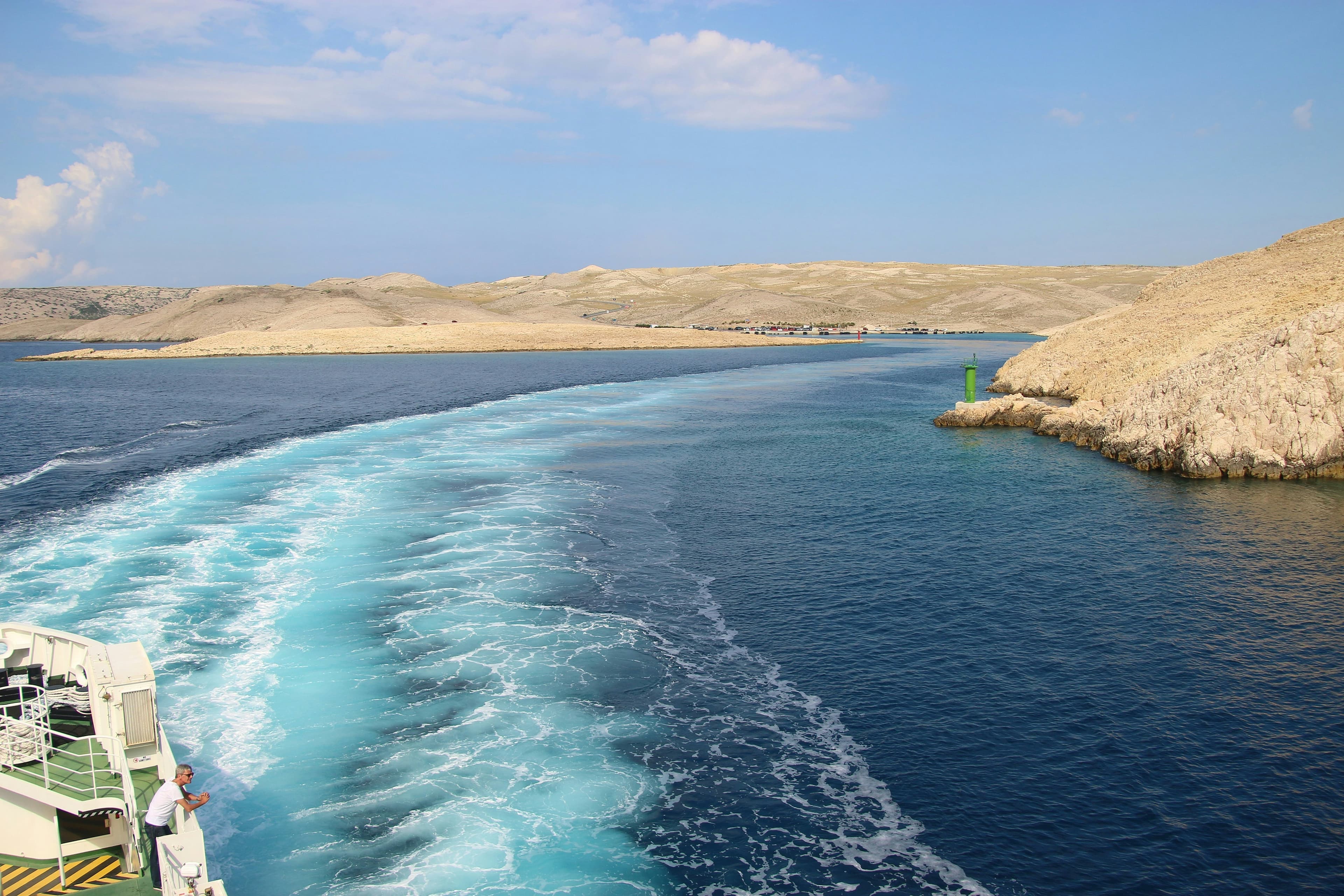
Island hopping in Northern Croatia — Kvarner islands and turquoise Adriatic from above
Islands & Sailing

Island Hopping in Northern Croatia

Discover the Kvarner islands — Rab, Pag, Lošinj, Krk, Cres and the quieter side of the northern Adriatic

Kvarner & Northern Dalmatia, Croatia

A More Unexpected Side of the Adriatic

When people dream of island hopping in Croatia, their minds often go south first. But the northern islands have a charm all their own — quieter in places, more varied in character, and full of the kind of places that tend to surprise people. Here, island hopping feels a little less polished, a little more relaxed, and often more connected to nature, road-trip freedom, and local rhythm.

This part of Croatia is shaped by the islands of Krk, Rab, Pag, Cres, and Lošinj, all part of the wider Kvarner and northern Adriatic region. That variety is exactly what makes island hopping in Northern Croatia so rewarding. One island might be known for medieval townscapes and sandy beaches, another for wellness and pine forests, another for wild scenery and open horizons.

The distances are manageable, ferry connections are reliable, and the atmosphere changes quickly from island to island. The journey feels full of contrast from the very beginning. Unlike some southern itineraries built around a classic island chain, northern island hopping can be approached in different ways: as a ferry-based journey, as part of a broader road trip, or as a slower exploration of Kvarner's islands one by one.

For a broader picture of what Croatia's islands and destinations have to offer, the northern route makes a wonderful companion to the classic southern Dalmatian journey.

Good to Know

Best for

Varied, underrated island hopping — sandy beaches, nature, old towns, and easy car-and-ferry combinations.

Ideal trip length

7–10 days to combine three or more islands without rushing.

Best time to visit

Late spring, summer, and early autumn — spring and autumn offer a more relaxed pace.

Pairs well with

Rijeka, Opatija, Istria, or the northern Velebit coast.

The Island of Diversity and Easy Connections

Krk is often the starting point for northern island hopping, and for good reason. Connected to the mainland by bridge, it is the easiest of the Kvarner islands to reach — and once you arrive, it quickly reveals itself as one of the most varied. The north of the island is rocky and windswept, shaped by the powerful bura wind, while the south offers sheltered bays, pine forests, and one of the best beaches in the region.

Krk Town itself is a compact walled settlement with Roman and Venetian layers still visible in its streets, towers, and cathedral. Further inland, villages like Vrbnik sit dramatically on cliff edges above the sea, and the island produces its own wine — Žlahtina — that you can try straight from the source. For a first stop on a northern island-hopping route, Krk sets a high bar.

Explore Krk
Why include Krk
Krk is often the starting point for northern island hopping, and for good reason. Connected to the mainland by bridge, it is the easiest of the Kvarner islands to reach — and once you arrive, it quickly reveals itself as one of the most varied.”

Medieval Towers, Sandy Beaches and the Adriatic at its Best

Rab is one of those islands that tends to exceed expectations. Its old town is one of the most striking in the Adriatic — four elegant bell towers rising above a compact stone peninsula — and the beaches on its northern shore are among the finest sandy beaches in Croatia. The contrast between the bare, exposed southern coast and the lush forested interior makes Rab feel like two landscapes in one.

Lopar, at the northern tip of the island, has a string of gently shelving sandy beaches ideal for families. The old town of Rab draws visitors who want medieval atmosphere, good restaurants, and a slower pace. For island hoppers, Rab rewards at least two nights — one spent wandering the old town at dusk, the other on the beach.

Explore Rab
Why include Rab
Rab is one of those islands that tends to exceed expectations. Its old town is one of the most striking in the Adriatic — four elegant bell towers rising above a compact stone peninsula — and the beaches on its northern shore are among the finest sandy beaches in Croatia.”

Moonscape Beauty, Salt, and the Famous White Cheese

Pag is unlike any other island in Croatia. Its landscape is stark, almost lunar — bare limestone ridges, shallow salt flats, and a pale, windblown beauty that makes it instantly memorable. That bareness is the result of the bura wind, which strips the island of vegetation and gives it a wild, otherworldly character unlike the lush southern islands.

But Pag is also a place of exceptional local products. Its cheese — Paški sir — is celebrated across Croatia and worth seeking out at any local shop or restaurant. The old town of Pag, built to a Renaissance plan, is compact and photogenic. And for a younger crowd, the island's northern tip around Novalja has a reputation for beach parties and an energetic summer scene. Pag is genuinely one of a kind.

Explore Pag
Why include Pag
Pag is unlike any other island in Croatia. Its landscape is stark, almost lunar — bare limestone ridges, shallow salt flats, and a pale, windblown beauty that makes it instantly memorable.”

Wild, Quiet, and Full of Open Horizons

Cres is one of the largest islands in the Adriatic, yet it remains one of the least visited. That combination of scale and quiet is what makes it so appealing for travelers who want to escape the main tourist trail. Much of the island is covered in dense Mediterranean scrub, with narrow roads winding between small hillside villages and remote coves that take real effort to find.

The island is home to griffon vultures, which nest in the northern part of Cres and can sometimes be spotted soaring over the limestone cliffs above the sea. The lakeside town of Vrana, home to Croatia's deepest freshwater lake, adds another dimension to what Cres has to offer. For island hoppers willing to slow down and explore, Cres is the kind of discovery that stays with you.

Explore Cres
Why include Cres
Cres is one of the largest islands in the Adriatic, yet it remains one of the least visited. That combination of scale and quiet is what makes it so appealing for travelers who want to escape the main tourist trail.”

Wellness, Pine Forests, and the Scent of the Mediterranean

Lošinj has a long history as a place of health and wellbeing. In the nineteenth century, its clean air, pine forests, and mild climate made it a destination for the Austro-Hungarian elite seeking rest and recuperation. That atmosphere of gentle refinement still lingers today — particularly in Mali Lošinj, its main town, where pastel-coloured houses line a deep natural harbour.

The island's network of walking and cycling paths passes through aromatic pine and laurel forests, past quiet coves, and along dramatic coastal clifftops. Veli Lošinj, the smaller but older settlement, has a more intimate feel and a handful of galleries and craft shops that reward a slow afternoon. As a final stop on a northern Kvarner island-hopping route, Lošinj feels like a gentle, fragrant arrival.

Explore Lošinj
Why include Lošinj
Lošinj has a long history as a place of health and wellbeing. In the nineteenth century, its clean air, pine forests, and mild climate made it a destination for the Austro-Hungarian elite seeking rest and recuperation.”
The Full Picture

Why These Islands Work So Well Together

The northern islands work so well as a collective because they offer something genuinely different at each stop. Krk gives you variety and easy access. Rab delivers medieval beauty and the best sandy beaches in the region. Pag is strange and memorable and unlike anywhere else. Cres offers wild quiet and open horizons. Lošinj brings fragrance, pine forests, and a gentle sense of arrival. That arc of contrast is what makes northern island hopping feel like a proper journey rather than a series of similar stops.

What also distinguishes this route is the flexibility it allows. You can approach the islands by car and ferry, mix and match the order depending on ferry schedules, or base yourself on one island and make day trips. For those who like having options, Croatia's ferry connections through the Kvarner region are reliable and well-served across the season.

Northern Croatia also has a different feel from the classic Dalmatian south. The sea can be wilder, the landscapes more rugged, the crowds smaller. Towns feel lived-in and authentic rather than polished for tourism. That rawness is part of the appeal — you are seeing a side of the Adriatic that many visitors overlook entirely.

Whether you start with the bridge-connected accessibility of Krk or the dramatic sweep of Cres, the northern islands offer a rewarding alternative to the better-known southern route. For a broader look at all of Croatia's destinations, the Kvarner islands are just one part of a country built for exploration by sea.

Good to Know Before You Go

Plan your ferry connections, timing, and island combinations with these practical notes.

Best for

Travelers who want varied, underrated island hopping — a mix of sandy beaches, wild landscapes, medieval towns, and easy car-and-ferry combinations.

Best Time to Visit

Late spring, summer, and early autumn all work well — spring and autumn offer a quieter pace and more breathing room on ferries and in towns.

Ideal Trip Length

Seven to ten days is ideal for combining three or more islands without rushing — with more time, the slower pace of Cres and Lošinj really comes into its own.

Pairs Well With

The northern islands combine naturally with a few days in Rijeka or Opatija, a road trip through Istria, or an extension south into Dalmatia. Check our ferry routes guide to map out the best connections between islands.