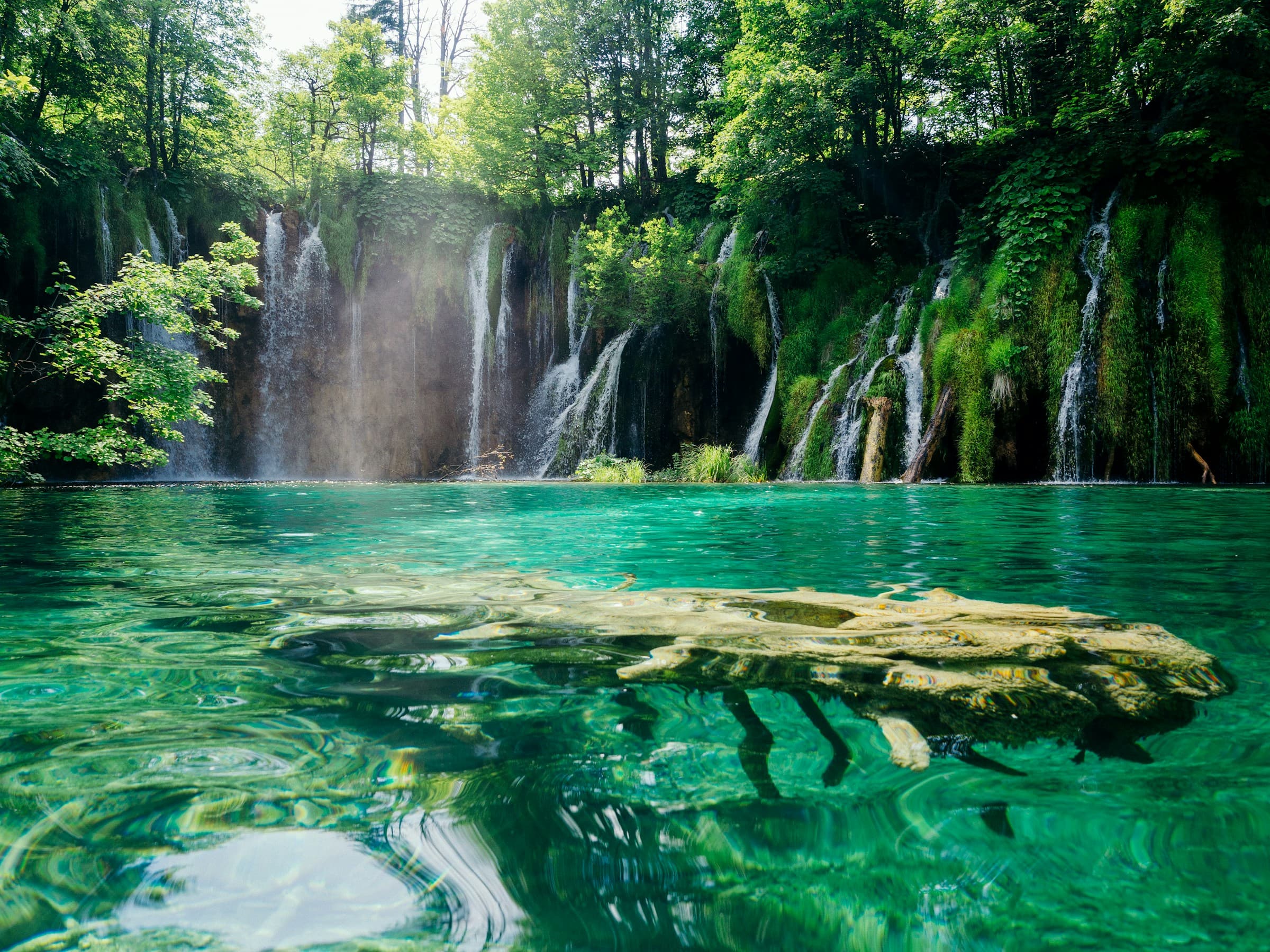
Plitvice Lakes
National ParkCentral CroatiaDay trip
Turquoise waterfalls and wooden trails through protected forest.
Inland Croatia trades the Adriatic for forests, rivers, vineyards, and Austro-Hungarian towns anchored by Zagreb. Day trips lead to castles, waterfalls, rolling hills, and slower-paced historic towns.
Turquoise waterfalls and wooden trails through protected forest.
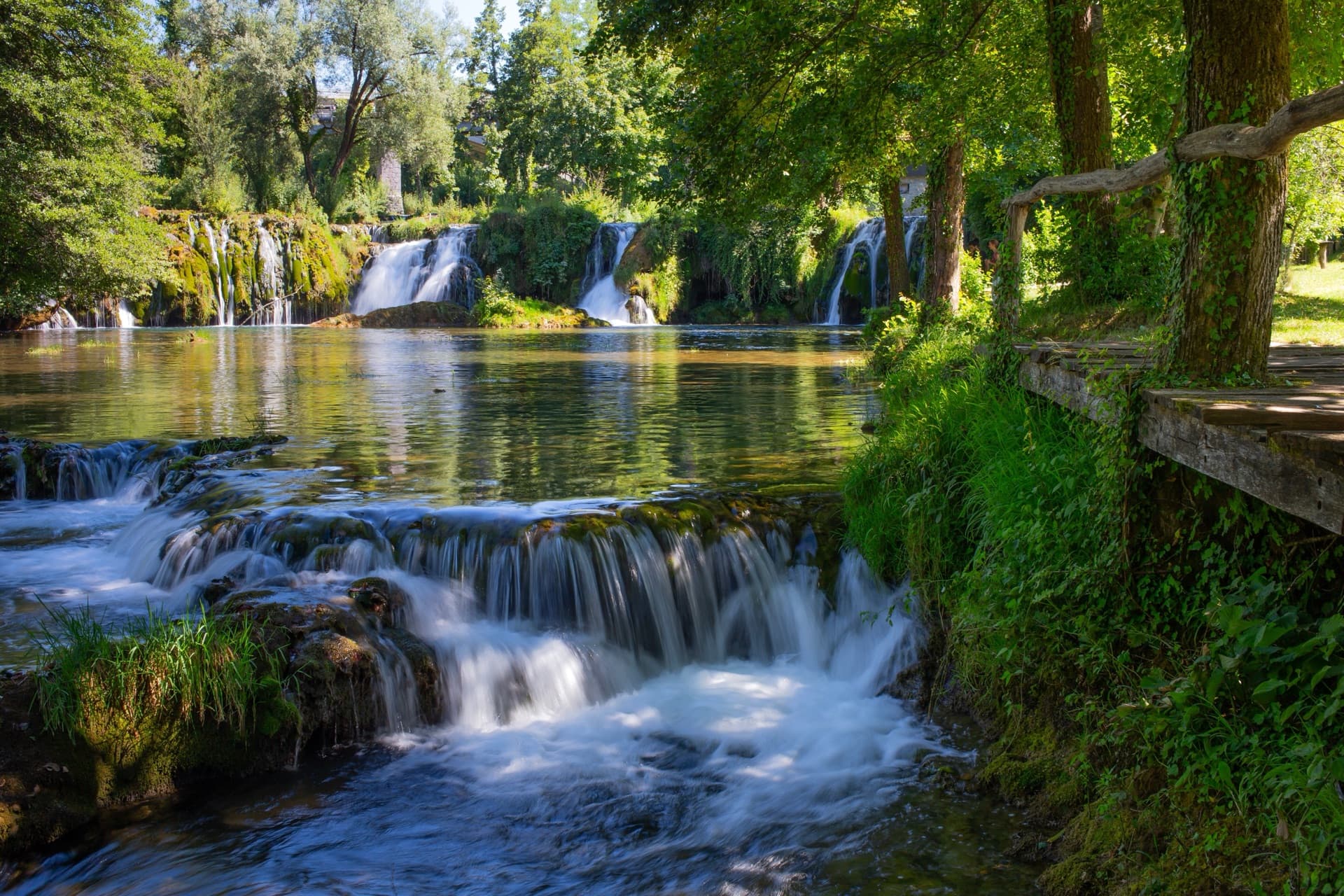
Turquoise river, waterfalls, and forested gorges.
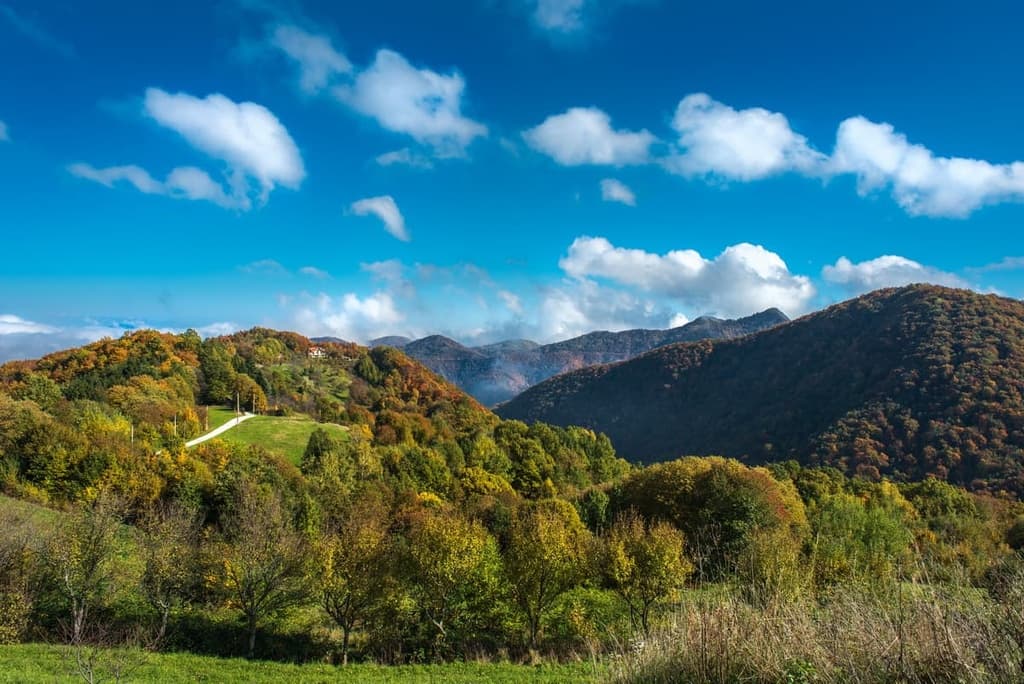
Quiet highlands, forest paths, and rural villages near Zagreb.
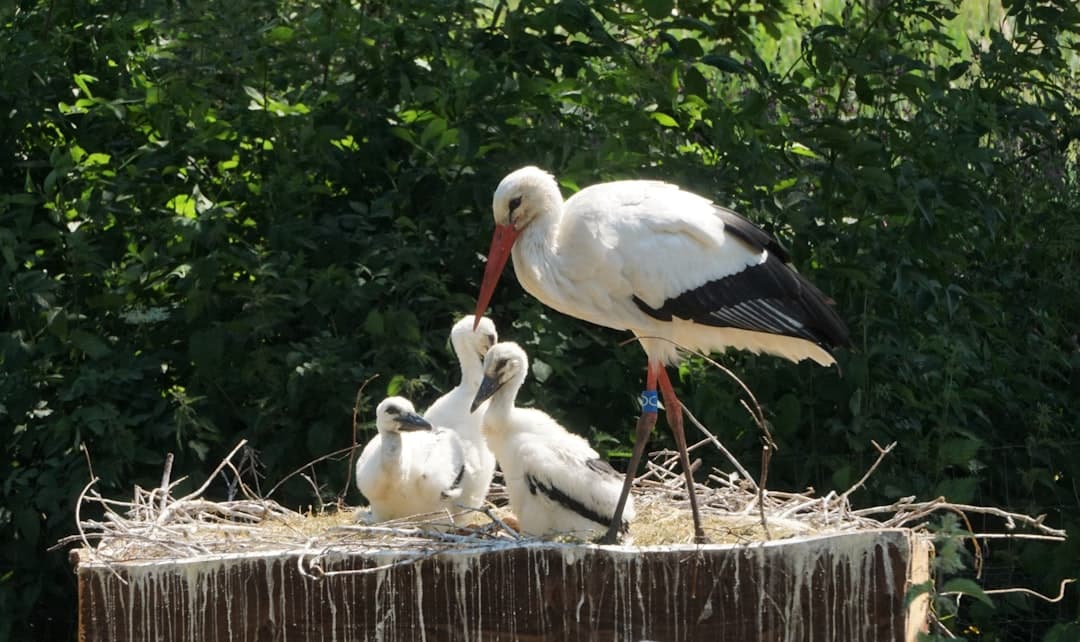
A 506 sq km Sava floodplain an hour from Zagreb where white storks nest on wooden Posavina cottages and native horses graze the meadows.
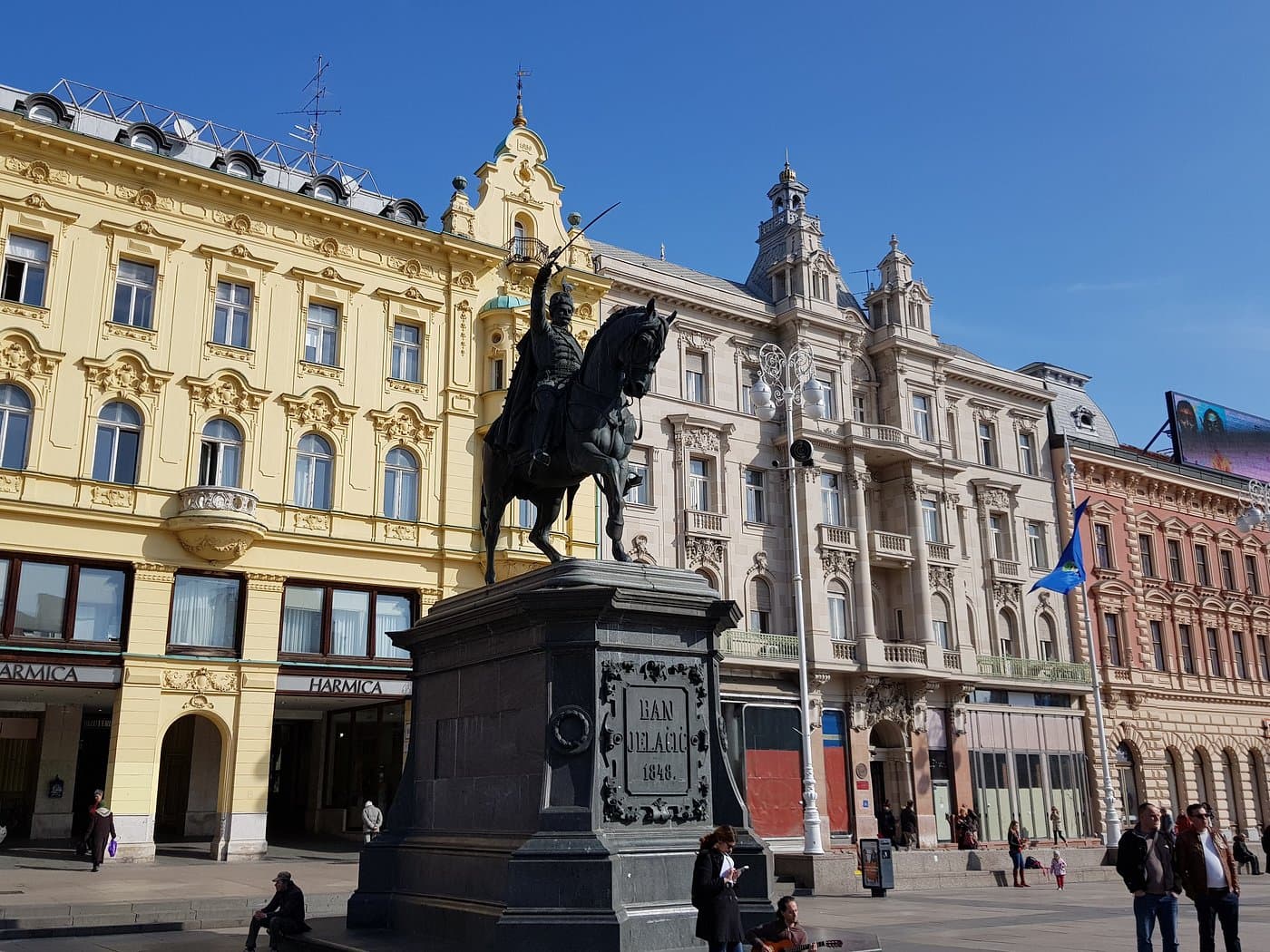
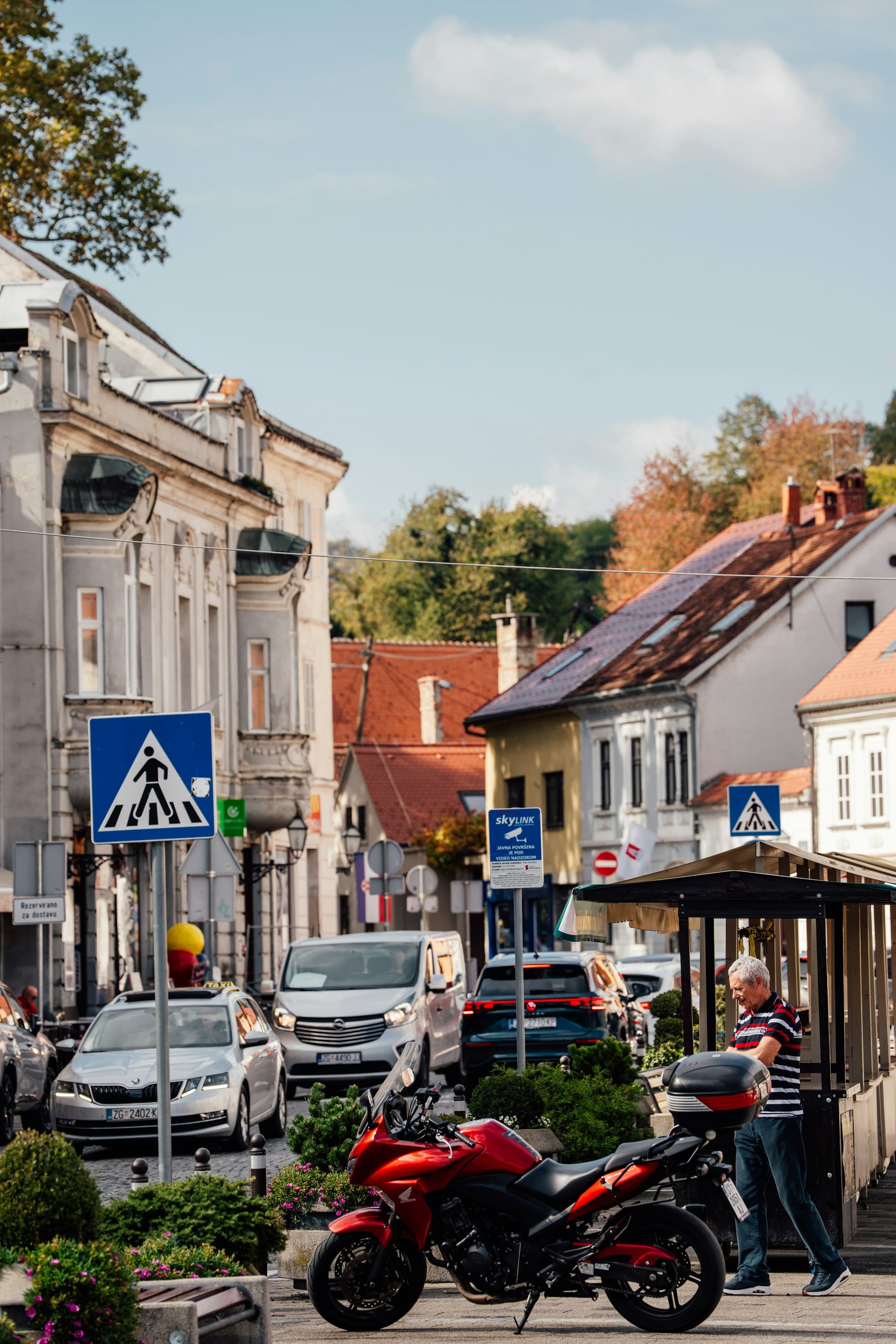
A market town near Zagreb, famous for kremšnita and hillside castle ruins.
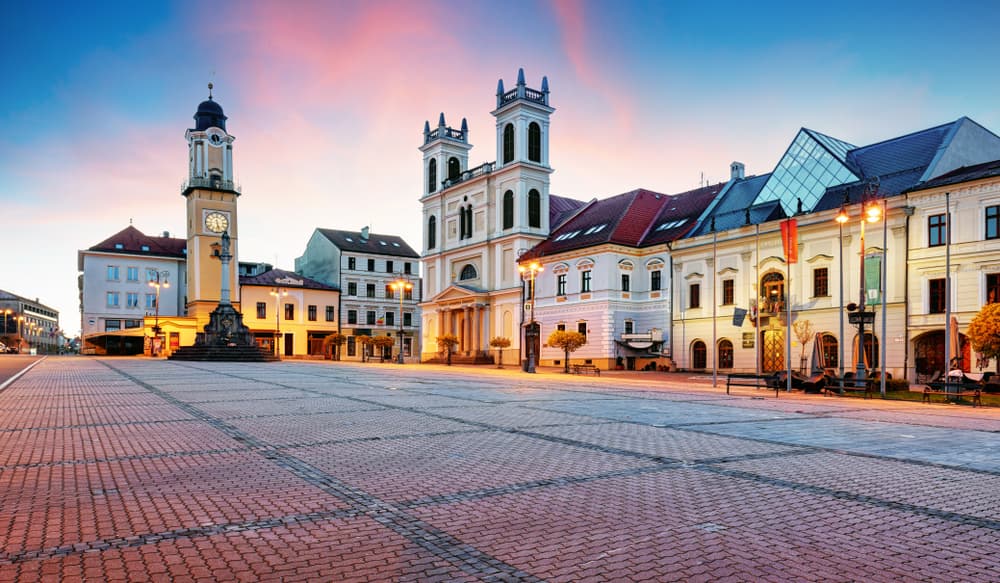
Croatia's baroque capital — palaces, parks, and former royal grandeur.
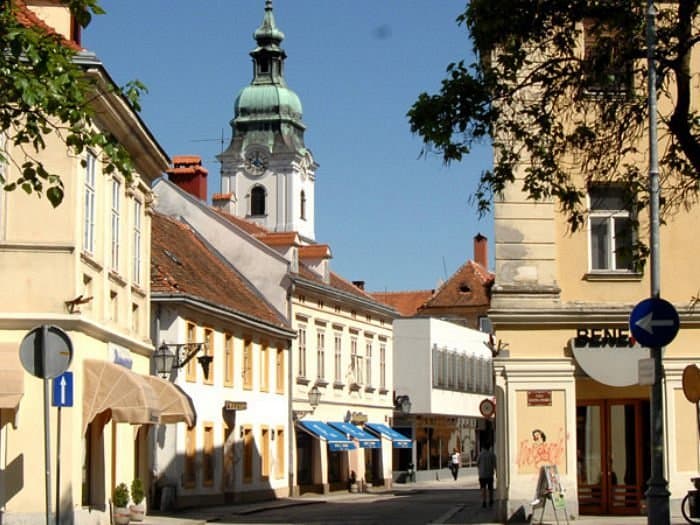
Four rivers, fortress walls, and a gateway to Croatia's green interior.
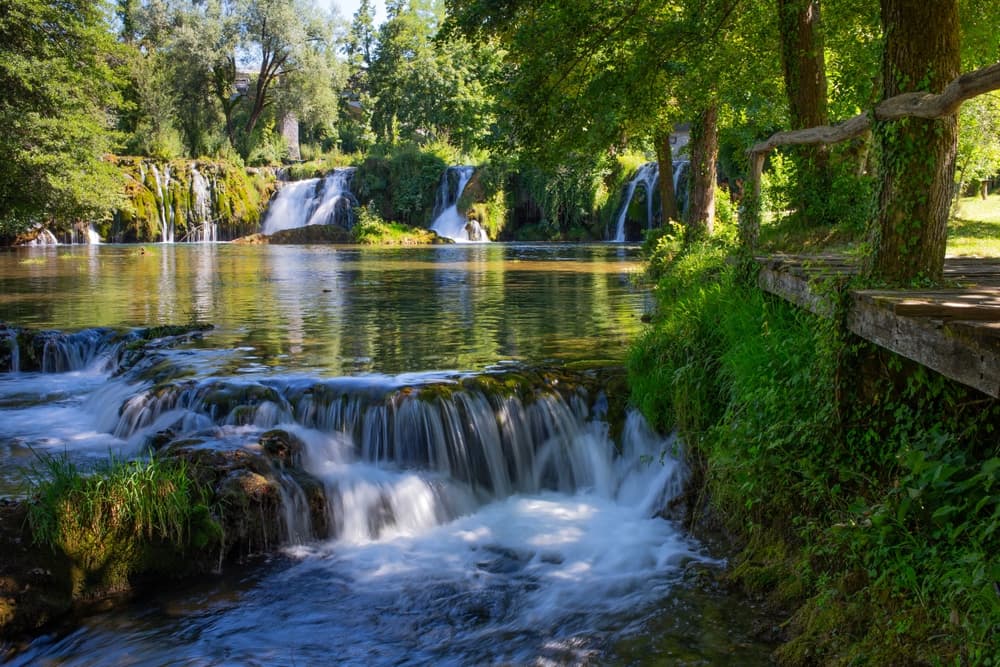
A small village where the Slunjčica river tumbles over travertine ledges and through watermills — often called 'small Plitvice', and a natural stop on the road to the national park.
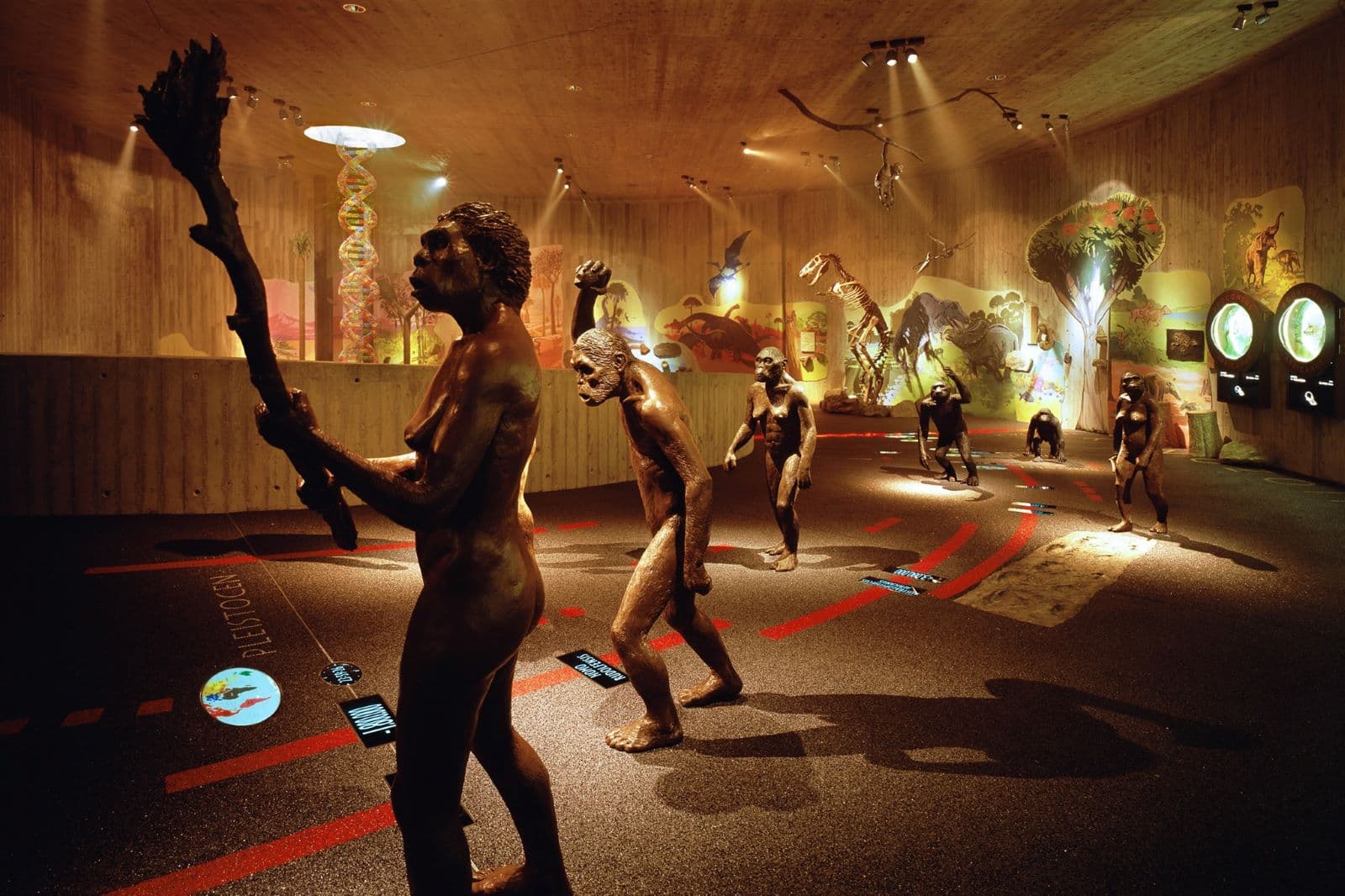
Home to one of the world's most significant Neanderthal fossil sites, with an award-winning science museum built around the original excavation in the Zagorje hills.
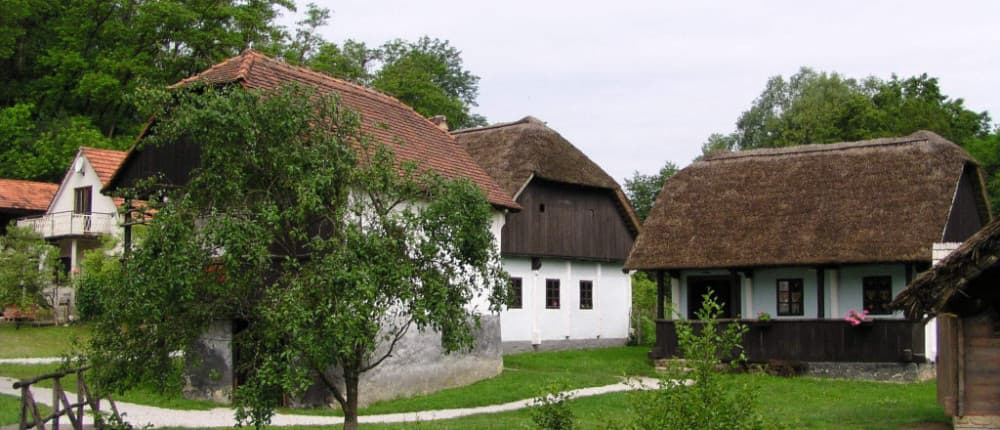
Tito's birthplace and home to Staro Selo — one of Croatia's best open-air ethnographic museums in a village of preserved 19th-century Zagorje houses.
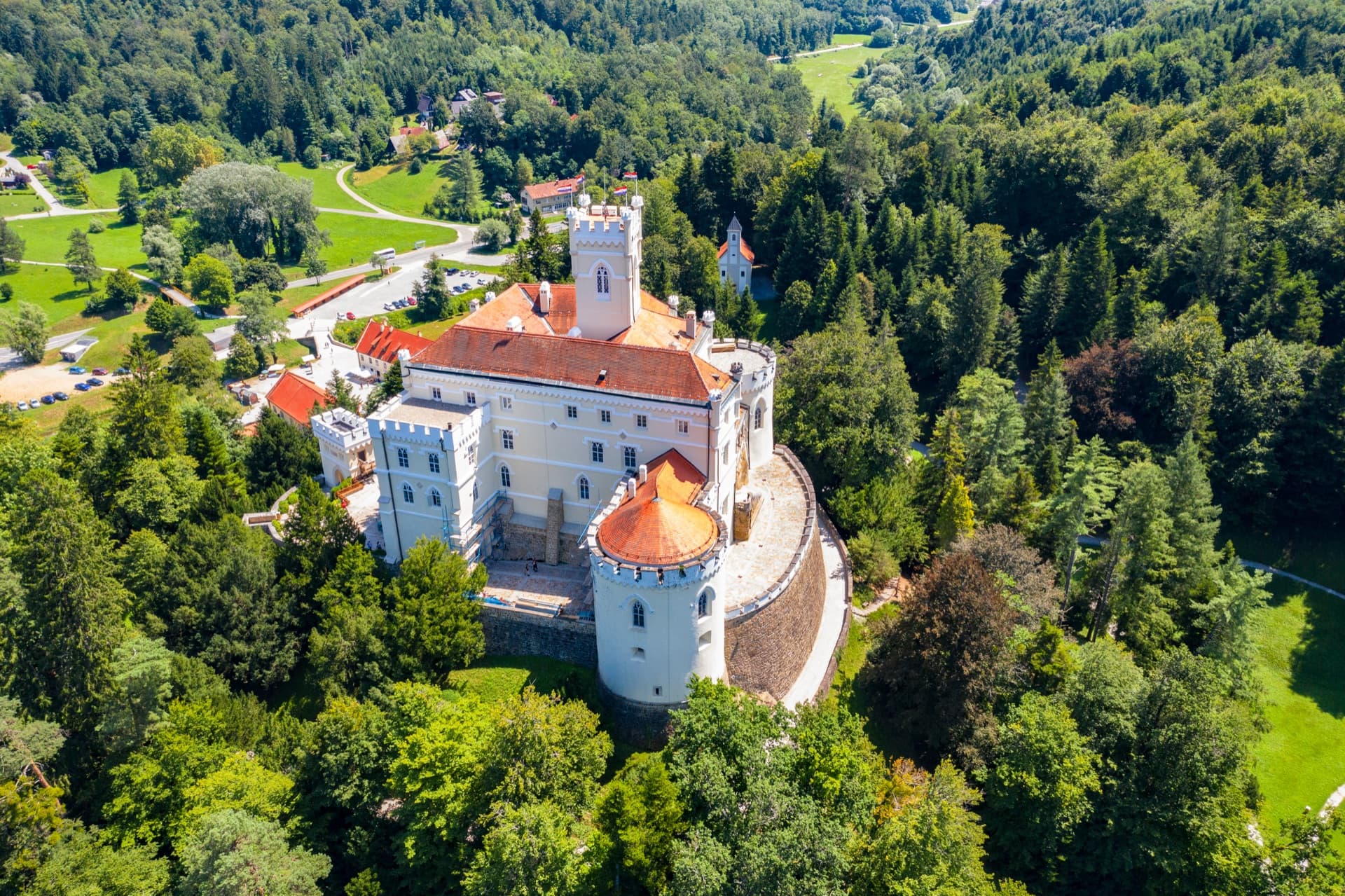
Croatia's most photographed castle — a white 19th-century Romanticist fortress above a lake in the Zagorje hills, with a well-preserved interior and lakeside walks.
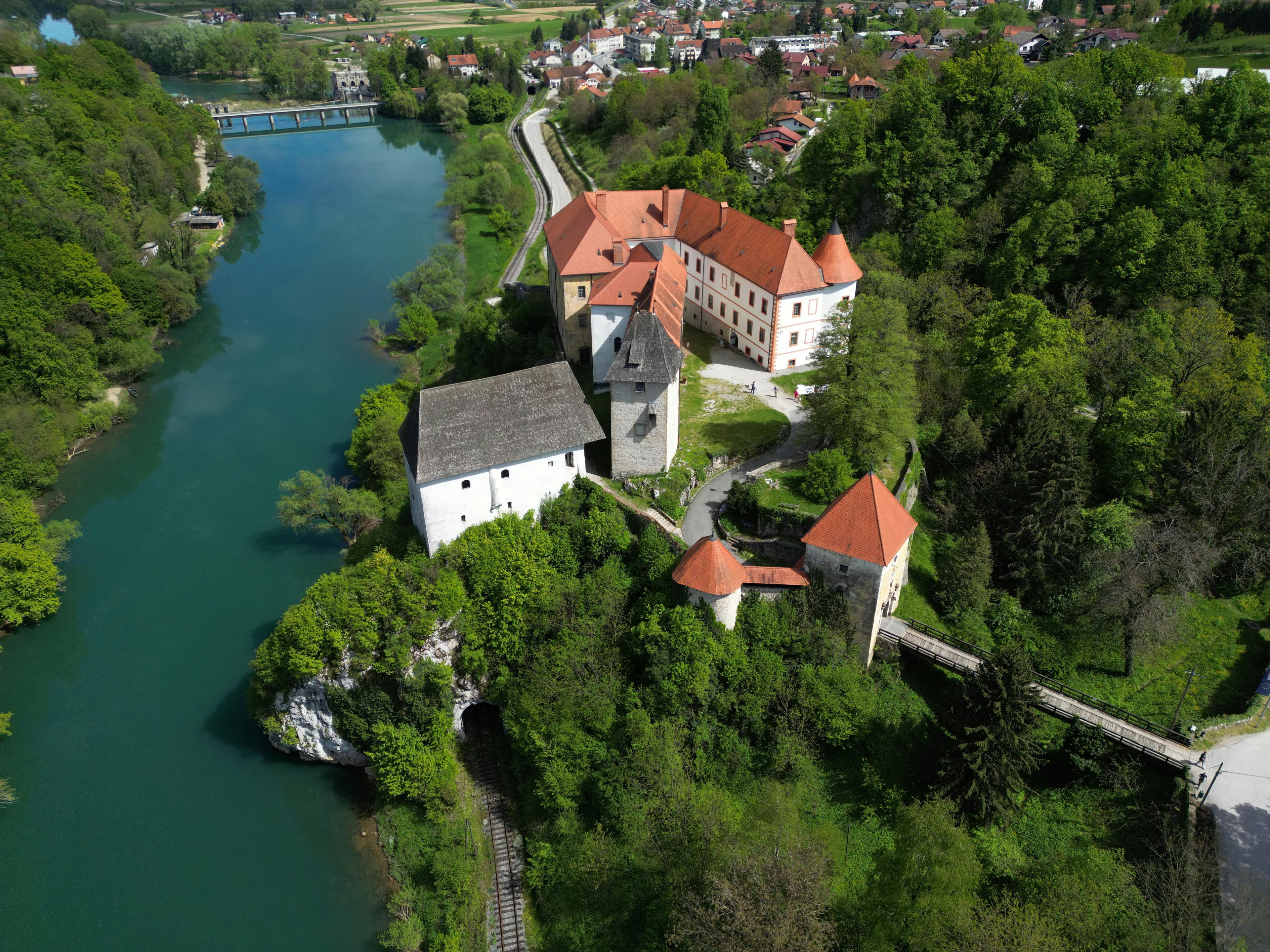
A compact town above the Kupa river with a well-maintained castle museum and easy access from Karlovac — a quiet stop on the Central Croatia circuit.
Croatia looks small on a map, but planning the right route makes all the difference.