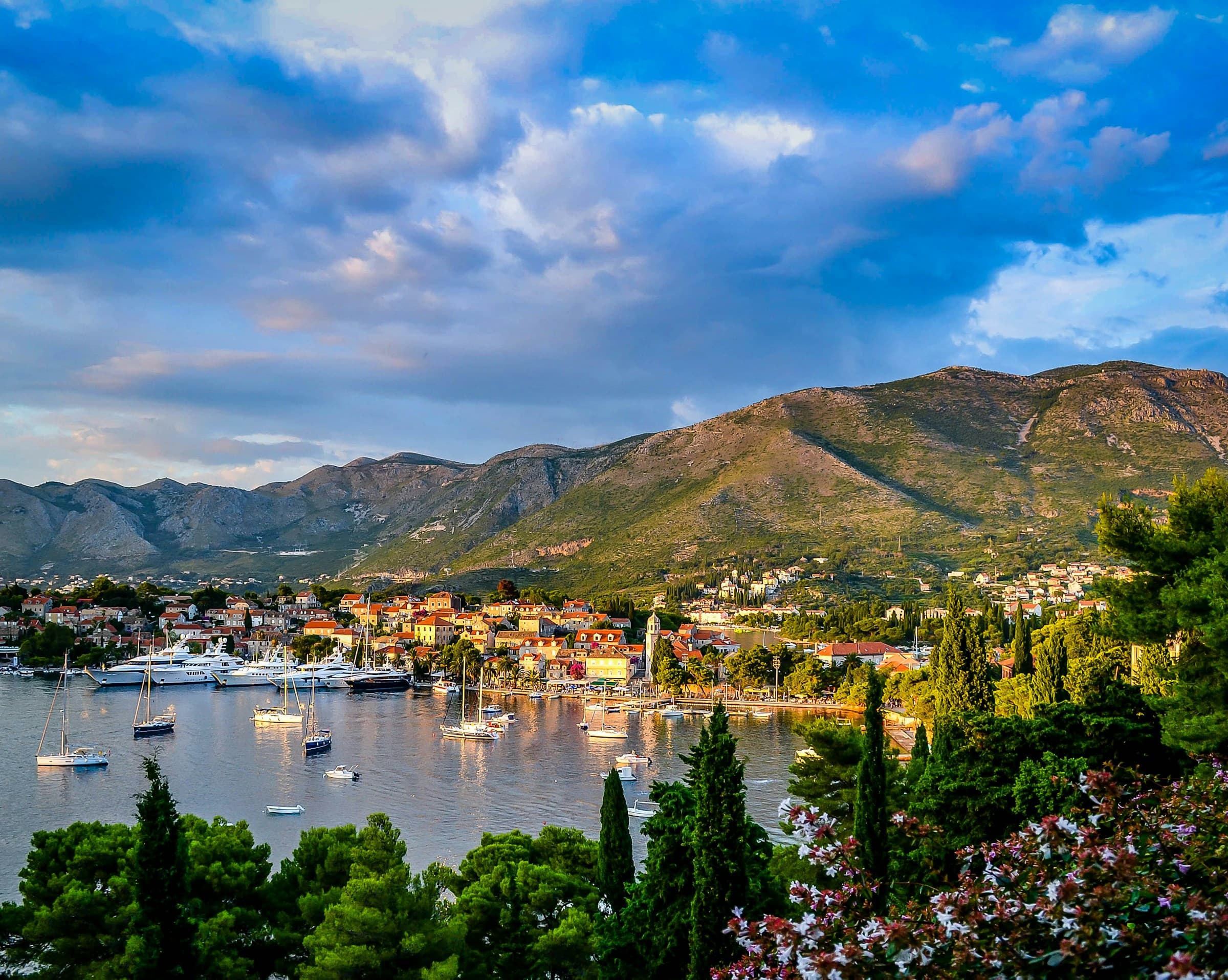
Cavtat
TownDalmatiaHoliday base
An elegant palm-lined harbor town just south of Dubrovnik, combining refined coastal charm with easy access to the Konavle Valley and its traditions.
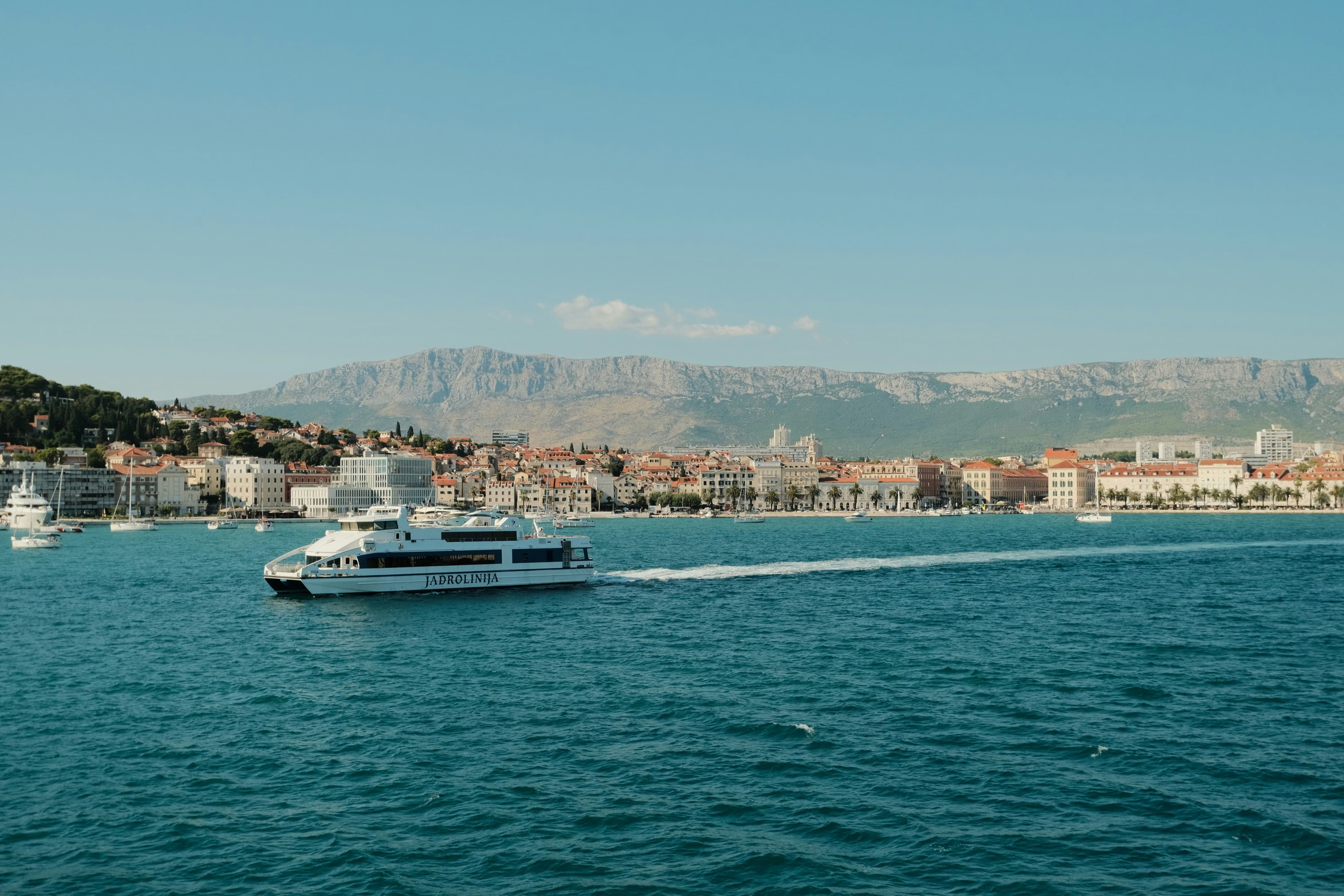
Browse destinations across Croatia by region, type, and travel style.
An elegant palm-lined harbor town just south of Dubrovnik, combining refined coastal charm with easy access to the Konavle Valley and its traditions.
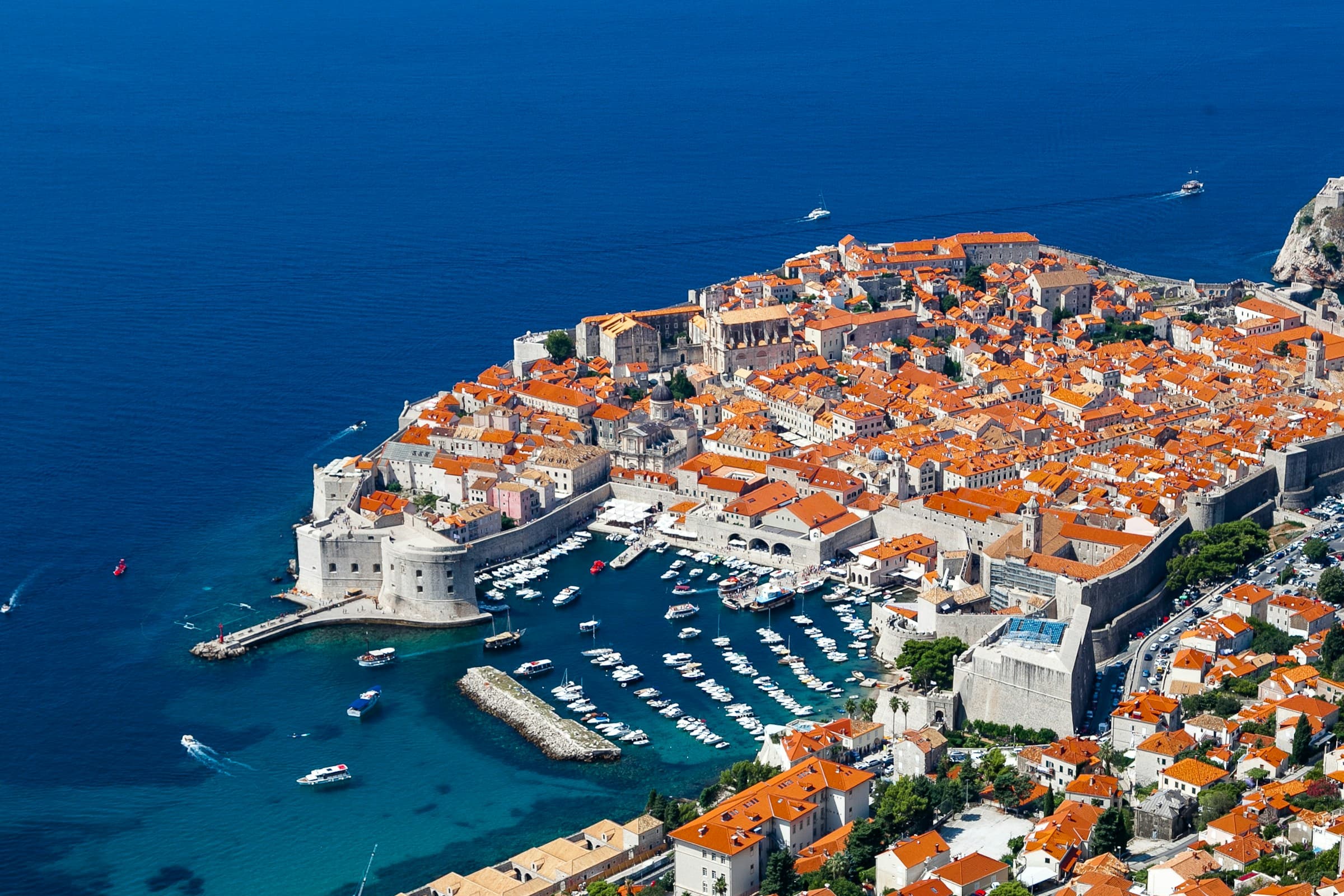
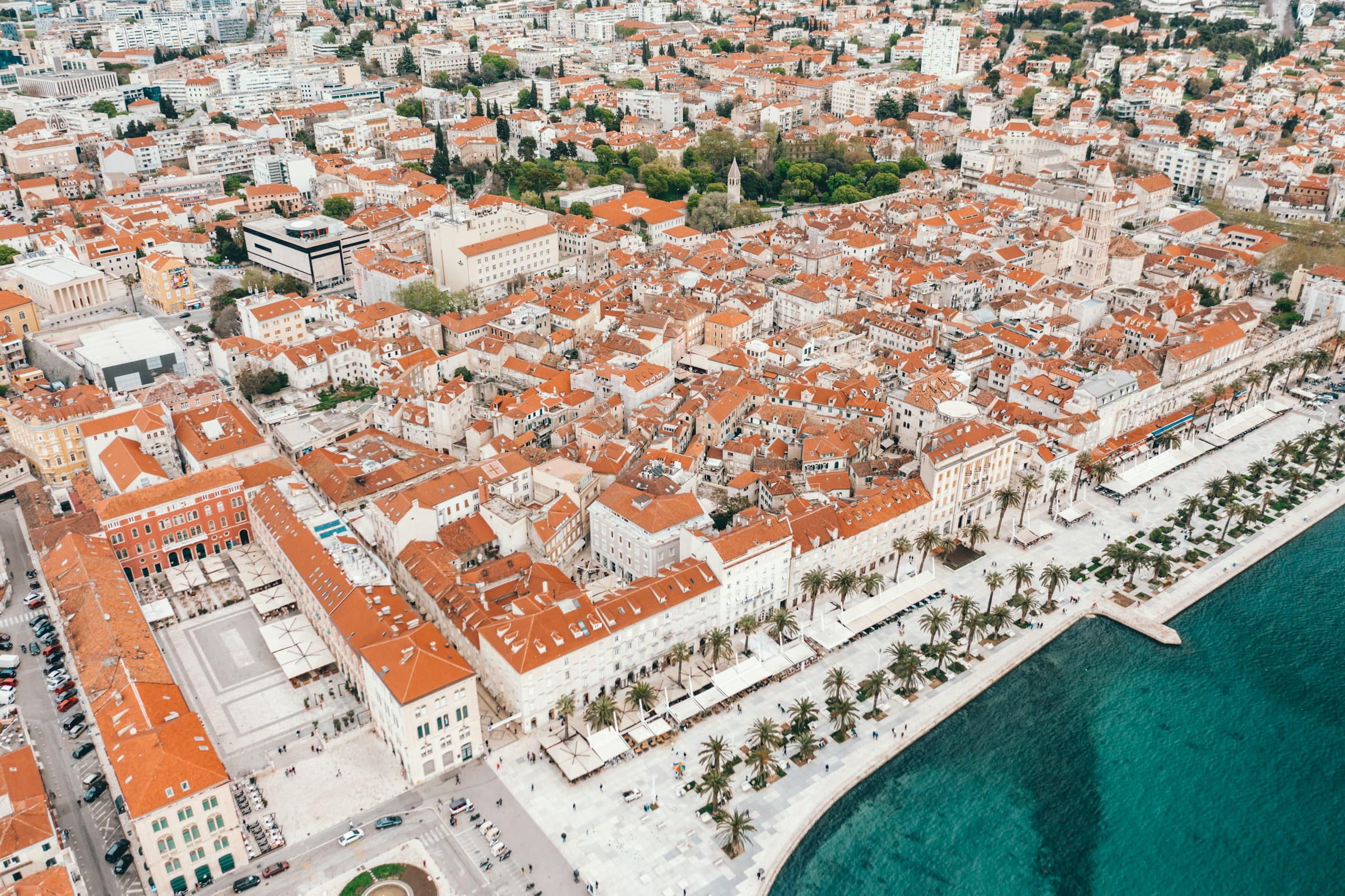
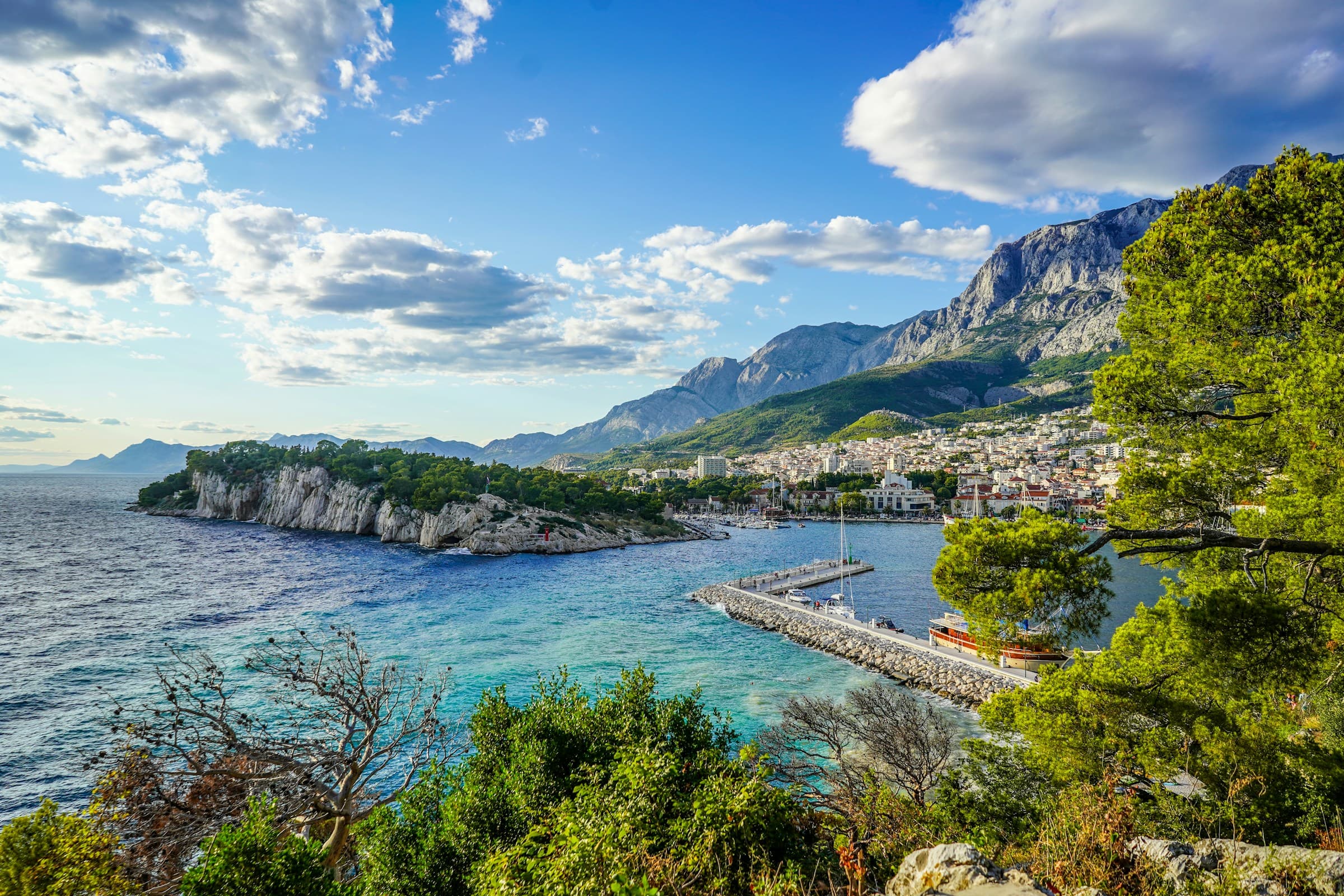
A picturesque coastal town dramatically set between the towering Biokovo Mountains and the turquoise Adriatic Sea, known for its beaches and vibrant nightlife.
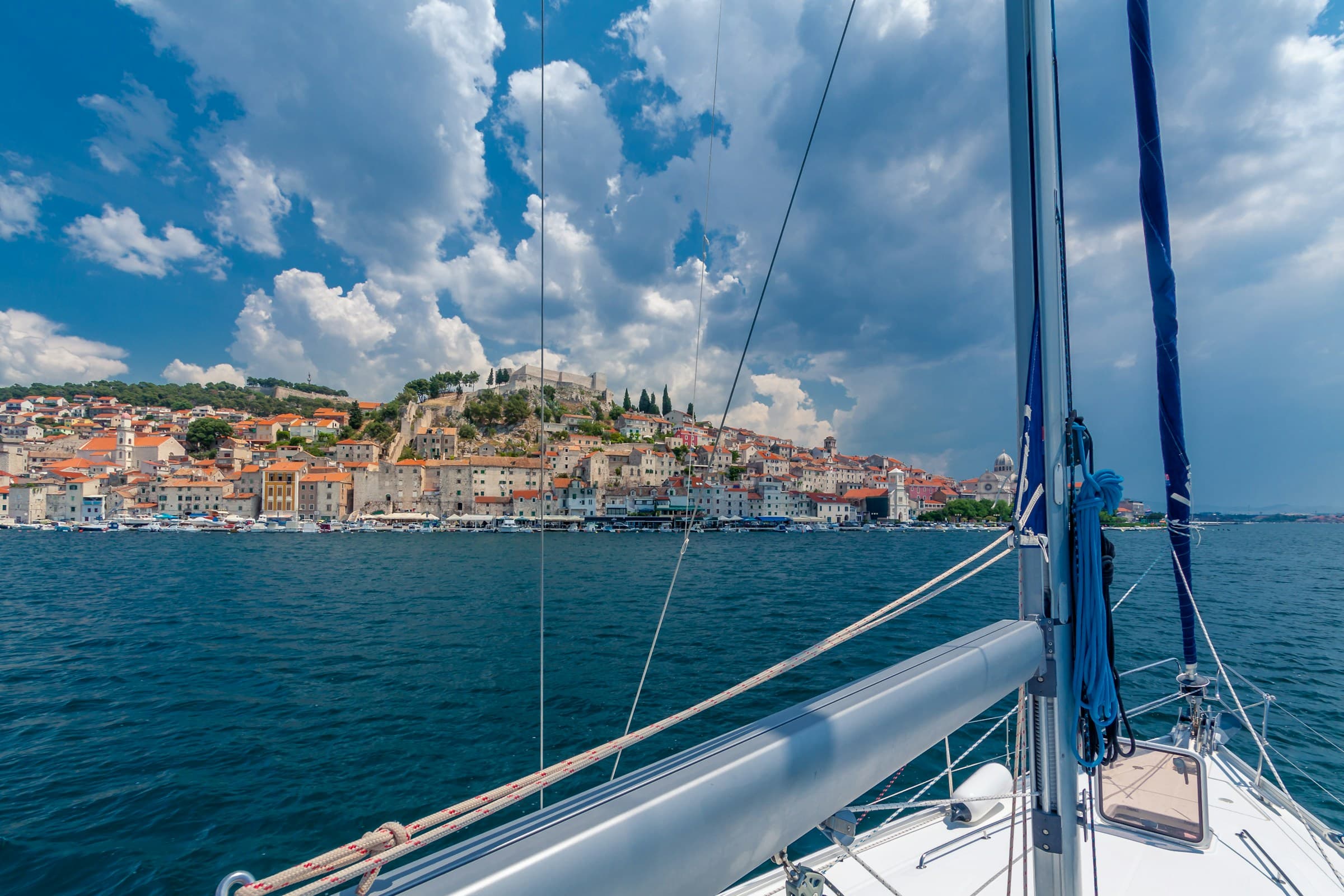
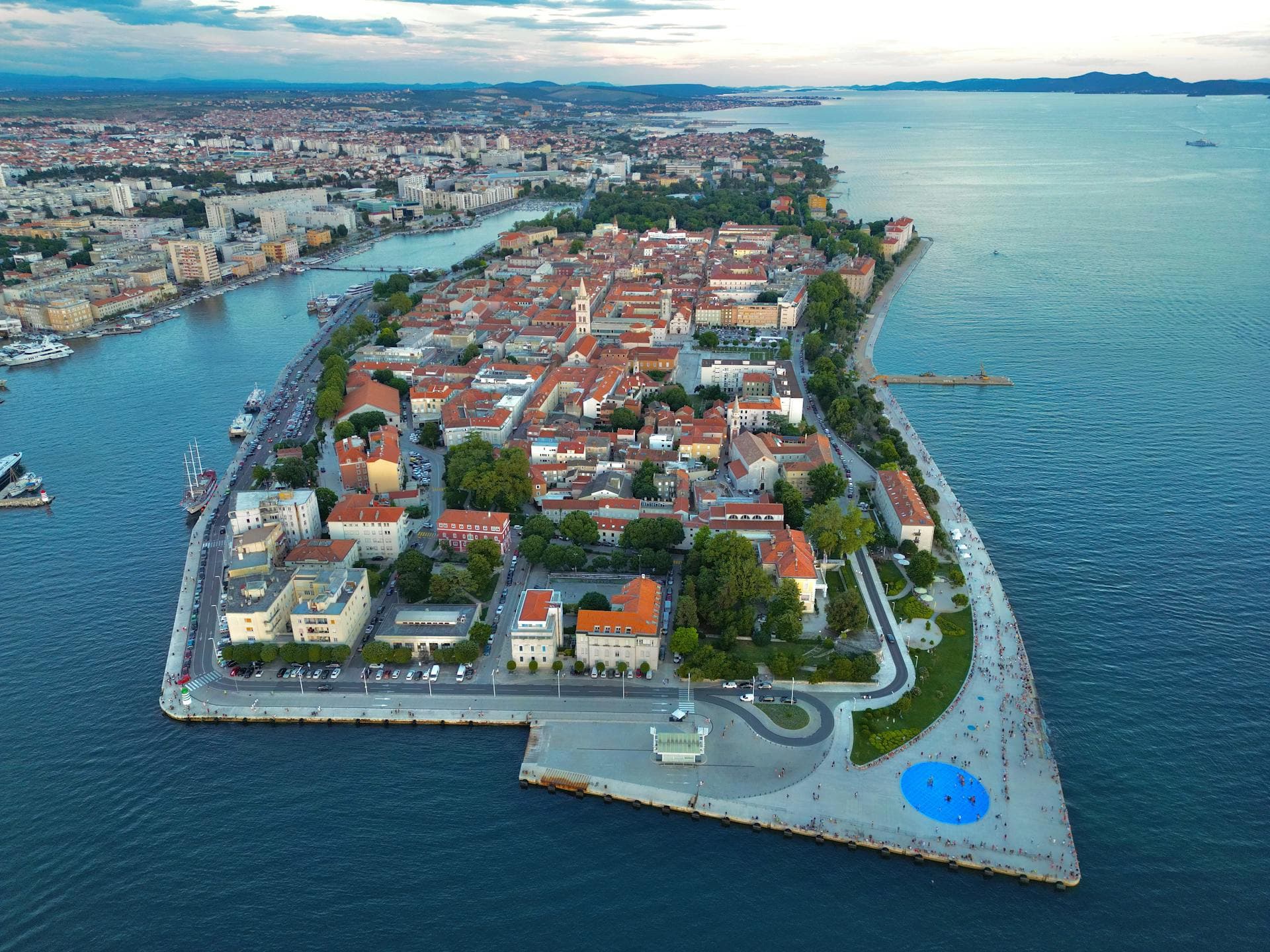
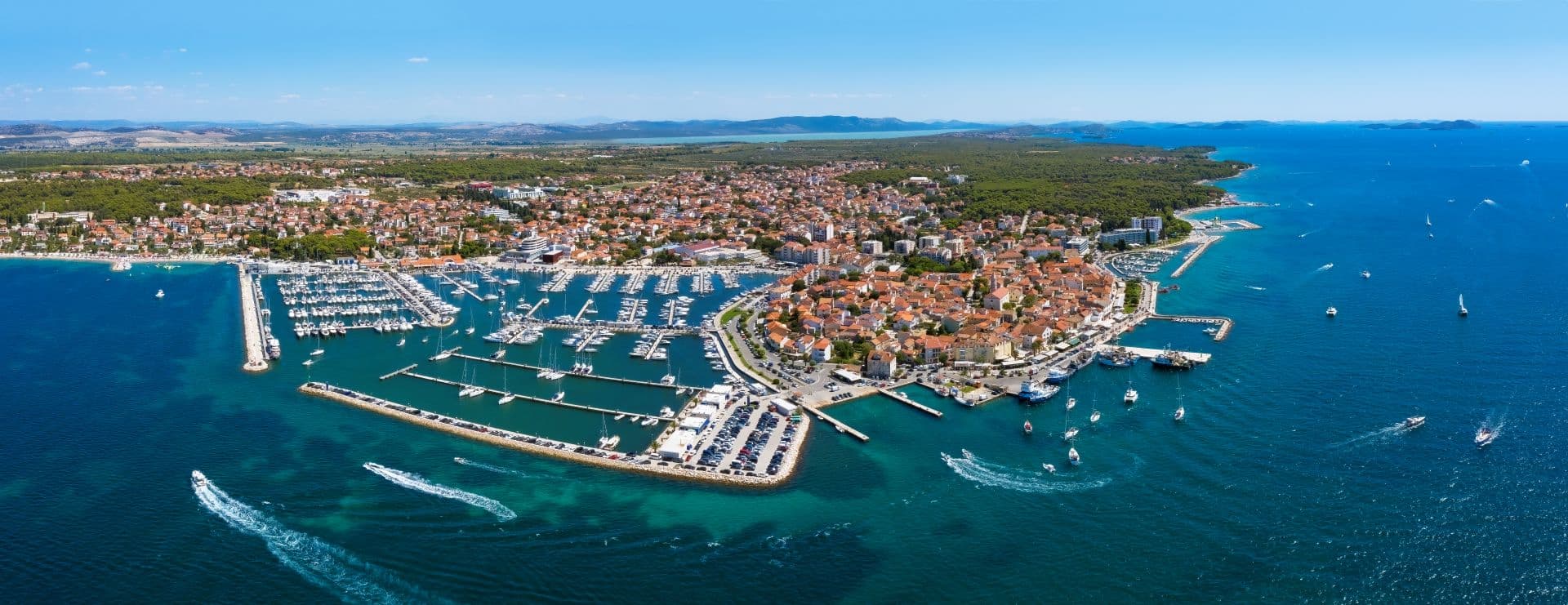
A lively seaside town with royal Croatian heritage and maritime culture. Gateway to Kornati National Park with family-friendly beaches and excellent marina.
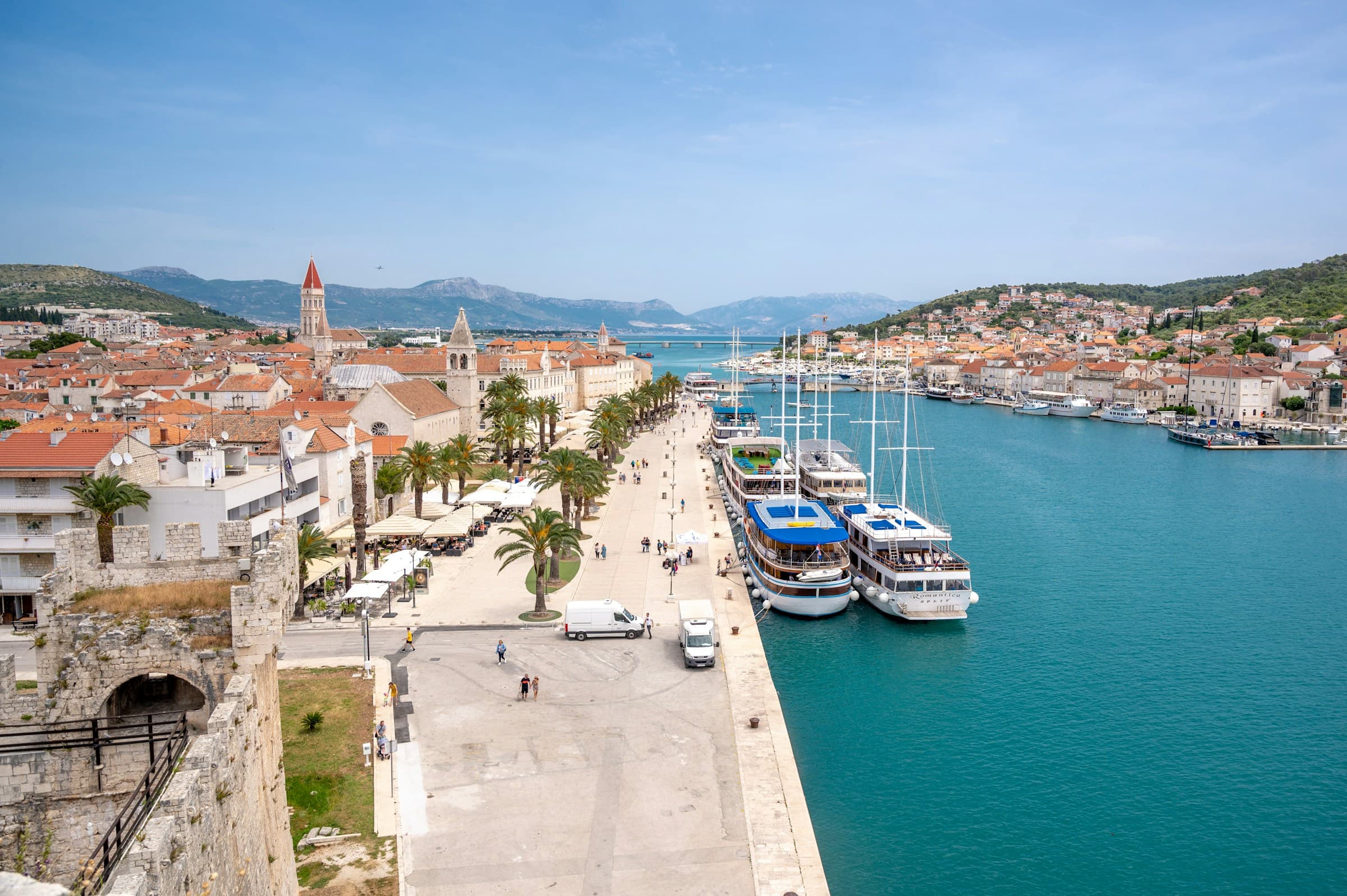
A beautifully preserved medieval island town near Split, recognized as a UNESCO World Heritage Site for its Venetian architecture and historic charm.
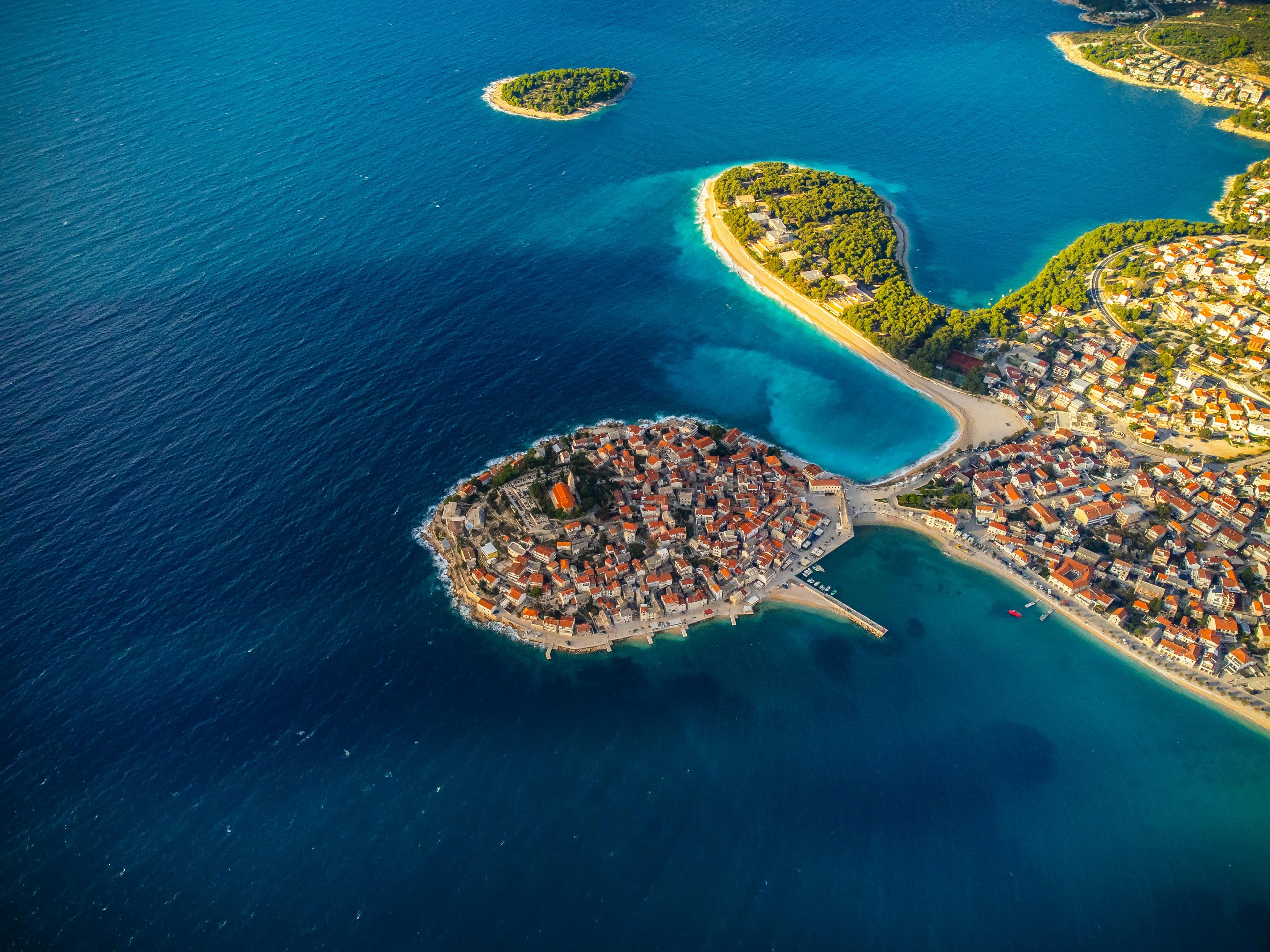
A dramatically situated old town on a narrow peninsula, with stone streets, a hilltop church, pebble beaches, and one of Dalmatia's most iconic coastal silhouettes.
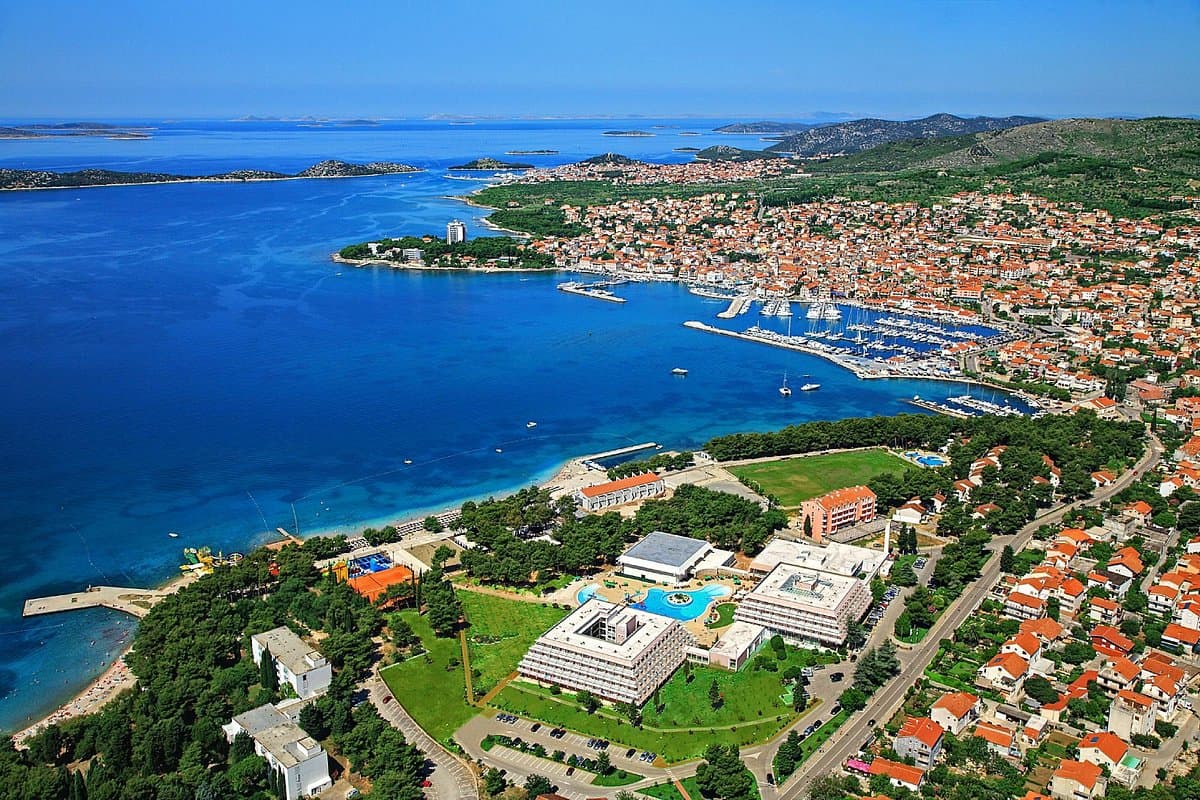
One of central Dalmatia's liveliest seaside resorts, known for its long waterfront promenades, beaches, summer nightlife, and easy access to Šibenik and Krka National Park.
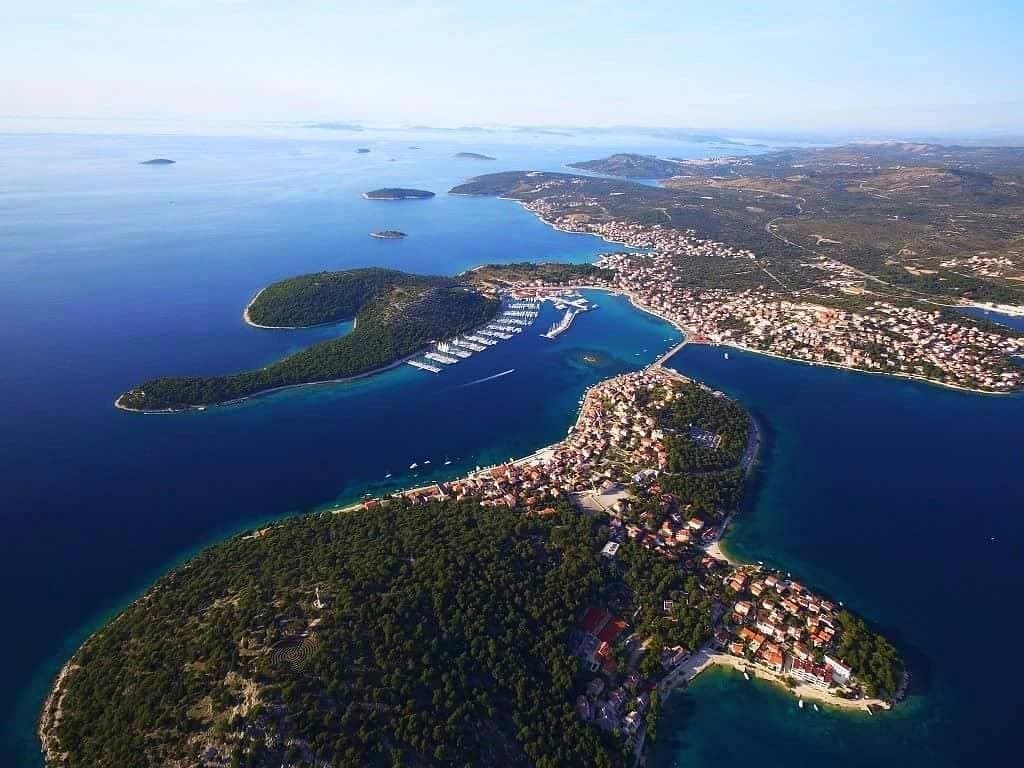
A peaceful peninsula town between Šibenik and Split, known for its sheltered bay, crystal-clear waters, nautical culture, and relaxed Mediterranean atmosphere.
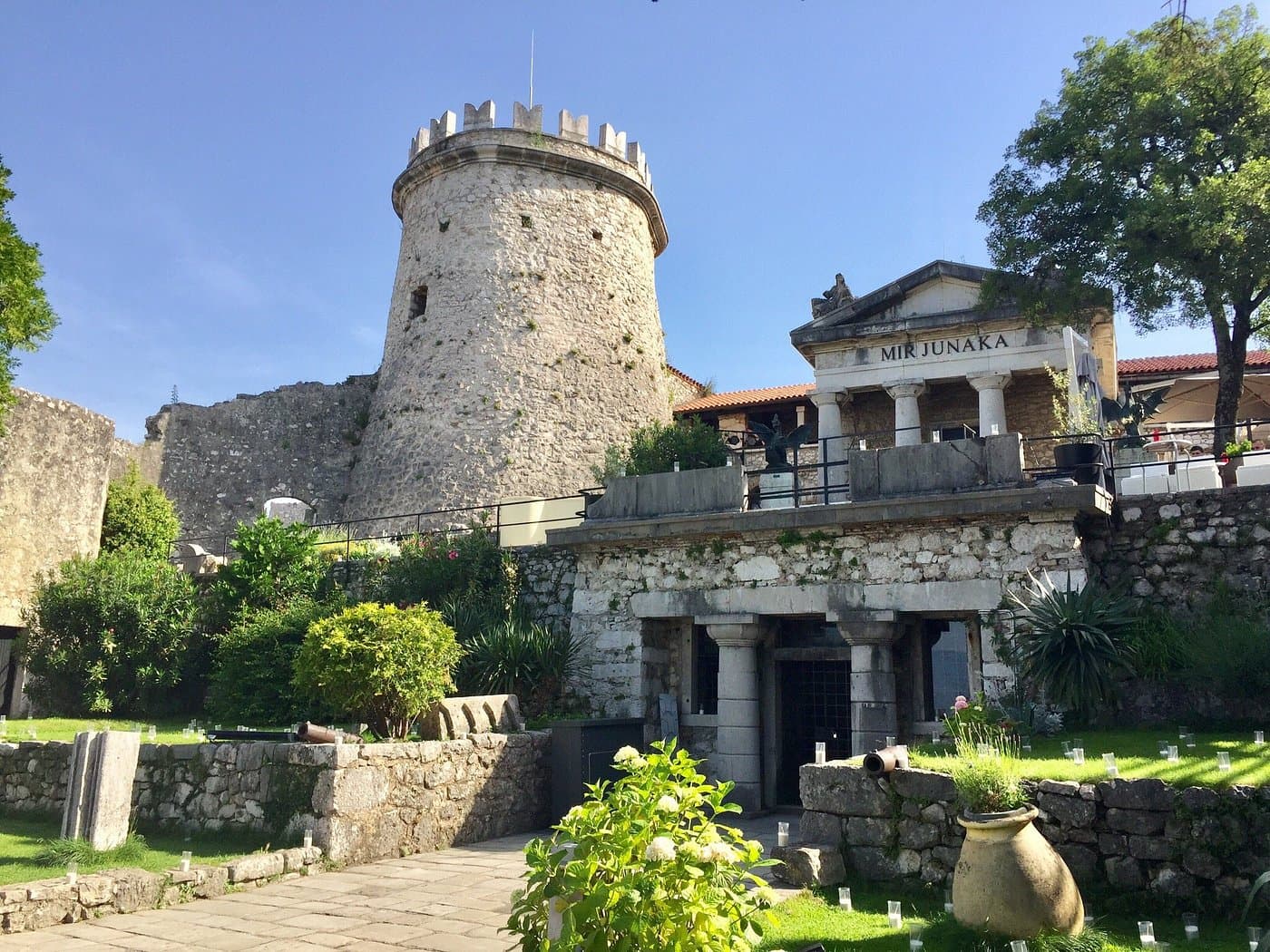
Port culture, carnival spirit, and creative energy in Croatia's third city.
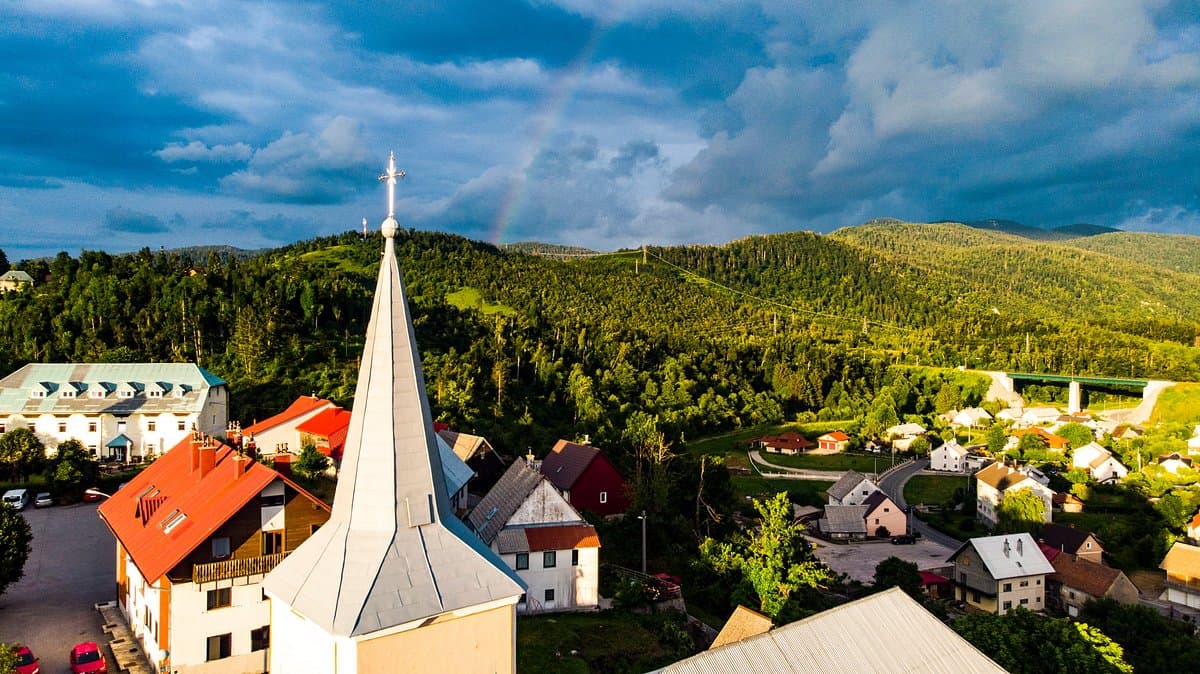
A charming mountain town in Gorski Kotar with fresh alpine air, forested lakes, and peaceful surroundings — a cool green escape just 30 minutes from the Adriatic coast.
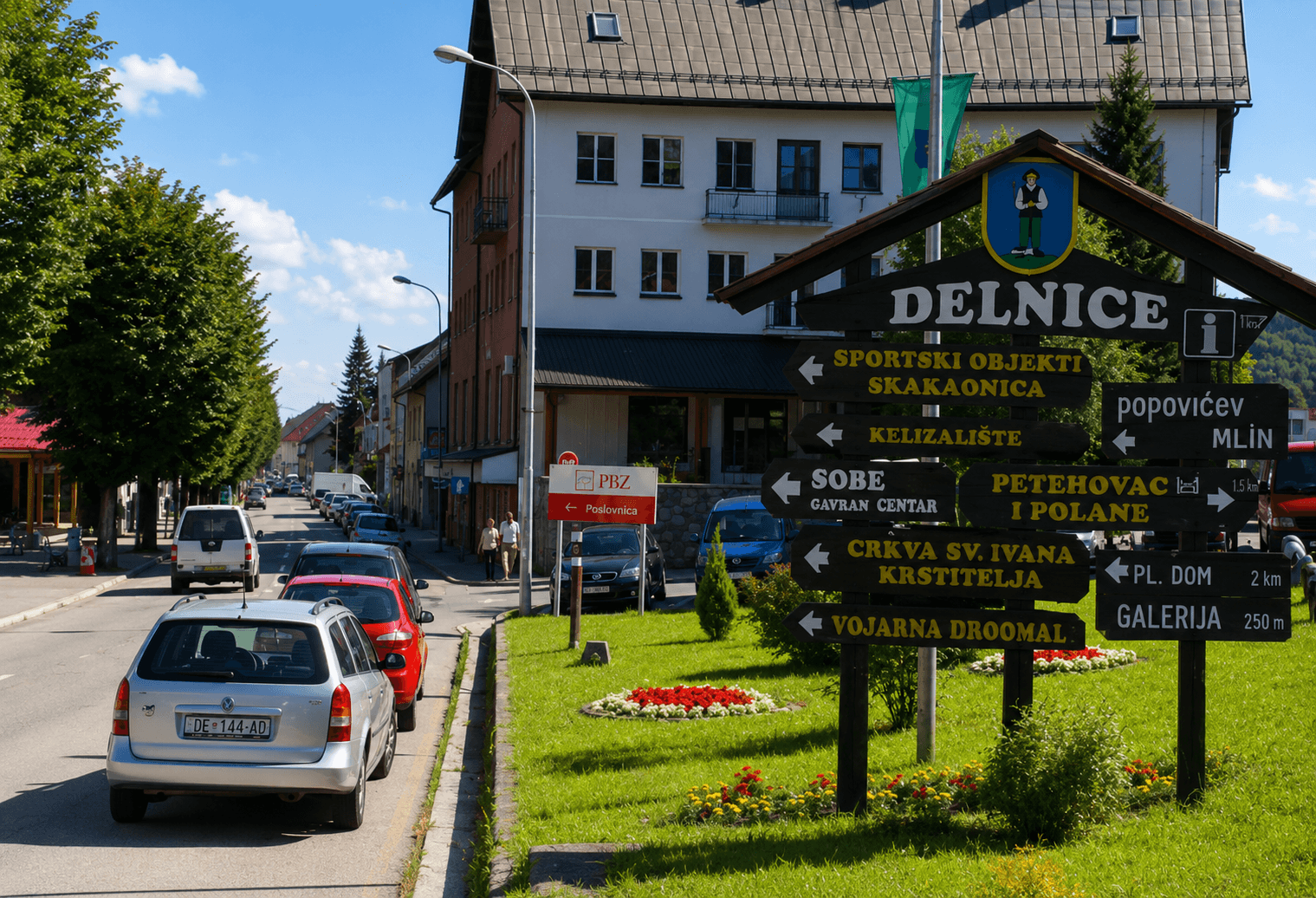
A highland town in Gorski Kotar at around 700 metres above sea level, serving as the practical gateway to Risnjak National Park and the dense beech forests of Croatia's mountain interior.
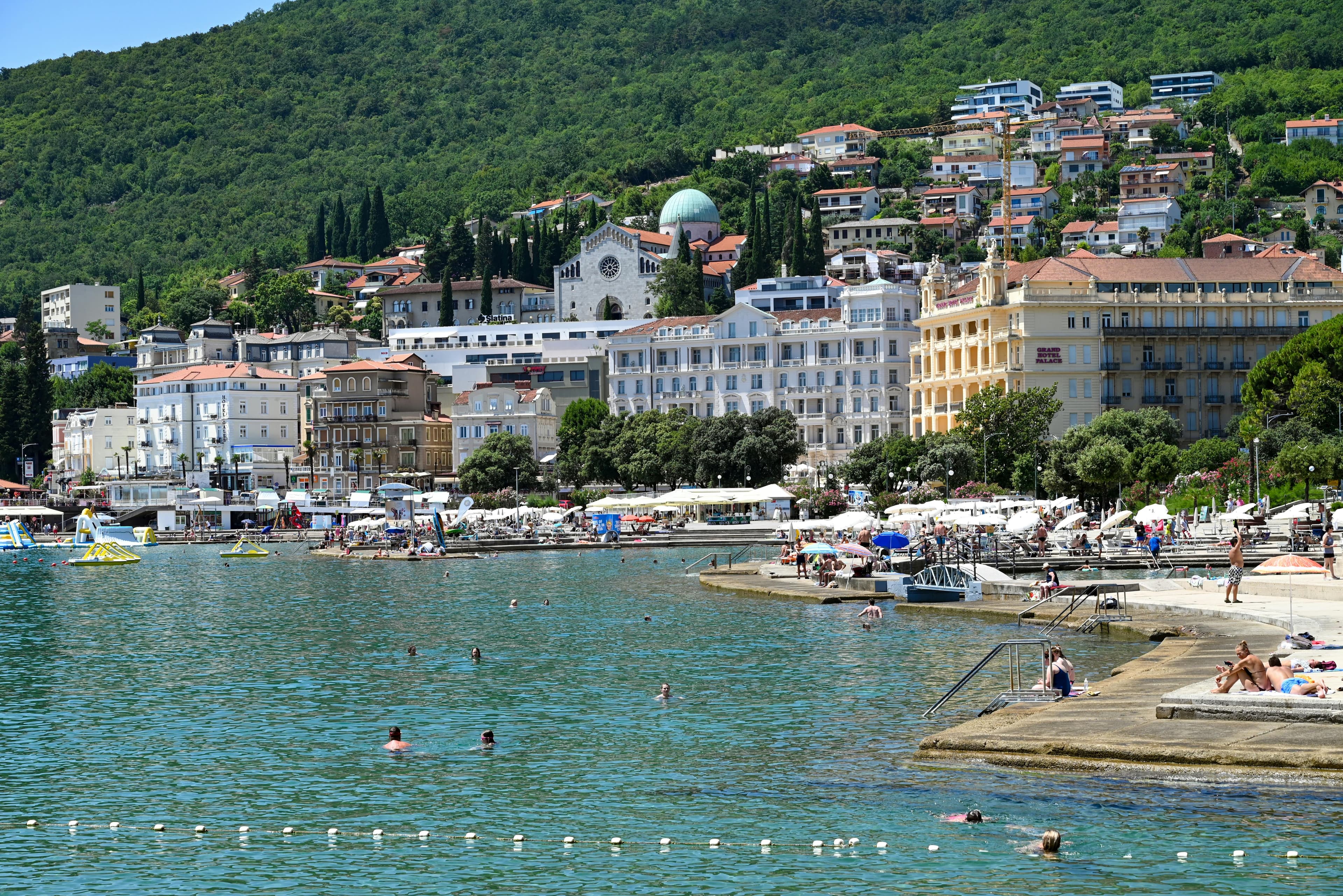
Belle Époque promenades and Habsburg-era seaside elegance.
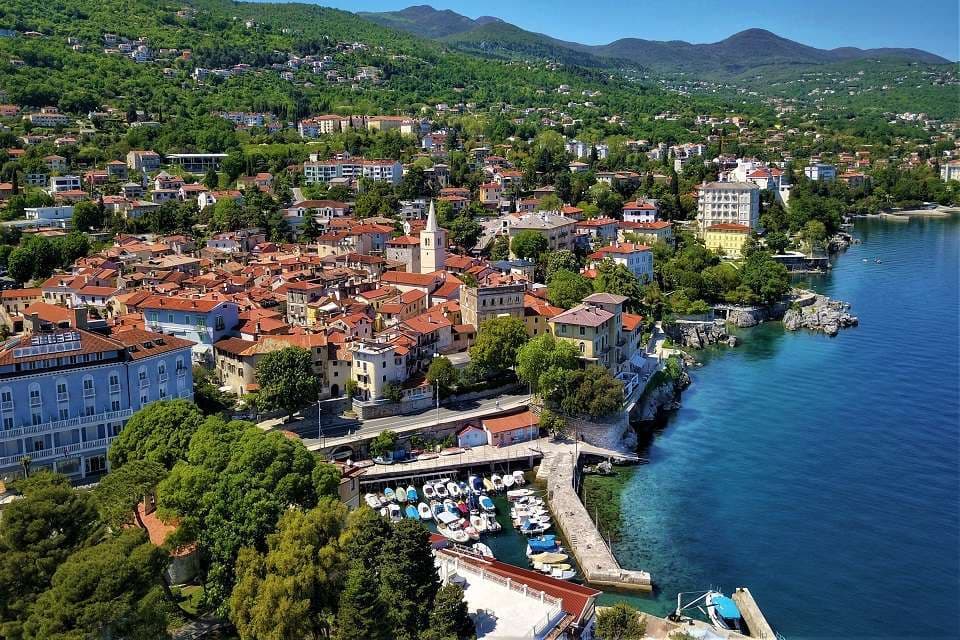
Lovran sits between Opatija and the Učka ridge on the Kvarner Riviera. It has a genuine medieval old town, some of the best examples of the region's fin-de-siècle architecture, and a chestnut festival in October that draws people back year after year.
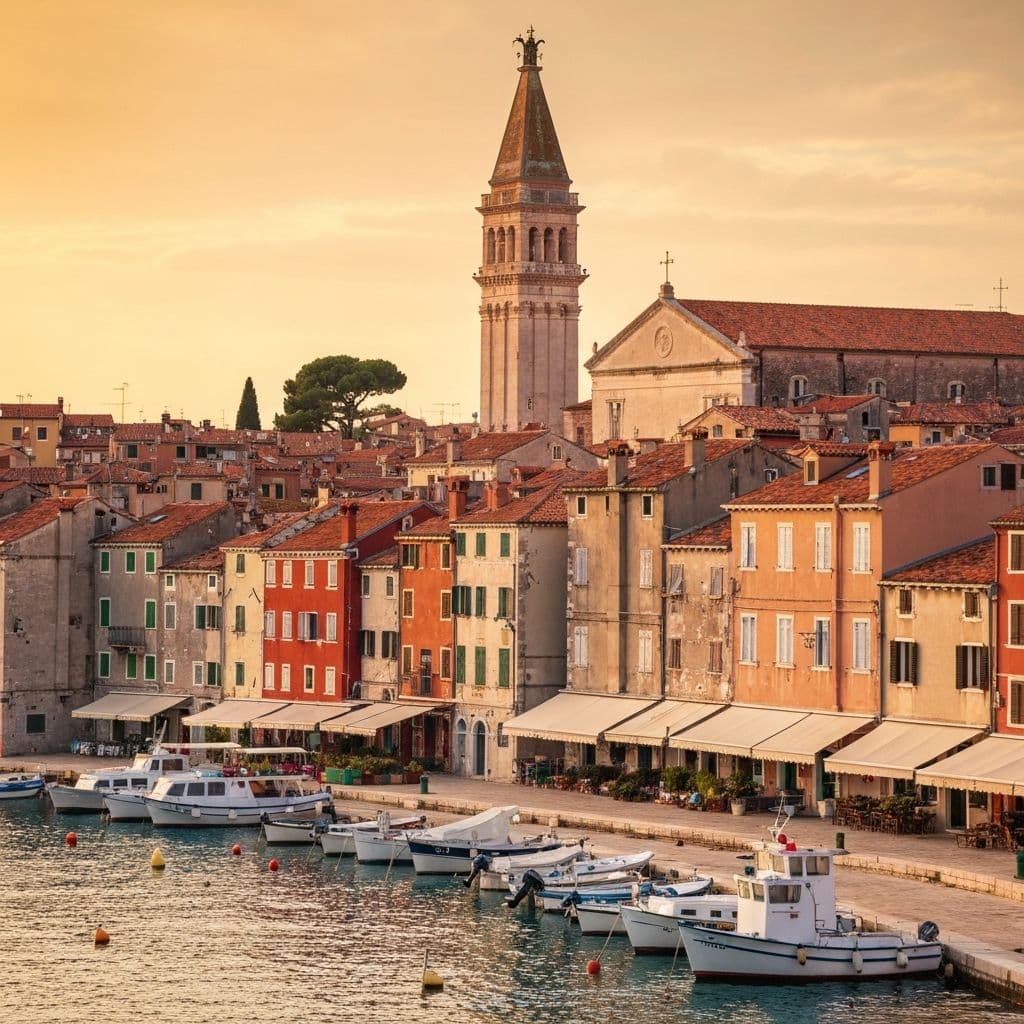
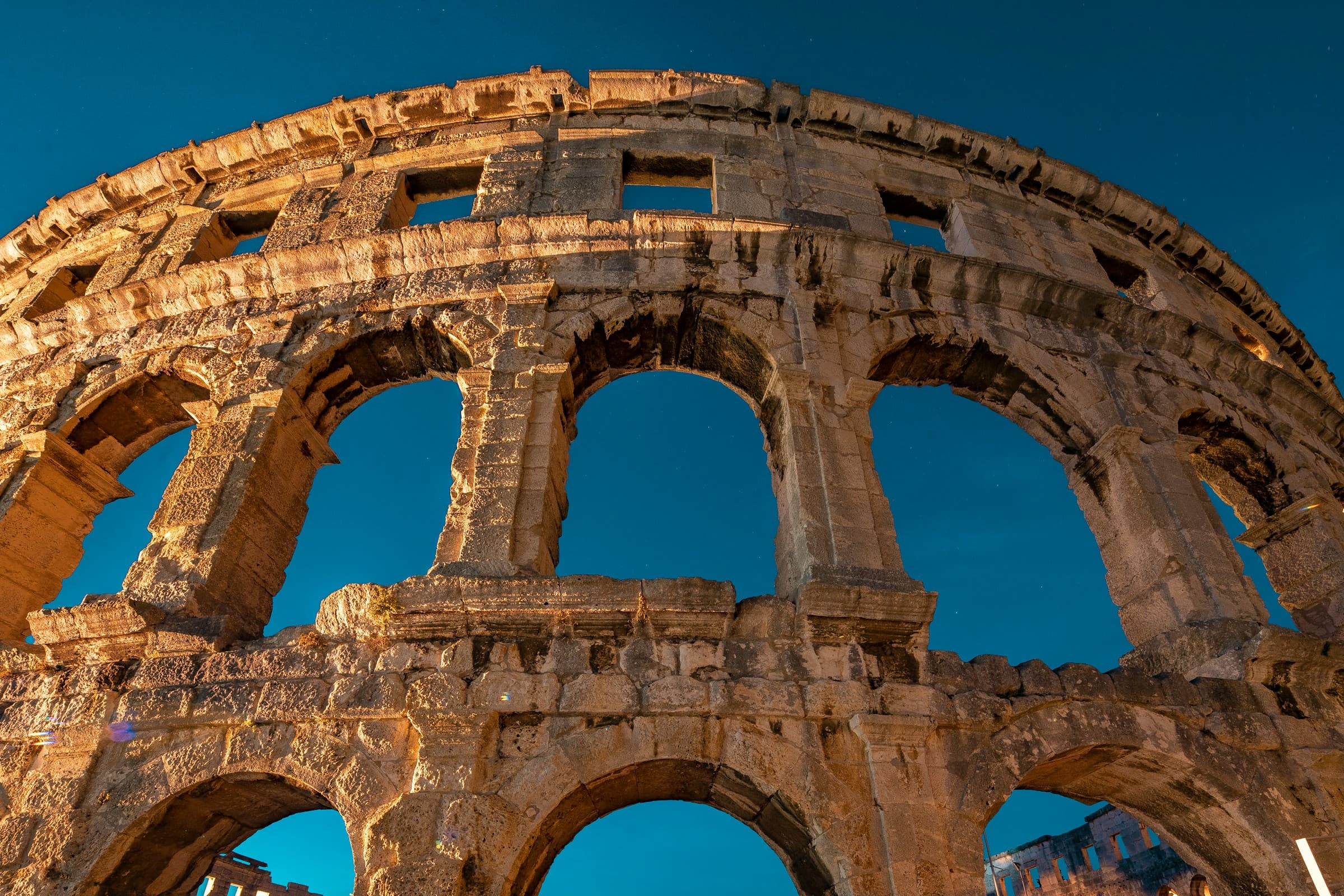
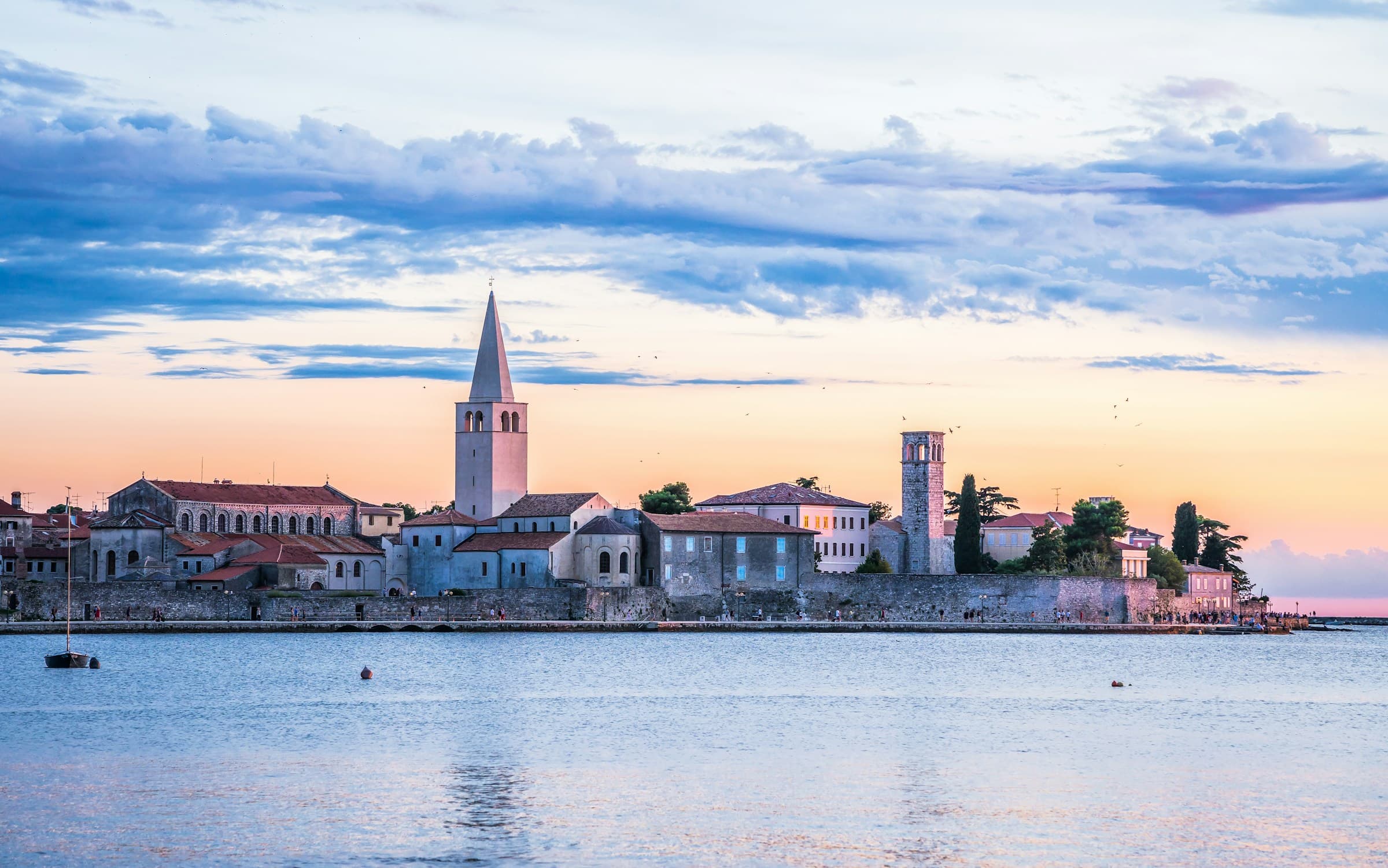
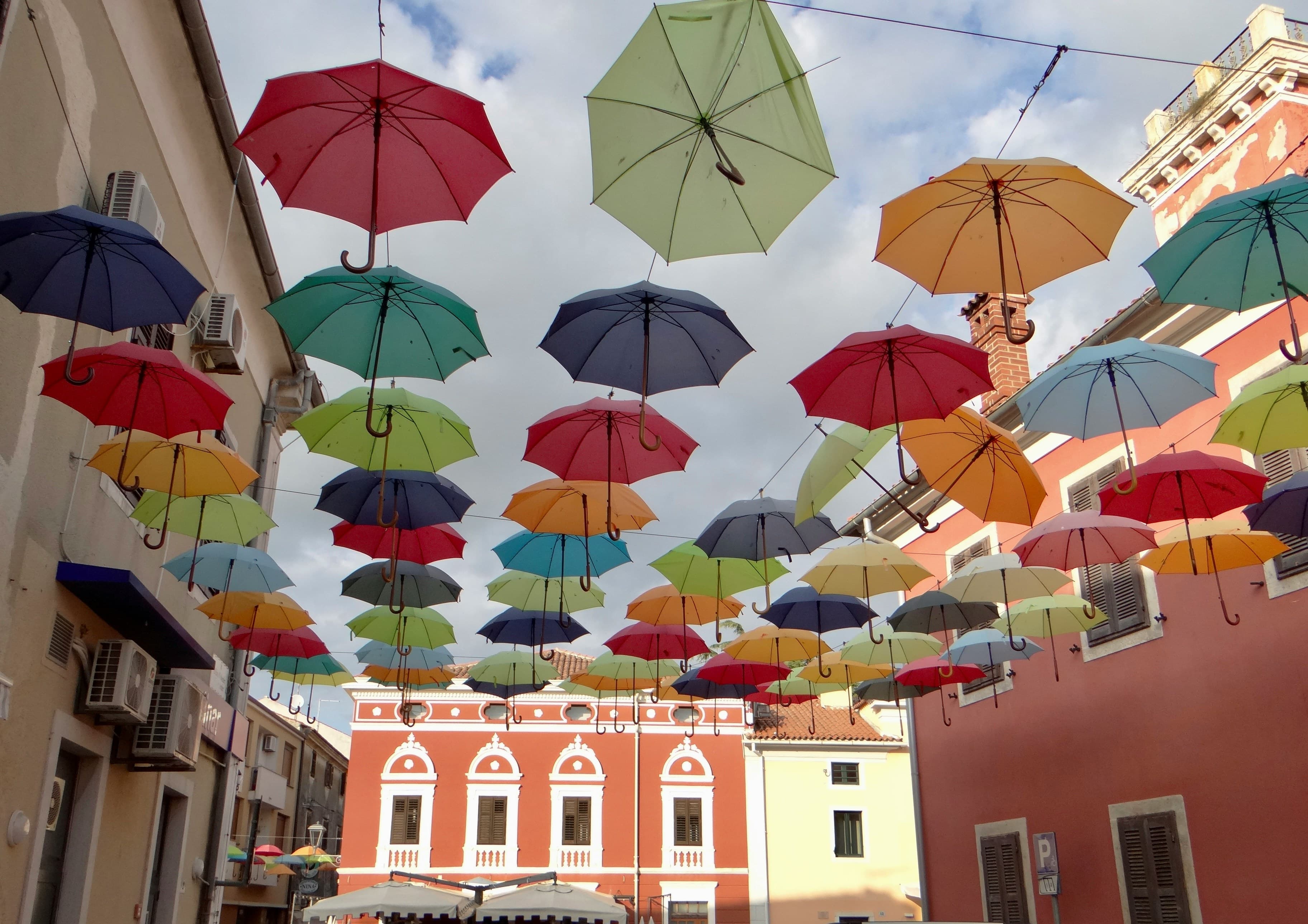
A refined Istrian seaside town with a preserved old town, elegant marina, and a strong reputation for gastronomy — seafood, truffles, olive oil, and local wine.
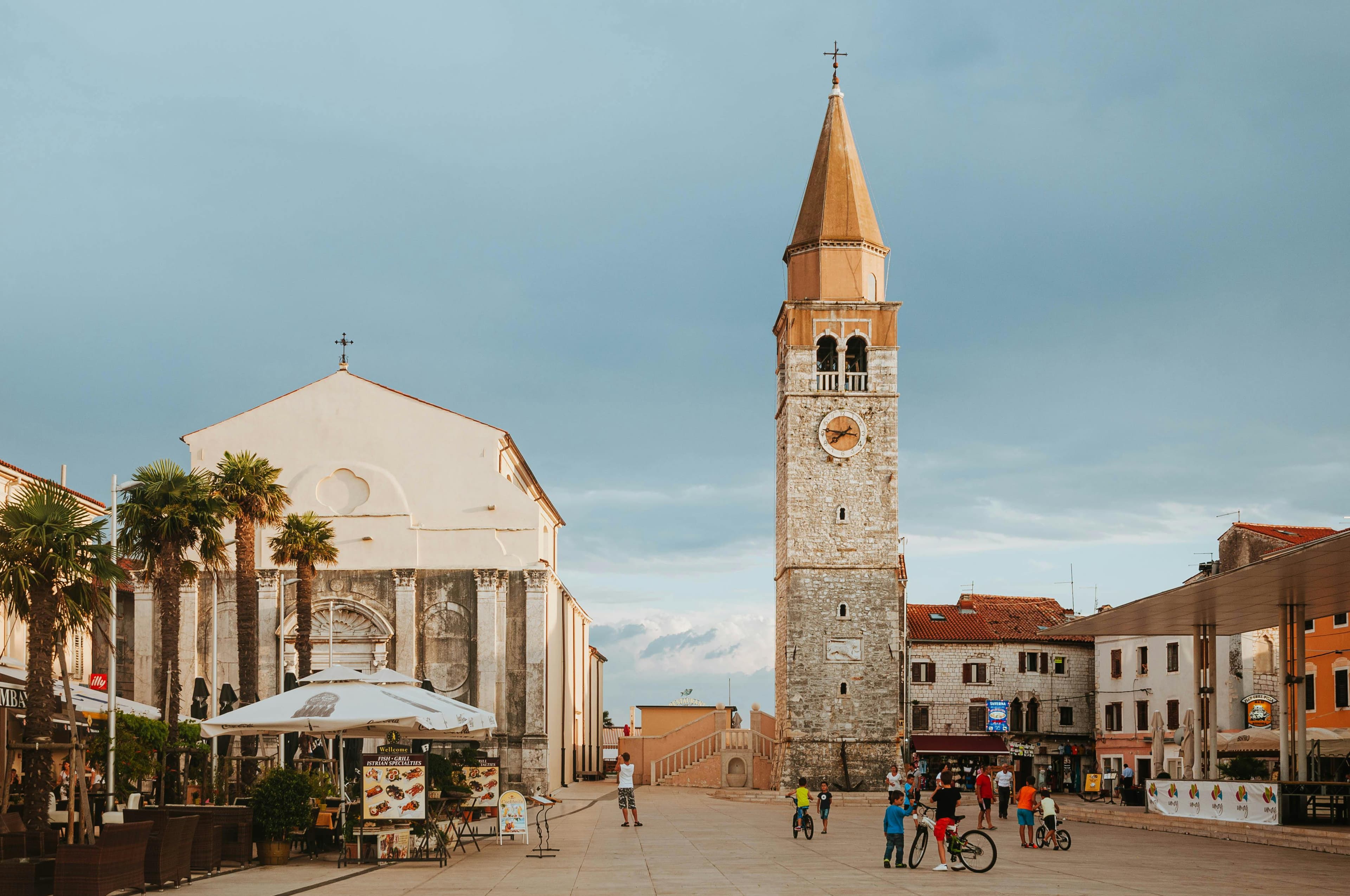
A lively coastal town at the northwestern tip of Istria, known for its compact old town, modern marina, ATP tennis tournament, and easy access to Slovenia and Italy.
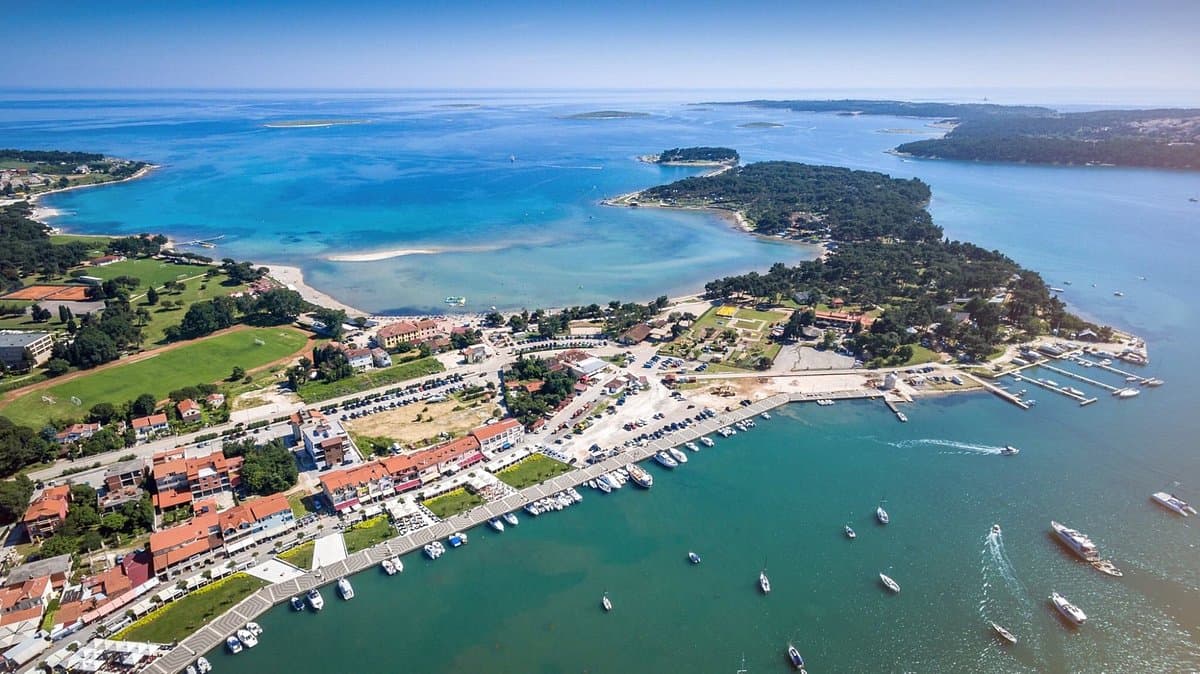
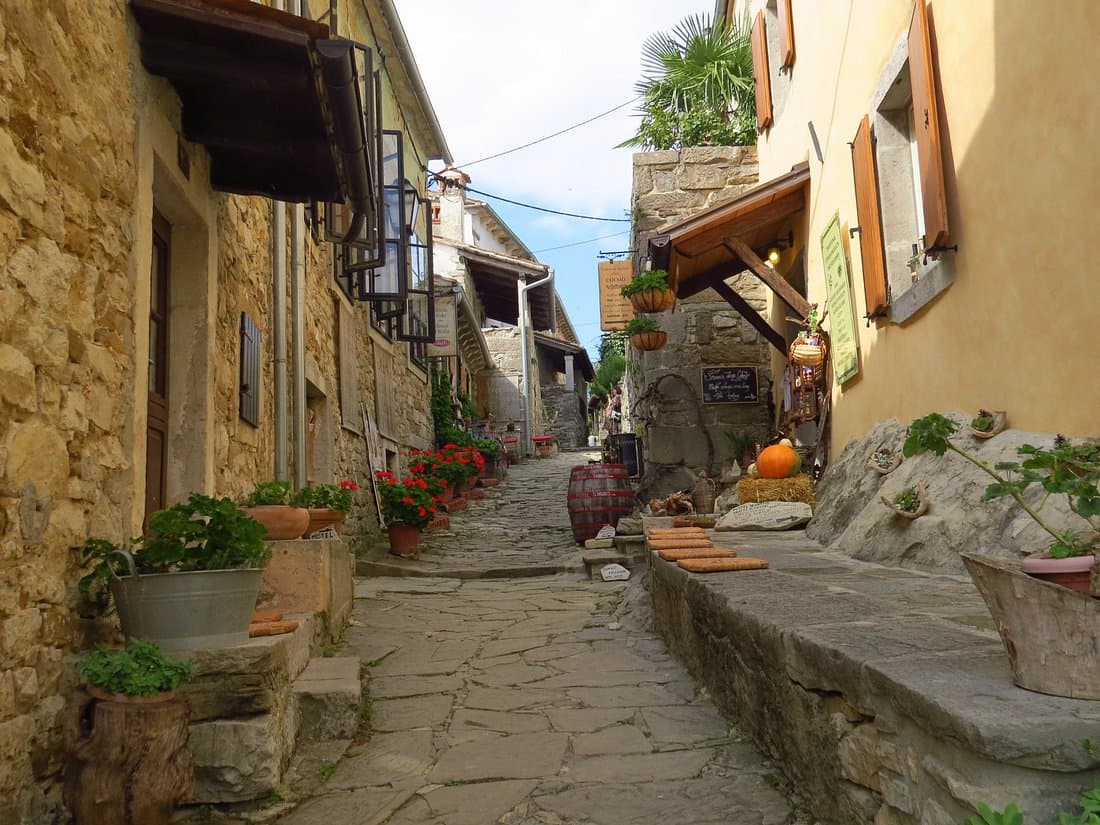
The world's smallest town — fewer than 30 residents, a Romanesque bell tower, medieval walls, and the home of biska mistletoe brandy in the hills of inland Istria.
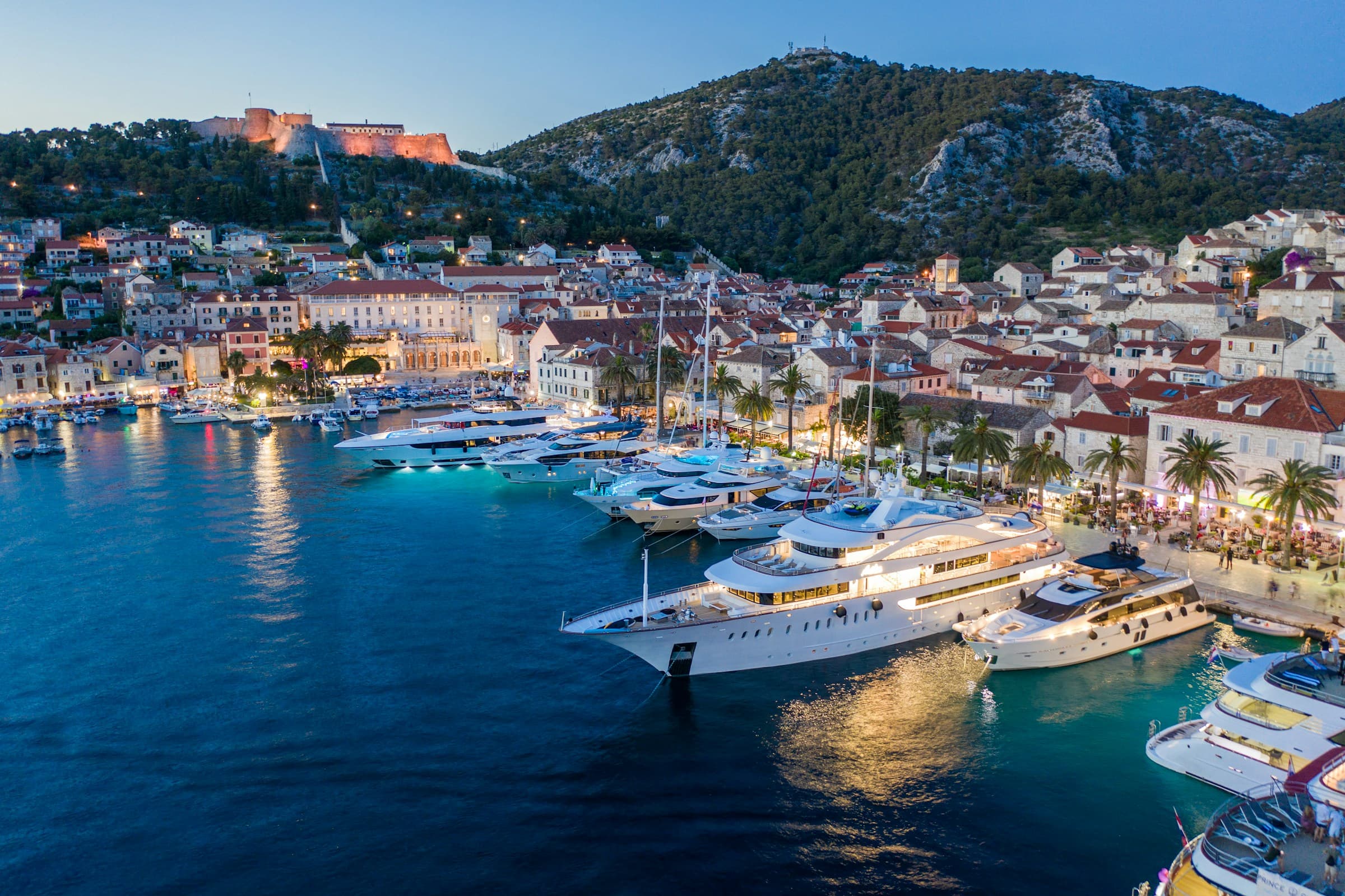
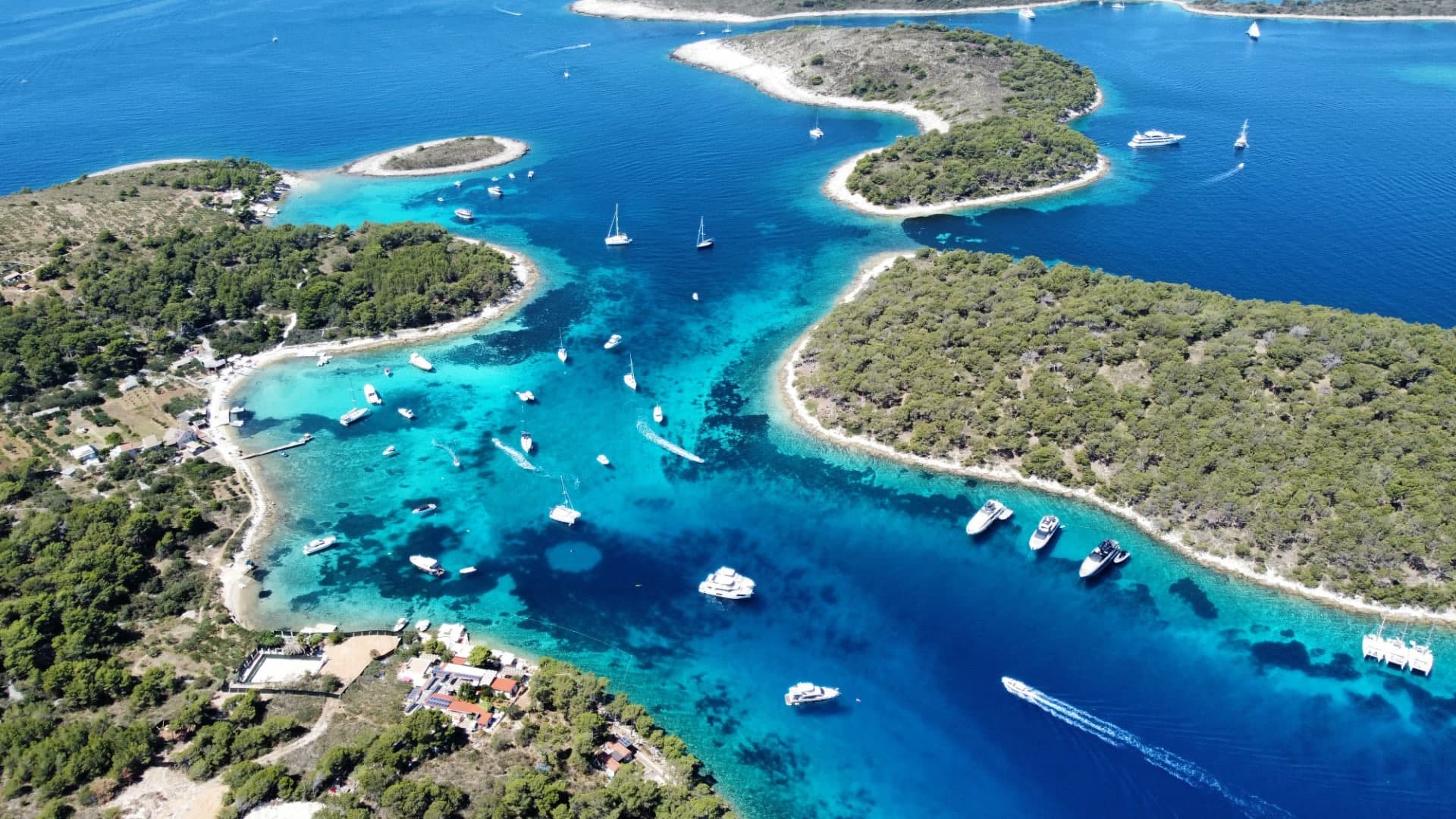
A stunning chain of islands off Hvar's coast. Crystal-clear waters, fragrant pine forests, hidden coves, and effortless Mediterranean elegance.
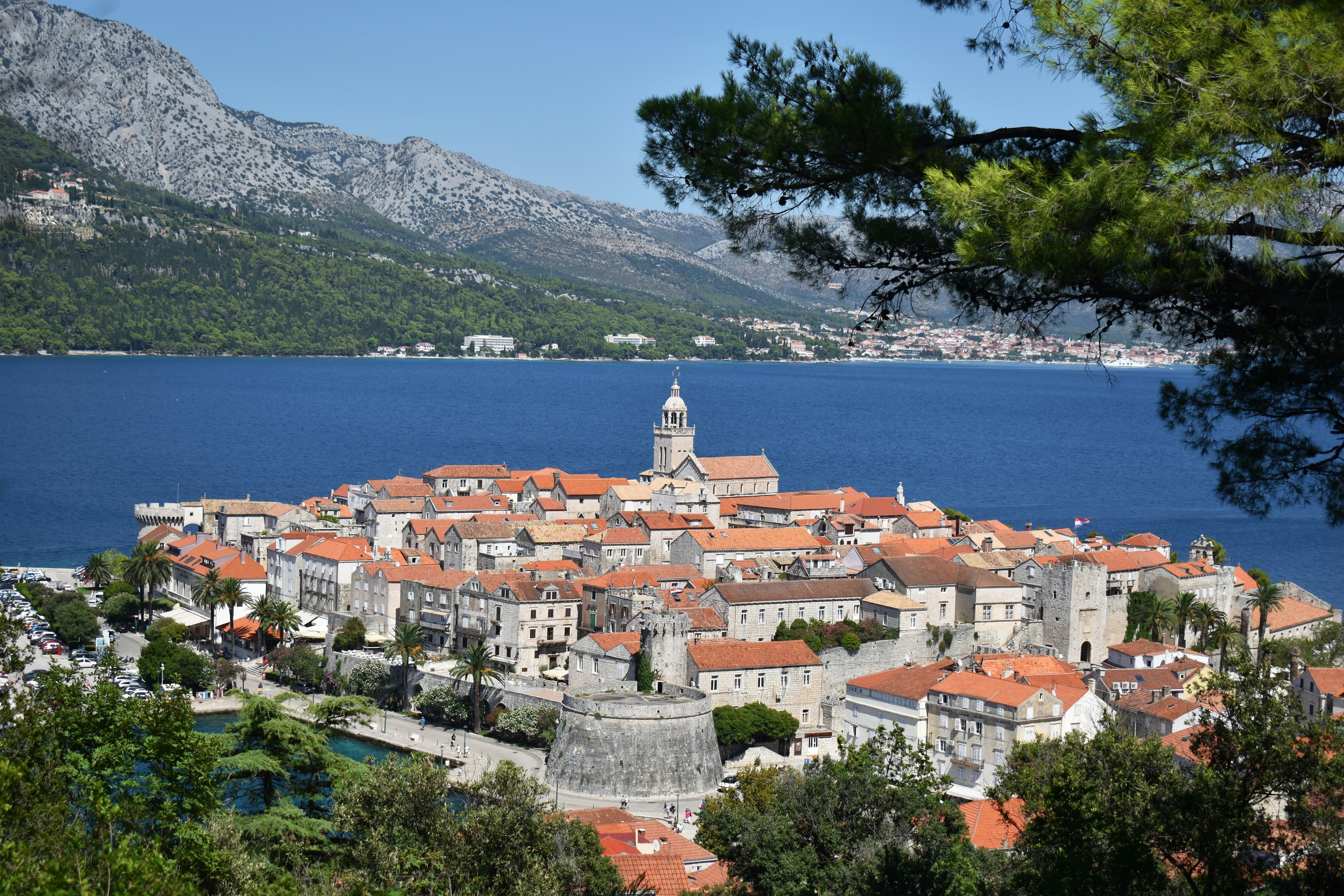
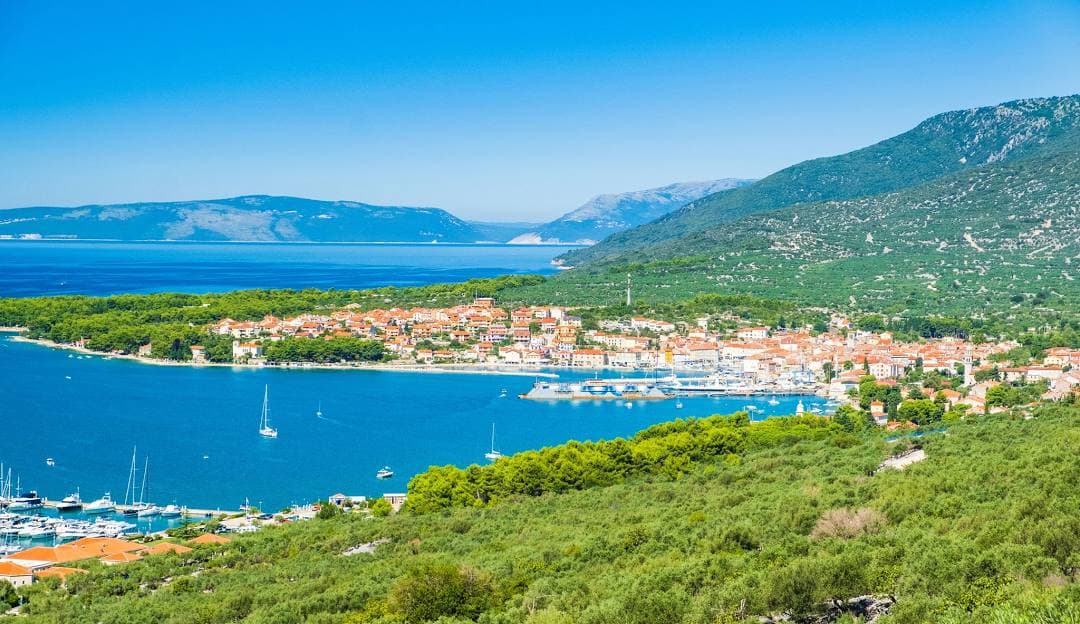
Wild, quiet, and largely untouched — Kvarner's green frontier.
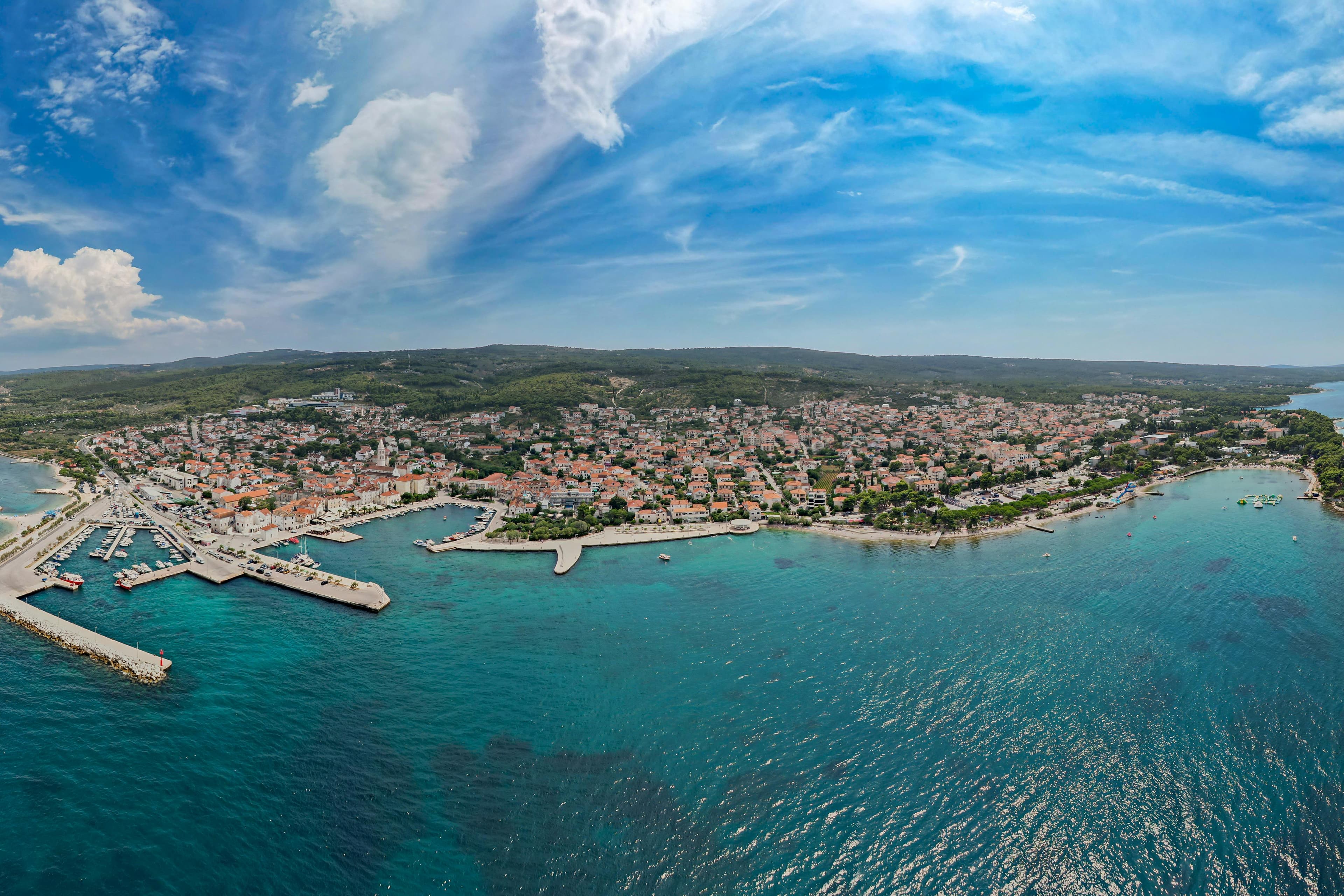
Croatia's most accessible island, with medieval towns and varied beaches.
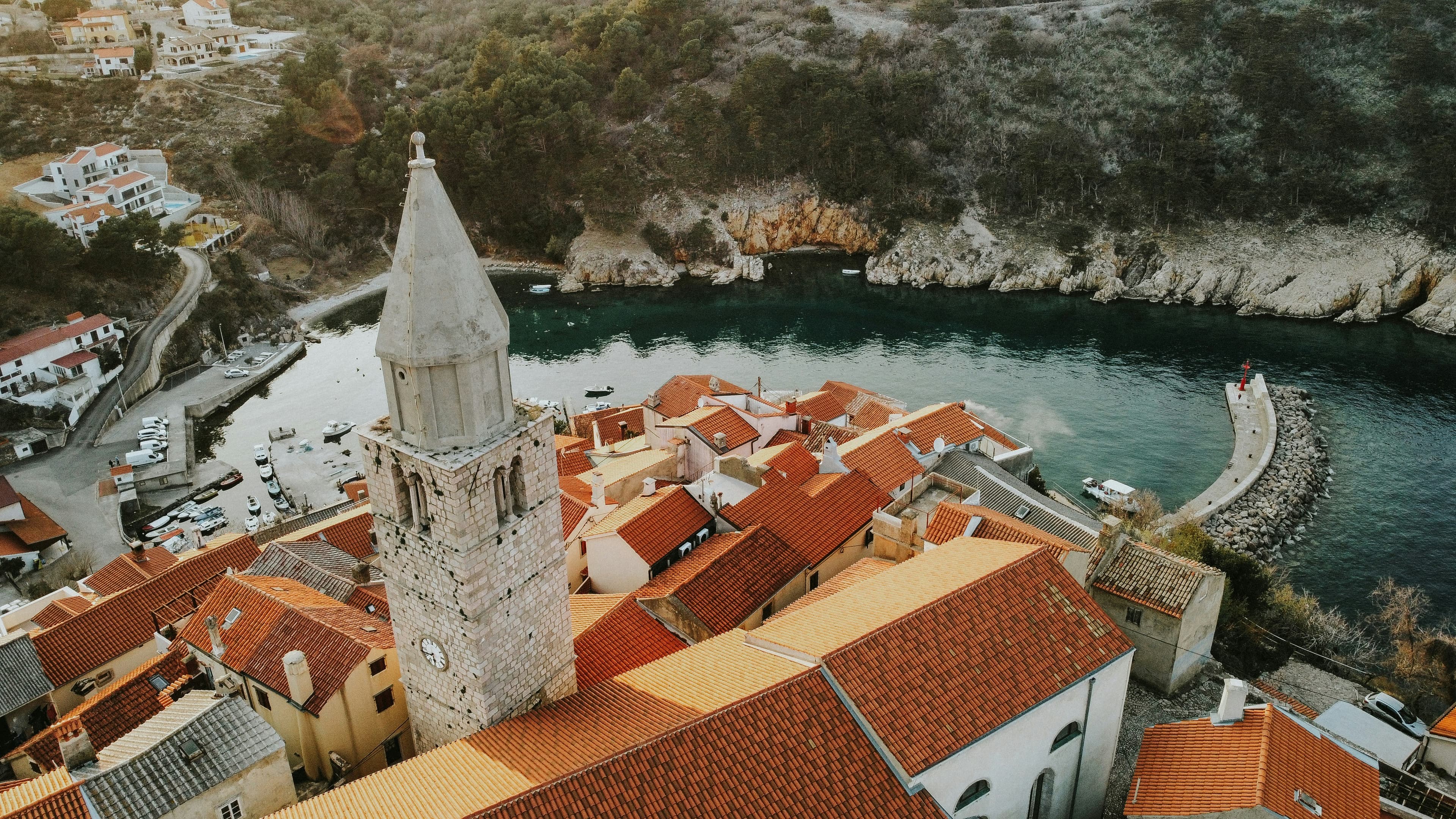
A medieval clifftop village on the eastern coast of Krk island, perched 40 metres above the sea — known for Žlahtina white wine and some of Croatia's narrowest streets.
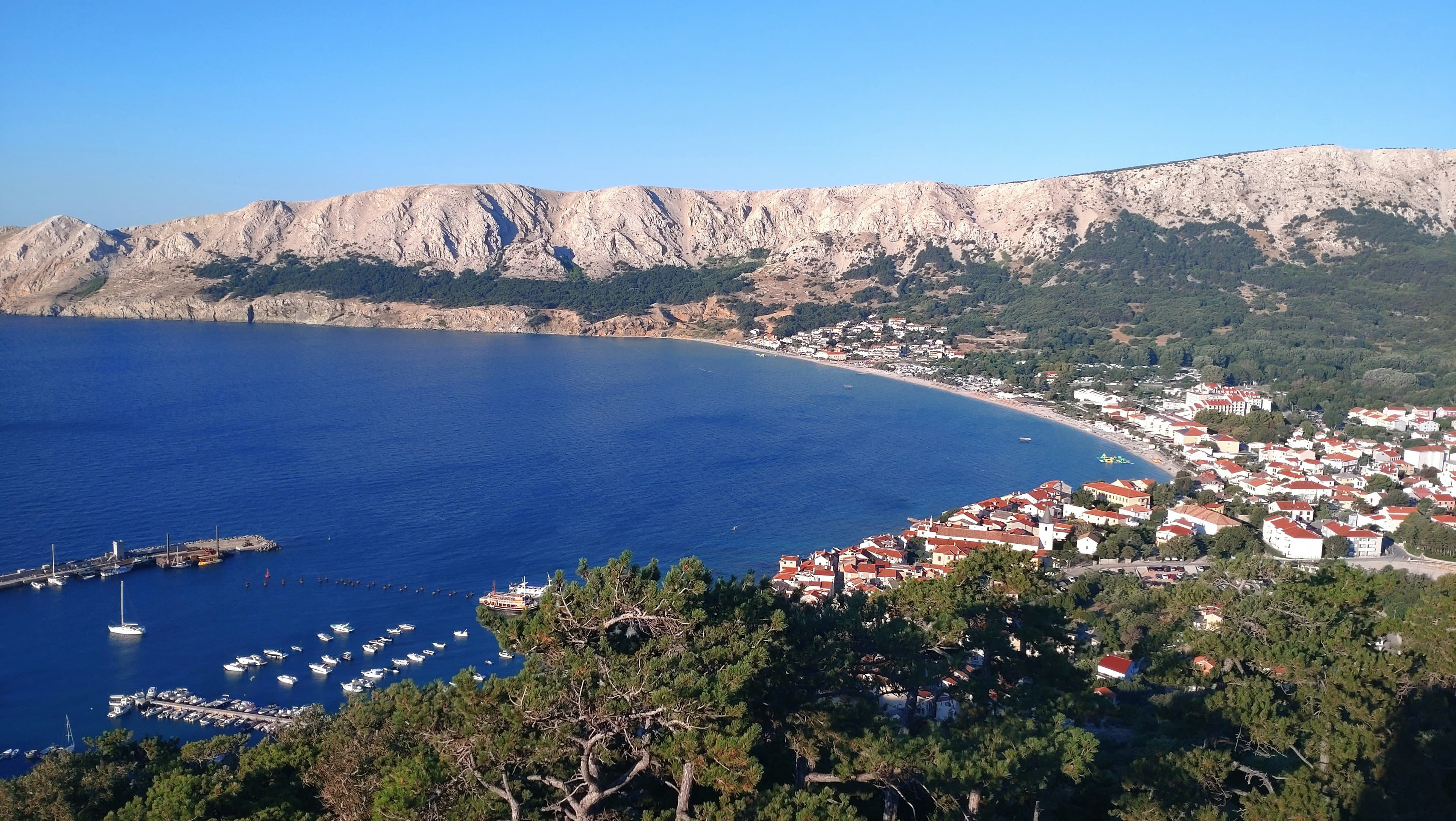
Krk island's most famous beach destination — Vela Plaža stretches 1.8km at the sheltered southern tip of the island, with the Velebit mountains visible across the channel.
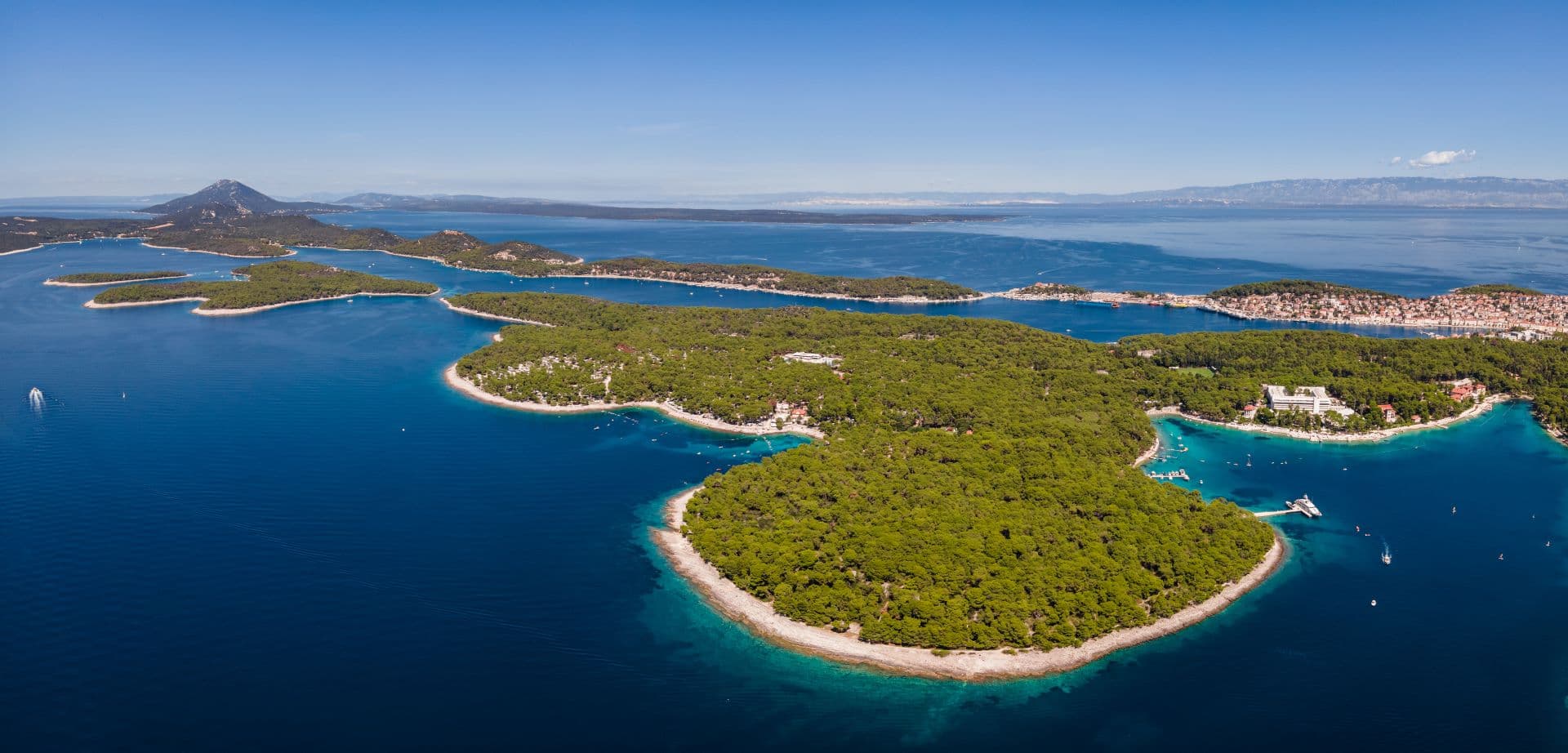
Pine forests, hidden coves, and wellness resorts.
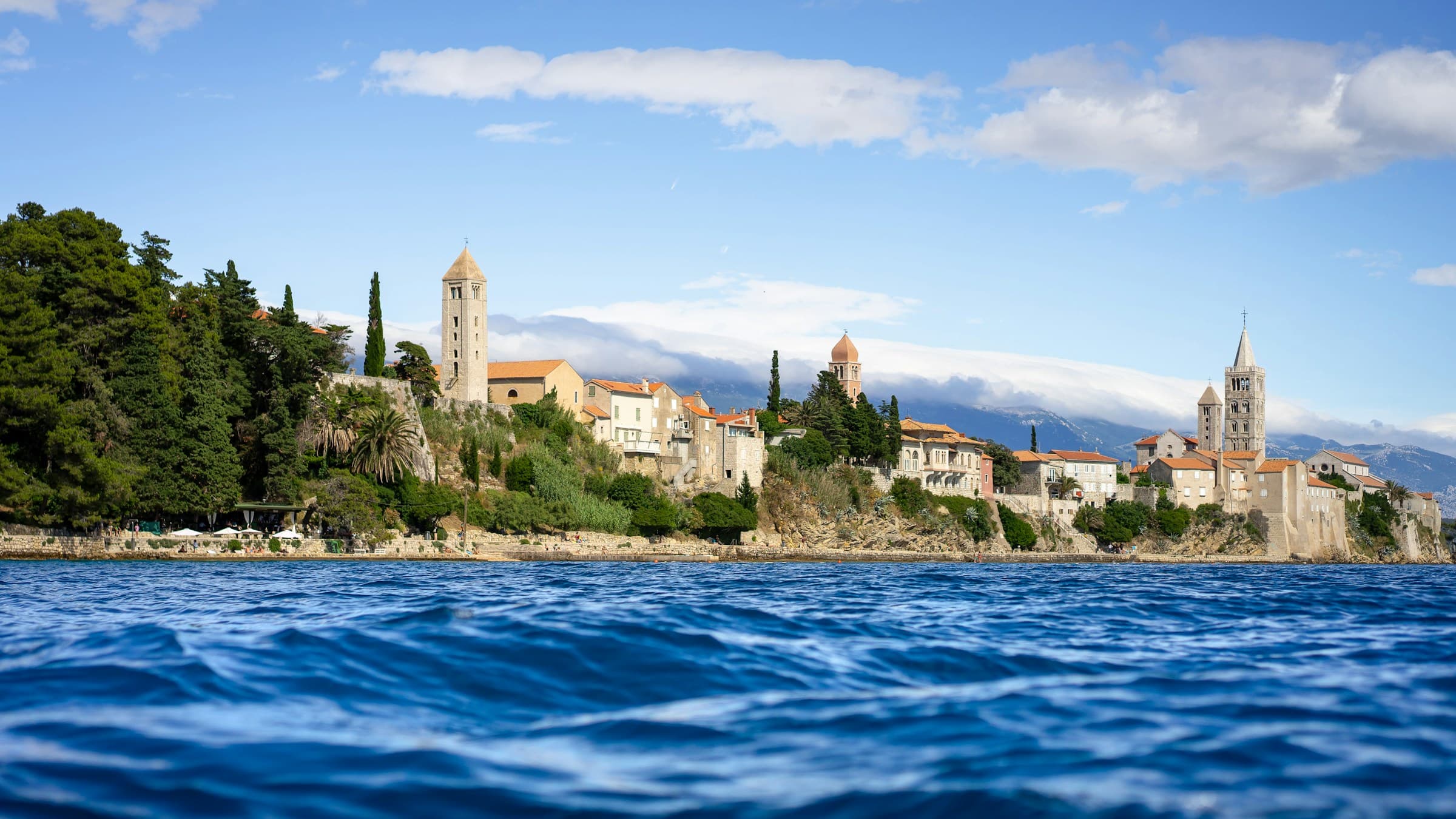
Sandy beaches, four bell towers, and one of Kvarner's most relaxed atmospheres.
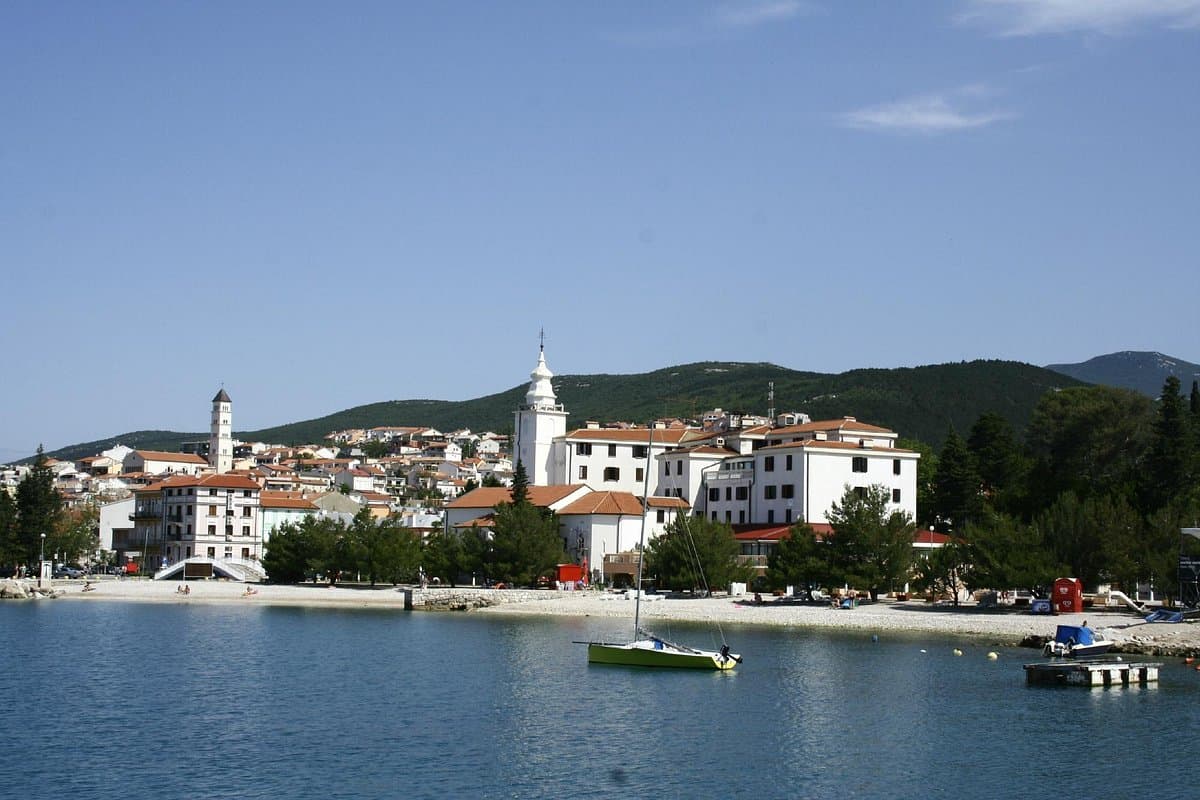
A charming Kvarner Riviera town with a long tradition of health tourism, a sandy beach promenade, and easy access to the beautiful Vinodol Valley.
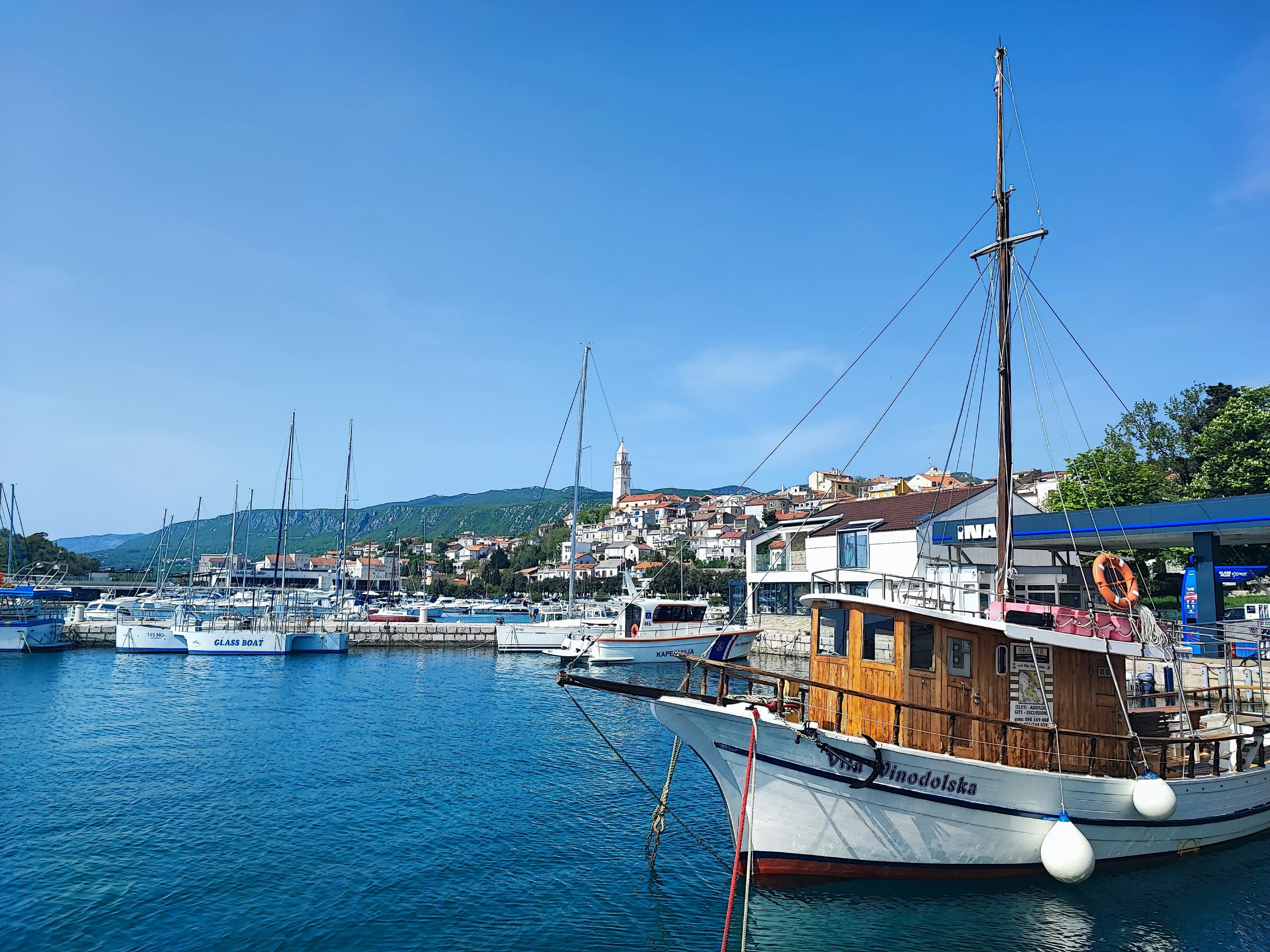
A quiet Kvarner Riviera town between Crikvenica and Senj — known for its pebble beach, hilltop old town, and the Novi Statute of 1288, one of the oldest legal texts in any Slavic language.
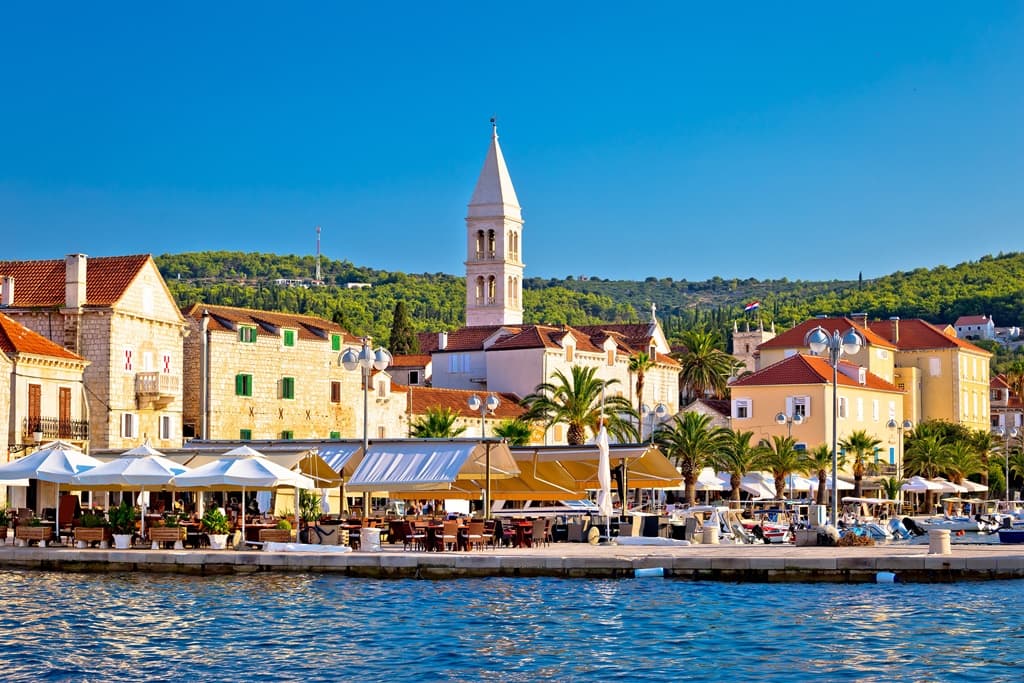
One of the largest Croatian islands, home to Zlatni Rat — the iconic golden pebble beach — and famous white limestone quarries.
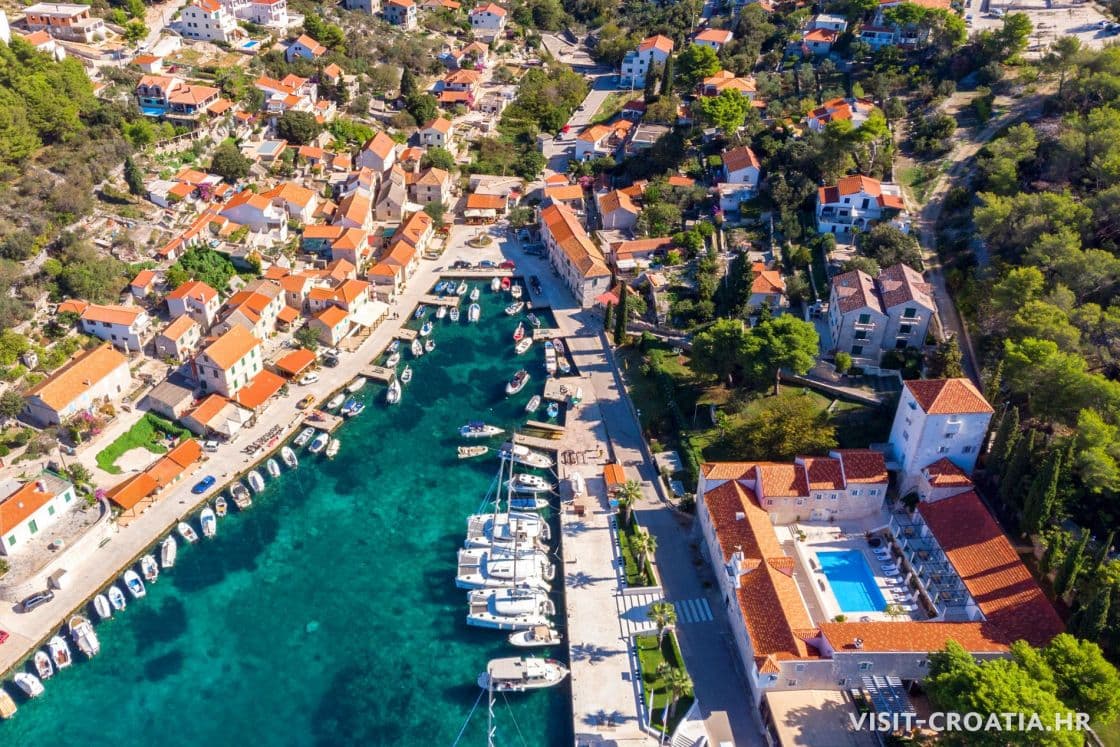
A peaceful island escape close to Split. Olive groves, crystal-clear waters, and authentic village life at a slower pace.
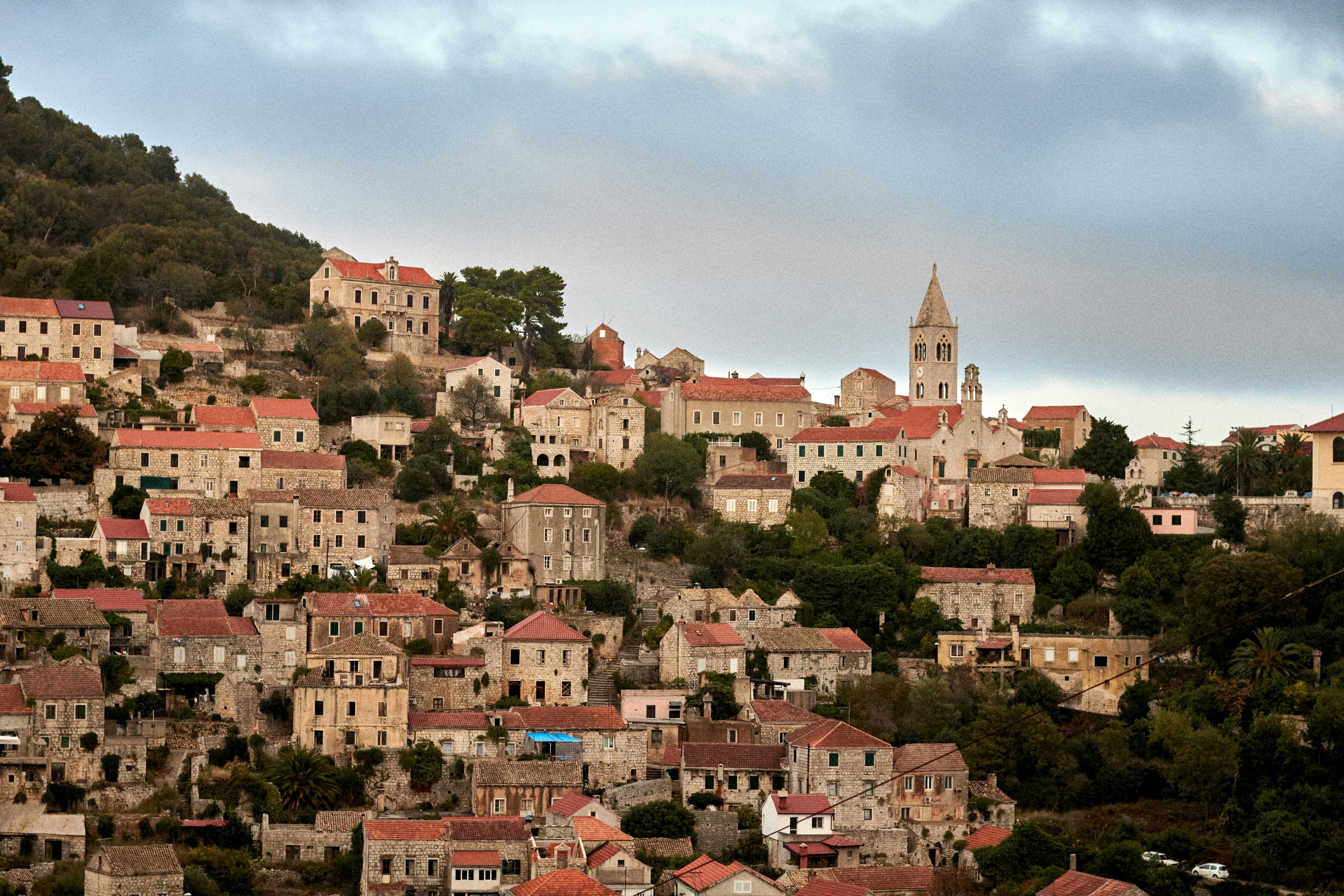
Croatia's most remote inhabited island, a protected nature park with pristine waters, exceptional stargazing, and peaceful island life.
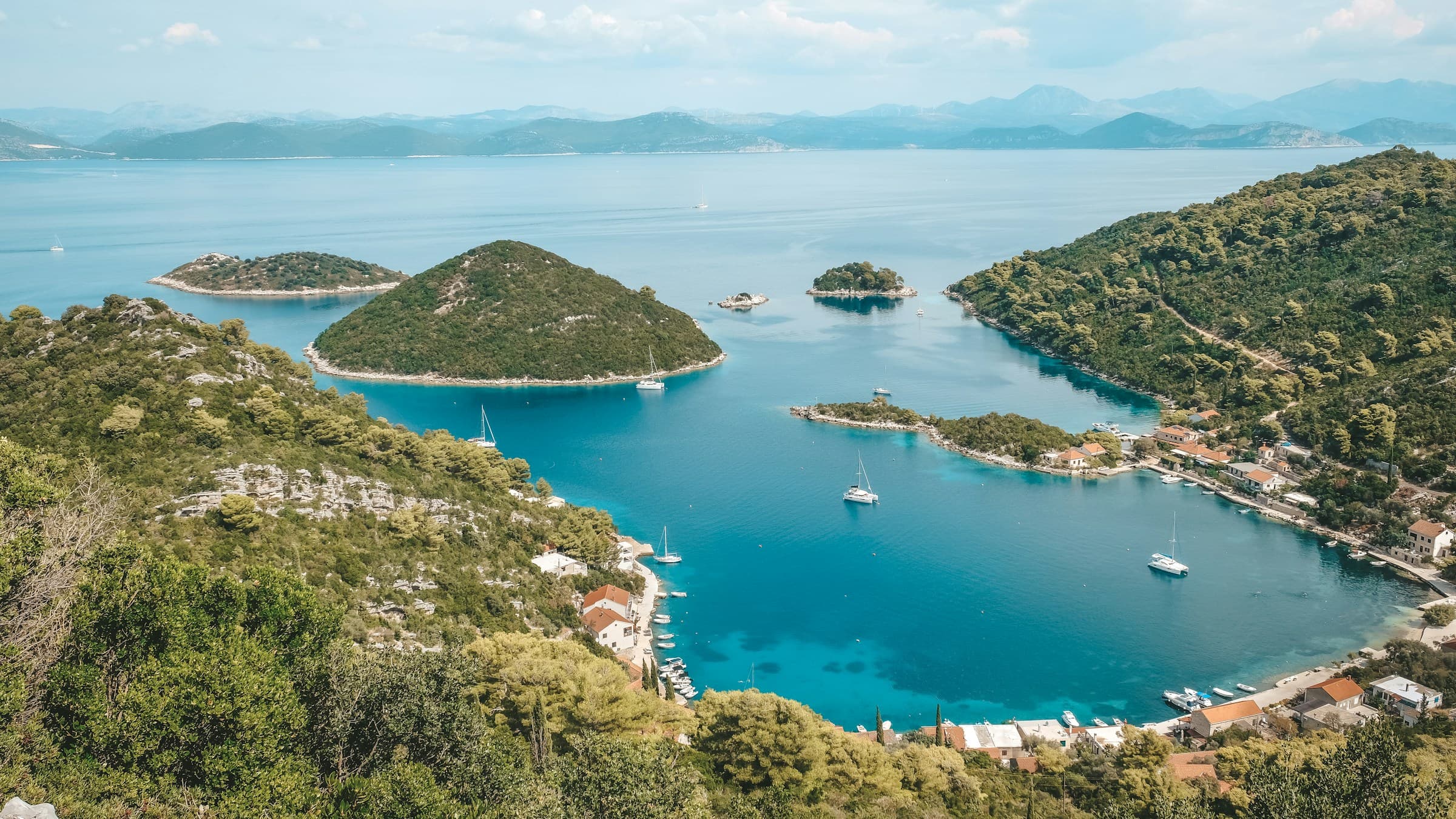
One of Croatia's greenest and most tranquil islands, featuring Mljet National Park with saltwater lakes, dense forests, and unspoiled nature.
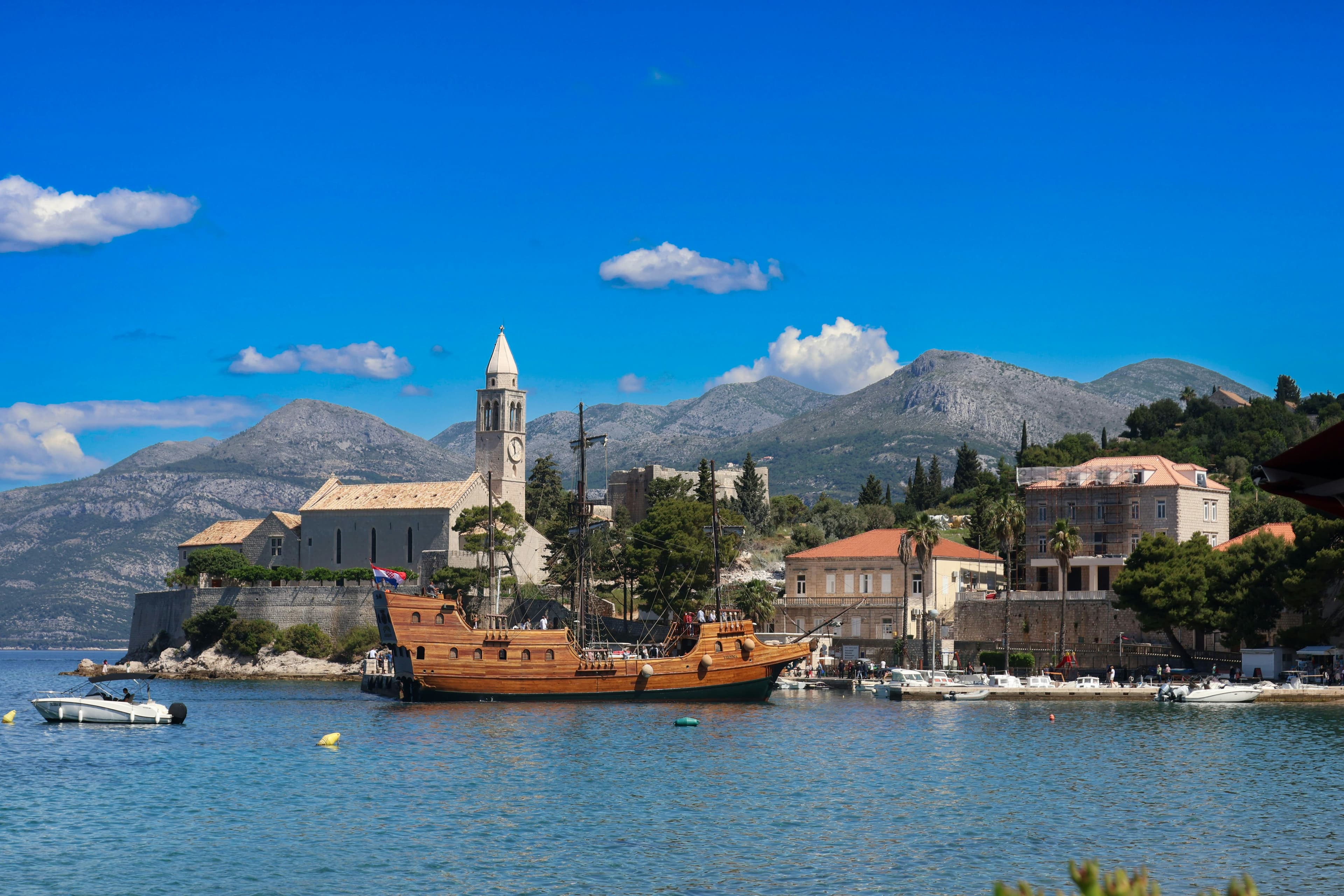
A car-free island gem in the Elaphiti archipelago near Dubrovnik, with sandy Šunj Beach, Renaissance villas, and a peaceful Mediterranean atmosphere.
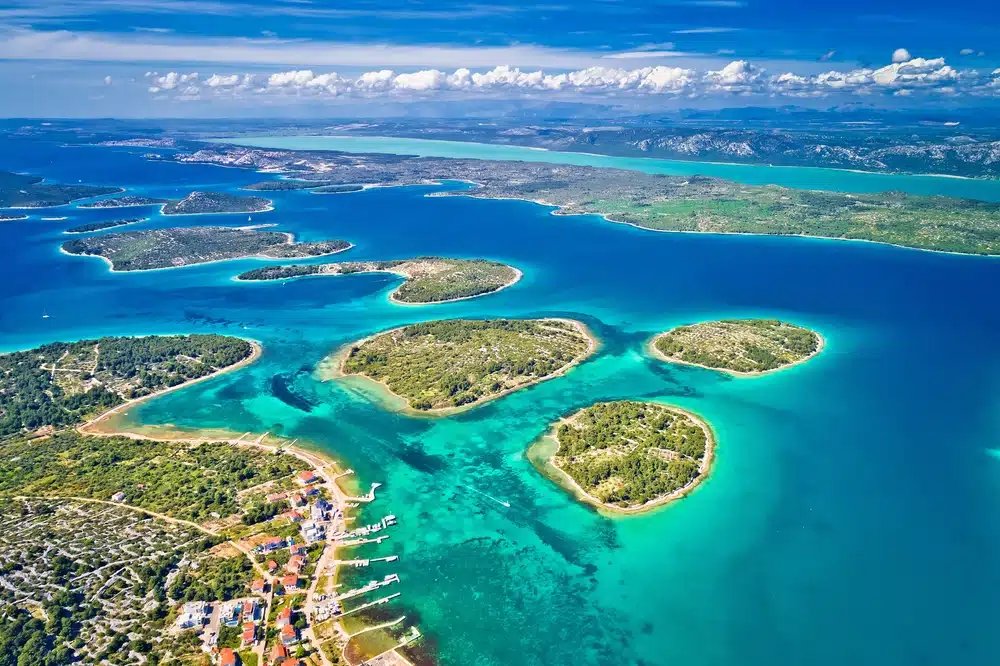
Charming island connected by bridge, gateway to Kornati National Park. Beautiful beaches, traditional boat-building heritage, and relaxed island atmosphere.
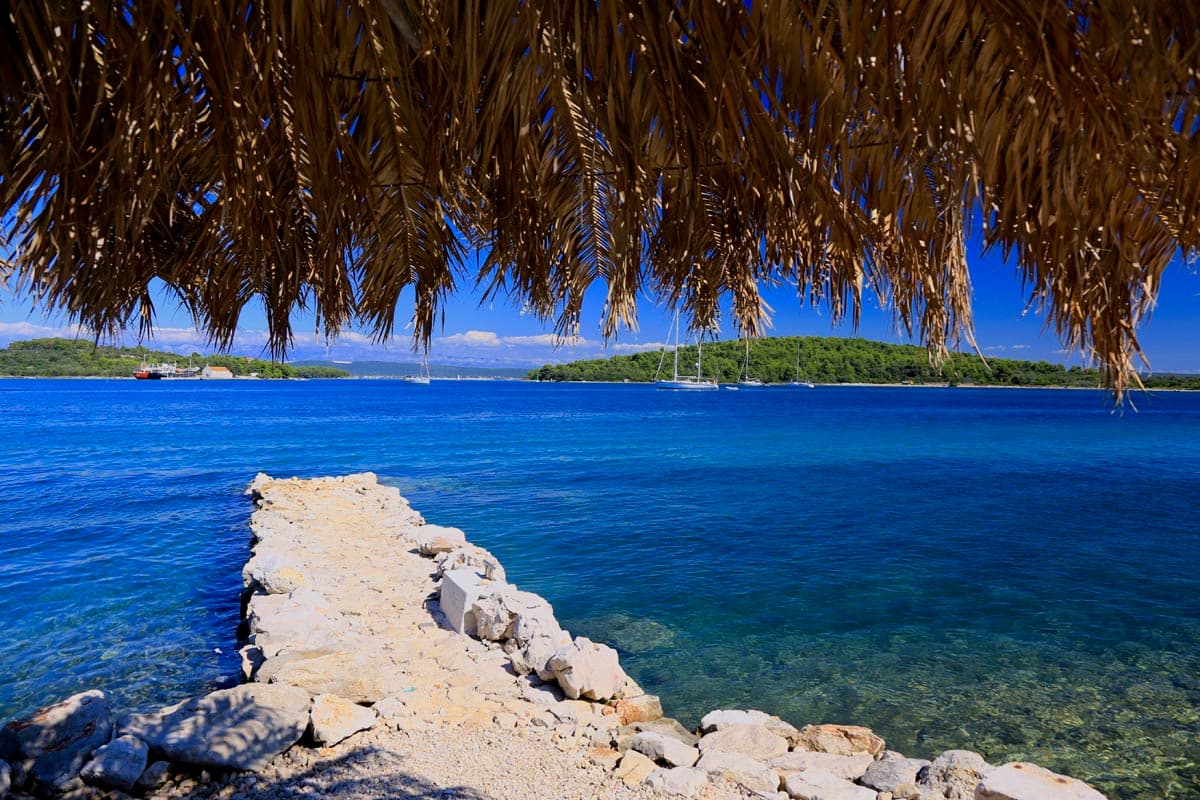
A peaceful island in northern Dalmatia connected by bridge, known for olive groves, family-friendly beaches, and authentic island living.
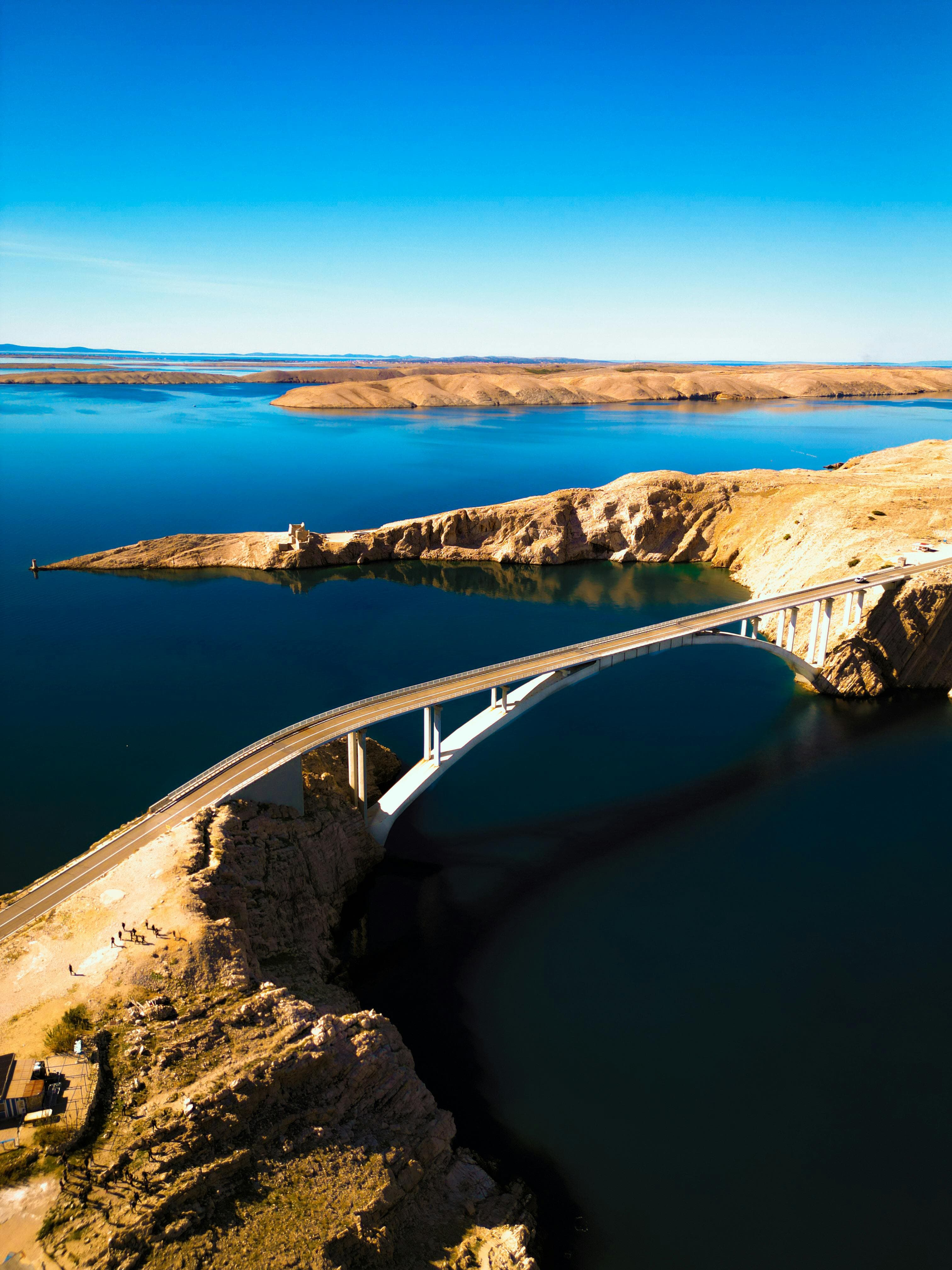
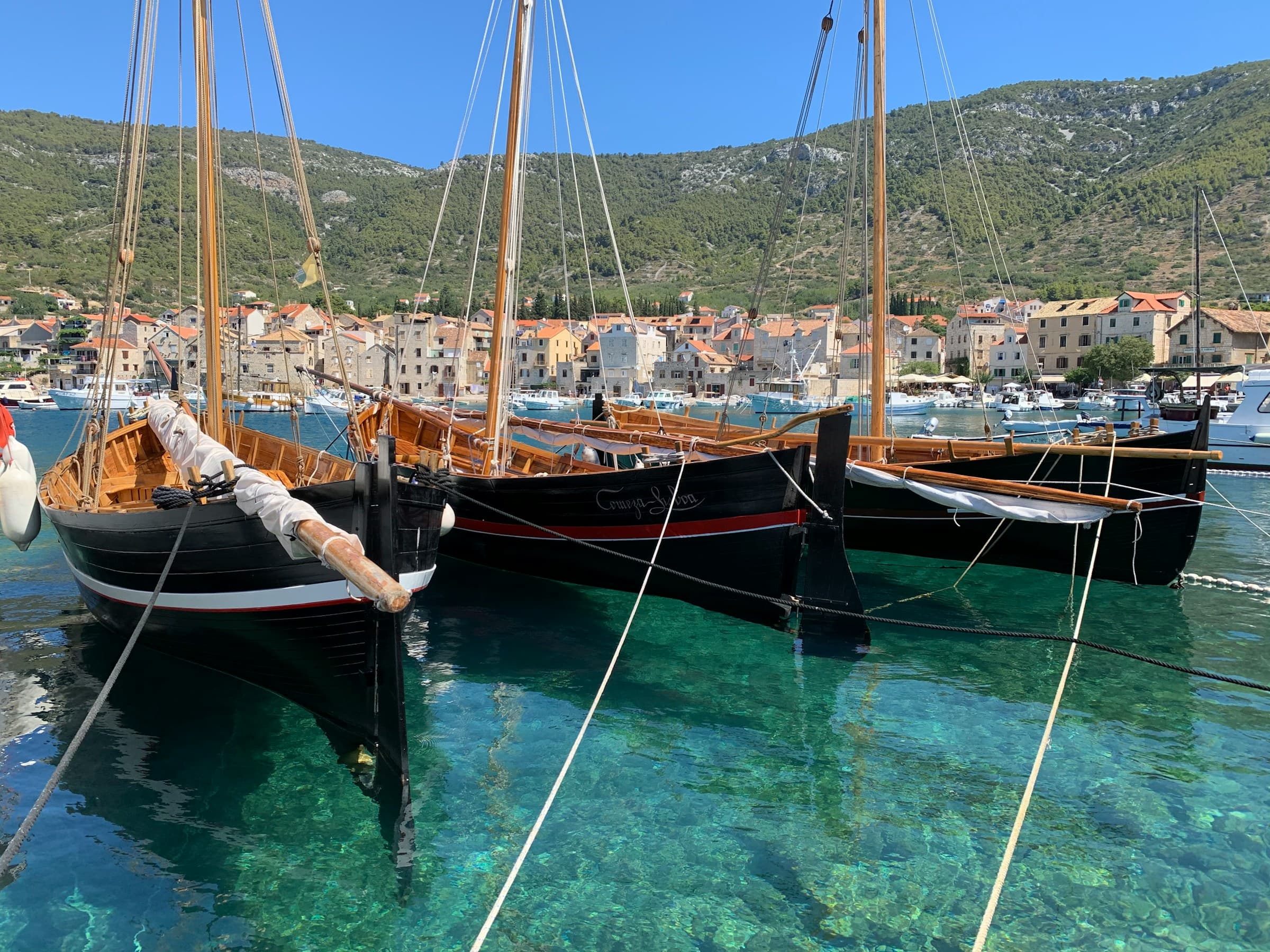
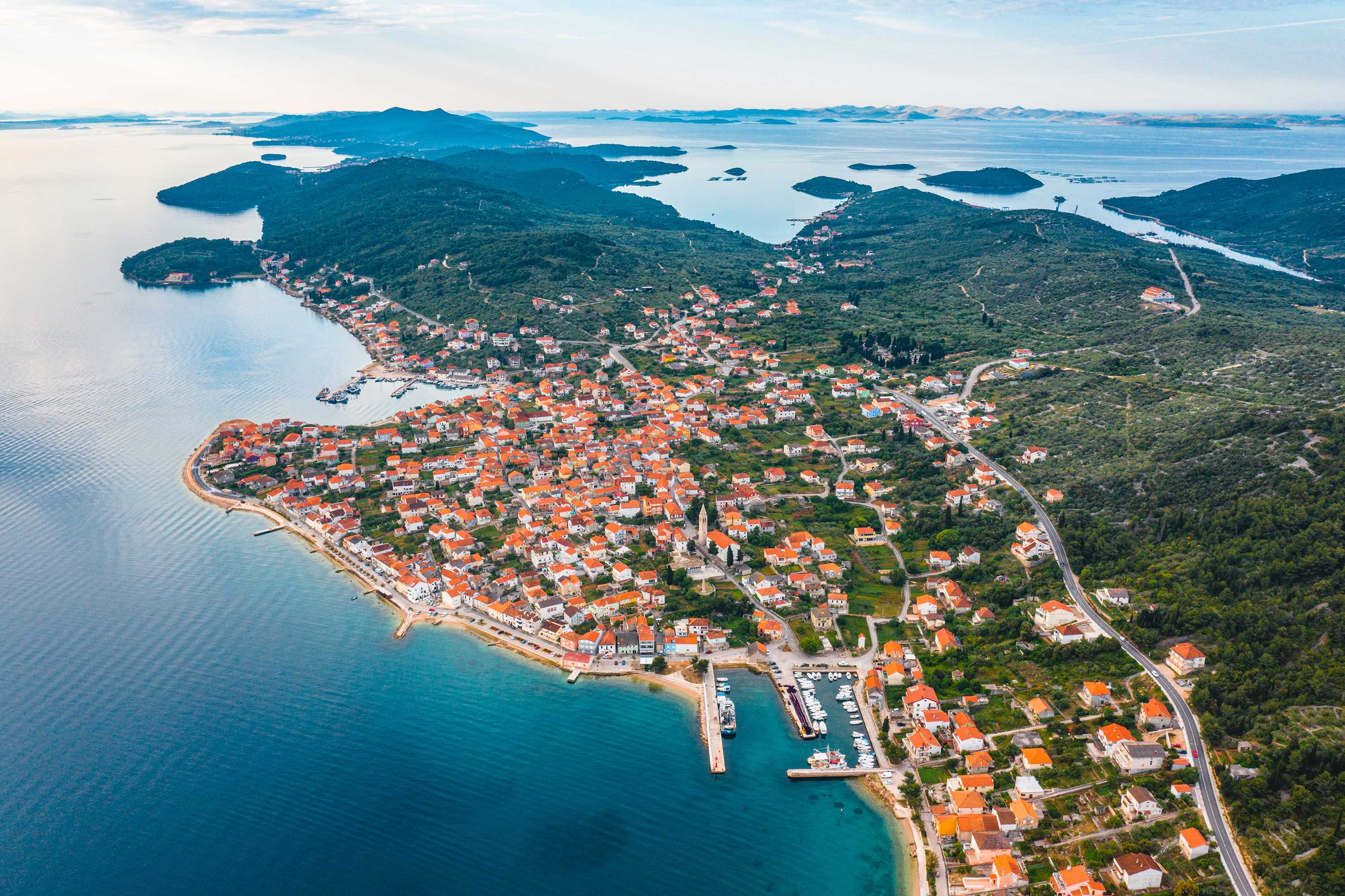
The green island near Zadar, connected by frequent ferries. Olive groves, quiet beaches, and traditional Mediterranean lifestyle.
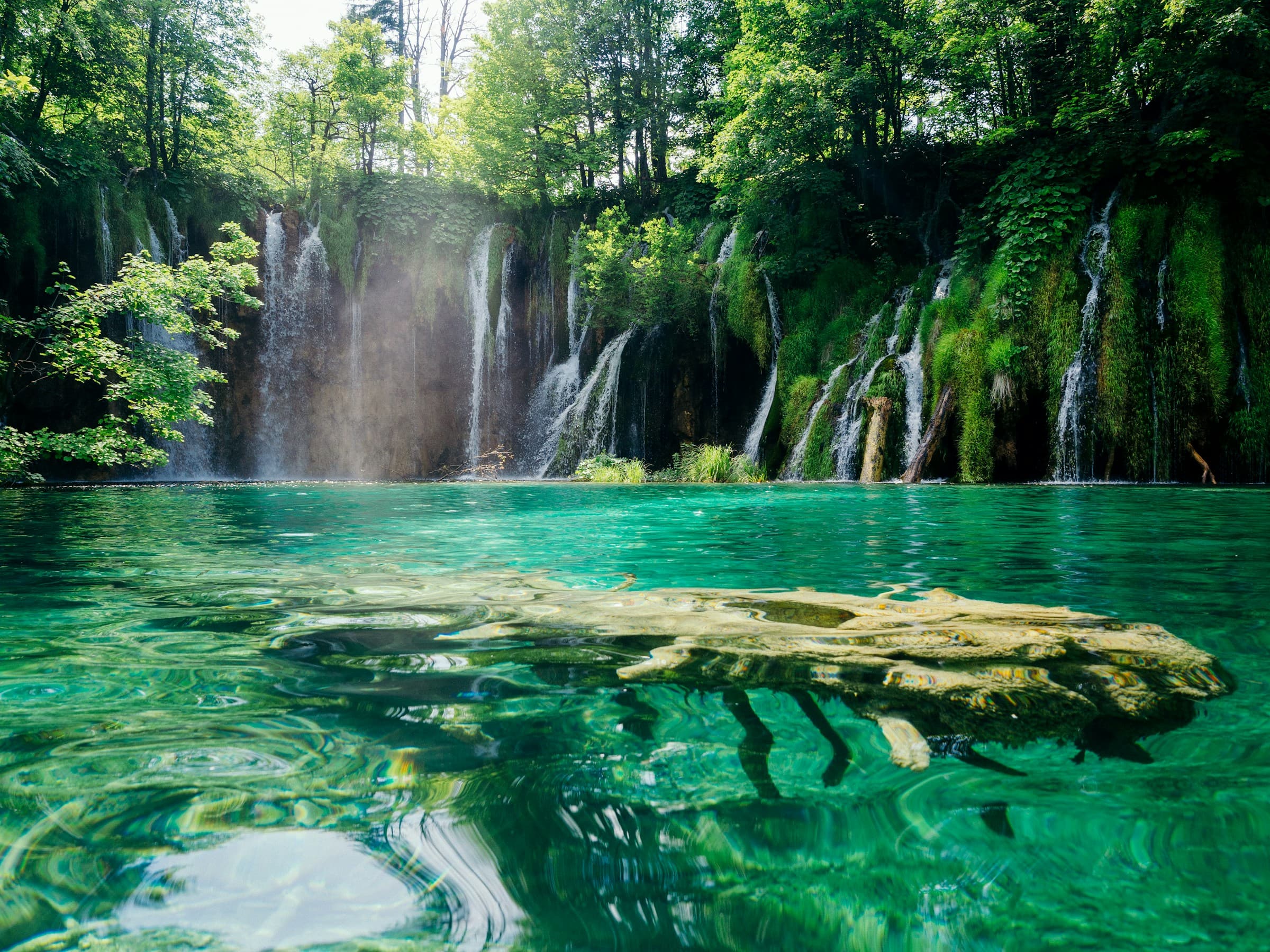
Turquoise waterfalls and wooden trails through protected forest.
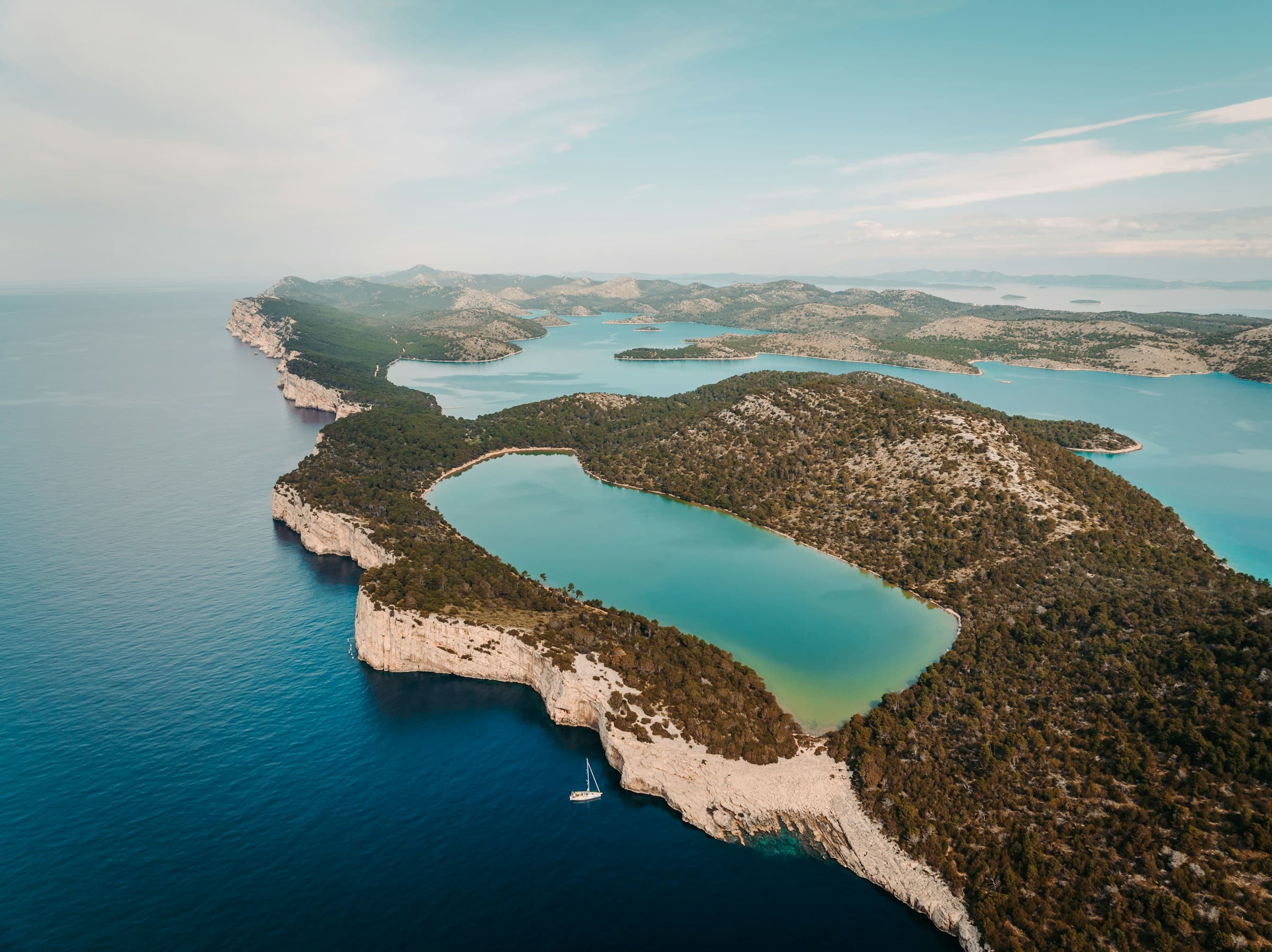
A stunning archipelago of 89 uninhabited islands, Croatia's nautical paradise with crystal-clear waters, dramatic cliffs, and pristine nature.
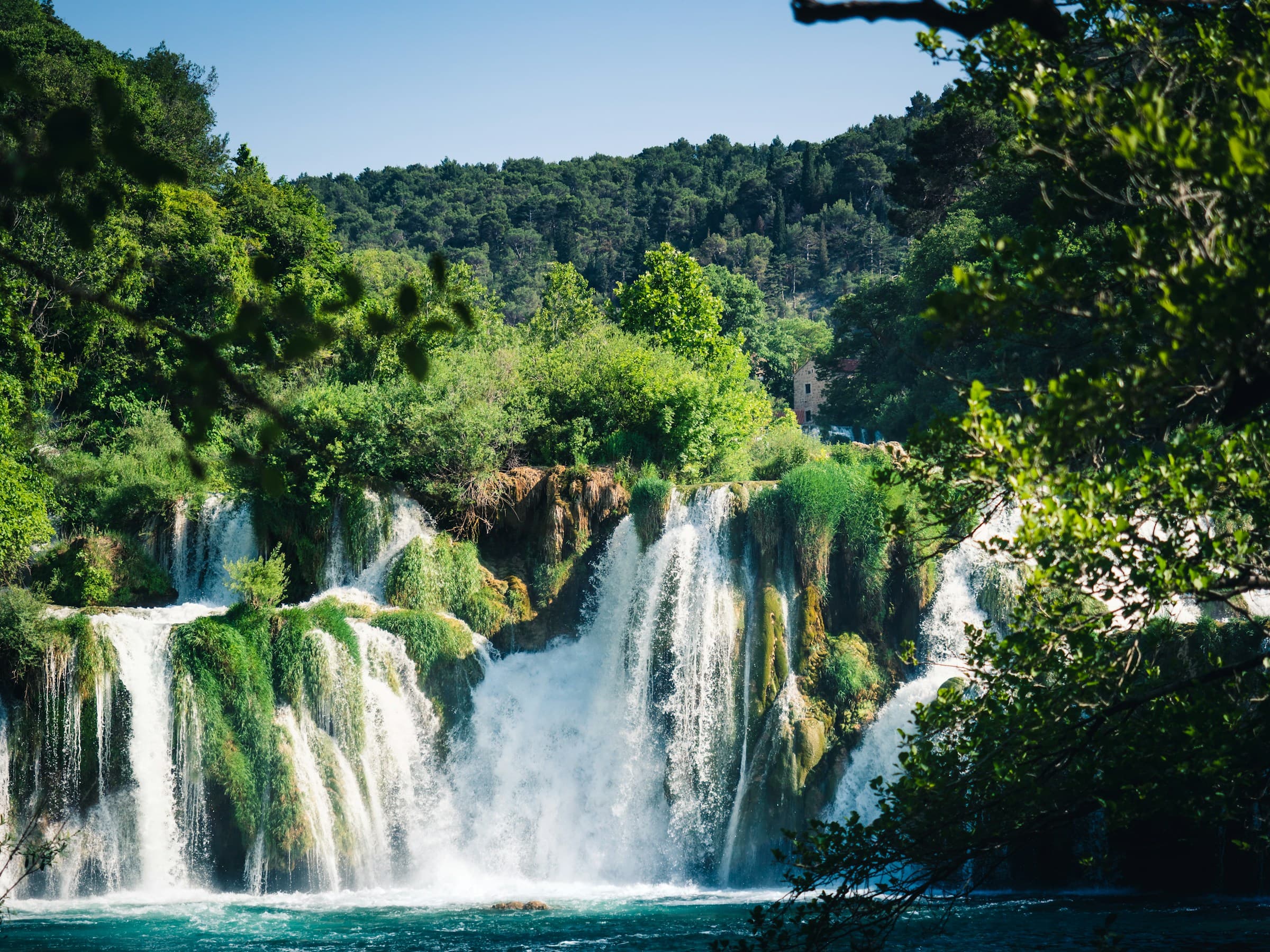
One of Croatia's most accessible national parks with spectacular waterfalls, travertine cascades, and historic watermills near Šibenik.
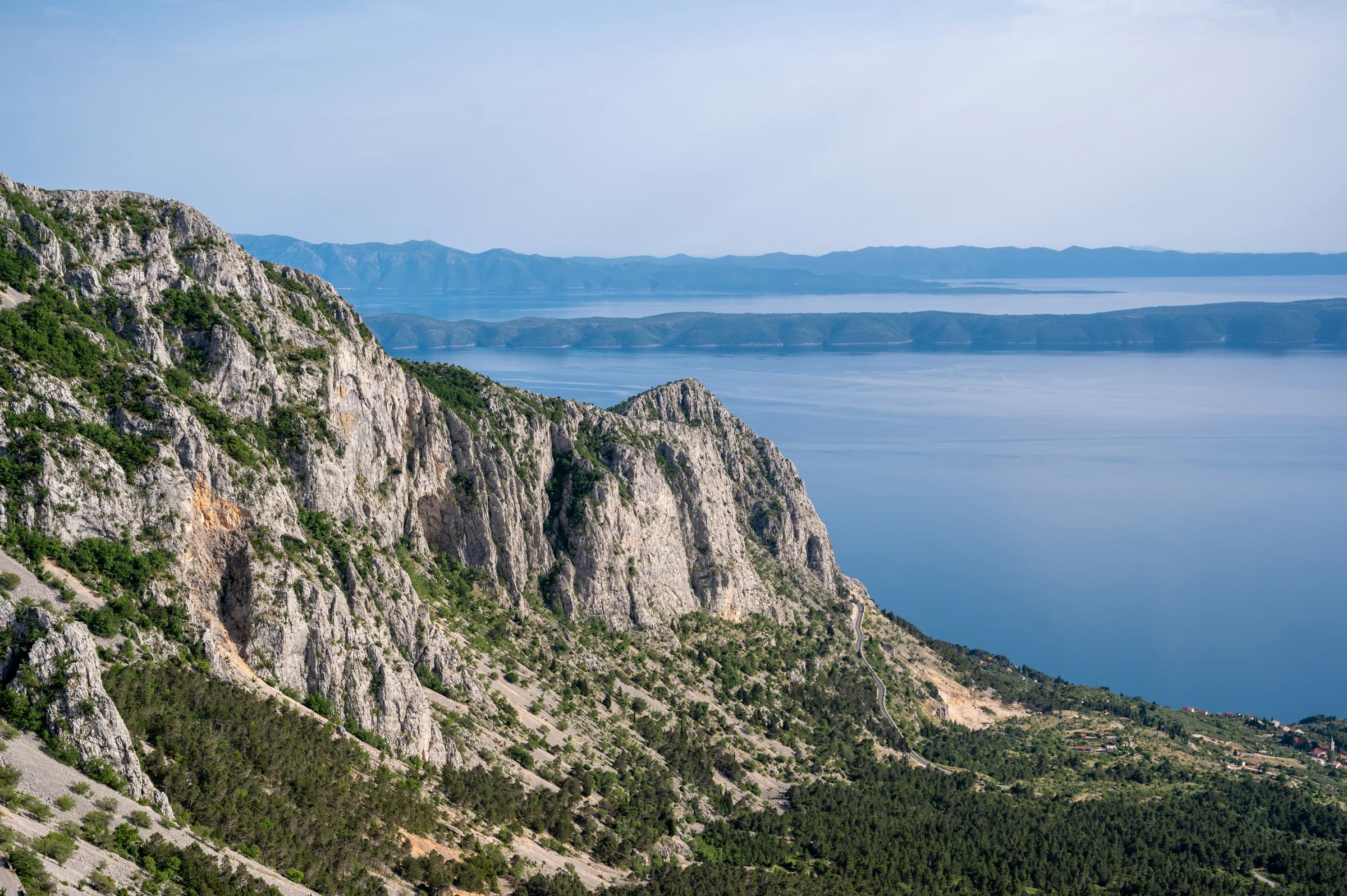
Dramatic mountain park rising from the Adriatic with the famous Skywalk, panoramic viewpoints, and alpine hiking above Makarska Riviera.
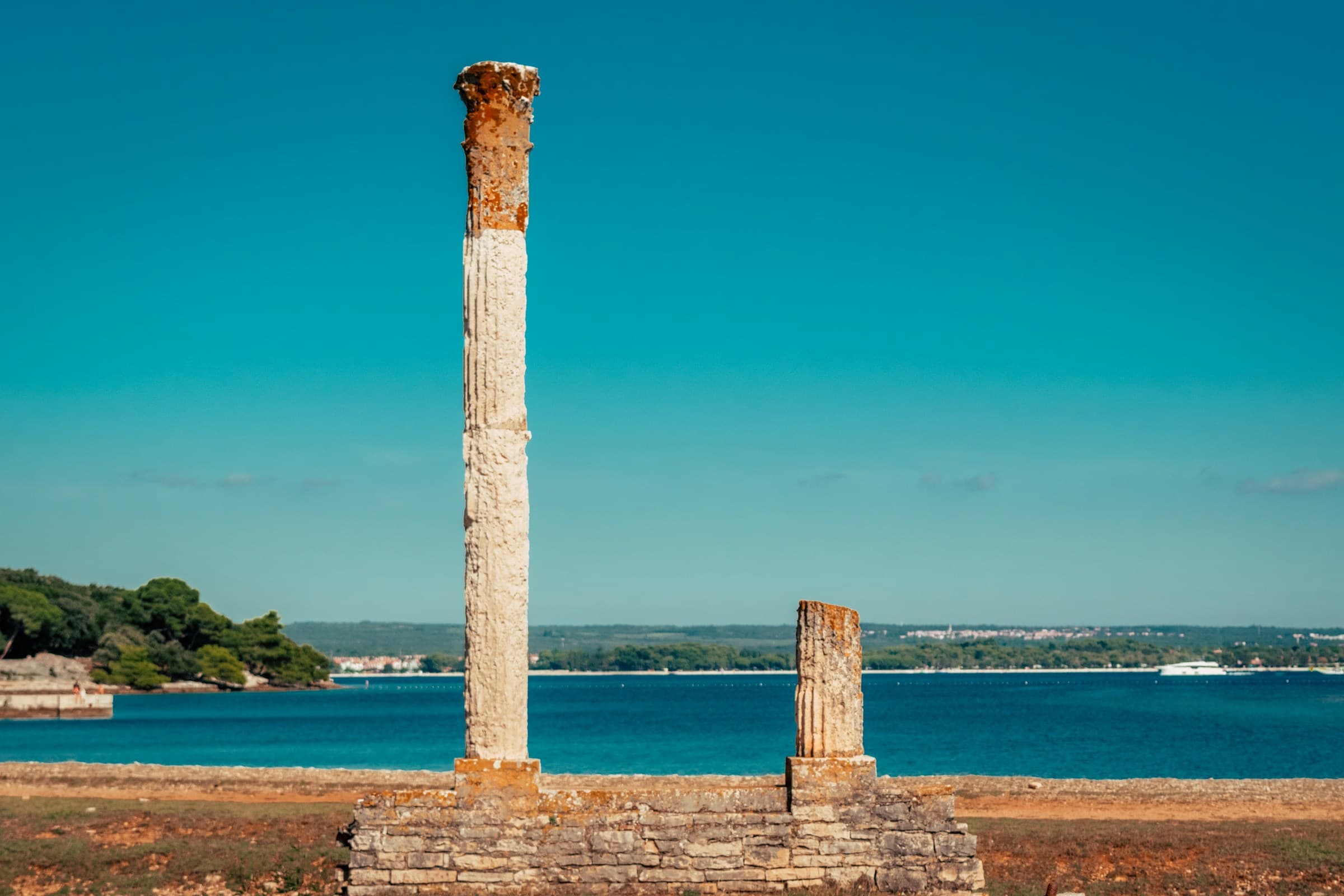
A unique archipelago blending Mediterranean nature, Roman ruins, exotic wildlife, and Tito's legacy in a refined park setting.
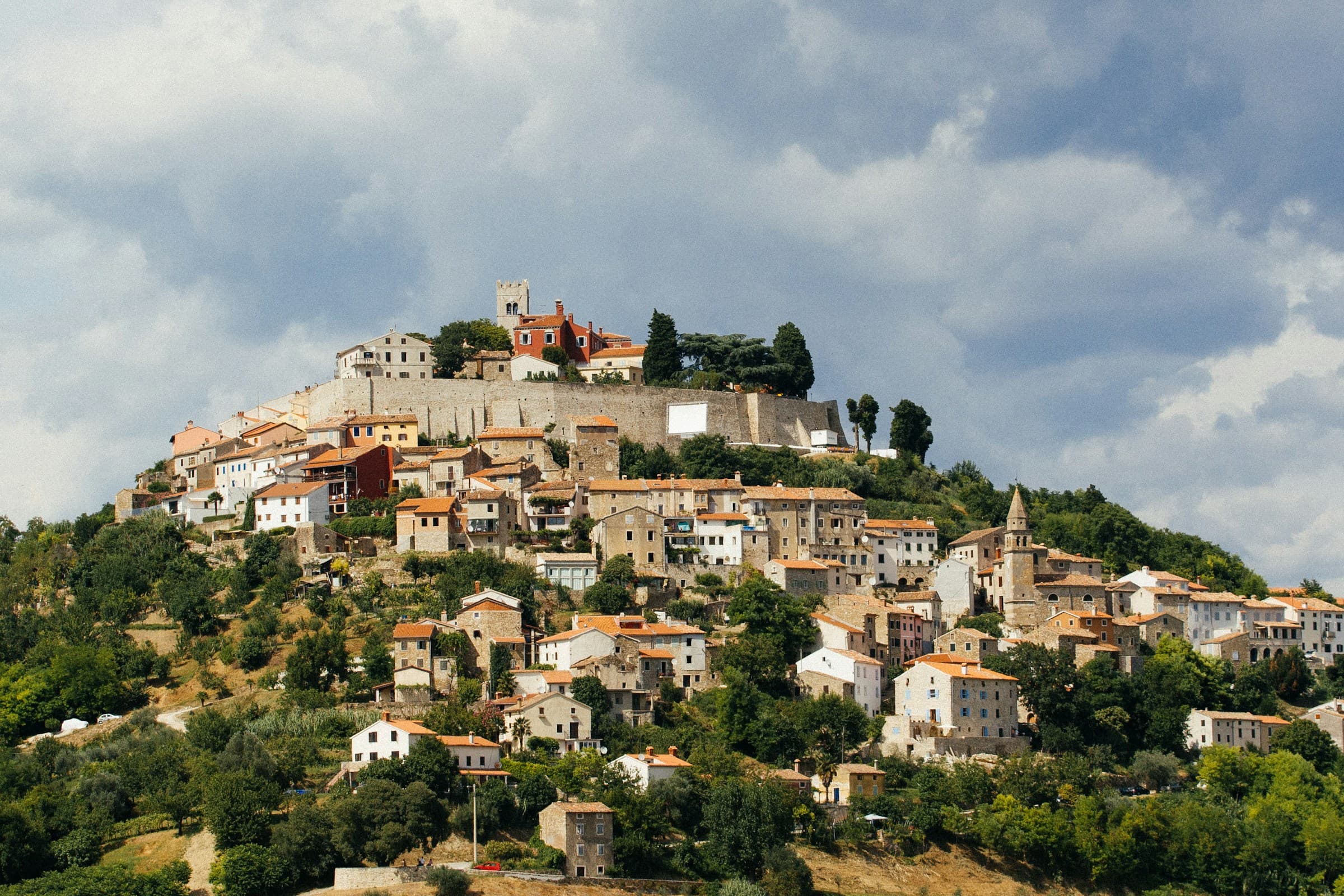
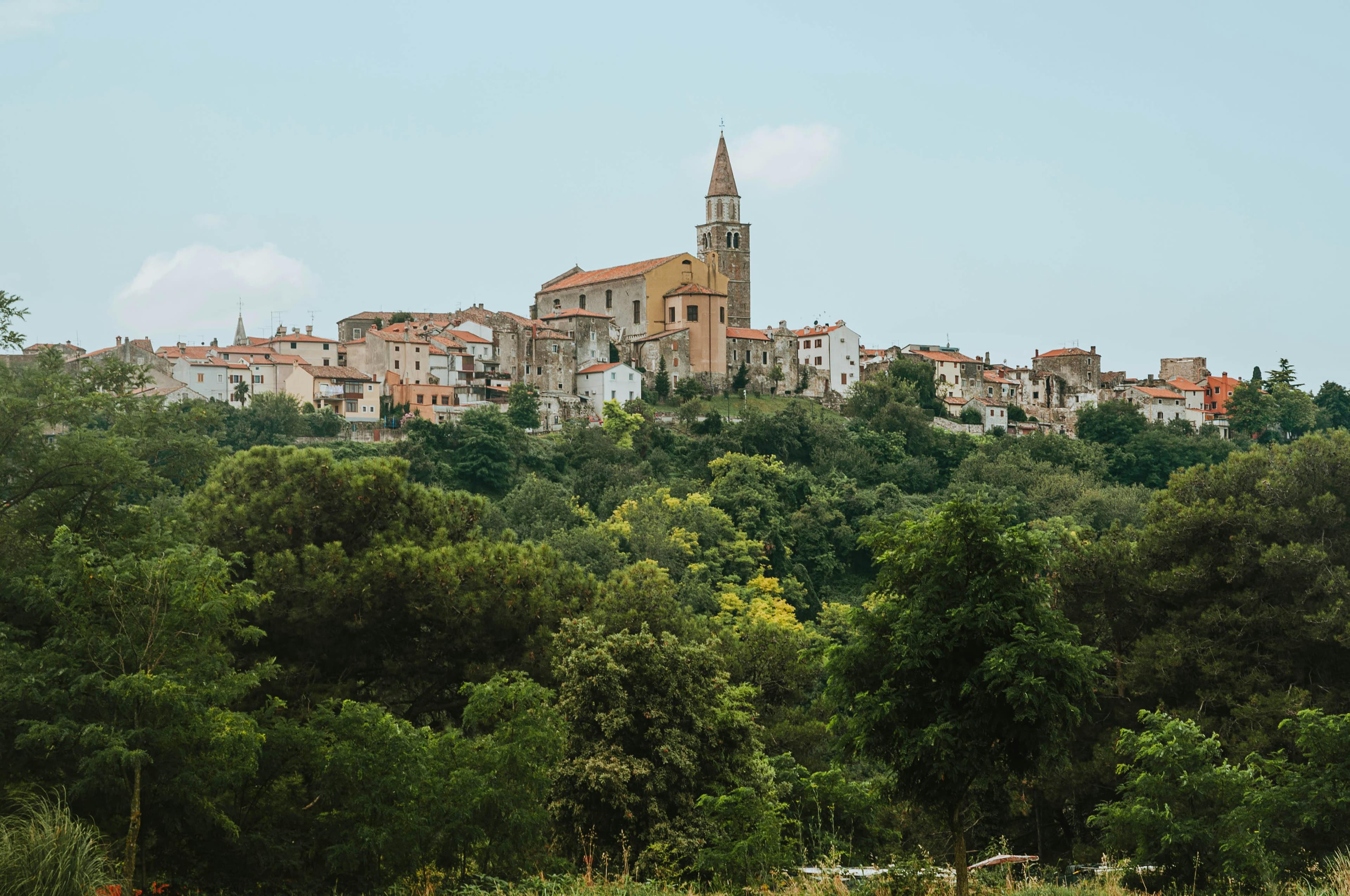
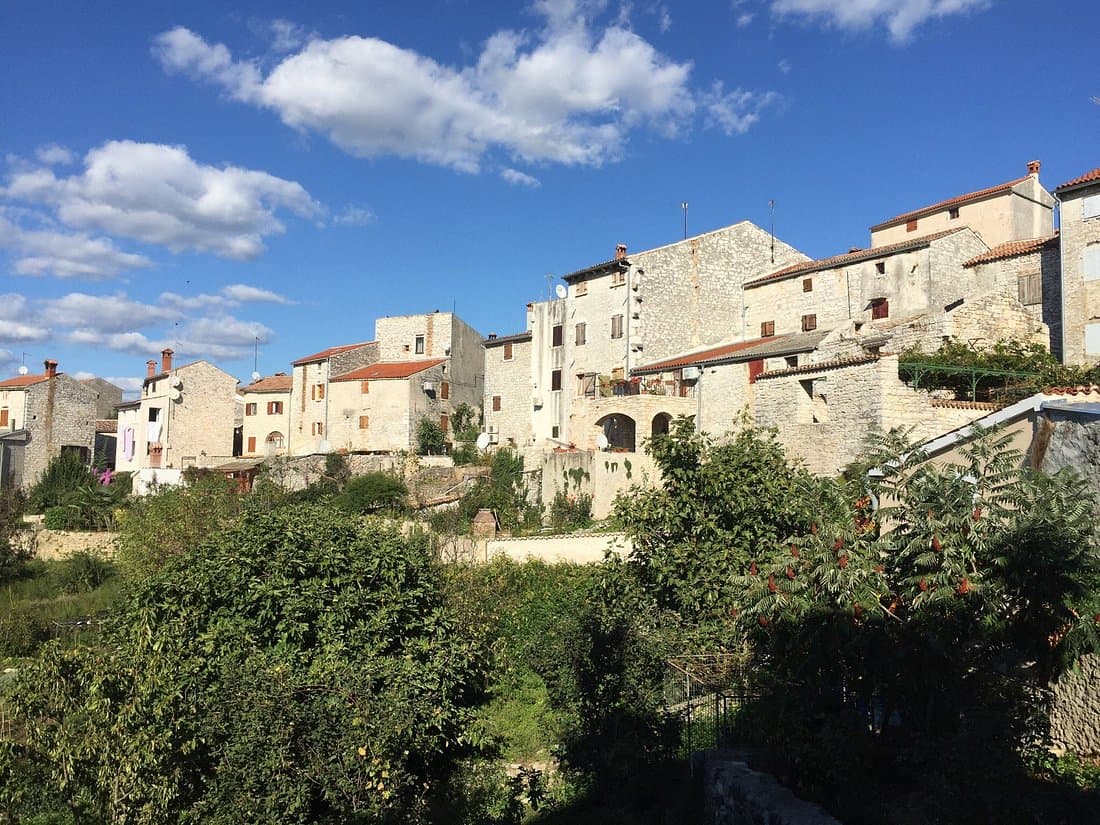
A small medieval village in western Istria, 12 km from Rovinj, with stone streets, a striking Romanesque church, and a slower pace than the coast.
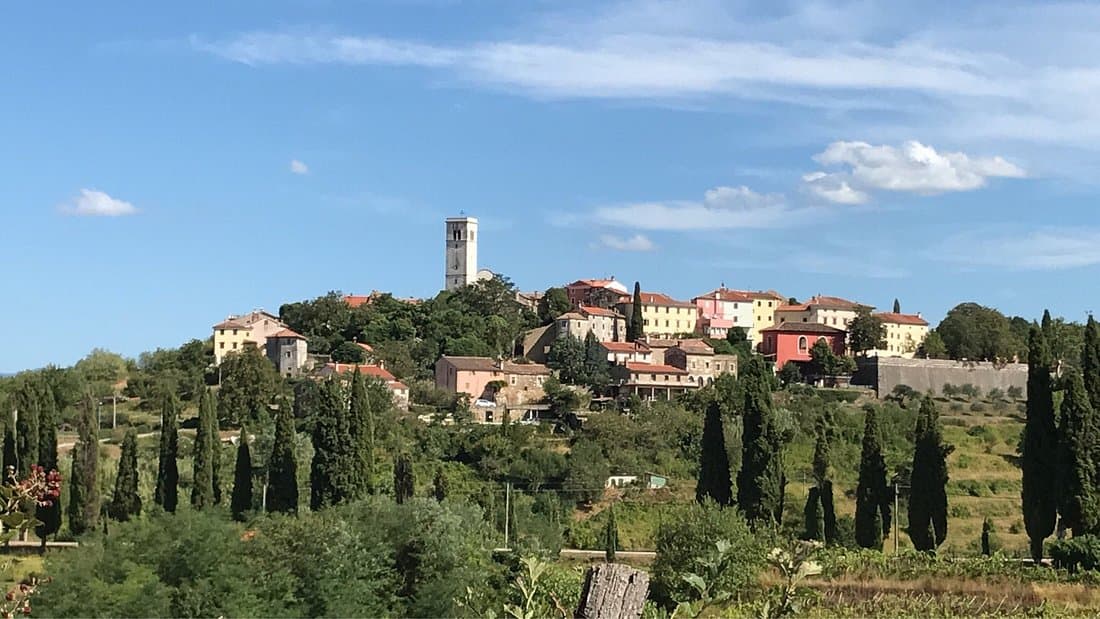
Istria's truffle capital, perched on a hilltop above the Mirna valley with a preserved old town and seasonal truffle hunts drawing food enthusiasts from across Europe.
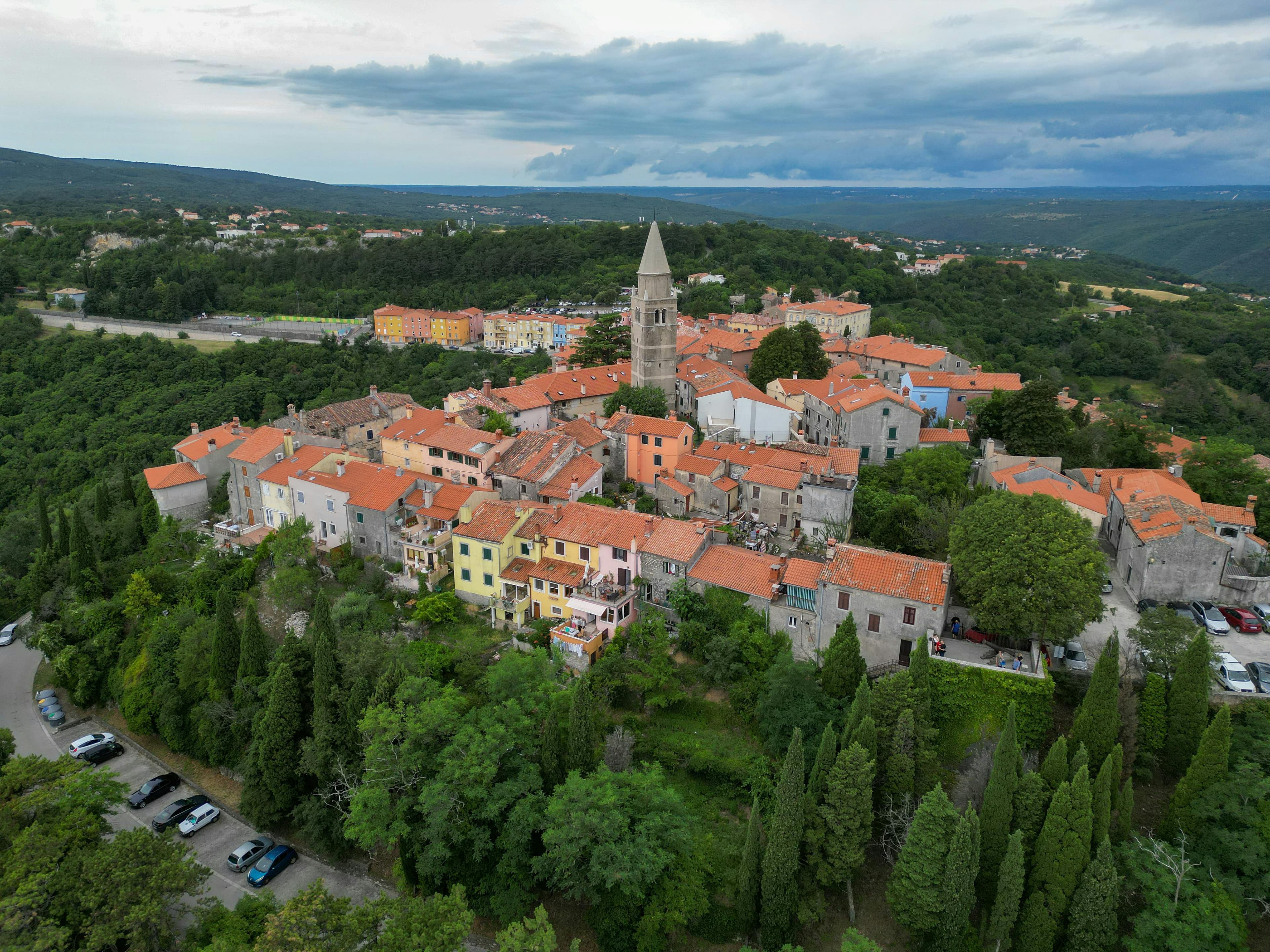
Eastern Istria's hilltop art colony with a Venetian old town, coal-mining heritage turned gallery scene, and Rabac beach below.
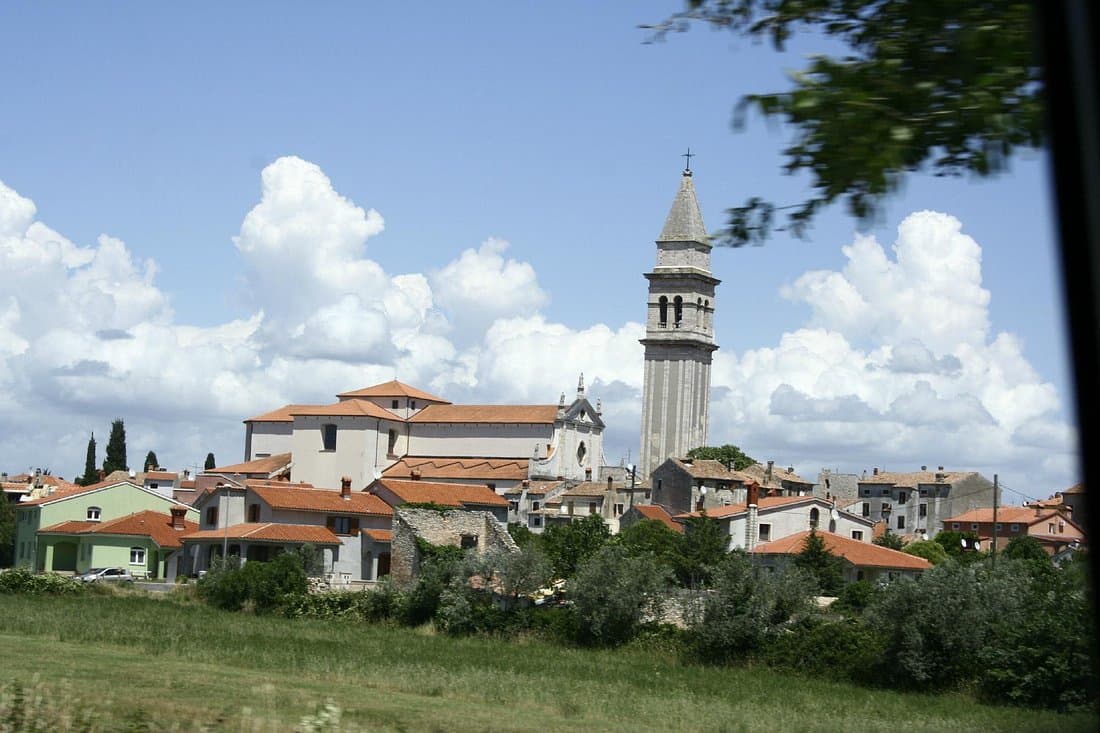
A quiet southern Istrian town near Pula, known for the tallest bell tower in Istria and Croatia's largest collection of mummified saints.
One of Croatia's greenest national parks with two saltwater lakes, dense pine forests, St. Mary's Island monastery, and peaceful trails.
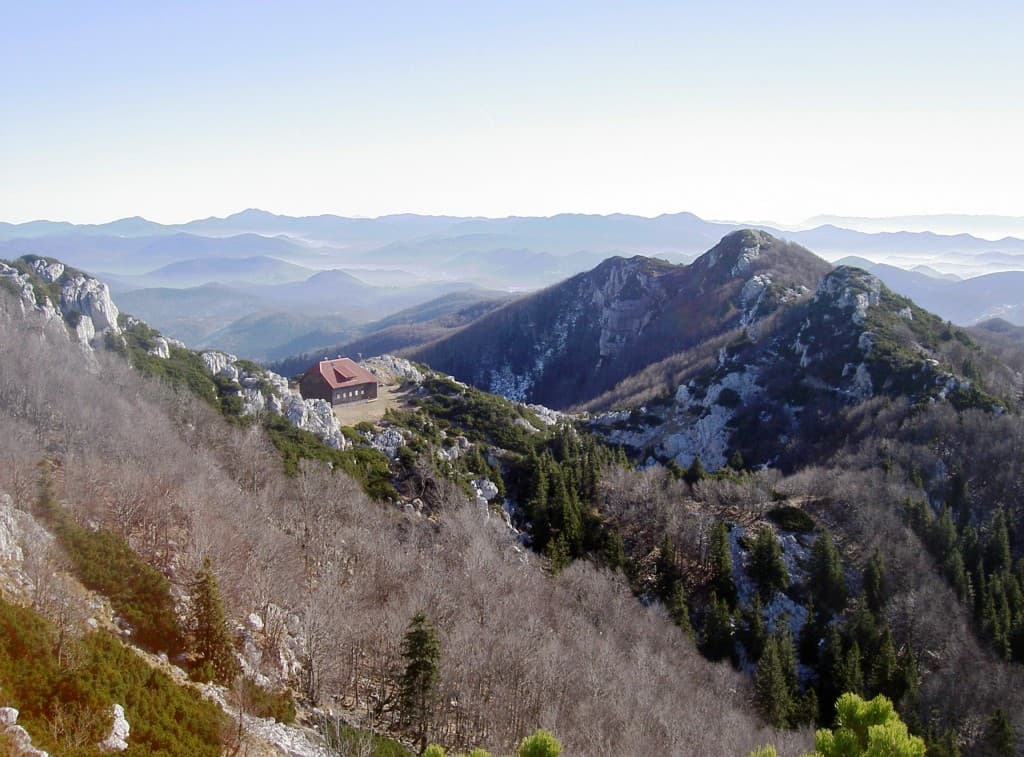
Croatia's wild mountain sanctuary in Gorski Kotar with dense forests, alpine trails, and home to lynx, bears, and wolves.
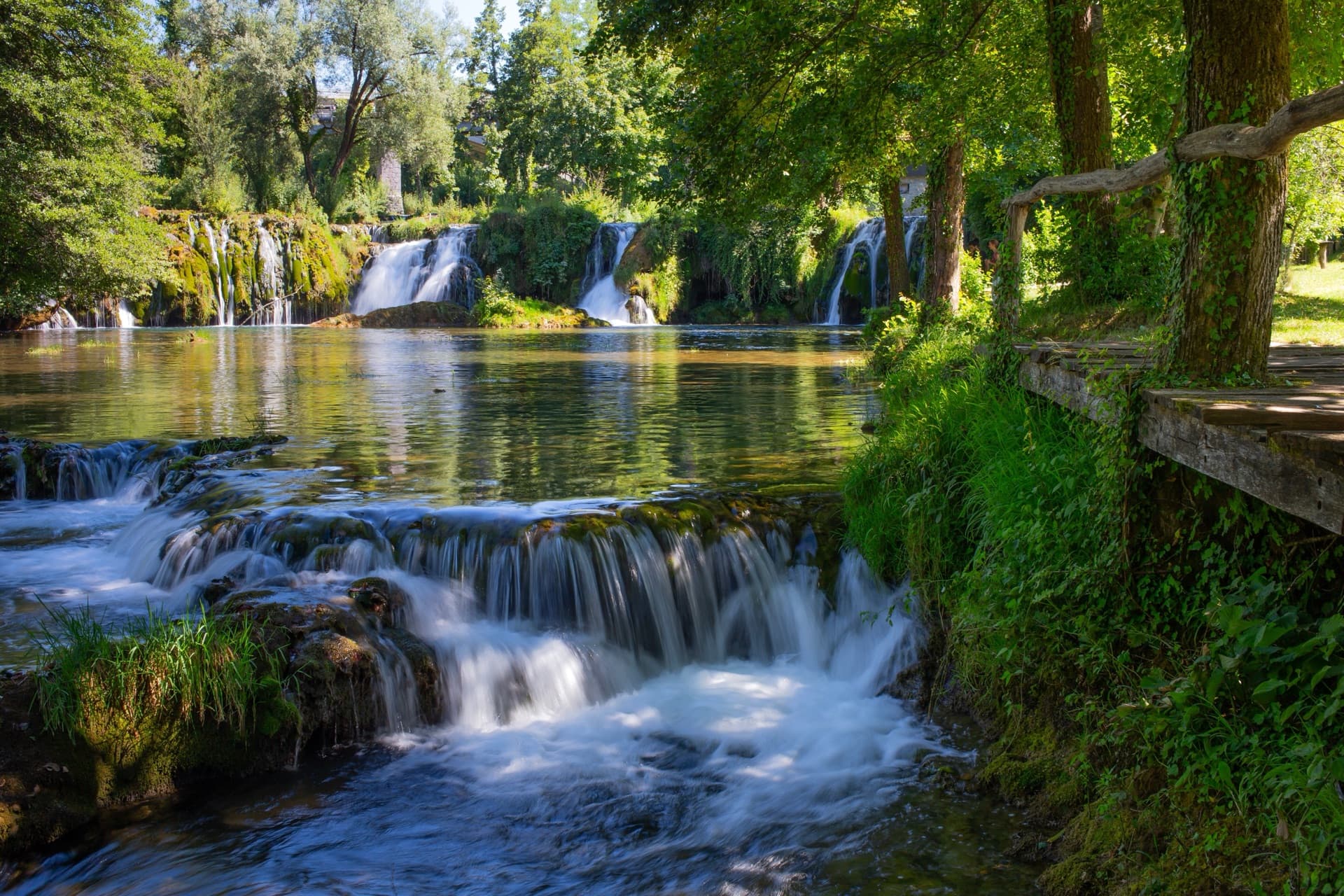
Turquoise river, waterfalls, and forested gorges.
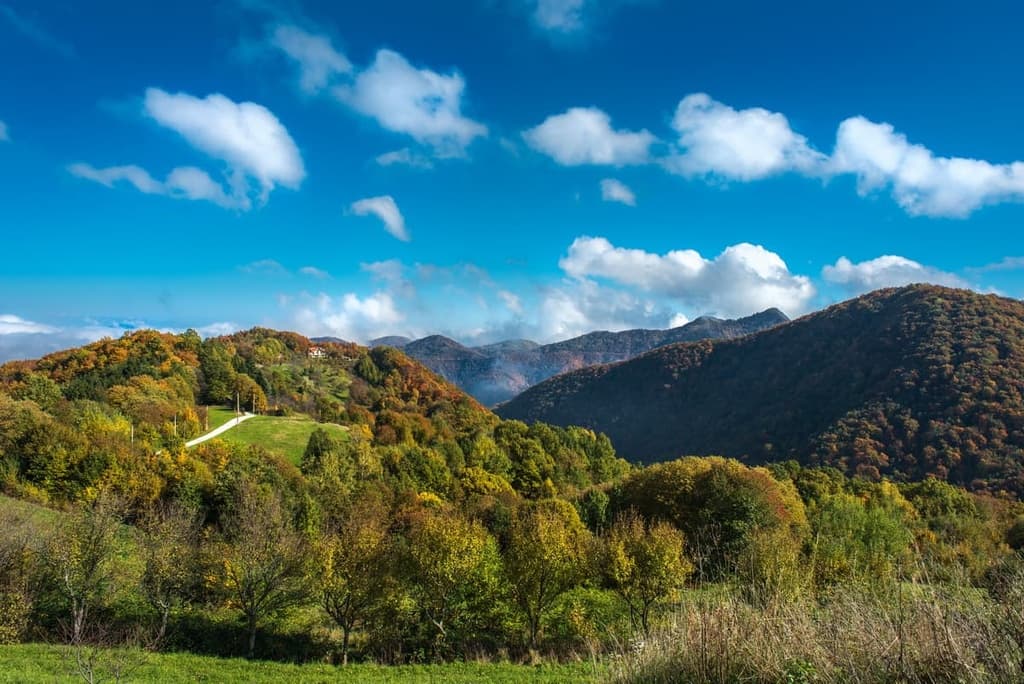
Quiet highlands, forest paths, and rural villages near Zagreb.
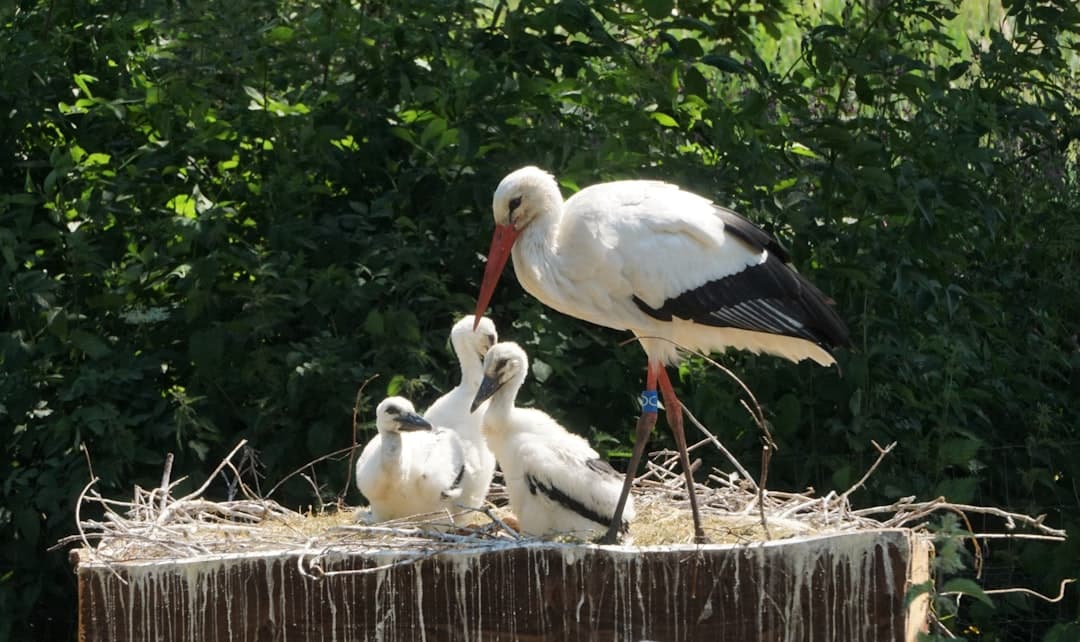
A 506 sq km Sava floodplain an hour from Zagreb where white storks nest on wooden Posavina cottages and native horses graze the meadows.
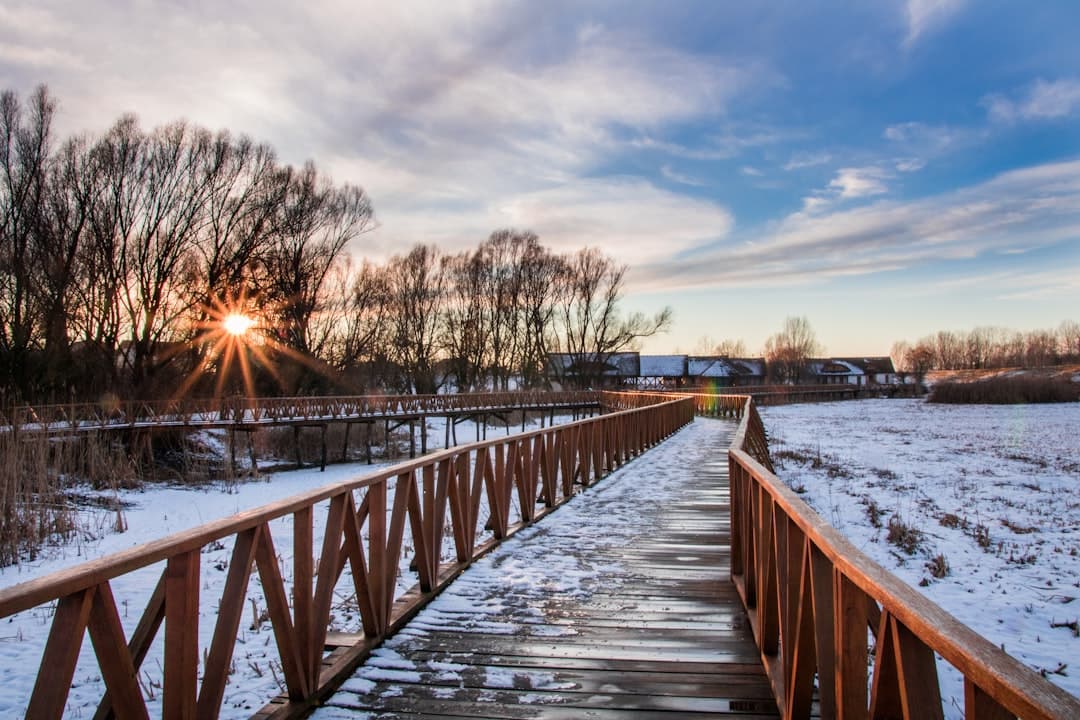
One of Europe's largest preserved floodplains where the Drava meets the Danube — white-tailed eagles, the autumn red deer rut, and Sakadaš boat tours from Osijek.
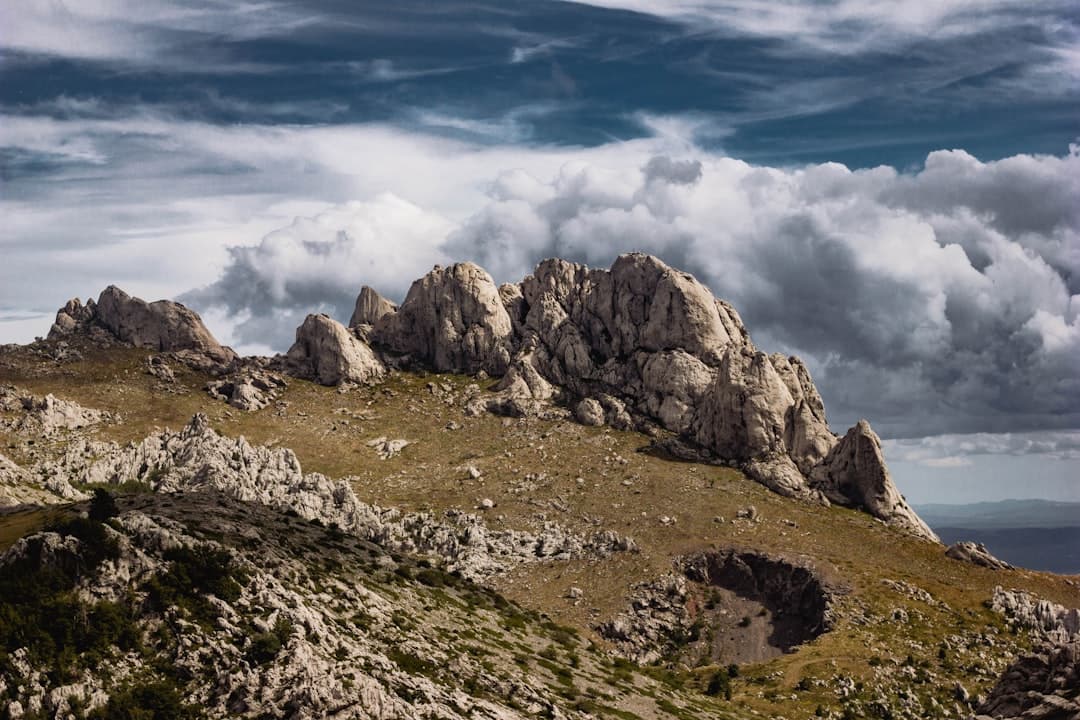
Twin canyons through the southern Velebit massif, 40 km north of Zadar — Croatia's climbing capital on Anića Kuk, the Manita Peć cave hike, and Vaganski vrh, the 1,757 m roof of Velebit.
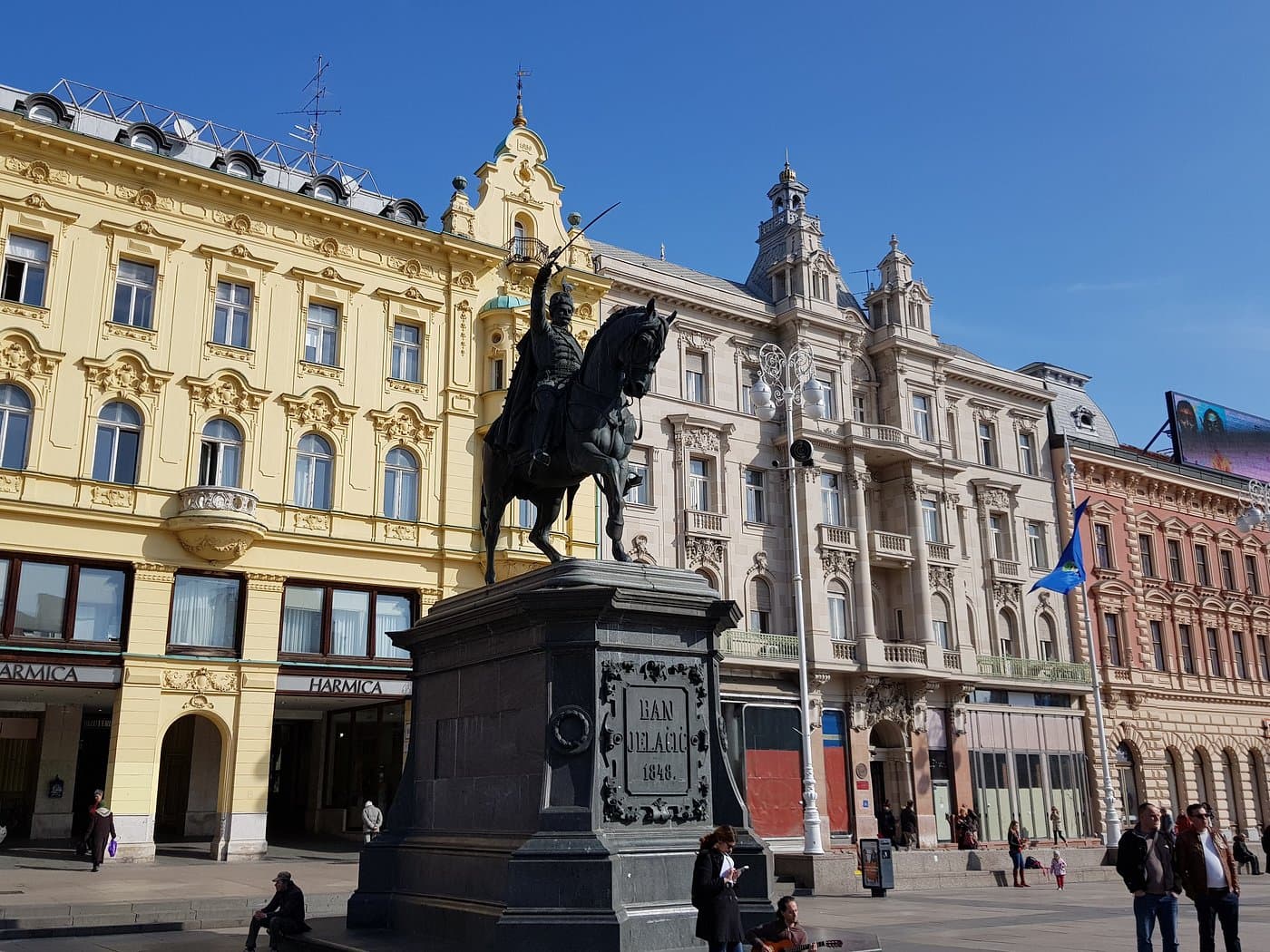
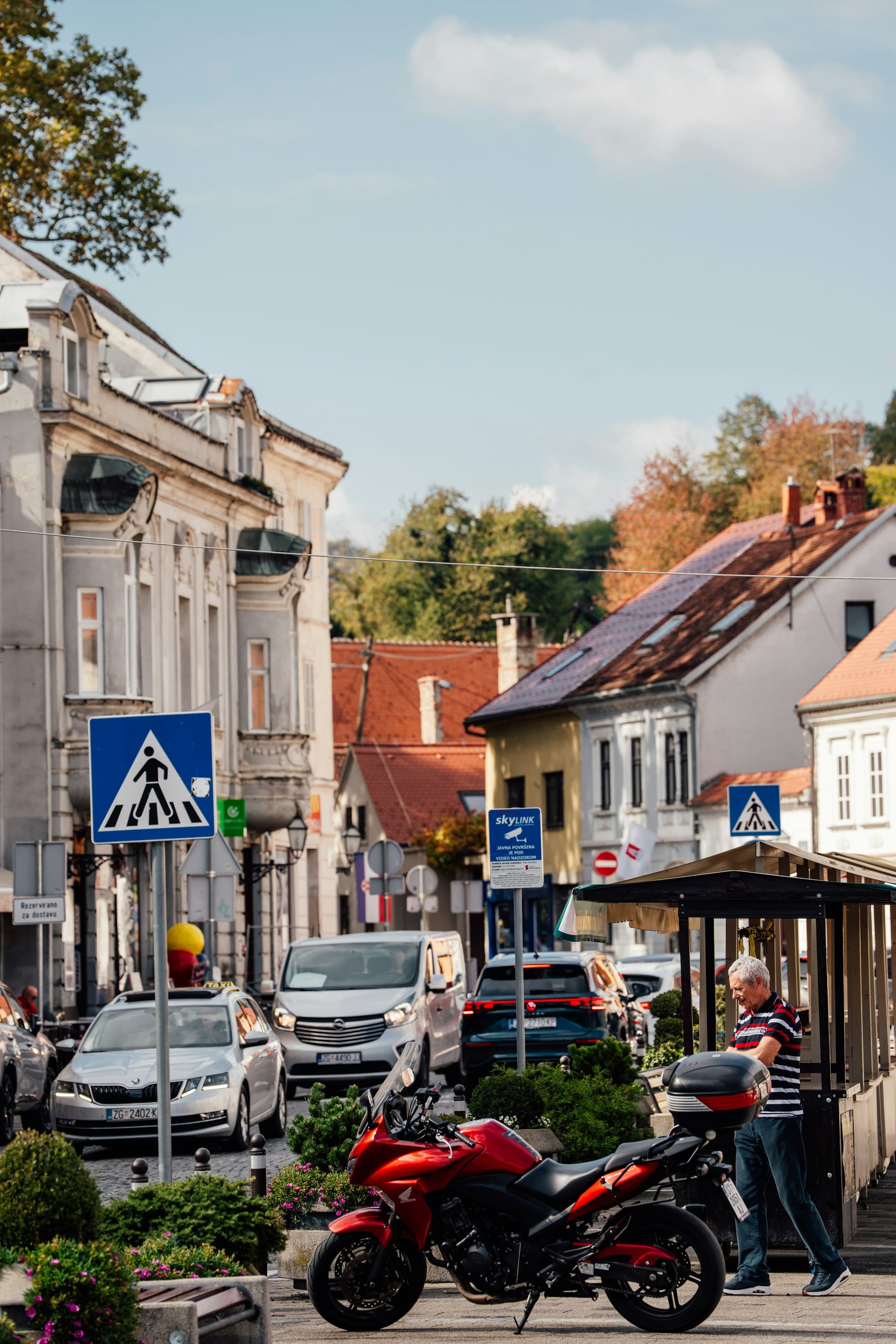
A market town near Zagreb, famous for kremšnita and hillside castle ruins.
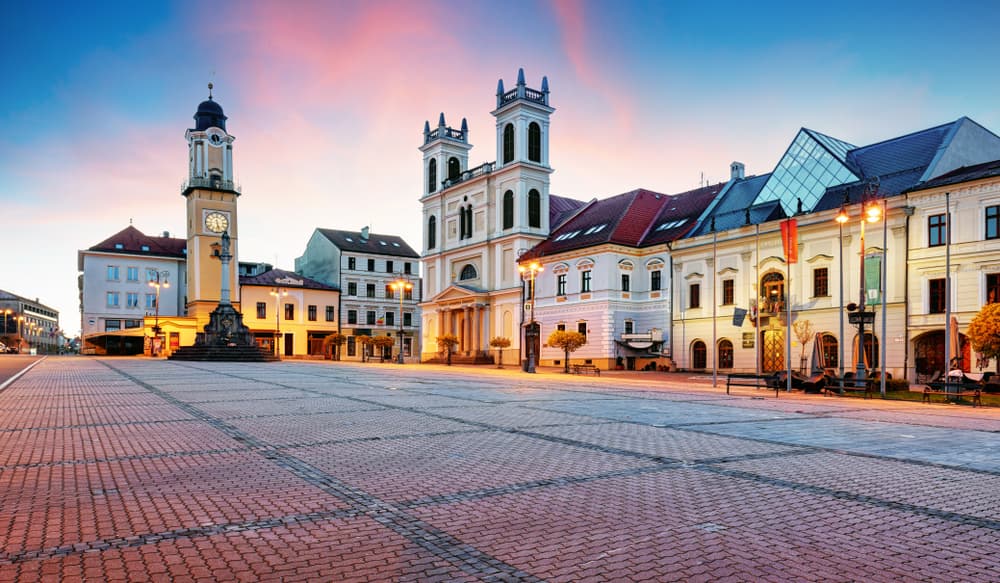
Croatia's baroque capital — palaces, parks, and former royal grandeur.
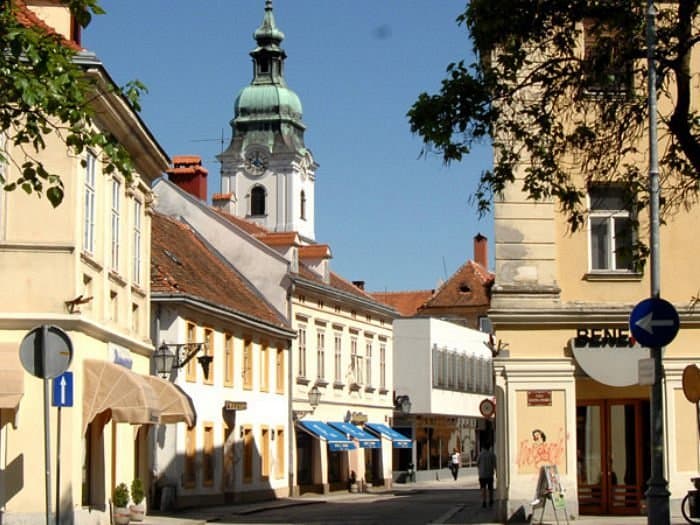
Four rivers, fortress walls, and a gateway to Croatia's green interior.
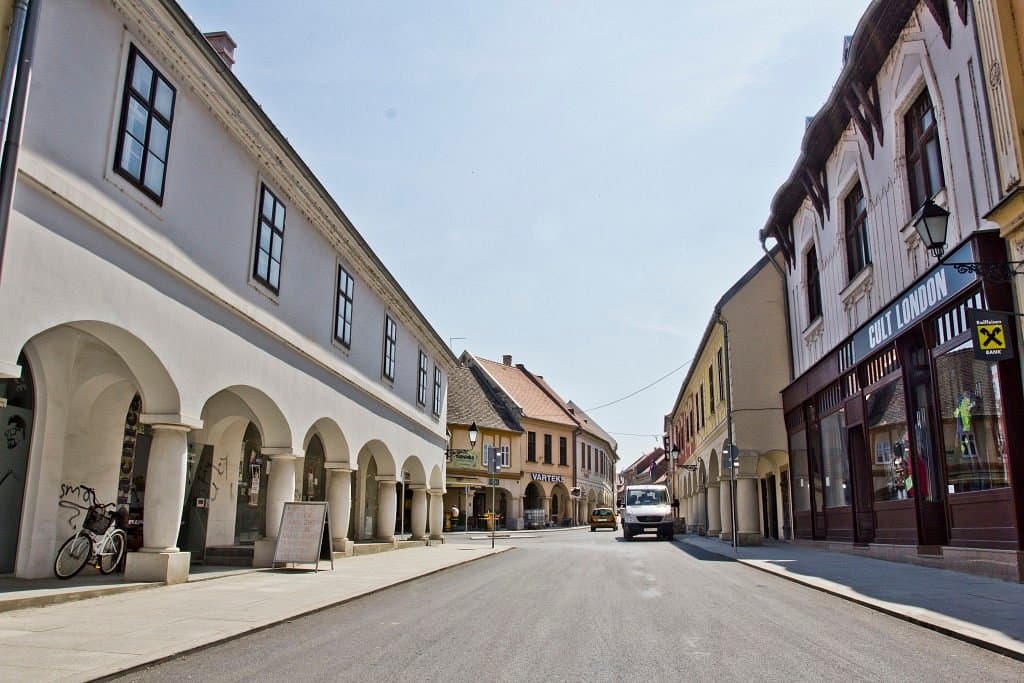
Baroque heritage and powerful memory on the banks of the Danube.
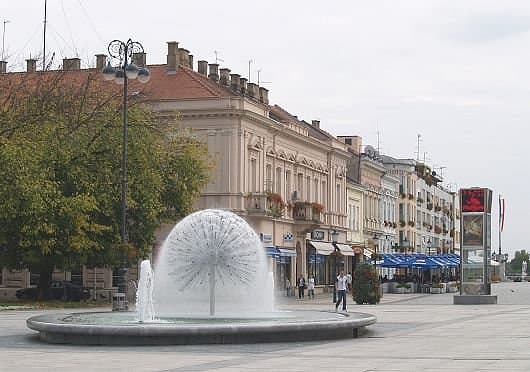
A Slavonian river town shaped by centuries of border culture.
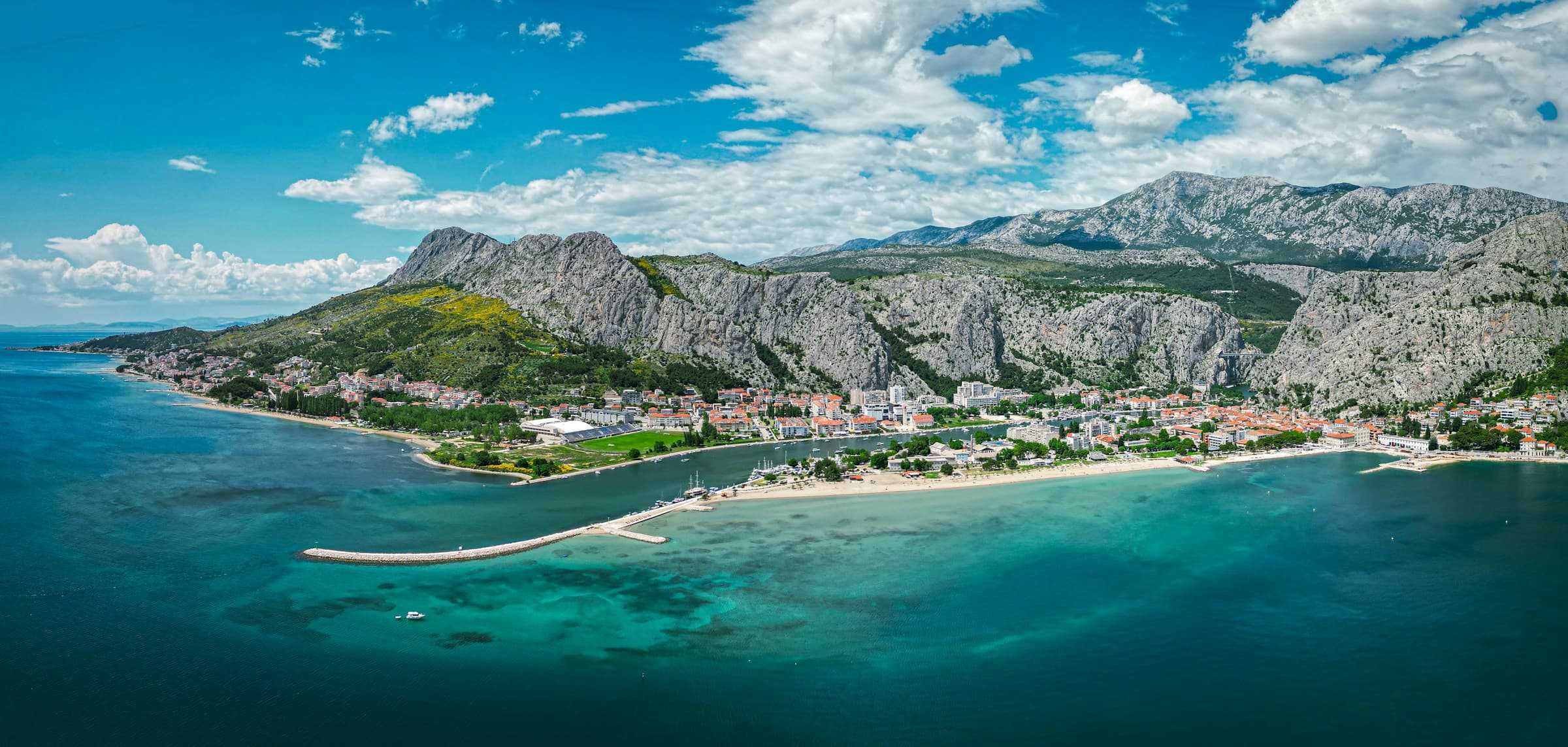
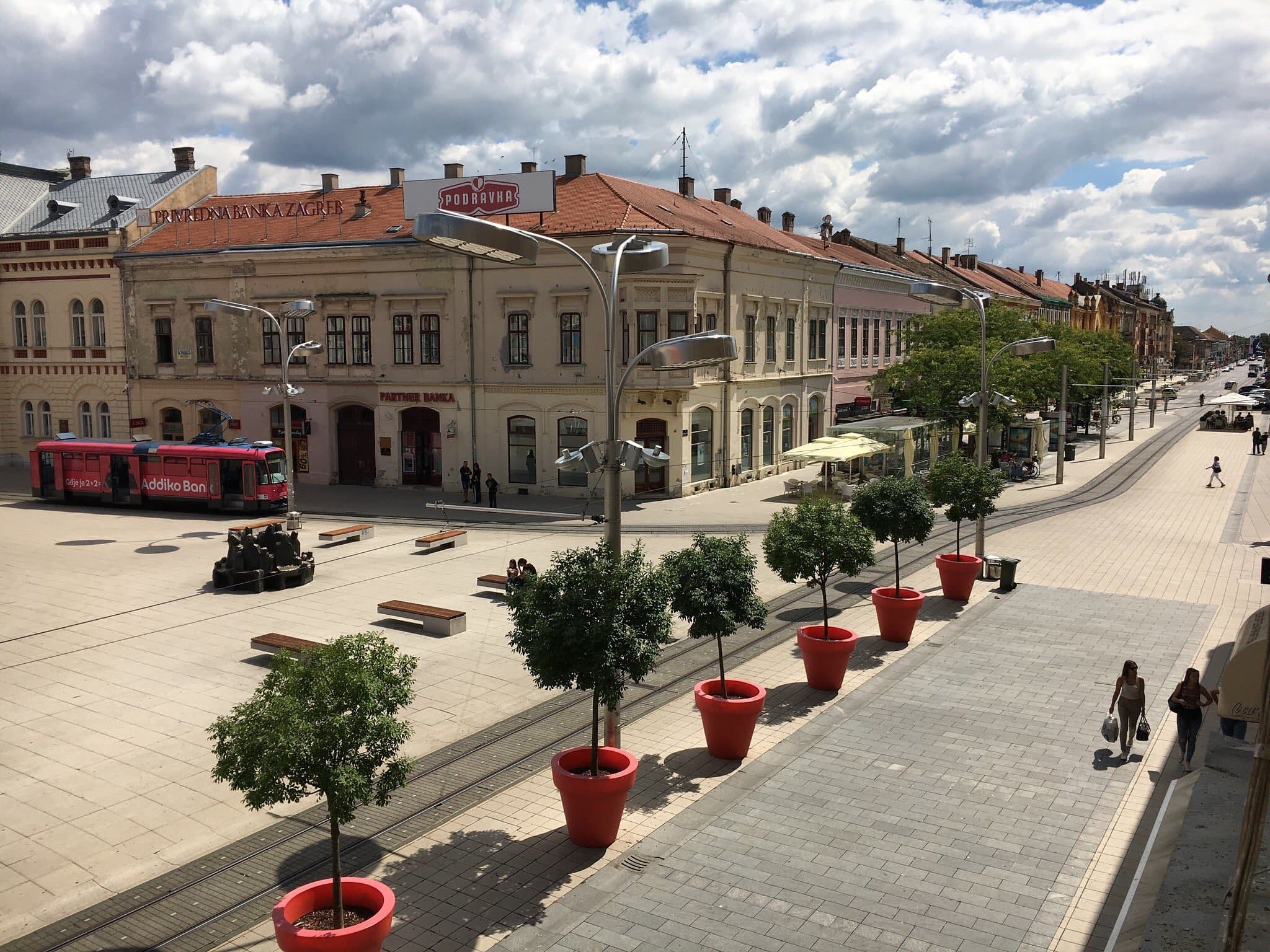
Slavonia's riverside capital — fortress walls, café culture, and wetland landscapes.
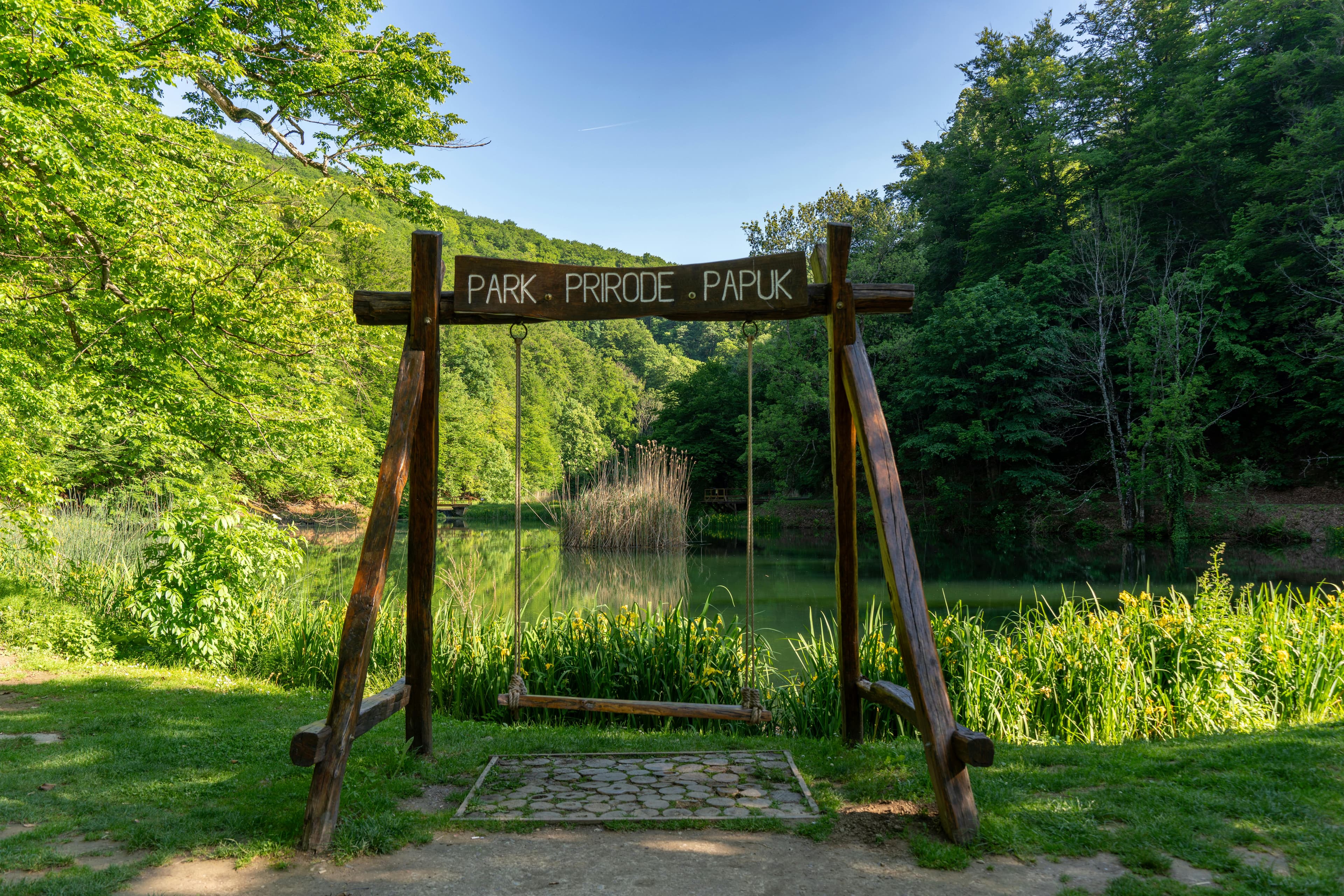
Forest trails, volcanic rocks, and geopark landscapes in Croatia's east.
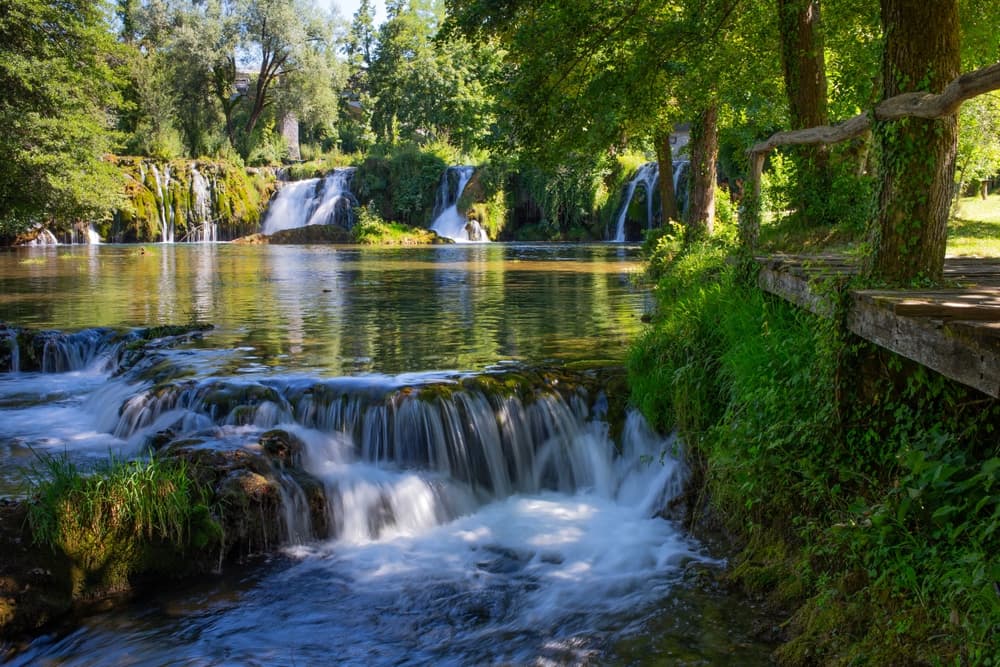
A small village where the Slunjčica river tumbles over travertine ledges and through watermills — often called 'small Plitvice', and a natural stop on the road to the national park.
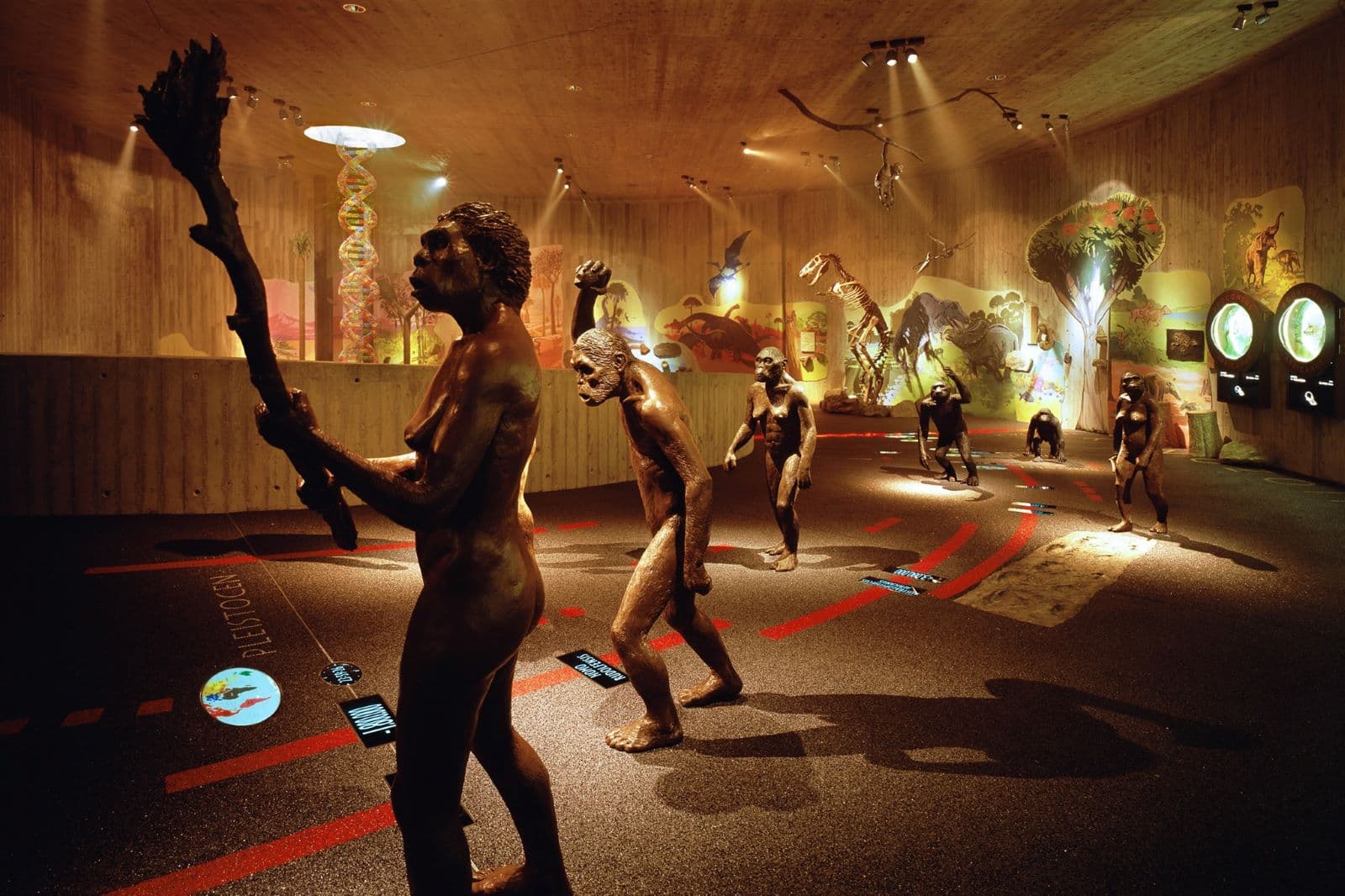
Home to one of the world's most significant Neanderthal fossil sites, with an award-winning science museum built around the original excavation in the Zagorje hills.
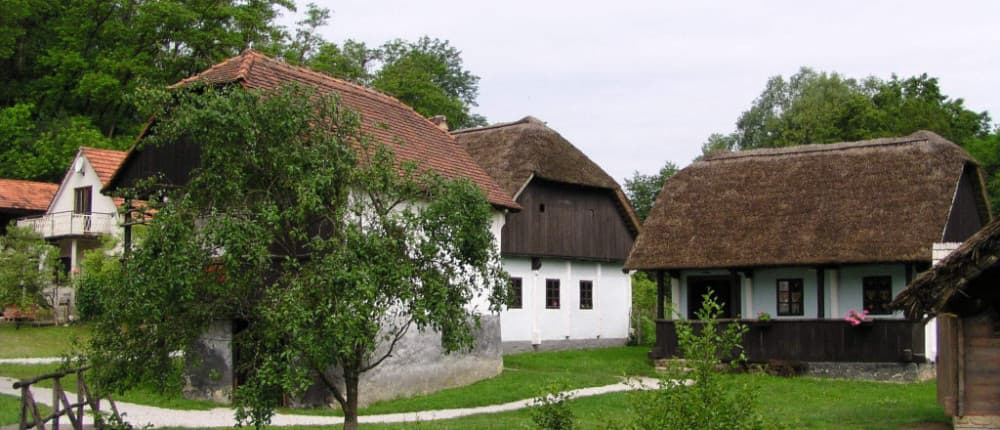
Tito's birthplace and home to Staro Selo — one of Croatia's best open-air ethnographic museums in a village of preserved 19th-century Zagorje houses.
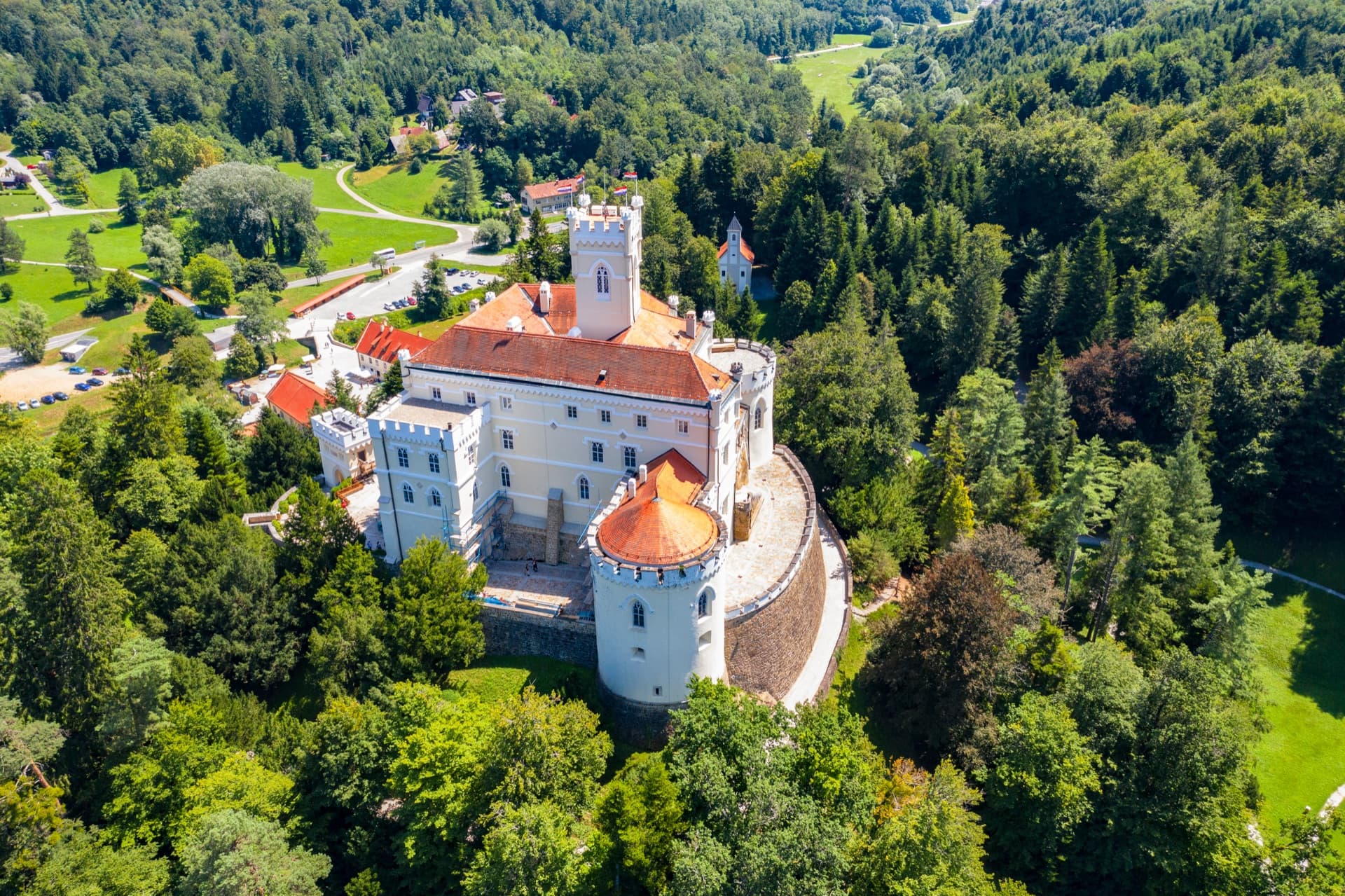
Croatia's most photographed castle — a white 19th-century Romanticist fortress above a lake in the Zagorje hills, with a well-preserved interior and lakeside walks.
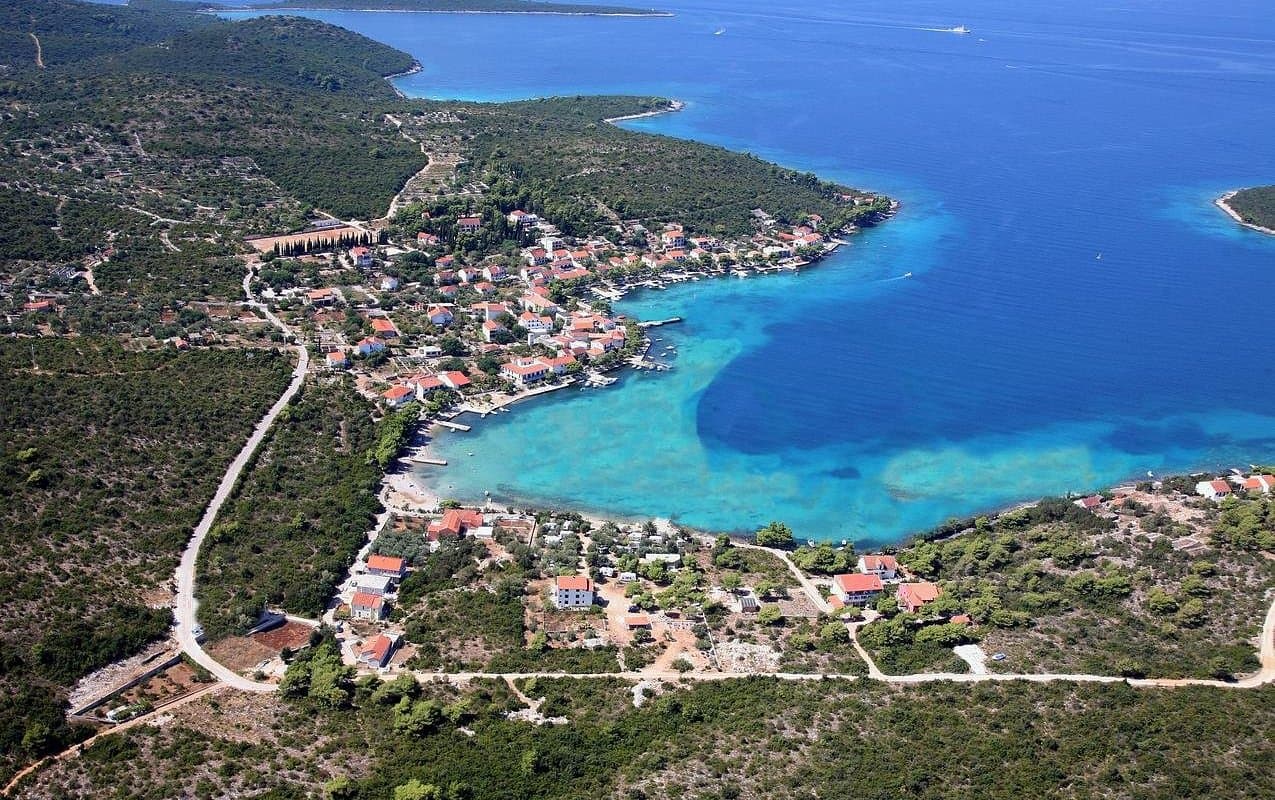
Croatia's premier wine peninsula, home to legendary Plavac Mali wines, historic Ston Walls, ancient saltworks, and pristine Adriatic beaches.
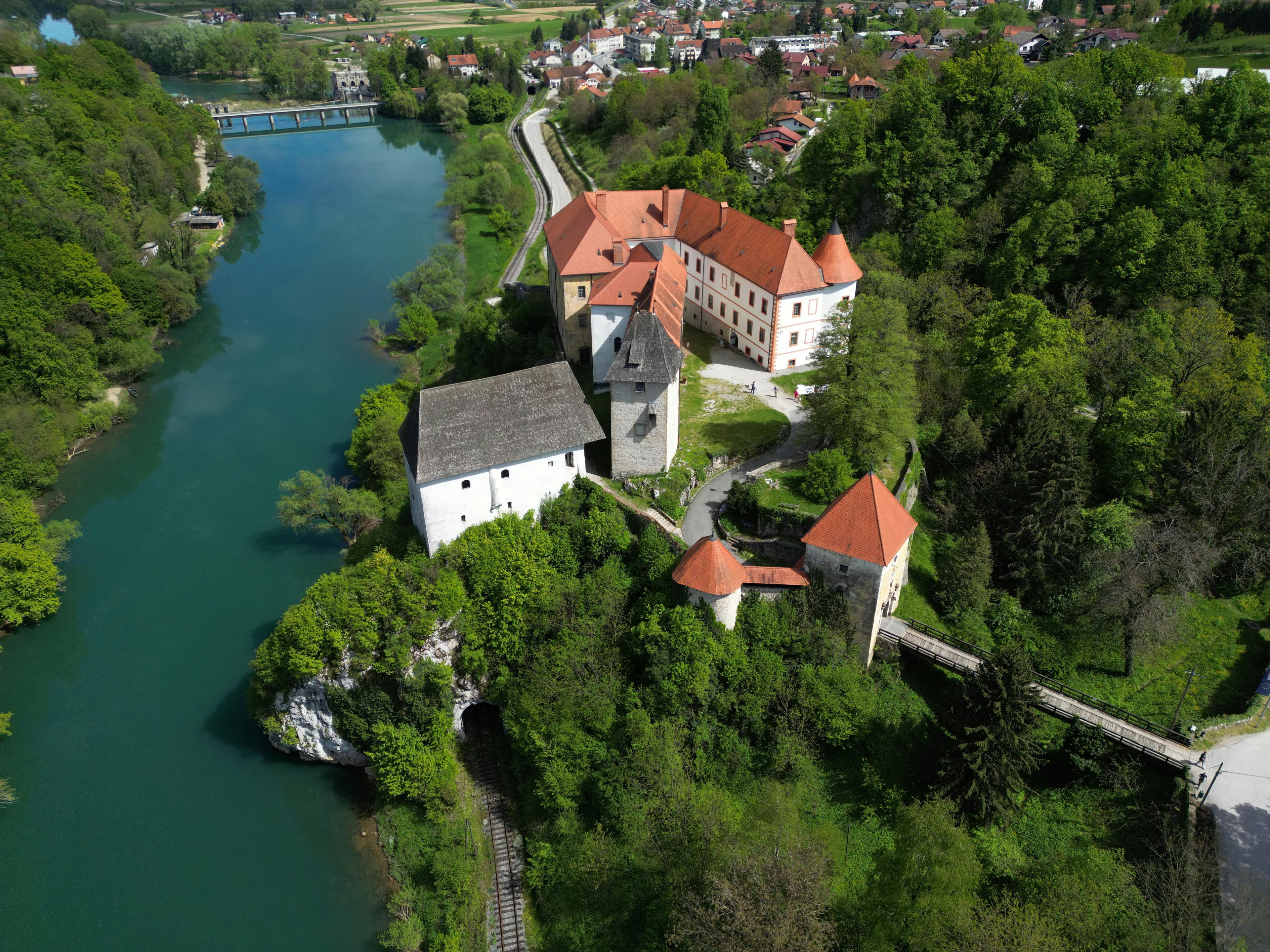
A compact town above the Kupa river with a well-maintained castle museum and easy access from Karlovac — a quiet stop on the Central Croatia circuit.
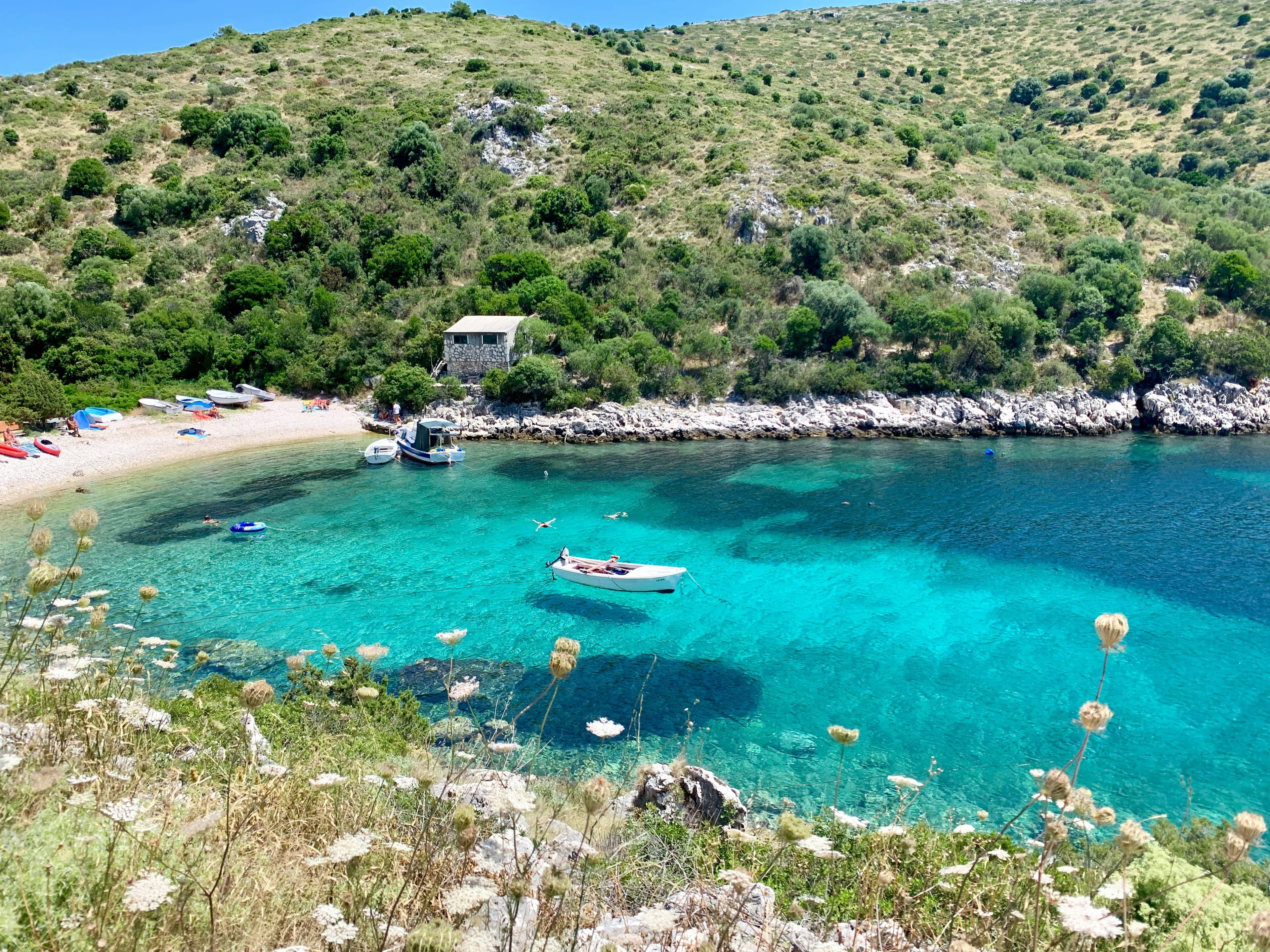
Dalmatia's long, unspoilt island — home to Sakarun beach, Telašćica Nature Park, the Veli Rat lighthouse, and a calm alternative to the busier island crowds.
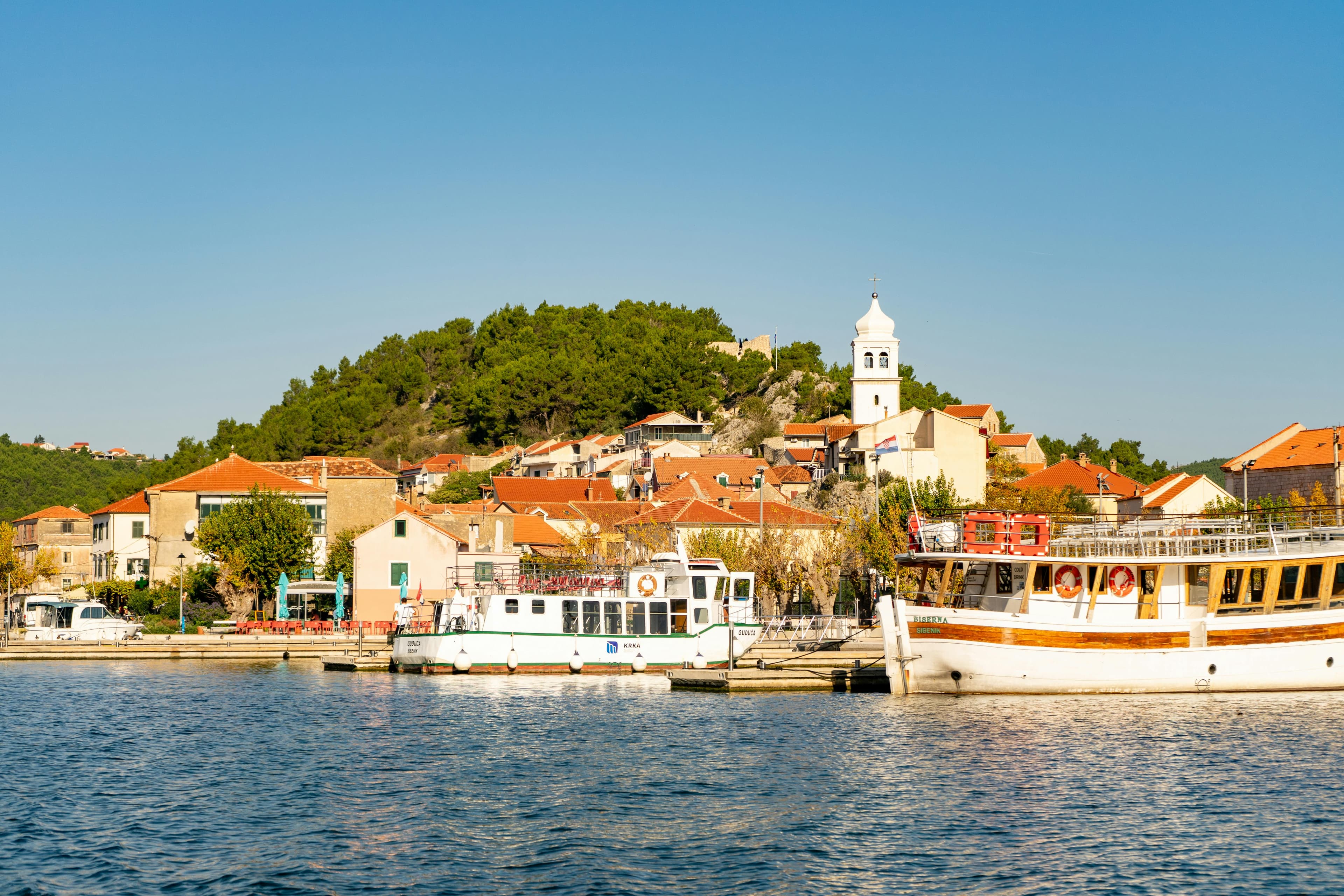
A small riverside town on the Krka, with a marina, compact old centre, and the most atmospheric gateway to Krka National Park and Skradinski Buk.
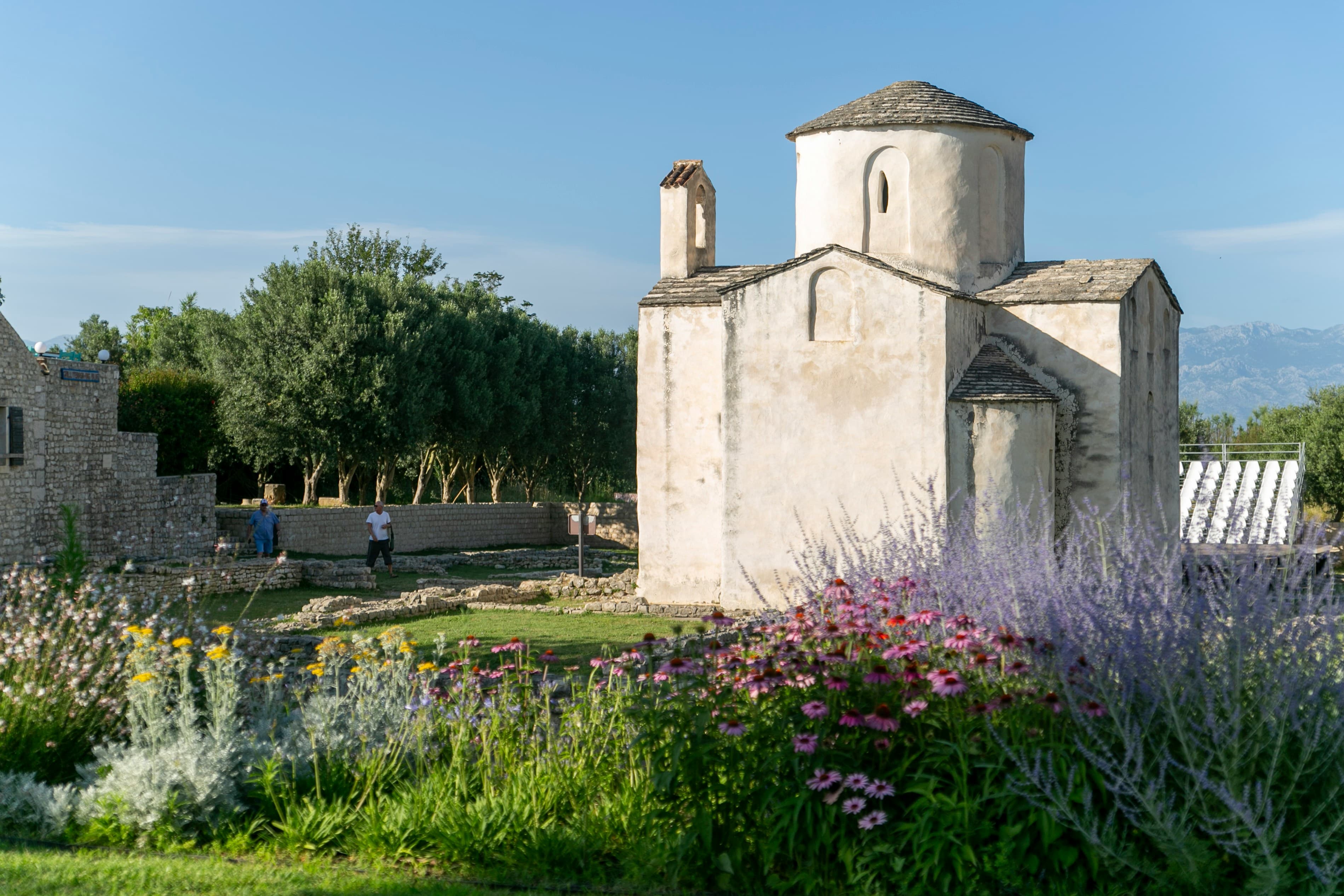
A small royal town north of Zadar with the Church of the Holy Cross, ancient salt pans, and Queen's Beach — one of Dalmatia's best sandy, shallow family beaches.
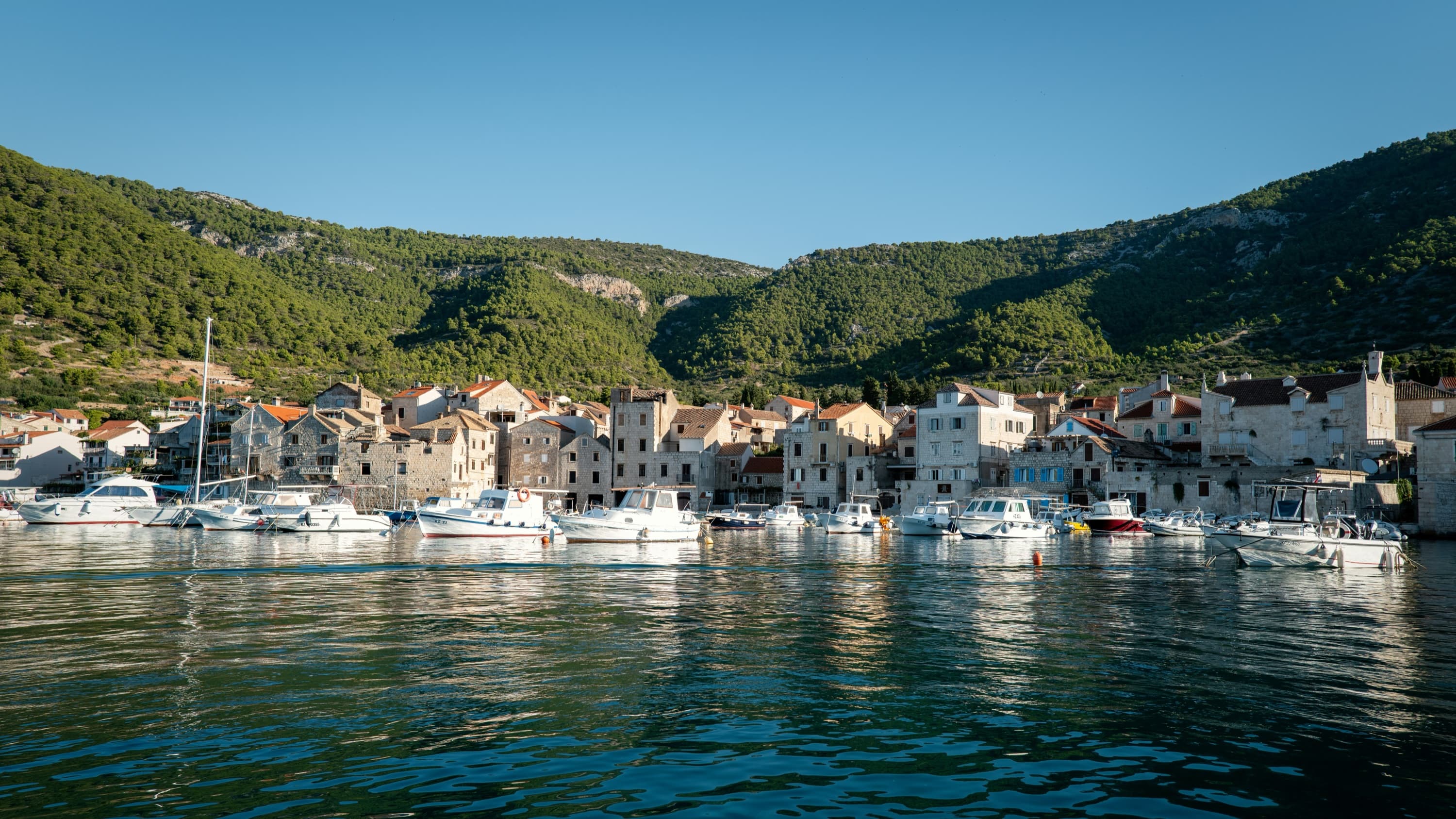
The atmospheric fishing town on the western side of Vis island — beaches, fishing heritage, sunset views from Mount Hum, and the classic starting point for Blue Cave boat trips.
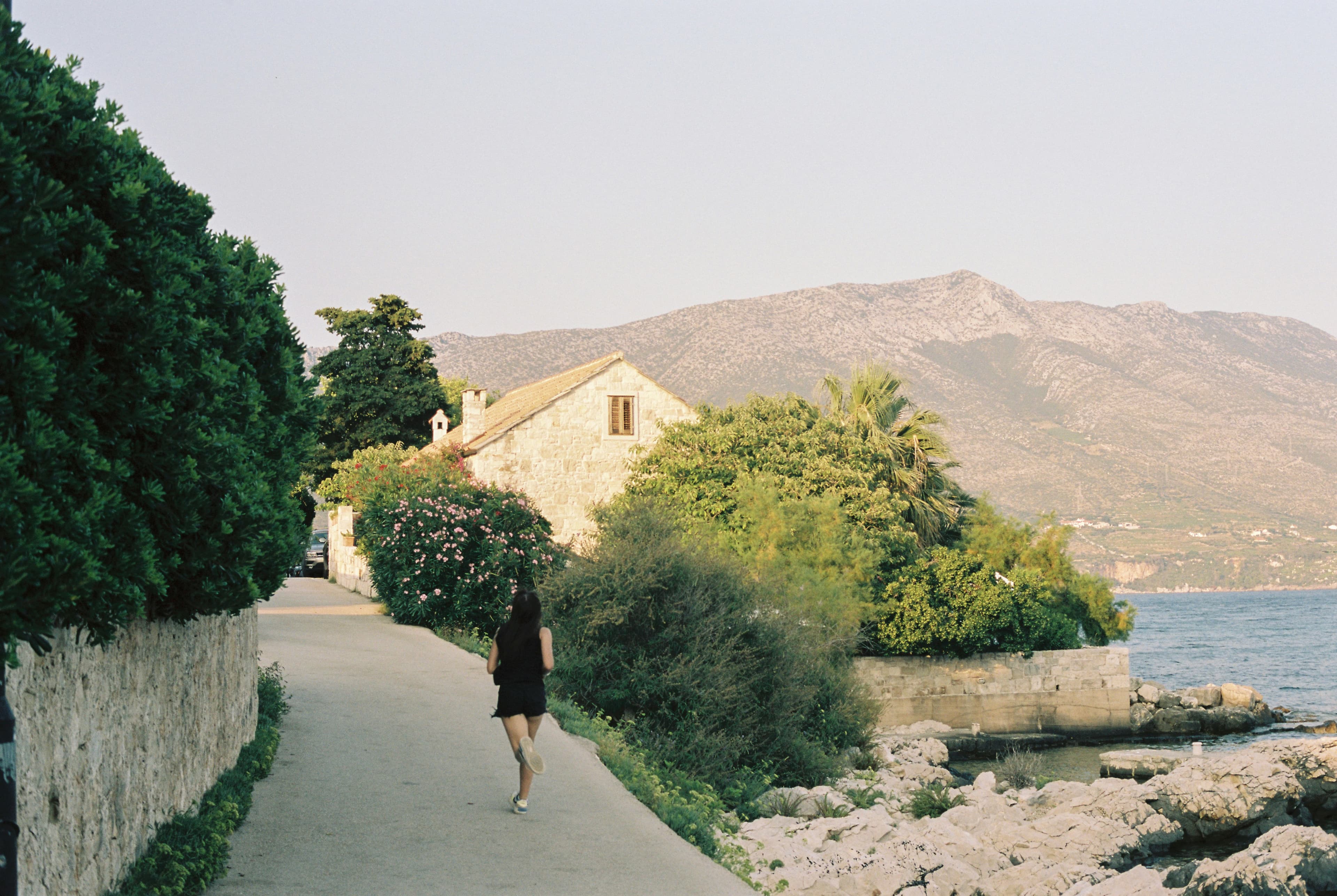
The practical Pelješac beach town — clear water at Trstenica, Pelješac wine country, Mount Ilija backdrop, and a 15-minute ferry crossing to Korčula.
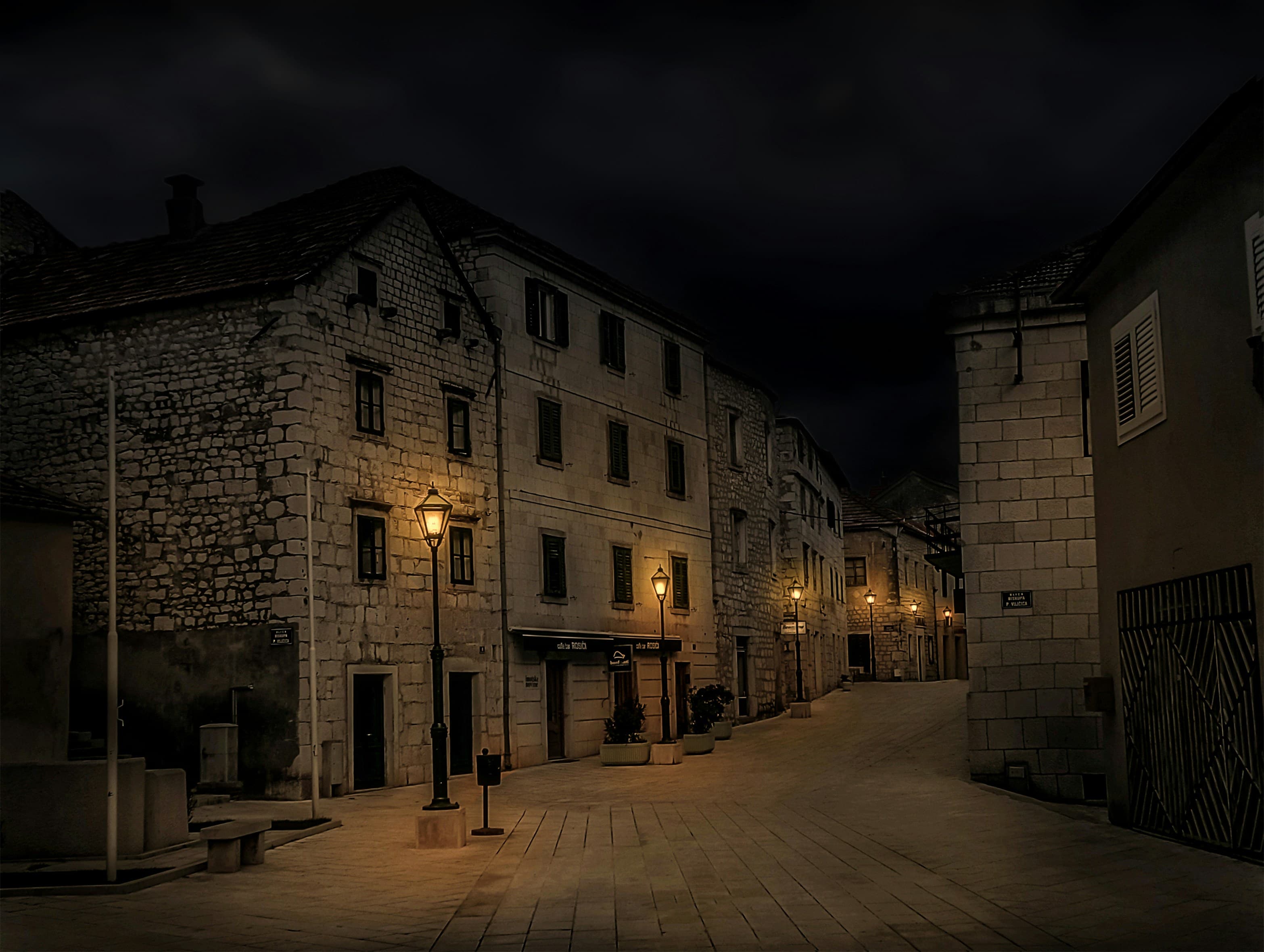
An inland Dalmatian town near the Bosnia and Herzegovina border, known for Blue Lake, Red Lake, karst cliffs, and one of the most dramatic natural settings away from the coast.
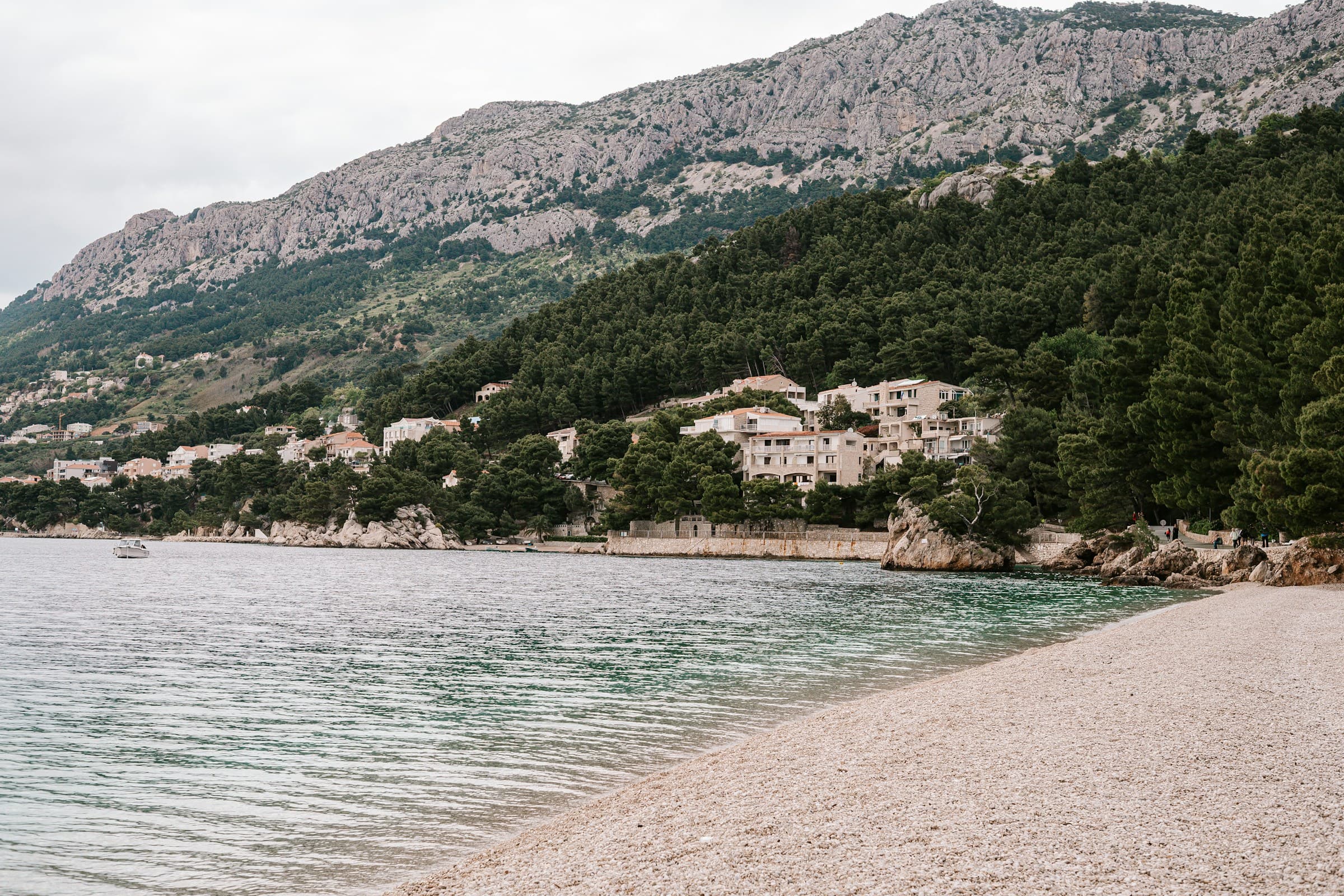
A pine-shaded beach town on the Makarska Riviera, home to one of Croatia's most beautiful pebble beaches — Punta Rata — with crystal-clear water and the Biokovo mountains rising behind.
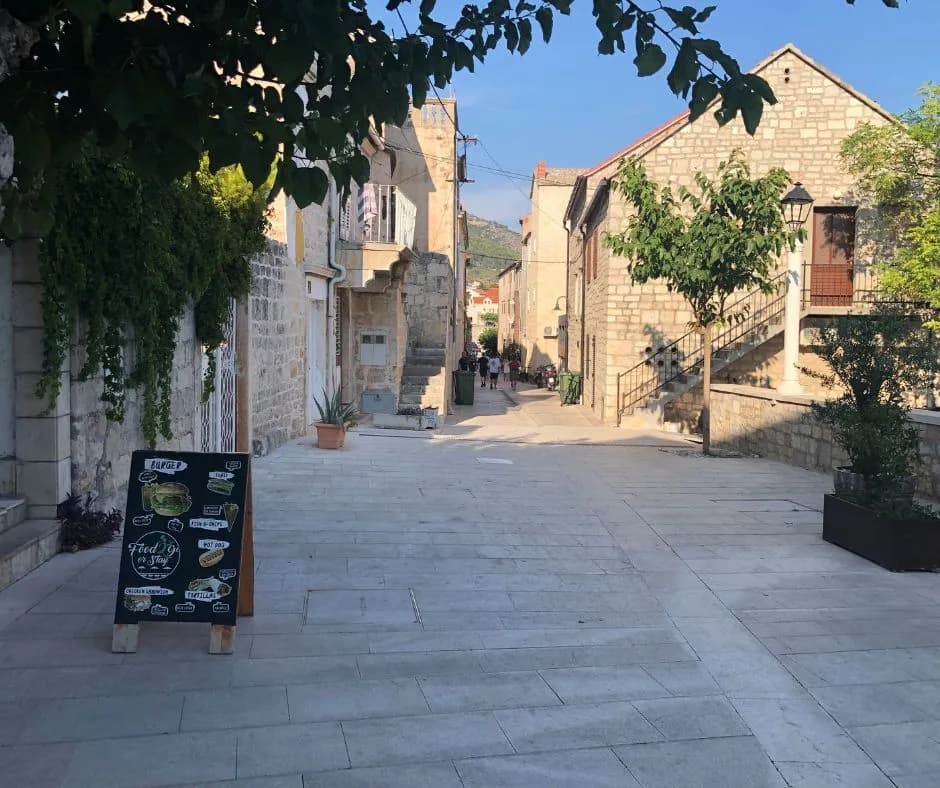
A town on Brač island best known for Zlatni Rat — Croatia's most iconic beach, a golden pebble spit that shifts direction with the tide — paired with a medieval Dominican monastery.
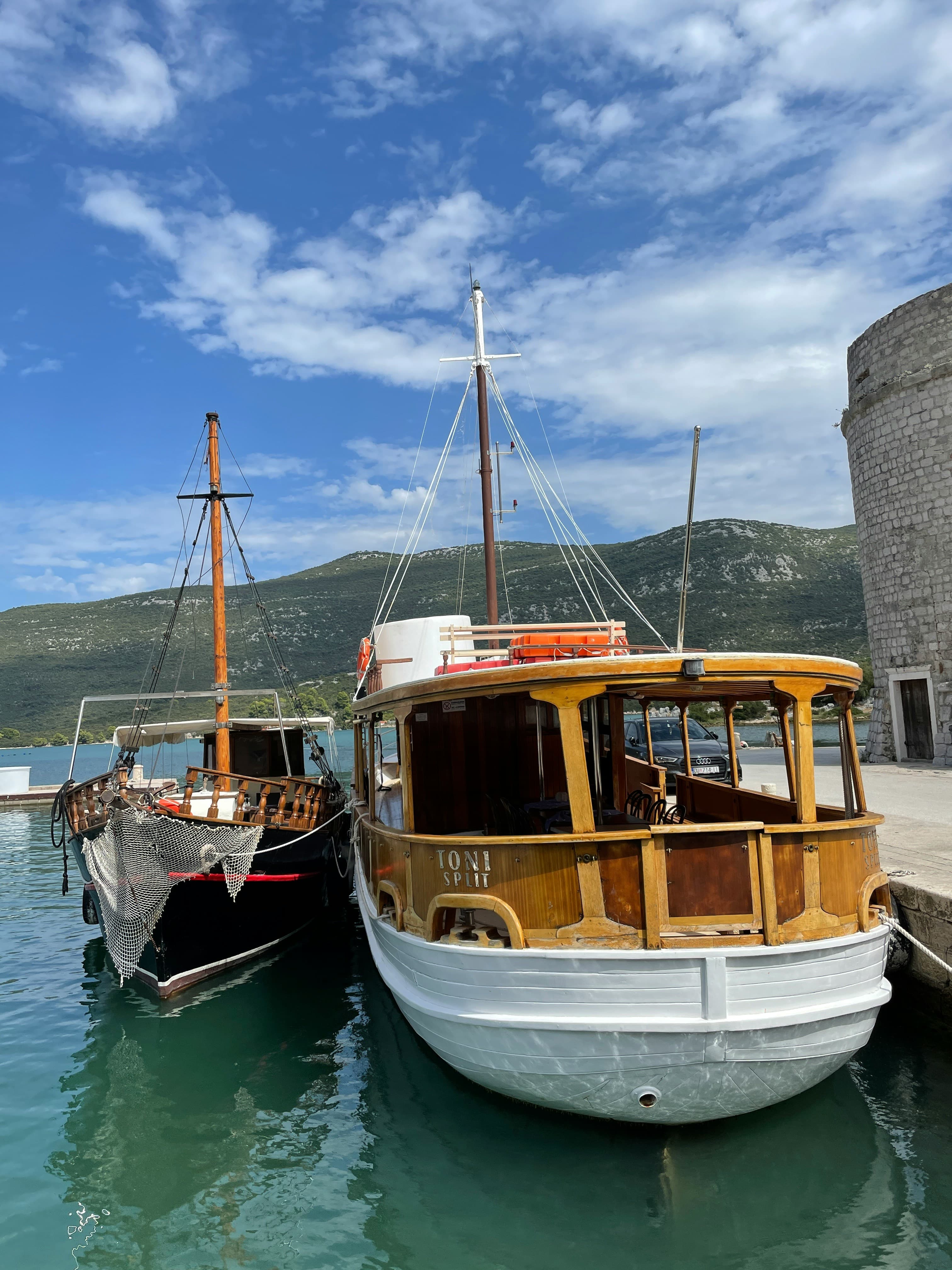
A tiny walled village at the base of Pelješac, famous across Croatia for the best oysters and mussels in the country — farmed in the sheltered Mali Ston bay since the 14th century.
The main ferry port on Brač island, 50 minutes from Split — a relaxed Dalmatian town with a pretty harbour, pebble beaches, and a well-known mausoleum carved from white Brač limestone.
Croatia looks small on a map, but planning the right route makes all the difference.